Some places do more than make you stop the car; they make you reconsider what kindness can look like at full scale. Southern Utah’s red rock canyon country sets the stage for an animal sanctuary so vast and heartfelt that it feels less like a facility and more like a living promise.
Across thousands of acres, more than 1,000 animals are given care, space, patience, and the chance to be seen as more than a sad backstory. Dogs, cats, horses, pigs, goats, bunnies, and plenty of unforgettable personalities all share this remarkable refuge.
Visitors come for tours, volunteer days, road-trip curiosity, or adoption hopes, but many leave with something deeper than a few photos. The landscape is stunning, yes, but the mission is what stays with you.
In Utah, this is the kind of stop that turns compassion into an experience you can walk through.
A Canyon Setting That Does Half the Work
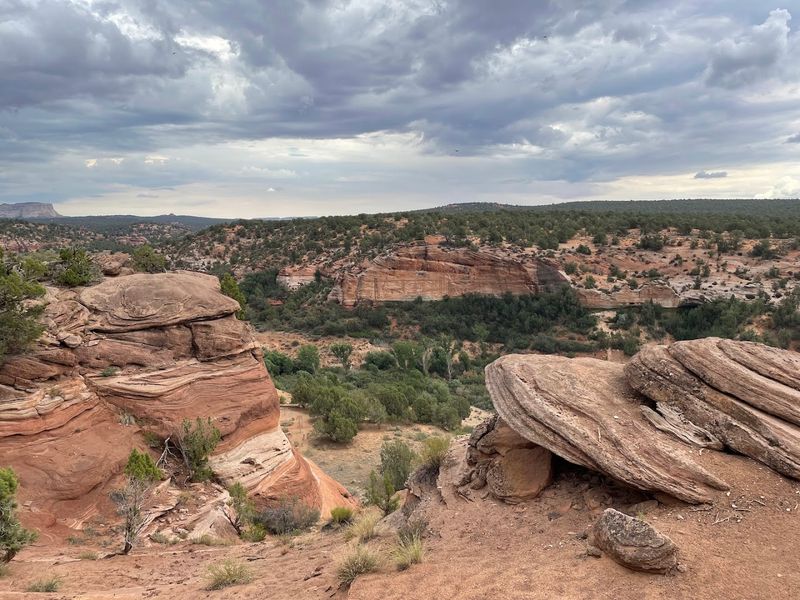
There are places that earn their reputation through sheer persistence, and then there are places that make the case the moment you pull off the road and look around. This place sits inside Angel Canyon at 5001 Angel Canyon Rd, Kanab, UT 84741, and the landscape alone is enough to make you forget what you were originally planning to do with your afternoon.
The towering red sandstone walls frame the sanctuary in a way that no marketing team could have designed on purpose. Visitors frequently mention feeling an unexpected sense of calm upon arrival, as if the canyon itself is in on the mission.
The surrounding scenery is not just a backdrop. It actively shapes the experience, giving the sprawling grounds a feeling of purposeful seclusion rather than remote inconvenience.
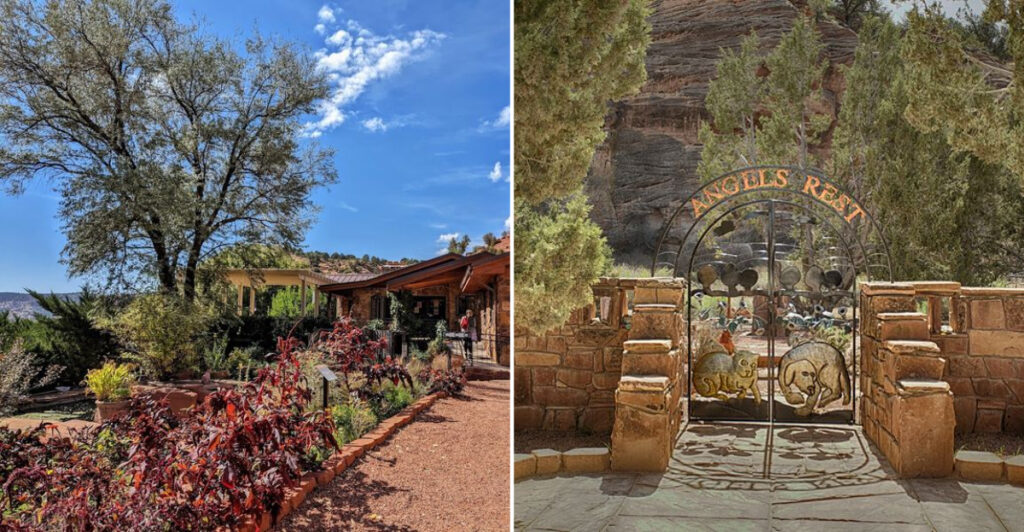
The Gratitude Garden, positioned for sweeping canyon views, has become one of the most quietly memorable stops on any tour of the property.
Quick Tip: Arrive early. The morning light on the canyon walls is genuinely spectacular, and the animals tend to be more active before the midday heat settles in across the Utah desert.
The Free Guided Tour Is the Real Entry Point
Booking the free 90-minute guided tour is easily the single best decision you can make before visiting. Guides walk groups through the sprawling property, stopping at various animal areas and offering the kind of context that turns a pleasant outing into something genuinely educational.
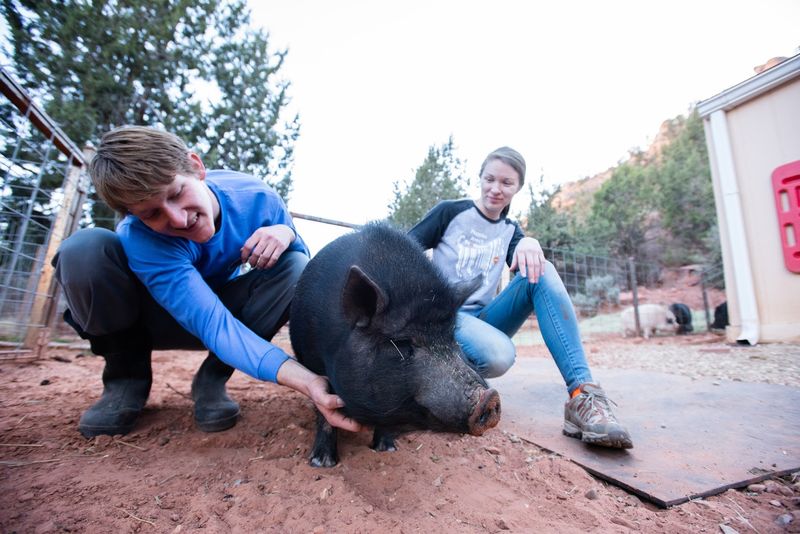
Past visitors have raved about stops at the cat houses and pig areas, where hands-on interaction is part of the experience rather than a rare bonus. Guides bring real knowledge and enthusiasm to every stop, covering everything from animal behavior to the sanctuary’s broader no-kill mission.
Tours fill up fast, particularly morning slots, so planning ahead is not just a suggestion. One visitor who spontaneously decided to book while passing through on a road trip described being completely blown away by how expansive and thoughtfully organized everything turned out to be.
Insider Tip: Most guided tours run in the morning. If you miss a guided slot, the self-guided drive loop still covers a remarkable amount of ground and includes access to at least one cat house where you can interact directly with the residents.
Best For: First-time visitors, families with curious kids, and anyone who wants structured context before exploring on their own terms.
Over 1,000 Animals, Each With Its Own Story
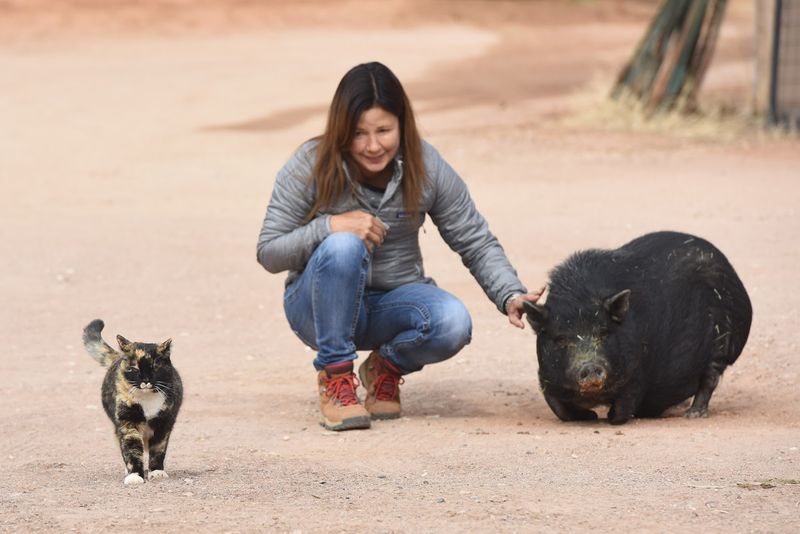
On any given day, Best Friends Animal Sanctuary is home to more than 1,000 animals. That number sounds abstract until you are standing in the middle of it, watching pigs lounge in air-conditioned shelters and horses graze across open paddocks while cats stretch out in purpose-built houses nearby.
The sanctuary operates as a true no-kill facility, meaning every animal that arrives has a permanent home for as long as it needs one. There is a dedicated building for cats living with Feline Leukemia Virus, a full equine program at Horse Haven, a rabbit area, goat walks, and multiple dog zones including Roxy’s Room and DogTown.
The scale of the operation is genuinely hard to absorb on a single visit. Each species has its own thoughtfully designed habitat meant to reduce stress and support natural behavior, which is a level of intentionality that visitors notice immediately.
Why It Matters: Best Friends is widely credited with helping shift the national conversation around animal sheltering toward no-kill standards. The animals here are not just cared for; they are genuinely thriving in an environment built around their specific needs.
Staying On Property Changes Everything About the Visit
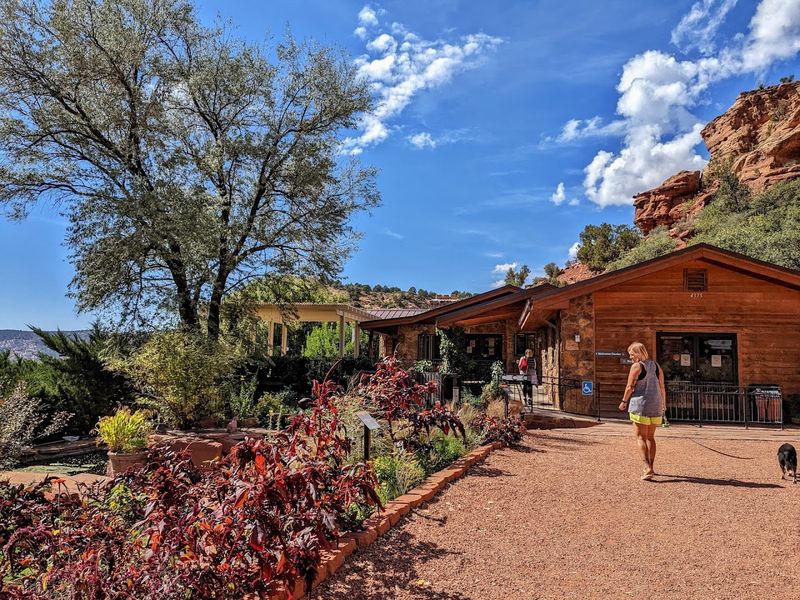
There is a meaningful difference between visiting Best Friends for an afternoon and actually staying on the property overnight. The sanctuary offers cabins, cottages, and an RV campground, all of which put you inside the experience rather than passing through it.
Guests who book cabins have reported scheduling cat sleepovers, taking resident dogs on morning outings, and waking up to deer wandering past their windows. The campground sites are well-maintained, with clean restrooms and shower facilities that multiple visitors have singled out as impressively well-stocked.
Staying on-site also gives you natural first access to morning tours and volunteer shifts before day visitors arrive. One guest brought her own dog and noted that the property provided dedicated dog beds, bowls, and waste bags throughout the grounds, making it a surprisingly smooth experience for pet owners.
Planning Advice: Cabins and popular tour slots book out weeks in advance, particularly during spring and fall. Check the sanctuary website and reserve accommodations and activity slots at the same time to avoid scheduling conflicts once you arrive.
Best For: Couples seeking a low-key getaway, solo travelers, and families who want more than a single-day snapshot of how the sanctuary actually operates day to day.
Volunteering Here Is Surprisingly Accessible for Anyone
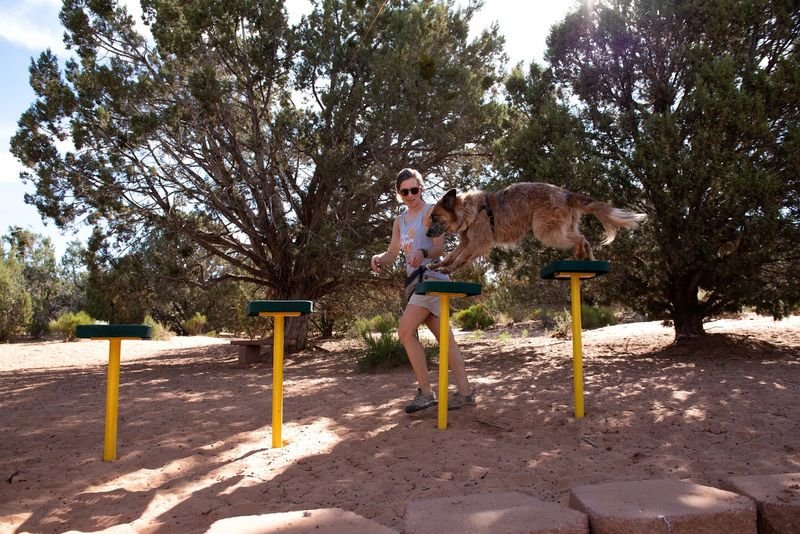
Volunteering at Best Friends does not require a resume, special training, or even a full week of availability. Single-day volunteer shifts are available across multiple areas of the sanctuary, including Cat World, Horse Haven, DogTown, and the rabbit and bird habitats.
Families have used volunteer shifts as a genuinely memorable alternative to standard vacation activities, with kids and adults working in different areas of the property and comparing notes over lunch afterward. The staff and long-term volunteers are consistently described as welcoming, knowledgeable, and happy to walk newcomers through exactly what to expect.
One visitor who volunteered at Horse Haven noted learning specific details about horse behavior she had never encountered before, which speaks to how seriously the sanctuary takes its educational role alongside its rescue mission. This is a working sanctuary, not a petting zoo, and that distinction matters.
Common Mistakes to Avoid: Do not show up without a reservation and expect to jump into a volunteer shift. Slots fill quickly, and some areas require advance booking.
Check the sanctuary website well before your visit and plan at least a few weeks ahead during peak travel months.
The Vegan Cafe With a Million-Dollar View
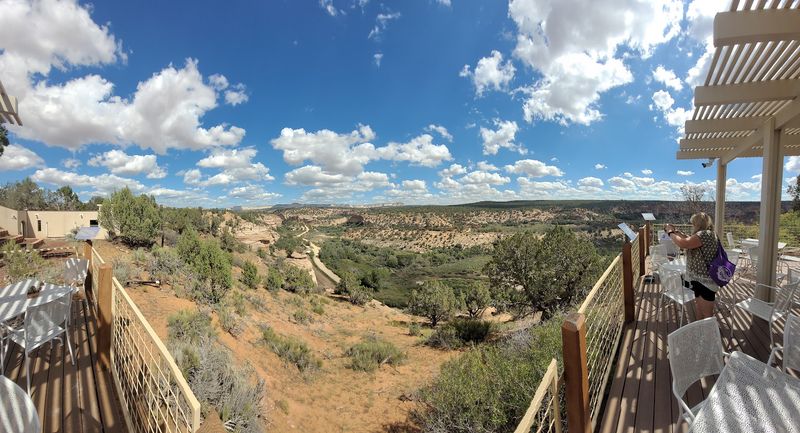
Somewhere around the midpoint of your visit, hunger will arrive with the same certainty as a Utah afternoon thunderstorm. The sanctuary’s on-site cafe handles this problem with a straightforward vegan lunch menu, a salad bar that visitors have described with genuine enthusiasm, and a view from the outdoor patio that makes the five-dollar price tag feel almost comically reasonable.
The food is filling and honest rather than elaborate, and the setting does an enormous amount of heavy lifting on its own. Sitting outside with canyon walls on three sides while watching the occasional deer wander past is the kind of moment that ends up being the thing you mention first when describing the trip to someone who has never been.
Visitors who arrived skeptical of the vegan menu have left recommending the desserts specifically, which says something useful about managing expectations before you walk in.
Pro Tip: The cafe operates during sanctuary hours, but seating on the patio fills up around midday. If you are doing a morning tour, plan to head to the cafe immediately after rather than saving it for later in the afternoon when availability tightens up considerably.
Angels Rest and the Gratitude Garden: The Quieter Side of the Sanctuary
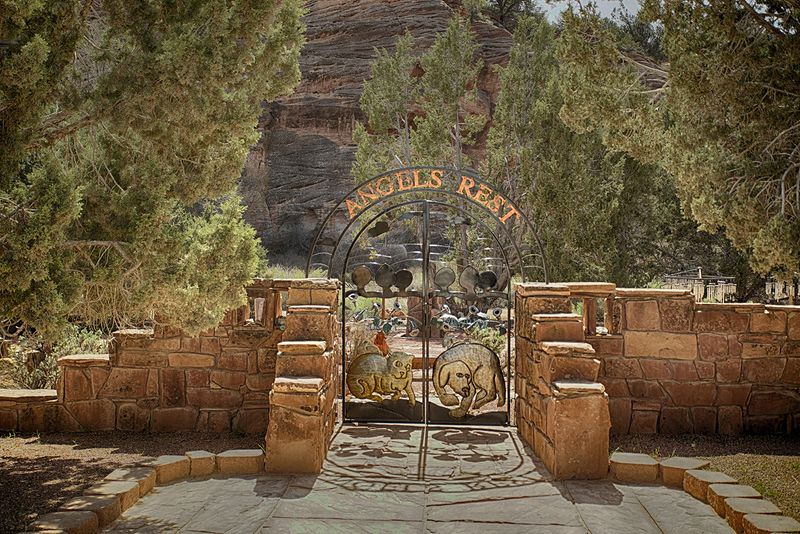
Not every part of Best Friends is about activity. Angels Rest, the sanctuary’s animal memorial cemetery, is one of those rare places that asks nothing of you except to slow down and be present for a few minutes.
Wind chimes hang throughout the area, and visitors have described the sound of them moving in a canyon breeze as quietly moving in a way that is hard to explain and easy to feel.
The Gratitude Garden sits nearby and offers some of the most expansive views on the entire property. Both spots are accessible after a guided tour or during a self-guided drive of the loop road that winds through the sanctuary grounds.
For visitors who have lost a pet, or who simply connect with the broader mission of the place, these two areas carry a particular emotional weight that the rest of the sanctuary, busy and purposeful as it is, does not quite replicate.
Who This Is For: Anyone who wants a moment of genuine reflection built into their visit. These spots are appropriate for all ages and require no advance booking.
Bring a jacket in cooler months; the canyon holds a chill longer than the open road does.