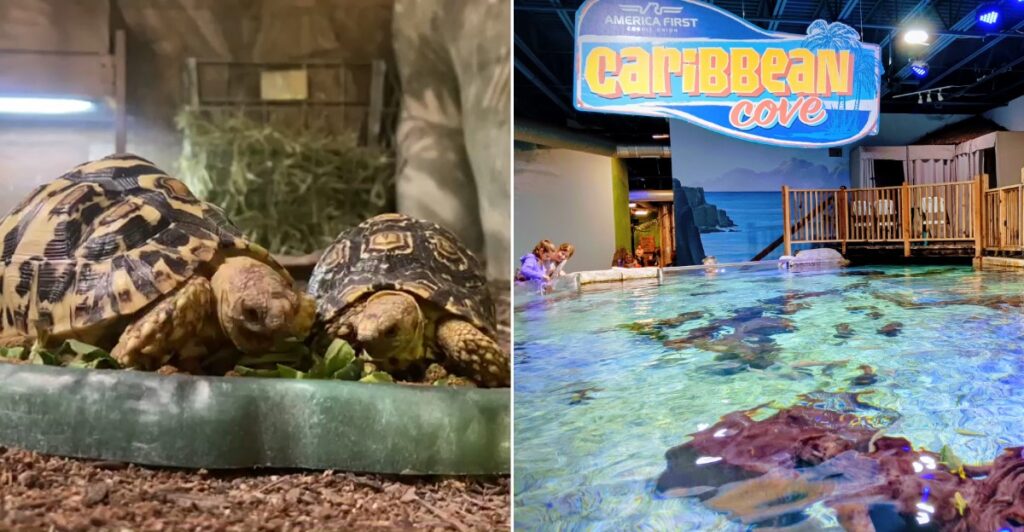
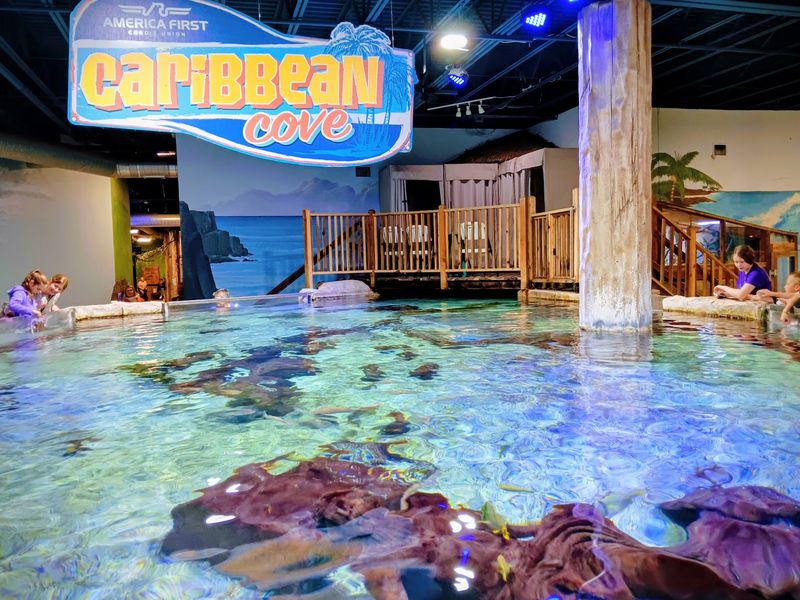
Somewhere inside a shopping mall, people are pulling on snorkels and swimming with stingrays and sharks. That is not a typo, and it is not a vacation brochure.
The same spot lets you feed otters through little tubes and meet a sloth up close. A porcupine, a room full of parakeets, and tiny fish that nibble your hands round out the cast.
I can’t imagine a stranger, better errand break.
Utah is a landlocked state, so ocean animals usually mean a long trip somewhere else. This place flips that idea and brings the reef indoors, a few steps from the mall shops.
I like how hands-on everything feels, from feeding stations to themed habitats. Families across Utah have a rare chance to touch sea life on a random weekday afternoon.
So which animal would you visit first?
Grab A Snorkel, Because The Stingrays Are Waiting
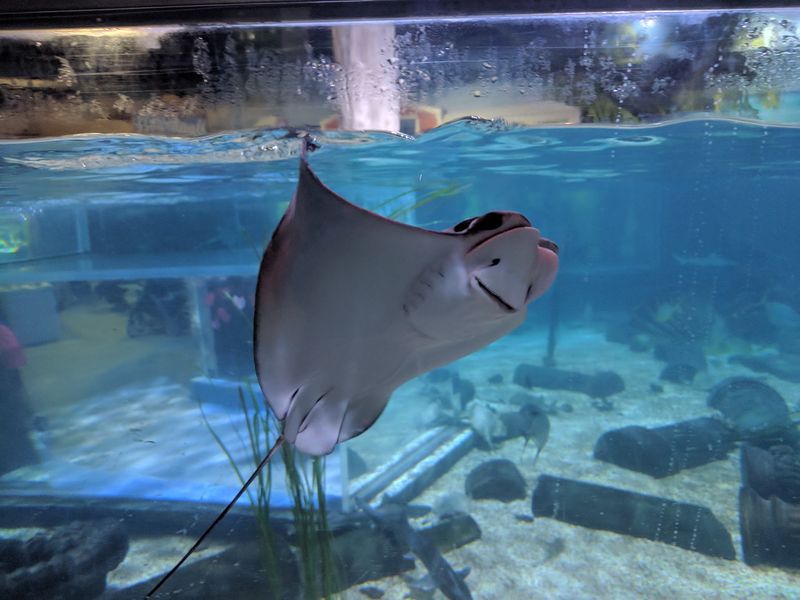
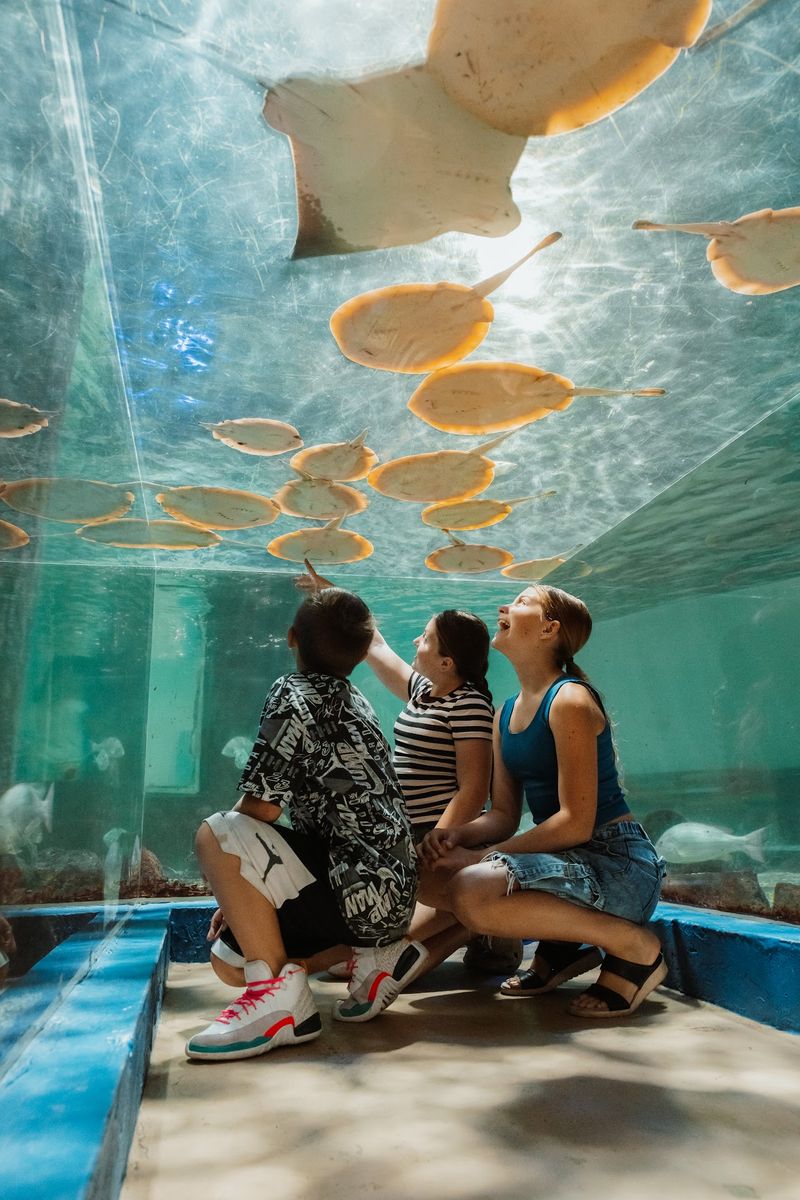
Snorkeling with stingrays and sharks sounds like a beach trip, yet it happens at Layton Aquarium & Wildlife. The headline experience lets guests slip into the water and see these animals from their level.
That is a big deal in a desert state like Utah. Most people here never get closer to a shark than a TV screen.
Snorkeling is listed as one of the place’s signature encounters. Rays glide past, and feeding them is part of the fun.
Staff guide each session, so first-timers get help instead of guesswork.
Some guests even hunt for shark eggs during a visit and learn how rays eat. It turns a cool moment into a small science lesson.
Kids walk away with facts they will repeat at dinner for a week.
The experience also suits people with all sorts of comfort levels. Ask the team what to expect before you book, and plan around their schedule.
Encounters like this usually cost extra beyond general admission.
My advice is simple. Book ahead if snorkeling is the reason you are going.
Bring a towel, some patience, and a camera you trust near water.
Chip And Dale Steal The Show With A Twirl
Meet the stars with tiny paws. Chip and Dale are the otters at Layton Aquarium & Wildlife, and they have serious fan energy.
The otter encounter lets guests feed them through little tubes built into the habitat. Their small paws reach out to grab snacks, and it is hard not to grin.
Trainers sometimes show off a trick or two. Wave food in a circle with tongs, and an otter may spin right along with it.
It is basically a dance party with fish rewards.
Even without a paid encounter, watching them swim is a treat. Otters move like they have somewhere urgent to be.
Then they flop around like they forgot what it was.
Encounters are scheduled, so check timing when you arrive. Spots can be limited, which makes early planning smart.
Season pass holders sometimes use their visits to try different animal encounters over time. That approach spreads out the cost and the excitement.
Start with the otters, then work your way through the rest of the list.
Good luck leaving without a favorite. Most people pick one otter within about a minute.
A Sloth Named Little Bit Moves At Exactly Your Weekend Speed
Slow and steady wins hearts here. The sloth encounter is one of the most talked-about experiences at Layton Aquarium & Wildlife, and the sloth’s name is Little Bit.
Sloths spend most of their lives hanging upside down. Their slow movements help them save energy, which honestly sounds like a solid life plan.
During the encounter, an animal expert walks you through how to interact safely. You learn where to stand, how to approach, and what the sloth likes.
Questions are welcome, so bring your weirdest ones.
Kids especially love this part of the visit. A calm animal gives them a chance to slow down too.
That is rare magic for an eight-year-old.
Like other premium encounters, this one costs extra and runs on a schedule. Ask at the front desk about times as soon as you arrive.
Here is a fun fact to share during your session. Sloths can turn their heads much farther than most mammals.
Plan for a relaxed pace around this stop. Rushing a sloth is about as useful as yelling at a cloud.
Parakeets Will Happily Land On Your Snack Stick
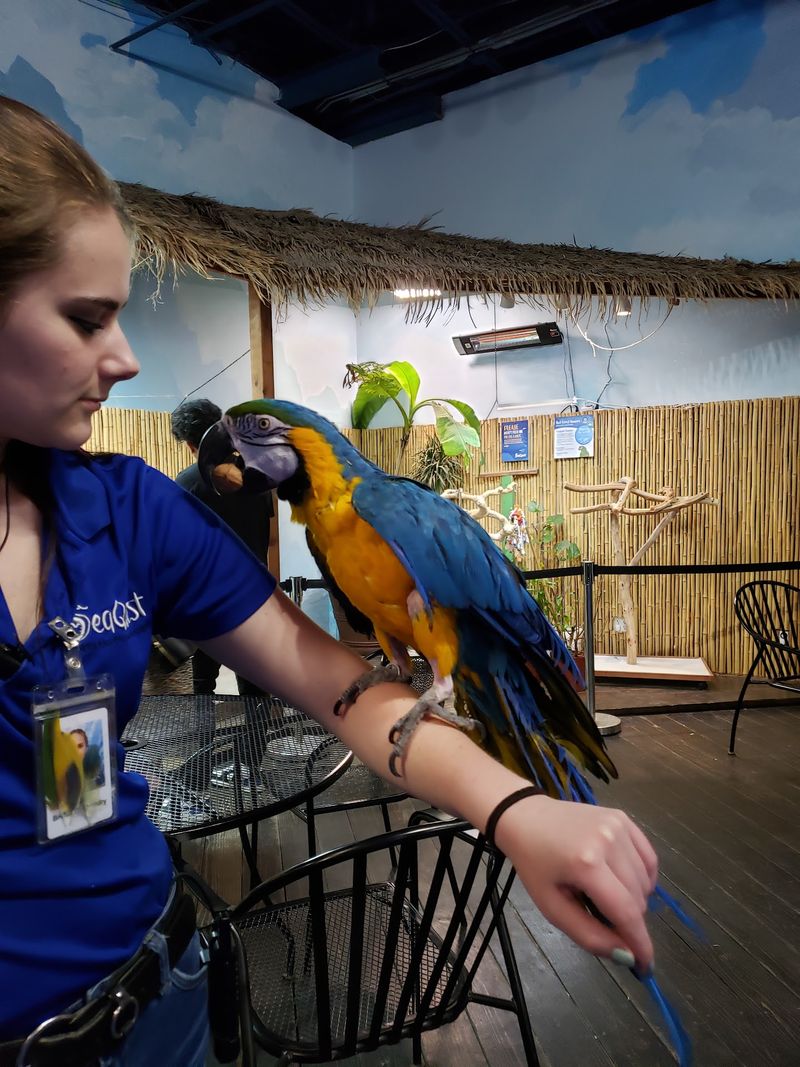
Feathers everywhere, in the best way. The bird room at Layton Aquarium & Wildlife is filled with parakeets, and feeding them is a crowd favorite.
Guests hold feeding sticks, and the birds flutter over for a bite. It feels a little chaotic and completely charming.
Not a bird person? That is okay.
Staff members are patient and help nervous visitors feel comfortable touching friendly birds like Tuki.
Parakeets are social creatures that enjoy company. They chatter, hop, and check you out with bright little eyes.
It is like being the guest of honor at a very loud party.
Bring a phone for photos, but keep one hand free. Birds do not wait politely while you find the camera app.
Feeding often uses tokens or a small add-on purchase. Decide ahead how many feeding stops you want, since birds are only one option.
Goats, rays, and fish also want snacks.
Younger kids may need a hand holding the stick steady. Once they get it, though, the giggles start fast.
Expect a few happy shrieks echoing off the walls.
Tiny Fish Give The Weirdest Manicure In Town
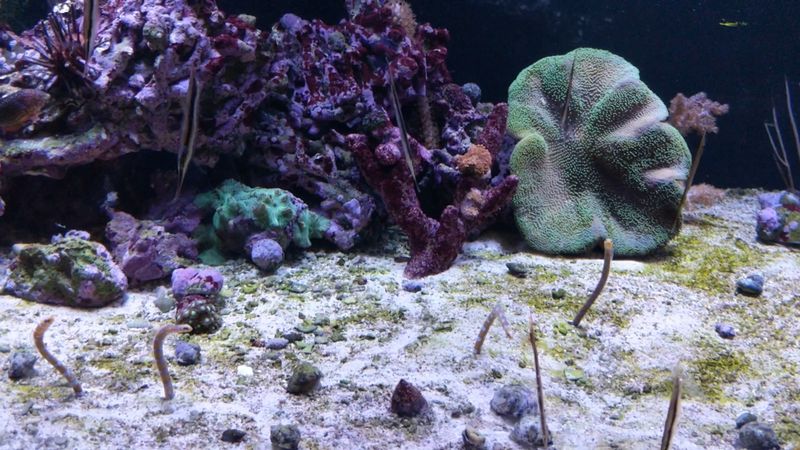
Ever had fish nibble your fingers on purpose? At Layton Aquarium & Wildlife, the doctor fish tank makes that a real option.
Doctor fish are small and gentle, and they nibble at the surface of your skin. The sensation is tickly, odd, and strangely fun.
Some people call it a fish manicure. It will not replace a salon appointment, but it beats one for laughs.
Kids usually pull their hands out at least twice before settling in.
Wash your hands before you dip them, and skip lotion that day. Clean hands keep the water healthy for the fish.
Keep a sleeve rolled up and a napkin handy. Splashes happen, especially when someone squeals.
The fish come from warm waters, which matches the cozy air inside. Speaking of air, the building runs warm overall, likely to keep reptiles and tropical animals happy.
Dress in layers you can peel off.
This stop is quick, so it fits nicely between bigger encounters. It also makes a great story for school on Monday.
Few kids can say a fish gave them a spa day.
Goats, A Porcupine, And Bengal Cats Join The Party
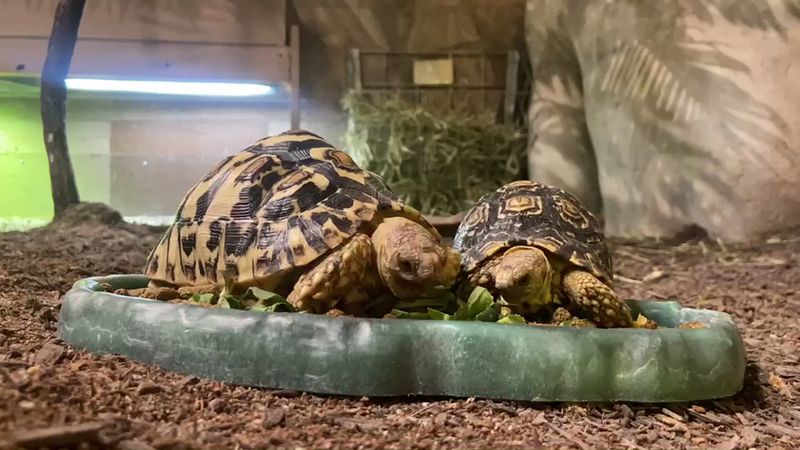
Calling it just an aquarium would be selling it short. The wildlife half of Layton Aquarium & Wildlife covers land animals too, and the variety is surprising.
Goats are ready for snacks and attention. Feeding them is simple, which makes it great for little hands.
Then there is Quilliam the porcupine. Yes, you can feed a porcupine here, and yes, the name is perfect.
Bengal cats also live on site, with spotted coats that look almost wild. A pig is part of the lineup as well.
Someone clearly said yes to every good idea.
Reptiles fill plenty of habitats, and some visits include a chance to pet a snake. Tarantulas and koi add even more range.
You might go from spiders to sharks in one hallway.
Animal care staff share facts as you move around. Ask about diets, habits, or names, since many animals have one.
This mix keeps every age busy. A toddler, a teen, and a grandparent can each find a favorite.
That alone makes the trip worth planning.
Travel The World Without Leaving The Mall
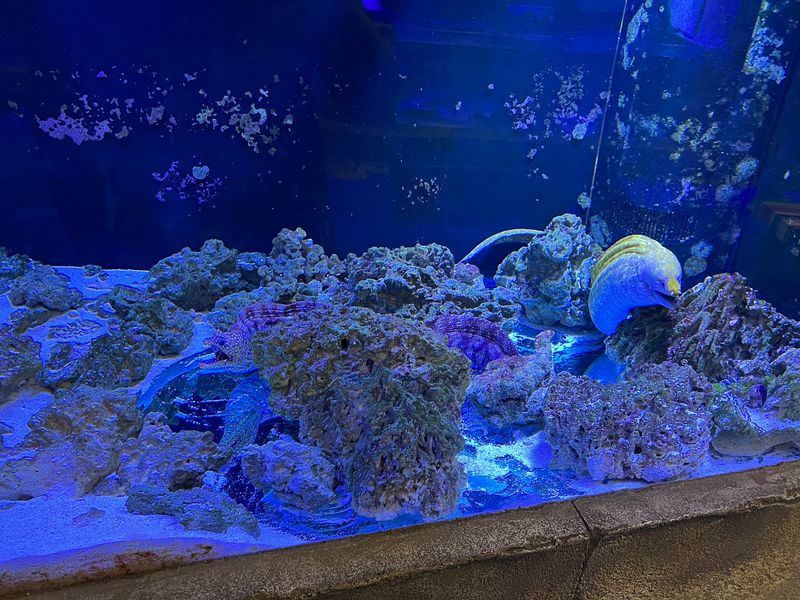
Themed habitats turn a short walk into a mini world tour. Layton Aquarium & Wildlife groups its animals by regions, showing species from different parts of the globe.
Each area comes decorated to match. That makes the walk-through feel like a journey instead of a row of tanks.
Kids pick up geography without noticing. One room hints at rainforests, and another leans toward the ocean.
Sneaky learning is the best kind.
The layout is compact, so exploring stays manageable. Little legs do not run out of steam halfway through.
The aquarium sits inside Layton Hills Mall at 1201 N Hill Field Rd #1072, Layton, UT 84041. Parking and shopping are right there, which makes planning easy.
Grab lunch before or after, and the whole day falls into place.
The space used to operate as SeaQuest. Today it runs under its current name with its own lineup of animals and encounters.
Give yourself time to read the signs. They add context that makes the animals more interesting.
Then go back through your favorite region again, because nobody is stopping you.
Friendly Animal Experts Make The Whole Visit Click
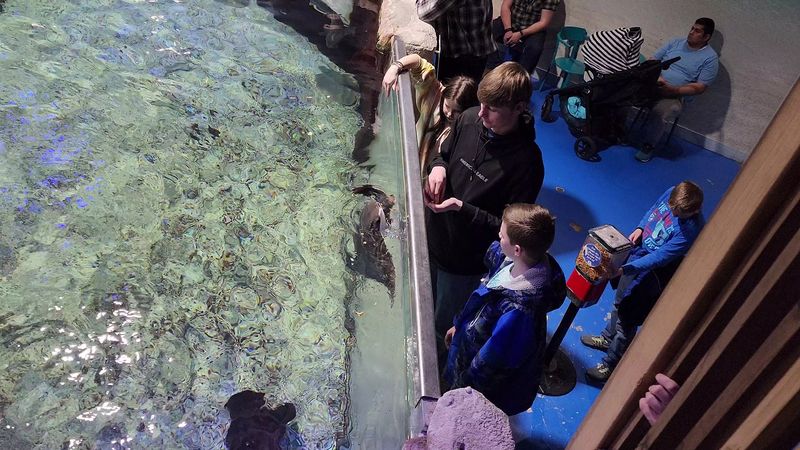
Great animals need great guides. At Layton Aquarium & Wildlife, the staff is one of the biggest reasons the place earns such strong ratings.
The aquarium holds a 4.6-star rating with thousands of reviews online. Helpful staff comes up more than any other topic.
Team members lead feedings, teach safety, and answer questions on the spot. Many know each animal by name and personality.
That kind of knowledge turns a quick look into a real connection.
Families celebrating birthdays often get extra attention during encounters. A guide can make one kid feel like the most important person in the building.
Do not be shy about asking for help. Staff can suggest which feedings fit your time and budget.
They can also tell you when certain animals are most active.
Some staffers even offer to snap photos during interactions. That frees you up to actually enjoy the moment.
A good tip is to ask your guide for a favorite fact. You will often hear something that is not on any sign.
Those little stories stick with kids long after the trip.
Smart Timing And Tickets Stretch Your Visit Further
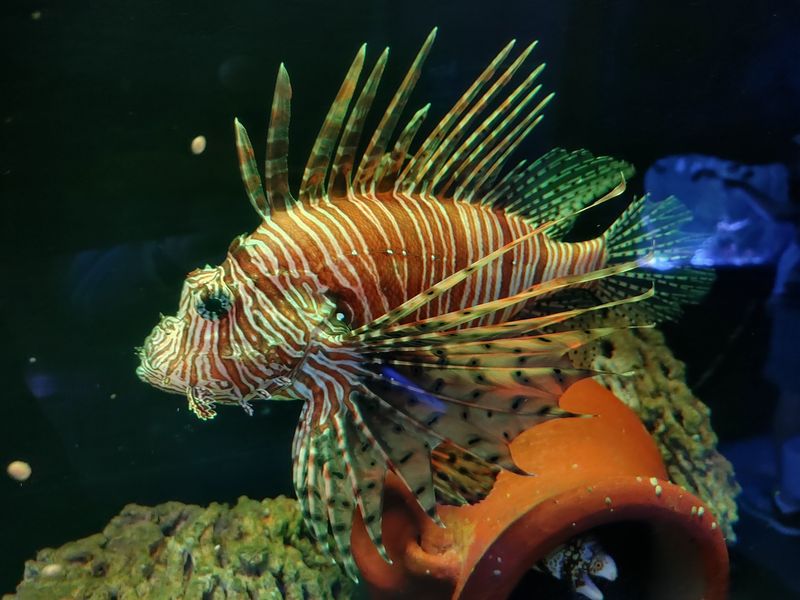
A little planning goes a long way here. Layton Aquarium & Wildlife opens daily, running 11 AM to 7 PM Monday through Saturday and noon to 6 PM on Sunday.
Those hours make it easy to fit in after school or on a slow Saturday. It is a handy rainy-day plan anywhere in Utah.
Buying tickets online in advance usually saves a bit compared to paying at the door. Watch for deals, too, since special promotions pop up.
Season passes are an option for repeat visitors. Families even drive in from other parts of the Wasatch Front to use them.
Feeding tokens and premium encounters cost extra. Decide your must-dos before arriving so the add-ons stay under control.
A basic walk-through can take under an hour. Add feedings and an encounter, and you could happily fill an afternoon.
Wear light layers, since it runs warm inside. Comfortable shoes help, especially with little ones.
Most of all, leave room in the schedule for a second loop past the otters.