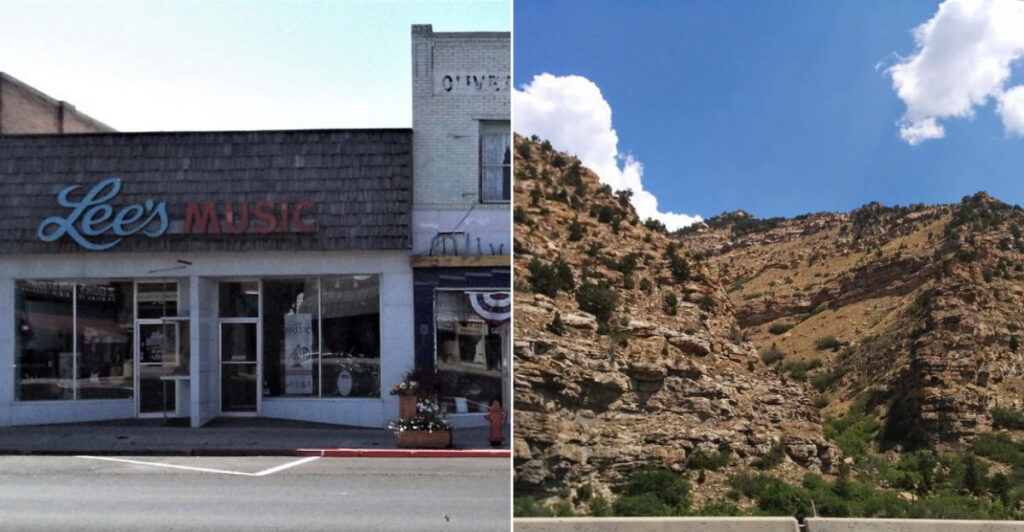
Retirement looks a lot less stressful when the monthly budget stops feeling like a puzzle with missing pieces. Out in the high desert, this eastern city offers a rare mix of affordability, scenery, and small-town steadiness that can feel almost shocking in a world of rising prices.
Utah often gets attention for its national parks and booming cities, but places like this show another side of the state, one built around practical comfort and room to live. The appeal is not flashy, and that is exactly the point.
Groceries, housing, errands, and everyday routines can feel more manageable, while canyon drives, desert views, and coal-country history add character beyond the cost-of-living math. For retirees who want their money to stretch without giving up beauty or community, Utah’s quieter corners can offer a surprisingly smart place to settle in and breathe easier.
Housing Costs That Make Your Wallet Exhale
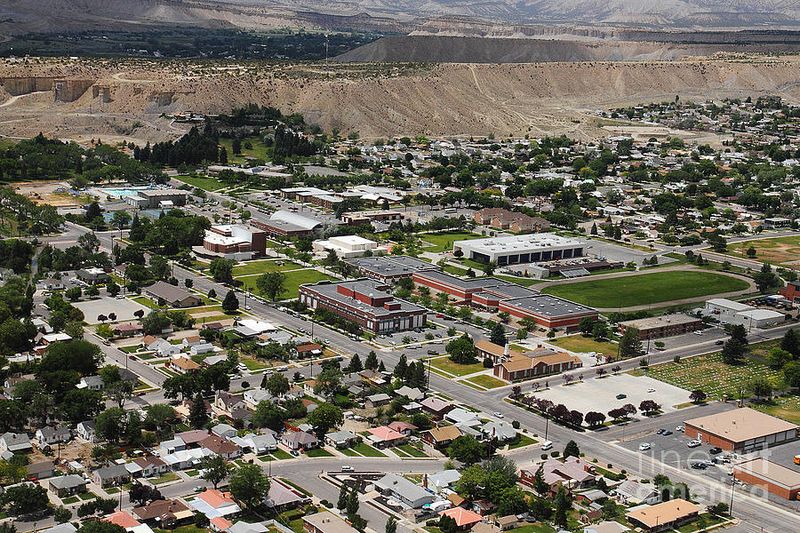
Most retirement planning conversations eventually circle back to the same uncomfortable truth: housing will eat your budget alive if you let it. This Utah spot refuses to play that game.
Home prices here sit well below the national average, and rental options are similarly forgiving, which means retirees are not forced to choose between a roof and a grocery run.
According to publicly available cost-of-living data, it consistently ranks as one of the more affordable cities in Utah, a state that has seen housing costs balloon in places like Salt Lake City and St. George. Carbon County, where it serves as the county seat, simply has not experienced the same runaway price escalation.
Pro Tip: Retirees looking to own rather than rent will find that their Social Security check can cover a mortgage payment here without requiring a financial miracle. That kind of stability is rare and genuinely valuable in today’s market.
Best For: Retirees who want to own a home outright or maintain low monthly housing expenses without relocating out of state entirely.
Everyday Expenses That Stay Mercifully Low
There is something almost revolutionary about a city where a trip to the grocery store does not require a deep breath before checking the receipt. Price operates on a scale that feels reasonable, where the cost of utilities, groceries, and everyday services has not been inflated by tech-industry migration or tourism pressure.
Utility costs in Carbon County tend to run lower than in major Utah metros, and the absence of heavy tourist infrastructure means local businesses price for locals, not for visitors on vacation budgets. That difference adds up fast when you are living on a fixed income month after month.
Why It Matters: When housing, utilities, and groceries all trend affordable simultaneously, a Social Security check stops feeling like a countdown and starts feeling like a plan. Retirees in Price report that their monthly expenses leave room for actual discretionary spending, which is not a small thing.
Insider Tip: Pairing low grocery costs with access to outdoor recreation that costs nothing means entertainment rarely becomes a budget line item worth worrying about here.
Utah State University Eastern Keeps the Mind Sharp
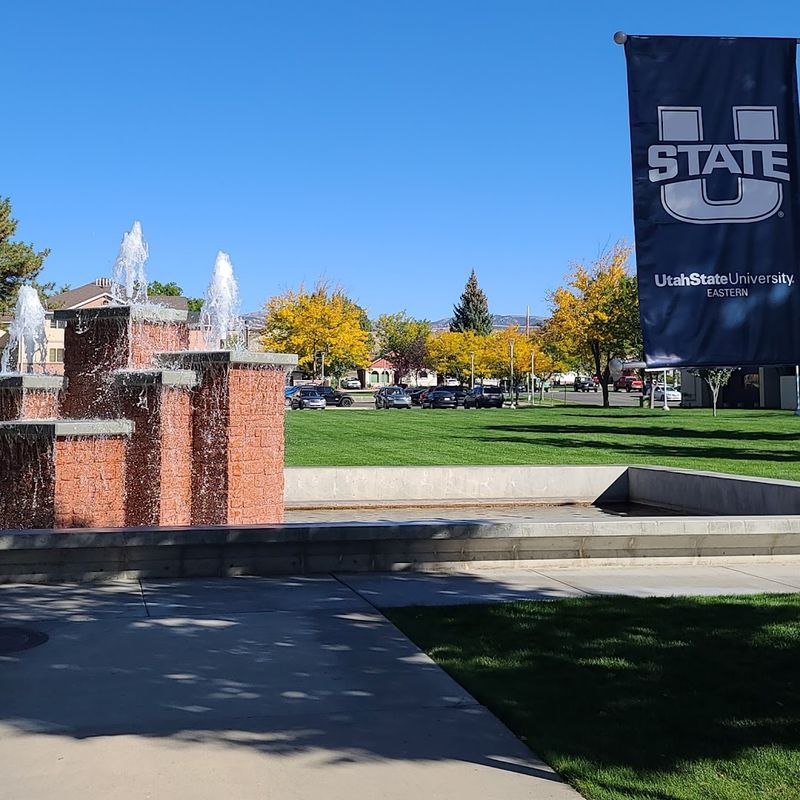
Retirement does not mean the brain clocks out, and Price gives retirees a surprisingly robust option for keeping intellectually engaged. Utah State University Eastern, located right in town, brings the energy and programming of a university campus to a city small enough that you can walk from one end of downtown to the other without losing your breath.
Many universities offer reduced tuition or audit options for older adults, and having a campus nearby means access to lectures, cultural events, and community programming that larger cities charge premium prices to attend. The presence of a university also keeps the local economy more stable and the community more diverse in age and perspective.
Quick Tip: Check with Utah State University Eastern directly about senior audit programs, which can allow retirees to attend classes for minimal or no cost, a genuine intellectual perk that most small towns simply cannot offer.
Best For: Retirees who want continued learning opportunities, cultural programming, and the low-key social energy of a university town without the overwhelming scale of a major college city.
The USU Eastern Prehistoric Museum Is a Genuine Local Treasure
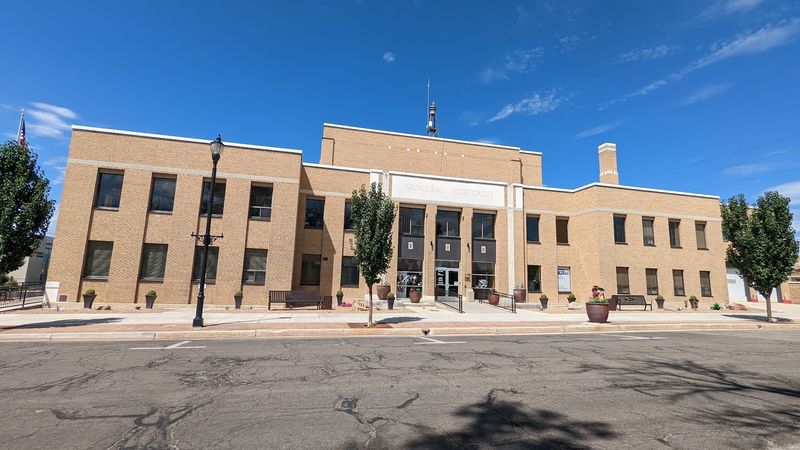
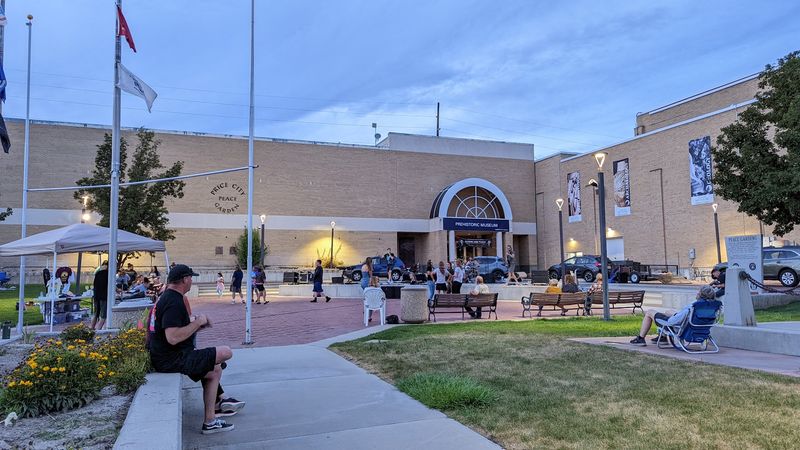
Not every small city has a world-class museum sitting quietly on its main street, but Price does. The USU Eastern Prehistoric Museum holds an impressive collection of dinosaur fossils, Native American artifacts, and geological specimens that reflect the deep natural history of the Colorado Plateau region.
It is the kind of place that surprises first-time visitors who were not expecting much and then keeps them there for two hours.
For retirees, a museum of this quality represents exactly the kind of low-cost, high-value entertainment that makes a fixed income feel less fixed. Admission is modest, the exhibits are genuinely fascinating, and the museum serves as a social anchor for the community throughout the year.
Fun Fact: The museum houses real dinosaur specimens excavated from the surrounding region, meaning the fossils on display were pulled from the same landscape you can see out the window on your drive into town. That local connection makes the exhibits feel personal rather than imported.
Best For: Curious retirees, visiting grandchildren, and anyone who appreciates natural history without the crowds or admission prices of a major metropolitan museum.
Nine Mile Canyon Puts World-Class Scenery Minutes Away
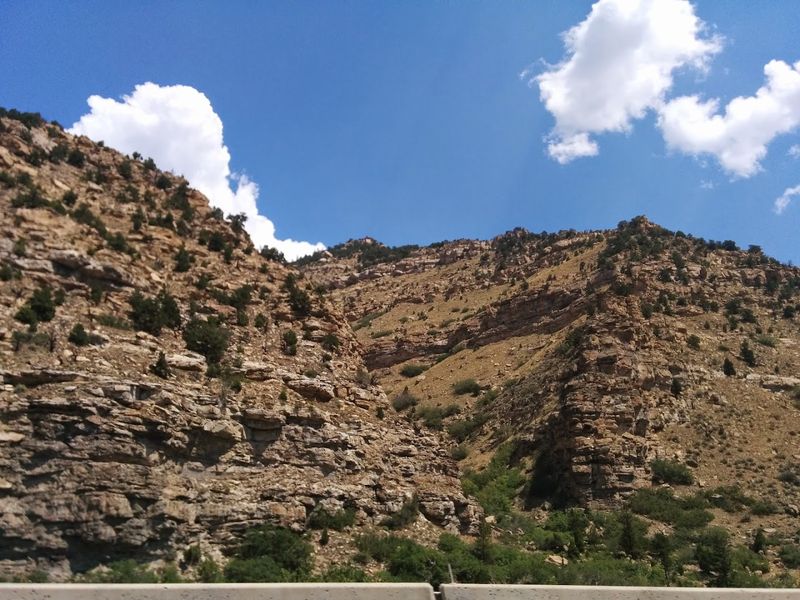
If you told most people that one of the largest outdoor galleries of ancient rock art in the world sits a short drive from a city where retirees can afford to live comfortably, they would assume you were exaggerating. Nine Mile Canyon, located within short distance of Price, contains thousands of petroglyphs and pictographs left by ancient peoples, spread across miles of spectacular canyon scenery.
For retirees who value access to nature without the physical demands of extreme hiking, Nine Mile Canyon is remarkably accessible. Much of the canyon can be explored by car, with stops along the way to view rock art up close.
The experience costs nothing beyond the gas it takes to get there, which fits a fixed-income lifestyle with admirable efficiency.
Planning Advice: Go in the morning when light hits the canyon walls at an angle that makes the petroglyphs easier to see and photograph. A packed lunch turns the drive into a full half-day outing without adding to your expenses.
Best For: Retirees who want meaningful outdoor experiences that do not require expensive gear, guided tours, or physical heroics to enjoy fully.
Manti-La Sal National Forest Offers Four Seasons of Free Beauty
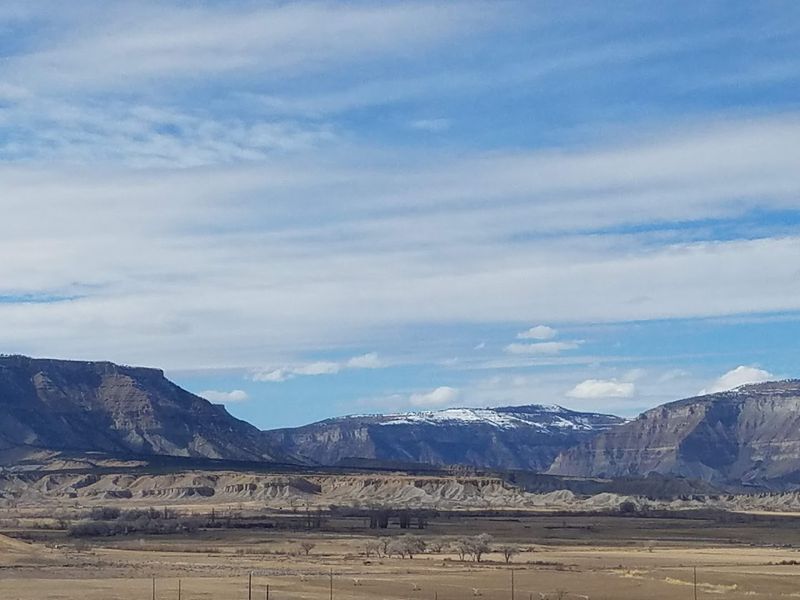
Access to a national forest is not something most retirees think to put on their housing checklist, but perhaps it should be. The Manti-La Sal National Forest sits within striking distance of Price, offering hundreds of thousands of acres of mountain terrain, wildlife habitat, and seasonal scenery that shifts dramatically from spring wildflowers to autumn color to winter quiet.
For retirees on Social Security, the financial math here is straightforward and appealing. National forests are public land, meaning access is free, and the recreational possibilities, from scenic drives to gentle walks to wildlife watching, require no membership fees or activity costs.
The forest essentially functions as a massive backyard for Price residents.
Common Mistakes to Avoid: Do not assume the forest is only for serious hikers or campers. Many access roads and overlook points are suitable for a relaxed drive with no physical exertion required, making this accessible to retirees at a wide range of mobility levels.
Best For: Retirees who want consistent access to natural beauty across all four seasons without paying park fees or traveling far from home to find it.
A Small-Town Social Life That Does Not Require a Big-City Budget
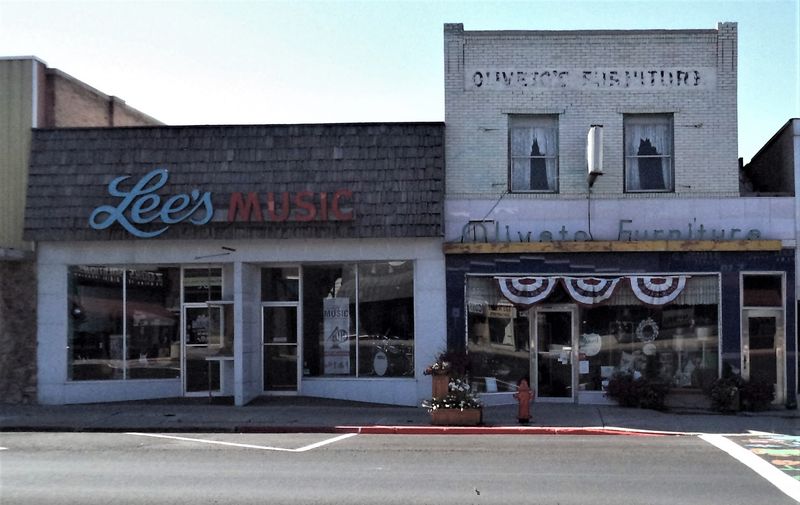
One of the quieter costs of retirement that financial planners rarely account for is the expense of staying socially connected. In large cities, entertainment, dining out, and community events carry price tags that erode fixed incomes quickly.
Price operates on a different scale entirely, where community life is woven into the fabric of the place rather than packaged and sold back to residents.
Carbon County hosts community events, local markets, and public gatherings that give retirees genuine social opportunities without the cost pressure of urban entertainment. The university campus adds programming and cultural events that the surrounding region might not otherwise support.
A short Main Street stroll connects residents to local businesses and familiar faces in the way that only a genuinely small city can manage.
Quick Verdict: Price, Utah is not trying to compete with resort towns or growing metro suburbs. It is doing something more useful for retirees: offering a stable, affordable, socially connected life where Social Security income can actually cover the basics and leave room for living.
That is rarer than it sounds, and for the right retiree, it is exactly enough.
Best For: Retirees who want community belonging, low-cost social engagement, and a city small enough to feel genuinely known without feeling isolated from services and culture.