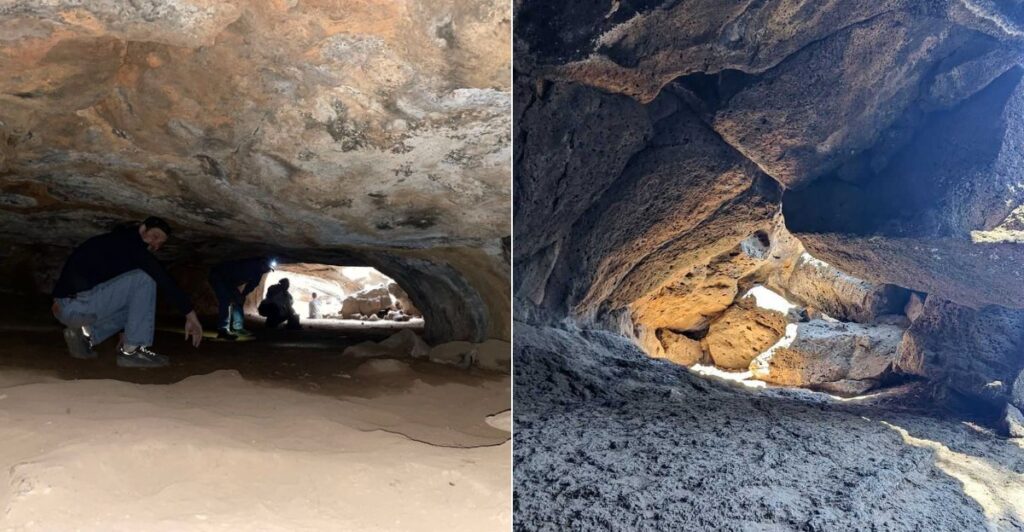
The ground can look perfectly ordinary right up until you discover there is an adventure hiding underneath it. Beneath one quiet corner of southern Utah, ancient lava flows left behind dark tunnels that now turn an easy forest drive into something much more memorable.
This is not the sort of cave where polished paths and bright lights do the exploring for you. You bring the light, watch your footing, and figure out the passage one careful step at a time.
That little bit of effort is exactly what makes it fun. Above ground, everything can seem calm and settled, while below your boots sits evidence of a far more volcanic past.
Few outdoor detours in Utah make geology feel this immediate without requiring a complicated expedition. Wear sturdy shoes, carry a dependable flashlight, and leave the delicate footing to your full attention.
Sometimes the best scenery is the part daylight never reaches.
A Forest Road Stop That Suddenly Makes The Day More Interesting
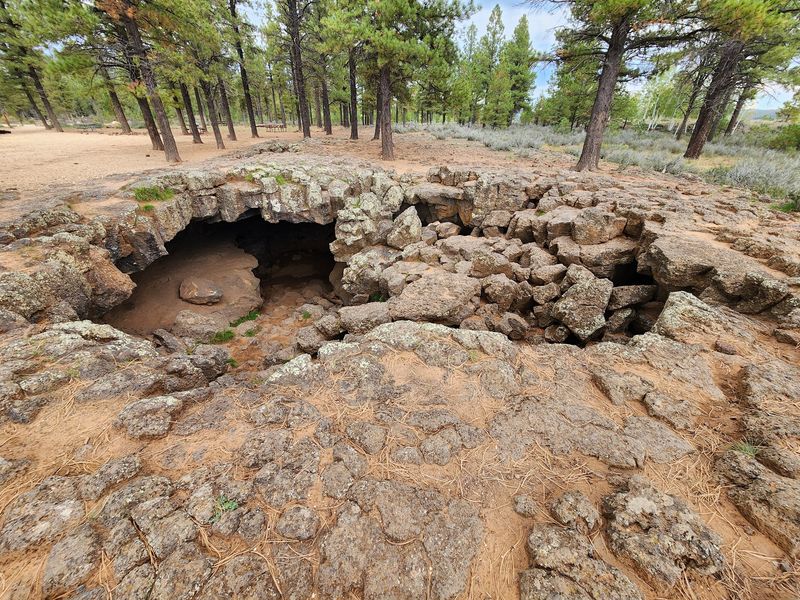
Some outings announce themselves with ticket booths and glossy signs. Mammoth Cave is quieter about it, which is part of the appeal.
The official map point is Mammoth Cave, Duck Creek Ridge Rd, Duck Creek Village, UT 84762, inside Dixie National Forest near the community of Duck Creek Village.
Mammoth Cave is a lava tube system, not a decorated cavern with railings, lights, and a gift counter waiting politely at the exit. Visitors come for a self guided look at basalt passages formed by lava less than 2,000 years ago, which is young by geology standards and ancient by weekend planning standards.
The cave sits on the Markagunt Plateau at about 8,050 feet in elevation. That high setting helps explain why the underground space stays cool, even when southern Utah feels determined to toast every sandwich left in a parked car.
For travelers who like natural places with a little grit, Mammoth Cave offers a clear trade: less polish, more discovery. It is simple to understand, but still serious enough to deserve preparation.
One Of Utah’s Larger Lava Tubes Without The Big Attraction Routine
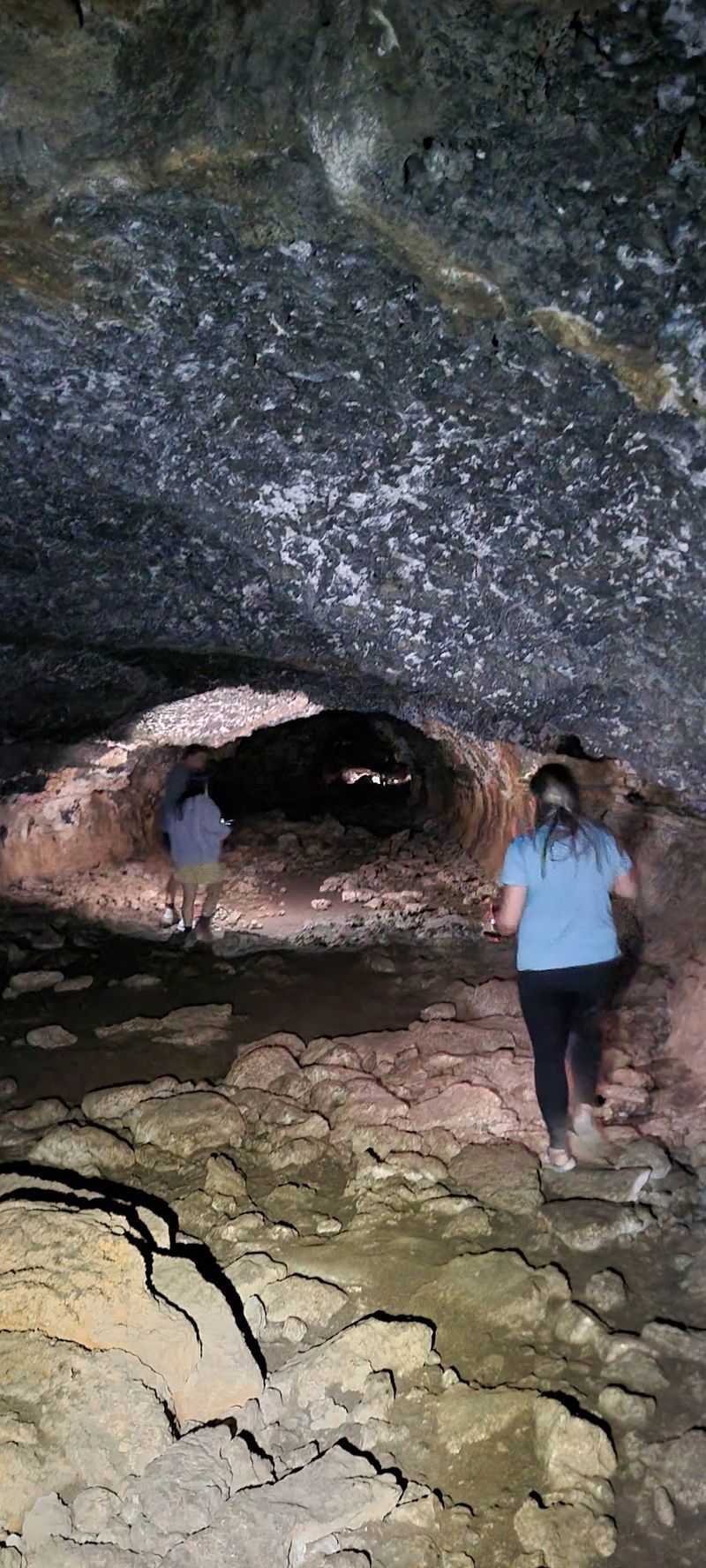
Here is the refreshing part: Mammoth Cave does not ask visitors to decode a complicated attraction schedule. The basic idea is easy.
You reach the cave area, carry your own light, and explore the accessible passages at a pace that matches your group and your knees.
The system is often described as one of Utah’s largest lava tubes, with more than 2,200 feet of passages. That gives the visit enough scale to feel meaningful without turning it into a whole day project requiring charts, committees, and one person saying they packed snacks when they absolutely did not.
There is no admission fee, and the cave is managed by the USDA Forest Service. That does not mean it is casual in the flip flop sense.
Mammoth Cave has dark, damp, uneven areas, and some sections may require stooping or crawling. A headlamp is better than a phone light because hands become useful quickly underground.
Sturdy shoes are not a fashion statement here, they are basic common sense. The cave’s promise is direct: a real volcanic formation, close to Duck Creek Village, with very little between you and the rock except your preparation.
The Markagunt Plateau Gives The Cave Its Mountain Character
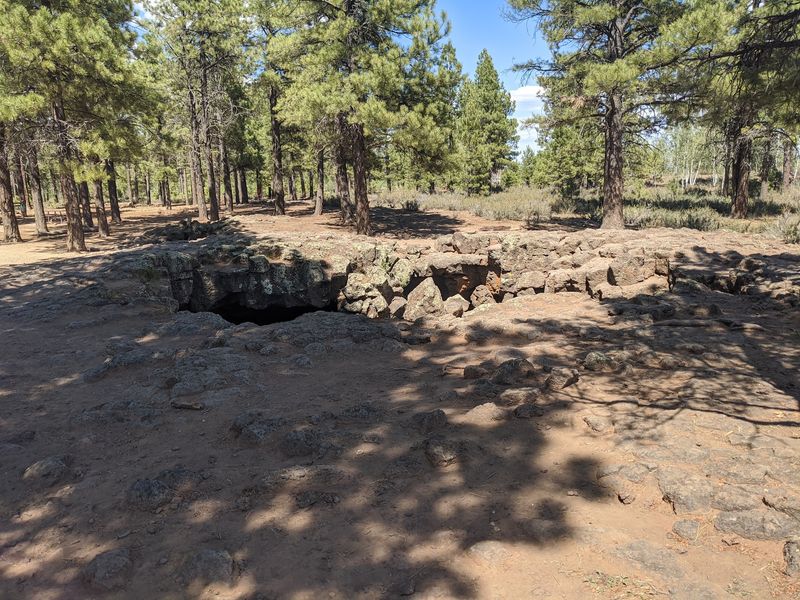
The setting matters before anyone steps underground. Mammoth Cave is on the Markagunt Plateau, a high volcanic landscape in southern Utah where forest roads, lava rock, and mountain air create a different mood than the state’s better known canyon country.
It is still Utah, just wearing boots instead of sandstone postcards.
Access is part of the experience, and it is not the same as pulling into a paved urban lot. Visitors should expect dirt road travel, with conditions that can change after rain or snow.
Reliable sources commonly point to late June through September as the most dependable window because winter snow can make surrounding roads difficult or impassable.
Once at the cave area, the layout is rustic rather than staged. Public information notes basic visitor facilities such as parking, picnic tables, and toilet access near the site, but the cave itself remains undeveloped.
There are no electric lights inside Mammoth Cave, which is exactly why the place feels so removed from ordinary errands and screen glow. The land gives fair warning: this is a natural lava tube in a national forest, not a museum hallway pretending to be adventurous.
Young Lava, Old Silence, And A Seasonal Bat Closure
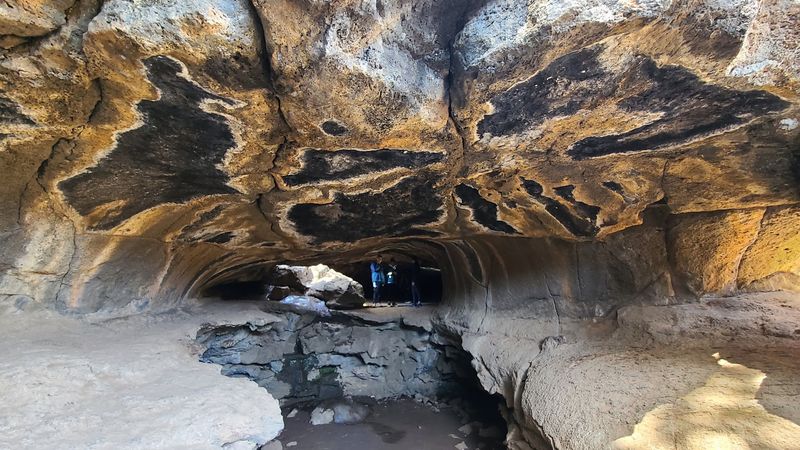
Mammoth Cave keeps attention because it combines two stories that rarely share the same stage so neatly: young volcanic geology and seasonal wildlife protection. The lava tube formed when the surface of flowing lava cooled while molten material continued moving beneath it, leaving open passages behind.
Less than 2,000 years later, people are still trying not to bump their helmets on the evidence.
That age makes Mammoth Cave geologically young, especially compared with caves shaped over far longer periods by dissolving limestone. The basalt walls and tube shape connect the place directly to the volcanic history of the Markagunt Plateau.
It is not just a dark hole in the ground. It is a readable record of how hot rock once moved through this part of Utah.
Good To Know: Portions of the cave are closed from October 1 through April 30 to protect hibernating Townsend’s big eared bats. That closure is not a nuisance detail, it is part of the reason the cave can remain accessible at other times.
Visitors should respect gates and posted notices, even when curiosity starts making unhelpful suggestions. Mammoth Cave works best when people treat it as both a natural classroom and a living habitat.
A Realistic Adventure For Families, Couples, And Solo Explorers
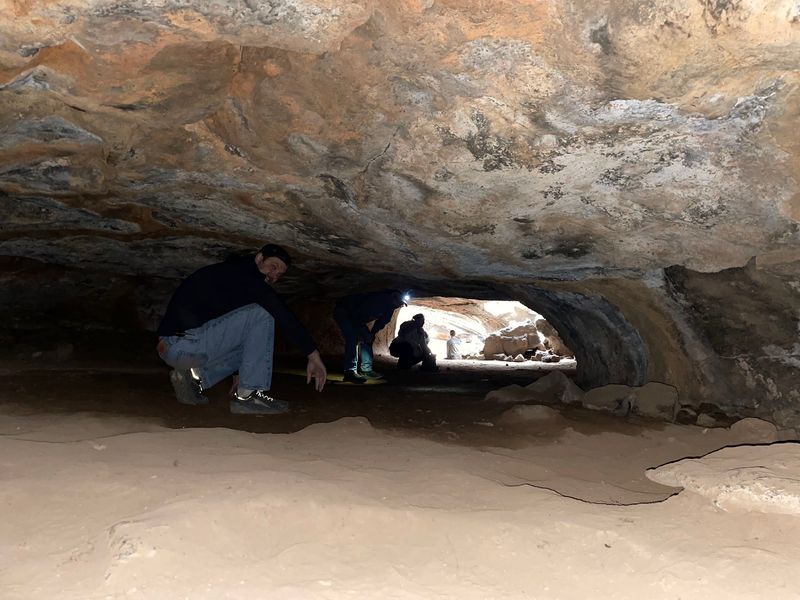
Mammoth Cave suits different visitors because the experience is flexible, not because it has been softened into a theme park version of nature. Families can choose shorter, more open sections and still give kids the thrill of using headlamps in an actual lava tube.
That is generally more memorable than another round of back seat negotiations over whose charger disappeared.
Couples may appreciate that the cave creates a shared task without requiring a grand itinerary. Bring lights, watch footing, decide how far to go, and turn around when the passage stops matching your comfort level.
Simple plans can be underrated, especially when nobody has to reserve a timed entry.
Solo visitors should be more cautious, since undeveloped caves are not places for overconfidence. Let someone know the plan, carry backup light, and avoid pushing into tight or wet sections alone.
Weekend travelers using Duck Creek Village as a base can treat Mammoth Cave as a focused outing rather than a full day commitment. In southern Utah, where many landscapes compete loudly for attention, this one earns interest by asking visitors to slow down and think about the ground beneath them.
How To Turn The Cave Into A Simple Saturday Detour
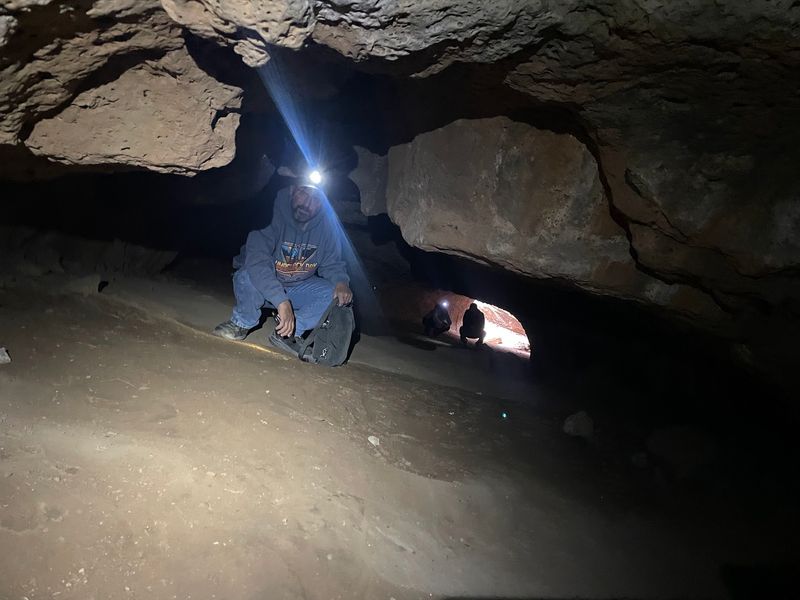
A visit to Mammoth Cave works best as a simple Saturday detour while already exploring the Duck Creek Village area. The address to use for orientation is Mammoth Cave, Duck Creek Ridge Rd, Duck Creek Village, UT 84762.
Navigation can be imperfect on forest roads, so travelers should check current Forest Service information and road conditions before relying on a single phone route.
Late June through September is usually the most reliable season because snow can affect access during colder months. Even when the cave is technically accessible, seasonal closures inside the system protect hibernating bats from October 1 through April 30.
That makes timing more than a calendar detail, it determines what parts of the cave experience are appropriate.
Pack like the cave is undeveloped, because it is. Bring at least one dependable headlamp per person, plus a backup light.
Wear sturdy shoes that can handle uneven rock and possible damp spots. A light layer is smart because the underground temperature can feel cooler than the surface.
Keep the outing compact: arrive prepared, explore within your comfort level, use the picnic area if conditions allow, and leave no trash behind. Mammoth Cave rewards the visitor who plans just enough, not the one who improvises everything.
Why The Underground World Stays With You Afterward
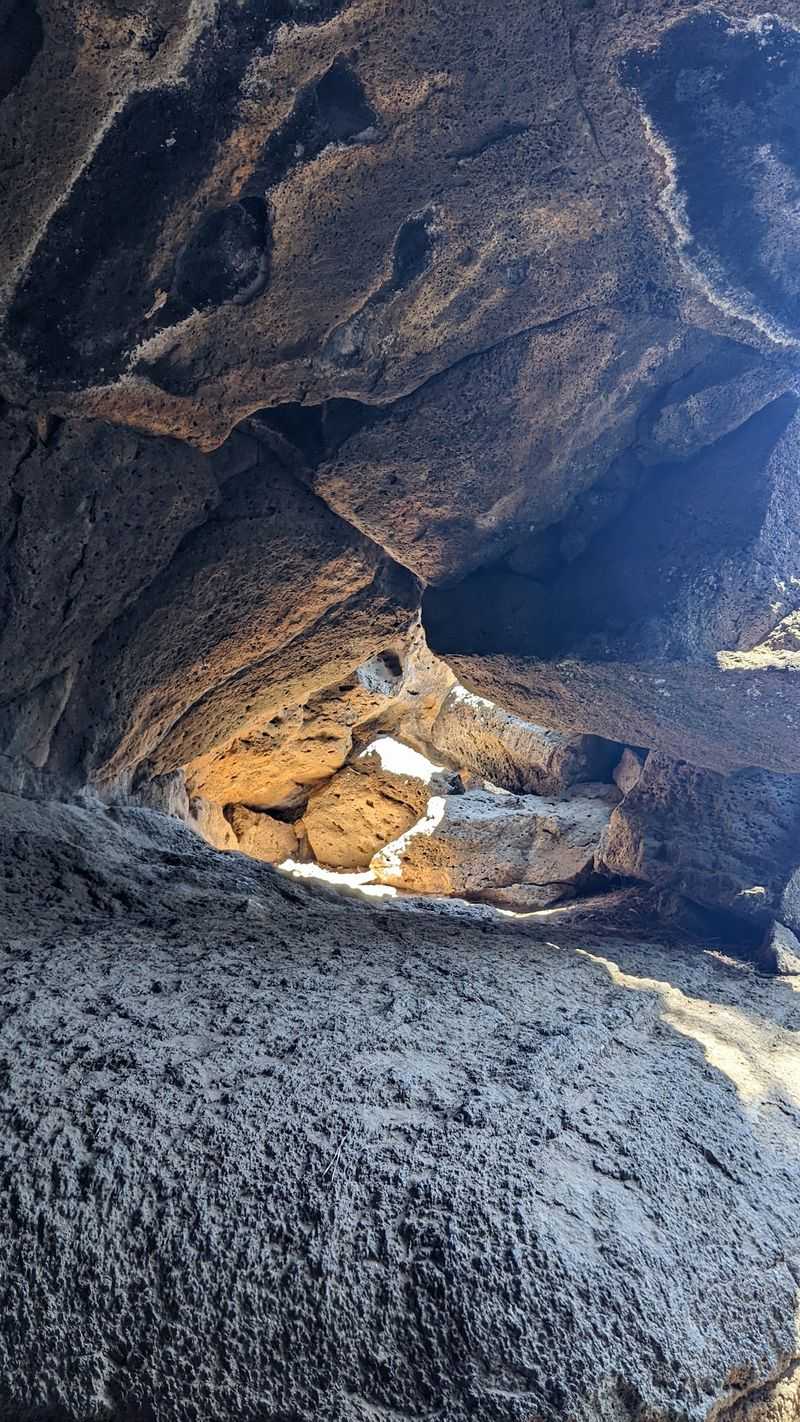
The lasting pull of Mammoth Cave comes from how plainly it shows the scale of natural time. The tube was shaped by lava, altered by water, cooled into darkness, and left on a forested plateau where ordinary travelers can still step near that story with a flashlight and decent shoes.
Nothing about the cave needs to be oversold. Its facts do the work.
It is one of Utah’s larger lava tubes, it contains more than 2,200 feet of passage, and it remains young enough geologically to make the past feel less distant than usual. The seasonal bat closures add another reminder that natural places are not props for our schedules.
For road trippers, families, couples, and solo visitors who like manageable outdoor discoveries, Mammoth Cave offers a rare mix of access and rough edges. It is free to enter, self guided, and close enough to Duck Creek Village to fit into a mountain day without taking it over.
The smart move is to go prepared, respect closures, and let the cave stay a little wild. Text a friend the honest version: bring a headlamp, wear real shoes, and expect Mammoth Cave to be cooler than your original plan.