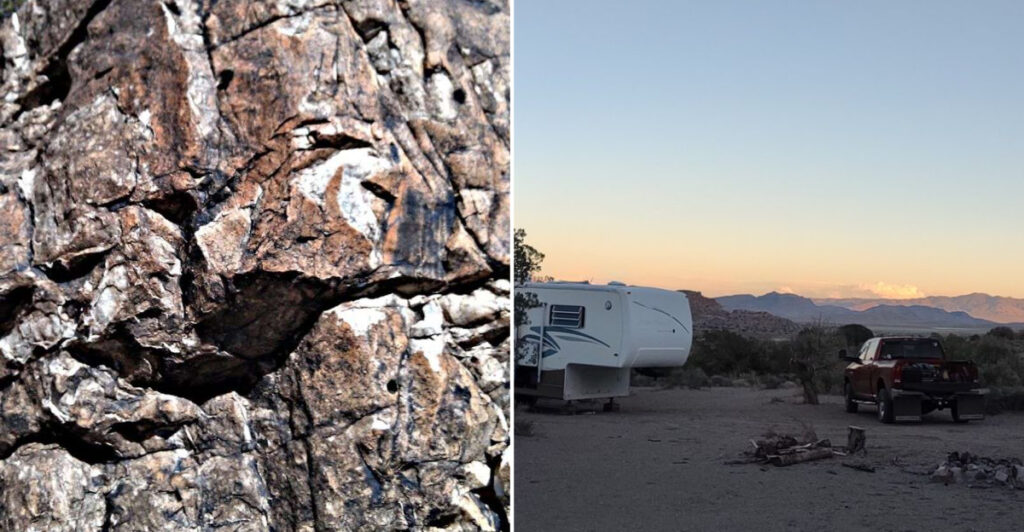
Some rocks are not just rocks, they are time machines with dust on them. Out in western Utah, a lonely limestone mountain holds fossils from an ancient ocean that covered the land roughly 450 million years ago.
That is the kind of fact that sounds impossible until you are crouched in the sun, turning over stone, and spotting shapes left behind by creatures older than forests, dinosaurs, and almost everything familiar. What makes this stop so fascinating is that it is not only something to look at from a distance.
In certain areas, visitors can collect approved specimens for personal use, which turns a rugged desert outing into a real hands-on search through deep time. Bring water, sturdy shoes, patience, and a sharp eye.
Utah’s wildest history is not always written on signs, sometimes it is waiting quietly under your boots.
Where Fossil Mountain Actually Sits on the Map
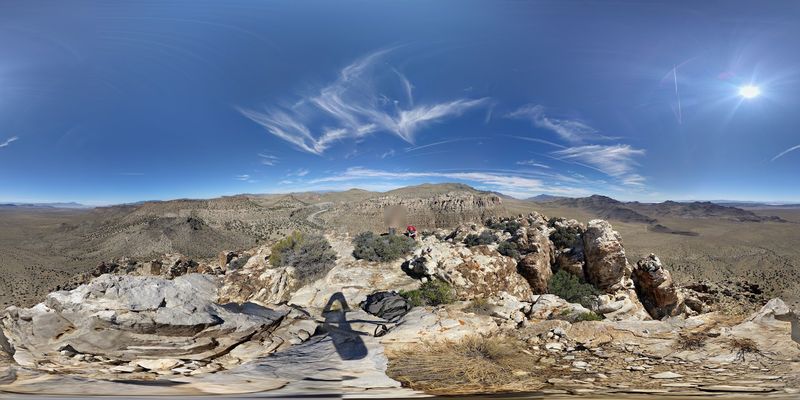
Most people driving across Utah on I-15 have no idea that a few hours to the west, a mountain made almost entirely of ancient marine fossils is just sitting there, waiting. Fossil Mountain is located within the King Top Wilderness Study Area in Millard County, managed by the Bureau of Land Management out of Fillmore, Utah.
The full address for planning purposes is 85C8VGGJ+C8, Utah, and the BLM office can be reached at 435-743-3100.
The area sits at a latitude of roughly 38.87 degrees north, placing it in a remote corner of the state that most GPS units regard with mild suspicion. The terrain is high desert, which means the landscape looks deceptively simple until you start noticing the sheer geological drama packed into every ridge and slope.
Quick Tip: Visit the official BLM page at blm.gov/visit/fossil-mountain before you go. Cell service in this region is unreliable at best, so downloading offline maps ahead of time is genuinely one of the smarter decisions you will make all weekend.
Best For: Road-trippers, geology enthusiasts, and anyone who enjoys destinations that require a little intentional effort to reach.
The Ancient Ocean That Left Its Calling Card
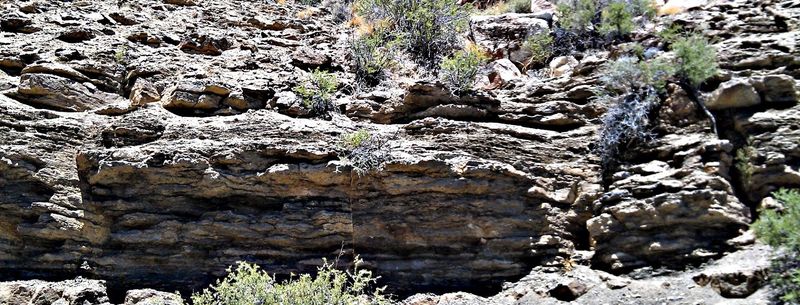
Around 450 million years ago, during a geological period called the Ordovician, a warm shallow sea covered much of what is now the western United States. The creatures living in that sea, including trilobites, brachiopods, gastropods, and crinoids, eventually died and settled into the seafloor sediment.
Over millions of years, pressure and time turned those creatures into the limestone layers that now form Fossil Mountain.
What makes this site genuinely extraordinary is the density and variety of fossils preserved here. Visitors frequently find well-defined specimens simply lying on the surface or barely embedded in loose rock.
You do not need a geology degree to recognize what you are looking at; the shapes are often remarkably clear.
Why It Matters: Fossil Mountain represents one of the most accessible Ordovician fossil deposits in the American West. These are not replicas or museum displays.
They are the actual remains of organisms that predate dinosaurs by more than 200 million years, which makes every find feel appropriately mind-bending.
Insider Tip: Brachiopods and crinoid stems are among the most commonly found fossils here and are excellent starting points for first-time fossil hunters visiting the site.
You Are Actually Allowed To Take Fossils Home
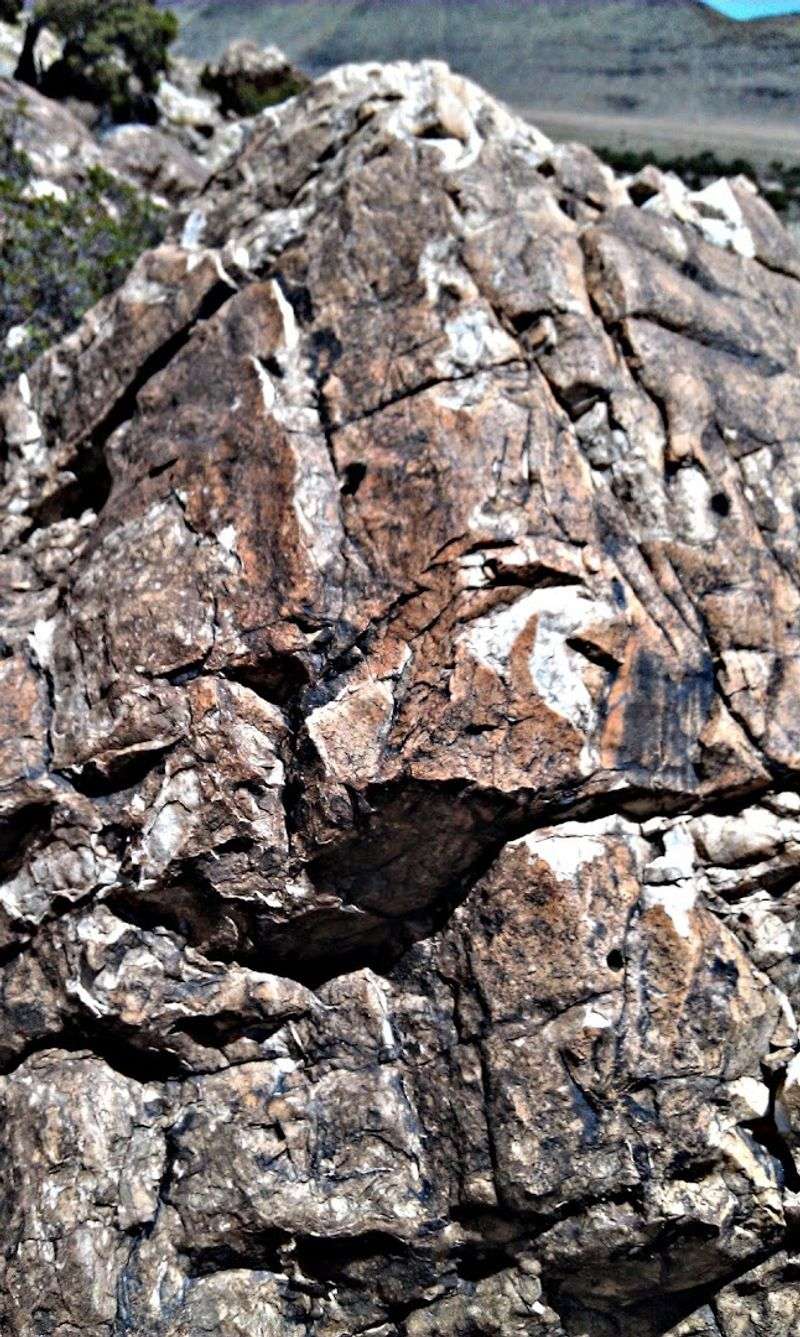
Here is the part that surprises almost everyone the first time they hear it. At Fossil Mountain, the BLM permits casual surface collection of reasonable quantities of common invertebrate fossils for personal, non-commercial use.
That means you can legally pick up a trilobite fragment, tuck it in your jacket pocket, and drive home with it sitting on your dashboard like a tiny 450-million-year-old trophy.
There are rules, of course, because this is still a federally managed wilderness study area. Vertebrate fossils, if encountered, must be left in place and reported.
Digging with tools and removing large quantities are not permitted. The goal is preservation alongside reasonable public enjoyment, which is a balance the BLM has worked to maintain across this site.
Common Mistakes to Avoid: Do not assume that collection rules at Fossil Mountain apply to every BLM or public land site. Policies vary significantly by location, so always verify current regulations directly with the managing office before collecting anywhere new.
Best For: Families with curious kids, hobbyist collectors, and anyone who wants a tangible, lasting souvenir that no gift shop could ever replicate or honestly compete with.
What The Terrain Looks Like When You Arrive
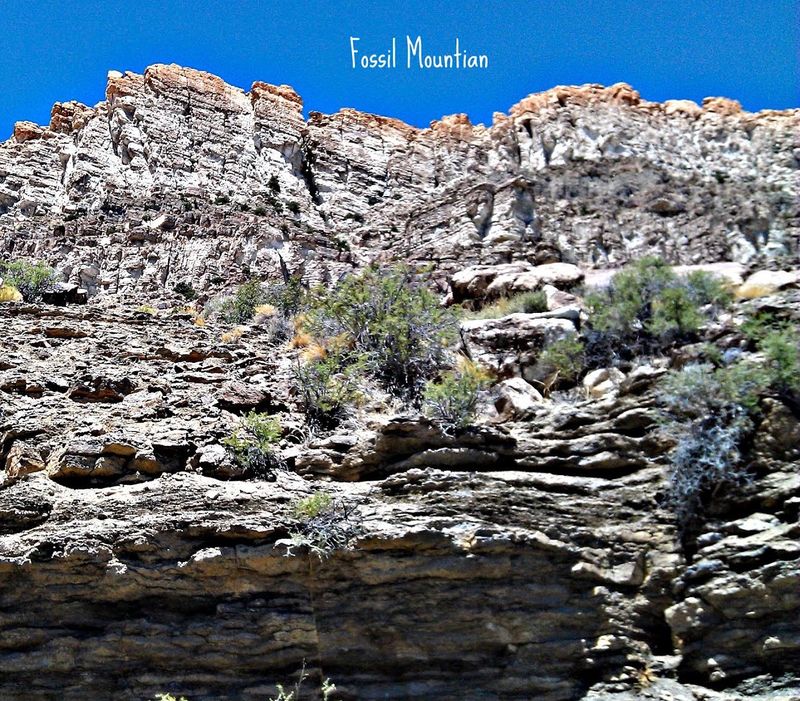
Pulling up to Fossil Mountain for the first time, the landscape does not immediately announce itself as spectacular. It looks, frankly, like a lot of western Utah: pale, rocky, windswept, and quietly indifferent to your arrival.
Then you crouch down and realize the ground is practically carpeted with fossil fragments, and the whole scene recalibrates itself rather dramatically.
The mountain itself is composed primarily of light gray limestone, and the slopes are broken and uneven in that satisfying way that makes you want to keep climbing just to see what is over the next ridge. Vegetation is sparse, which is actually helpful for fossil hunting since there is less ground cover obscuring the surface rocks.
Planning Advice: Wear sturdy, ankle-supporting footwear. The terrain is uneven and the limestone can be sharper than it looks from a distance.
Sun exposure is significant, so a hat, sunscreen, and more water than you think you need are all non-negotiable items for this particular outing.
Pro Tip: Morning light is particularly good for spotting fossil impressions on the rock surface. The low angle of early sun creates shadows that make texture and detail pop in a way that midday light simply does not.
How Families, Couples, and Solo Visitors All Find Their Groove Here
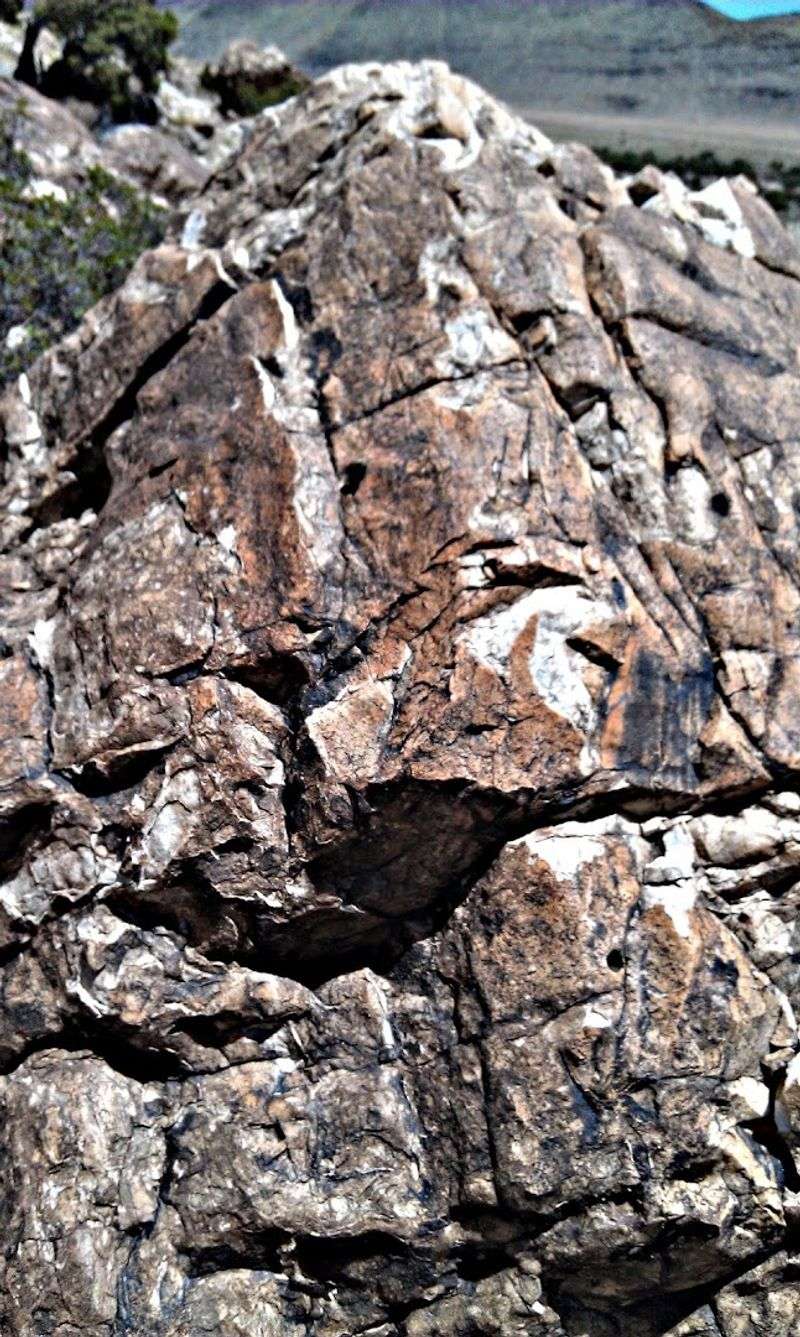
There is something quietly democratic about a place where everyone is doing the same slightly goofy thing: staring at the ground, turning rocks over, and making small sounds of excitement when something interesting turns up. Fossil Mountain has that quality in abundance, and it tends to flatten the usual family-trip hierarchy where one person is enthusiastic and everyone else is politely tolerating it.
Kids who are typically impossible to peel away from a screen become surprisingly focused when there is an actual fossil hunt involved. Couples who thought this was going to be a quiet nature walk often end up in cheerful competition over who found the better specimen.
Solo visitors get the rare gift of uninterrupted concentration in a landscape that rewards patience and careful attention.
Who This Is For: Anyone with a functional sense of curiosity and a willingness to walk on uneven ground. No special equipment or prior knowledge is required, which keeps the entry barrier refreshingly low.
Who This Is Not For: Visitors expecting developed amenities, paved trails, or interpretive signage. This is a wilderness study area, and it operates accordingly.
The experience is self-directed, which is either its greatest feature or its most inconvenient one, depending on your perspective.
Making It A Proper Day Trip Without Overcomplicating Things
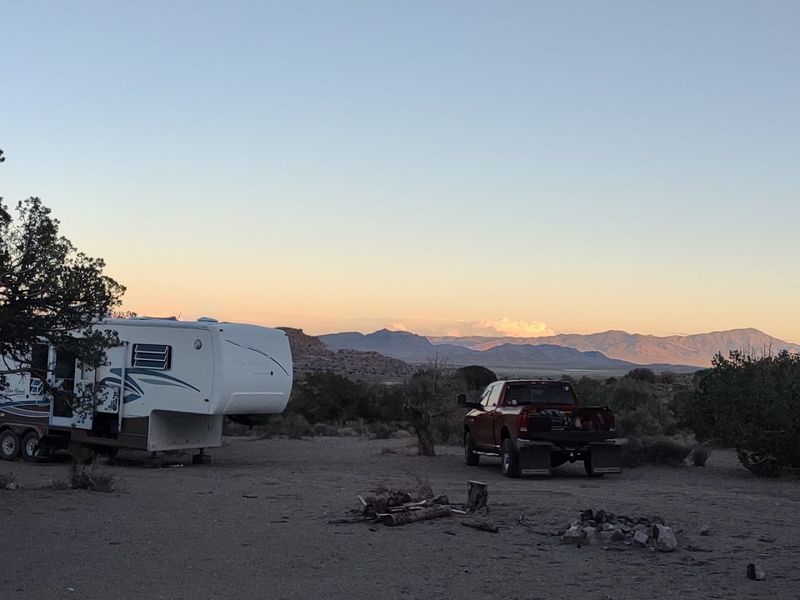
The honest appeal of Fossil Mountain is that it rewards a low-fuss approach. Pack a lunch, fill every water bottle you own, download your offline maps, and point the car toward Millard County.
The BLM office in Fillmore is a reasonable reference point and a good place to stop for current conditions before heading out into the more remote sections of the King Top area.
After a morning of fossil hunting, the tailgate lunch on a quiet dirt road surrounded by nothing but open sky and ancient limestone has a specific quality that is genuinely hard to manufacture elsewhere. It feels earned in the way that only slightly inconvenient adventures tend to feel earned.
Best Strategy: Combine your visit with a stop in Fillmore, a small town with a genuine Main Street feel and a handful of practical options for fuel and food. It is a useful bookend to the day and gives the trip a nice shape without requiring any extra planning effort.
Quick Tip: Start your fossil hunting in the morning, break for lunch, and use the afternoon for a slower walk back to your vehicle. The site rewards unhurried exploration far more than a quick in-and-out approach.
Why This Place Sticks With You Long After You Leave
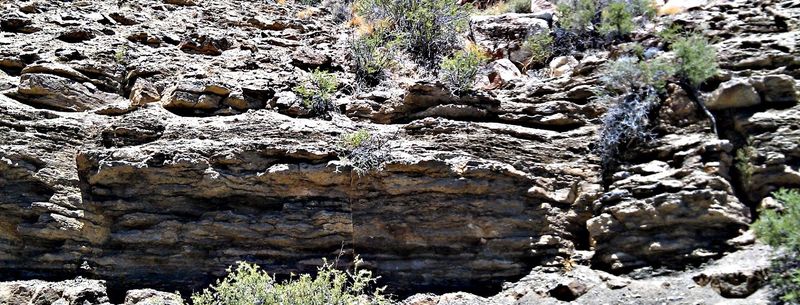
Most weekend trips fade into a general pleasant blur within a few weeks. Fossil Mountain tends not to do that.
There is something about physically holding an object that is 450 million years old, something you found yourself on a rocky hillside in the Utah desert, that lodges itself in the memory with unusual firmness.
It is not a theme park version of discovery. Nobody handed you the fossil in a gift bag or pointed a spotlight at it.
You found it because you were paying attention, and that distinction matters more than it might seem in the moment. The King Top Wilderness Study Area is the kind of place that quietly reminds you why leaving the house with no particular agenda except genuine curiosity is almost always worth it.
Quick Verdict: Fossil Mountain is one of the most genuinely interesting and accessible natural history experiences in Utah, and it asks almost nothing of you beyond showing up and looking down.
Insider Tip: Take a photo of every fossil you find before you pick it up. The in-situ shot, the fossil still embedded in the landscape where it has rested for hundreds of millions of years, is often the most striking image you will bring home from the entire trip.