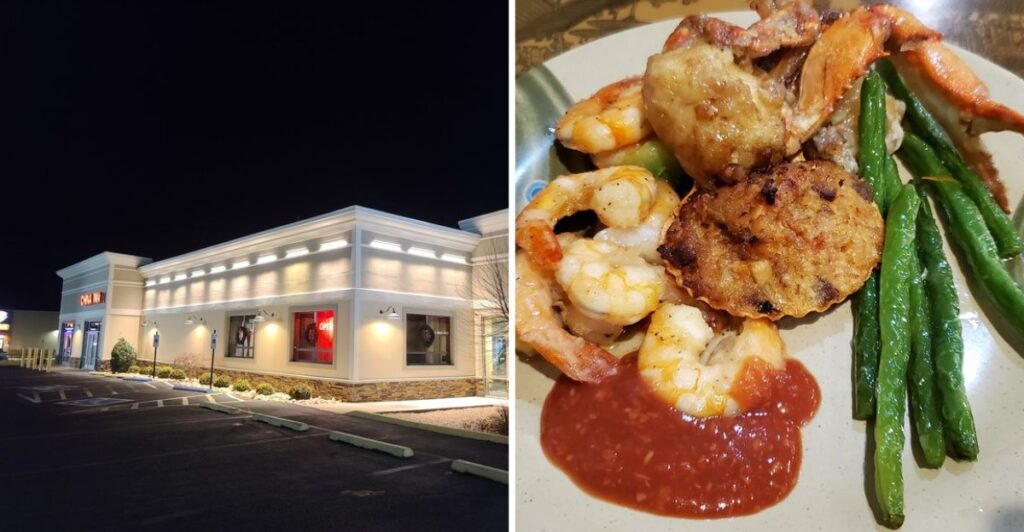
Buffets are basically edible second chances.
At this Virginia restaurant, the first plate rarely has to be the final answer. More than 30 dishes rotate through soups, appetizers, entrees, desserts, and a few American-style options, so committing too early feels unnecessary.
The lineup shifts depending on when you go. Lunch keeps things straightforward, while weekend evenings bring more seafood into the mix.
That means one plate might lean into noodles and fried rice. The next can head somewhere completely different.
The restaurant has been serving the Northern Neck for more than two decades, but the formula still works because it asks very little of you.
Grab a plate. Make a questionable first combination. Then fix it on round two.
More Than 30 Buffet Choices Make The First Plate The Hardest
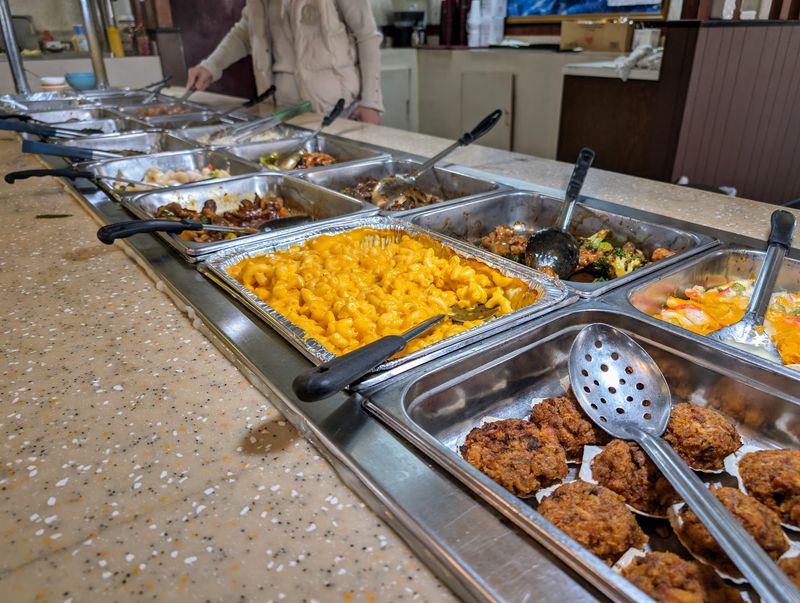
The daily buffet is built around variety rather than one signature dish. More than 30 choices rotate across soups, appetizers, entrees, sides, and desserts, so the first walk past the steam tables is really a scouting mission.
Hot and Sour Soup can start things off, while Teriyaki Chicken skewers, Vegetable Lo Mein, Roast Pork Fried Rice, Egg Foo Young, and Crabmeat and Cheese Wontons give the middle of the plate plenty to do.
General Tso’s Chicken, Hunan Chicken, and Pepper Steak add another set of familiar choices once the plate begins running out of open space.
This is where buffet personalities reveal themselves. Some people build a perfectly organized plate with clear borders between every item. Others create a delicious little traffic jam and trust the sauces to sort themselves out.
The all-you-can-eat format means there is no reason to make every decision at once. A smaller first round leaves room to test a few dishes before deciding what deserves an encore.
China Inn keeps the format straightforward. The pleasure comes from being able to try several things in one meal rather than committing to one entree and wondering what was hiding three trays down.
Lunch, Dinner And Sunday Each Bring Their Own Buffet Window
The buffet does not run on one identical schedule all day. The lunch buffet runs Monday through Saturday from 11 a.m. to 3 p.m., while the Monday-through-Thursday dinner buffet runs from 4 p.m. to 8:30 p.m. Sunday has its own buffet period from noon to 8 p.m.
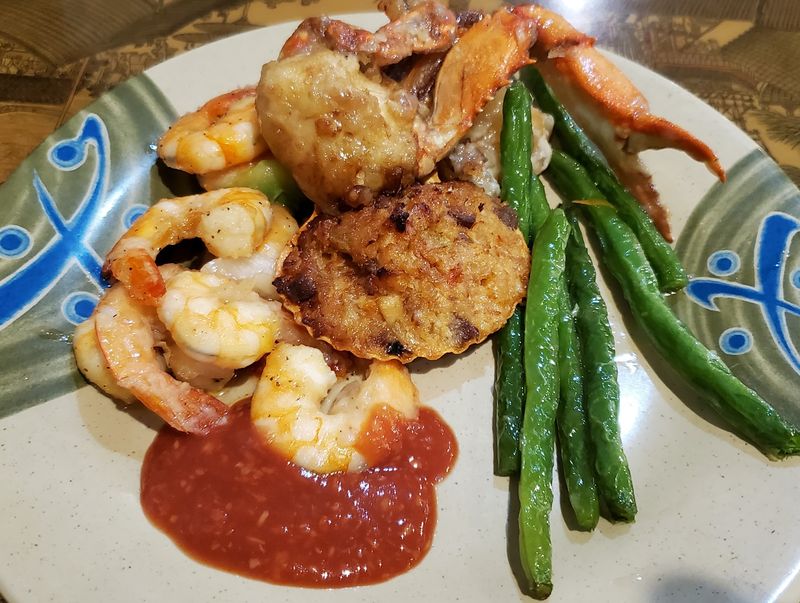
Friday and Saturday evenings shift into the seafood buffet from 5 p.m. to 9 p.m., which changes the mix considerably. That makes the time of day part of the meal rather than just a detail on the clock.
The restaurant itself keeps broader hours. Monday through Thursday run from 11 a.m. to 9:30 p.m., Friday extends to 11 p.m., Saturday runs from noon to 11 p.m., and Sunday from noon to 10 p.m.
If lunch is your speed, the daytime buffet keeps the focus on the broad Chinese-and-American mix. Dinner brings another chance to circle the steam tables, while the weekend seafood window gives the spread a different center of gravity.
There is a certain freedom in choosing the meal by mood. A quick midday plate and a long Friday-night seafood session are technically visits to the same restaurant, but they do not ask quite the same thing from your appetite.
General Tso’s, Lo Mein And Fried Rice Anchor The Chinese Side
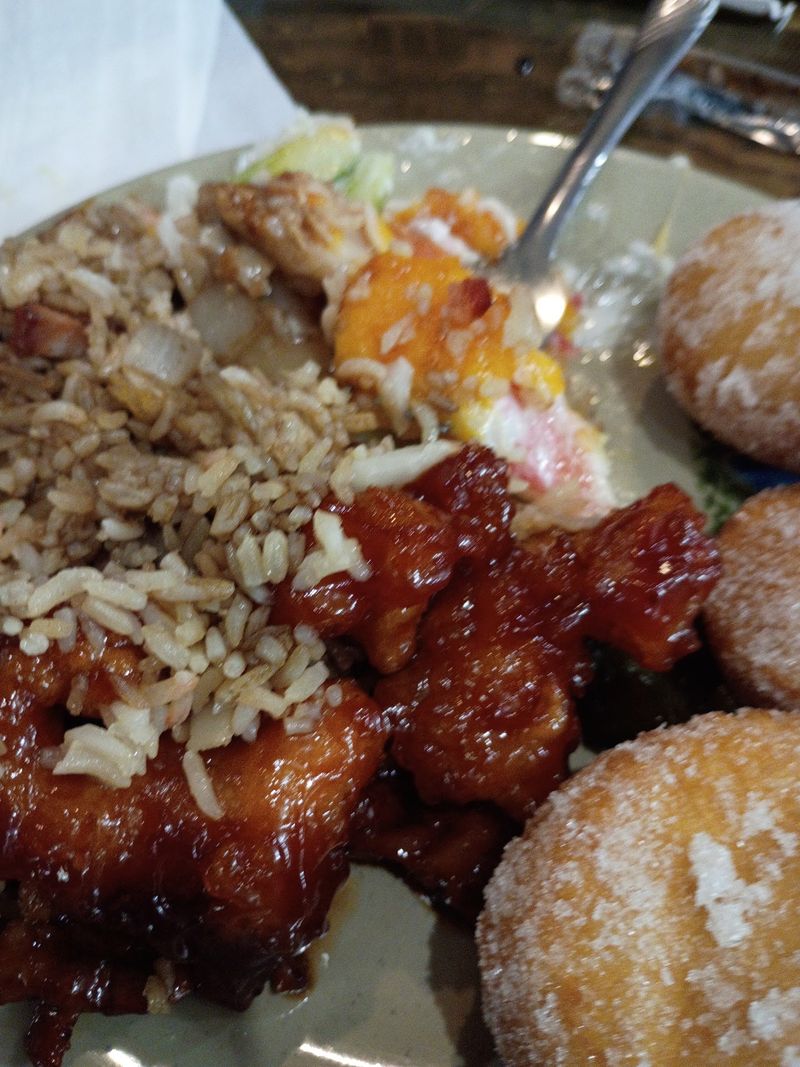
Familiar Chinese-American dishes form the core of the buffet. General Tso’s Chicken, Egg Foo Young, and Crabmeat and Cheese Wontons are among the items the restaurant highlights on its buffet lineup.
That makes the spread easy to approach even if someone at the table is not interested in experimenting. Lo mein and fried rice can anchor a plate before a spoonful of something spicier joins the edges.
Hot and Sour Soup gives the meal another direction before the steam-table decisions begin. Teriyaki Chicken skewers work as a smaller bite, while Pepper Steak and Hunan Chicken make it easy to compare richer and spicier flavors without ordering two separate entrees.
The best part of a buffet is sometimes the accidental combination. You may discover that the item you almost skipped becomes the reason for plate number two.
For a group with different appetites, that flexibility matters. Nobody has to agree on one shared order, and one person’s General Tso’s enthusiasm does not interfere with somebody else’s loyalty to lo mein.
The menu may be broad, but the buffet works because recognizable staples give everyone an easy place to start.
The Warsaw Location Has Served The Northern Neck For Decades
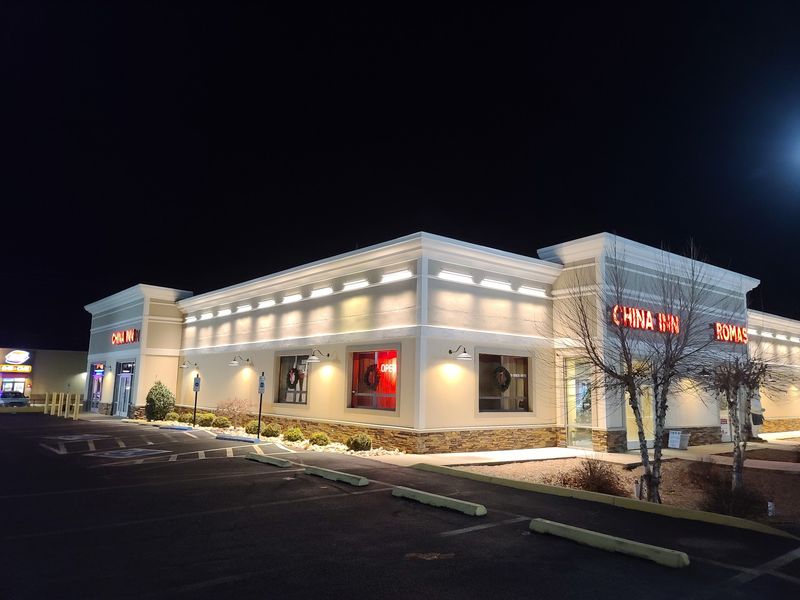
China Inn has been in business for more than 20 years, giving the restaurant a long history in Warsaw and the Northern Neck. The buffet remains a central part of the operation rather than an occasional promotion or holiday-only setup.
The restaurant is at 5059 Richmond Road, Warsaw, VA 22572. Its location on Richmond Road puts it among the everyday businesses serving this small Northern Neck community rather than inside a large entertainment or tourist complex.
That long run also explains why the format feels uncomplicated. The restaurant offers dine-in buffet service alongside separate lunch, dinner, and carryout menus, so a guest who does not want the buffet still has another way to order.
Sometimes longevity is most interesting when a place does not reinvent itself every season. A buffet with familiar dishes, weekend seafood, and carryout options can keep doing its job without turning dinner into an event that needs instructions.
The decision at the door is simple enough: buffet plate or individual order. Once the plate wins, however, simplicity disappears quickly because more than 30 choices are waiting on the other side of the room.
Friday And Saturday Nights Add A Seafood Spread
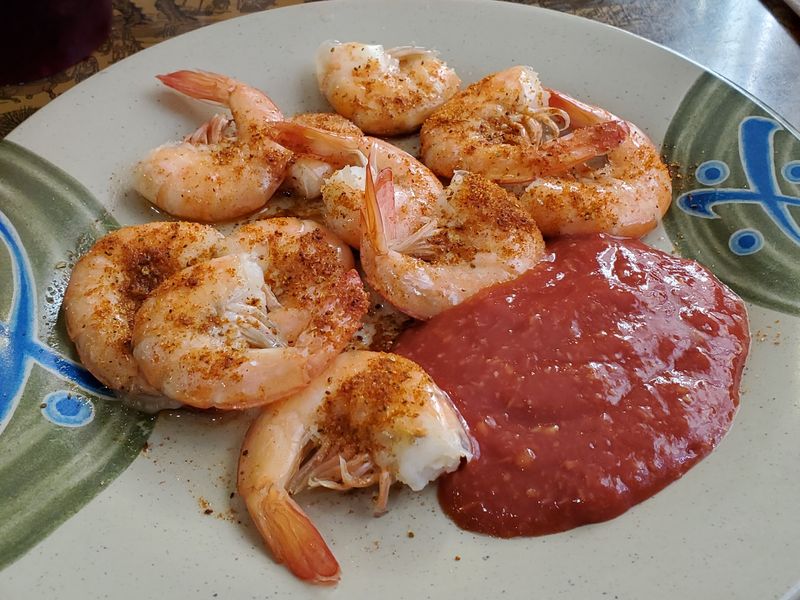
Weekend evenings change the buffet in a noticeable way. From 5 p.m. to 9 p.m. on Friday and Saturday, the restaurant adds a seafood-focused lineup to the all-you-can-eat spread.
Fried scallops, home-battered fried shrimp, steamed mussels, steamed shrimp, and baked salmon are among the listed selections. The China Inn Seafood Casserole adds a house specialty to the same weekend setup.
That mix gives seafood fans several textures to work through without building the entire plate around fried food.
Baked salmon and steamed options can share space with crisp shrimp or scallops, which is useful when the first plate has already taken a fairly enthusiastic turn.
Here is the danger of a seafood buffet: suddenly plate strategy feels much more serious than it has any right to be. Do you start with shrimp because you know you like it, or gamble valuable plate space on the casserole first?
The good news is that all-you-can-eat service removes most of the pressure. Start with the familiar, circle back for something different, and let appetite decide whether a third trip is confidence or overambition.
Friday and Saturday simply give the regular buffet a different personality, with seafood moving much closer to center stage.
The Cold Bar Gives Richer Plates A Reset Button
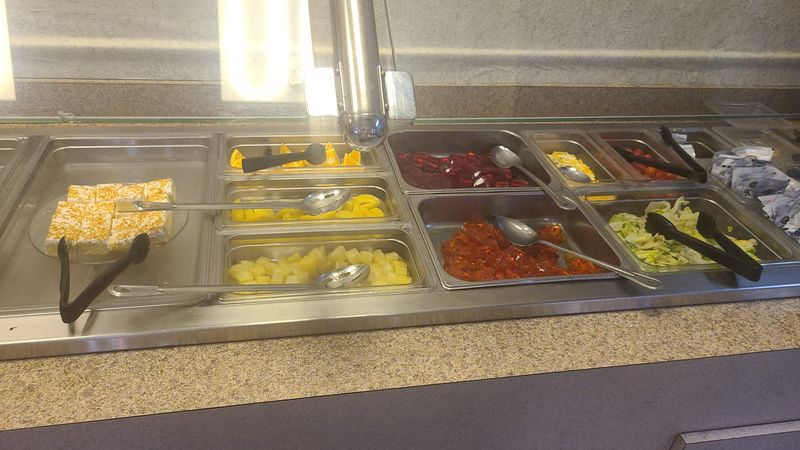
After fried rice, sauced chicken, pepper steak, or weekend seafood, something cool and simple can be surprisingly welcome. The buffet includes a cold bar with fresh salad, fruit, and dessert, giving diners a break from the steam-table side of the room.
A salad can work at the beginning, but buffet rules are wonderfully flexible. There is nothing stopping you from using it between heavier plates when your appetite needs a reset.
Fruit does the same job at the sweeter end of the meal. It offers a lighter finish for anyone who has reached the stage where dessert sounds good in theory but the previous plate is still negotiating for space.
Of course, dessert is also there for anyone who planned better.
That is the quiet advantage of having hot and cold sections in the same buffet. One trip can be all savory, another can lighten things up, and the final plate does not need to resemble either of them.
Buffets reward curiosity, but they also reward knowing when to change direction. Sometimes the smartest move is not another scoop of the dish you loved. Sometimes it is a few bites of fruit before deciding whether the dessert section is about to become a very good idea.
Carryout Gives The Menu Another Life Beyond The Buffet
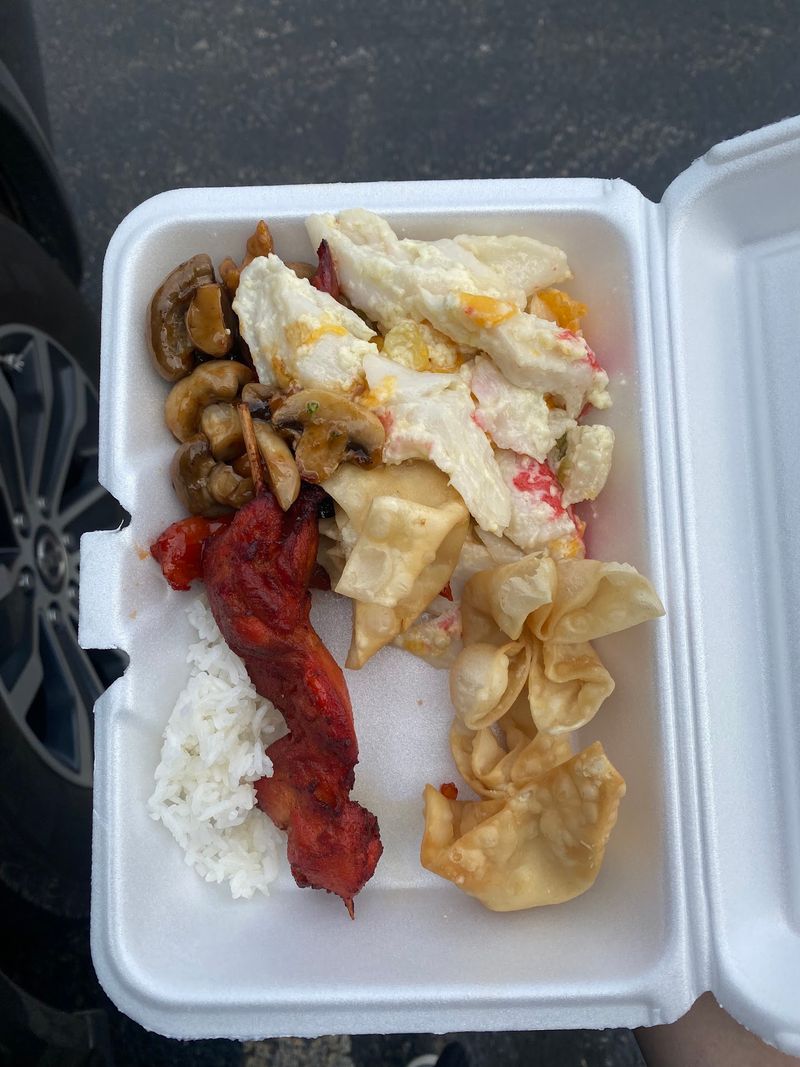
The all-you-can-eat spread may be the headline experience, but China Inn also maintains separate lunch, dinner, and carryout menus. That gives the restaurant another useful identity when unlimited trips to the buffet are not what the day calls for.
Lunch combinations cover familiar choices such as Pepper Steak with Onions, Beef with Broccoli, Sweet and Sour Chicken, and fried rice.
The broader menu expands into additional chicken, pork, beef, seafood, vegetable, and combination dishes.
That means a favorite discovered on the buffet can point you toward an individual order later. Or the opposite may happen: a dish you normally order by itself becomes the first thing you look for when a buffet plate lands in your hand.
Carryout is especially useful when everyone at home wants something different but nobody feels like sitting down for an all-you-can-eat meal.
The buffet still has the advantage when indecision wins. More than 30 choices make commitment optional, and that is sometimes exactly what dinner needs.
By the end, the most difficult question is not whether there was enough variety. It is whether the plate you called your last one actually stays that way.