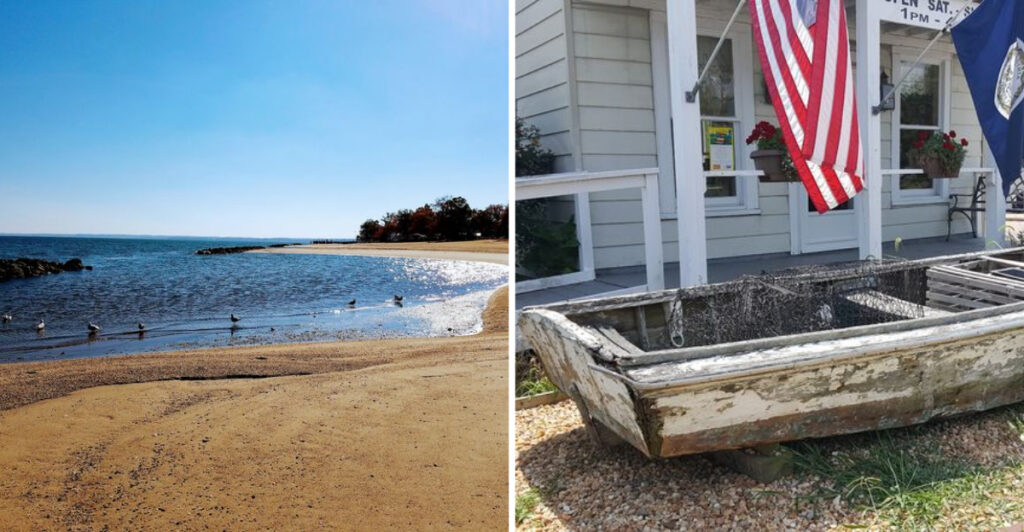
This beach town skipped the comeback tour and kept the good parts.
Set along the Potomac River in Virginia’s Northern Neck, the town first grew as a resort escape in the late nineteenth century. When steamboat travel faded, the waterfront did not disappear with it.
Instead, the town changed gradually. Historic character stayed visible, the Boardwalk remained part of the experience, and recent planning focused on making downtown easier to enjoy.
Public beaches still line the river, while the old resort core gives the town a sense of continuity.
I like places that evolve without erasing what made them interesting in the first place.
The beach never left the story here, it just learned a few new chapters.
The Potomac River Shaped Colonial Beach From The Beginning
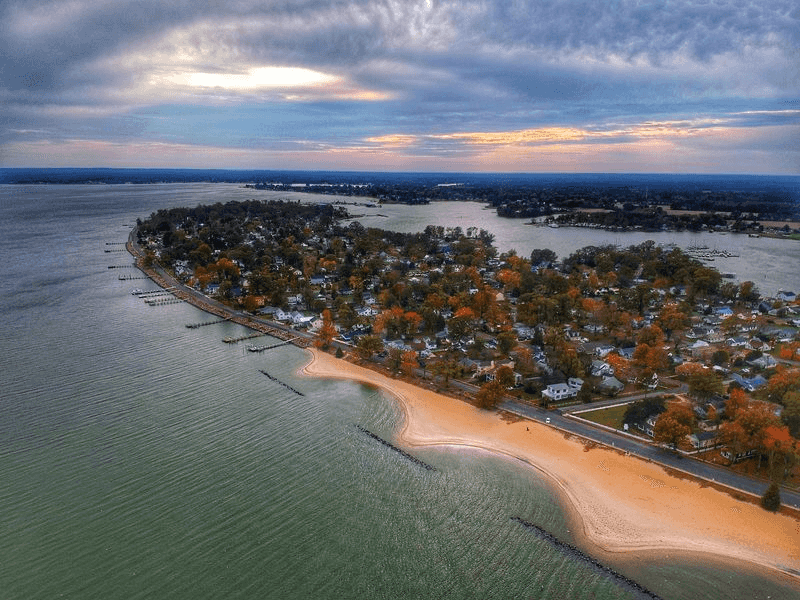
Colonial Beach was planned around the water from the start. The Commercial Historic District traces its beginnings to 1882, when the resort community was laid out along the Potomac River with Washington-area visitors in mind. The town was incorporated in 1892.
Steamboats carried thousands of people from the Washington area, and the waterfront filled with hotels, entertainment, restaurants, and other businesses serving vacationers. The town became known as the “Playground on the Potomac.”
The river still defines the layout when you visit. The Potomac borders one side of the narrow peninsula, while Monroe Bay lies on the other, so water is rarely far away.
The shoreline, piers, boats, and compact streets create a beach-town rhythm built around the river. That history explains why downtown and the waterfront remain closely connected today.
The Old Resort Era Declined As Travel Habits Changed
Colonial Beach prospered for years as a Potomac resort, but the transportation system that helped build that success did not last forever. Steamboats once made extended summer stays practical for visitors traveling from Washington, D.C.
The rise of automobile travel changed the pattern. Families could take shorter trips to more destinations, and the steamboat-based resort era declined as the transportation system that once fed the waterfront lost importance.
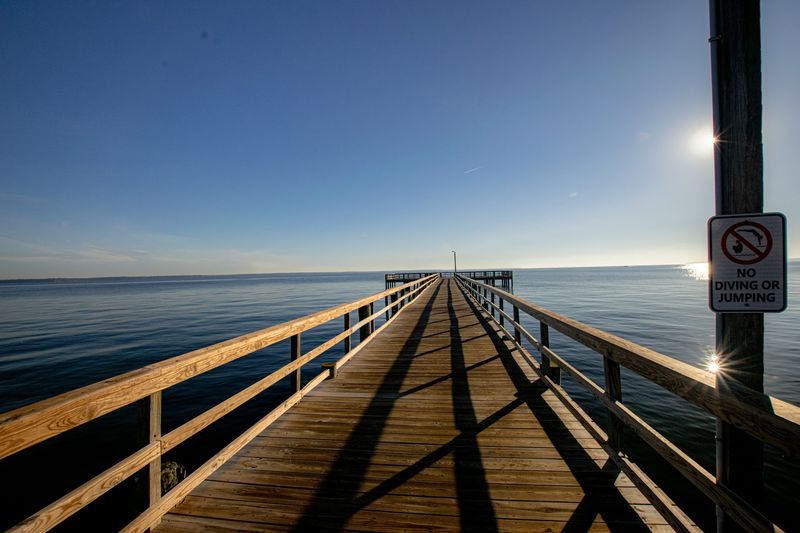
Hotels, amusement halls, a dance pavilion, restaurants, and other businesses once crowded the Boardwalk area. Pieces of that history remain visible in the street plan and older buildings.
Instead of rebuilding a vanished steamboat resort, the town has focused on improving public spaces and strengthening the historic commercial core for a different travel era.
Revitalization Has Focused On The Historic Downtown And Boardwalk
Colonial Beach has spent years working on the area that once formed the heart of the resort.
Streetscape improvements, murals, commercial development, and continued work around the historic resort and Boardwalk area have all formed part of that effort.
A revitalization grant helped support earlier improvements and contributed to new resort and commercial development.
Downtown Colonial Beach also formed as a Virginia Main Street affiliate, bringing preservation-based economic development into the town’s long-term strategy.
The work is continuing. A Downtown Connectivity Plan completed in late 2025 recommends better pedestrian connections, clearer parking information, updated trolley signs, destination maps, and interpretive features to make downtown easier to navigate.
If you walk between the beach, Boardwalk, shops, and historic commercial streets, you are moving through the area these plans are designed to strengthen. Clearer connections also make it easier to explore on foot.
Several Public Beaches Give You Different Ways To Reach The Water
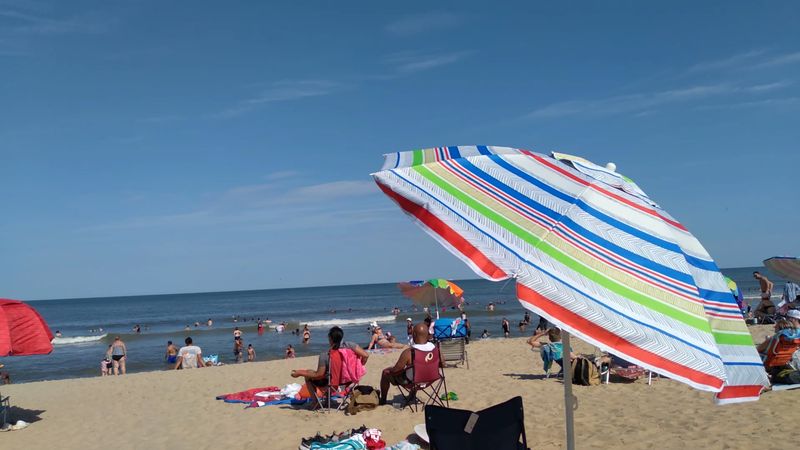
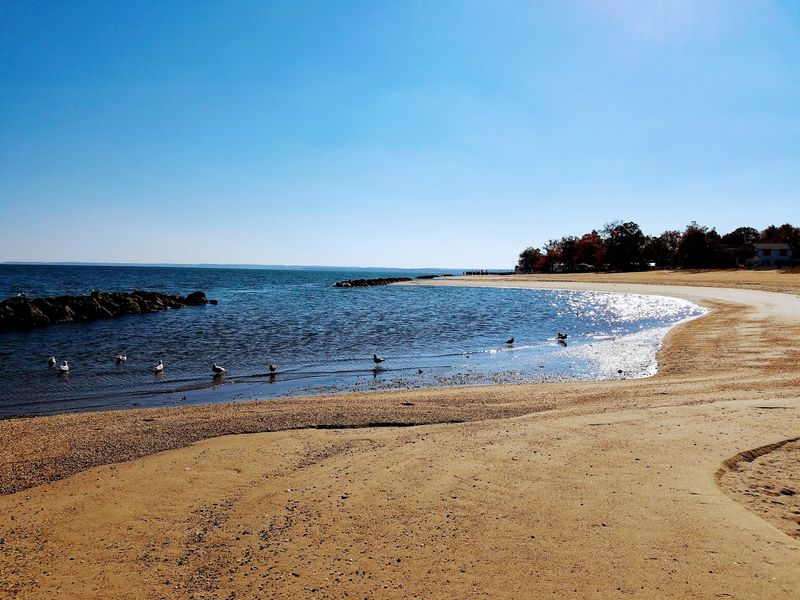
The public shoreline is one of Colonial Beach’s strongest reasons to visit. Colonial Beach has the second-longest public beach in Virginia, along with several distinct beach areas spread along the Potomac.
Downtown Boardwalk Beach runs parallel to Taylor Street and puts you close to the Town Pier, a bathhouse, watersports, swings, shops, food options, and the Boardwalk.
North Beach sits farther from the busiest Boardwalk activity. Irving Avenue Beach runs along Beach Terrace and Irving Avenue, while Castlewood Beach occupies the southern end of Irving Avenue near Castlewood Park and the public boat launch on Monroe Bay.
That variety lets you shape the day around what you want. You can stay near downtown activity, move toward a quieter stretch, or pair beach time with a park or boat launch.
The town also posts specific beach rules, so checking them before you settle in is worthwhile. The Potomac is a tidal river, and conditions are different from a managed swimming pool.
What makes the beaches especially useful is their connection to the rest of town. You can leave the sand, walk toward the commercial district, and return to the water without turning the day into a long driving loop.
The Commercial Historic District Keeps The Resort Story Visible
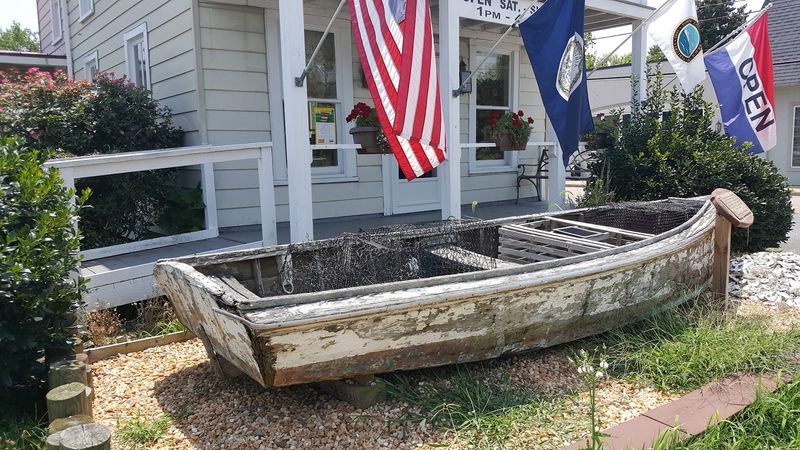
Preservation has become part of the comeback too. The Colonial Beach Commercial Historic District was listed in the Virginia Landmarks Register and the National Register of Historic Places in 2021.
The district covers the historic business center that grew from the town’s planned resort origins. You are not looking at a single museum property isolated from modern life. The historic area remains part of the working downtown.
Its story begins with the nineteenth-century resort plan, when developers reserved prominent spaces near the Potomac and designed streets to connect the community with the beach.
Today, preservation tools can support rehabilitation while businesses and public improvements keep the area active. That gives you something more interesting than a recreated historic district.
You can walk through a town that is still changing while seeing the structure of the original resort plan underneath it. Much of the revitalization effort is built around making that historic center more useful, connected, and visible.
Two Presidential Birthplaces Add Another Layer To The Area
The beach may be the first reason you notice Colonial Beach, but the surrounding part of Westmoreland County carries major presidential history.
George Washington was born at Popes Creek in 1732, about ten miles west of Colonial Beach.
George Washington Birthplace National Monument protects the landscape associated with his family and includes a visitor center, memorial area, burial ground, trails, picnic areas, and a Potomac River beach.
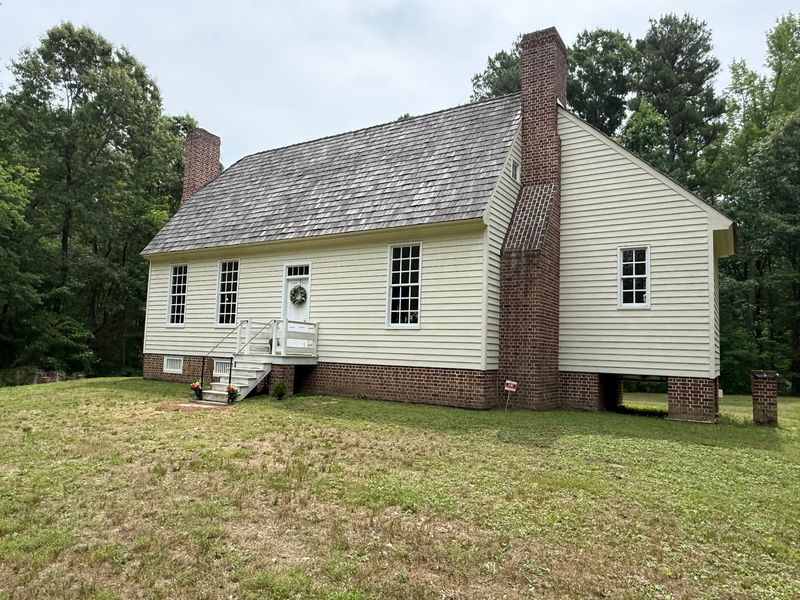
James Monroe was also born in Westmoreland County. His birthplace lies near Colonial Beach, and the property is listed in both the Virginia Landmarks Register and the National Register of Historic Places.
The James Monroe Birthplace and Boyhood Home site includes a reconstructed farmhouse, park, trails, and museum programming.
If you enjoy mixing beach time with history, these sites make the area easy to build into a longer trip. You can spend part of the day along the Potomac in town, then drive into the surrounding county for a completely different view of Virginia’s past.
You do not have to turn the visit into a history marathon. Even one nearby presidential site adds context and gives you another reason to stay in the area beyond a single afternoon on the sand.
A Compact Riverfront Makes It Easy To Build A Slow Day
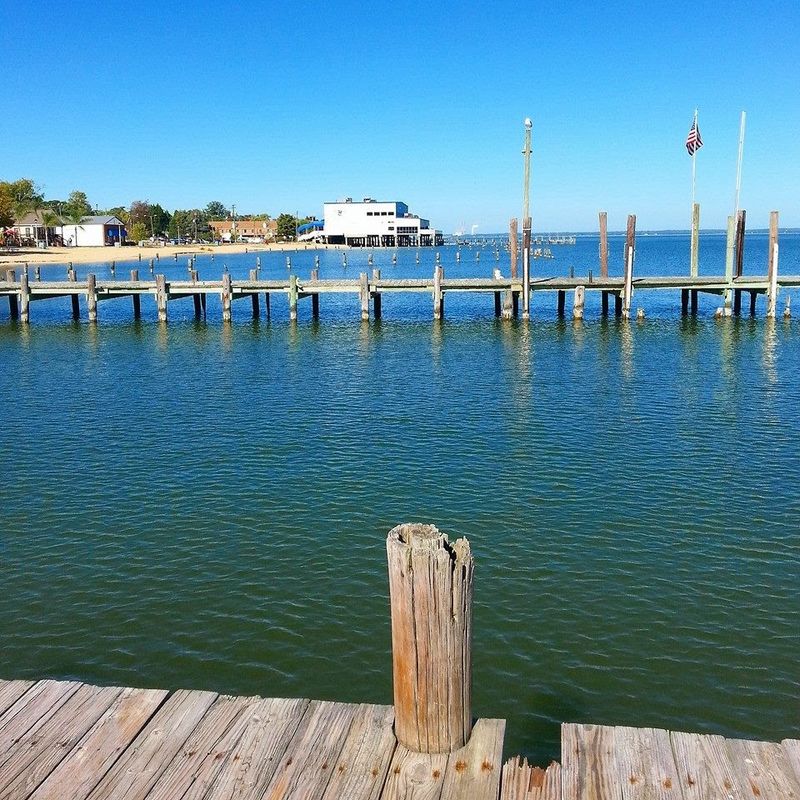
Colonial Beach works especially well when you do not overplan it. The town is compact enough that the beach, Boardwalk area, historic commercial district, parks, and waterfront streets can fit naturally into the same outing.
Start near Downtown Boardwalk Beach if you want the most active section of the shoreline. From there, you can move toward the Town Pier and commercial streets without needing to drive between every stop.
If you prefer a quieter stretch of sand, another public beach gives you room to change the pace. Monroe Bay on the opposite side of the peninsula adds another waterfront edge and a public boat launch.
Boating and fishing remain part of the local recreation picture, while downtown gives you places to eat and browse between time near the water.
Season matters. Summer puts more attention on the beaches, while cooler weather shifts the focus toward walking, history, and the town itself. Checking local event and beach information before the trip can help you match the visit to what you want to do.
The appeal is not that Colonial Beach has become a giant resort again. It is that you can move between water, history, and a downtown that is actively being improved without losing the scale that makes the town easy to explore.
The Beach Is Still Writing Its Next Chapter
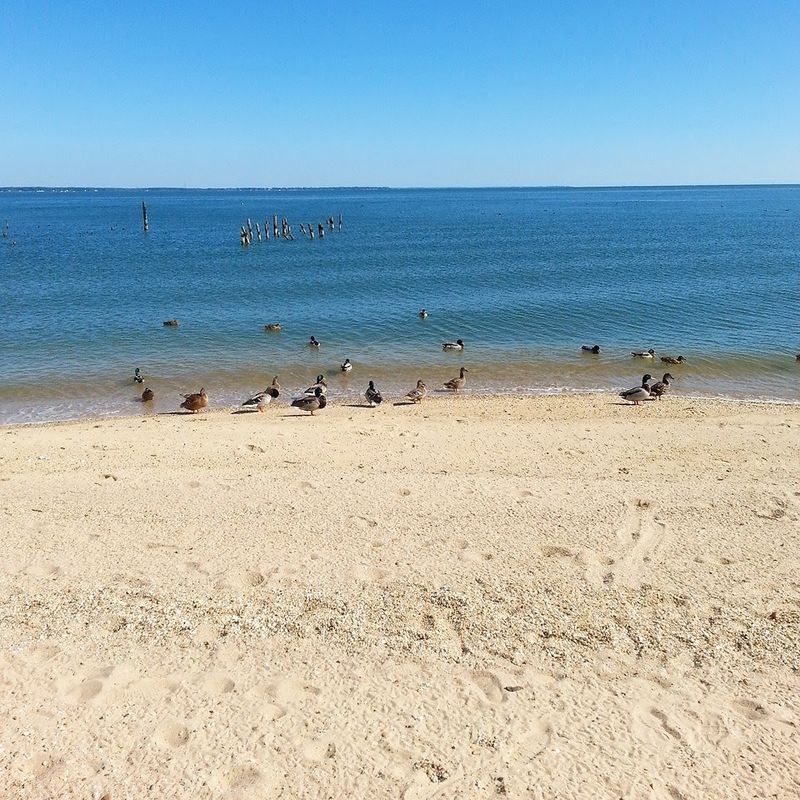
A comeback does not have to mean returning to exactly what a place once was. Colonial Beach’s steamboat hotels and early resort culture belonged to another era, and the town’s future is being built around different needs.
Public beaches remain central to recreation. The Commercial Historic District keeps the old resort core visible, while downtown revitalization has brought streetscape, mural, wayfinding, and development projects.
Newer planning continues to focus on pedestrian connections and easier navigation.
Colonial Beach sits in Westmoreland County on Virginia’s Northern Neck, with the Potomac River on one side and Monroe Bay on the other. George Washington’s birthplace is about ten miles away, and James Monroe’s birthplace is nearby as well.
If you come expecting an Atlantic Ocean resort, you will be looking for the wrong thing. This is a Potomac River beach town with a history shaped by steamers, summer vacations, changing travel habits, and decades of reinvention.
Come for the sand if that is what catches your attention first. Then give yourself time to walk the historic streets, follow the waterfront, and see how an old Virginia resort town is building a new chapter around the place it already has.