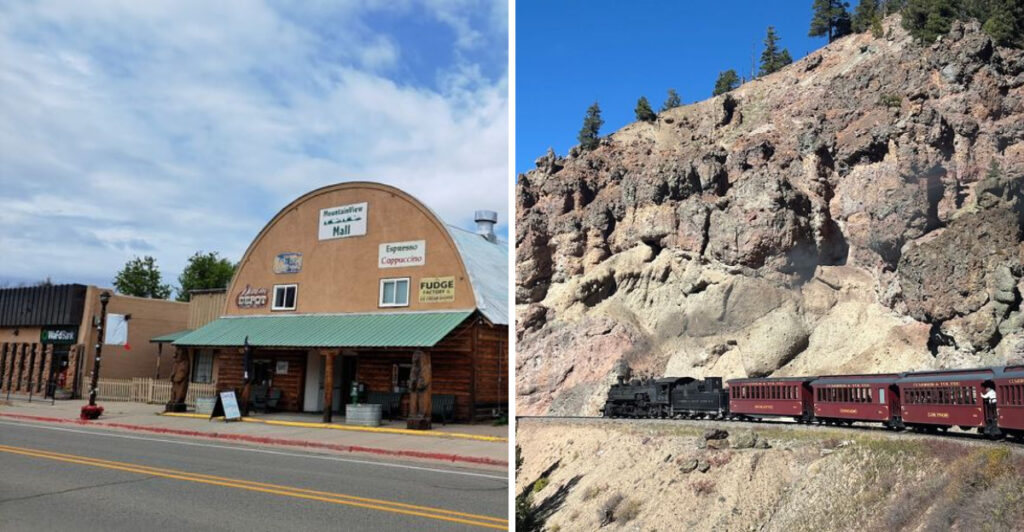
You do not need a packed schedule to have a summer trip. Sometimes a walkable main street, cool mountain air, and the sound of a steam locomotive are enough.
This mountain community brings those pieces together in a way that feels easy rather than staged. The depot sits near the center of town, putting the railroad within steps of shops, restaurants, and storefronts.
Forested ridges rise beyond the rooftops, and a river adds movement to the valley. At 7,860 feet, this northern New Mexico village also offers a welcome break from intense summer heat.
Mornings start crisp, afternoons invite long walks, and evenings cool down fast. The town is small, but that works in its favor.
You can watch a train depart, explore downtown, and still have time to sit beside the river. A slower pace becomes the main attraction here, which is exactly why this mountain escape stands out.
Where Main Street Runs Along The Rails
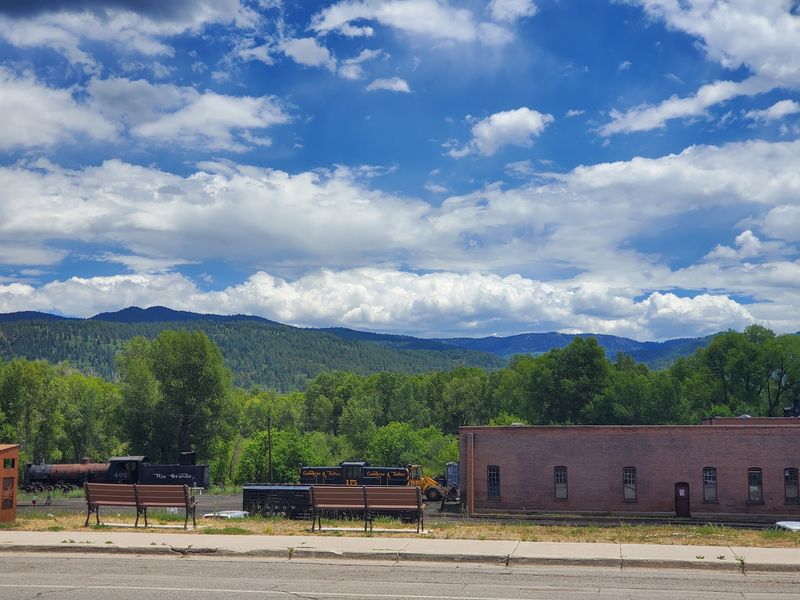
Few towns wear their railroad roots as openly as this one does. Walk down the main stretch along Highway 17 and you will notice right away that the tracks are not hidden on the edge of town.
They run directly through the heart of it, giving the whole street a working, purposeful energy that many tourist towns have long since paved over.
Lodging sits within easy walking distance of the depot, and a riverside RV park hugs the tracks closely enough that guests can watch steam trains cross a bridge above the water. That kind of front-row access is rare, and it sets the tone for everything else in town.
You do not need a car to enjoy much of what is here.
Shops, restaurants, and historic buildings line the route, making a simple stroll feel like a casual history lesson. The whole setup rewards slow walkers.
The railroad remains part of everyday life throughout the year rather than a display set apart for visitors. Welcome to Chama, New Mexico.
Steam Engines Beneath The Mountain Sky
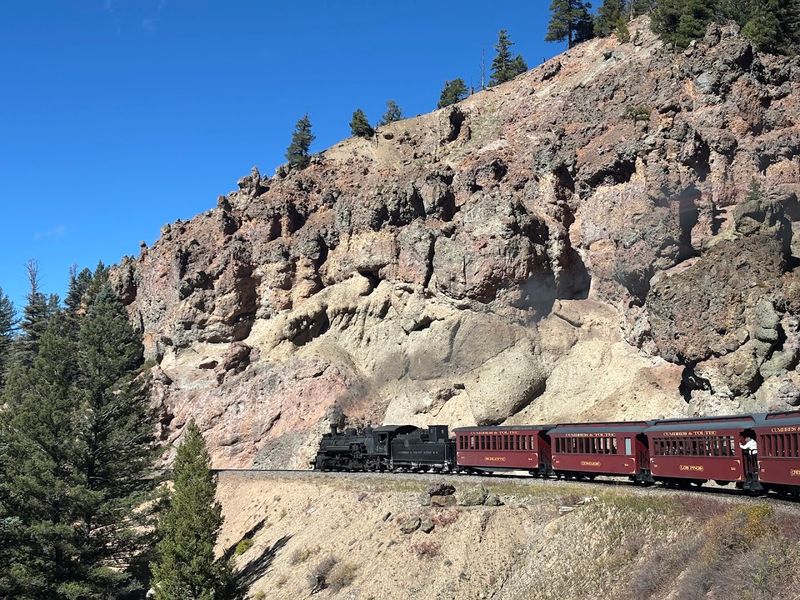
Coal smoke curls up into a bright blue sky as a Baldwin steam locomotive pulls away from the station, and just like that, you are transported somewhere between history and high adventure. The Cumbres and Toltec Scenic Railroad operates original narrow-gauge steam trains through some of the most remote stretches of the southern Rocky Mountains, and the views from those old wooden coaches are genuinely hard to put into words.
The route cuts through deep aspen forests, crosses high plains dotted with summer wildflowers, and drops into dramatic rocky gorges that feel untouched by the modern world. These are not replica trains running a short loop.
These are real working steam engines doing real mountain work, climbing steep grades and rounding tight curves through wilderness that road travelers simply never see.
The season runs from late May or early June through mid-October, so summer is prime time to catch a ride. Pack a light layer because mountain air at elevation has a way of surprising you.
Every departure feels like a small occasion worth showing up early for.
A Golden Depot At The Heart Of Town
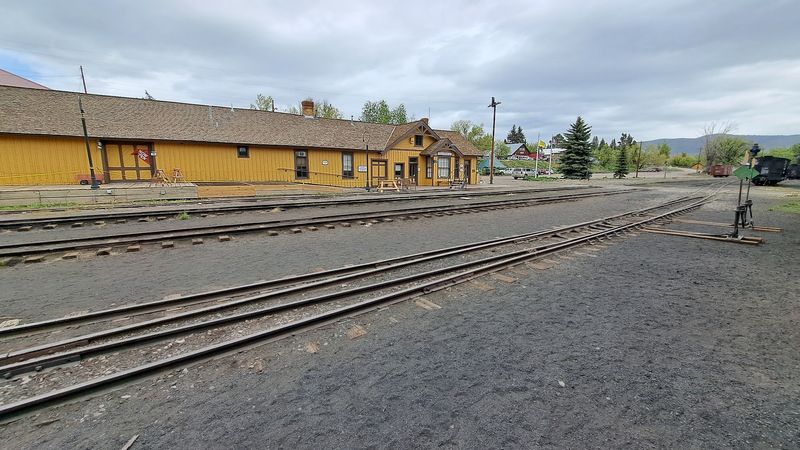
Some buildings earn their landmark status quietly, just by standing in the right place long enough. The Chama depot of the Cumbres and Toltec Scenic Railroad has done exactly that, anchoring the center of the village and serving as the starting point for one of the most scenic train journeys in the American West.
The station sits at 500 Terrace Ave, and its presence gives the whole town a clear focal point. Visitors gather here before departures, and the area around it has a naturally unhurried energy that encourages people to linger.
There are no crowds rushing past, no digital signs counting down. Just a historic structure doing what it was built to do.
The depot connects the past to the present in a way that feels genuine rather than staged. It is the kind of place where you find yourself pausing to look around and appreciate the setting before the journey even begins.
Every plank and beam carries a little bit of railroad history that the surrounding mountains have quietly witnessed for well over a century.
Storefronts With Old Railroad Character
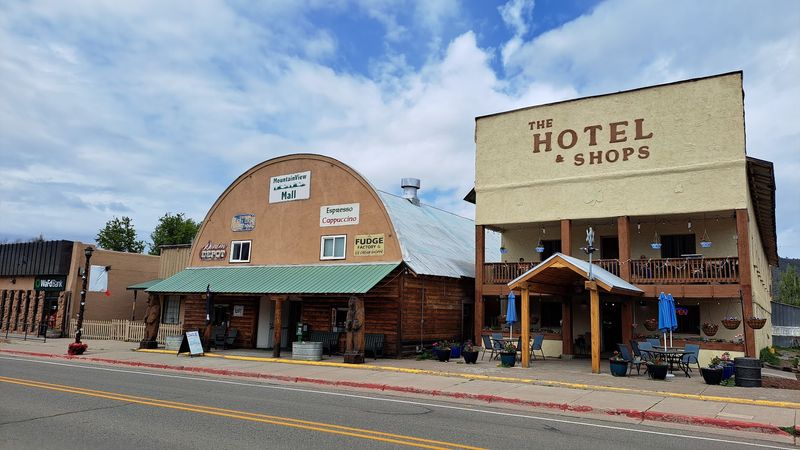
Not every small town manages to hold onto its personality, but Chama has done a pretty good job of it. The Western-style business district keeps a lively mix of retail shops, local restaurants, and artisan spots that reflect the town’s railroad heritage without turning it into a theme park version of itself.
One standout example is the Parlor Car B&B, which leans fully into Victorian architecture and period antiques to create an atmosphere that genuinely matches its surroundings. Staying somewhere like that is less like booking a room and more like stepping into a well-preserved chapter of local history.
The details matter here, from the woodwork to the carefully chosen furnishings.
Year-round businesses keep the street feeling active even outside peak season, which says something about the community behind them. Visitors who take the time to wander beyond the depot often find that the storefronts reward curiosity.
A quiet conversation with a local shopkeeper can easily become the most memorable part of a Chama afternoon. The town’s character is not manufactured.
It simply grew here organically over generations.
River Views Beyond The Quiet Streets
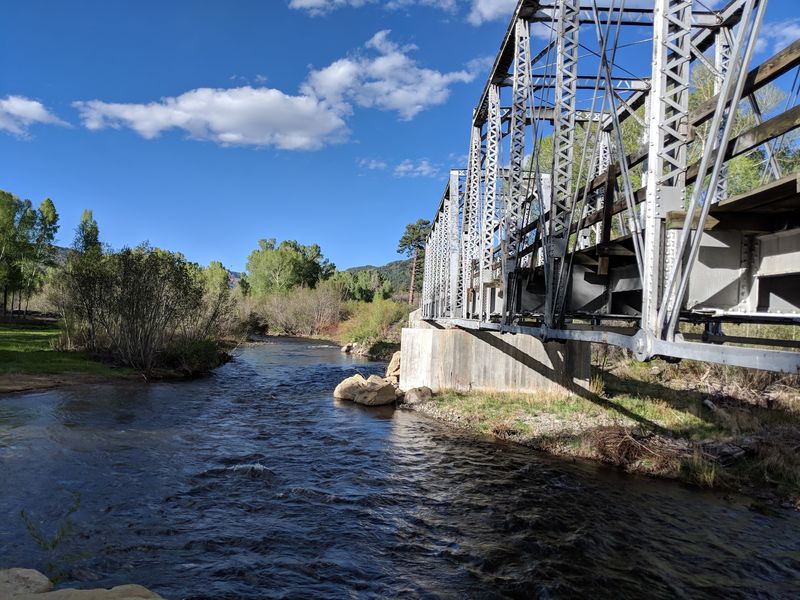
Step past the last row of storefronts and the landscape opens up in a way that catches you off guard. The Rio Chama runs along the eastern side of the village, fed by headwaters in the San Juan Mountains, and it brings a steady, calming presence to the whole area.
The river does not rush through here. It moves with the quiet confidence of something that has been doing this for a very long time.
Cottonwood trees line the banks, their leaves catching the light in a way that makes the whole scene feel a little painterly. Towering cliffs rise behind wooded canyons, and on calm days the surrounding mountains reflect on the water’s surface in a way that rewards anyone patient enough to sit and watch for a few minutes.
From the Rio Chama RV Park, guests can see the train cross a bridge directly over the river, which combines two of the town’s best features into a single view. That overlap of natural beauty and railroad history is part of what makes this place feel layered and worth returning to.
The river is never far away here.
A Rail Yard That Still Feels Alive
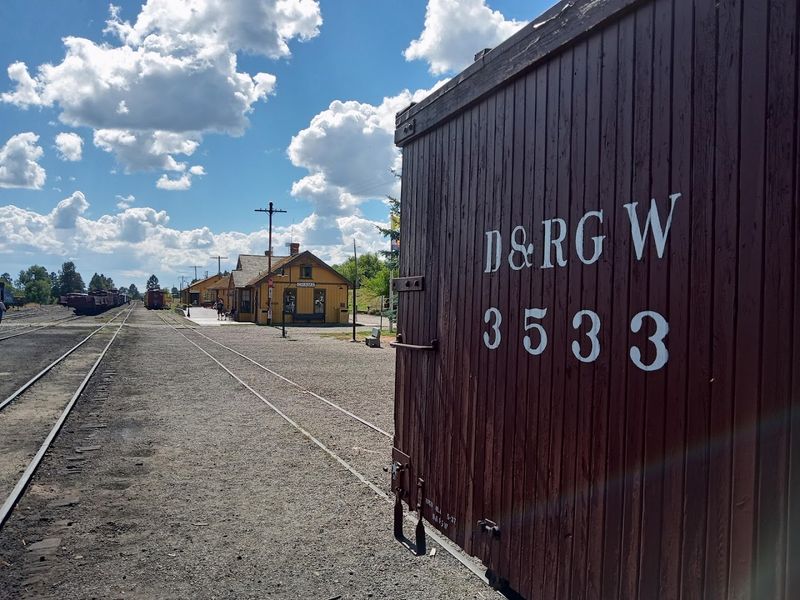
Most rail yards from the steam era have been converted into parking lots or shopping centers. Chama’s rail yard never got that memo, and the town is much better for it.
This facility serves as the primary storage yard and engine maintenance hub for the Cumbres and Toltec Scenic Railroad, and it operates with the kind of hands-on energy that makes history feel tangible rather than archived.
Two preserved rotary snowplows sit in the yard, offering a direct connection to the brutal winters this railroad once had to muscle through. The Friends of the Cumbres and Toltec volunteer group works year-round here, rebuilding century-old railcars and keeping the track in working order.
Watching that kind of dedicated craftsmanship up close is quietly impressive.
The sounds alone are worth a visit: the low rumble of an engine warming up, the clank of metal on metal during maintenance, and the occasional train whistle cutting through the mountain air. Historically, this yard also served as a helper locomotive terminal for trains tackling steep grades.
That legacy of hard mechanical work still echoes through every corner of the place.
Green Valleys Beneath Forested Peaks
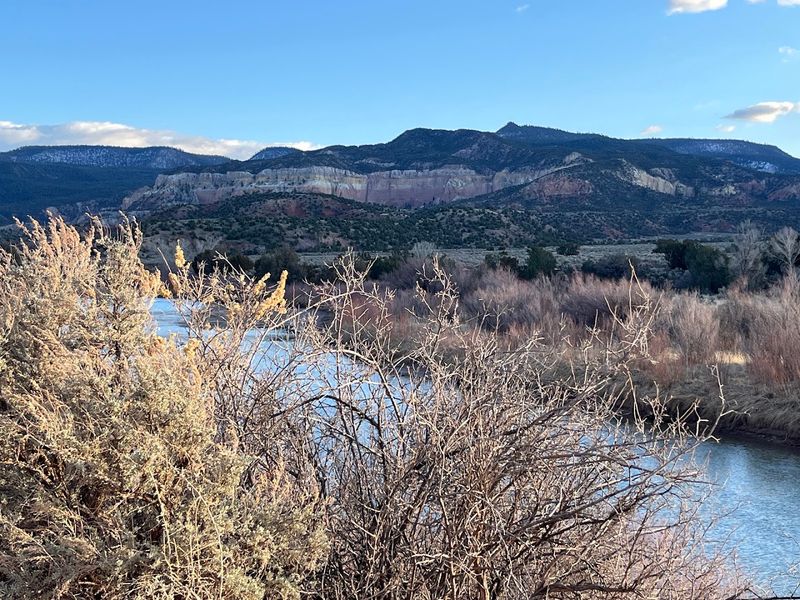
The view from the edge of town on a clear summer morning is the kind that makes people reach for their cameras before they fully register what they are looking at. Chama sits in a high valley carved by the Rio Chama, with forested ridges rising on all sides and wildflower meadows filling the lower slopes during the warmest months.
The scale of it is easy to underestimate until you are standing right in the middle of it.
Three national forests border this region: Carson, Rio Grande, and Santa Fe. Add two state parks to that and you have a surrounding landscape that offers serious outdoor depth for hikers, photographers, and anyone who simply wants to sit in a mountain meadow and do absolutely nothing productive.
The Cumbres and Toltec train begins a steep climb out of the valley almost immediately after departure, revealing sweeping views of the entire Chama Valley below as the elevation rises. Aspens and ponderosa pines crowd the hillsides, and the green is especially vivid in July.
New Mexico does not always get credit for its lush mountain scenery, but this valley makes a convincing argument on its own.
Summer Days At A Slower Elevation
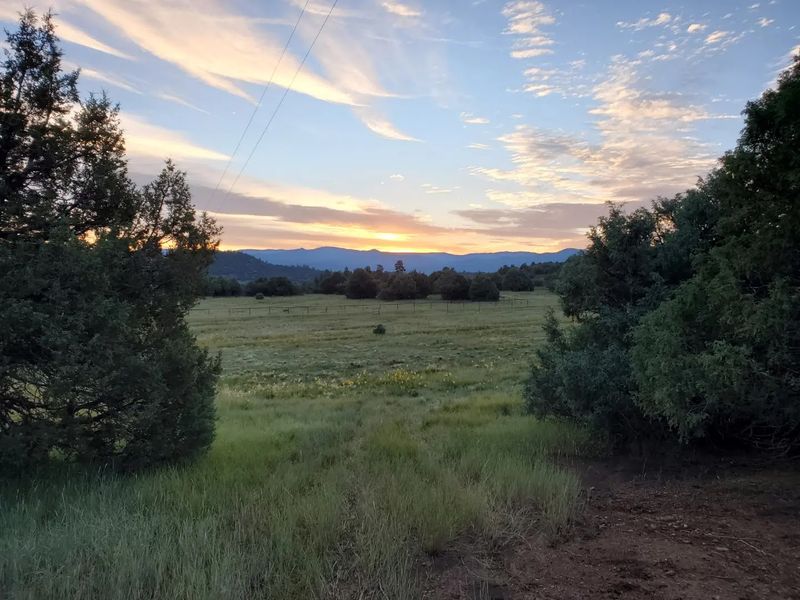
At 7,860 feet above sea level, Chama operates on a different thermal schedule than most summer destinations. Daily highs during the warmest months hover around 74 degrees Fahrenheit and rarely push past 84.
That kind of moderation is genuinely refreshing when the rest of the country is sweating through triple-digit heat advisories.
July averages sit right around 77 to 78 degrees during the day, and nighttime lows drop to somewhere between 42 and 48 degrees. That temperature swing means mornings feel crisp and evenings call for a light jacket or sweater.
The window from late June through mid-August is widely considered the sweet spot for warm-weather activities, and it lines up perfectly with the train season.
New Mexico tourism materials sometimes describe Chama’s summer climate as cool times in cool pines, and that phrase is more accurate than it sounds like it should be. The elevation slows everything down in the best possible way: the pace of the days, the heat of the sun, even the way sound travels through the thin mountain air.
A summer visit here feels like a genuine reset, and that is not something most destinations can honestly promise.