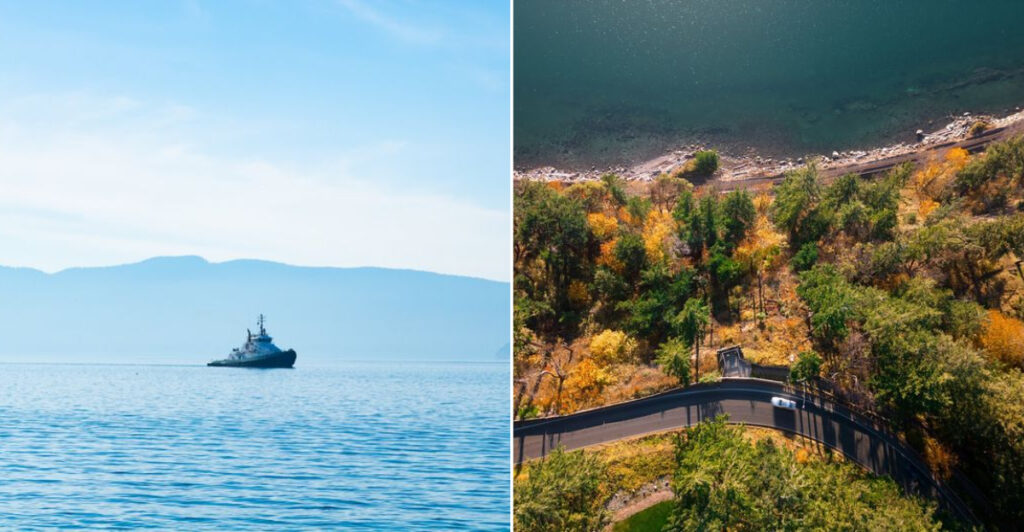
A good road trip does not always need a huge itinerary to feel exciting. Sometimes all it takes is a great stretch of road, the windows down, and that moment when everyone in the car goes quiet because the view is doing all the talking. That is the kind of drive waiting in Washington.
This route knows how to keep things interesting. One minute you are cruising past towering trees, and the next you are catching ocean views, rocky shoreline, and the kind of scenery that makes it very easy to say, “Let’s pull over for a second.”
Then that second turns into a longer stop, a few photos, and maybe a walk you did not plan on taking. That is part of the charm.
It feels relaxed, scenic, and just adventurous enough to make the day feel special. In Washington, this is the kind of road that turns a simple drive into the part of the trip everyone keeps talking about later.
The Road That Started It All
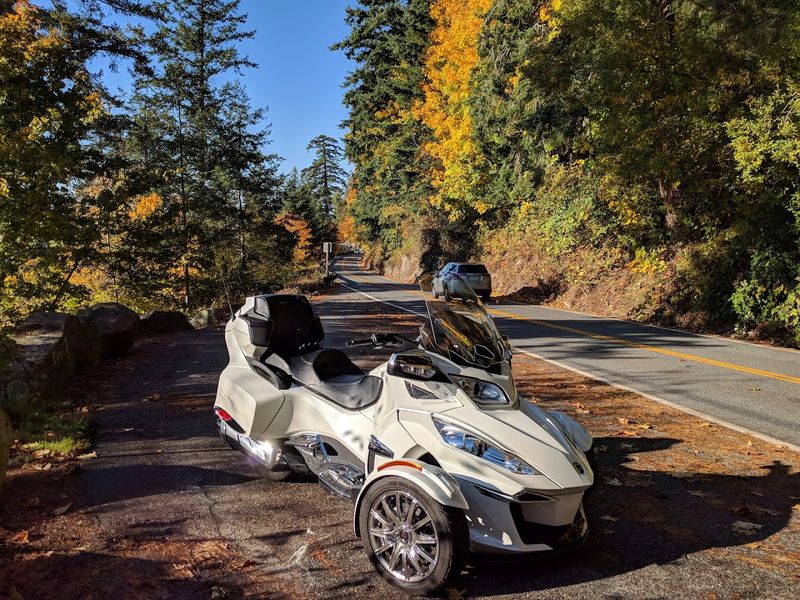
Good luck keeping this a quick drive. Back in 1896, Chuckanut Drive became the first paved rural road in Washington state. That is not just a fun trivia fact. It means this road has been turning heads for well over a century, long before road trips were even a thing people planned on purpose.
The route stretches roughly 21 miles between Bellingham and Burlington, hugging the base of the Chuckanut Mountains as it goes. On one side, you have thick forests climbing up the rocky hillside.
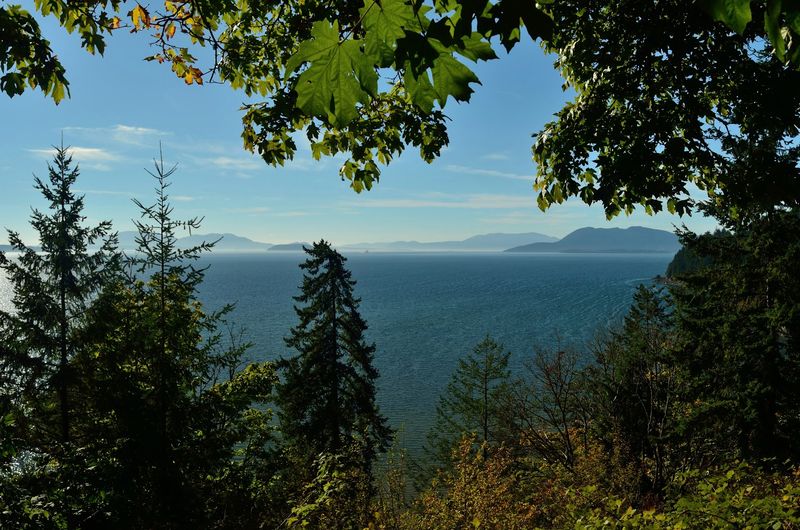
On the other, Samish Bay and Puget Sound open up in front of you like a painting that refuses to end. The road has tight curves, dramatic elevation changes, and sudden viewpoints that pop up when you least expect them. Drivers who are not paying attention might miss the best spots entirely.
Slow down and let the road do its job. What makes Chuckanut Drive different from other scenic routes is that it never feels overdeveloped or crowded with tourist traps. There are no flashy billboards or fast food signs cluttering the view.
Just trees, cliffs, water, and the occasional pullout where you can stop and stare.
Views That Stop You Mid-Sentence
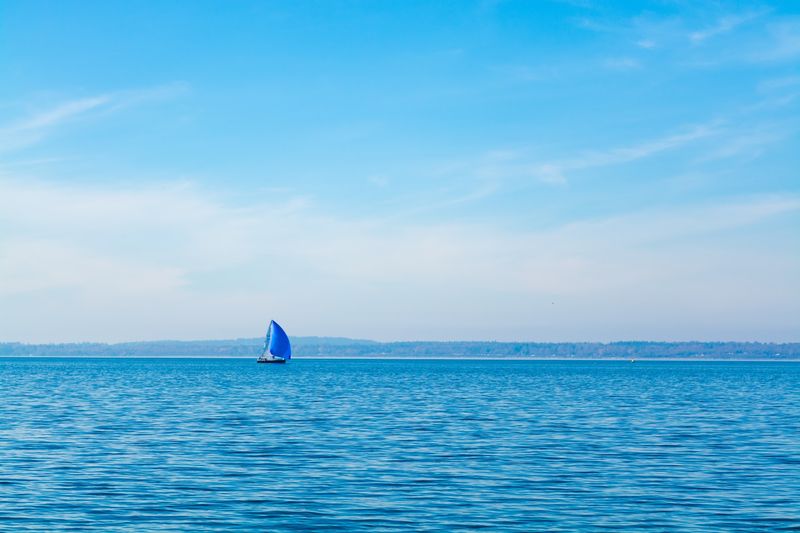
It is very easy to start adding unplanned stops. Pull off at any of the roadside viewpoints along Chuckanut Drive and you will understand immediately why people drive this road just for the scenery.
Samish Bay stretches out below, and on a clear day, the San Juan Islands appear on the horizon like a cluster of dark green shapes floating on silver water. The light changes constantly out here. Morning fog rolls across the bay and softens everything into muted blues and grays.
By afternoon, the sun hits the water at an angle that makes it look like someone scattered broken glass across the surface. Photographers love this road for good reason. The combination of rugged cliffs, dense forest, and open water gives you multiple types of shots within a single mile.
You do not need to hike far to get a frame-worthy image. Sometimes the best views are right from the edge of the road.
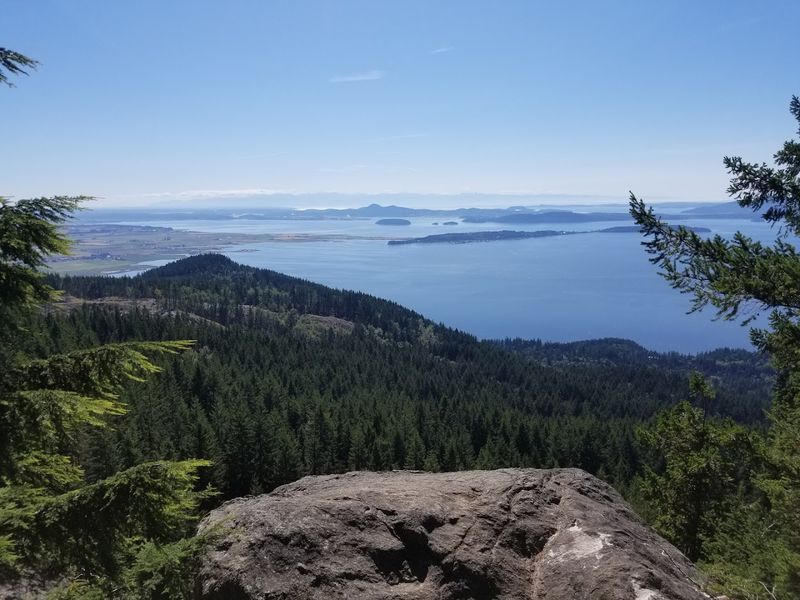
One of the most popular viewpoints is near Oyster Dome, which sits above the tree line and offers a sweeping look at the islands and bay below. Getting there requires a moderate hike, but the payoff is hard to argue with.
Sunset from any of the western-facing pullouts is something worth planning your entire afternoon around. The sky turns shades of orange and pink that feel almost too vivid to be real.
Larrabee State Park Deserves Its Own Trip
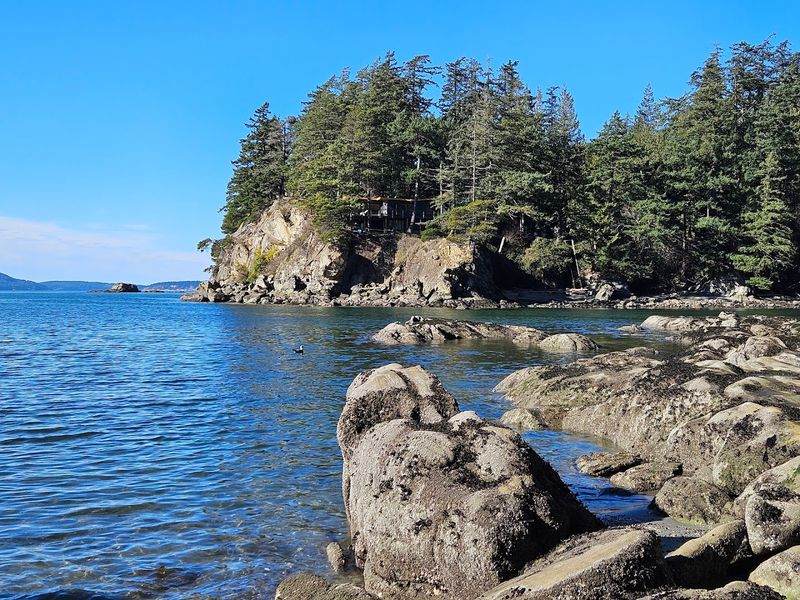
Every turn gives you another reason to stay alert. Larrabee State Park sits right along Chuckanut Drive and holds the title of Washington’s first state park, established in 1923. That history alone makes it worth a stop, but the park has much more going for it than a good origin story.
The park covers over 2,600 acres and includes marine shoreline, dense forest, two freshwater lakes, and a trail network that connects to the larger Chuckanut Mountain trail system.
The rocky shoreline is one of the most interesting features. Tide pools along the water’s edge are packed with sea stars, anemones, hermit crabs, and small fish.
Kids and adults both end up crouched over these pools for longer than they planned. Low tide is the best time to explore, so check the tide charts before you go.
Camping is available at Larrabee, which makes it easy to turn a day trip into an overnight adventure. Waking up inside the park as the morning light filters through the trees is a completely different experience than arriving as a day visitor.
The park also has picnic areas, a boat launch, and direct trail access to Fragrance Lake, a peaceful alpine lake surrounded by forest. If you only make one stop on Chuckanut Drive, make it here. Could a place this beautiful really be just a short detour off the main road?
Hiking Trails That Reward Every Fitness Level
Chuckanut Drive is not just a road you drive through and admire from your window. It is a launching point for some of the best hiking in Whatcom County, with trails ranging from easy waterfront walks to full-day ridge climbs.
The Oyster Dome Trail is probably the most talked-about route in the area. It climbs about 1,600 feet over roughly 3.5 miles one way and delivers a rocky summit with open views over Samish Bay and the islands.
The trail passes through old-growth forest, crosses mossy ridges, and gives you that satisfying burn in your legs that means you actually worked for the view.
For something more relaxed, the Fragrance Lake Trail inside Larrabee State Park is a popular choice. It is about 2.2 miles one way and leads to a quiet freshwater lake surrounded by tall conifers. The trail is well-maintained and manageable for most hikers, including families with older kids.
The Interurban Trail is another option that runs parallel to Chuckanut Drive itself. It follows the old Pacific Highway electric railway route and offers a flat, forested walk with occasional water views.
History and nature combine on this one in a way that makes the walk feel educational without being boring. Trail conditions can vary by season, so checking with the Washington Trails Association before you go is always a smart move.
The Wild Beaches You Were Not Expecting
The next stop always looks tempting. Most people think of sandy beaches when they imagine a coastal road trip. Chuckanut Drive has a different kind of beach, and honestly, it might be more interesting. The shoreline here is rocky, wild, and full of character.
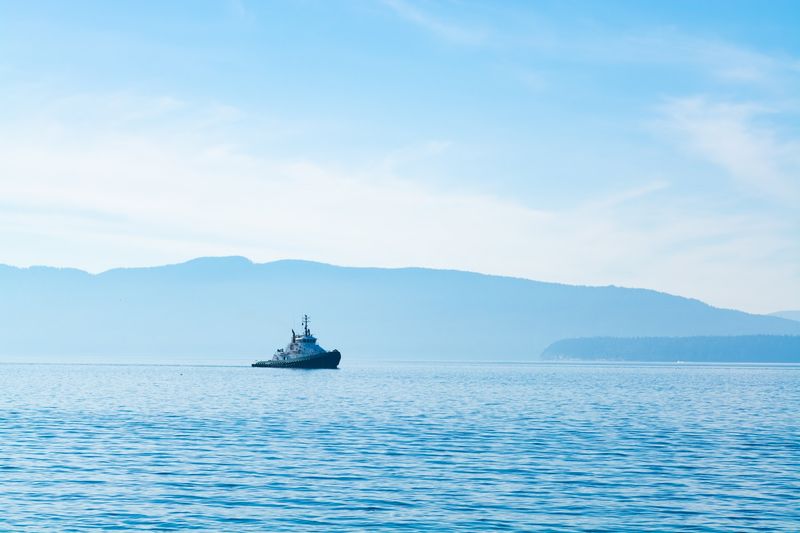
Clayton Beach is one of the most accessible spots along the drive and sits within Larrabee State Park. A short trail leads down from the parking area to a pebbly beach with massive driftwood logs and clear views across the water.
It is the kind of place where you naturally slow down and start picking up rocks. The beach feels different depending on the tide. At low tide, the rocks are exposed and the tide pools come alive with creatures.
At high tide, the water comes right up to the driftwood and the whole scene takes on a moody, dramatic quality that photographers absolutely love.
Wildcat Cove, also inside Larrabee State Park, is another shoreline spot worth finding. It is a bit more sheltered and quieter than Clayton Beach, which makes it a good choice if you want to sit and watch the water without a crowd around you.
These beaches are not made for swimming because the water is cold year-round. They are made for exploring, thinking, and just being present in a place that has no interest in rushing you along.
Wildlife Along The Way
This is where the drive gets interesting. One of the quieter pleasures of driving Chuckanut Drive is the wildlife that shows up without warning.
This stretch of coast and forest is home to a surprisingly wide range of animals, and slowing down dramatically increases your chances of spotting them.
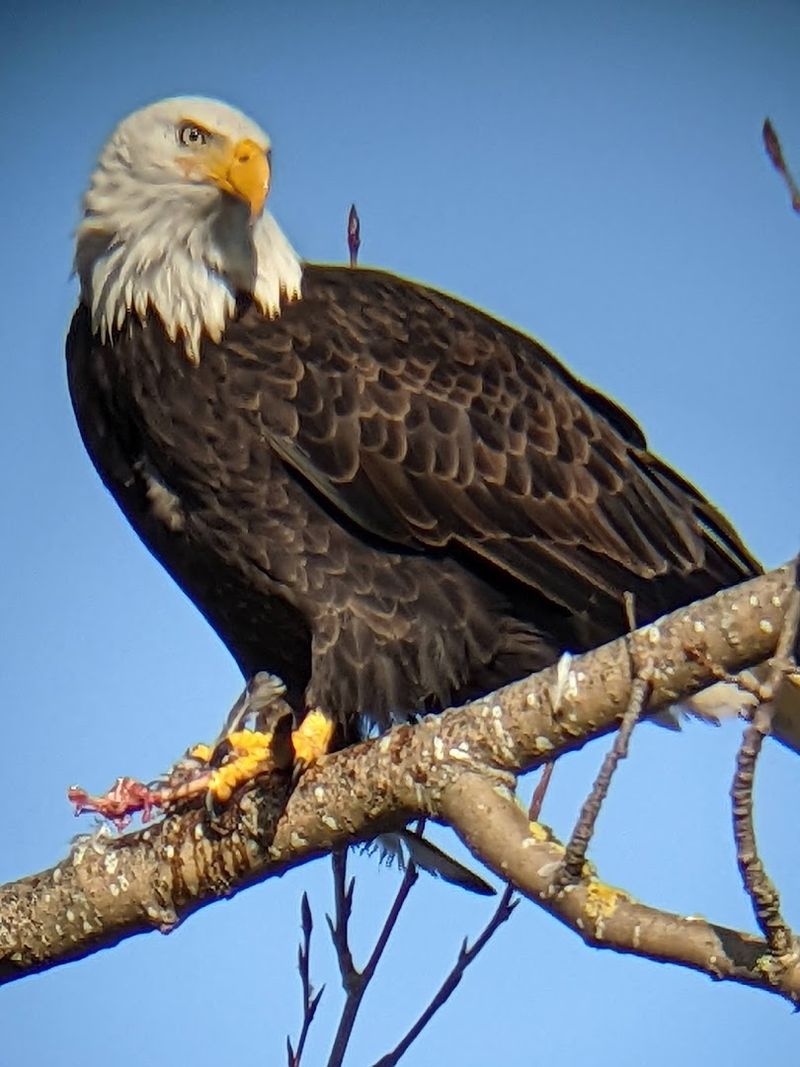
Bald eagles are a regular sight along the shoreline, especially near Samish Bay where they hunt for fish close to the water’s surface. Watching one drop from a snag in a tree and skim the bay is the kind of moment that makes you forget you were ever in a hurry.
Black-tailed deer are common in the forested sections of the drive, particularly in the early morning and around dusk. They tend to appear near the road edges, so keeping your speed low is both a safety tip and a wildlife strategy.
Shorebirds are abundant along the beaches and tidal flats. Great blue herons stand in the shallows with that signature patience of theirs, while dunlins and sandpipers work the tide line in tight, fast-moving groups. Bringing a pair of binoculars makes the experience significantly richer.
Harbor seals occasionally haul out on the rocky outcroppings visible from the water viewpoints. They are easy to miss if you are not looking carefully.
The bay also attracts migrating waterfowl in fall and winter, making those seasons surprisingly rewarding for anyone who enjoys birdwatching.
Best Times To Visit And How To Plan Your Drive
Chuckanut Drive is open year-round and each season brings a completely different mood to the road. Knowing what to expect helps you plan a trip that matches what you are actually looking for.
Summer is the most popular time to visit, and for good reason. The days are long, the views are clear, and the trails are dry. Larrabee State Park fills up on weekends, so arriving early in the morning gives you a much better experience than showing up at noon.
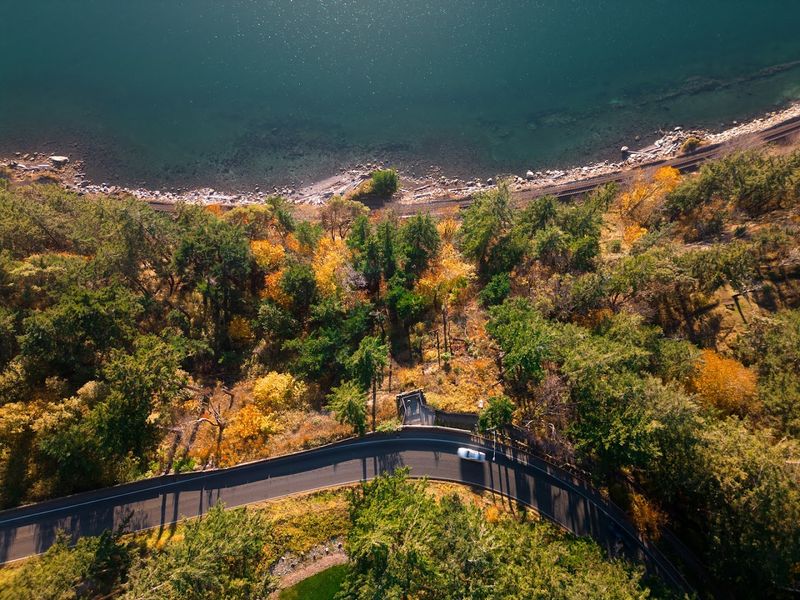
Fall is arguably the most beautiful season on the drive. The deciduous trees mixed in with the conifers turn gold and orange, and the lower crowds make the whole experience feel more personal.
The light in October and November has a soft quality that makes every viewpoint look like it was lit by a professional. Winter brings fog, rain, and dramatic skies that transform the coastal scenery into something moody and cinematic. The beaches are nearly empty and the forest trails feel wild and quiet.
It is not the most comfortable season, but it is one of the most atmospheric.
Spring brings wildflowers to the trail edges and the return of migratory birds to the bay. The air smells clean and the waterfalls along some of the hiking trails run at full force from the snowmelt above.
Practical Tips For First-Time Visitors
First-time visitors to Chuckanut Drive sometimes underestimate how much there is to do along this short stretch of road. Coming prepared makes a real difference in how much you get out of the experience.
The drive begins near Bellingham in the north and ends near Burlington in the south, running along Washington State Route 11. If you are driving from Seattle, Bellingham is about 90 miles north via Interstate 5, making it an easy day trip or a natural stop on a longer Pacific Northwest road trip.
Parking at Larrabee State Park requires a Discover Pass, which is Washington’s standard recreation access permit. You can purchase one online or at certain retail locations before your visit. Day passes are available, but an annual pass is worth it if you plan to visit multiple state parks during your trip.
Cell service along parts of the drive is limited, so downloading offline maps before you leave is a practical step. The road has narrow sections and some tight curves, so large RVs and vehicles towing trailers should check current road advisories before heading out.
Bringing layers is always the right call in this part of Washington. The weather can shift quickly from sunny to foggy to drizzly within a single afternoon, especially near the water.
Good waterproof footwear makes the rocky beach sections and forest trails much more enjoyable. Ready to plan your route? Chuckanut Drive rewards the visitors who show up a little prepared and leave a lot inspired.