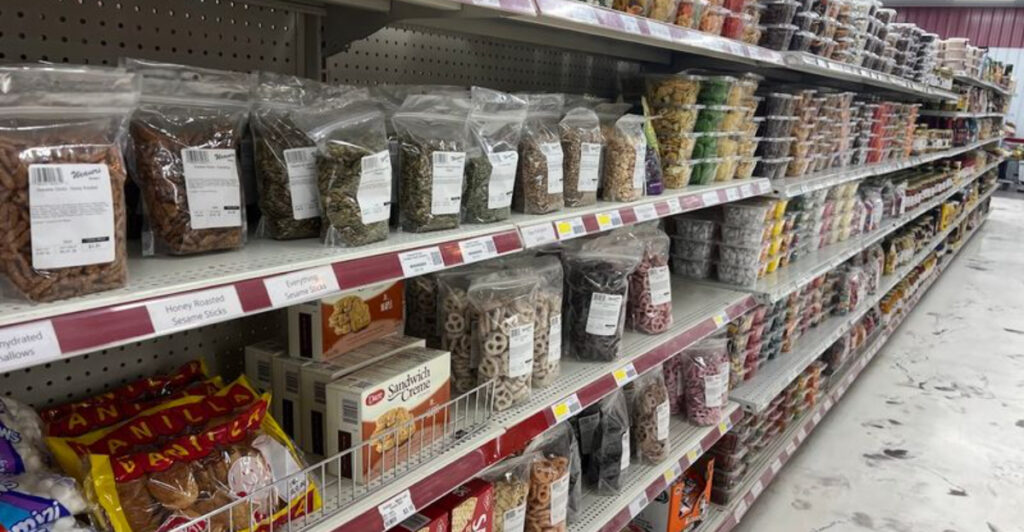
In West Virginia, this small-town market makes grocery shopping feel like a bargain hunt with better snacks.
You stop in for pantry basics, then the shelves start making a very convincing case for “just a few more things.”
By the time the receipt prints, checking the total feels almost as satisfying as unloading the bags. That is the fun of it. The shelves are practical, the prices are part of the draw, and the rotating discount groceries give the trip just enough suspense to keep it interesting.
A smart shopper learns the rhythm quickly: check the deals first, look closely, grab the good find before it disappears, then circle back for the everyday staples.
Some grocery stores are built for speed. This one rewards curiosity.
A Small-Town Grocery Stop With A Bargain-Hunt Twist
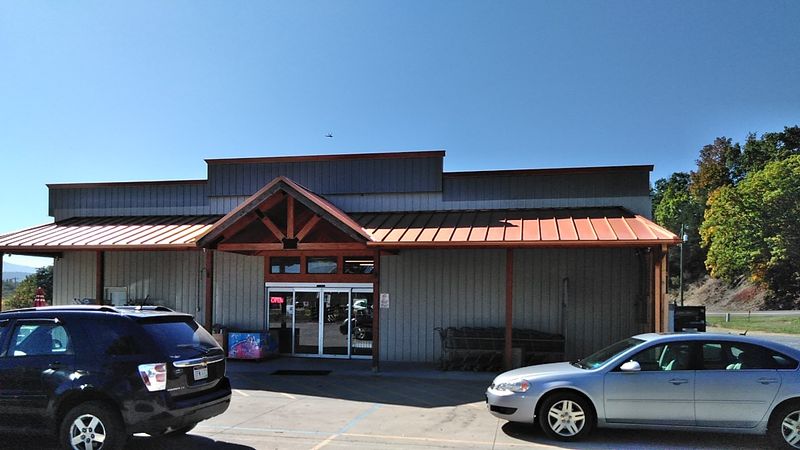
The first clue that Weavers Market is more than a basic grocery stop is how quickly a simple list turns into a longer look around.
iThe store gives Grant County a grocery stop built around savings, bulk foods, deli items, sandwiches, baked goods, and the kind of rotating inventory that makes repeat visits feel useful.
The appeal is not complicated. This is a place for shoppers who like a practical cart and the possibility of finding something unexpected along the way.
That combination gives the market more personality than a standard grocery run. It still covers everyday needs, but the discount sections add the little spark that makes people slow down and scan the shelves more carefully.
A regular supermarket usually tells shoppers exactly what to expect, but Weavers Market leaves a little room for surprise.
This is exactly why the trip feels more fun than the average grocery stop.
The Discount Grocery Model That Keeps Carts Moving
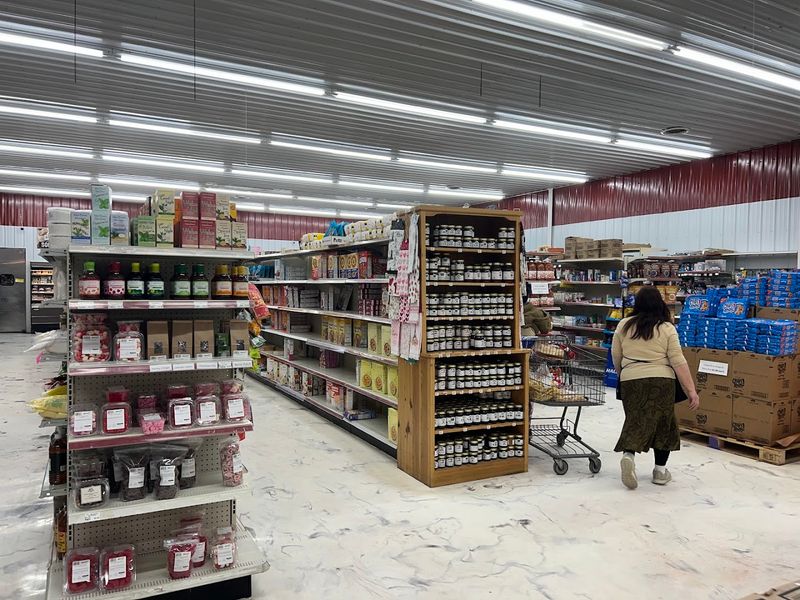
The deals are the engine here, and they start working before the cart even reaches the regular grocery shelves.
The store is located at 222 Veterans Lane, Petersburg, WV 26847, which makes it easy to plan as a local grocery run or a useful stop while moving through the area.
Discount grocery shopping works differently from a regular sale aisle. Items can come through changing channels, including store closings, shelf pulls, resets, or packaging that is no longer perfect enough for a mainstream shelf.
That means the selection can shift quickly. One visit might lean practical, with pantry staples and everyday basics, while another might bring a few specialty items that would cost much more somewhere else.
That rotating quality gives the store its momentum. Shoppers are not just checking items off a list. They are looking for the deal that makes the trip feel especially smart.
A good price on a useful item has a way of disappearing once regular shoppers notice it, so the cart rewards people who pay attention.
Aisles That Reward The Slow Shopper
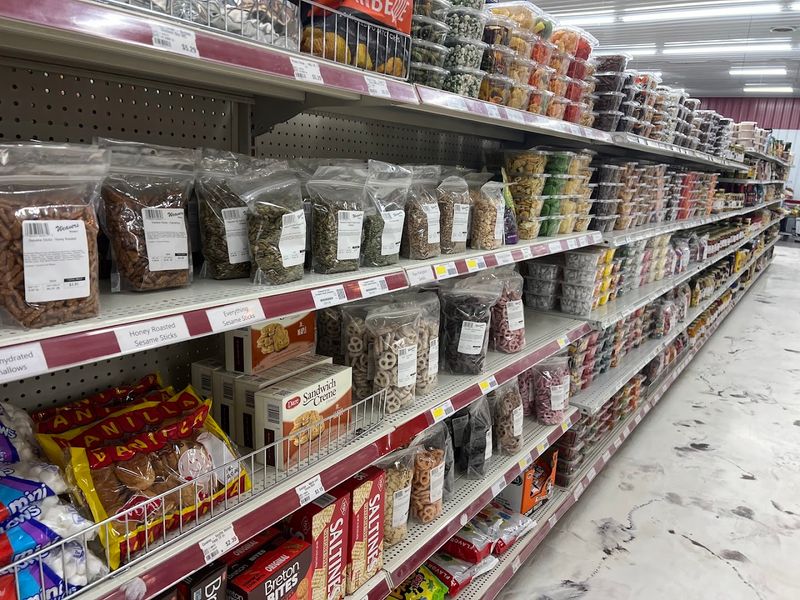
Rushing through a bargain market is the fastest guaranteed way to miss the best part.
At Weavers Market, the aisles work better when shoppers take their time. A label might deserve a second glance. A shelf could have one last box of something useful, and a lower price might make a familiar item suddenly worth stocking up on.
That is where the fun comes in. The store is practical, but it still has that small hunt built into the experience.
A careful shopper can turn the aisle into a quiet game. Check the date, compare the price, think through whether the item will actually get used, then decide before someone else reaches the same conclusion.
That rhythm makes the trip feel more rewarding than a standard grocery run. Saving money is the goal, but the search is part of the entertainment.
The best carts here usually come from shoppers who browse with patience instead of rushing straight to checkout.
Why Salvage-Style Groceries Change The Whole Trip
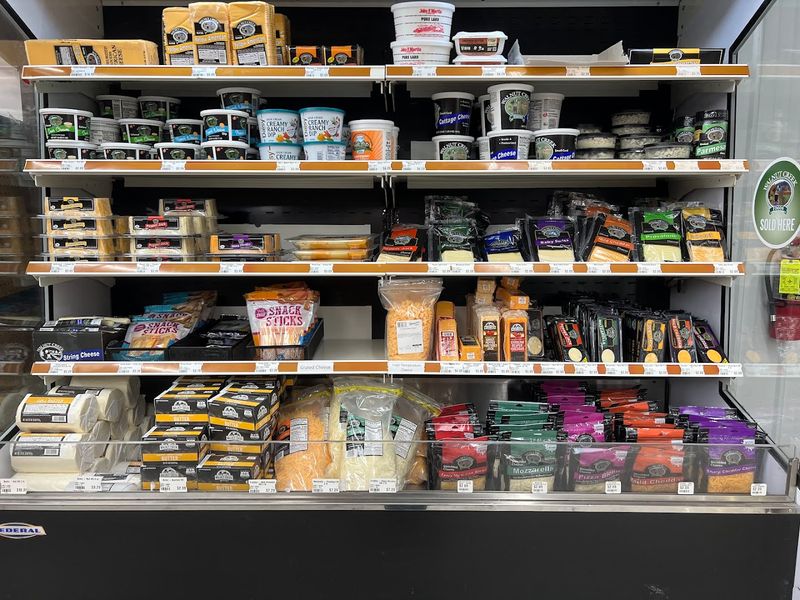
The fun of salvage-style shopping is that the shelves do not always play by regular supermarket rules.
At Weavers Market, the changing inventory is part of the appeal rather than a problem to solve. Shoppers may not find the same item every time, but that unpredictability gives the trip a reason to repeat.
This asks for a different mindset. Instead of expecting a perfectly identical shopping experience each week, shoppers learn to look for useful value where it appears.
That can mean checking a date label more carefully, or deciding whether a package flaw really matters. It can also lead to grabbing a good find before the shelf clears out.
There is a practical satisfaction in that process. The shopper is not just spending less, but they are paying attention, making choices, and building a better cart one smart decision at a time.
That is why this market has more personality than a simple sales rack, as the savings come with a little discovery built in.
Bulk Foods, Deli, And Bakery Comforts In One Stop
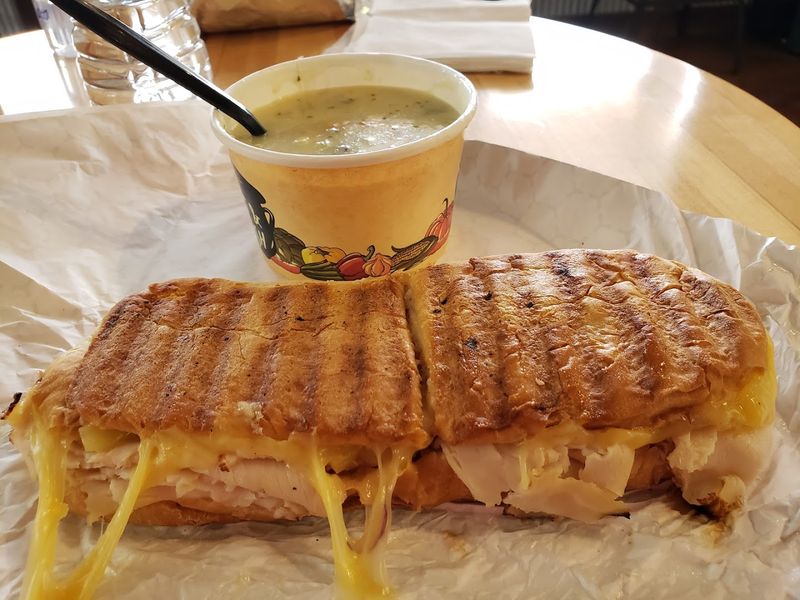
The bargain shelves may get the first look, but the bulk foods, deli, and bakery are what make the stop feel fuller.
Weavers Market becomes more than a discount grocery run because the useful sections keep appearing in one place. The bulk foods give shoppers a reason to stock up with a little more purpose, especially when the pantry needs more than a quick top-off.
The deli adds the practical side, giving the market a steady lunch-and-grocery rhythm that works even when the discount shelves change from one visit to the next.
It also gives shoppers something dependable to build around, whether the plan is sandwich supplies, an easy meal, or something quick to bring home.
Then the bakery brings in the softer part of the trip. Baked goods give the cart a little personality, which matters in a store where saving money is already doing most of the work.
Together, those sections give Weavers Market a fuller identity than a simple bargain aisle could manage. A shopper can come in for savings, add something useful for the week, and still leave with a small treat that makes the errand feel less ordinary.
How Regulars Make The Most Of Rotating Stock
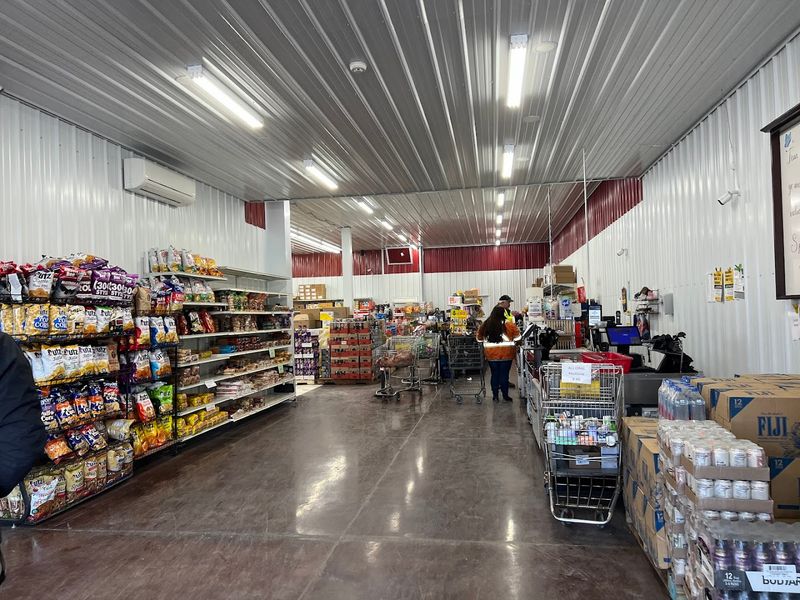
Regular shoppers usually have a different strategy than first-timers.
They know the best visit is not always about buying everything in sight. It is about recognizing which deals are genuinely useful and which ones only look exciting because the price is low.
That is an important distinction. A bargain only works if the item has a place in the kitchen, pantry, freezer, or lunch plan.
Regulars also understand that rotation is part of the point. A shelf that looks ordinary one week might be the reason for the next trip. The store changes enough to make repeat visits feel worthwhile without losing its practical identity.
That is the sweet spot for a market like this. It can become a habit because it keeps paying back in small ways.
Shoppers who learn the store’s rhythm get the most out of it. They know when to browse slowly and when to grab a good find before it disappears.
What First-Time Shoppers Should Know Before Going
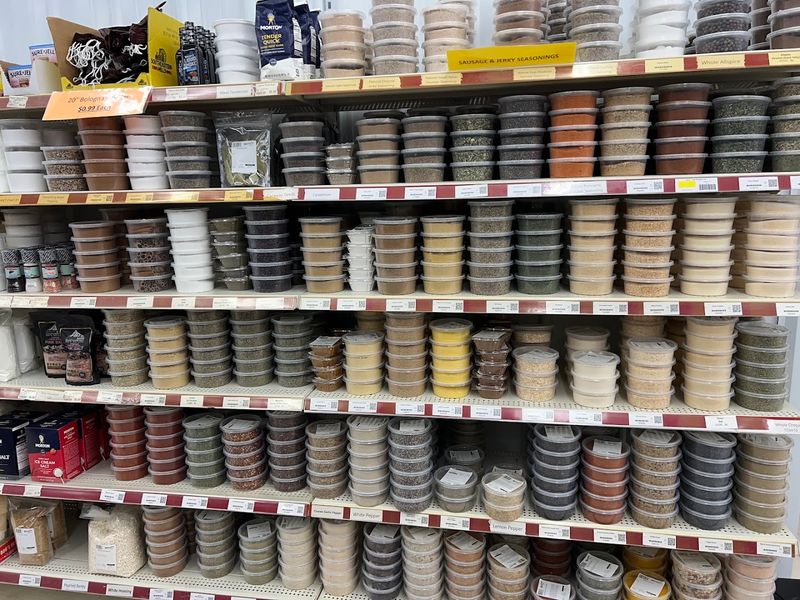
The best first trip starts with a list, but it should not be ruled by one.
Weavers Market is not the place to treat like a chain supermarket where every item appears in the same spot forever. The regular groceries help keep the trip grounded, but the discount side works on rotation.
That means a flexible list is better than a rigid one. Go in looking for useful groceries, better prices, and a few surprises rather than one specific item that you expect to be there.
It also helps to check packaging and date labels. That is normal for discount and salvage-style grocery shopping, and it is part of being a smart shopper rather than a warning sign.
The best first-timers understand the format quickly. The store rewards people who look closely and think practically.
Once that rhythm clicks, the trip becomes easier to enjoy. The point is not perfection on every shelf, but finding enough useful value to make the cart feel like a win.
The Honest Verdict On What Makes It Worth The Cart Space
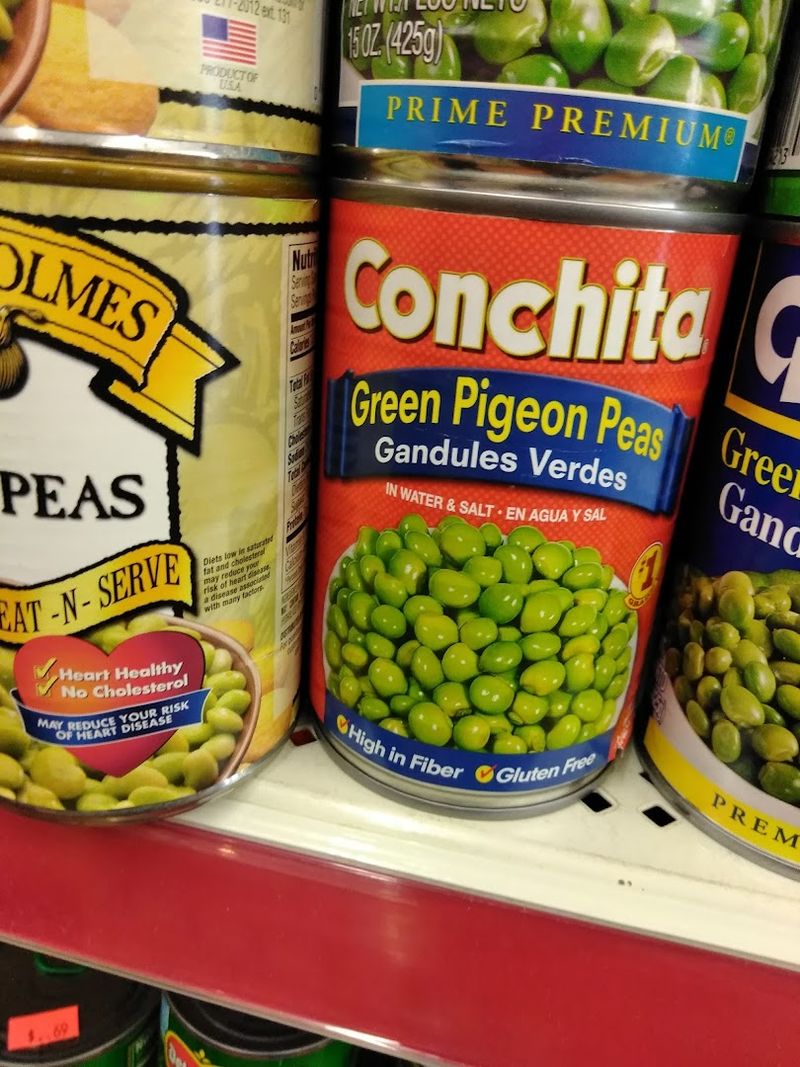
Any honest take on Weavers Market has to include both sides of the bargain.
The rotating discount groceries give the trip energy, the bulk foods make stocking up easier, and the deli, bakery, and cafe help the store feel more complete than a simple discount shelf.
At the same time, shoppers should not expect every visit to deliver the same finds. That is not a flaw in this format. It is part of how discount and salvage-style grocery shopping works.
The best approach is to treat the store like a regular stop with room for surprises. Go in for useful groceries, check the deals with a careful eye, and enjoy the little victory when the cart ends up better than expected.
That is where Weavers Market earns its appeal. It makes smart shopping feel less like a sacrifice and more like a habit with a reward built in.
For a West Virginia grocery stop, that is a pretty satisfying trick: a practical cart, a better bill, and enough bargain-hunt energy to make the errand feel fun.