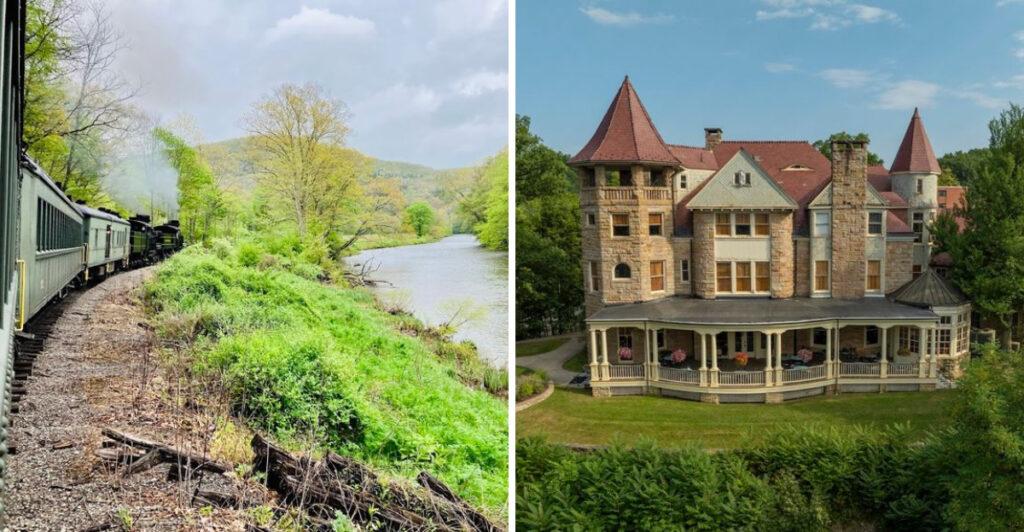
What if the mountain town you have been dreaming about actually let you afford to live there? West Virginia is making that real in a way that most scenic communities stopped doing years ago.
Picture Allegheny Mountain views from your window, trailheads within minutes of your door, and a housing market that still works for teachers, nurses, and first-time buyers. While similar towns across the country handed their keys to wealthy transplants, this one held its ground.
Groceries, utilities, healthcare, rent. Every number tells the same story.
West Virginia keeps delivering a quality of life that bigger, flashier destinations charge a premium for and rarely match. This town is the proof, and the case it makes is hard to argue with.
The Town That Refused To Price Anyone Out
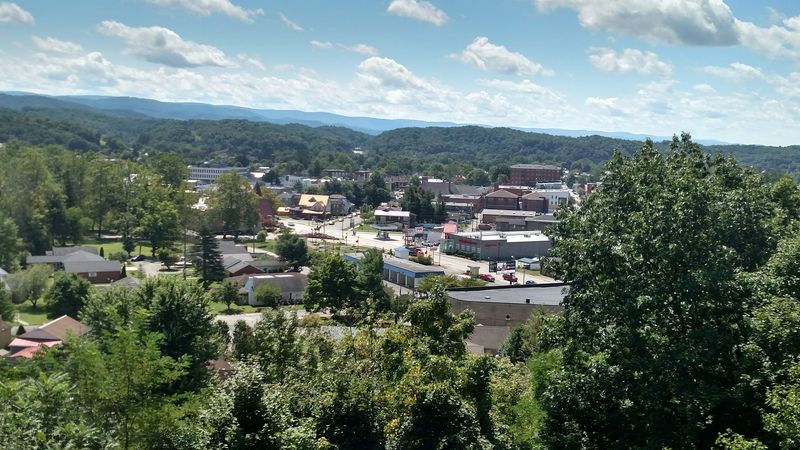
Most people assume that living near mountains means paying mountain-resort prices. Elkins flips that assumption on its head entirely.
Located at West Virginia 26241 in Randolph County, this city sits in a valley framed by the Allegheny Mountains and has quietly become one of the most affordable places to live in the entire country.
The overall cost of living here runs significantly below the national average, sometimes by nearly 20 percent depending on which expenses you factor in.
Compared to major U.S. cities, the difference is staggering. Living here costs dramatically less than major coastal cities, with estimates placing it roughly 60 percent more affordable than San Francisco and around 48 percent more affordable than Washington D.C.
That is not a typo. Real people with real budgets can actually afford to build a life here without financial stress looming over every decision.
The mountain views come free of charge, and so does the peace of mind that comes with knowing your paycheck actually stretches far enough to cover your needs.
Housing Prices That Still Make Sense
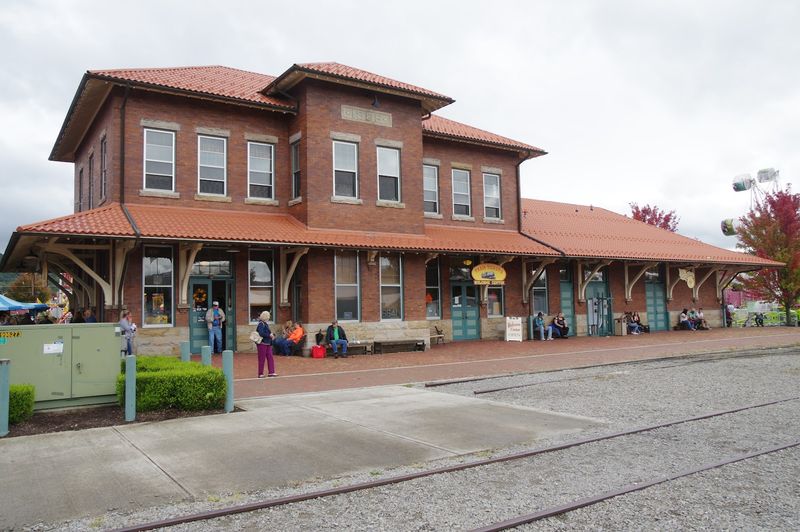
Home ownership feels like a fantasy for many Americans right now, but Elkins is one of the places where it still feels within reach for ordinary people.
The median sale price of a home here hovers around the mid-to-upper $100,000s range, a figure that stands dramatically below the national median, which has climbed well past $300,000 in recent years.
Housing costs in Elkins run roughly 31 to 44 percent lower than the national average, which means a family earning a modest income can genuinely consider buying rather than renting indefinitely.
The market currently favors buyers, with supply outpacing demand and homes often selling below their listed price.
That kind of breathing room in the housing market is almost unheard of in scenic, outdoor-friendly towns that have seen tourism and remote-worker migration drive prices upward.
For first-time buyers especially, this West Virginia city offers something increasingly rare: a realistic shot at owning a home without decades of sacrifice.
Renting Here Costs Less Than You Think
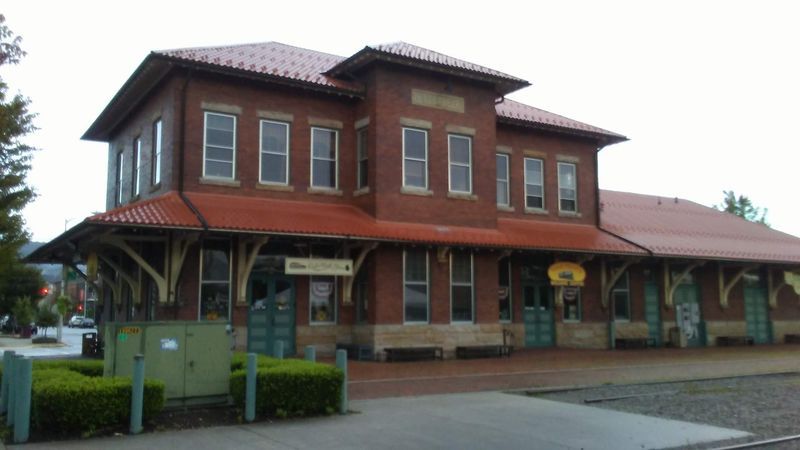
Renting in most American cities has become a financial burden that eats up a massive chunk of monthly income. Elkins tells a very different story.
Average monthly rent in this West Virginia city sits well below $600, compared to a national average that hovers well above $1,600 per month. That gap is not small.
It is transformative for a household budget.
Renters here typically spend only about 16 percent of their income on housing costs, which is far below the commonly cited financial stress threshold of 30 percent.
Studio apartments, one-bedroom units, and two-bedroom homes all fall within a range that working-class residents can realistically afford without taking on a second job.
The city also has affordable housing complexes, Section 8 apartments, public housing buildings, and approved low-income housing units to support residents who need additional assistance.
When rent is manageable, people can actually save money, invest in their community, and stay put rather than being pushed out by rising costs.
Grocery Bills That Do Not Drain Your Wallet
Food costs are one of the sneakiest ways that expensive cities drain household budgets, but Elkins residents get a significant break at the checkout line.
Food expenses in Elkins run about 43 percent below the national average, which is one of the most striking affordability statistics about this mountain community.
That kind of savings adds up fast. A family spending $600 per month on groceries in a typical American city might spend well under $400 for the same basket of goods here.
Lower food costs mean families can eat well without constant budget anxiety, and local residents are not forced to choose between fresh produce and paying utilities.
This affordability factor is especially significant for households with children or seniors on fixed incomes, groups that often struggle most when food prices spike.
Combined with low rent and housing costs, the food affordability in this West Virginia city creates a foundation for financial stability that many Americans in larger cities simply cannot access.
Energy, Transport, And Healthcare Costs Stay Low
Housing and food get most of the attention in affordability conversations, but the other big expenses matter just as much for everyday financial health.
In Elkins, energy bills, transportation costs, and healthcare expenses run about 27 percent lower than the national average, which gives residents another layer of financial relief beyond just cheap rent.
Lower energy costs are particularly meaningful in a region where cold mountain winters can push heating bills sky-high in other parts of the country.
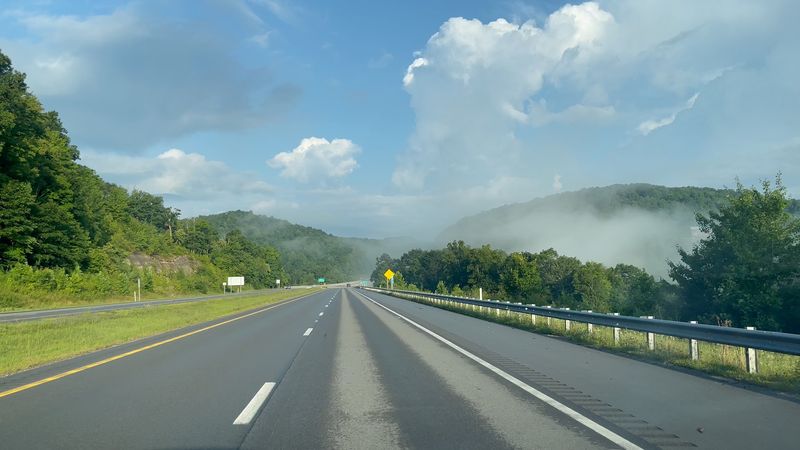
Transportation savings reflect the practical reality of a smaller city where commutes are short, traffic is minimal, and residents are not spending a fortune on fuel just to get to work.
Healthcare affordability is a significant quality-of-life factor, especially for older residents and families with young children who rely on regular medical care.
When all these costs align together, Elkins creates a genuinely livable financial environment. The city was even identified as the most affordable in West Virginia for household bills, with residents paying well below both the state and national averages.
Mountain Beauty Without The Mountain Resort Price Tag
What makes Elkins genuinely special is not just its affordability but the fact that it comes packaged with serious natural beauty at no extra charge.
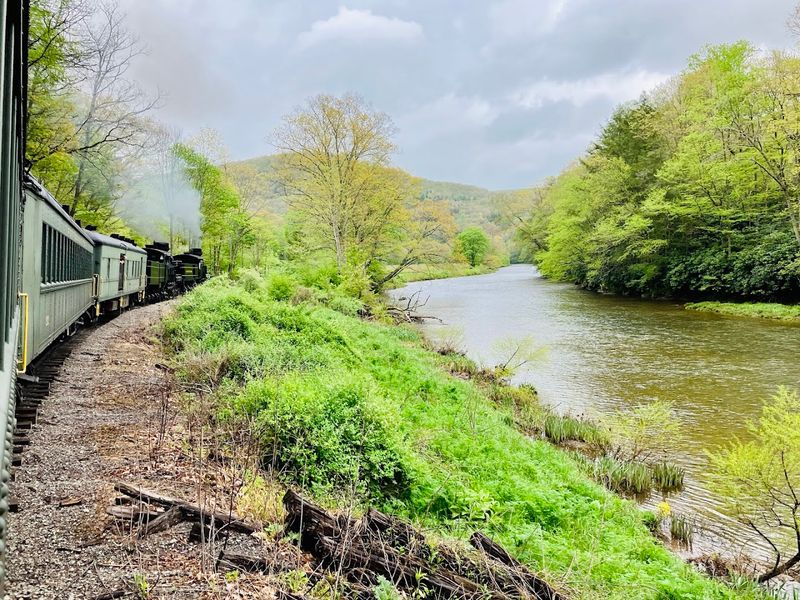
The city sits along the Tygart Valley River, surrounded by the rolling terrain of the Allegheny Mountains in West Virginia, offering outdoor access that would cost a premium in trendier destinations.
Nearby state parks and forests provide hiking, fishing, mountain biking, and wildlife viewing without the entry fees and overcrowding that plague more famous outdoor destinations.
Residents wake up to mountain views every morning and can reach trailheads within minutes of their front door, a lifestyle perk that typically comes with a steep cost elsewhere.
Compare this to ski towns and resort communities across the American West, where locals have been pushed out by wealthy second-home buyers who drove up property values beyond recognition.
Elkins has managed to preserve both its landscape and its community, keeping the outdoors accessible to everyone rather than packaging it as a luxury product for high-income visitors.
A Town With Deep Roots And Real History
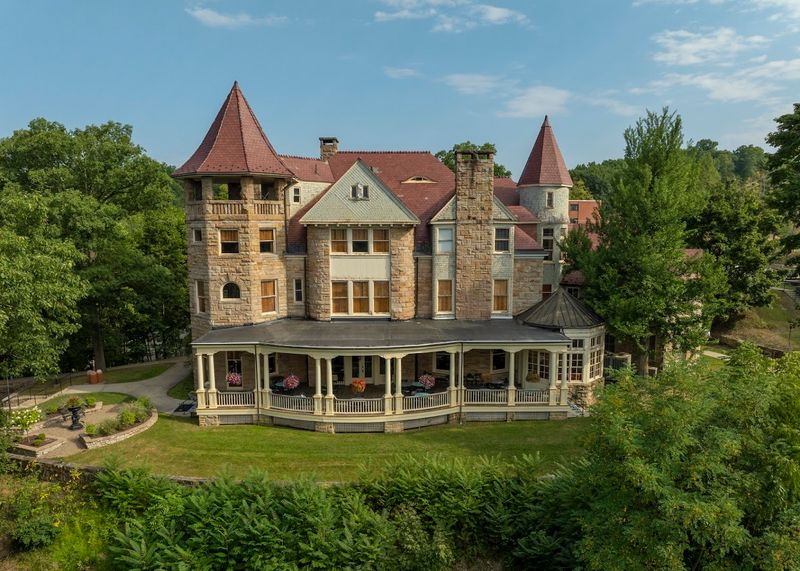
Elkins did not just appear on a map recently. It has been around since 1890, when it was incorporated and named after Stephen B.
Elkins, one of its co-founders who later became a U.S. Senator from West Virginia.
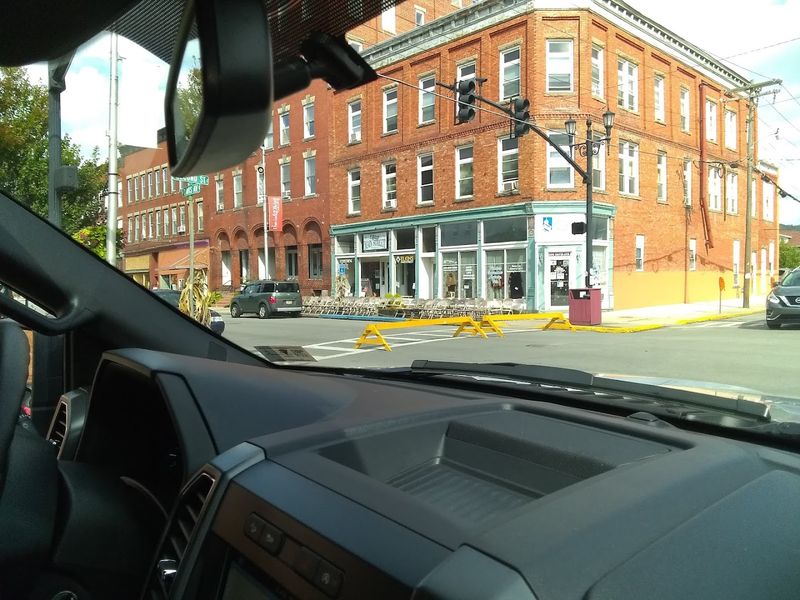
That history gives the city a sense of identity and rootedness that newer developments often lack. Downtown streets are lined with buildings that carry real architectural character from another era.
Being the county seat of Randolph County adds another layer of civic importance, meaning Elkins functions as a genuine regional hub rather than just a small pass-through town.
Local institutions, historic buildings, and community traditions reflect more than a century of continuous settlement in this Appalachian valley.
History here is not a marketing gimmick. It is woven into the fabric of daily life, from the courthouse to the older residential neighborhoods that still stand in well-preserved condition.
That sense of permanence and community identity is part of what has kept Elkins grounded, resisting the kind of rapid transformation that has stripped character from other mountain towns.
Why Other Mountain Towns Lost The Affordability Battle
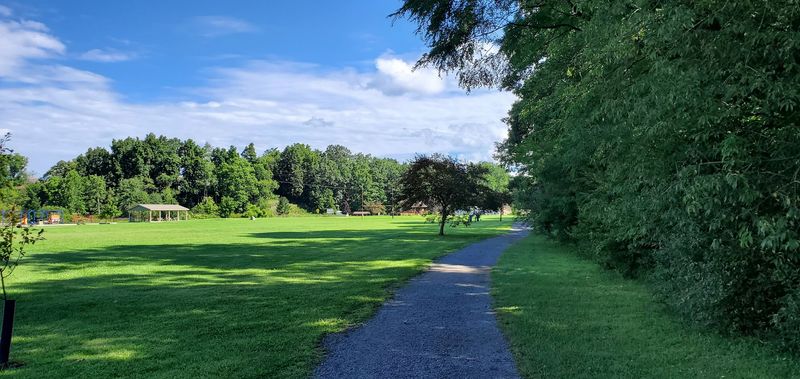
The story of mountain towns getting priced out has become painfully familiar across the United States. Towns in Colorado, Montana, Vermont, and even parts of North Carolina have watched housing costs triple or quadruple within a decade.
Remote work migration accelerated this trend dramatically. When city professionals discovered they could work from anywhere, many flooded into scenic small towns, bringing big-city salaries that local markets simply could not compete with.
Local teachers, nurses, firefighters, and shop workers found themselves unable to afford rent in the towns they had lived in for years.
Elkins has not been entirely immune to these national pressures, but its housing market data suggests it has absorbed far less of the shock than comparable outdoor destination towns.
Part of the reason may be that Elkins lacks the high-profile ski resort or celebrity draw that turns a quiet town into a hot commodity overnight.
What looks like a disadvantage in terms of tourism marketing has quietly become a major advantage for the people who actually call this West Virginia city home.
The Outdoor Recreation Scene Rivals Bigger, Pricier Places
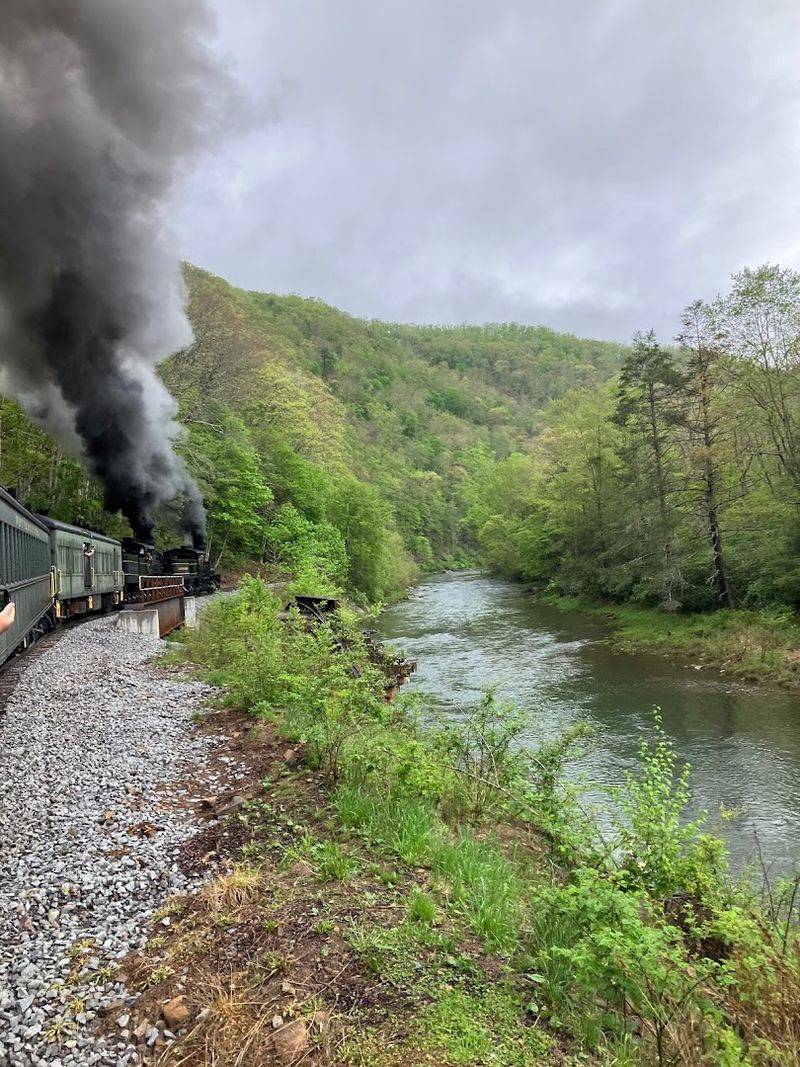
Outdoor adventure is one of the biggest draws that sends housing prices soaring in mountain communities, yet Elkins manages to offer serious recreation without the financial blowback.
The surrounding Monongahela National Forest provides hundreds of miles of trails, rivers, and wilderness areas that outdoor enthusiasts can access without paying resort fees or driving hours to reach.
Fishing, kayaking, and hiking are practically on the doorstep for Elkins residents, making it a genuinely attractive place for people who want an active lifestyle without the expense of a resort-adjacent address.
The Tygart Valley River running through the city itself offers water recreation right in the heart of the community.
Mountain biking has grown as a popular activity in the broader Randolph County area, drawing visitors who spend money locally without permanently inflating property values the way second-home buyers do.
That balance between attracting outdoor visitors and protecting the local cost of living is something many West Virginia communities aspire to but rarely achieve as successfully as Elkins has managed.
What Makes Elkins Worth Considering For A Move
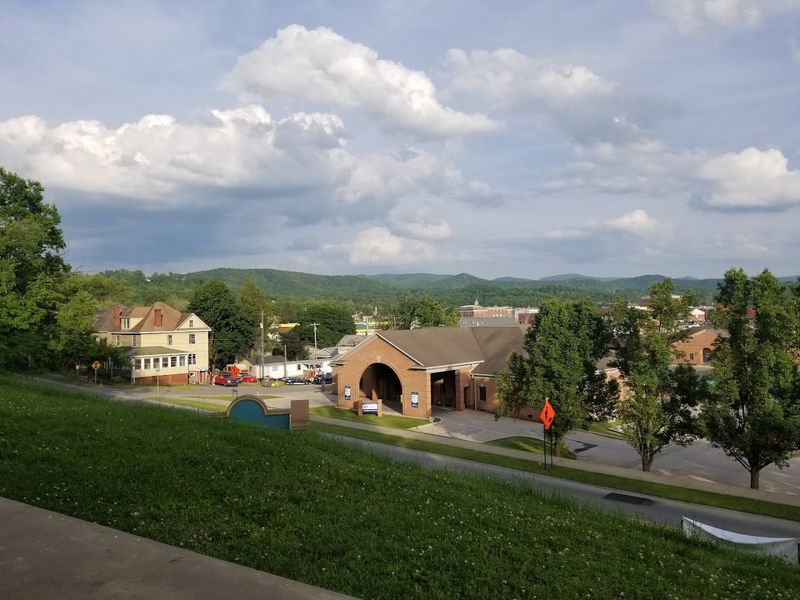
Anyone seriously thinking about relocating to a more affordable part of the country should put this West Virginia city near the top of the research list.
The combination of low housing costs, cheap rent, affordable food, manageable utility bills, and accessible healthcare creates a cost-of-living profile that is genuinely hard to match in a place with this much natural beauty surrounding it.
Median household incomes in Elkins are modest, which means the local economy is built around real working families rather than high-income transplants who inflate prices for everyone else.
The city also has infrastructure and services that a county seat provides, including schools, medical facilities, and local government services, making it a practical place to actually live rather than just visit.
Community events, local culture rooted in Appalachian tradition, and a slower pace of life add quality-of-life value that no price index fully captures.
Elkins proves that affordability and a high quality of life are not mutually exclusive, and that West Virginia still has places where ordinary people can genuinely thrive.