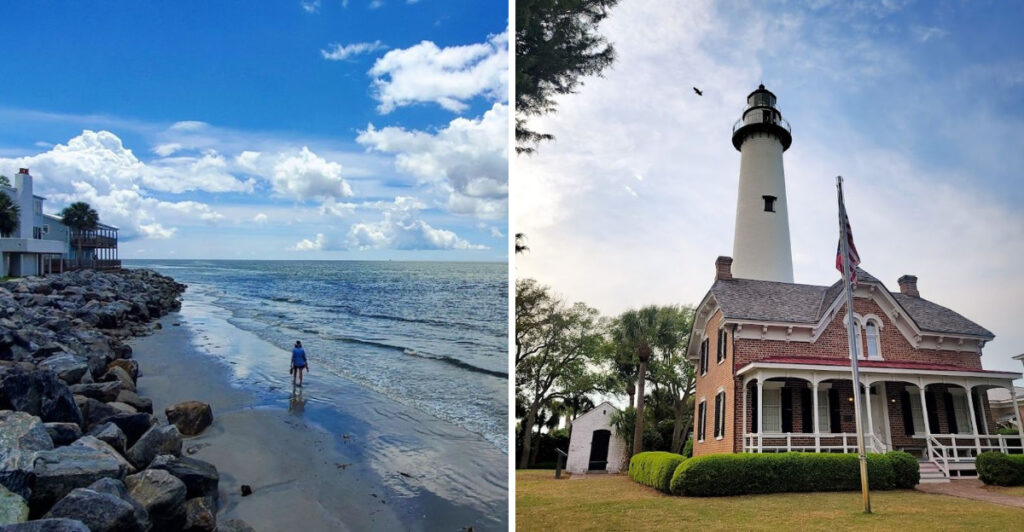
What happens when a community decides growth is not worth the trade-off? Georgia hides a small beach town that chose quiet over crowds, and so far, nobody local seems to regret it.
Mornings here start slow, marked by birdsong instead of traffic, and the trees lining every street are old enough to remember a version of this coastline that barely exists anymore. Locals plan to keep it this way on purpose, fighting for it through land trusts, height limits, and a stubborn refusal to let chain stores take over every corner of the village.
Georgia has plenty of beach towns chasing bigger crowds every season, but this one quietly decided that beautiful and quiet did not have to be a temporary phase, and stuck with it anyway.
An Island That Operates On Its Own Clock
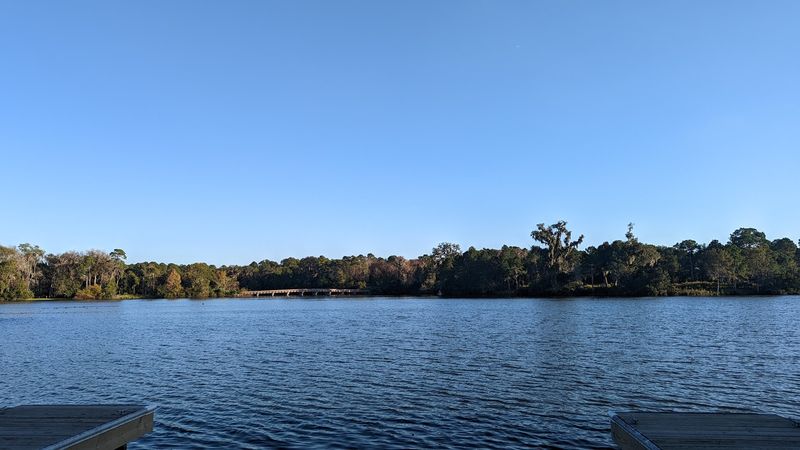
Forget the rush. St. Simons Island, Georgia, runs at a pace that feels almost rebellious in the best possible way.
Cars slow down here not because of traffic but because drivers stop to watch a great blue heron cross the road. Nobody seems to be in a hurry, and somehow, everything still gets done.
The island sits within Georgia’s Golden Isles region, located at St Simons Island, GA 31522, and it carries the quiet confidence of a place that knows exactly what it is. It does not need to prove anything to anyone.
Mornings begin with the sound of marsh birds rather than car horns. Afternoons stretch long and golden.
Evenings cool down fast enough to sit outside comfortably.
This rhythm is not accidental. It reflects a community that has actively chosen to protect the slower pace of life here, treating it as something worth fighting for, not something to be traded away for faster development.
The Live Oaks That Own The Streets
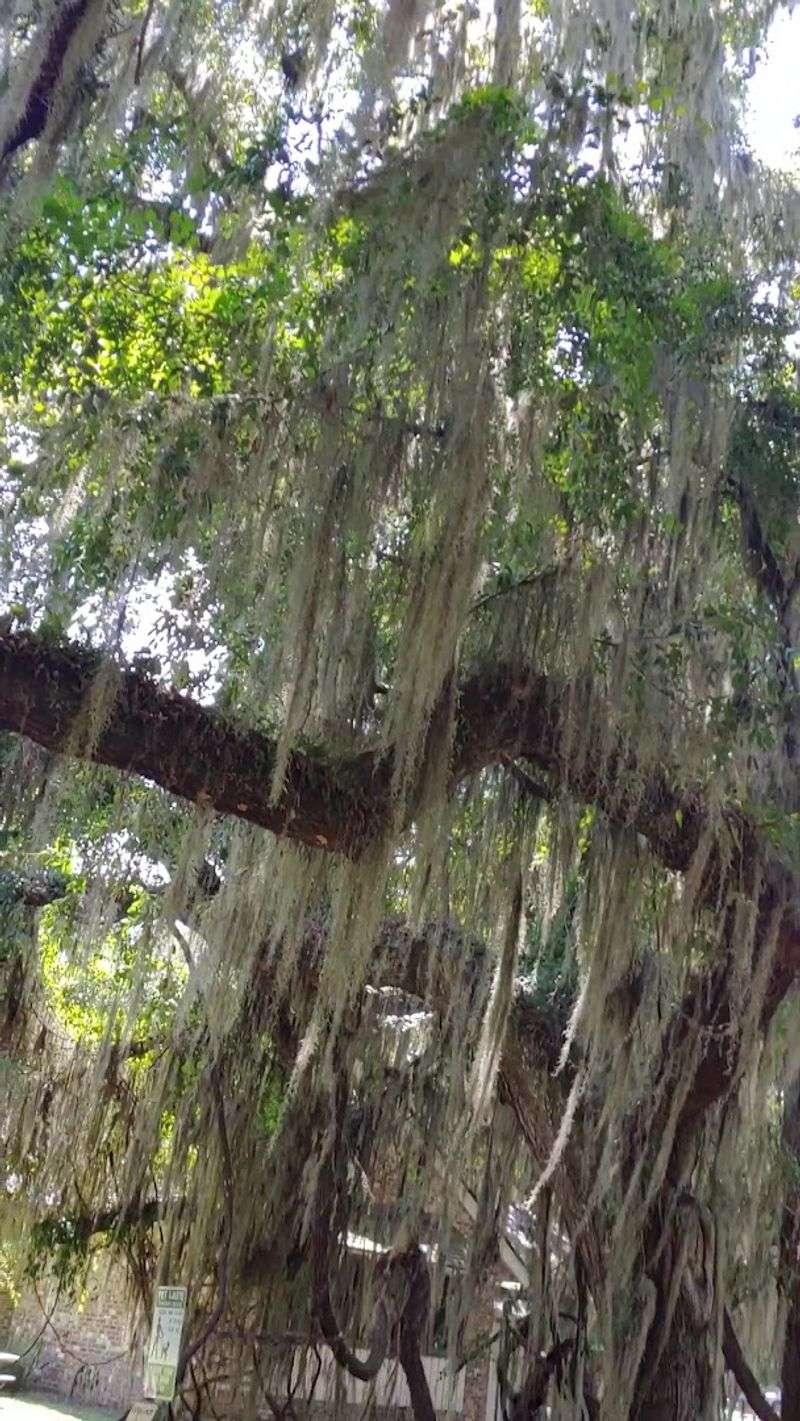
Old trees run the show here. The live oaks on St. Simons Island are enormous, gnarled, and draped in Spanish moss that sways lazily in the coastal breeze.
These trees line roads, shade neighborhoods, and create natural canopies that feel more like cathedral ceilings than ordinary branches. They are genuinely ancient, and locals treat them that way.
Building height restrictions on the island exist partly to make sure these trees are never overshadowed by concrete towers. That is not an accident.
It is a deliberate choice made by a community that understands what makes this place worth visiting.
Cyclists and walkers move beneath the canopy in the early morning, often pausing to look up. It is hard not to.
The oaks also provide critical habitat for birds and other wildlife. Protecting them is not just about aesthetics.
It is about keeping the entire ecosystem of this Georgia barrier island intact and functioning the way it has for centuries.
Beaches That Have Not Been Loved To Pieces
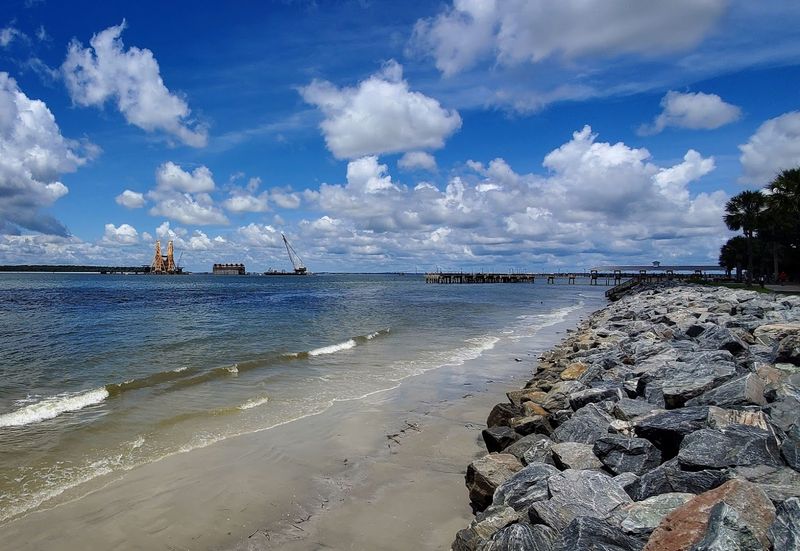
East Beach stretches wide and unhurried, with soft golden sand that has not yet been overwhelmed by resort towers or thumping beach clubs. The Atlantic rolls in with steady, reliable waves that feel more like a conversation than a performance.
Massengale Park Beach, a quieter stretch nearby, is especially popular with families who want calm water and open space without the chaos of a commercialized shoreline. Kids can run without weaving through crowds.
Fall and winter visits reward those willing to trade peak-season sunshine for near-empty sands. The Georgia coast in the off-season has a moody, cinematic quality that photographers and peace-seekers tend to love.
Locals actively resist the kind of over-development that has swallowed up beaches elsewhere on the East Coast. The result is a shoreline that still feels like it belongs to the people who live near it.
That sense of ownership and care is visible in how clean and undisturbed these beaches remain throughout the year.
The Lighthouse That Survived A War
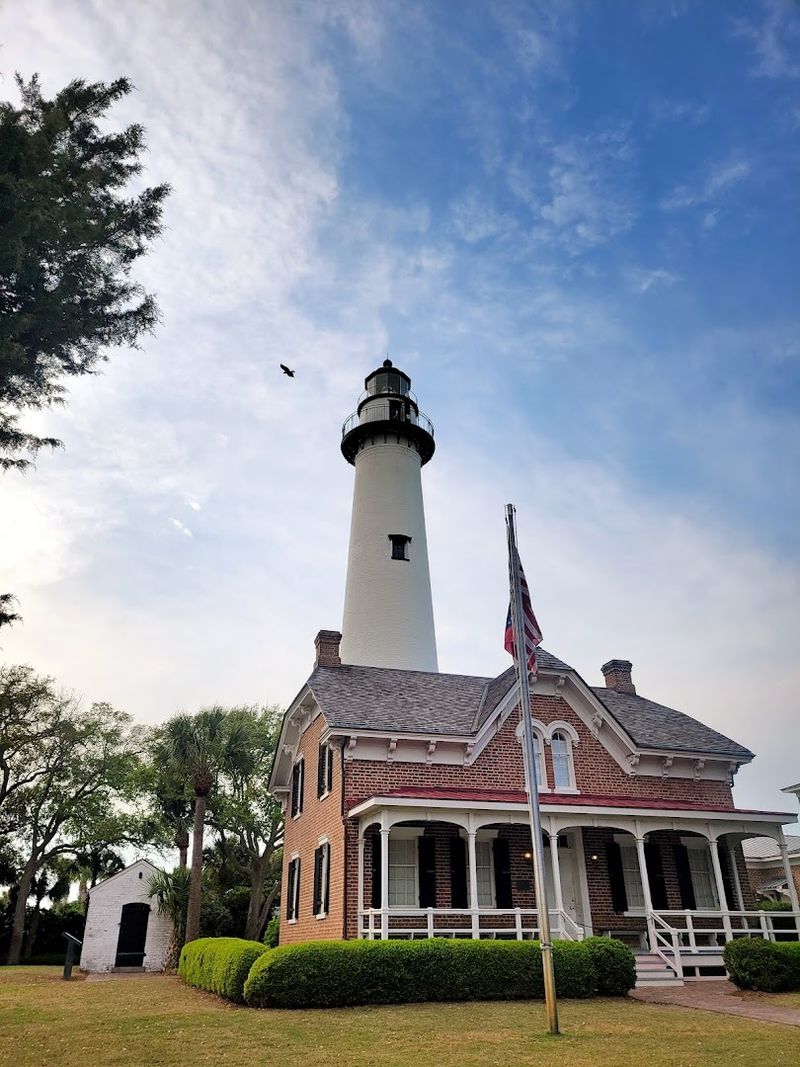
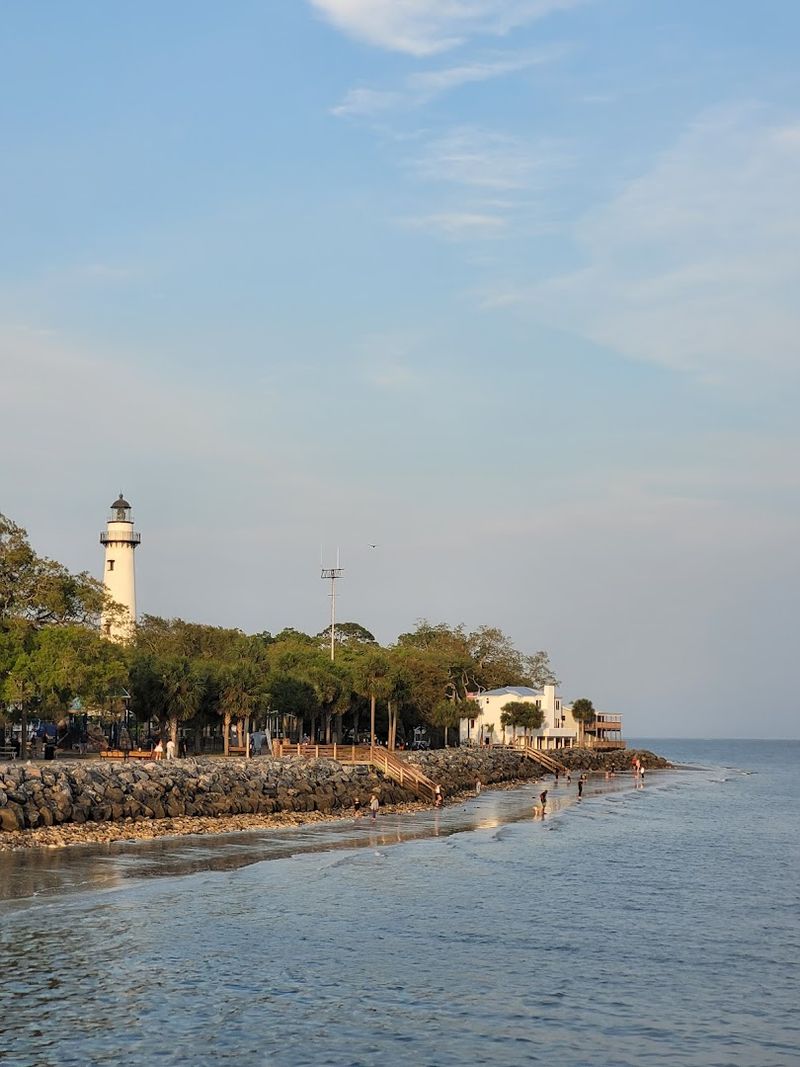
Hard to miss and impossible to forget, the St. Simons Lighthouse stands as one of Georgia’s most recognizable coastal landmarks. The current structure was rebuilt in 1872 after the original was destroyed during the Civil War.
The lighthouse museum traces the full history of the structure and the keepers who maintained it through storms, wars, and the slow passage of time. It is the kind of history that actually sticks because it feels personal and specific rather than textbook-flat.
Climbing to the top rewards visitors with panoramic views across the marsh, the coastline, and the surrounding Golden Isles. On a clear day, the perspective is genuinely striking.
The site draws history enthusiasts and casual visitors alike. It anchors the island’s identity in something older than tourism, reminding everyone that this place has been worth paying attention to for a very long time.
Preservation of the lighthouse mirrors the broader community ethos of protecting what is historically and naturally significant on this remarkable Georgia island.
Salt Marshes Worth More Than They Look
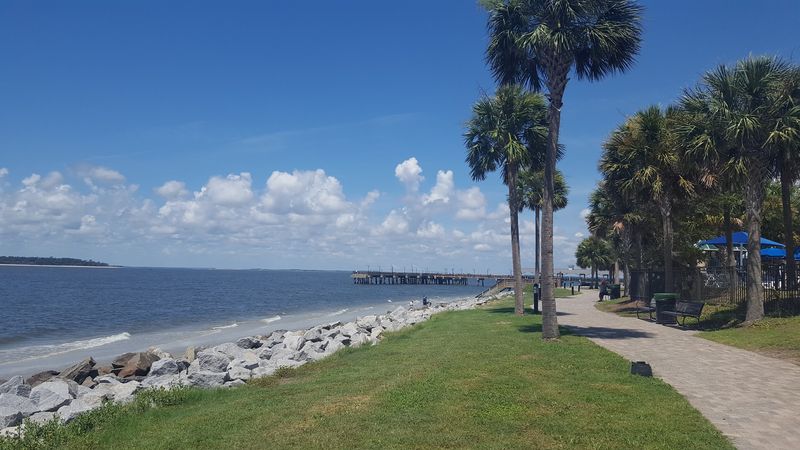
First-time visitors sometimes overlook the marshes, focusing instead on the beach. That is a mistake worth correcting quickly.
The salt marshes surrounding St. Simons Island are among the most ecologically productive environments on the planet. They filter water, buffer storms, support fish nurseries, and provide feeding grounds for dozens of bird species that move through Georgia’s coast each year.
Kayaking through the tidal channels is one of the most rewarding ways to experience this landscape up close. The marsh smells earthy and alive, and the silence between paddle strokes is extraordinary.
Egrets stand motionless in the shallows. Fiddler crabs scatter across mudflats at low tide.
Dolphins occasionally surface in the deeper channels, unbothered by the presence of quiet kayakers.
Organizations working in the Golden Isles region actively monitor and protect these wetlands. The marshes are not just scenery.
They are the biological backbone of the entire island system, and locals understand that protecting them protects everything else connected to this Georgia coastline.
The St. Simons Land Trust And The Fight For Open Space
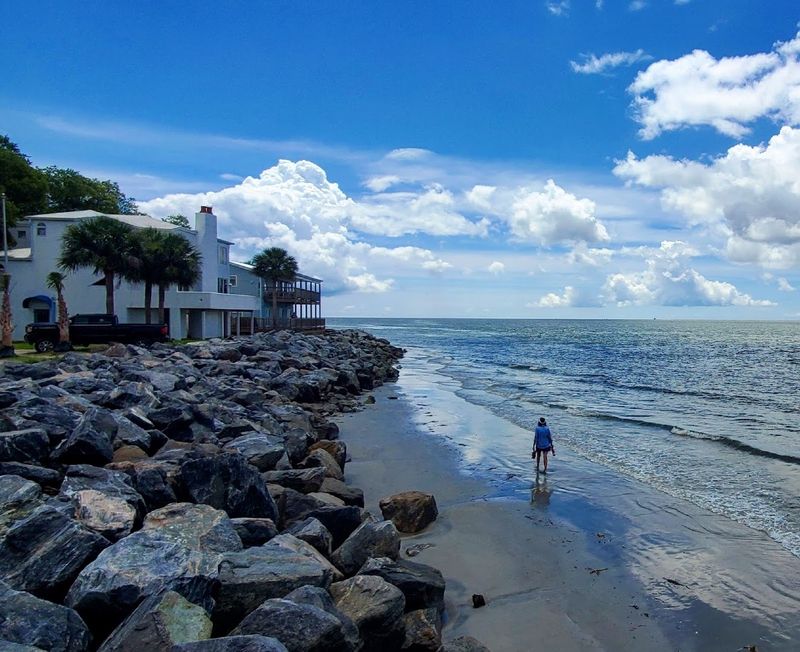
Not every coastal community has an organized, well-funded effort to stop overdevelopment in its tracks. St. Simons Island does, and it is something worth understanding.
The St. Simons Land Trust has preserved well over a thousand acres of land on and around the island. It also holds hundreds of acres in conservation easements, actively purchasing properties before developers can claim them.
The Trust operates with community support and has become a symbol of what residents here actually value. Open space, natural beauty, and the kind of landscape that cannot be rebuilt once it is gone.
Programs like Pennies for Preservation, supported by the Sea Island Company, channel funds directly into conservation efforts. That kind of public-private cooperation is not common, and it speaks to how seriously this Georgia community takes its responsibilities.
The results are visible. Green corridors remain intact.
Canopy trees still shade neighborhoods. And the island retains a scale that feels human rather than overwhelming, even as visitor numbers continue to grow each season.
Fishing Off The Pier Like It Is 1975
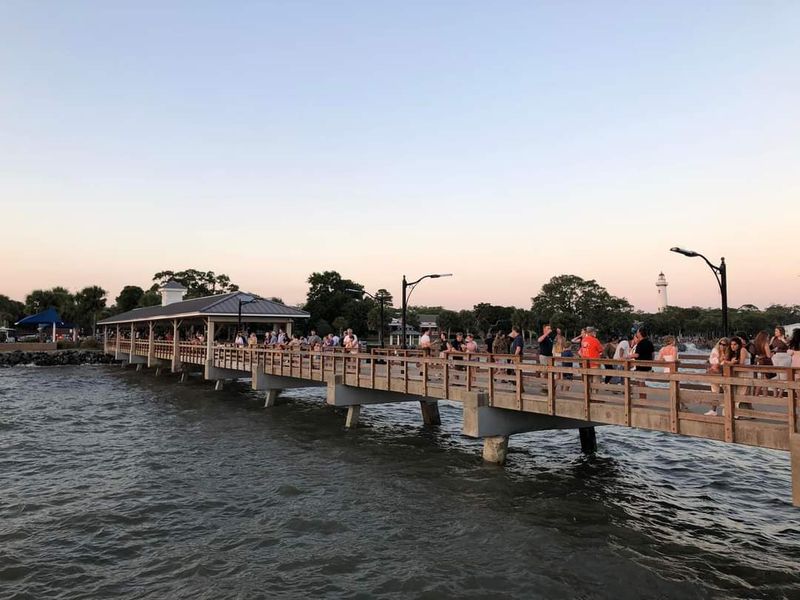
St. Simons Pier has the kind of relaxed, unhurried energy that feels almost retro in the best possible sense. Anglers line the railings with coolers and folding chairs, casting lines into water that still produces flounder, redfish, and sheepshead on a good day.
The pier also offers clear views toward Jekyll Island, and during migration season, whale sightings from this vantage point are not unheard of. That alone makes it worth a visit even for non-anglers.
Kids lean over the railing to watch pelicans dive. Older visitors sit and talk without looking at their phones.
The pier operates as a social space as much as a fishing spot, and that combination is harder to find than it sounds.
No flashy upgrades have ruined the atmosphere here. The pier remains functional, welcoming, and completely unpretentious in a way that reflects the broader personality of this Georgia island community.
It is exactly the kind of place that locals quietly hope never changes too much.
Little St. Simons Island And The Birds That Rule It
Just north of the main island, accessible only by boat, Little St. Simons Island operates as one of Georgia’s most extraordinary natural retreats. It is privately owned but open to limited visitors, and its isolation is the entire point.
Roseate spoonbills wade through shallow flats in flashes of pink that seem almost tropical. Northern gannets dive offshore during cooler months.
The bird diversity here is exceptional, drawing serious birders from across the country.
The island has no permanent large-scale development. Its beaches remain some of the most pristine on the entire Georgia coast.
Wildlife moves freely across the landscape without the pressure of heavy human foot traffic.
Reaching it requires a boat ride, which naturally filters out casual visitors and keeps the experience intimate. Groups tend to be small, guides are knowledgeable, and the pace matches the island itself.
For anyone who wants to understand what the Georgia barrier islands looked like before development arrived, Little St. Simons offers a rare and humbling glimpse into that world.
A Village That Refuses To Become A Resort Town
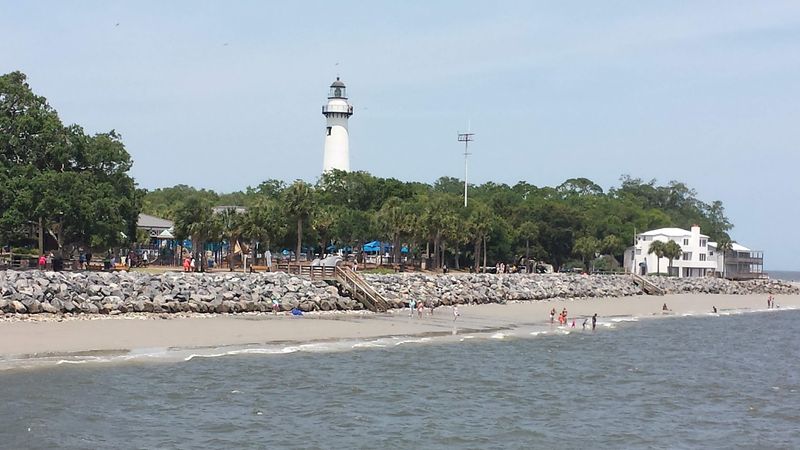
The village area of St. Simons Island has shops, restaurants, and a central plaza that draws foot traffic without feeling like a manufactured tourist zone. Buildings stay low.
Signage stays modest. Chain stores have not taken over every corner.
That restraint is intentional. Regulations limiting building height and controlling billboard use have helped maintain a streetscape that actually reflects the island’s character rather than erasing it.
Local businesses occupy storefronts that have been there for years. The kind of shops where staff actually know their regulars and can recommend something specific based on a five-minute conversation.
Evenings in the village have a social quality that feels genuinely community-driven rather than staged for visitors. People sit outside, talk to neighbors, and let the night move at its own pace.
This is what small-town coastal life looks like when it is protected thoughtfully. The village is not frozen in time, but it has not surrendered to the pressures that have homogenized so many similar Georgia and East Coast destinations over the past two decades.
The Locals Who Would Rather Not Trend On Social Media
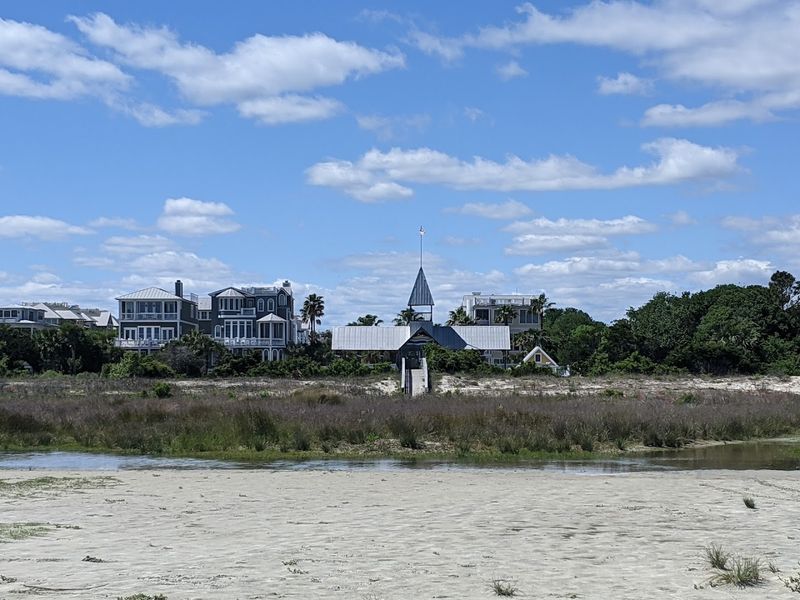
Some residents here have been nicknamed bridge burners, a playful term for those who would prefer the island stay exactly as it is, even if that means fewer visitors making the trip across the causeway.
The sentiment behind the nickname is serious, though. Rising property taxes, increased traffic, and strain on water and sewer infrastructure are real concerns that locals raise at community meetings with consistent frequency.
Growth without planning, they argue, destroys the very qualities that made the island worth visiting in the first place. Quiet streets.
Uncrowded beaches. A community where people recognize each other at the grocery store.
Their resistance is not about hostility toward visitors. Most residents are warm and welcoming to tourists who treat the island respectfully.
The concern is about scale and pace of change.
When a community fights this hard to protect its character, it says something important. St. Simons Island, Georgia, is not just a backdrop.
It is a place people have chosen to build their lives, and they intend to keep it livable.
Georgia Sea Turtle Center And The Wildlife That Shares This Island
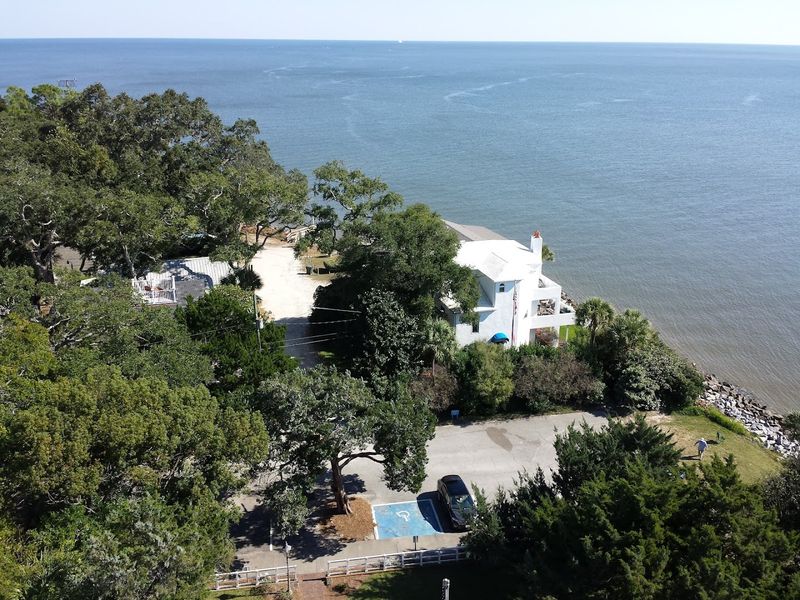
Sea turtles nest on these beaches every summer, and the St. Simons Island Sea Turtle Project, working with the Georgia Department of Natural Resources, makes sure that process gets the protection and attention it deserves. Nearby on Jekyll Island, the Georgia Sea Turtle Center rehabilitates injured turtles and educates visitors about the broader marine ecosystem along this stretch of Georgia coastline.
The center connects the island’s conservation mission to its wildlife in a way that feels tangible rather than abstract. Seeing a recovering turtle up close changes how people think about beach behavior, lighting near the shore, and the impact of foot traffic on nesting areas.
Keep Golden Isles Beautiful operates alongside similar efforts, reinforcing a regional culture of environmental responsibility that extends across the barrier islands.
These programs reflect something real about how this Georgia community approaches its natural surroundings. Conservation here is not a marketing strategy.
It is a daily practice with practical consequences for every living thing on the island.
Why This Island Still Feels Worth Protecting
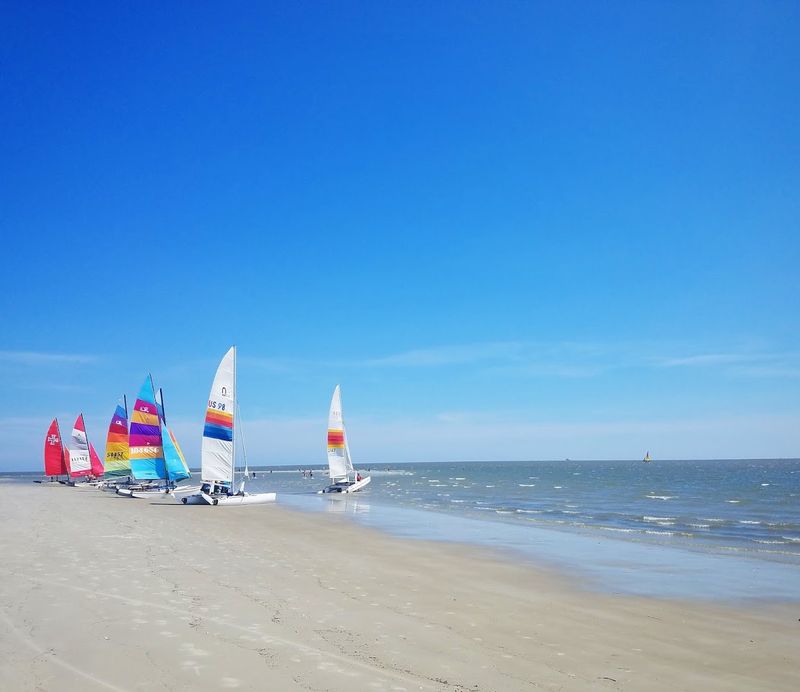
Places like this do not stay the way they are by accident. Every quiet beach, every preserved tree canopy, every low-rise storefront represents a decision made by someone who cared enough to show up and push back.
St. Simons Island has been ranked among the best coastal small towns in the United States, and that recognition brings both opportunity and pressure. More visitors mean more revenue but also more strain on infrastructure and natural systems.
The balance is fragile. The community knows it.
That awareness drives everything from land trust donations to planning board attendance to the quiet pride locals take in keeping their streets clean and their marshes intact.
What makes this Georgia island worth writing about is not just its beauty, though the beauty is undeniable. It is the fact that the people here have decided the beauty matters enough to defend.
That combination of natural wonder and human commitment is rarer than it should be, and it is exactly what keeps St. Simons Island worth returning to, season after season.