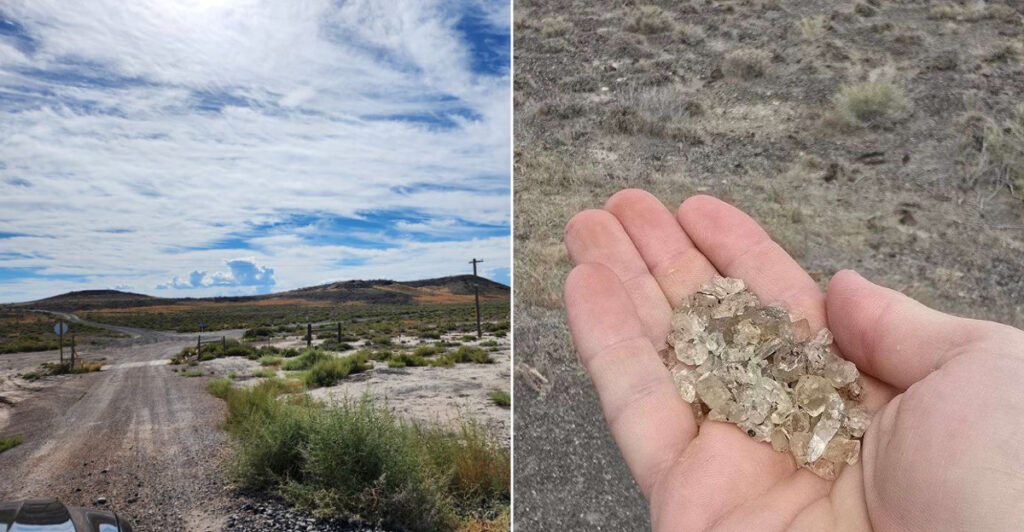
Finding treasure feels different when the desert makes you work for every glint. On a low, windswept rise, tiny golden crystals flash in the soil like coins dropped by the sun.
This recognized rockhounding site in western Utah offers something wonderfully direct: bring a screen, crouch close to the ground, and start searching. There are no elaborate exhibits, velvet ropes, or guides explaining where to look.
The landscape itself becomes the lesson, revealing how heat, pressure, and time can turn ordinary rock into something worth pocketing. That simplicity is part of the fun.
Children get an outdoor scavenger hunt, geology lovers get a field trip, and curious travelers get the thrill of uncovering beauty with their own hands under a vast sky. Out in the open country of Utah, even a handful of sparkling finds can make an empty stretch of desert feel like the richest stop on the road.
What Sunstone Knoll Actually Is and Why It Made the Books
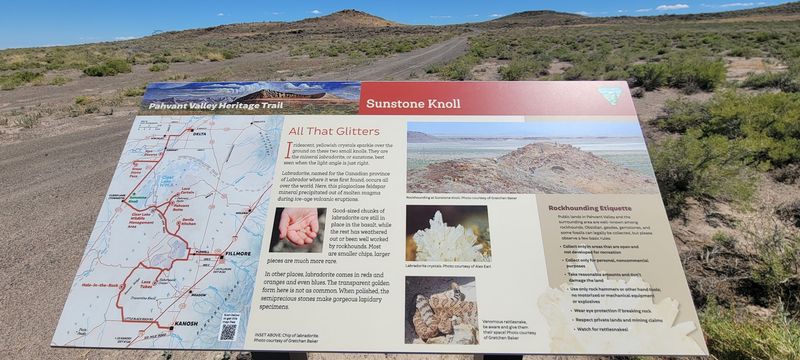
Not every rockhounding spot earns a spot in published field guides, but Sunstone Knoll did exactly that. Located off Utah State Route 257 near Delta, UT 84624, this site sits in the high desert of Millard County and is known specifically for its labradorite feldspar crystals, commonly called Oregon sunstones or simply sunstones.
These are not the same as the Oregon variety, but they share that warm golden shimmer that makes collectors stop mid-step.
The site is on public land managed by the Bureau of Land Management, which means collecting is permitted for personal, non-commercial use. That is a genuinely important detail.
You are not sneaking around or bending rules here. You are doing something that has been documented, mapped, and encouraged for casual visitors and serious collectors alike.
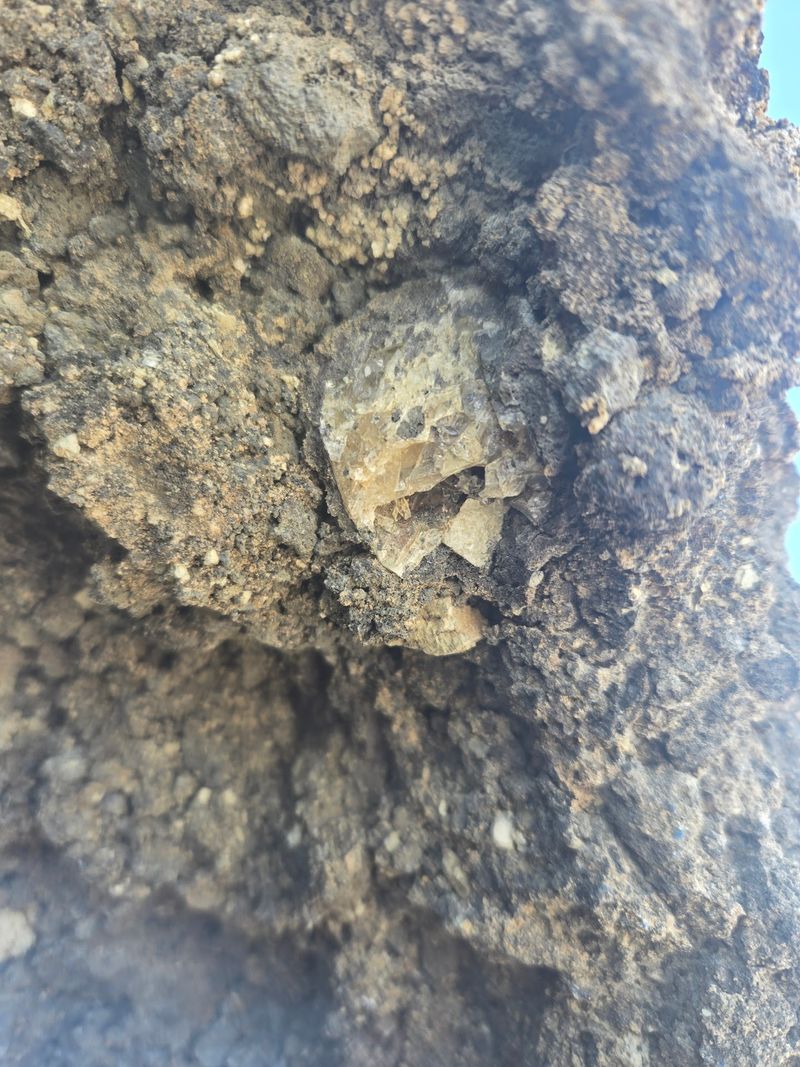
The knoll itself is a volcanic feature, and the crystals erode naturally out of the surrounding matrix over time. Wind and weather do the initial work for you, leaving loose crystals sitting right on the surface or just beneath it.
A field guide entry is basically a vote of confidence from the rockhounding community, and Sunstone Knoll has earned that vote more than once.
Pro Tip: Cross-reference your visit with a current BLM resource to confirm access conditions before you go.
The Crystals Themselves: Small, Golden, and Worth the Drive
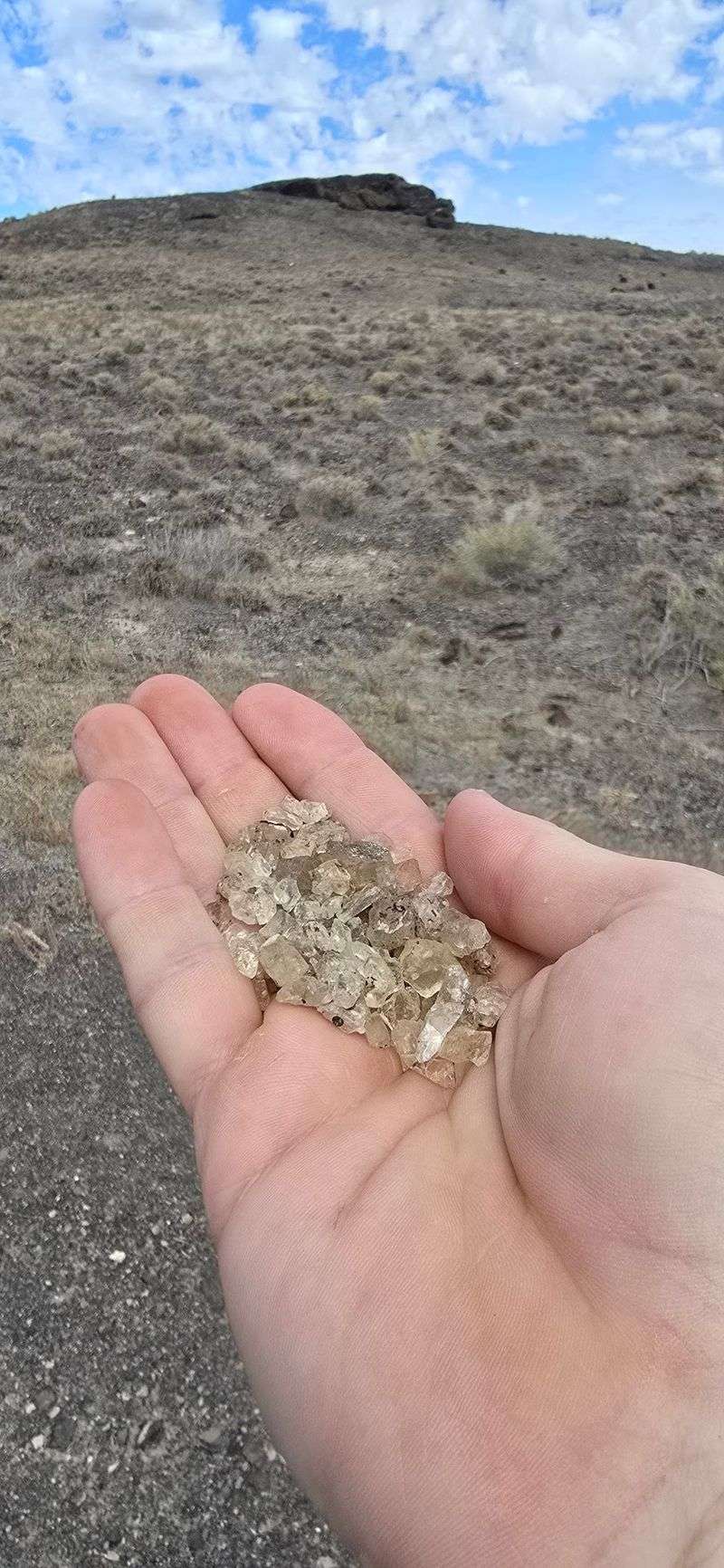
Sunstones found at this site tend to run small, usually a few millimeters to about a centimeter in size. Do not arrive expecting palm-sized gems.
What you will find instead are tiny, glassy, honey-to-amber colored crystals that catch the afternoon sun in a way that makes you immediately want more of them. That compulsive quality is part of the site’s charm.
These crystals are a variety of feldspar, specifically labradorite, and they form within volcanic material. The warm color comes from copper or iron inclusions depending on the specific mineral composition.
When you hold one up to the light and it flashes that orange-gold shimmer, the drive out here stops feeling like a detour and starts feeling like a decision you made correctly.
Surface collecting is the main method here. Visitors scan the ground, sometimes use a small screen or sifter to separate crystals from loose soil, and occasionally dig shallowly in productive-looking patches.
The work is slow in the best possible way, the kind of slow that makes an hour disappear without complaint.
Best For: Geology enthusiasts, patient collectors, and anyone who enjoys the satisfaction of finding something real with their own hands.
Getting There: Route 257 and the Quiet Roads Around Delta
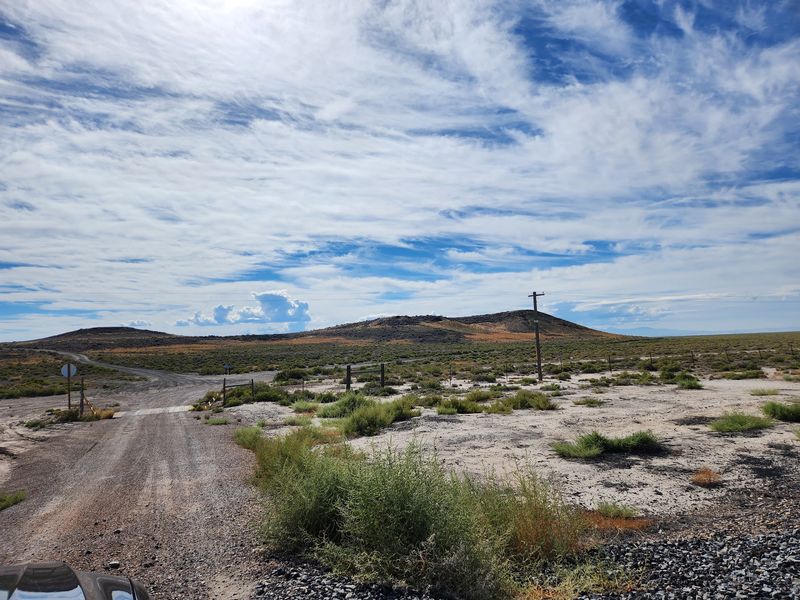
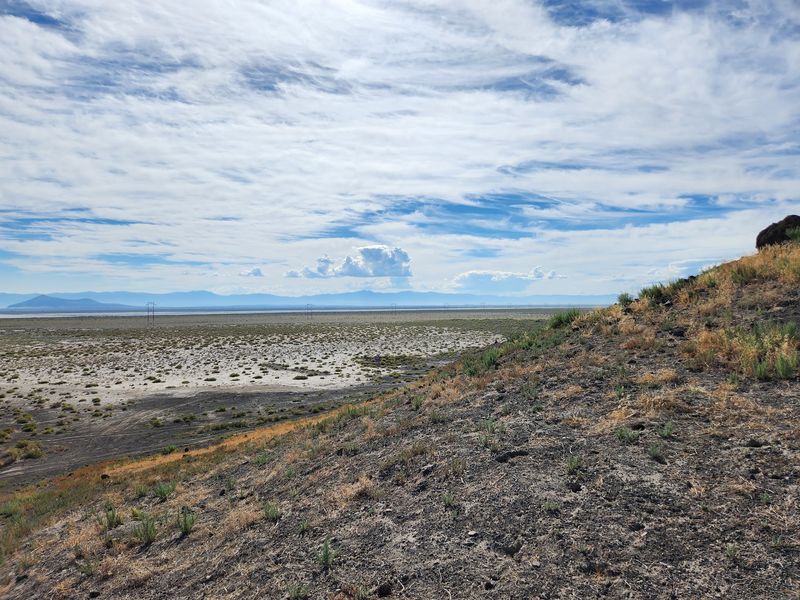
Delta, Utah is the kind of town that does not oversell itself. It sits in Millard County, surrounded by basin and range terrain that stretches out flat and wide before the mountains cut in on the edges.
Getting to Sunstone Knoll means heading out on Utah State Route 257, a two-lane road that feels like the kind of drive people mean when they say they needed to clear their heads.
The area around Delta has a small-town rhythm that is easy to appreciate if you are coming from a city. There is a short main street, a gas station or two, and the general sense that people here are not in a hurry.
Fill your tank before you head out on the collecting route, because the knoll sits in open desert and services thin out quickly once you leave town.
Navigation apps can be unreliable in this area, so a printed map or a downloaded offline route is a smart call. Rockhounding field guides that list Sunstone Knoll often include rough mileage directions from Delta, and those tend to be more dependable than a cell signal that may or may not cooperate with your plans.
Planning Advice: Download offline maps and review field guide directions before leaving Delta. Do not rely solely on cell service in this corridor.
Who Keeps Coming Back and Why the Habit Makes Sense
Sunstone Knoll has the kind of quiet reputation that spreads through rockhounding communities the way good fishing spots spread through small towns. People find it, fill a small bag with crystals, and then mention it to someone else who was already planning a trip to central Utah.
The cycle repeats, and the site stays on the list of places worth returning to.
Part of the appeal is the low barrier to entry. You do not need specialized equipment, expensive permits, or a geology degree.
A screen, a small trowel, a water bottle, and a container for your finds are basically the full kit. That accessibility is what keeps a broad range of visitors showing up, from retired collectors with decades of field experience to families letting kids experience their first real mineral hunt.
The BLM designation as a public collecting site removes the guesswork about whether you are allowed to be there. That clarity matters more than people realize until they have driven somewhere only to find a locked gate or a no trespassing sign.
Here, the welcome mat is effectively built into the land management framework.
Insider Tip: Connect with online rockhounding forums before your visit. Current trip reports from other visitors often include the most accurate recent directions and surface conditions.
Halfway There: Packing Smart for a High Desert Collecting Day
Here is where the trip either goes smoothly or turns into a minor cautionary tale. The high desert around Delta is not forgiving about preparation gaps.
Temperatures swing hard between morning and afternoon, the sun is relentless from about 10 a.m. onward, and shade is essentially a rumor out on the knoll. Sunscreen, a hat with an actual brim, and more water than you think you need are non-negotiable starting points.
For the collecting itself, a fine mesh screen or sifter is the single most useful tool you can bring. It lets you separate small crystals from loose soil quickly and efficiently.
A soft brush helps clean crystals without scratching them. Small zip-lock bags or a divided container keep your finds organized and prevent the tiny gems from disappearing into the corners of your pack.
Wear sturdy shoes. The terrain around the knoll is uneven, and the volcanic rock underfoot has edges that sandals will not appreciate.
Gloves are optional but useful if you plan to dig rather than just surface collect. A kneeling pad or small folding stool turns a two-hour hunt from a back-ache situation into something you might actually want to repeat.
Common Mistakes to Avoid: Underestimating the sun exposure and forgetting a sifting screen are the two most frequent trip-shortening errors visitors make at desert collecting sites.
Fitting Sunstone Knoll Into a Real Weekend Plan
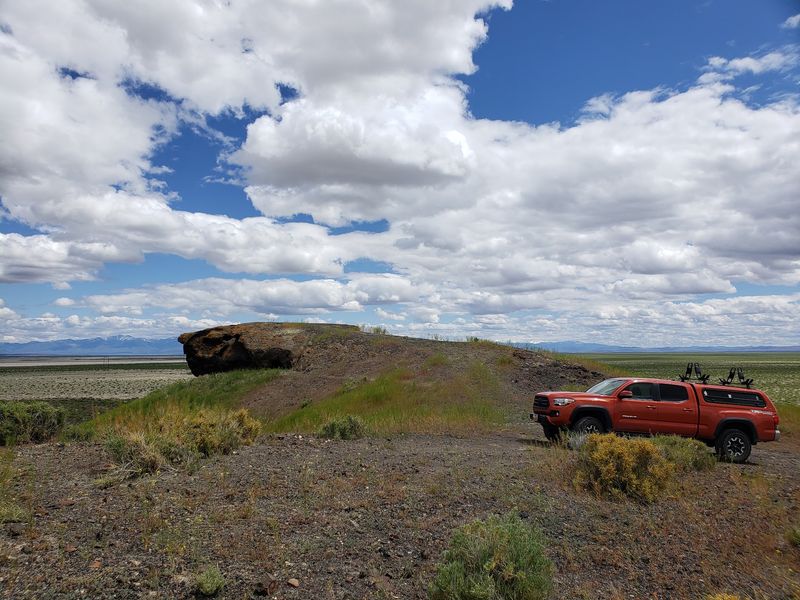
Sunstone Knoll works best as the anchor of a day trip rather than a quick detour. Give it a morning.
Leave Delta early enough to be on the knoll before the heat peaks, spend two to three hours collecting, and then head back into town for a late lunch. That rhythm gives you enough time to actually find something without turning the outing into an endurance event.
For couples, there is something genuinely satisfying about a shared hunt where both people are scanning the same patch of ground and one of you inevitably spots something the other walked right past. For families with kids, the low-tech nature of the activity is a feature rather than a limitation.
No screen time, no queuing, just dirt and patience and the occasional small triumph of a crystal catching the light.
Solo visitors tend to find the quiet of the site deeply restorative. There is a particular kind of focus that comes from scanning ground slowly, and it has a way of crowding out whatever was occupying your mental bandwidth on the drive out.
Pair the trip with a post-errand stop back in Delta, maybe a look around the small downtown, and you have a Saturday that required almost no elaborate planning to feel worthwhile.
Quick Verdict: Best as a half-day morning activity followed by a relaxed afternoon back in town.
The Lasting Appeal of a Place That Lets You Take Something Home
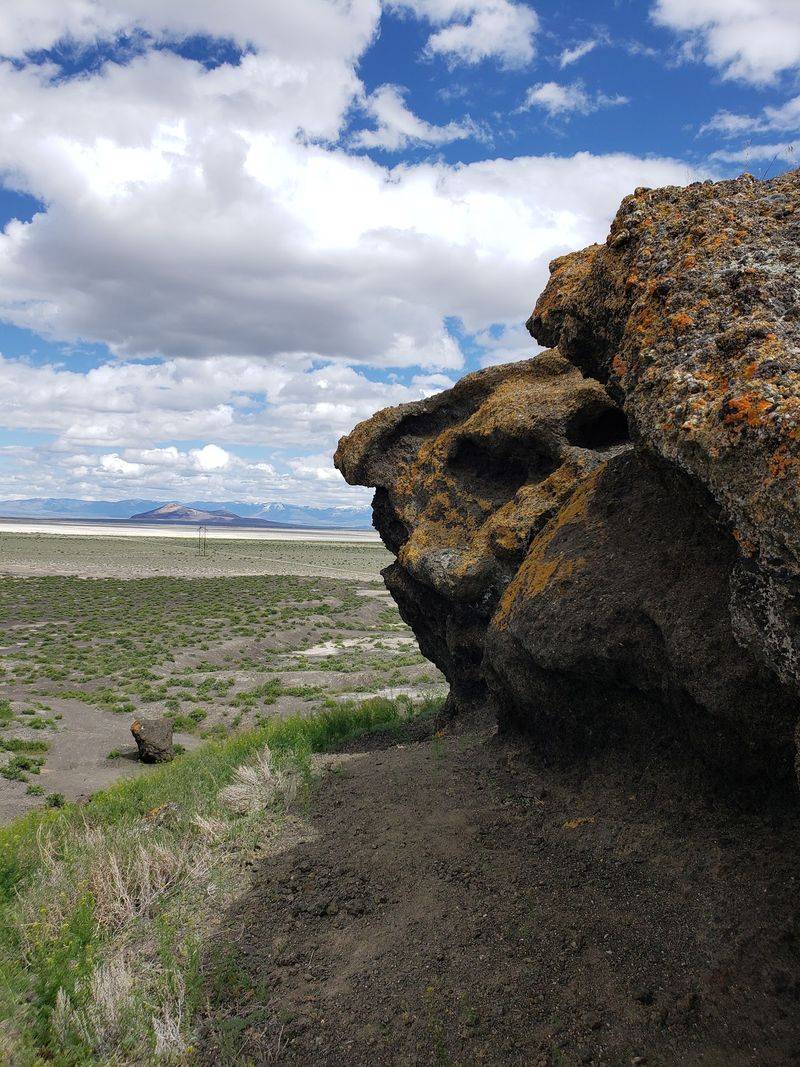
There is a specific kind of satisfaction that comes from finding something in the ground that has been sitting there for thousands of years waiting for exactly no one in particular, and then picking it up and putting it in your pocket. Sunstone Knoll offers that experience in a setting that is visually striking even before you find your first crystal.
The wide basin, the low mountains on the horizon, and the absolute quiet of the place combine into something that is harder to describe than it is to simply experience.
The crystals you collect here are legal to take home in reasonable personal quantities under BLM guidelines. That means the small bag of golden feldspar chips you bring back is a legitimate souvenir, not a guilty one.
People display them in small dishes, use them in jewelry projects, or simply keep them on a shelf as a reminder that the trip happened and was real.
A friend’s text recommendation for this place would read something like: go early, bring a screen, expect small crystals, and leave with more patience and more gold than you arrived with. That is the honest summary of what Sunstone Knoll delivers, and it delivers it consistently enough to deserve its place in the field guides.
Who This Is For: Rockhounds of any experience level, curious families, nature lovers, and anyone who finds genuine joy in the slow, satisfying work of discovery.