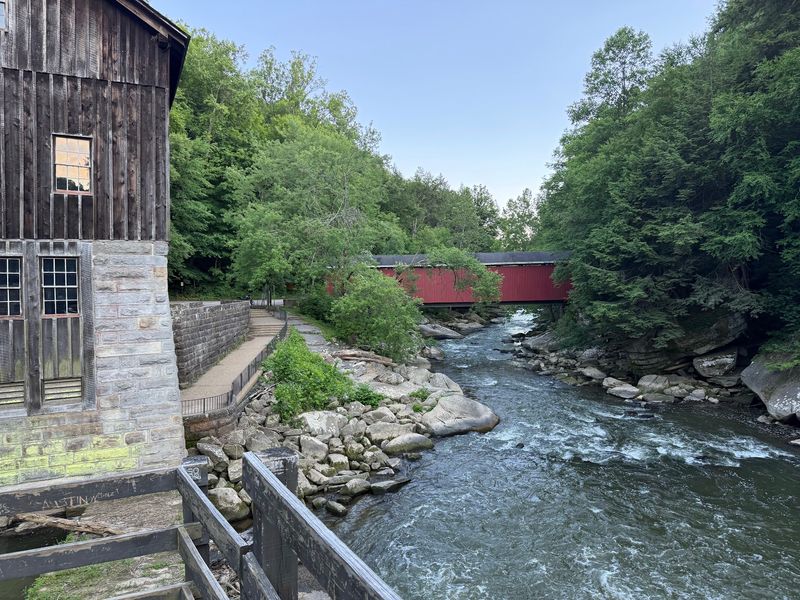
Some places in Pennsylvania sneak up on you. You pull off a quiet exit expecting a nice little stop, and instead you find a rushing creek, a wooden bridge from the 1800s, and waterfalls hidden just a short walk down the trail.
It is the kind of spot that turns a lazy afternoon into a memory you keep talking about, and it is closer to a big city than you might guess.
A Glacier-Carved Gorge in Lawrence County
Roughly 40 minutes north of Pittsburgh, off the Portersville exit, sits a park that feels far bigger than its map suggests. Spread across 2,546 acres in Lawrence County, it protects one of the most dramatic slices of scenery in western Pennsylvania.
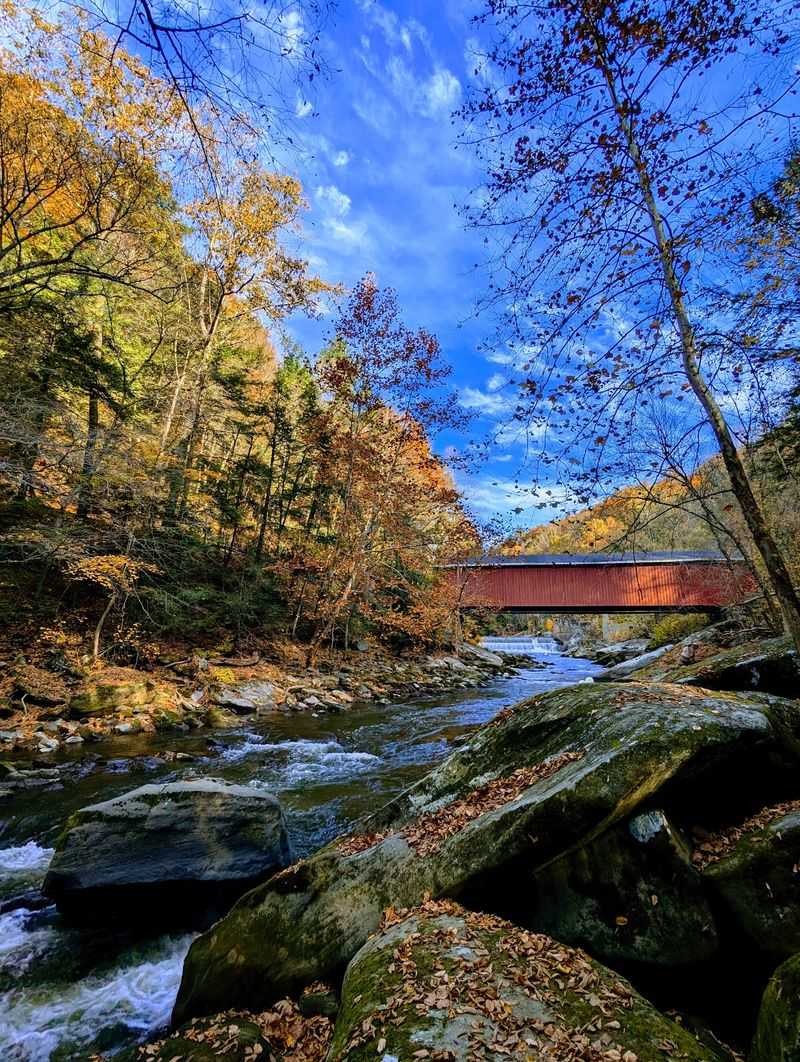
The heart of it all is Slippery Rock Creek Gorge, a designated National Natural Landmark. Ancient glaciers get the credit here, and the story is written right into the land.
When old glacial lakes drained thousands of years ago, the water carved these steep sides and scattered enormous boulders across the valley floor.
Walk in and you notice the difference immediately. Whitewater tumbles over rocks, cliffs rise on both banks, and the whole place hums with the sound of moving water.
Visitors often mention how peaceful it feels despite the energy of the creek.
It works as a state park in the fullest sense, mixing history, geology, and easy adventure. Whether you come for a short stroll or a full day, the gorge sets a tone that sticks with you long after you leave.
The 1874 Covered Bridge You Can Drive Through
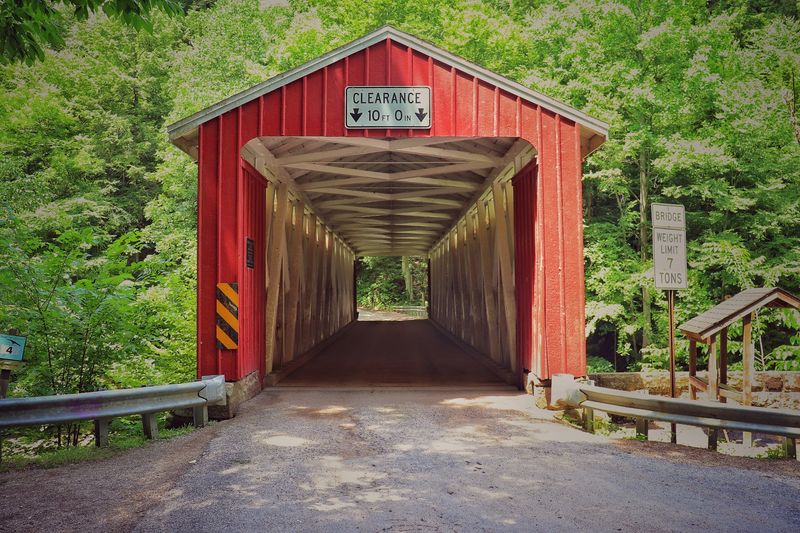
Picture a wooden bridge from 1874 still standing over a rushing creek, and you have got the park’s most photographed feature. The McConnells Mill Covered Bridge spans Slippery Rock Creek with a quiet, old-fashioned charm that photographers and families adore.
What makes it special beyond its age is the design. Built using the rare Howe truss style, it earned a spot on the National Register of Historic Places, and it anchors much of the park’s historic character.
Here is the fun part visitors love pointing out: you can actually drive your car right through it. Regulars mention crossing over slowly, windows down, listening to the water below before parking nearby to explore on foot.
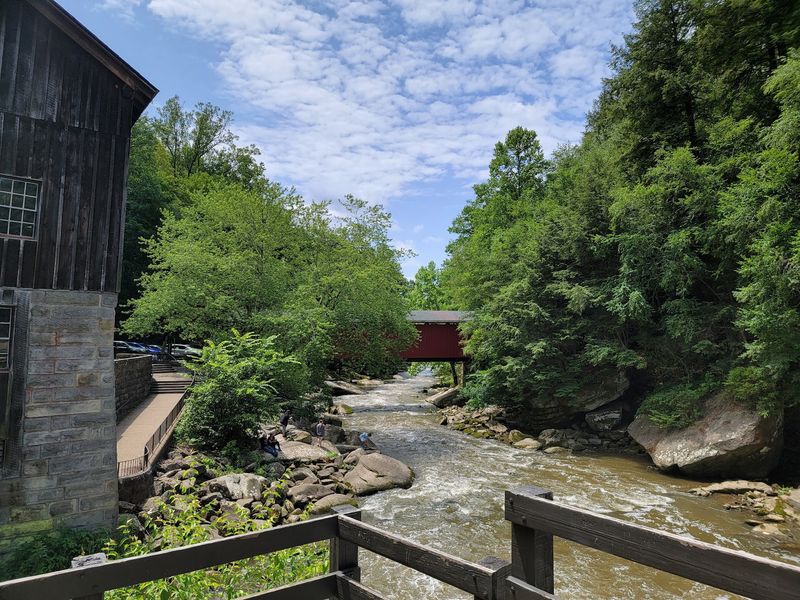
Some folks recommend crossing the bridge and hiking down the far side of the creek first, saving the easier stretch closer to the mill for the return trip. There is even parking over the bridge if you simply want to soak in the view of the flowing water without a long walk.
It is a small structure with a big presence.
Hell’s Hollow Falls and Its Easy Trail
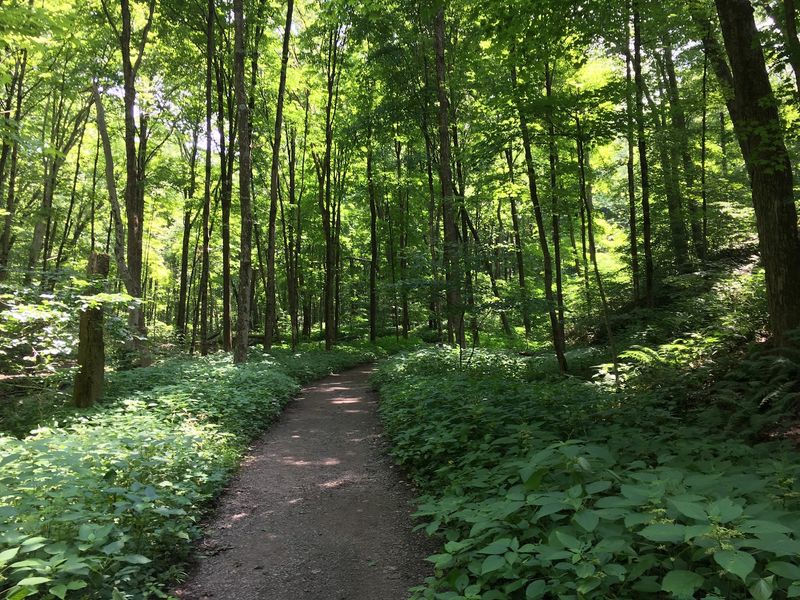
If you want a waterfall without a grueling climb, this is the reward that keeps drawing people back. Hell’s Hollow Falls ranks as the park’s most popular cascade, and the walk to reach it stays gentle the whole way.
The trail runs about a half-mile one way, or roughly 1.2 miles round trip if you go out and back. Most of the path is flat, with just a few stairs guiding you down to the base of the falls, so it suits casual walkers and curious kids alike.
Once you arrive, you meet a waterfall standing about 15 feet tall and 20 feet wide, spilling into a mossy pocket of forest. The scale feels intimate rather than overwhelming, which is part of its charm.
Along the way, keep an eye out for the remains of a historic limestone kiln, a small bonus of local history tucked into the greenery. Between the easy grade, the shade, and the payoff at the end, this short hike delivers far more than the effort it asks.
Alpha Falls, the Park’s Tallest Cascade
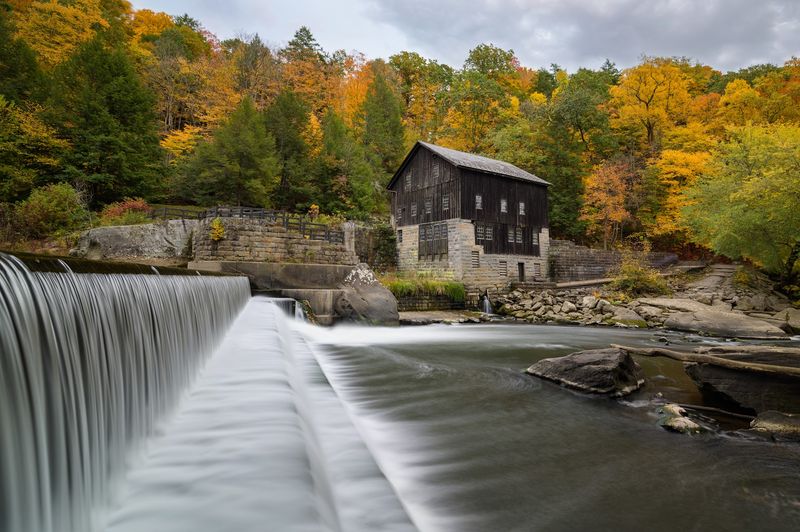
Chasing something more dramatic? Alpha Falls answers the call as the tallest waterfall in the park, plunging somewhere between 35 and 40 feet down a rocky face.
The trade-off for that height is refreshingly small. A brief five-minute walk, or about a 0.2-mile round trip, brings you to the base, making it one of the most accessible big cascades you will find in the region.
Timing matters here more than at other spots. The flow really shows off after rainfall or during spring snowmelt, when the water thunders down at full strength.
Come during a dry stretch and you will still see it, just softer.
A quick word of caution: the terrain along the way is rocky and laced with roots, and it turns slippery when wet. Sturdy shoes and careful footing go a long way, especially after rain.
Hikers who love the mix of forest, boulders, and rushing water often name the Alpha Pass area as their favorite corner of the park. For maximum effort-to-reward, this short trip is tough to beat.
The Restored 19th-Century Gristmill
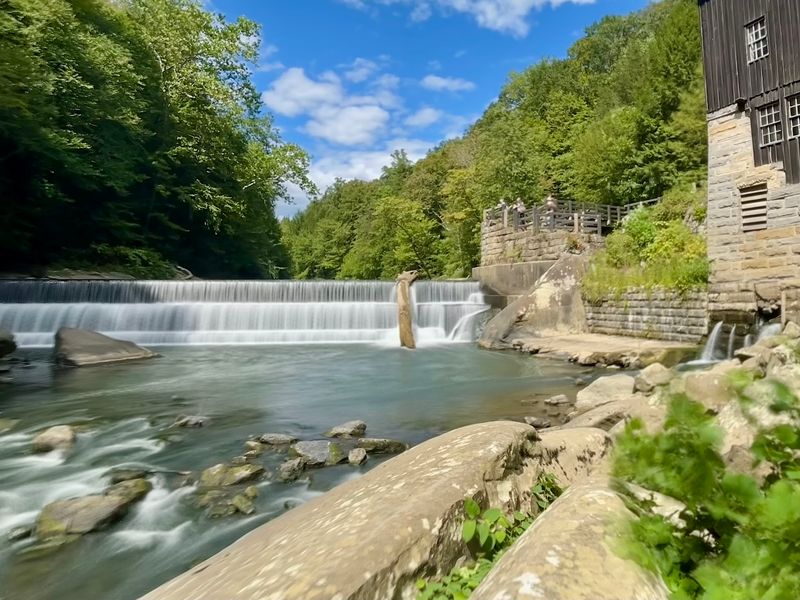
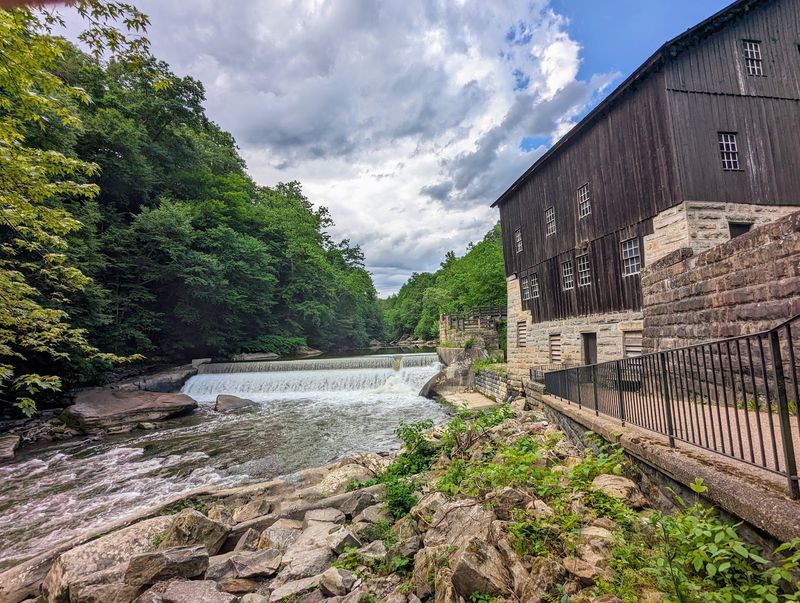
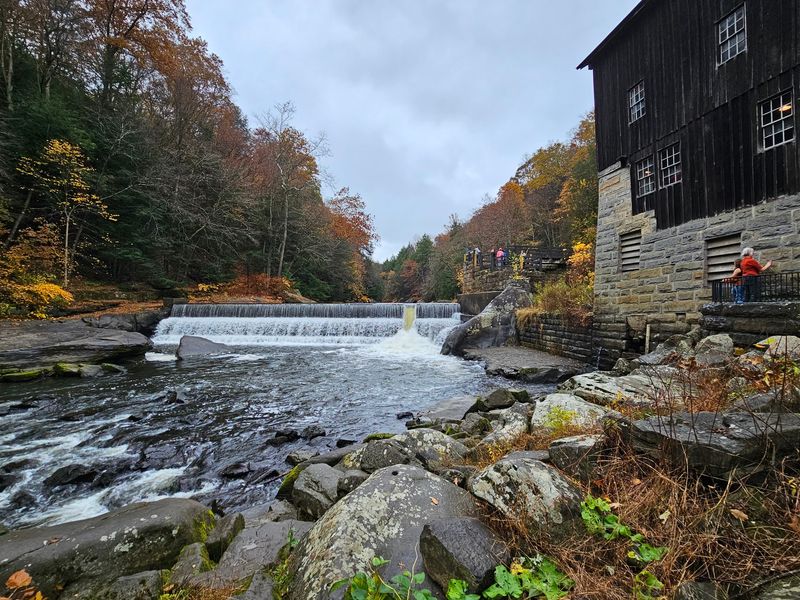
Standing right beside the creek is the building that gave the whole park its name. Originally built in 1868 and later improved by Thomas McConnell, the gristmill once ground grains for families across the surrounding community.
Step inside and it becomes a mini history lesson. Signs walk you through the story, and you can see the old wheat storage, grinding equipment, and even the water turbine that powered the operation more than a century ago.
Visitors frequently call the interior surprisingly interesting.
Guided tours run from Memorial Day through late September, and many guests give special praise to the volunteer guides, describing them as friendly and every bit as knowledgeable as full-time staff.
The setting sweetens the visit even more. A waterfall sits right beside the mill, so history and scenery share the same frame.
Parking near the mill is tight, so plan for the larger lots nearby if you arrive on a busy day. Between the machinery, the stories, and the water outside the door, the mill turns a quick stop into a genuine highlight.
Giant Glacial Boulders Scattered Everywhere
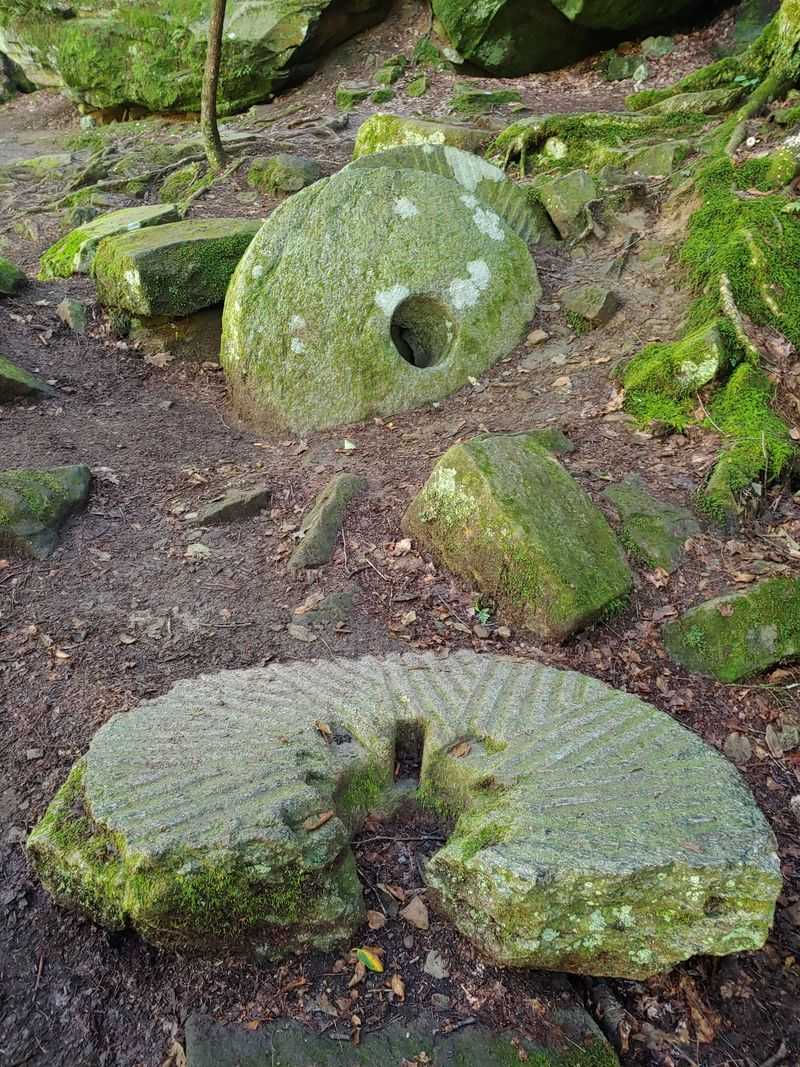
Long before any mill or bridge, the ice did the heavy lifting here. As you drive and hike in, you cannot miss the massive glacial boulders scattered across the landscape like a giant emptied a pocket of rocks.
Some of them are so large that trees have taken root right on top, growing out of the stone in a way that looks almost impossible. Visitors describe wandering among them and climbing around their edges as one of the park’s simplest joys.
These rocks are not just scenery. They tell the geological story of the gorge, formed when glacial lakes drained and reshaped everything in their path.
The Geology Trail leans into that history and gets called spectacular by folks who love learning as they walk.
Rock climbers are drawn here too, with the sport earning steady mentions among regular visitors. Even if you never grab a handhold, the boulders make for endless exploring.
Kids especially love the natural playground quality of it all. Just watch your footing, since the surfaces can be uneven and slick in spots.
Nine Miles of Trails for Every Skill Level
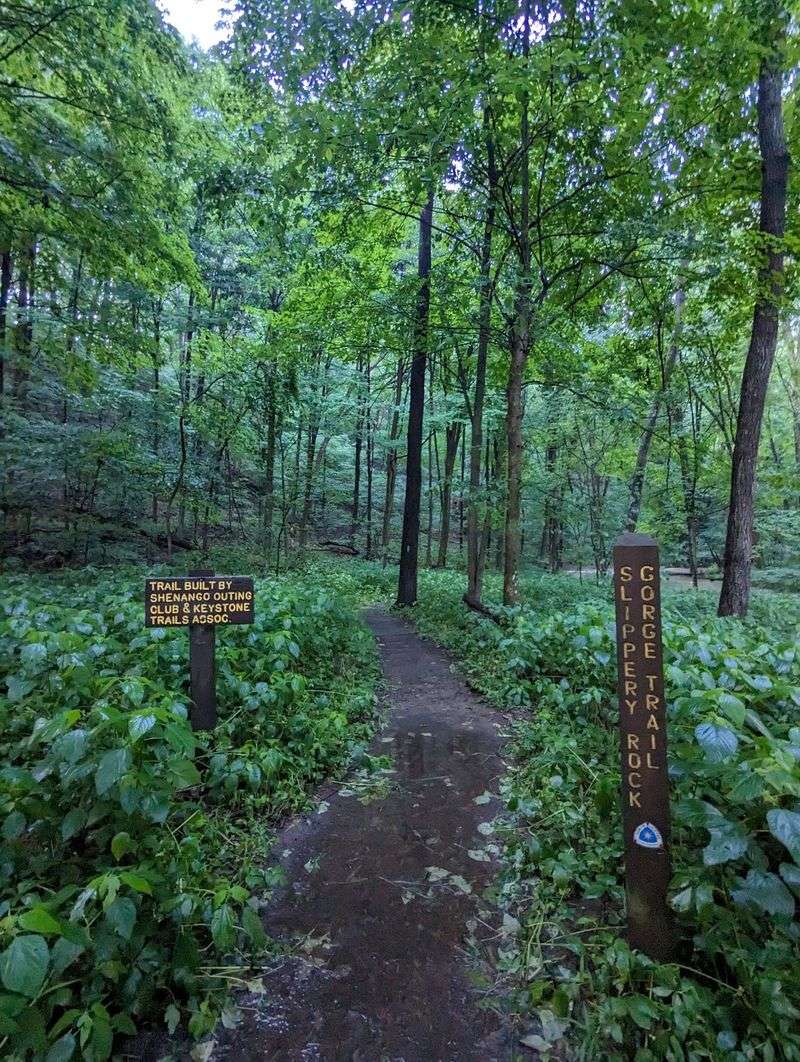
With around nine miles of hiking trails, this park gives your legs plenty of options. Paths range from easygoing strolls to genuine workouts, so beginners and seasoned hikers can each find their pace.
Popular routes like the Kildoo Trail hug Slippery Rock Creek, serving up views of the mill and the rushing water. The Slippery Rock Gorge Trail and Alpha Pass also earn regular shout-outs for their scenery.
Expect rocky, root-covered ground on many stretches. Reviewers repeatedly suggest bringing hiking sticks, and one popular tip is to tackle the harder, downstream side first, then loop back upstream closer to the water and the waterfalls.
Because of all those rocks and roots, the trails are not stroller-friendly, and one main path includes a large set of stairs. Sturdy shoes make a real difference.
Guests love how well-marked and maintained the routes feel, even when the terrain gets narrow and hilly. Whether you want a peaceful two-mile loop or something more demanding, there is a trail here ready to match your mood.
Whitewater and Wildlife Along Slippery Rock Creek
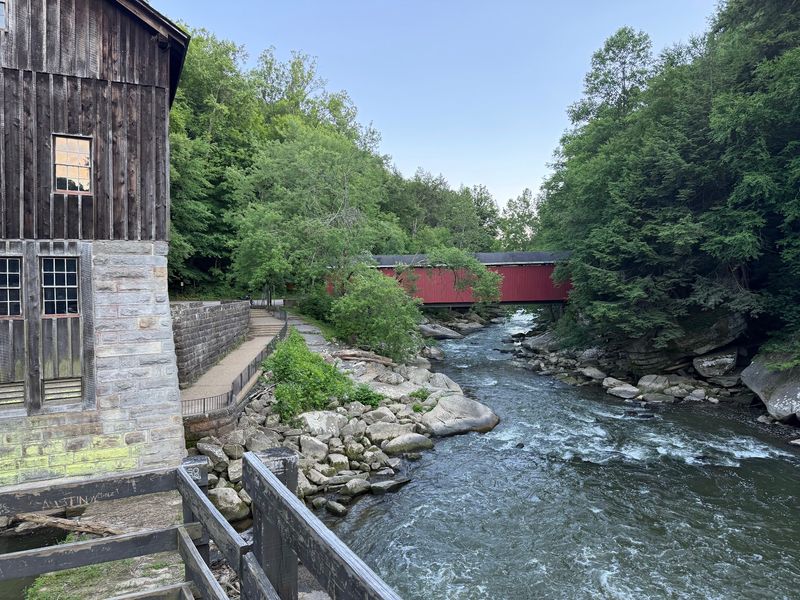
The creek is the beating pulse of this whole place. Slippery Rock Creek runs fast and lively, and its whitewater draws paddlers looking for a splash of excitement.
Kayaking gets mentioned by adventurous visitors who come specifically for the rushing rapids. Fishing is another draw, offering a quieter way to enjoy the water’s edge.
Wildlife adds surprise around every bend. One visitor stumbled onto a family of baby raccoons tucked in the trees, while others have spotted red-headed woodpeckers hard at work in fallen logs.
Birders and nature lovers will find plenty to watch.
The forest itself invites a little identifying too, with hemlocks, oaks, and acorns waiting to be discovered on a slow walk.
One important safety note: swimming is prohibited because of natural hazards, and the water moves swiftly. It is best admired, photographed, and listened to rather than jumped into.
Between the paddlers, the fish, and the creatures hiding in the brush, the creek keeps every visit feeling alive. Slow down near the banks and you will likely spot something worth pointing out.
Fall Colors That Steal the Show
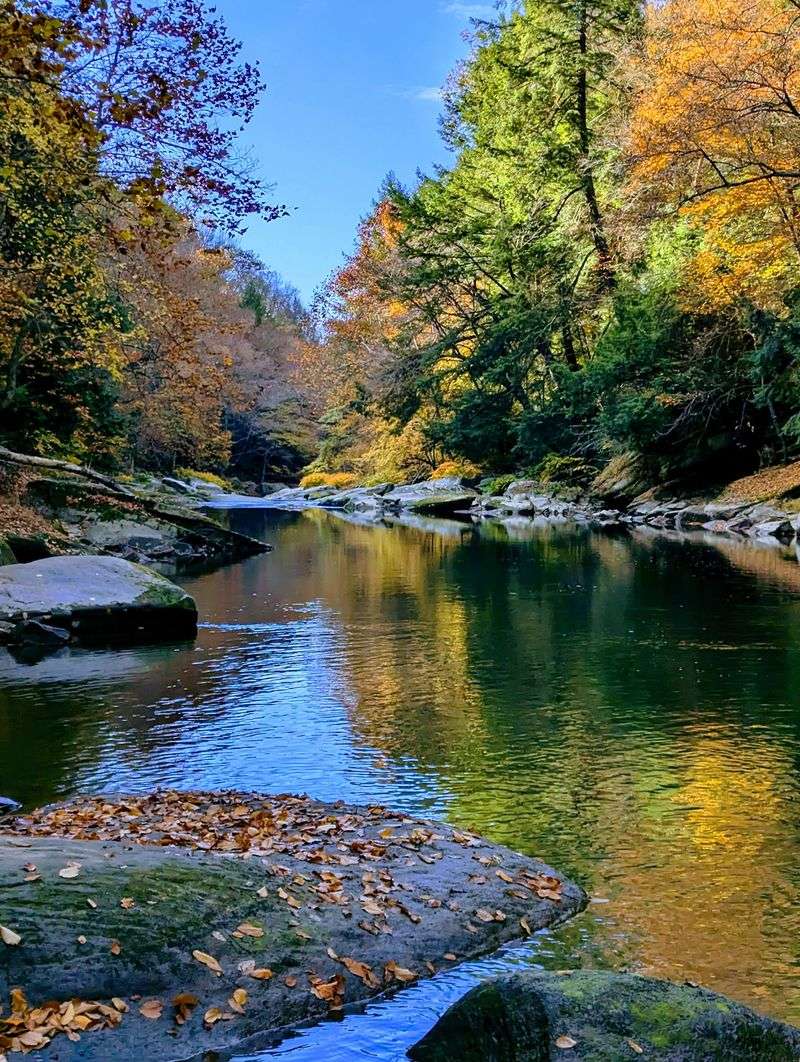
Come October, the park trades its green coat for fire. Reviewers who have visited across seasons rave that the fall colors here are absolutely gorgeous, turning the gorge into a wall of orange, red, and gold.
The setting amplifies everything. Reflect all that color in the moving creek, frame it with the old covered bridge, and you have a scene that draws photographers from all around.
Many guests specifically plan a return trip just to catch the autumn display, calling it one of the best reasons to visit western Pennsylvania this time of year. It is the sort of view that fills a camera roll fast.
Summer earns love too, with shaded trails offering relief on hot days and rocks by the creek perfect for lounging. One visitor even soaked their feet by the water on a warm afternoon.
Each season shows a slightly different face, but fall tends to win the popularity contest. If you can only make one trip, aim for that crisp mid-autumn window when the leaves peak and the crowds stay pleasant.
A Family-Friendly Day of Picnics and Play
Not everyone comes here to conquer a mountain, and that is part of the appeal. Families pour into the park for laid-back days built around picnics, playgrounds, and letting kids simply run free.
One parent described a perfect outing: a short hike from the Point parking lot down to the mill and back, followed by a picnic lunch and playground time. Along the way, the kids identified hemlocks and oaks and spotted a woodpecker, turning the trip into a mini nature lesson.
The scenery clearly agrees with special moments too. Visitors have noticed engagement photos being taken and couples strolling the trails, all mixing happily with young families.
Guests describe the crowd as young and old together, busy but rarely overcrowded. Park staff earn friendly reviews, which helps the whole place feel welcoming.
Picnic areas and a playground near the larger lots give kids room to burn energy after a walk. For anyone wanting a gentle, wholesome day trip rather than a hardcore trek, this corner of Lawrence County makes it easy.
Hours, Parking, and Getting There
Planning a visit is refreshingly simple. The park welcomes guests every day from 8 AM to 8 PM, giving you a wide window to explore whether you want a sunrise-ish start or a lazy afternoon.
Getting there is easy from the city. It sits about 40 minutes north of Pittsburgh, reachable off the Portersville exit.
Several reviewers note the entrance can feel a little tricky to find at first, but once you sort it out, the rest falls into place.
Parking takes a bit of strategy. The lot right by the mill is limited and tight, so most visitors recommend the larger lots near the entrance or by the picnic area.
There is also parking over the covered bridge if you just want the view.
Because so many people cross the roads near the rocks, drive slowly and stay alert once you are inside.
Wear sturdy footwear, watch the slippery terrain near the water, and remember the address at 1761 McConnells Mill Rd for your map. A little prep makes the whole day smoother.
What to Pack and How to Stay Safe
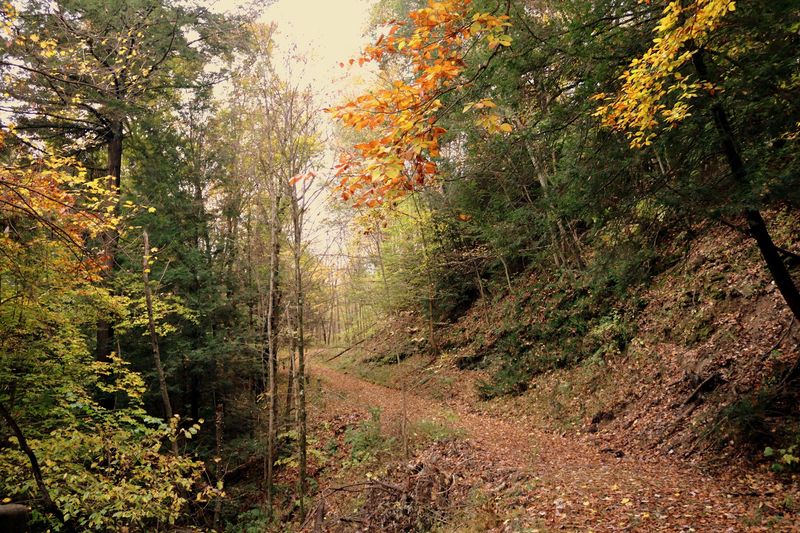
A little preparation turns a good visit into a great one. Because so many trails are lined with rocks and roots, regulars strongly suggest packing sturdy shoes and a pair of hiking sticks for extra balance.
The gorge environment brings its own quirks. Sitting down in a shaded valley, the park tends to run colder than the surrounding area and is more prone to icy patches, so dress a step warmer than you might expect, especially in cooler months.
Wet rocks near the waterfalls and creek can be slick, and the water moves fast, so watch your footing and keep little ones close. Swimming is off-limits due to natural hazards, a rule worth respecting.
One honest note from visitors: the restrooms leave some room for improvement, so set expectations accordingly and plan ahead.
Bring water, snacks for a picnic, and a camera for the bridge and falls. If you visit in summer, the shaded loops offer welcome cool.
Pack smart, tread carefully, and the park rewards you with an easygoing yet memorable outing.
Why This Little Park Earns a Return Trip
Some spots win you over slowly, and others do it with a single hike. This park tends to fall firmly in the second camp, with more than one visitor confessing it became a fast favorite after just one loop.
The magic is in the mix. Where else can you drive through an 1874 covered bridge, tour a restored mill, chase a couple of waterfalls, and scramble among glacial boulders, all within a few short trails?
Guests describe it as a true gem, praising the well-preserved history, the friendly staff, and the beauty that holds up in both summer and fall. Many promise themselves a return before they even leave the parking lot.
It suits nearly everyone, from families with young kids to couples snapping photos to hikers wanting a real workout along the creek.
If you are near Pittsburgh and craving an easy escape that punches well above its size, point the car toward Portersville. Bring good shoes, a sense of curiosity, and maybe a picnic.
Odds are you will be planning your next visit on the drive home.