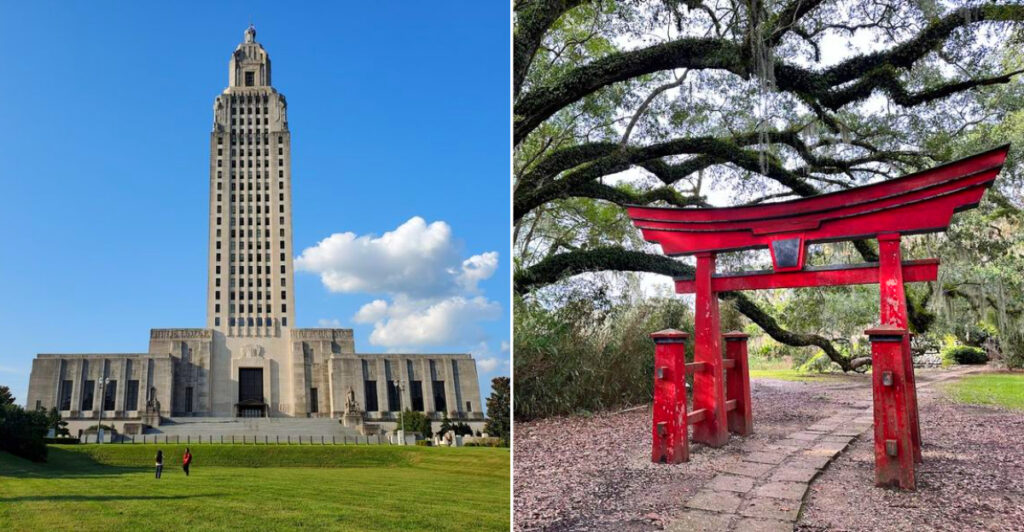
Kids learn best when they can touch, explore, and discover things for themselves. Few states make that easier than this one.
Whether your crew wants to feed a giraffe from the back of a wagon, walk through a real battleship, or step inside a nineteenth-century village where history feels alive, the options go well beyond the typical classroom outing.
Science centers with hands-on exhibits invite young minds to experiment freely. Wildlife reserves bring you face to face with animals most people only see on screens.
Living history villages let children run through authentic buildings while costumed guides share stories that stick.
The variety is the real surprise: from swamp trails to planetarium shows, every family can build a day that matches their interests.
Each location offers something different, ensuring no two visits feel the same. These twelve destinations across Louisiana turn curiosity into adventure without anyone realizing they are learning along the way.
11. Avery Island Jungle Gardens
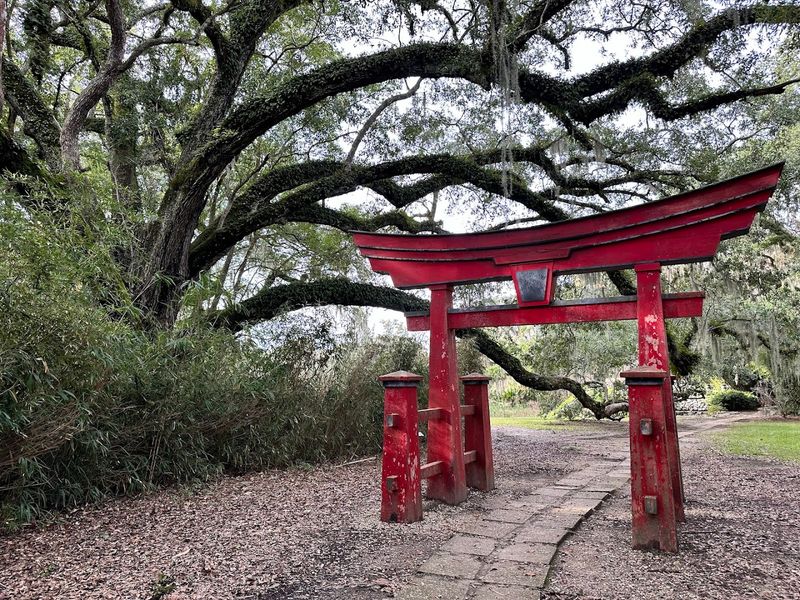
Beneath live oaks draped with Spanish moss, the pathways at Jungle Gardens lead children into a quieter, wilder side of Louisiana. The 170-acre property is located along Highway 329 on Avery Island, where families can travel through gardens, marshes, wooded areas, and bayou landscapes by car, bicycle, or on foot.
Seasonal flowers provide the most immediate color, but the wildlife often becomes the bigger attraction for young visitors. Turtles rest near the water, birds gather throughout the property, and alligators may occasionally appear along the marshy edges.
Bird City, created as a protected nesting area for snowy egrets, provides a natural opening for conversations about migration, habitat protection, and Louisiana’s wetland ecosystems.
A large centuries-old Buddha statue adds an unexpected cultural element among the subtropical plants. Its presence can encourage children to think about how objects travel, why people create gardens, and how landscapes can hold stories from more than one place.
Because most of the experience takes place outdoors, bring water, sun protection, insect repellent, and comfortable shoes. The nearby TABASCO facilities can also be included in the day, allowing families to connect plants, agriculture, manufacturing, geography, and one of Louisiana’s most recognizable products in a single trip.
10. Audubon Zoo
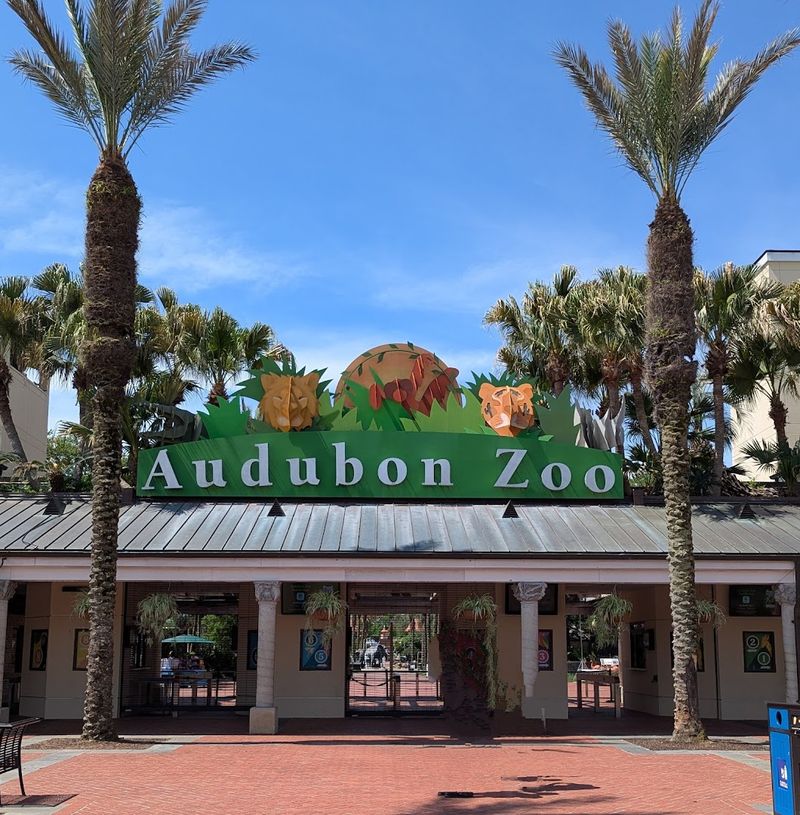
Inside Audubon Park at 6500 Magazine Street in New Orleans, children can move from African grasslands to South American habitats without leaving the city.
The broad pathways and carefully organized exhibits make Audubon Zoo manageable for families, camps, and larger school groups, even when everyone arrives with a different favorite animal.
One of the most valuable stops for Louisiana students is the Louisiana Swamp exhibit. Alligators, black bears, raccoons, reptiles, and other regional species help children understand that important wildlife does not exist only in distant rainforests or savannas.
Familiar wetlands become ecosystems worth examining rather than scenery passed from a car window.
Elsewhere, giraffes, elephants, primates, big cats, birds, and smaller animals introduce questions about adaptation, diet, communication, and conservation. Keeper presentations and scheduled encounters can add context, while signs around the habitats give adults useful prompts for turning observation into conversation.
The zoo requires plenty of walking, so groups should plan breaks instead of trying to see everything at once. Shaded areas and water stations help during warmer months, while the seasonal Cool Zoo water park can provide a welcome ending to a summer visit.
Let children choose several priority animals before arriving; focused curiosity usually creates a better field trip than rushing through every section.
9. Global Wildlife Center
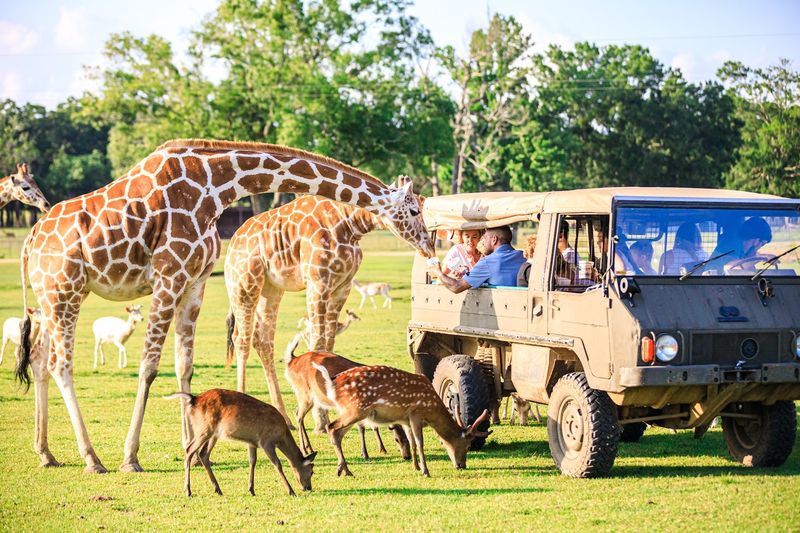
Rolling countryside replaces traditional cages at 26389 Highway 40 in Folsom, where more than 2,000 animals live across the expansive Global Wildlife Center property. Instead of walking from enclosure to enclosure, visitors ride through the preserve on a guided safari wagon or a smaller private tour vehicle.
The first close approach from a giraffe, camel, deer, or other curious animal usually changes the entire mood of the trip. Children who might tune out a long lesson become intensely interested when an animal stretches toward the wagon for food.
Guides use those encounters to explain where species originate, what they eat, how they behave, and why responsible wildlife care matters.
Because many animals roam freely, no two tours unfold in exactly the same way. Zebras may remain farther away while smaller hoofed animals gather around the wagon, or a giraffe may become the unmistakable star of the ride.
That unpredictability encourages children to watch carefully rather than wait for a scripted presentation.
Tours must be booked, and families should confirm feeding options, accessibility needs, weather policies, and arrival instructions in advance.
Closed-toe shoes, sun protection, and clothing suitable for an outdoor wagon ride are practical choices.
8. Alexandria Kid’s TREE House Museum
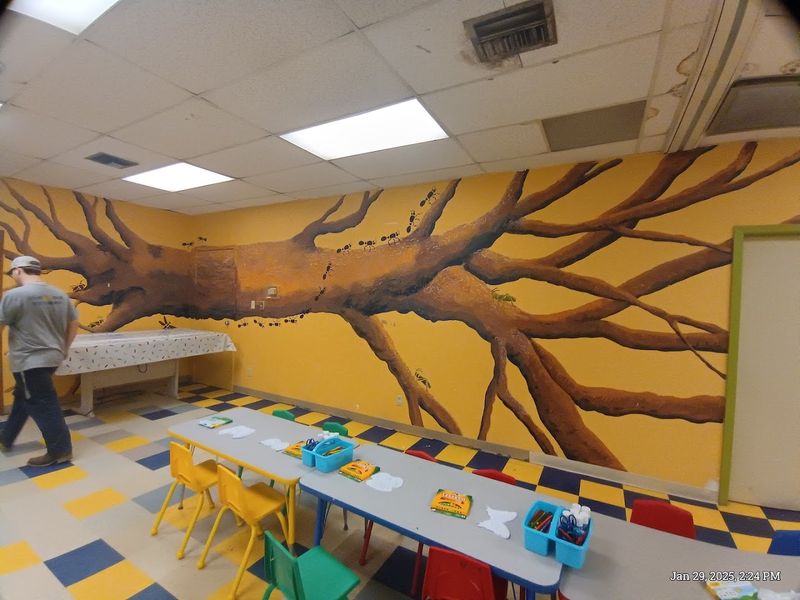
Behind the doors at 1403 Third Street in Alexandria, younger children are invited to touch, build, pretend, investigate, and make a little noise. The TREE House Children’s Museum is designed around exploratory play, making it particularly suitable for preschool and elementary-age visitors who learn best through movement.
Interactive exhibits introduce science, mathematics, art, communication, and everyday problem-solving without forcing children into a formal lesson. A building activity can become an early exercise in engineering, while a pretend workplace can encourage cooperation, vocabulary, and social confidence.
Because the museum rewards experimentation, children can try an idea, change it, and begin again without worrying about producing one correct result.
Its manageable scale is another advantage for field trips. Groups can rotate between short activities without crossing an overwhelming building, and adults can observe how different children approach the same materials.
One child may construct quietly while another immediately turns the exhibit into a shared game.
The grounds also include a playground and community garden, creating opportunities to divide the visit between indoor discovery and outdoor movement. Groups should contact the museum before arriving to confirm current hours, admission arrangements, and any available programming.
7. Louisiana Children’s Museum
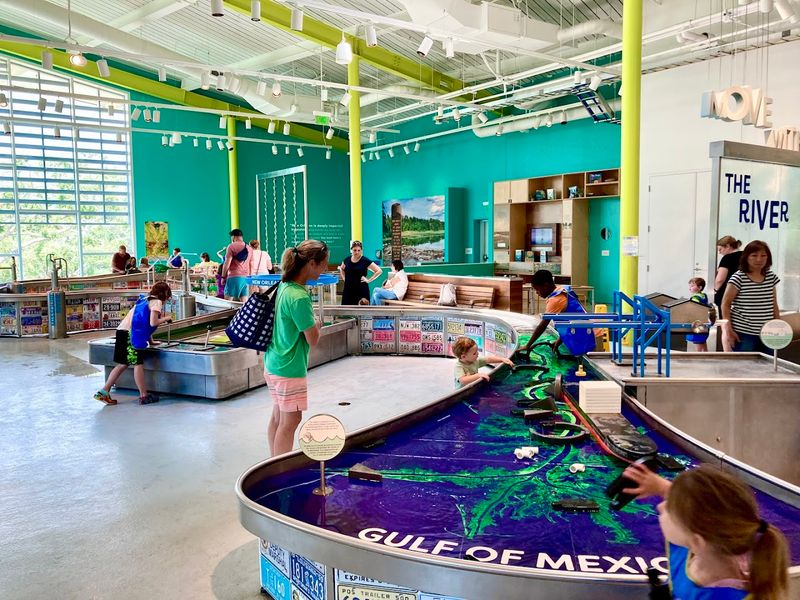
Surrounded by City Park at 15 Henry Thomas Drive in New Orleans, this 8.5-acre campus gives children room to explore both indoors and outside. The Louisiana Children’s Museum uses active play to connect literacy, environmental science, health, art, culture, and practical problem-solving.
Inside, the galleries are built for participation rather than quiet observation. Children can experiment with water, create structures, explore Louisiana-inspired environments, role-play familiar community activities, and investigate how systems work together.
The exhibits are layered carefully enough that preschoolers can enjoy the physical action while older elementary children begin noticing patterns, causes, and consequences.
Outdoor areas extend the experience into the surrounding landscape. The lagoon, paths, gardens, and play spaces make it possible to discuss water, plants, weather, and local ecosystems without separating those ideas from the larger museum visit.
That indoor-outdoor balance is especially helpful for energetic groups that need regular changes of pace.
A successful trip does not require completing every activity. Choose several galleries, leave time for free exploration, and allow children to return to something that caught their attention earlier.
Timed admission may be required, and adults should review current group policies before traveling.
6. Young Chefs Academy Baton Rouge
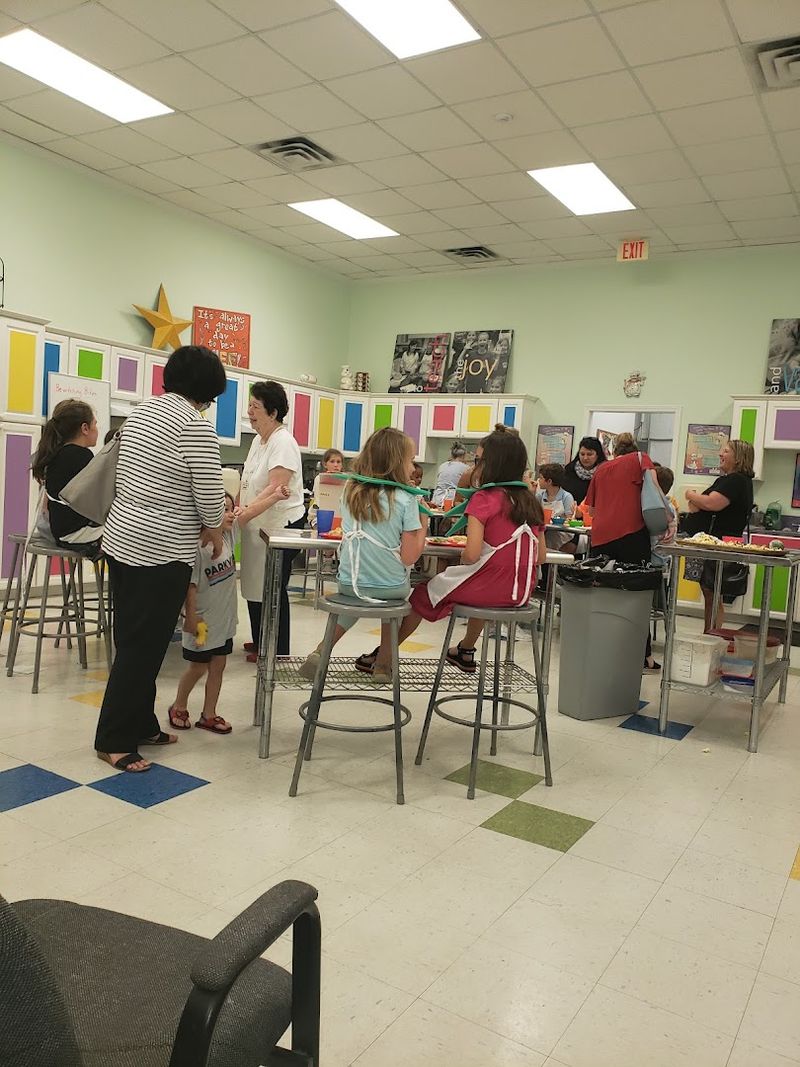
Aprons, measuring cups, and mixing bowls become classroom tools at 7970 Jefferson Highway, Suite E, in Baton Rouge. Young Chefs Academy turns cooking into a hands-on lesson where children practice mathematics, science, reading comprehension, organization, and teamwork before tasting the results.
Following a recipe requires more thinking than it first appears. Students must read instructions in sequence, measure ingredients accurately, divide portions, observe changes in texture, and understand how heat transforms food.
Even a simple dish can introduce fractions, chemistry, timing, and cause and effect in ways that feel immediately useful.
Instructors guide the process while emphasizing kitchen hygiene and age-appropriate safety. Children learn to prepare a work area, handle tools responsibly, clean as they go, and communicate when sharing equipment.
The final tasting gives them a clear reward, but the larger lesson is that preparation and patience affect the result.
Field trips and group experiences should be arranged directly with the Baton Rouge studio. Adults need to communicate allergies, dietary restrictions, ages, group size, and any accessibility needs well in advance.
Closed-toe shoes and comfortable clothing are sensible choices.
5. Sci-Port Discovery Center
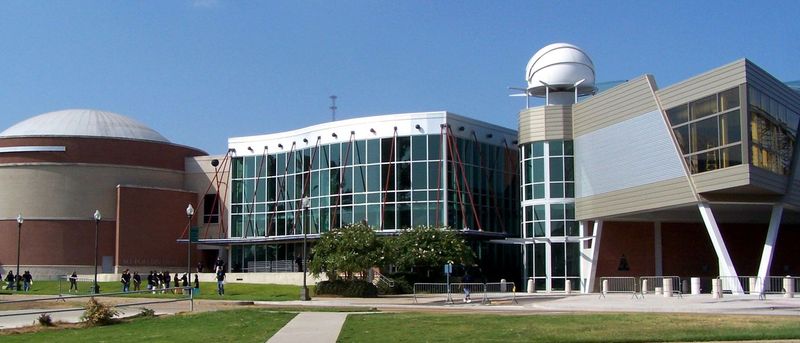
Along the Shreveport riverfront at 820 Clyde Fant Parkway, science becomes something children can push, spin, test, rearrange, and occasionally climb inside.
Sci-Port Discovery Center combines interactive STEM exhibits with large-format visual experiences and planetarium programming, making it a strong choice for groups with broad interests.
Rather than simply displaying scientific facts, many exhibits ask visitors to produce a result. Children can explore forces, motion, electricity, mathematics, engineering, anatomy, and environmental systems by changing variables and watching what happens.
That immediate feedback encourages the kind of repeated testing scientists actually use: try something, observe the result, adjust the approach, and test again.
Planetarium presentations add a different scale to the visit. Subjects that can feel distant in a textbook, planets, stars, space travel, light, and the movement of celestial bodies, become easier to imagine when projected across a dome.
Current show schedules should be checked before arrival because programming can vary. The center is large enough to fill several hours, but attempting everything may leave children overstimulated. Pick a few learning goals while preserving space for unplanned discovery.
Group rates and organized programs may be available with advance reservations, and parking is provided on site.
4. LARC’s Acadian Village
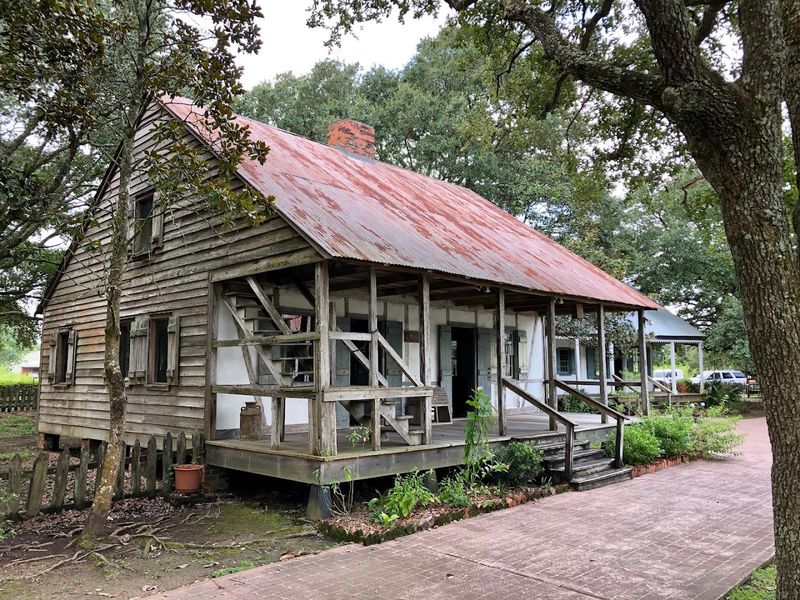
Across the grounds at 200 Greenleaf Drive in Lafayette, historic homes create a small community that feels separated from the modern city outside. LARC’s Acadian Village preserves and interprets nineteenth-century Acadian life through architecture, household objects, workshops, and cultural traditions.
Walking into an actual historic structure gives children information that photographs cannot. They can notice the height of a doorway, the size of a room, the materials used in construction, and the limited number of possessions a family might have owned.
Those observations help history become a question about daily life rather than a list of dates.
Depending on current programming, demonstrations and guided experiences may introduce traditional crafts, cooking, music, religion, farming, or household work. The village also creates opportunities to discuss the Acadian journey to Louisiana, adaptation to the local landscape, and the development of Cajun culture.
Adults can encourage children to compare every building with their own home or school.
Most movement between the buildings takes place outdoors, so weather preparation matters. Comfortable shoes, water, sun protection, and insect repellent can make the day considerably easier. Groups should reserve tours and confirm available demonstrations in advance.
3. USS KIDD Veterans Museum

Beside the Mississippi River at 305 South River Road in Baton Rouge, the museum complex introduces young visitors to naval history, military technology, and the experiences of Louisiana veterans. The shore-based Louisiana Veterans Museum remains open with exhibits representing different branches and periods of service.
Historically, the centerpiece has been the USS KIDD, a Fletcher-class destroyer that served during World War II and the Korean War. Walking through the ship normally gives children an unusually physical sense of naval life: tight passageways, compact sleeping areas, machinery, ladders, and equipment reveal how different daily routines were at sea.
The ship is currently away from Baton Rouge for a major overhaul, however, and the museum’s official site advises that only the land-based museum is available until it returns. Families and educators should verify its status directly before promising children that they will board the destroyer.
Virtual ship materials can help fill that gap while the restoration continues.
Inside the museum, artifacts, models, photographs, aircraft, memorials, and personal stories can support discussions about technology, geography, service, sacrifice, and the difference between studying conflict and glorifying it. Some military history can be emotionally heavy, so adults should frame material according to the children’s ages.
2. Audubon Aquarium
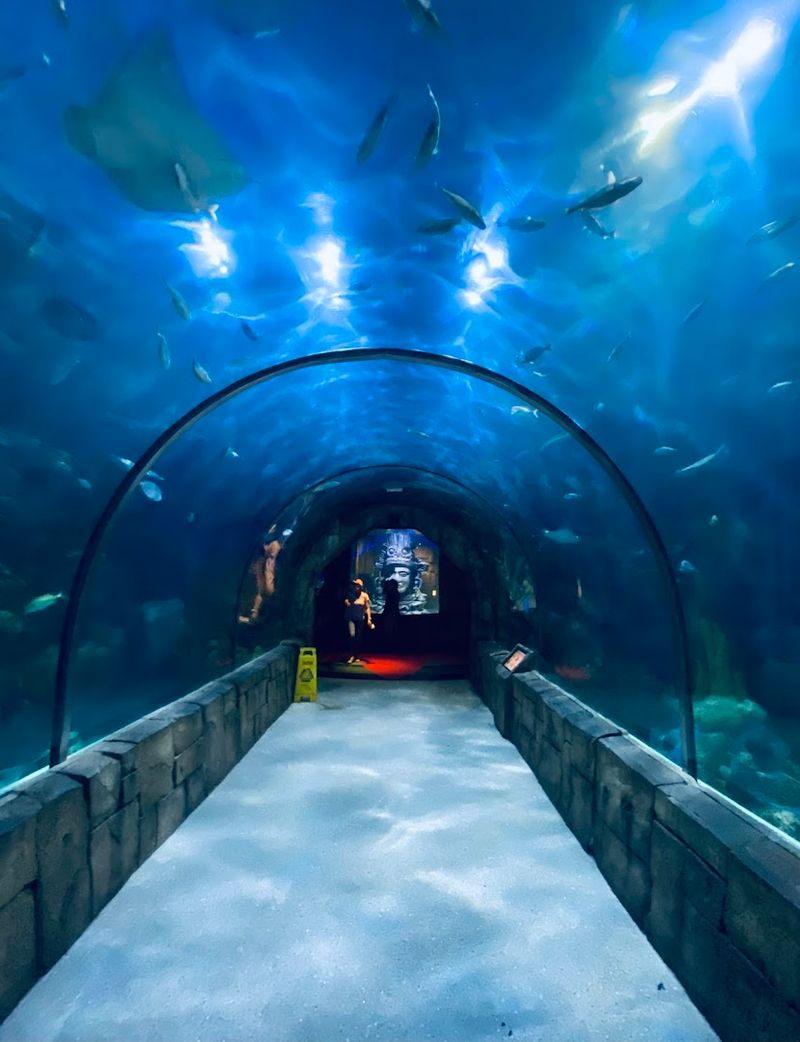
At the foot of Canal Street beside the Mississippi River, Audubon Aquarium brings marine and freshwater environments into the center of New Orleans. The entrance at 1 Canal Street leads children from regional waters to habitats that might otherwise require traveling far beyond Louisiana.
Large tanks allow visitors to observe how fish move individually and in groups, while reef environments reveal the density of life that can exist within a relatively small area.
Sharks, rays, sea turtles, penguins, jellyfish, and Mississippi River species provide natural openings for conversations about adaptation, camouflage, food webs, water quality, and conservation.
The strongest learning often comes from staying at one exhibit longer than expected. Children begin noticing details once the first excitement settles: which animals remain near the bottom, which move together, how mouths and fins differ, and what features help a species survive.
Keeper talks and feeding presentations can deepen those observations when available. The aquarium now shares its riverfront building with Audubon Insectarium, although entry arrangements may differ, so groups should check current ticket options before visiting.
1. Louisiana State Capitol
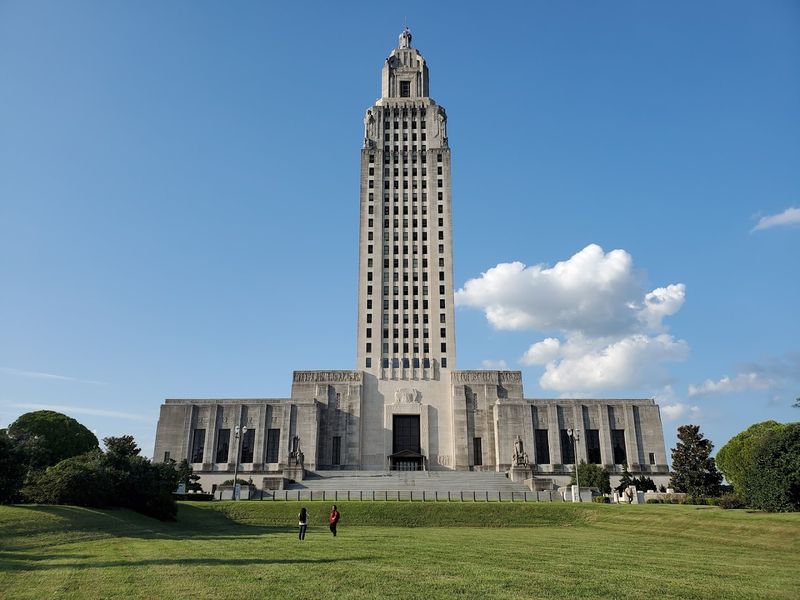
Rising above Baton Rouge at 900 North Third Street, the Louisiana State Capitol turns government into something children can physically enter and examine.
Its 34-story Art Deco tower looks nothing like the domed capitol many students expect, making the architecture itself an immediate lesson in how public buildings communicate authority and identity.
Inside, visitors can learn how the Louisiana House of Representatives, Senate, governor, and other state offices fit together. Legislative chambers, memorial spaces, historic details, and political stories help translate broad civics terms into actual rooms where decisions are debated and made.
The grounds add another layer to the visit. The monumental staircase identifies the states in the order they joined the Union, while sculptures, gardens, and the Huey P. Long memorial invite conversations about symbolism, leadership, public memory, and whose stories governments choose to preserve.
The observation deck has traditionally offered wide views of Baton Rouge and the Mississippi River, but it is currently closed for renovations. Groups should verify access, tours, security requirements, and legislative schedules before traveling. Government buildings may also have restrictions on bags and entry procedures.