The most unforgettable places are often the ones that never make it onto the postcard rack. Utah is famous for its national parks, and fair enough, they earn the attention.
But beyond the crowded overlooks and packed trailheads, the state keeps a quieter collection of wonders for people willing to wander a little farther. These are the places locals talk about carefully: ancient rock art resting under desert light, warm springs that feel almost unreal after a dusty drive, sand dunes shaped by wind, and empty views that make you lower your voice without knowing why.
There is a different kind of thrill in finding a place that does not feel staged for visitors. It feels personal, like the landscape let you in on something.
Pack water, bring snacks, charge your camera, and leave room for surprise. Utah’s hidden corners prove the best adventures are not always the ones with the biggest signs.
1. Bear River Migratory Bird Refuge — Northern Utah
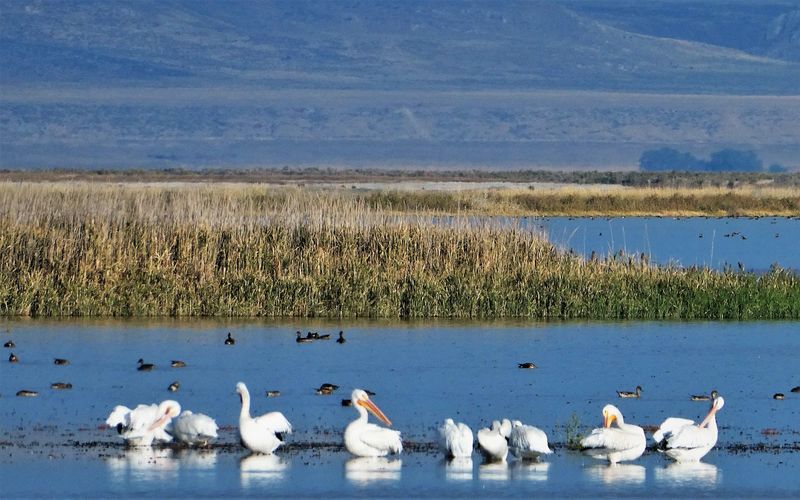
Mornings at Bear River feel like the whole world forgot to wake up except the birds. Located at 2155 W Forest St in Brigham City, this refuge is one of the largest freshwater marshes in the western United States, and it hosts an almost ridiculous number of bird species throughout the year.
The auto-tour route is the star attraction here. You roll slowly through miles of wetlands with your windows down, watching white pelicans glide overhead and avocets wade through the shallows.
Note that in 2026 the regular route is temporarily rerouted, but an alternate route stays open, so you will not miss out.
Bring binoculars because the birds are not always close, but when they are, the sightings are genuinely jaw-dropping. The refuge opens at sunrise and closes at sunset, which makes early arrivals especially magical.
There are no crowds fighting for the best views, just you, the marsh, and a few thousand birds doing their thing. It is the kind of place that turns a casual visitor into a lifelong birder without any warning.
2. Spiral Jetty — Great Salt Lake
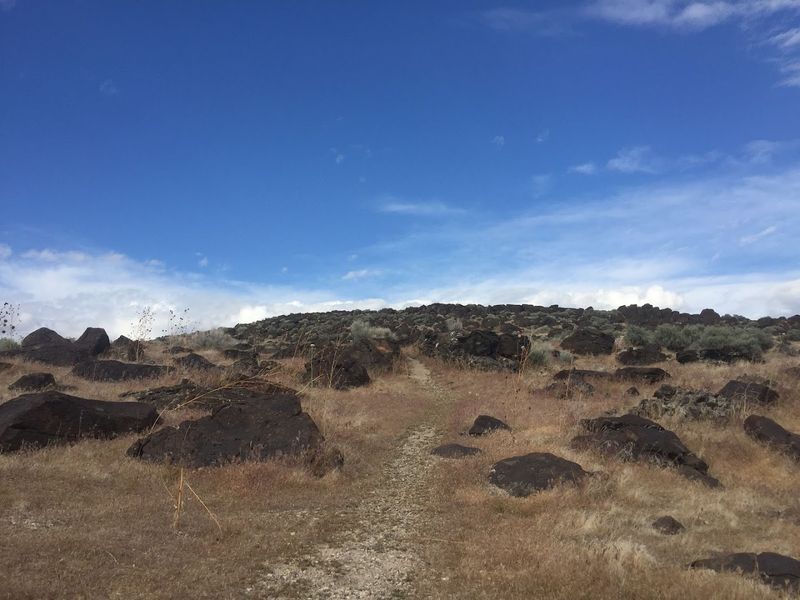
Robert Smithson built Spiral Jetty in 1970 using black basalt rocks coiled into the shallow edge of the Great Salt Lake, and it remains one of the most quietly astonishing things you can stumble upon in the American West. Getting here requires navigating gravel and dirt roads past the Golden Spike National Historical Park, using GPS coordinates 41.4377, -112.6683, because signage gets thin fast.
The lake water around the jetty often runs pink or rust-red depending on algae levels, which makes the black rocks look almost unreal against it. There are no bathrooms at the site, so plan accordingly before you leave the pavement.
Bring water, sunscreen, and a wide-brimmed hat because shade does not exist out here.
What strikes me most is how the remoteness actually adds to the experience. You earn this view.
The silence is enormous, broken only by wind and the occasional crunch of salt crust underfoot. Visiting on a weekday means you might have the whole jetty to yourself, which feels like a small miracle.
Pack enough curiosity and you will stay far longer than you planned.
3. Little Sahara Recreation Area — West-Central Utah
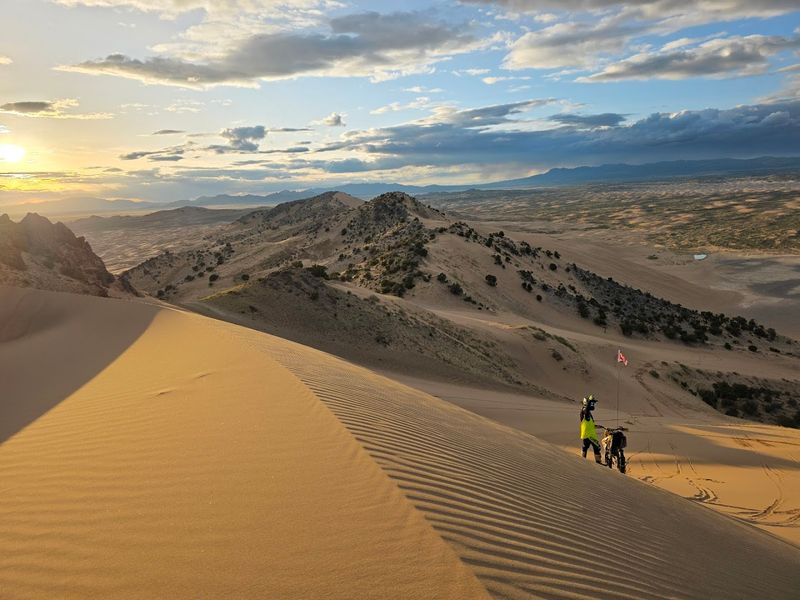
Somewhere between Provo and nowhere in particular, a chunk of the Utah desert decided to become a miniature Sahara. Little Sahara Recreation Area, located at 27020 W Sand Mountain Rd in Eureka, covers about 60,000 acres of wind-sculpted sand dunes that rise high enough to make your legs burn on the way up.
This place is a beloved playground for OHV riders, but hikers and sandboarders show up too and carve out their own fun. The BLM lists the area as always open, with campgrounds and many facilities currently operating, making it an easy overnight option if you want to catch the dunes at sunrise before the engines start up.
Families with older kids tend to go absolutely wild here. There is something deeply satisfying about climbing a sand dune under your own power and then tumbling back down without consequence.
The soft landings make it forgiving, and the scale of the landscape makes you feel refreshingly small. My advice is to visit in spring or fall when temperatures are cooperative.
Summer heat turns the sand into a frying pan, and that is a lesson you only need to learn once.
4. Cascade Springs — Wasatch County
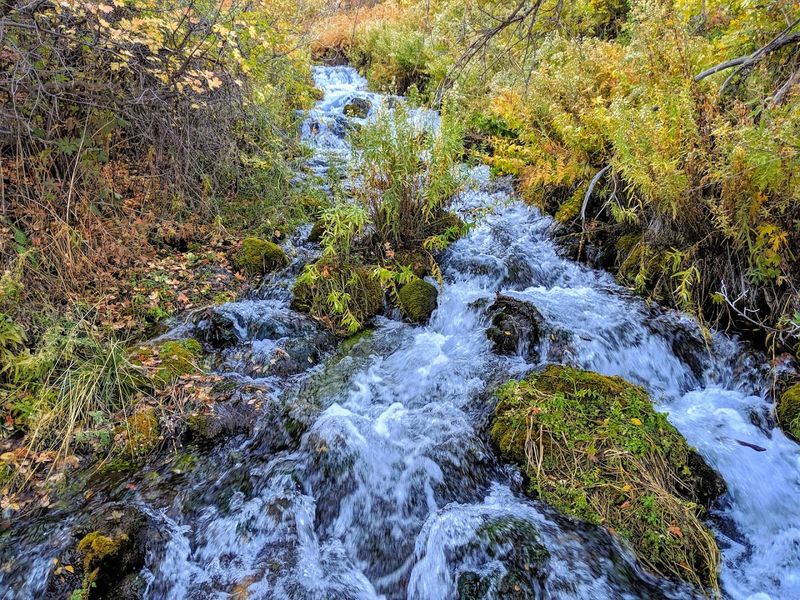
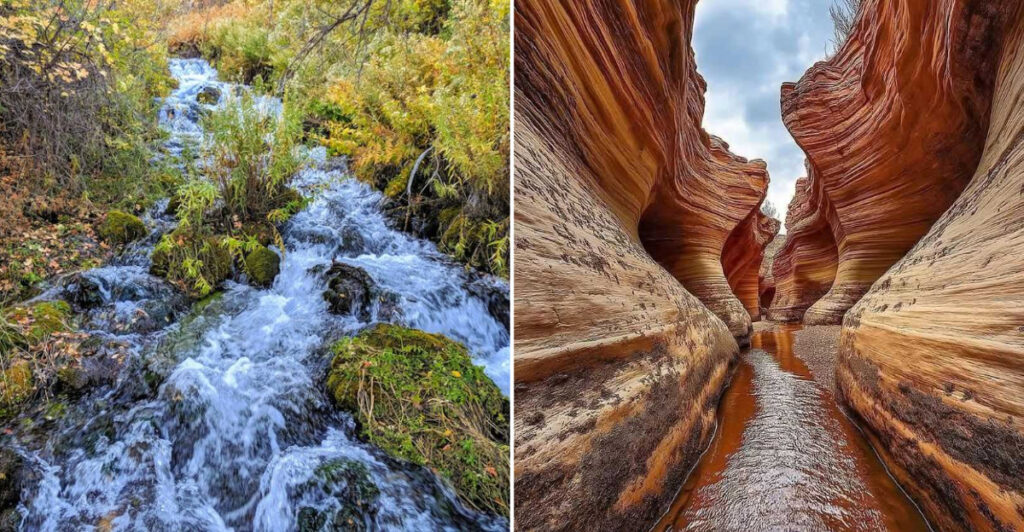
Cascade Springs operates like a secret the Wasatch Mountains have been keeping from the rest of the country. Tucked inside the Uinta-Wasatch-Cache National Forest near Midway along the Alpine Loop, this spot produces thousands of gallons of crystal-clear spring water every hour, spilling it down a series of terraced limestone steps covered in bright green moss.
The Forest Service lists hours as 6 a.m. to dusk, and the Cascade Springs gate is currently open according to Utah State Parks conditions. A short boardwalk loops through the springs, making it accessible for most visitors without requiring serious hiking gear.
The whole walk takes under an hour, but most people end up lingering much longer than they expected.
What makes Cascade Springs feel special is how lush and almost impossibly green it looks against the typically dry Utah landscape. Wildflowers crowd the banks in early summer, and the water is so clear you can count the pebbles on the bottom.
Bring a picnic and plan to sit beside the water for a while. This is the kind of quiet, restorative stop that resets your entire afternoon and reminds you why road trips are worth taking.
5. Parowan Gap Petroglyphs — Southern Utah
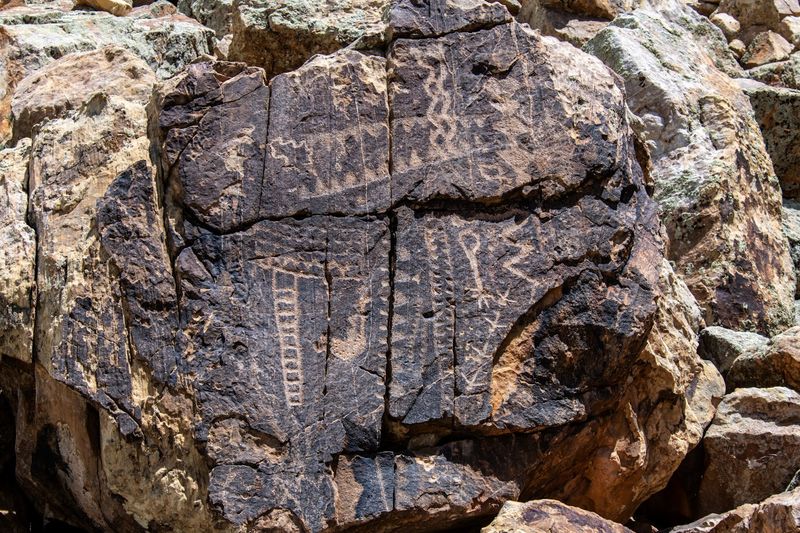
About 12 miles northwest of Parowan along Gap Road in Iron County, a natural notch cuts through a low ridge and reveals canyon walls covered in ancient carvings that have been there for thousands of years. Researchers believe Parowan Gap functioned as a solar calendar for Indigenous peoples, which gives the site a weight that a simple roadside stop rarely carries.
The practical setup here is unusually welcoming for a remote site. There is a parking area, a restroom, benches, a shaded pavilion, and interpretive panels that explain the symbols and their possible meanings.
GPS coordinates 37.909474, -112.984858 will get you there without drama. No fees, no reservations, no crowds on most days.
Walking along the base of the rock face and looking up at the spirals, lizards, and geometric shapes carved by hands long gone is a genuinely humbling experience. I find myself reading the interpretive panels twice because the information is that interesting.
Go in the morning when the light is low and the carvings cast shadows that make the details pop. Southern Utah is full of dramatic scenery, but Parowan Gap offers something rarer: a direct, quiet connection to the people who lived here first.
6. Red Cliffs Recreation Area — Near Leeds
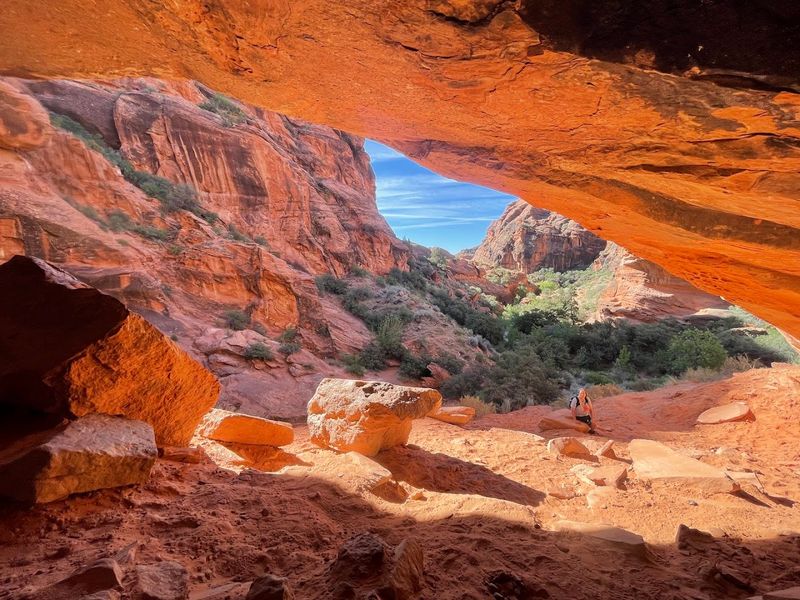
Tucked just off Interstate 15 near the small town of Leeds, Red Cliffs Recreation Area is the kind of place that makes you pull over and wonder why you have driven past it a dozen times without stopping. The address is West Red Cliffs Campground Rd, Leeds, UT 84746, and GPS coordinates 37.2240, -113.4050 will drop you right at the entrance.
Day-use areas are open year-round from sunrise to sunset, which makes spontaneous visits easy. Parking is limited, so weekdays offer a noticeably calmer experience than weekend afternoons when St. George day-trippers arrive in force.
The trails wind through layered red and cream sandstone formations that look like they belong in a painting rather than real life.
The area also protects habitat for the threatened Mojave desert tortoise, and spotting one on the trail feels like winning a small lottery. Spring wildflowers add another layer of color to an already vivid landscape.
Bring plenty of water because the sun reflects off the rock walls and raises the temperature noticeably above the shade. Red Cliffs rewards visitors who move slowly and look carefully, because the details tucked into the canyon walls are worth every unhurried minute you give them.
7. Gandy Warm Springs — Remote West Desert
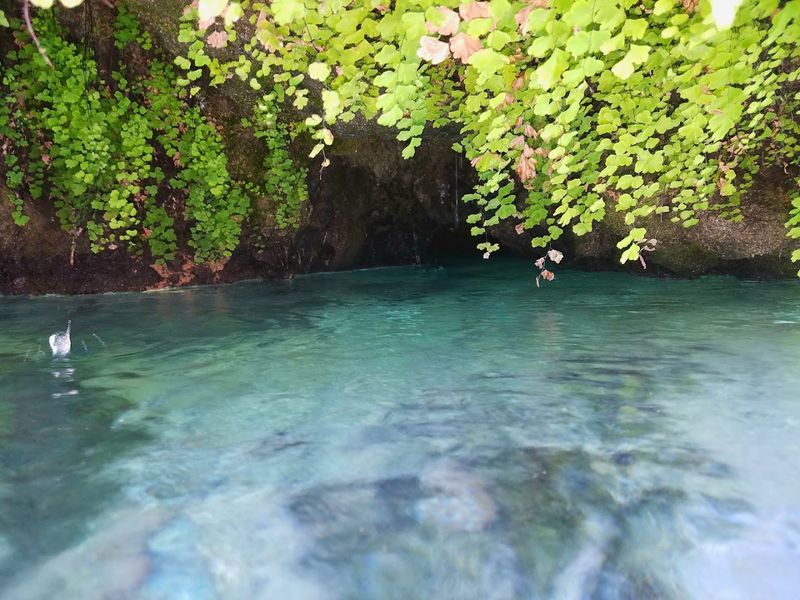
Few places in Utah reward effort the way Gandy Warm Springs does. Located near the tiny community of Gandy in Millard County, close to the Nevada border at GPS coordinates 39.460229, -114.036663, this remote oasis serves up warm spring pools, small waterfalls, and cave-like formations that feel genuinely otherworldly in the middle of the Great Basin desert.
The road to Gandy is manageable in dry conditions but can turn rough or muddy quickly after rain, so check the forecast before committing to the drive. A high-clearance vehicle is a smart choice rather than an optional luxury out here.
Plan your visit for spring or fall when temperatures are comfortable and the road is most reliable.
Once you arrive, the contrast between the surrounding arid landscape and the lush warmth of the springs is almost theatrical. The water stays warm year-round, fed by geothermal activity below the surface.
Locals have known about this spot for generations, and it has the relaxed, unhurried energy of a place that has never needed to advertise itself. Bring food, extra water, and a sense of adventure, because services are nonexistent nearby and that is precisely part of the appeal.
8. Fantasy Canyon — Eastern Utah
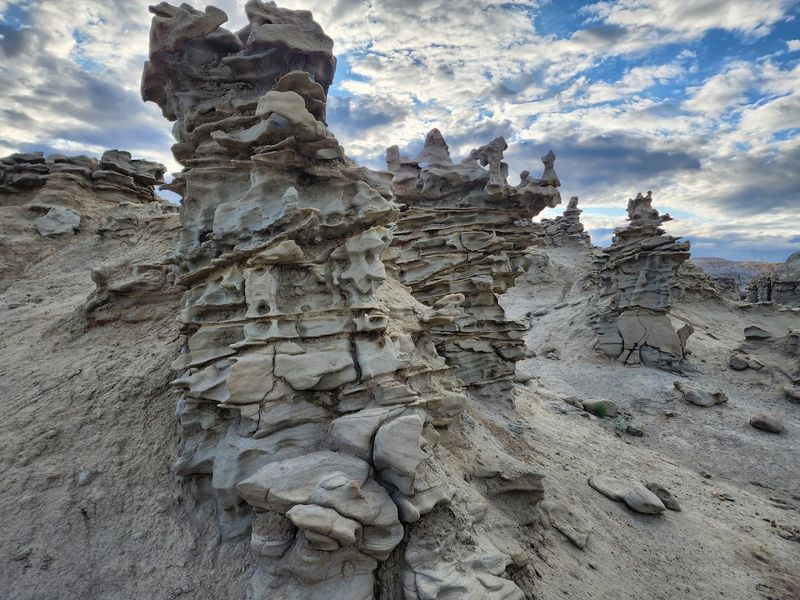
About 40 miles south of Vernal, a patch of BLM land holds one of the strangest geological sideshows in the entire state. Fantasy Canyon looks like a sculptor with an extremely active imagination went to work on pale sandstone and then walked away before finishing anything.
The spindly, eroded formations twist into arches, mushroom caps, and abstract shapes that seem structurally improbable.
The BLM lists Fantasy Canyon as open year-round with no entry fee, which is remarkable given how spectacular the scenery is. The managing office is the Vernal Field Office at 170 S 500 E, Vernal, UT 84078.
Because the sandstone formations are genuinely fragile, climbing on them is off-limits, and that rule deserves respect.
Visiting on a cloudy day produces especially dramatic photographs because the soft light eliminates harsh shadows and lets the texture of the rock show clearly. The canyon is compact enough to explore thoroughly in a couple of hours, making it a natural pairing with a Dinosaur National Monument visit if you are already in the Vernal area.
Fantasy Canyon earns its name completely, and the fact that so few people make the detour to see it only adds to the satisfaction of being one who did.
9. Nine Mile Canyon — Central-Eastern Utah
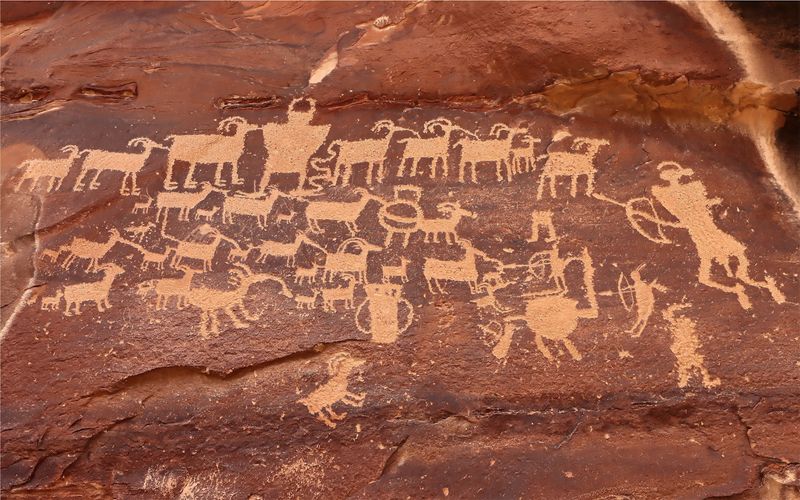
Nine Mile Canyon has been called the world’s longest art gallery, and once you drive its 46-mile length near Wellington and Price, that description stops feeling like an exaggeration. The canyon road is paved for most of its length, lined with sagebrush, and punctuated by hundreds of panels of Fremont-era rock art that appear around nearly every bend.
The BLM manages the area with picnic spots, restrooms, and zero entry fees, which makes it accessible for families working with any budget. GPS coordinates 39.55555, -110.6678 place you at the canyon entrance.
Allow a full day if you want to stop at the major rock art panels, because rushing through Nine Mile Canyon is a mistake you will regret on the drive home.
What I find most compelling about this place is the sheer density of history compressed into one road trip. Fremont people, Ute hunters, and early ranchers all left their marks here, layered on top of each other across centuries.
Bring a printed guide or download the BLM site information beforehand so you know which pullouts to prioritize. The canyon rewards patient, curious visitors who treat it as a destination rather than a shortcut between towns.
10. Willis Creek Narrows — Grand Staircase-Escalante
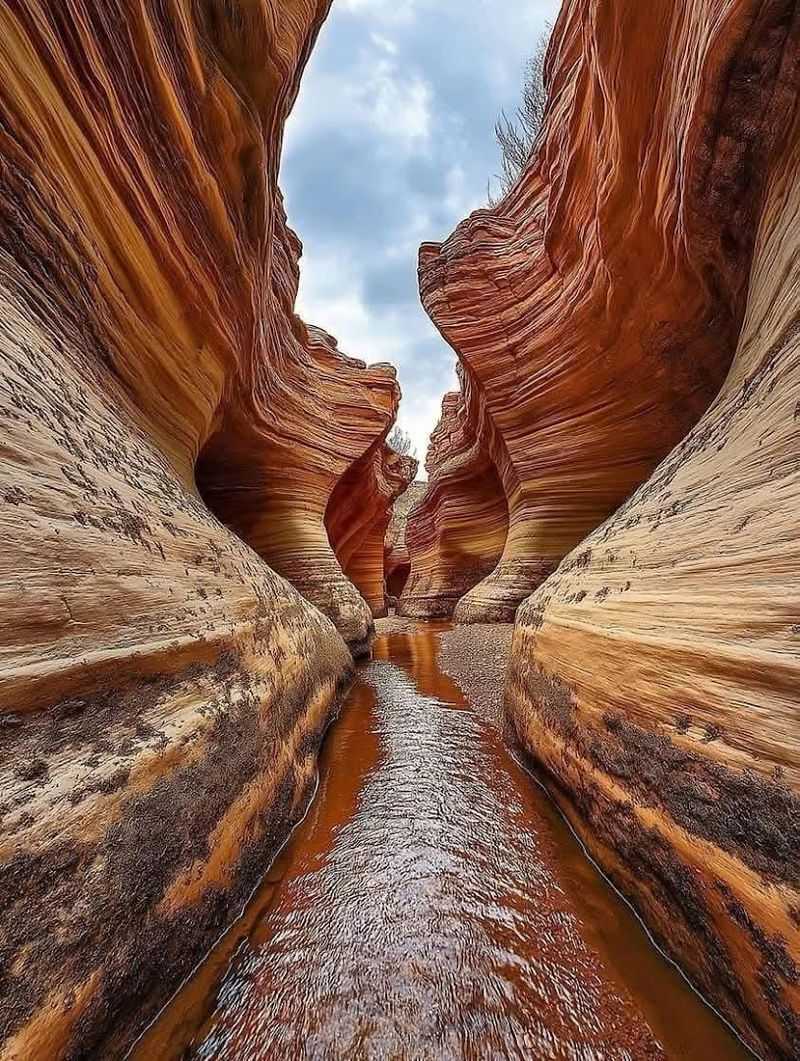
Willis Creek Narrows might be the most forgiving slot canyon in Utah, and that is not a backhanded compliment. Starting from the trailhead off Skutumpah Road in Grand Staircase-Escalante National Monument at GPS coordinates 37.481550, -112.096136, the hike follows a shallow creek through smooth, curving sandstone walls that rise high above your head without requiring any technical climbing or special gear.
No permit, no fee, and no reservation system stands between you and one of the most photogenic canyon walks in the state. The trail is accessible year-round, though Skutumpah Road turns treacherous when wet, so check conditions before heading out.
A dry-weather visit is non-negotiable if you are driving a standard passenger car.
The canyon walls shift color as you move deeper in, cycling through cream, orange, and deep rust depending on the light angle. Water in the creek stays shallow enough that waterproof sandals handle it comfortably for most of the route.
Families with younger children do this hike regularly because the terrain stays manageable throughout. Willis Creek is the rare slot canyon that delivers the full dramatic experience without demanding expert-level preparation, which is exactly why locals keep quietly sending their out-of-town guests straight here.