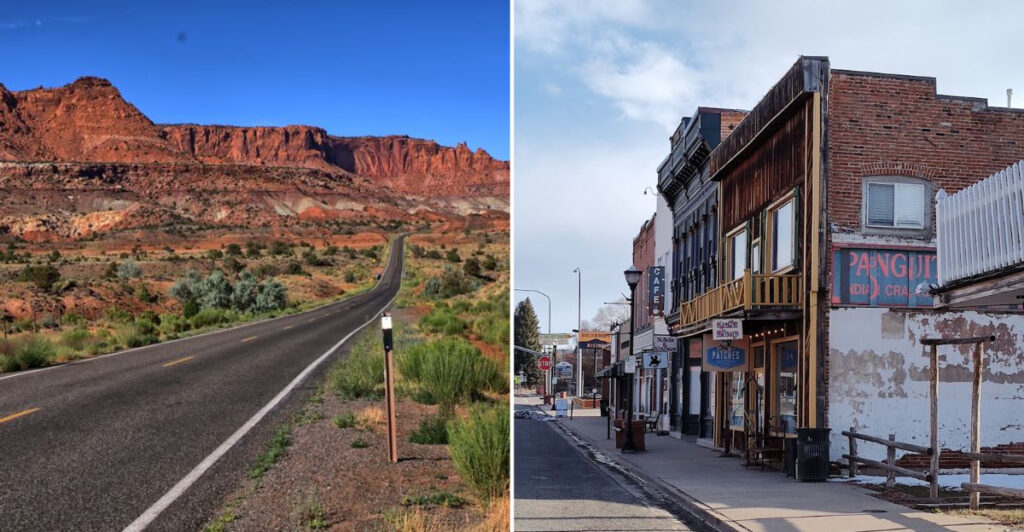
When valley temperatures make the dashboard feel like a warning label, elevation becomes the smartest summer plan. These twelve mountain towns trade blazing afternoons for pine-scented air, cool evenings, and nights that may have you reaching for a light jacket.
High above the heat, mountainous Utah reveals a calmer rhythm shaped by plateaus, forest roads, and glacier-carved basins. Some stops are familiar favorites, while others appear by accident, the reward for taking a turn that looked interesting on a paper map.
Pack a cooler, fill the tank, and leave room for spontaneous overlooks, roadside snacks, and one more scenic detour than expected. By the time the valleys are shimmering, the higher reaches of Utah are serving crisp breezes and temperatures that barely deserve complaining about.
This is not escaping summer. It is choosing the version with better views, quieter nights, and far less time spent arguing with the air conditioner.
1. Brian Head
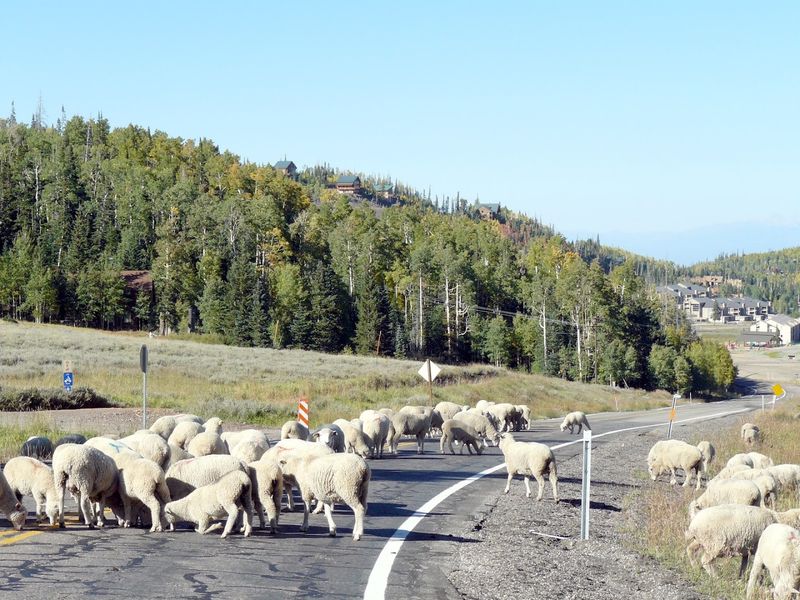
At nearly 9,800 feet above sea level, Brian Head holds an almost unfair advantage over the rest of southern Utah when summer arrives. While St. George bakes at triple digits, Brian Head sits inside Dixie National Forest wearing a light sweater and looking entirely unbothered.
The air here carries that particular mountain sharpness that makes you breathe deeper on purpose.
Cedar Breaks National Monument is practically a neighbor, and its amphitheater of red and orange rock formations looks extraordinary against the forest greenery of July and August. Hiking trails branch out in every direction, offering wildflower meadows and ridge walks with views stretching across three states on a clear day.
The town itself is small and unpretentious, which is exactly the point.
Brian Head works best as a two-night stay rather than a day trip. Arrive Friday evening, spend Saturday exploring Cedar Breaks, and let Sunday be slow and unhurried.
Temperatures in the upper sixties and low seventies during peak summer make outdoor meals genuinely enjoyable. This is Utah’s highest incorporated town, and it earns that distinction with every cool morning it delivers.
2. Duck Creek Village
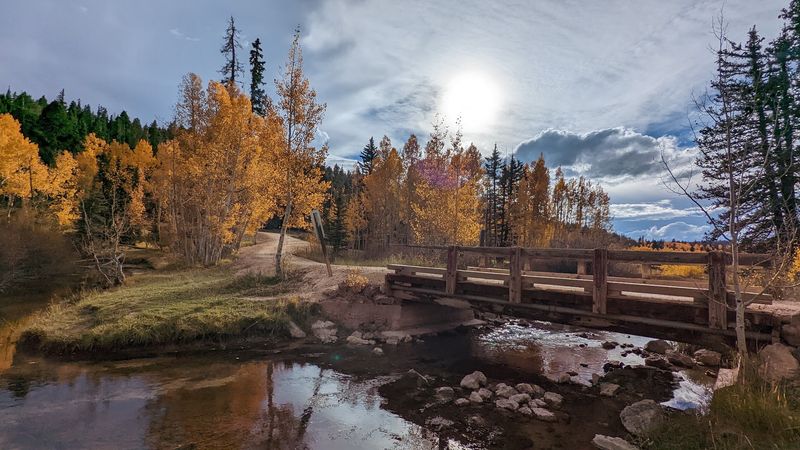
Duck Creek Village operates on its own quiet schedule, and that schedule involves almost no urgency whatsoever. Sitting atop the Markagunt Plateau in Kane County above 9,000 feet, this small summer hamlet is the kind of place where the loudest sound most mornings is a woodpecker working through its breakfast.
The pine and aspen forests surrounding the village create a natural canopy that keeps things noticeably cooler than the canyon country below.
The village draws anglers, hikers, and people who simply want a few days without a traffic signal. Navajo Lake and Duck Creek Pond are close enough for a morning fishing trip before the coffee gets cold.
Trails through the forest move at a gentle pace, rewarding walkers with elk sightings and stands of quaking aspens that shimmer with the slightest breeze.
What makes Duck Creek genuinely appealing is its lack of pretension. There are no luxury spas or curated experiences here, just honest mountain air and the satisfaction of sleeping under a heavy quilt in late July.
It is the kind of summer escape that people repeat for decades without feeling the need to explain why. Honestly, that says everything.
3. Scofield
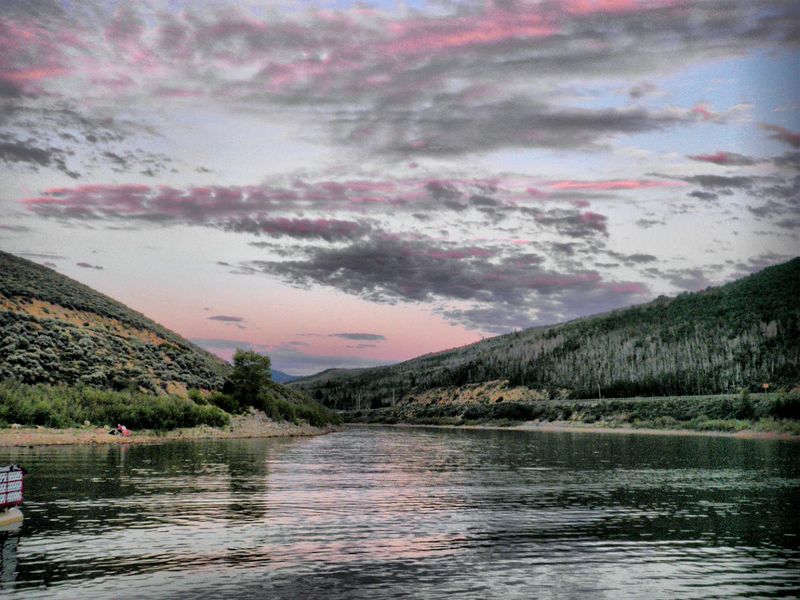
Scofield is the kind of town that rewards the traveler willing to leave the interstate behind and follow a two-lane road into the central Utah mountains. Sitting at roughly 7,733 feet beside its namesake reservoir, the area consistently ranks as one of the state’s cooler summer destinations, and the state park here actively promotes it as a relief valve from valley heat.
That kind of official endorsement from a state park feels oddly charming and completely warranted.
The reservoir itself is the main attraction, offering fishing for rainbow and brown trout in water that stays refreshingly cold well into summer. Boating, kayaking, and simply sitting on the bank watching the light change across the mountain ridgelines are all acceptable ways to spend an afternoon.
The surrounding terrain is open and unhurried, with none of the crowds that follow the more famous Utah parks.
Scofield State Park has camping facilities that fill up on summer weekends but rarely feel overwhelming. The evenings cool down quickly here, turning campfires from a romantic gesture into an actual practical necessity by nine o’clock.
For a central Utah escape that combines water recreation with genuine altitude relief, Scofield delivers without asking much in return.
4. Monticello
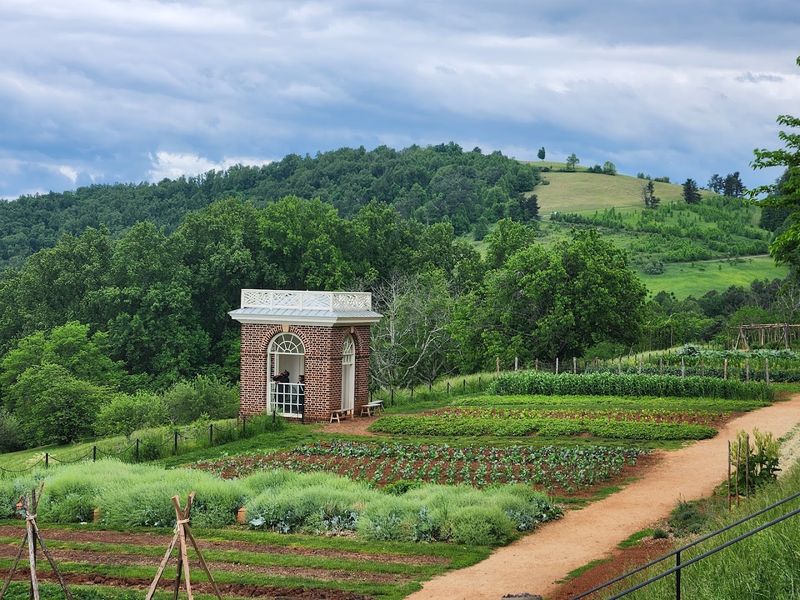
Monticello holds a geographic card that most people driving toward Moab never stop to appreciate. Perched beneath the Abajo Mountains in San Juan County at nearly 7,000 feet, this small town runs measurably cooler than the canyon country just down the road, where summer temperatures in Moab regularly push past one hundred degrees.
That temperature gap is not subtle; it is the difference between enjoying a meal outdoors and eating quickly so you can return to air conditioning.
The town itself has a modest, working-community feel that contrasts pleasantly with Moab’s tourism economy. Locals go about their lives in a way that makes visitors feel like guests rather than customers, which is increasingly rare in popular Utah destinations.
Mild summer rains cool things further during July and August, turning the surrounding landscape a shade of green that surprises first-time visitors expecting red rock from horizon to horizon.
Monticello works beautifully as a base for exploring Bears Ears National Monument and the Needles District of Canyonlands without sleeping in the heat. The Abajo Mountains offer forest drives and hiking trails that stay shaded and comfortable throughout the day.
Consider it the smarter, quieter sibling of the better-known towns nearby.
5. Torrey
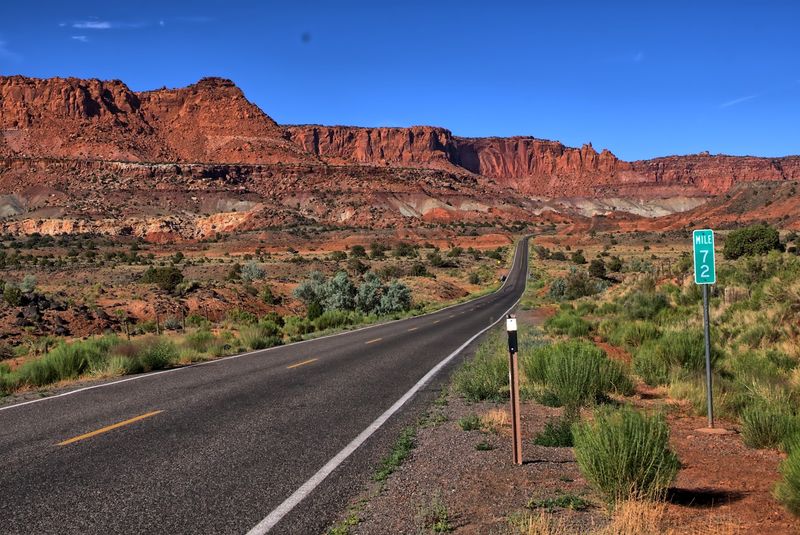
Torrey occupies one of the more dramatically positioned spots in all of Utah, sitting at the junction where high plateau country meets the red rock formations surrounding Capitol Reef National Park. At roughly 6,830 feet, it regularly runs ten to fifteen degrees cooler than many other southern Utah destinations, a fact that hikers emerging from Capitol Reef’s canyon trails in August appreciate with the kind of gratitude usually reserved for finding a parking spot.
The town has a small but genuinely good selection of lodges, inns, and restaurants that punch well above their weight for a community of this size. Boulder Mountain rises behind town and offers forested drives through aspen groves and past alpine lakes that feel like a different world entirely from the canyon scenery below.
Highway 12, one of America’s most scenic byways, begins essentially at Torrey’s doorstep.
Morning temperatures here are legitimately cool, occasionally requiring a jacket even in mid-July, which feels like a minor miracle after driving up from the St. George area. The sunsets over the red rock formations visible from town are the kind that make people stay an extra night without much internal debate.
Torrey is a place that earns its loyal repeat visitors quietly and completely.
6. Boulder
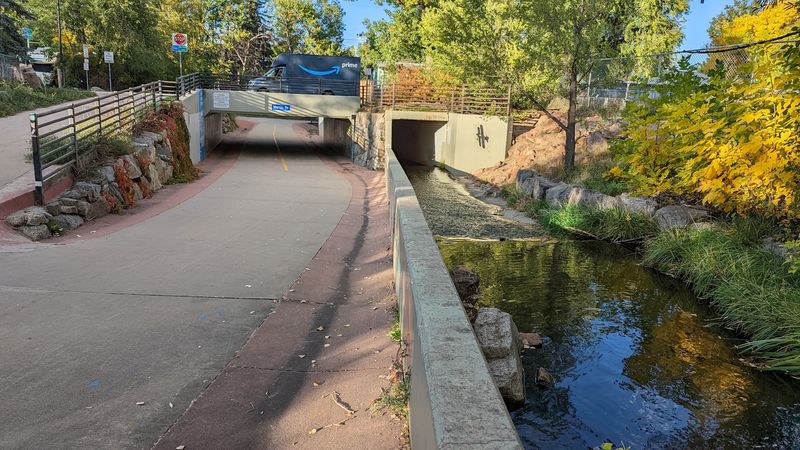
Boulder, Utah is the kind of place that makes you recalculate your assumptions about how remote a community can be while still having a world-class restaurant. One of the last towns in the continental United States to receive mail by mule, Boulder sits at around 6,600 feet between Grand Staircase-Escalante National Monument and the forested upper slopes of Boulder Mountain.
That isolation has preserved something here that more accessible places tend to gradually lose.
The elevation and surrounding forest keep summer temperatures notably more comfortable than the lower canyon country. Boulder Mountain itself rises above 11,000 feet and creates its own weather patterns, including afternoon thunderstorms that cool things further and turn the landscape a vivid, saturated green.
Anasazi State Park Museum in town offers an excellent window into the region’s deep human history without requiring a long drive.
Highway 12 passes through Boulder on its way between Torrey and Escalante, and many travelers treat it as a quick stop. That is a genuine miscalculation.
Boulder rewards the people who slow down, spend a night, and walk the trails that move through ancient ruins and across high slickrock benches with sweeping views in every direction. Give it more time than you think it needs.
7. Panguitch
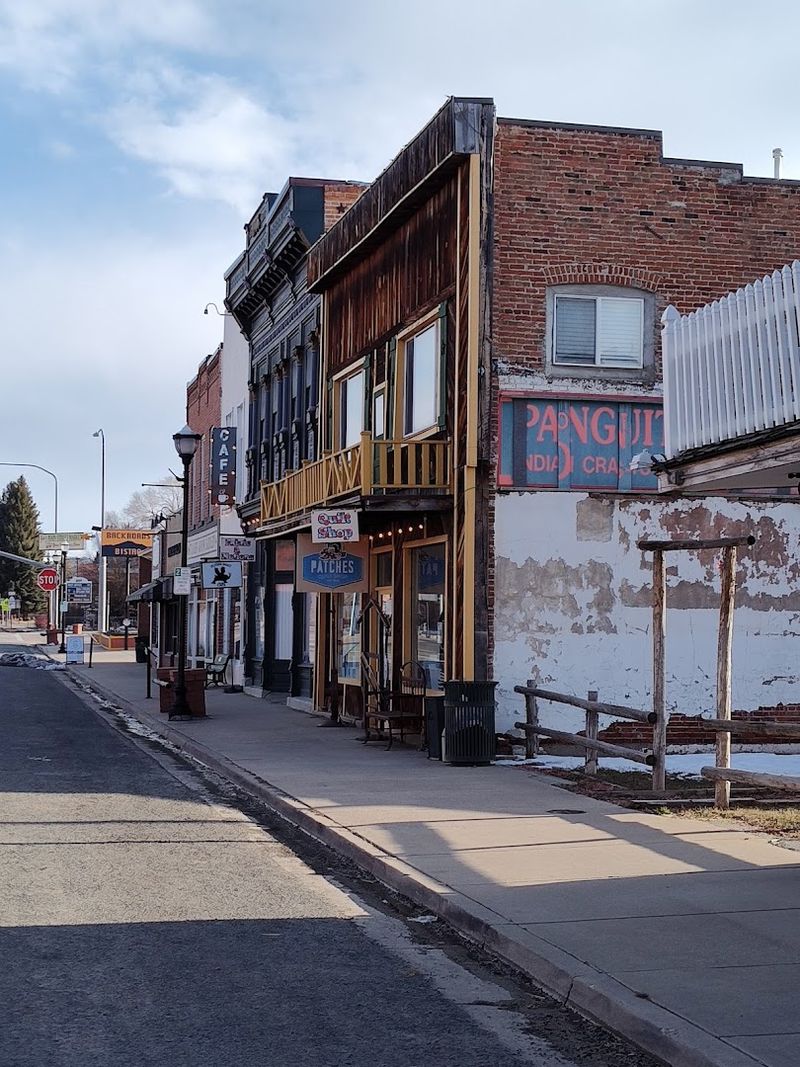
Panguitch has the comfortable, unhurried energy of a town that knows exactly what it is and has no interest in being anything else. At around 6,600 feet in Garfield County, it sits at an elevation that keeps summer temperatures genuinely manageable, and Panguitch Lake just up the road sits above 8,200 feet, providing an even cooler option for afternoons when you want to be near water.
The town’s brick pioneer architecture gives Main Street a character that feels authentic rather than manufactured.
Bryce Canyon National Park is only about twenty-four miles away, making Panguitch one of the most practical and affordable base camps for exploring the hoodoos without paying Bryce Canyon City prices. The motels and small hotels here are honest, clean, and refreshingly unpretentious.
A good meal and a short walk after dinner are entirely achievable without a reservation or a waiting list.
The annual Panguitch Quilt Walk Festival celebrates the town’s pioneer history every June, drawing visitors who appreciate local tradition over manufactured tourism. Summer evenings cool down quickly enough that sitting outside after dinner becomes one of the better decisions you make all day.
Panguitch is the dependable, underestimated option that experienced Utah travelers quietly rely on.
8. Manila
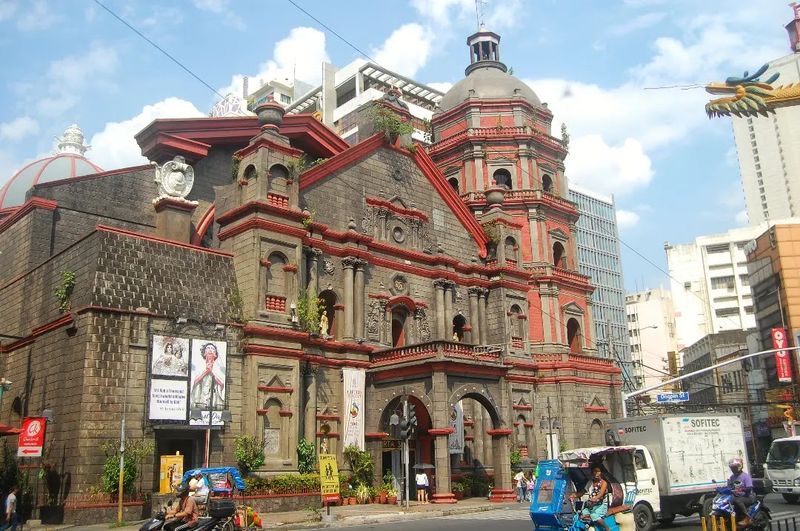
Manila sits in a corner of Utah that most road maps seem to treat as optional reading. This remote Daggett County town at roughly 6,375 feet overlooks the Flaming Gorge region, where the reservoir’s blue-green water cuts through dramatic red canyon walls in a combination that still catches experienced travelers off guard.
Cool evenings arrive early here, and the uncrowded nature of the surrounding landscape is the kind of thing that feels increasingly valuable.
Flaming Gorge National Recreation Area is the obvious draw, offering boating, fishing, and kayaking on water that stays cold and clear throughout summer. The Green River below the dam provides some of the best trout fishing in the region, drawing anglers who prefer solitude over Instagram crowds.
Wildlife sightings, including pronghorn, mule deer, and a reliable cast of raptors overhead, are common enough to feel expected rather than lucky.
Manila itself is small and practical, with enough services to support a comfortable stay without the commercial noise of larger tourist towns. The drive in from either Wyoming or the Uinta Basin is scenic enough to feel like part of the experience rather than a commute.
For a northeastern Utah escape that combines water, wildlife, and genuine quiet, Manila is the answer most people haven’t thought to ask for yet.
9. Oakley

Oakley occupies the kind of pastoral valley that makes you briefly question why you live wherever you currently live. A small ranching community on the Wasatch Back in Summit County, it sits east of Park City close enough for convenience but far enough to feel genuinely separate from the resort town’s energy and price points.
The western Uinta Mountains rise nearby, and access to reservoirs and shaded forest trails is quick and uncomplicated.
The town retains a working agricultural identity that gives it a grounded, unhurried pace. Cattle ranches line the valley floor, and the surrounding hills stay green well into summer thanks to the elevation and consistent moisture from mountain weather patterns.
Rockport State Park and its reservoir are just a short drive away, offering swimming, boating, and fishing for families who want water access without a long commitment.
Oakley also hosts a well-regarded rodeo each July that pulls in crowds from across the region and delivers exactly the kind of authentic western experience that curated tourist attractions spend considerable money trying to simulate. The Provo River corridor nearby is excellent for fly fishing and trail walking in cool, shaded canyon terrain.
Oakley is the Wasatch Back’s low-key reward for travelers who wander a few miles past the obvious exit.
10. Kamas
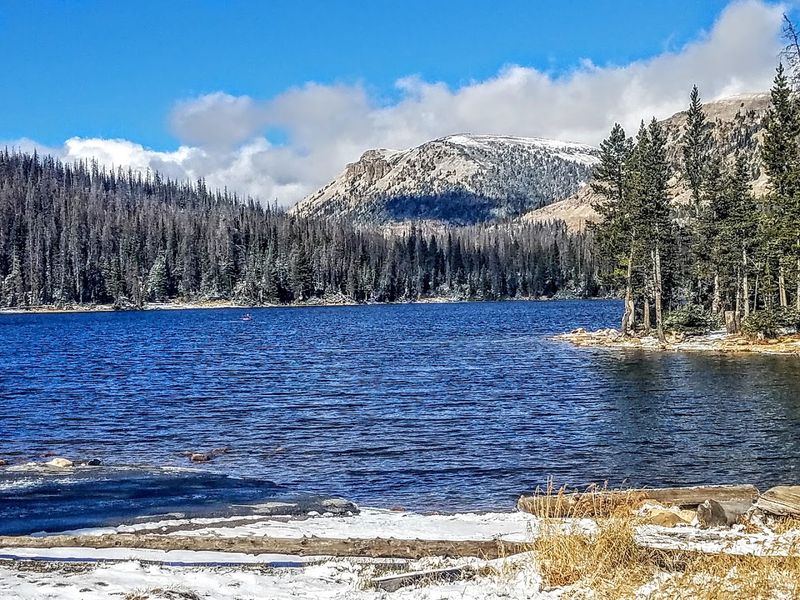
Kamas functions as the front door to the High Uintas Wilderness, and like all good front doors, it tells you something meaningful about what is waiting inside. Sitting in a high valley surrounded by the Uinta Mountains, the Wasatch range, and the upper corridors of both the Provo and Weber rivers, Kamas benefits from a mountain geography that keeps summer temperatures comfortable and the scenery consistently rewarding.
The air here carries that clean, slightly resinous quality that forests at altitude tend to produce.
Mirror Lake Highway begins in Kamas and climbs through one of the most spectacular mountain drives in the entire Intermountain West, passing alpine lakes, meadows full of wildflowers, and trailheads into the High Uintas Wilderness where Utah’s highest peaks wait for those with the energy and ambition to reach them. The drive alone, without leaving the car, is worth the trip from Salt Lake City.
The town itself is small and straightforward, with the practical services that support outdoor recreation without the boutique-hotel pricing of nearby Park City. Summer weekends fill the campgrounds along Mirror Lake Highway quickly, so early arrival is the move.
Kamas is the kind of place that serious Utah outdoors people treat as a baseline, returning season after season with the quiet confidence of someone who found the right answer early.
11. Garden City
Bear Lake’s famous turquoise color is the result of limestone particles suspended in the water, a geological quirk that makes the lake look borrowed from somewhere in the Caribbean. Garden City sits right on its western shore in Rich County at nearly 6,000 feet, and the combination of altitude and proximity to that enormous body of cold water keeps summer temperatures reliably in the seventies and eighties when much of Utah is considerably less comfortable.
The lake also generates its own cooling breezes that make afternoons on the water genuinely pleasant rather than merely survivable.
Raspberry shakes are the town’s unofficial currency, and the roadside stands along the main strip take this responsibility seriously. Bear Lake raspberries have a regional reputation that locals defend with the quiet confidence of people who know they are right.
Beyond the shakes, the lake itself offers boating, water skiing, paddleboarding, and swimming in water that stays refreshingly cold.
Garden City has a relaxed, family-friendly rhythm that peaks in summer without becoming overwhelming. The surrounding Rich County landscape offers drives through cattle ranches and into the Bear River Mountains for those who want something quieter than the lakefront.
It is the rare Utah destination where the food, the scenery, and the temperature all show up reliably at the same time.
12. Coalville
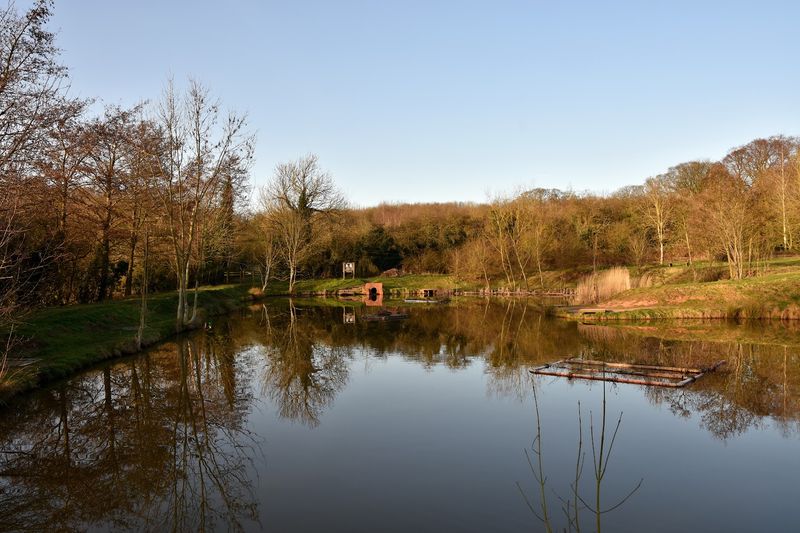
Coalville is what Park City looked like before the ski industry arrived and rewrote the script. The Summit County seat sits in a broad valley along the Weber River on the Wasatch Back, surrounded by mountain ranchland that changes color with the seasons in a way that rewards unhurried attention.
At its elevation in the high Wasatch country, summer temperatures stay noticeably cooler than the Wasatch Front below, and the surrounding landscape has the kind of open, honest beauty that doesn’t require a filter.
Echo Reservoir is just a few minutes away and offers boating and fishing in a setting that feels more like a well-kept local secret than a developed recreation area. The Weber River corridor provides excellent fly fishing and streamside walking in terrain that stays shaded and cool on summer afternoons.
For families who want water access without fighting for parking, Echo is the practical and underappreciated answer.
Coalville’s proximity to Park City, about fifteen miles over the hill, means that mountain biking trails, arts events, and restaurant options are all accessible without paying Park City lodging rates. The town has a genuine working-community character that makes it feel grounded in something real.
Sometimes the best mountain town is simply the one where the residents still outnumber the tourists by a comfortable margin.