One Utah town has roughly 600 full-time residents. Yet more than four million visitors a year roll past its front porches on the way to a national park.
That math blows my mind. It means a quick grocery run can turn into a traffic jam with license plates from 30 states.
Restaurant tables vanish by sunset, and parking feels like a competitive sport.
I love that people want to see these places. The scenery is wild, the history is rich, and the main streets are honestly charming.
But I can’t stop wondering what daily life looks like for the folks who actually live there.
So I went looking at the towns where the visitor boom is reshaping downtown the most. Some are red rock legends.
Others sit beside mountain lakes or historic courthouses. Which one would you guess has it the hardest?
1. Moab
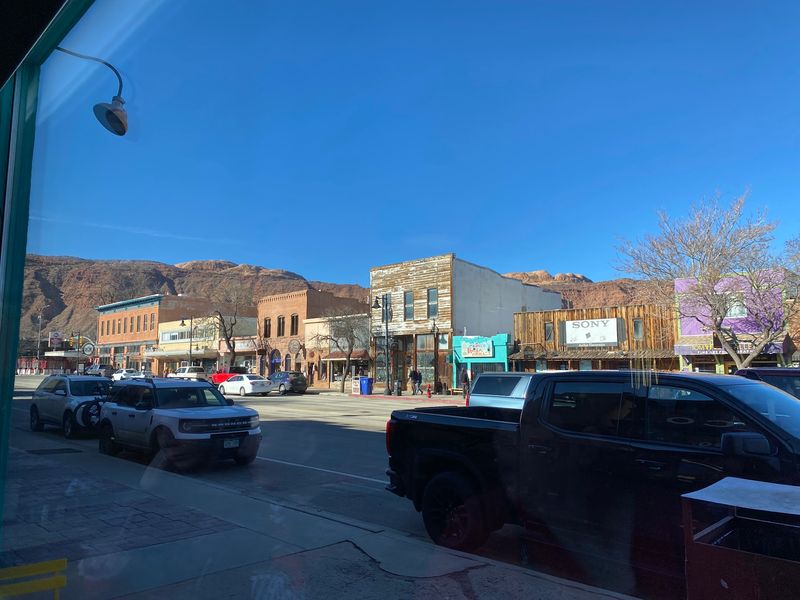
About 5,000 people call Moab home. Millions more show up each year with bikes, Jeeps, rafts, and very big plans.
The town sits next door to Arches and Canyonlands National Parks. That location is a blessing for business and a headache for anyone trying to cross Main Street at noon.
A 2025 survey found that 93 percent of locals called the volume of tourism a great deal. Ninety percent said visitors were pushing housing costs in the wrong direction.
Residents have also raised concerns about noise, congestion, and rising prices. Off-road engines echoing through town are a common sore spot.
Officials did not just shrug it off. In 2019, local governments stopped pre-approving new tourist lodging through use-by-right zoning.
Then in 2020, tourism leaders launched the Do It Like a Local campaign. The idea is simple: visit respectfully, tread lightly, and treat the town like a neighborhood instead of a theme park.
You can do your part by stopping at the Moab Information Center first. It offers recreation tips, lodging availability, and free lectures that help you plan smarter.
Arches has used timed entry reservations during busy months, so check before you go. Showing up early or visiting in the quieter season makes life easier for everyone, including you.
Moab was settled in 1878 and incorporated in 1902. It survived uranium booms and busts, so it can surely survive your patience in a coffee line.
Address: 25 E Center St, Moab, UT 84532, USA
2. Park City
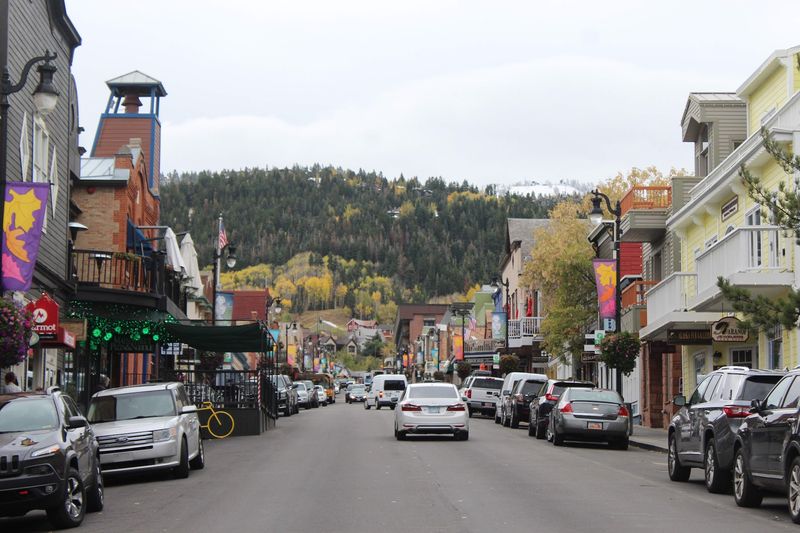
Silver built this mountain town, but skiing made it famous. Now roughly 8,300 residents share their streets with millions of visitors each year.
Park City was incorporated in 1884. Its first ski lift arrived in 1946, and the town never looked back.
Then came the 2002 Winter Olympics, which put the slopes on a global stage. The Sundance Film Festival also packed Main Street for decades, though it’s set to move to Boulder, Colorado, starting in 2027.
All that fame comes with a cost for locals. In a 2026 survey, 80 percent of residents said tourism hurts housing affordability.
Traffic is another frequent complaint, especially on powder days and festival weeks. Workforce housing is a huge concern too, since many people who serve visitors can’t afford to live nearby.
The city and Summit County adopted a sustainable tourism plan in 2022. It aims to balance the money visitors bring with the quality of life residents expect.
And visitors do bring money. Sales taxes from tourists cover an estimated 75 to 85 percent of local tax dollars.
Want to see the story behind the crowds? The Park City Museum on Main Street covers mining and ski history, with a historic territorial jail and a replica of the Kimball Stagecoach.
Hop on the free city bus instead of circling for parking. Your fellow drivers, and your blood pressure, will thank you.
Address: 528 Main St, Park City, UT 84060, USA
3. Springdale
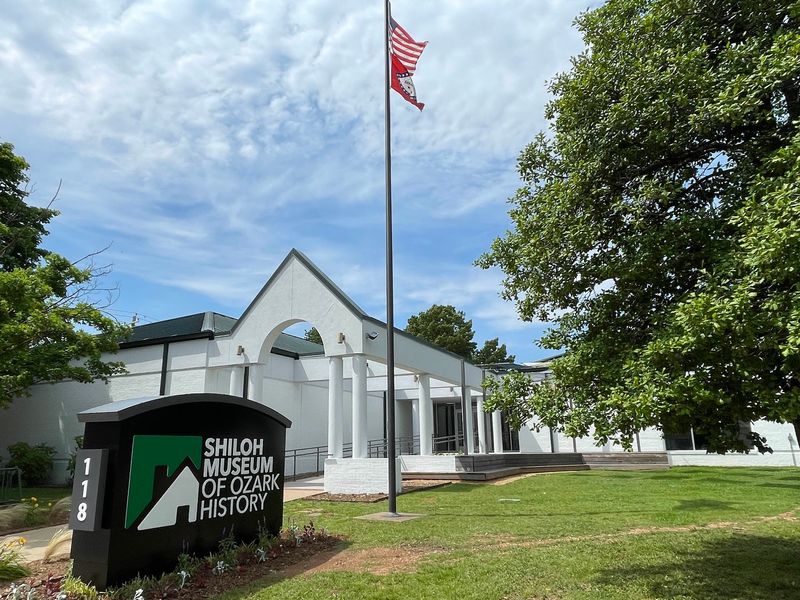
Just over 550 people live here full time. Nearby Zion National Park recorded nearly five million visits in 2025, bringing substantial tourist traffic through Springdale, its main gateway community.
Springdale is the main gateway to Zion National Park. For many travelers, it’s basically a parking lot with a gorgeous view.
When parking inside Zion fills up, drivers get pushed back into town. Shuttles can turn standing-room only on busy days.
Housing is the bigger struggle behind the scenes. Land values have reached as high as 2 million per acre, making this one of the priciest places to live in Utah.
That squeeze makes it tough for businesses to keep workers. If the barista commutes an hour each way, your morning latte has quite a backstory.
The town got its name in 1863 from a clear water spring. That small detail feels sweet next to today’s bumper-to-bumper reality.
Springdale asks visitors to follow Leave No Trace principles and support local shops. Walking or biking around town is also encouraged.
Here’s a smart move: park once and ride the free town shuttle to the park entrance. You’ll skip the parking hunt and keep one more car off a very crowded road.
Spend a little time downtown, too. Galleries, boutiques, and restaurants line the road, and treating them like more than a pit stop helps the town feel like a town.
Address: 118 Lion Blvd, Springdale, UT 84767, USA
4. Kanab
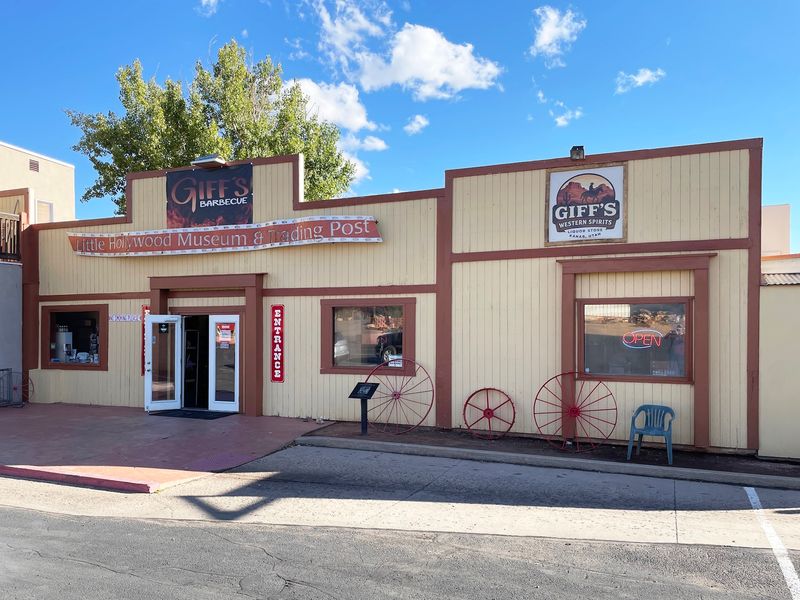
Cowboys once galloped across movie screens thanks to Kanab. The town earned the nickname Little Hollywood for its long run as a filming location.
Settled in 1864, it still leans into that Western heritage. Old film history shows up in museums, posters, and the historic Parry Lodge, where stars once stayed.
Today the bigger draw is location. Zion, Bryce Canyon, and the Grand Canyon’s North Rim are all within reach, so the town works as a base camp.
About 5,300 people live in Kanab. Kanab attracts an estimated two to three million visitors annually, which is a lot of strangers asking for directions.
Viral social media posts have made the crowds even bigger. Some famous nearby spots, like The Wave in Coyote Buttes North, require permits awarded by lottery.
Locals are widely known for being friendly to visitors. Still, more hotels and resorts are going up, and the city is planning new housing for residents.
Kanab is also pushing to revitalize its historic downtown. The goal is a center that serves residents and small businesses, not just passing tour buses.
Animal lovers might know Best Friends Animal Sanctuary sits just outside town. It’s a fun reminder that this place has more going on than scenery.
Try lingering an extra day instead of zooming through. Slower travel spreads out the crowds and gives you better stories than a blurry selfie.
Address: 10 W Center St, Kanab, UT 84741, USA
5. Midway
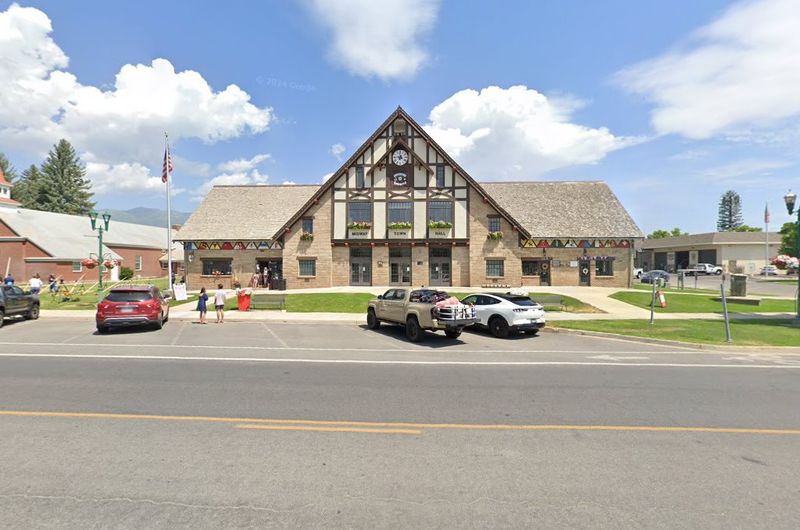
Swiss chalets in the Wasatch Mountains sound like a postcard mix-up. Midway pulls it off thanks to the Swiss settlers who shaped the town.
It was incorporated by 1891 and still celebrates that heritage with Swiss Days. The annual festival brings a huge craft market and plenty of visitors.
Outdoor fans come for skiing, hiking, and mountain biking. Many also want a soak in the Homestead Crater, a geothermal spring tucked inside a limestone dome.
Growth has been dramatic, too. The population has jumped almost 60 percent since 2010.
That surge makes the small-town feel harder to protect. City leaders are focused on keeping Main Street’s historic character intact as traffic climbs.
Ideas include redirecting through-traffic and improving pedestrian safety. Crossing the street shouldn’t feel like a video game level.
Housing is another puzzle. Hospitality workers often struggle to find places they can afford in the community they serve.
Residents tend to value long-term living over short-term tourism. And since local shopping is limited, many folks drive to bigger towns for errands anyway.
Planning a trip for Swiss Days? Consider carpooling or arriving early, and remember that the quiet streets you love are someone’s front yard the rest of the year.
Address: 75 N 100 W, Midway, UT 84049, USA
6. Heber City
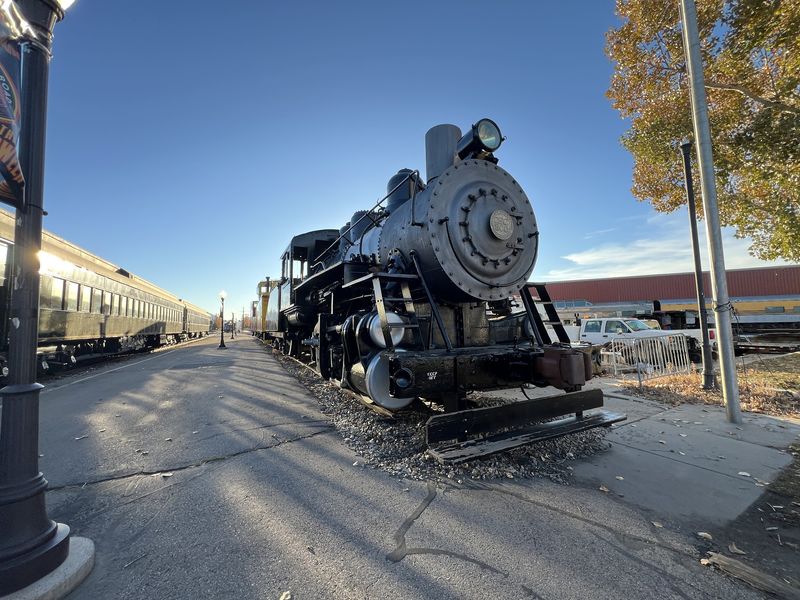
A steam train still chugs out of this valley. The Heber Valley Railroad is just one reason more travelers keep finding their way here.
Heber City was settled in 1859, and its downtown holds onto many historic buildings. Nearby, Deer Creek and Wasatch Mountain State Parks pull in campers, boaters, and hikers.
Main Street doubles as U.S. Highway 40, so heavy traffic rolls right through downtown.
Strolling between shops can feel a bit less charming with semis rumbling past.
The city’s Envision Central Heber plan aims to improve access to shops and restaurants. It also hopes to protect historic character while adding more attractions.
Not everyone loves the idea of extra tourism. Some locals worry a busier downtown could raise living costs and push long-time residents out.
A bigger wave is coming, too. Deer Valley’s East Village expansion is expected to triple tourism job demand in the area.
That means workers will need affordable housing and better transit options. Without them, commutes and traffic could get even messier.
The Heber Valley Chamber has a strategic plan running through 2034. It focuses on sustainable growth and giving residents a stronger voice.
Visiting soon? Swing by the Heber Market on Main for a local feel, and try to time your drive outside rush hour.
Address: 75 N Main St, Heber City, UT 84032, USA
7. Hurricane
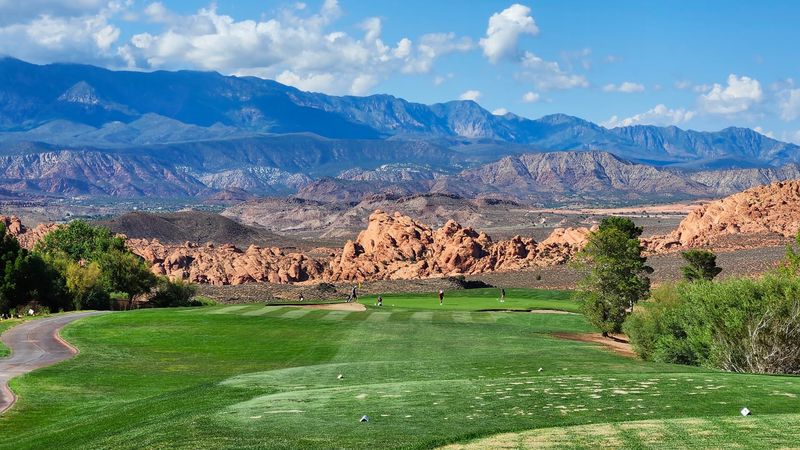
Peaches put this town on the map long before OHVs did. Hurricane still celebrates its orchard roots with the annual Peach Days festival.
These days, the town sits on a busy path toward Zion National Park. Sand Hollow State Park is also close, drawing boaters, campers, anglers, and off-road riders.
All that traffic adds up fast. Hurricane is one of the faster growing communities in southern Utah, and development pressure shows it.
Large tracts of land have been rezoned from residential agriculture to resort and commercial uses. That’s a big shift for a place known for orchards.
The city is also updating its Master Transportation Plan. More cars on local roads mean planners have plenty of homework.
Vacation rentals are common enough to need special rules. Owners must apply and pass yearly fire inspections.
Some locals have said the historic downtown could use more variety. They’d love more independent restaurants instead of chains.
You can help with that one. Skip the drive-through and hunt down a locally owned spot after your day at Sand Hollow.
History fans can visit the Hurricane Valley Pioneer Heritage Park and museum. It’s a fun way to see the town before the trailers and side-by-sides arrived.
Address: 147 N 870 W, Hurricane, UT 84737, USA
8. Garden City
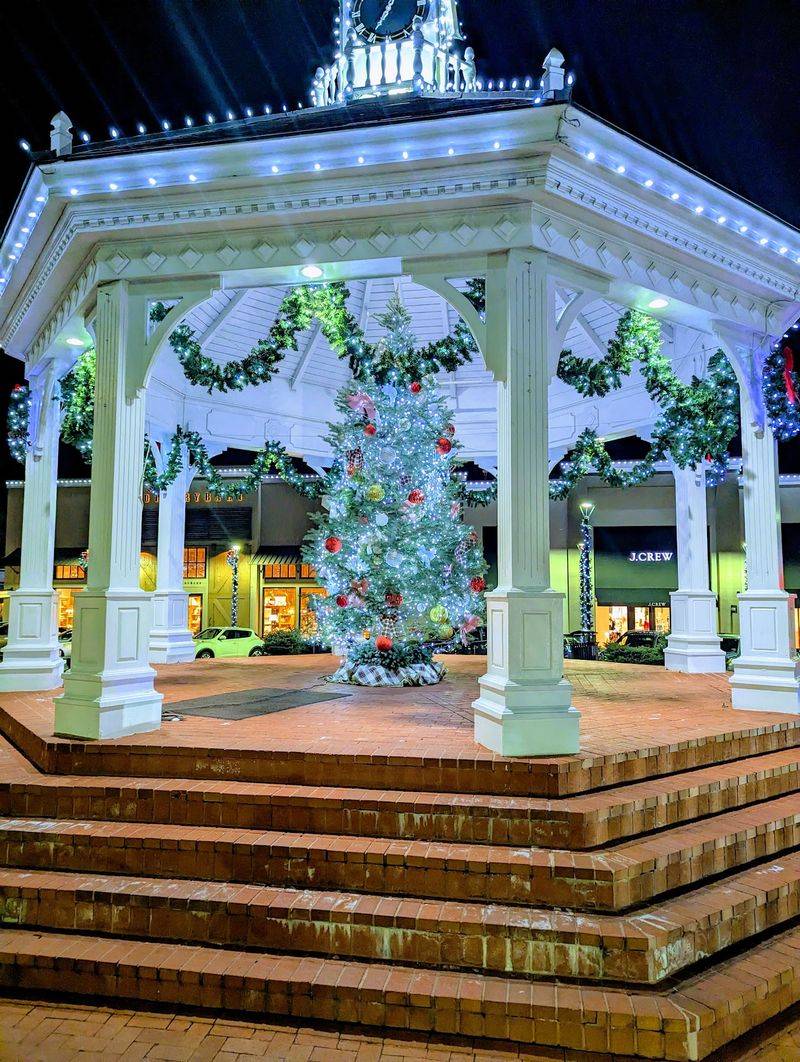
Turquoise water in northern Utah sounds made up. Bear Lake is so bright that people call it the Caribbean of the Rockies.
Garden City sits right on its shore. Founded in 1877, the town turns into a summer magnet for swimmers, kayakers, anglers, and golfers.
During peak season, tourists can swell the population up to tenfold. Imagine your quiet street suddenly hosting a small city’s worth of beach towels.
Raspberry Days alone draws tens of thousands of visitors each summer. And yes, the famous raspberry shakes are a big part of the fun.
Residents have voiced real concerns about the boom. Short-term rentals and rising housing costs are changing who lives next door.
Many locals say they’ve lost connection with neighbors. Some feel new development serves wealthy visitors more than year-round families.
The lake itself feels the pressure, too. People worry about how heavy use affects the local ecosystem.
The town’s 2023 General Plan tries to strike a balance. It recognizes tourism’s value while aiming for growth that fits residents’ values.
Want a better trip? Visit midweek or in early fall, pack out your trash, and enjoy that shake without the parking chaos.
Address: 69 N Paradise Pkwy, Garden City, UT 84028, USA
9. Logan
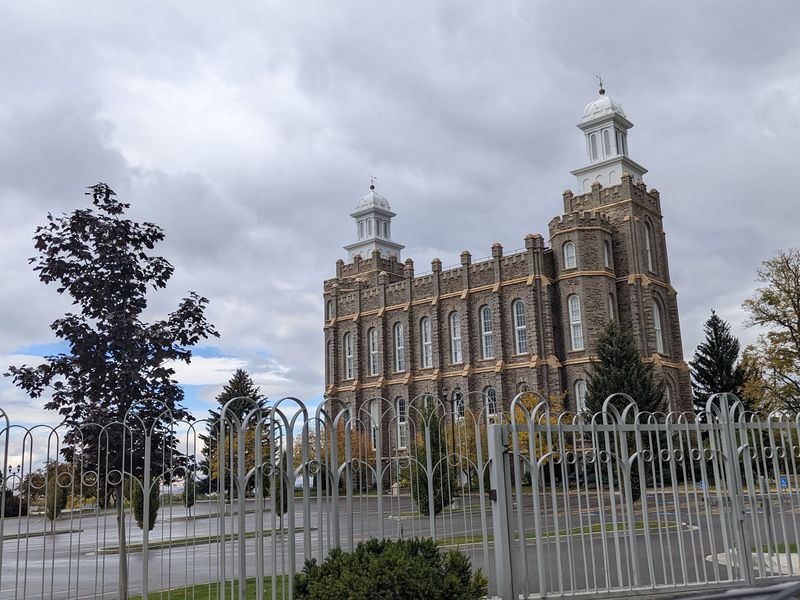
A college town, a farm town, and a culture hub walk into a valley. That’s Logan, and more people are noticing the mix.
Hotel occupancy rose 14 percent in early 2026. Around 200,000 summer visitors are expected in the downtown historic district.
The historic Cache County Courthouse on Main Street houses the visitors bureau. Stop there for walking tour info before exploring.
Downtown is packed with shops, galleries, and restaurants. The Ellen Eccles Theatre hosts the Utah Festival Opera and Musical Theatre each summer.
Growth is bringing investment in parks and bike paths. That part sounds great for locals and visitors alike.
Logan Canyon tells a more complicated story. Environmental advocates point to fewer bird nesting sites, more illegal camping, and trail erosion.
Utah State University adds its own energy to the mix. Students, game days, and graduation weekends can fill restaurants quickly.
The Logan Downtown Alliance has worked since 2003 to protect the area’s character. Its goal is a downtown that still feels like home for residents.
Heading up the canyon? Camp only in designated sites and stay on trails, because the birds were here first.
Address: 199 N Main St, Logan, UT 84321, USA
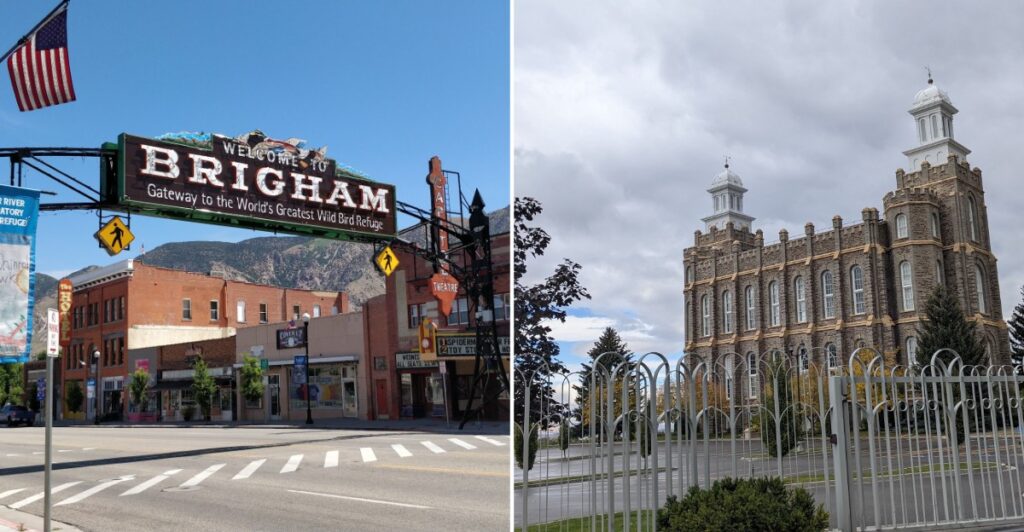
10. Brigham City
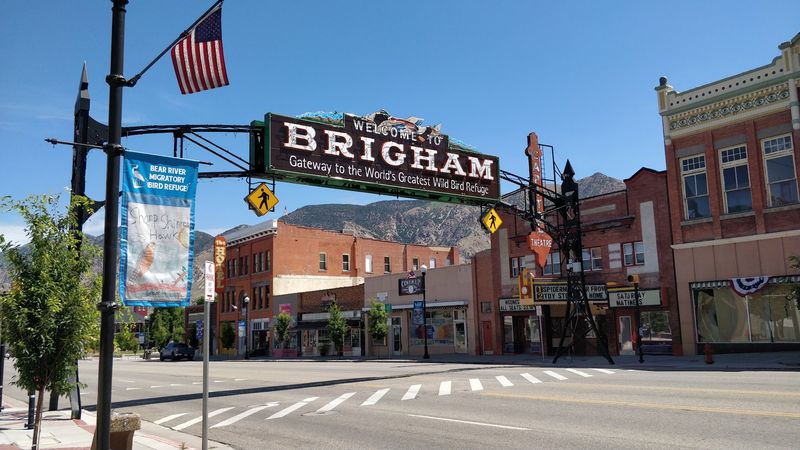
Peaches get a full-blown parade here. Brigham City’s Peach Days is one of the longest running harvest festivals in the state.
Founded in 1851, the town sits at the foot of the Wellsville Mountains. It’s proud of its small-town feel and historic Main Street.
Festival weekends bring the biggest crowds downtown. Suddenly, the quiet sidewalks are shoulder to shoulder with fruit fans.
Bird lovers come too. The town calls itself the gateway to the Bear River Migratory Bird Refuge, a famous stop for migrating birds.
Landmarks like the Box Elder Tabernacle draw history buffs. The Brigham City Museum of Art and History adds even more to explore.
Compared with red rock hotspots, the crowds here are more seasonal. Still, the city is planning ahead so downtown stays enjoyable for locals.
A Historic Building Makeover Pilot Program helps restore older storefronts. A Main Street Strategic Plan focuses on keeping local businesses strong.
Past revitalization efforts have boosted property values and sales tax revenue. That’s a win when the money supports residents, not just visitors.
Planning a Peach Days trip? Arrive early, buy from local vendors, and save room for something peachy on the way home.
Address: 20 N Main St, Brigham City, UT 84302, USA