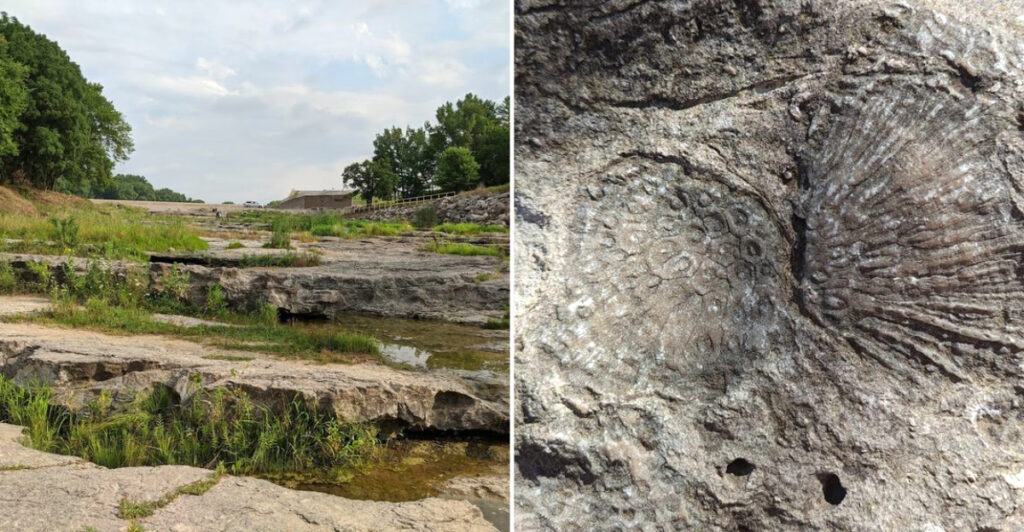
Imagine standing on solid ground in the middle of Iowa and realizing the rock beneath your feet was once the bottom of a tropical ocean. That ocean existed about 375 million years ago, long before dinosaurs ever roamed the earth.
The fossils left behind are not locked away in a museum case but are right there under your sneakers, embedded in ancient rock for anyone to see.
I visited this remarkable outdoor site and came away genuinely stunned by what nature quietly preserved here, and I think you will feel the same way once you read what this place has to offer.
What Devonian Fossil Gorge Actually Is
Not every ancient wonder asks you to book a flight, buy a park pass, or pretend you understand geology before breakfast. Devonian Fossil Gorge keeps things refreshingly simple: you show up, walk onto exposed bedrock, and realize you are standing on what used to be an ancient ocean floor.
The site sits just below the Coralville Lake spillway, managed by the U.S. Army Corps of Engineers, and it reveals rock that formed roughly 375 million years ago during the Devonian Period.
Back then, this part of Iowa was covered by a warm, shallow tropical sea filled with marine life.
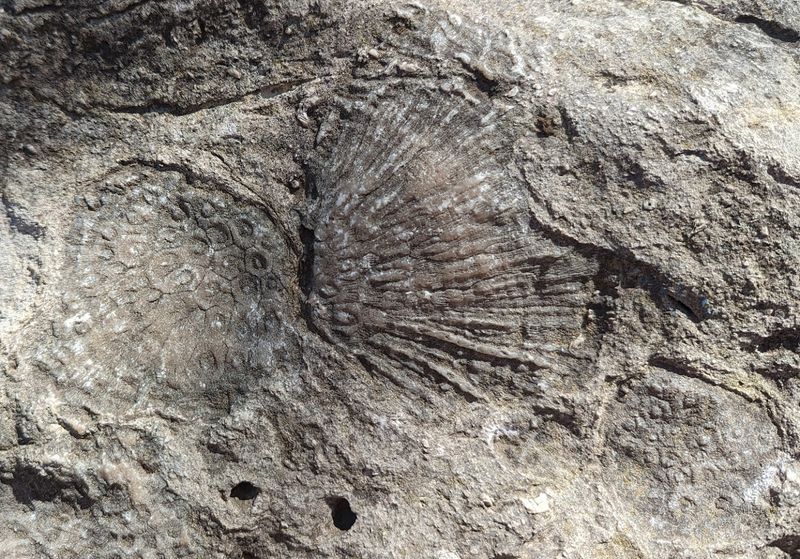
Today, visitors can see fossils of corals, brachiopods, crinoids, and bryozoans pressed right into the stone. Two major floods, in 1993 and 2008, stripped away soil and revealed this fossil-rich surface, which is a pretty dramatic way for nature to say, “Look what I’ve been saving.”
The site is free to visit, open year-round, and generally best explored during daylight hours. You can walk across this remarkable slice of Earth history at Devonian Fossil Gorge, 2850 Prairie Du Chien Rd NE, Iowa City, IA 52240.
How Two Floods Made History Visible
Most geological discoveries require careful excavation by scientists with brushes and tools. Here, the excavation was done by floodwater moving at tremendous force.
The 1993 flood was one of the most destructive in Iowa’s recorded history, and when the Coralville Reservoir overflowed its spillway, the rushing water carved through the soil and exposed the bedrock below. The 2008 flood repeated the process, stripping even more material away and revealing additional fossil-rich surfaces.
What those floods uncovered was essentially a time capsule. The exposed rock tells a clear story of a marine ecosystem that thrived hundreds of millions of years before the first human ever set foot on this continent.
Standing at the gorge, you can actually see the layered rock record and appreciate how water, given enough power, can peel back the earth’s surface like pages of a book.
The floods caused real damage to the surrounding area, but they also gifted the public with one of the most remarkable open-air fossil sites in the entire Midwest.
Nature has a strange way of balancing things out.
The Creatures Preserved in the Rock
Forget what you might picture when someone says fossils. There are no giant bones or dramatic skulls scattered across the gorge floor, and that is actually what makes this place so fascinating.
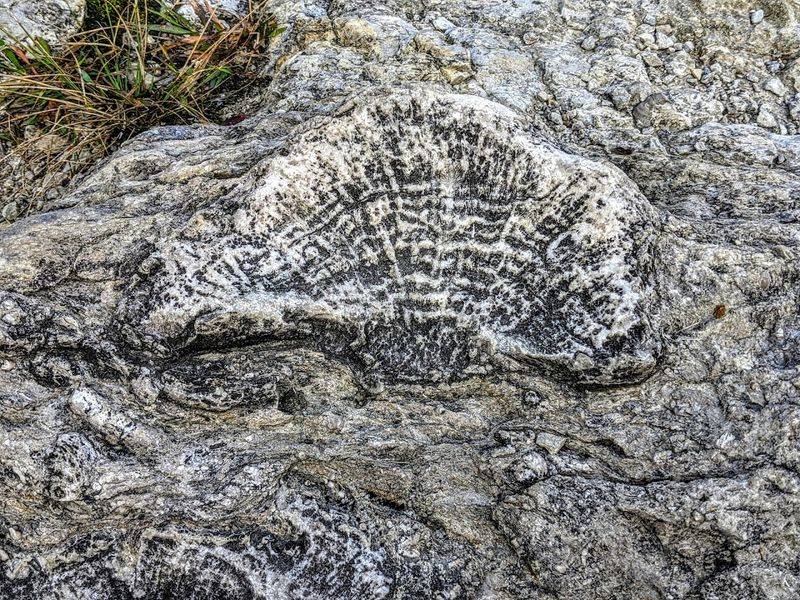
The fossils here are marine invertebrates, the kind of creatures that carpeted shallow tropical seas during the Devonian Period. Corals appear as circular or branching patterns etched into the stone.
Brachiopods look like small clamshells pressed flat into the rock. Crinoids, which are ancient relatives of sea stars, left behind tiny stem-like segments that dot the surface.
Bryozoans, which were colonial filter-feeding animals, also appear throughout the exposed bedrock in lacy, net-like patterns. Once you learn to recognize these shapes, you start seeing them everywhere you step.
The Coralville Lake Visitor Center has displayed fossil specimens connected to the gorge, including a fossilized portion of a prehistoric fish, though the official site currently notes that the visitor center is closed until further notice. Even without the indoor exhibit, the outdoor fossil bed more than delivers on its promise.
Getting close to the rock, crouching down, and really looking is the key to appreciating just how many ancient life forms are preserved here.
Navigating the Gorge Itself
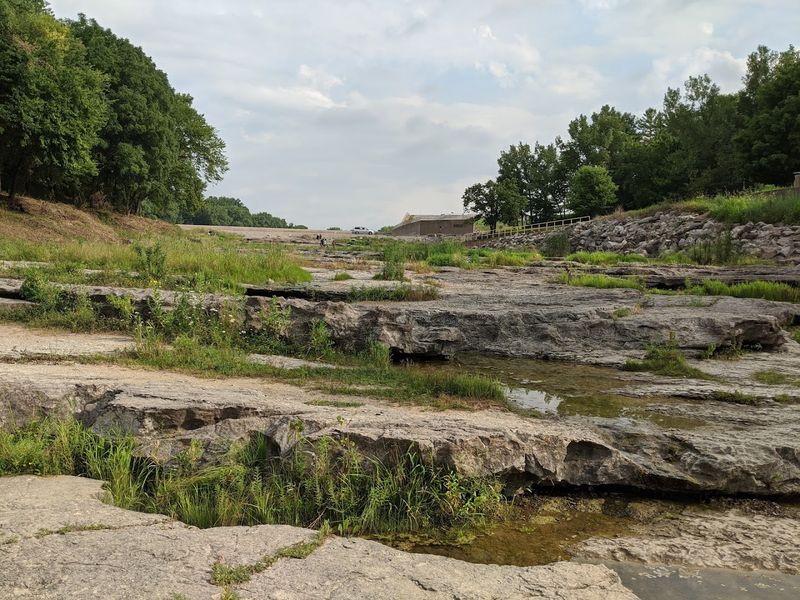
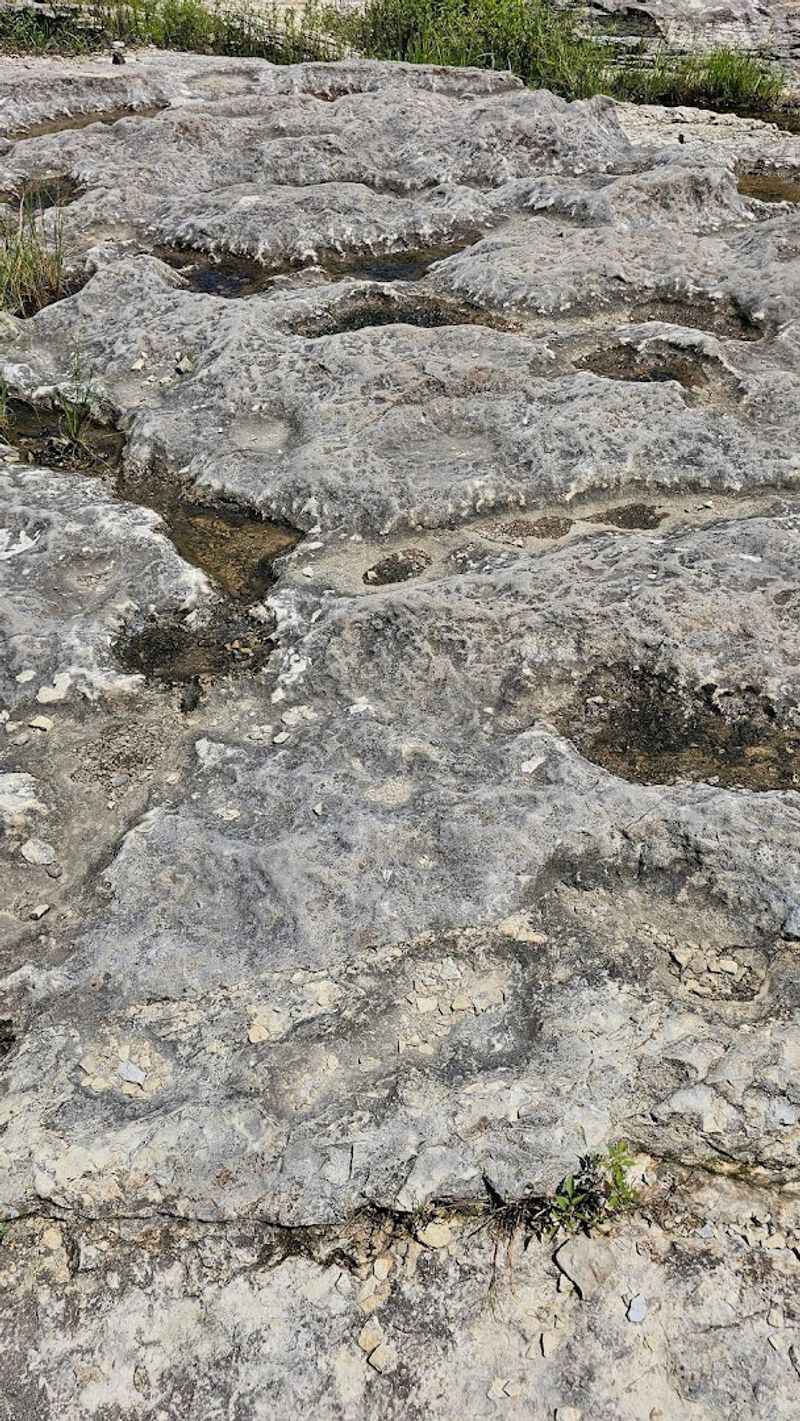
The gorge is not a manicured garden path, and that is part of its charm. The terrain is uneven, rocky, and sometimes slick depending on recent rain, so footwear matters more here than at most outdoor spots.
Wear sturdy, closed-toe shoes that you do not mind getting muddy or wet. The rock surface is hard but irregular, with shallow pools of water collecting in natural depressions that toddlers find irresistible and adults find surprisingly fun to navigate around.
A guided trail with numbered markers runs through the site, helping visitors identify key fossil locations and understand the geological story at each stop. The markers make the experience feel structured without being overly formal, which works well for families with kids who need a little direction to stay engaged.
Heading toward the back of the gorge, there is a narrower path on the left that leads to more exposed rock with denser fossil coverage. That section rewards the extra few minutes of walking.
The deeper you go, the better the fossil density tends to be, and the more the experience starts to feel like a genuine outdoor discovery rather than a casual stroll.
A Perfect Outing for Families with Kids
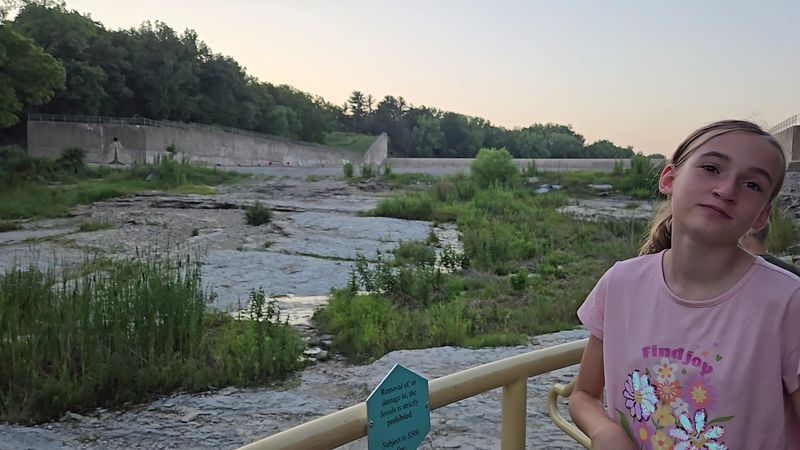
Few outdoor experiences land as well with children as this one. There is something almost magical about telling a kid that the rock they are touching used to be the bottom of an ocean, and watching their face shift from skepticism to genuine wonder.
Young visitors tend to become completely absorbed in the fossil-hunting process. The gorge is compact enough that even small children can explore most of it without getting overwhelmed, and the discovery element keeps them moving forward rather than dragging their feet.
One tip I would pass along is to bring a sketchbook and pencils. Drawing the fossil shapes you spot in the rock creates a simple hands-on activity that captures the texture and patterns of the ancient surface without disturbing anything.
Kids love the close-looking challenge, and adults tend to enjoy it just as much once they try it.
The shallow puddles scattered across the rock are also a source of endless entertainment for toddlers. Little ponds along the gorge sometimes hold frogs, crawfish, and painted turtles, turning the visit into a spontaneous nature observation session that no planned activity could replicate.
The Atmosphere and Natural Setting
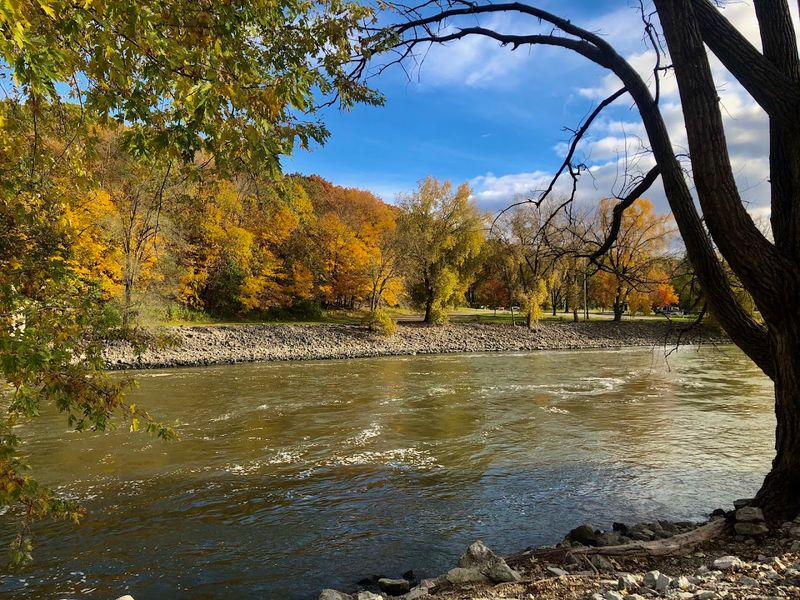
Beyond the fossils, the natural setting around the gorge is genuinely beautiful. The area sits near the Iowa River, and the wide paved path that runs along the water at the edge of the site offers a peaceful, easy walk with lovely views of the moving current and surrounding greenery.
Wildflowers grow along the trail edges during warmer months, and the combination of open rock, flowing water, and tree cover creates a varied landscape that feels calm and unhurried. I spotted a deer near the entrance road and heard woodpeckers working through the trees, which added a pleasant wildlife dimension to the visit.
The gorge itself has a quiet, almost contemplative atmosphere. Most visitors speak in hushed tones as they scan the rock, which creates a natural sense of respect for the place without anyone having to ask for it.
There are seating areas and informative viewing plazas scattered around the site, and shade coverage is solid on warm days. The combination of geological interest, wildlife, river views, and open sky makes this a well-rounded outdoor destination rather than a single-purpose stop.
It genuinely earns its high visitor rating.
Best Times to Visit and What to Expect
The site is open year-round, which means there is no bad season to plan a visit in terms of general access. That said, some seasons offer a noticeably better experience than others.
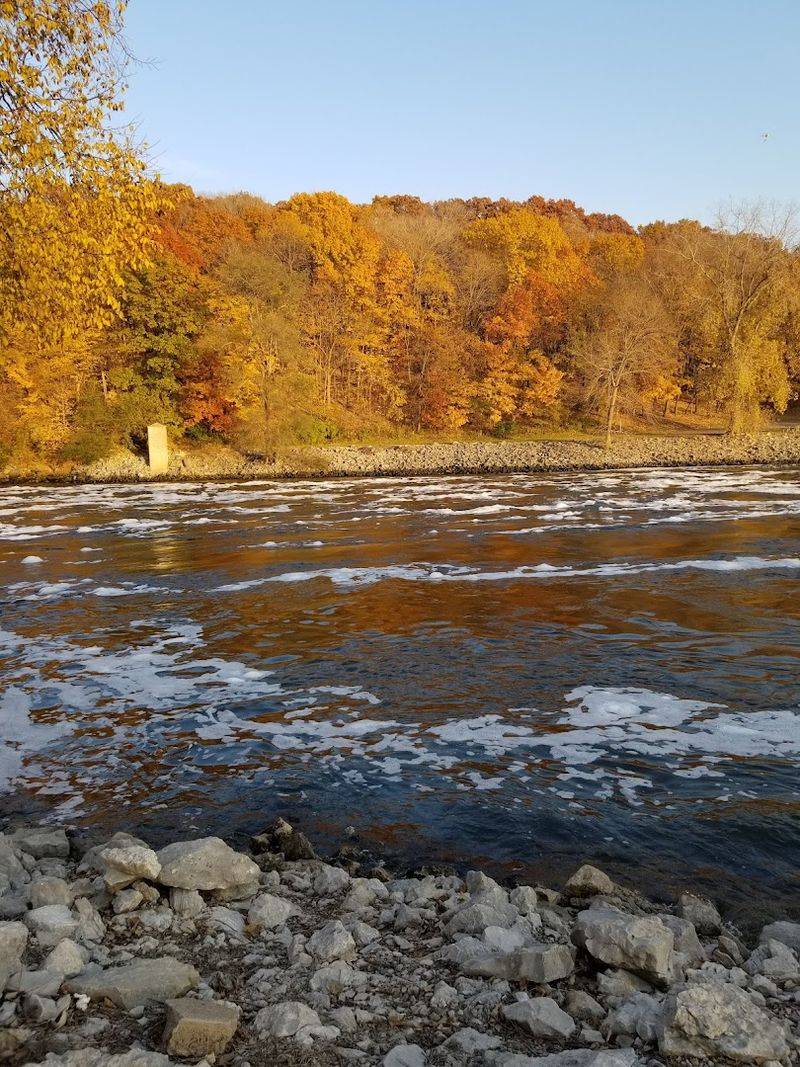
Spring and early summer bring lush greenery, active wildlife, and comfortable temperatures that make extended exploration easy. Fall is also excellent, with cooler air and changing leaf colors framing the rocky gorge in warm tones.
Winter visits are possible on mild days, and the absence of other visitors creates a uniquely peaceful experience, though the ground can be slippery after frost or snow.
Crowds are generally light, even during peak times. Most visits I have read about involved only a handful of other families or groups at the same time, which keeps the atmosphere relaxed and unhurried.
Plan to spend at least an hour, though two hours passes quickly once you get absorbed in looking closely at the rock. Morning visits tend to offer softer light for spotting fossil textures in the stone.
Afternoon visits work well too, especially on overcast days when the diffuse light reduces glare on the rock surface and makes the fossil details easier to see clearly.
Practical Tips Before You Go
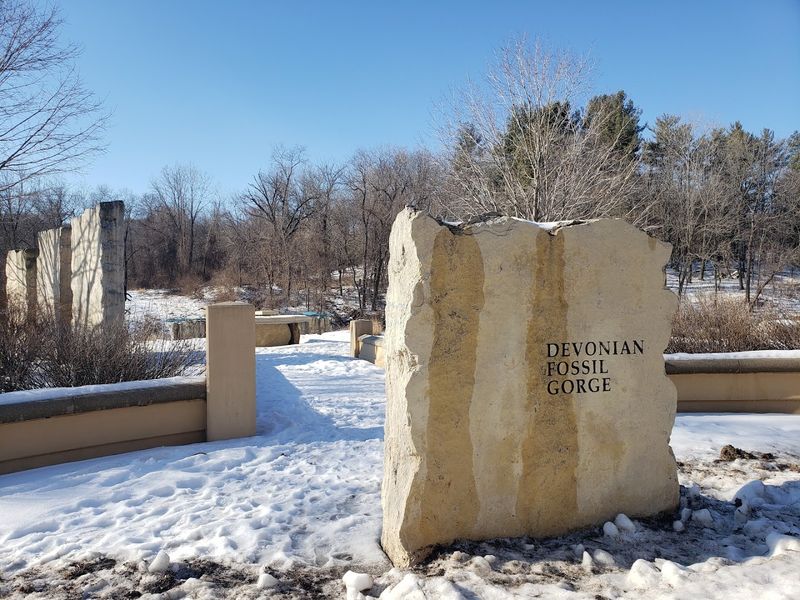
A little preparation goes a long way at this site. The terrain is natural and uneven, so sturdy closed-toe shoes are genuinely necessary rather than just a suggestion.
Sandals and flip-flops will make the uneven rock surface uncomfortable and increase the chance of a stumble.
Bring water, especially during summer months when the open rock surface radiates heat. Sunscreen is also worth applying before you arrive, since much of the gorge is exposed with limited overhead shade directly over the fossil bed.
The Coralville Lake Visitor Center is currently listed by the U.S. Army Corps of Engineers as closed until further notice, but Devonian Fossil Gorge brochures are available online and printed copies are located at the site entrance.
Leashed dogs are welcome at the site, and there is ample parking for regular vehicles. RVs will not find dedicated parking at the gorge itself, though the nearby campground offers overnight options.
Restroom access can be limited depending on what facilities are open nearby, so plan accordingly before making the walk out onto the rock.
The Leave No Trace Rule That Really Matters
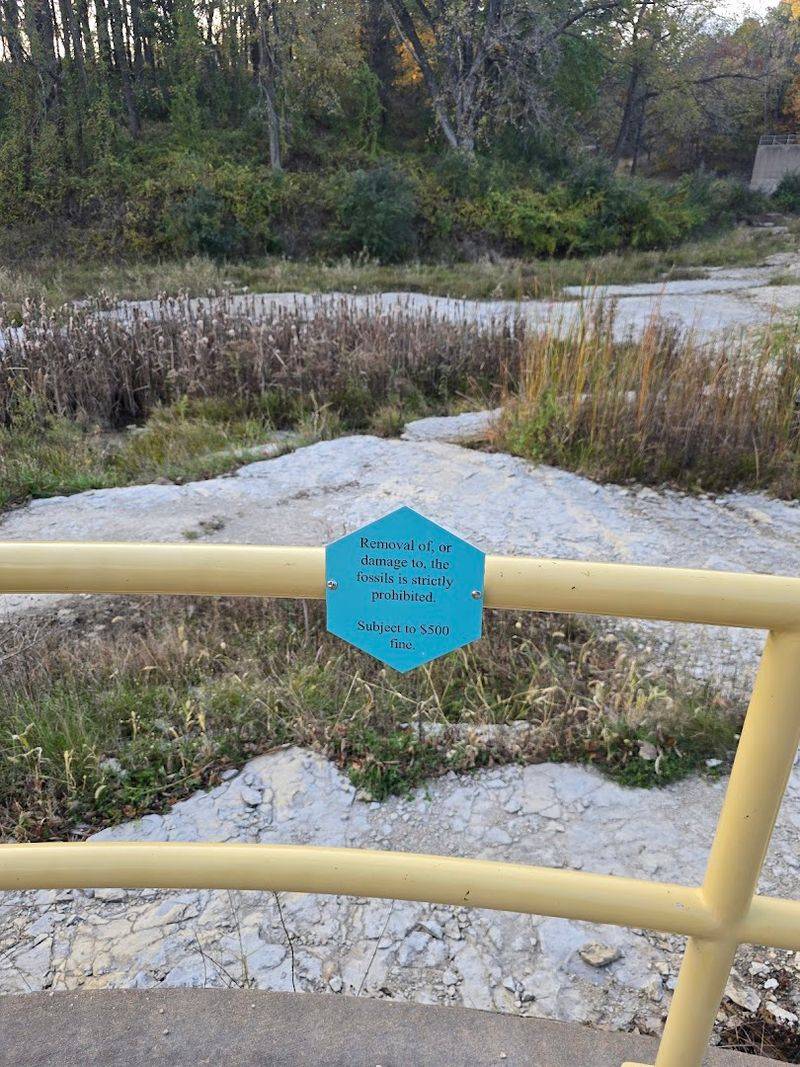
There is one rule at this site that carries real weight, and it is worth taking seriously. Removing fossils from the gorge is not allowed, and the reason goes beyond simple park regulations.
Every fossil embedded in that rock is part of a shared record that belongs to everyone who will ever visit this place. When pieces get taken, that record shrinks permanently.
Several visitors have noted seeing people arrive with buckets, which is genuinely disheartening given what is at stake for the long-term preservation of the site.
The good news is that appreciating the fossils does not require taking them. Getting close, looking carefully, photographing them, and sketching what you see are all ways to engage deeply with the experience while leaving everything intact for the next visitor.
There is something quietly powerful about knowing that the coral impression you are looking at has been there for 375 million years and will still be there for your grandchildren to find. Treating the site with that kind of respect transforms a simple outing into something that feels genuinely meaningful.
The gorge gives a lot, and all it asks is that you leave it exactly as you found it.
The Accessible Section Near the Parking Lot
Not every part of this site requires scrambling over uneven rock, which is worth knowing before you arrive with someone who has mobility considerations. Near the parking lot, there is a designated accessible area with a flat surface that wheelchair users can reach without difficulty.
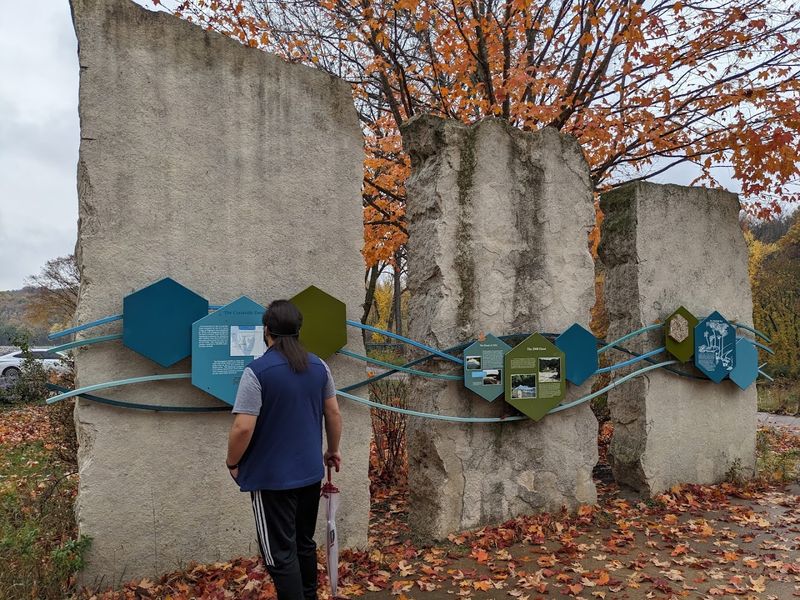
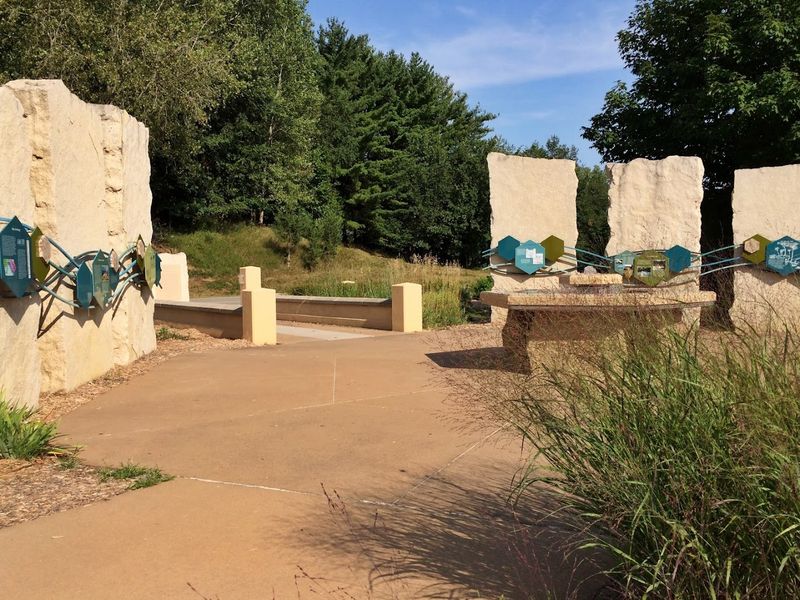
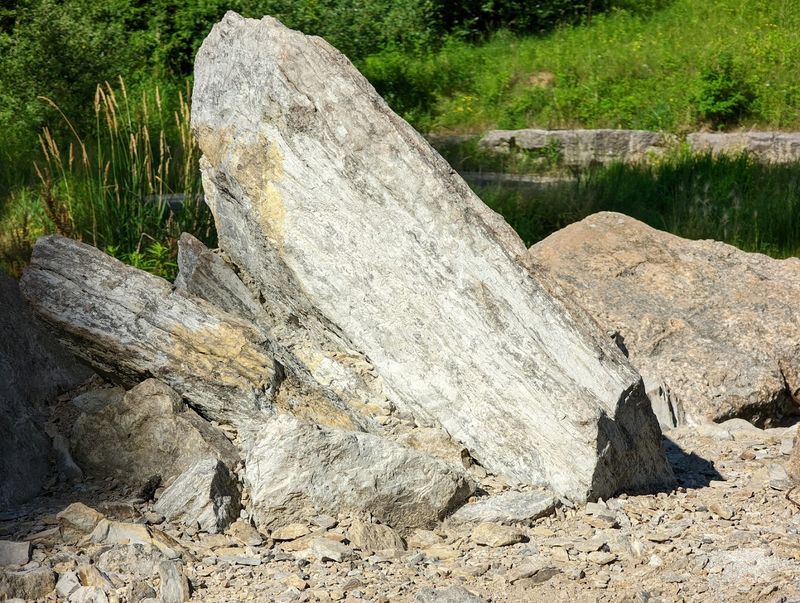
Several large boulders line the walkway in this section, and their surfaces display clear fossil specimens that are easy to examine up close.
Informational placards in this area explain the Devonian Period and describe the types of organisms preserved in the rock, giving visitors important context before they head deeper into the gorge.
This accessible section works well as a starting point for any visitor, not just those with mobility needs. Spending a few minutes reading the placards and examining the boulders near the lot helps calibrate your eyes for what to look for once you are out on the main fossil bed.
The contrast between the accessible entry area and the raw, unimproved gorge beyond it is actually part of what makes the site interesting.
The transition from paved path to ancient exposed seafloor happens gradually, and by the time you are fully out on the rock, the setting feels surprisingly remote for a spot just minutes from a major Iowa city.
Nearby Attractions Worth Pairing With Your Visit
The gorge works beautifully as a standalone destination, but pairing it with a nearby stop makes for an especially rich day out. The Museum of Natural History at the University of Iowa in Iowa City is free to visit and houses exhibits that directly complement what you will see at the gorge.
The museum covers the geological and biological history of the region, including the Devonian Period, and visiting it before heading to the fossil site helps set the stage for what you are about to see. Several visitors strongly recommend this sequence, and after doing it myself, I understand why.
The museum gives you the vocabulary and visual context that makes the outdoor experience far more rewarding.
The Coralville Lake area surrounding the gorge also offers camping, hiking trails, and river access for visitors who want to extend their stay beyond a single afternoon. The campground sits close enough to the fossil site that walking between the two is entirely practical.
Iowa City itself has plenty of dining options and is a lively, welcoming college town that makes a comfortable base for anyone traveling through this part of Iowa and looking to combine natural history with a genuine sense of place.
Why This Place Stays With You Long After You Leave
Some places are impressive in the moment and forgettable by the drive home. This is not one of them.
There is a particular kind of quiet that settles over you when you realize the ground under your feet has not changed in 375 million years.
The fossils at the gorge are not dramatic or flashy. They are subtle, detailed, and patient, and they reward the kind of slow, careful attention that our usual pace rarely allows.
Crouching down to trace the outline of a coral colony with your finger and knowing that organism lived before the first fish crawled onto land is a genuinely perspective-shifting moment.
Visitors consistently describe the experience as something they did not expect to affect them as much as it did. Adults who came along reluctantly end up staying longer than planned.
Kids who were skeptical about looking at rocks come away asking questions about ancient oceans and prehistoric creatures.
That kind of spontaneous curiosity is exactly what a place like this is built to inspire. The gorge does not need dramatic scenery or elaborate programming to make its point.
The rock speaks for itself, and once you hear what it has to say, the world feels a little bigger and a lot older in the best possible way.