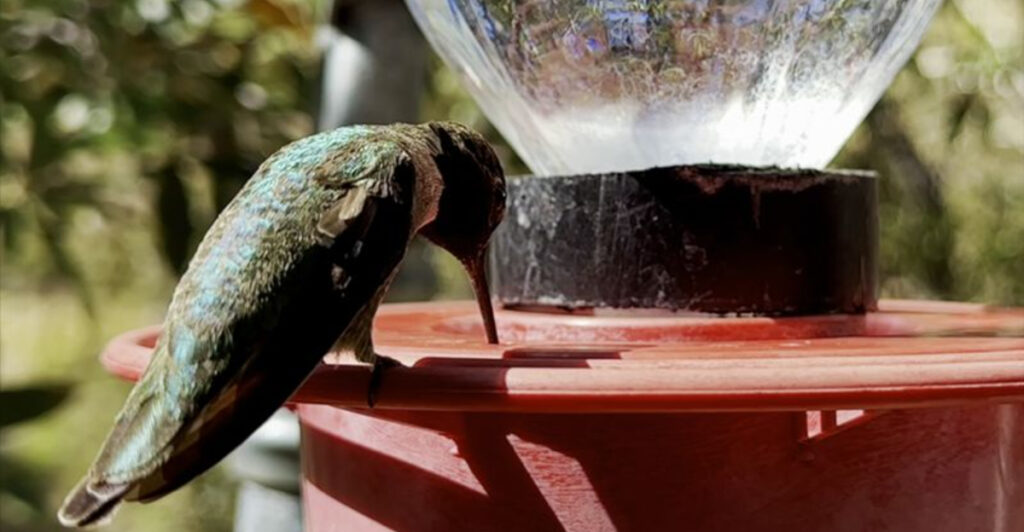
Have you ever wanted to witness a flurry of wings and vibrant colors all in one place? One Arizona town has become known as the Hummingbird Capital of America, bringing in bird lovers and first-time visitors alike.
This town draws hundreds of these tiny, fast-moving birds year-round, filling gardens and feeders with constant movement and life. Even for those new to birdwatching, this town draws you in and reveals the natural world in a new way.
The area’s location, climate, and surrounding landscape all play a role in attracting a wide range of hummingbird species. During peak seasons, feeders buzz with activity, and even casual visitors can spot several species without much effort.
It is not just a quick sighting either. You can spend time watching their patterns, movements, and interactions up close. If you have ever been curious about where hummingbirds gather in such large numbers, this Arizona destination might be exactly what you are looking for.
How The Town Earned The Hummingbird Capital Title
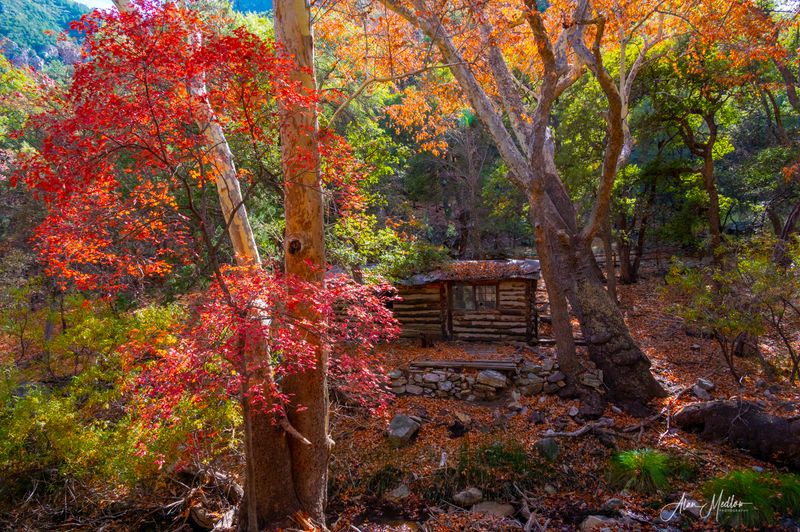
Sierra Vista did not stumble into this title by accident. At about 4,600 feet in the Sulphur Springs Valley, the city is positioned within one of North America’s richest biological corridors. That geography matters enormously when it comes to hummingbirds.
The Sky Islands region surrounding Sierra Vista acts like a natural funnel for migratory birds. These isolated mountain ranges rise from the desert floor and create pockets of cool, moist habitat that hummingbirds absolutely love.
I remember the first time I stood in a garden here and counted five different species in under ten minutes, it was genuinely hard to believe.
The formal recognition of Sierra Vista as the Hummingbird Capital of the United States came after years of community effort, research, and local advocacy. Birding organizations, local government, and conservation groups worked together to put the city on the map.
A mix of elevation, climate, and plant diversity helps this part of Arizona support more hummingbird species than almost anywhere else in the country. That is not a marketing claim; it is backed by decades of field research and birdwatcher records that continue to grow every single year.
The Most Common Hummingbird Species In The Area
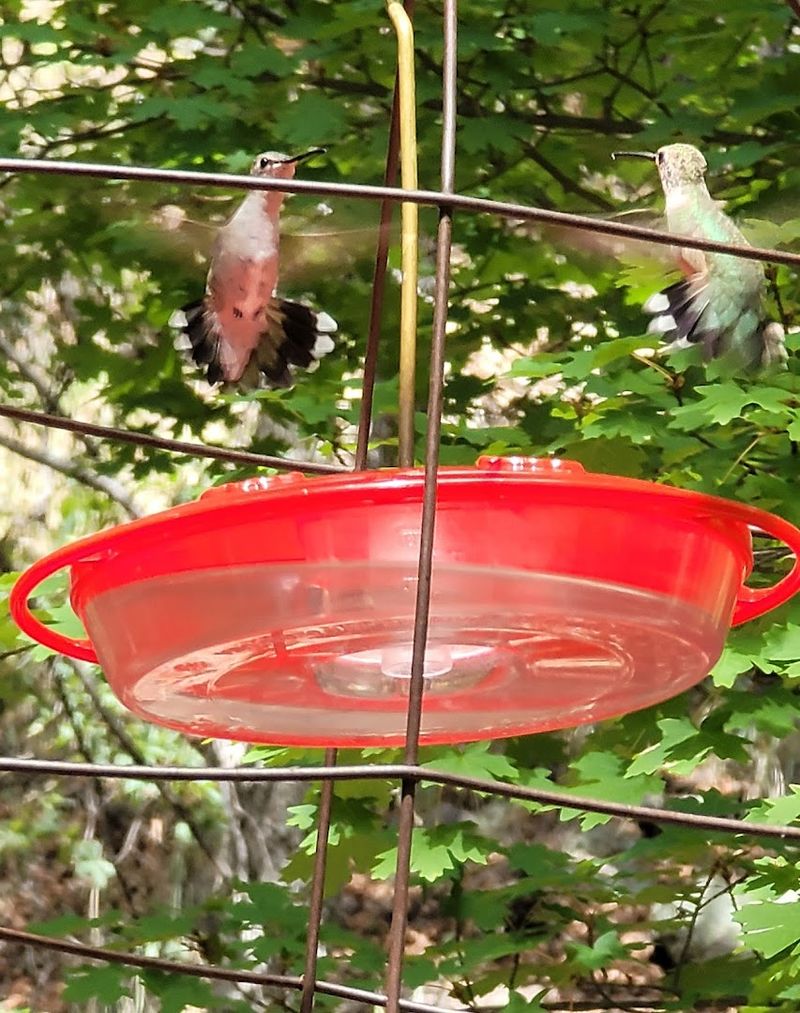
One of the first things that surprised me about Sierra Vista was the sheer variety of hummingbird species you can spot in a single afternoon. Arizona is already known for hosting more hummingbird species than any other state, and Sierra Vista sits at the heart of that abundance.
The Broad-billed Hummingbird is one of the most visually striking species here. The males flash a brilliant blue-green throat that almost looks electric in direct sunlight.
You will also commonly see the Black-chinned Hummingbird, which prefers lower elevations and is one of the more adaptable species in the region.
The Rufous Hummingbird passes through during migration and is famously feisty, often chasing other birds away from feeders without hesitation.
The Blue-throated Mountain-gem is another standout. It is one of the largest hummingbirds found in the United States, and spotting one feels like a small victory.
Anna’s Hummingbird has also become a year-round resident in recent years, likely due to the availability of feeders and flowering plants. Each species has its own personality and feeding habits, which makes observing them endlessly interesting.
Keeping a field guide handy helps you track what you are seeing and adds a satisfying layer of purpose to every outing.
Best Spots For Observing Hummingbirds
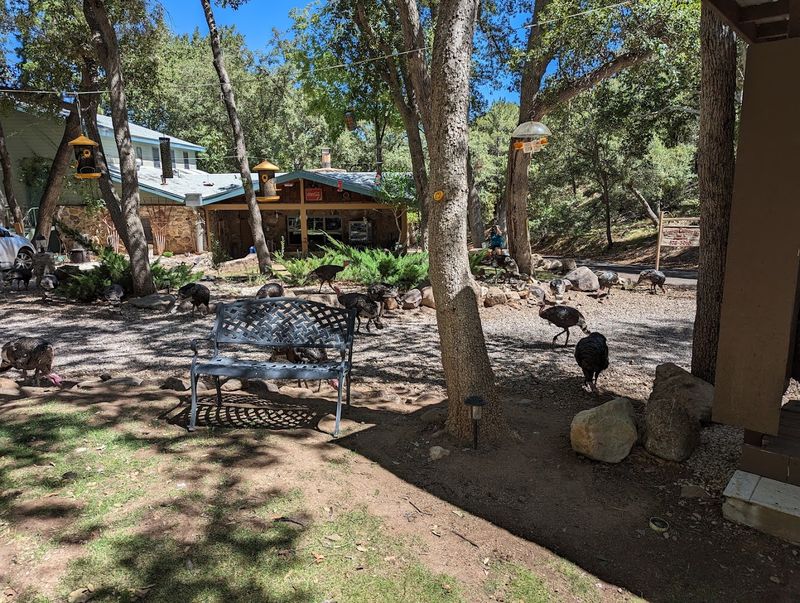
Knowing where to go makes all the difference when you are hoping to see hummingbirds up close. Sierra Vista has several reliable birding spots that deliver strong sightings across different seasons.
Ramsey Canyon Preserve, managed by The Nature Conservancy, is arguably the crown jewel of hummingbird viewing in the Sierra Vista area. Like San Pedro Riparian National Conservation Area and Carr Canyon, it is located outside Sierra Vista rather than within the city itself.
The canyon’s narrow walls, flowing creek, and dense vegetation create ideal conditions for multiple species.
You can visit the preserve at 27 Ramsey Canyon Road, Hereford, AZ 85615, which is just a short drive from Sierra Vista’s city center. The feeders maintained there attract birds in remarkable numbers, especially during peak migration months.
The San Pedro Riparian National Conservation Area is another excellent option. The riparian corridor along the San Pedro River provides water, insects, and flowering plants that hummingbirds rely on heavily.
Carr Canyon, accessible from the Huachuca Mountains, is also worth the drive. The elevation change as you climb creates different micro-habitats, and each one tends to attract a slightly different mix of species.
Going early in the morning gives you the best light for observation and the most bird activity before the midday heat sets in.
Gardens And Feeders That Attract The Birds
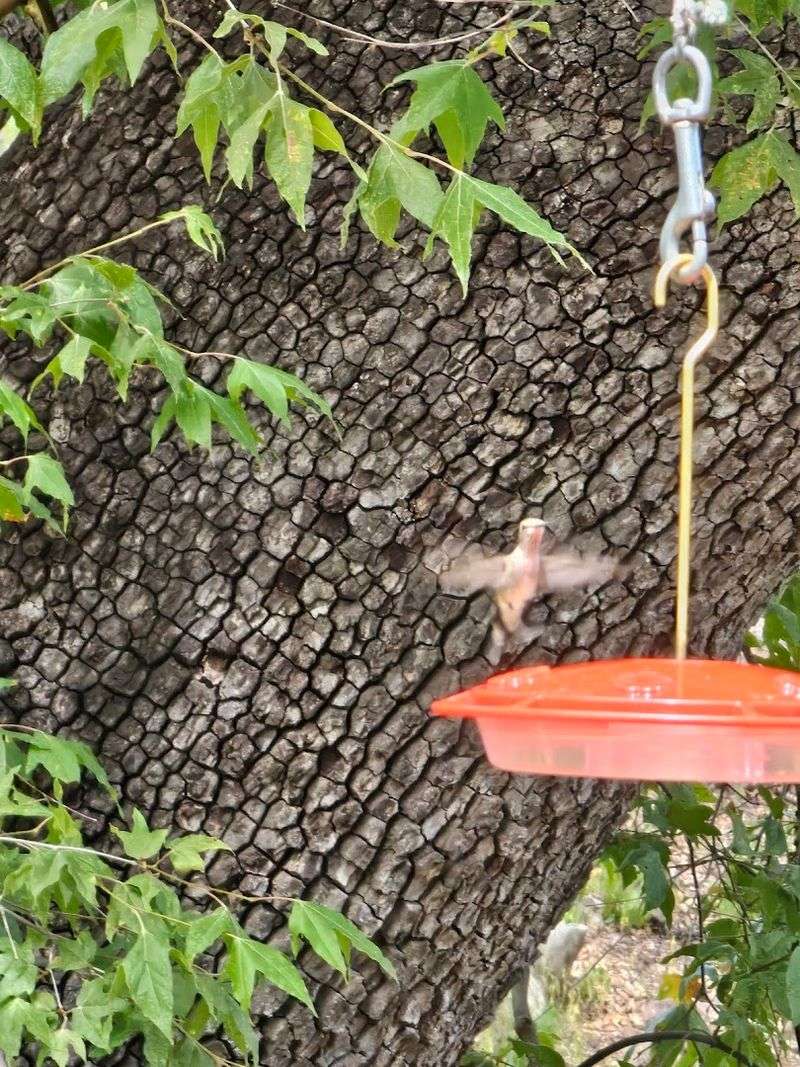
There is something deeply satisfying about setting up a garden that hummingbirds actually use. In Sierra Vista, local residents have turned this into something of a community art form, and the results are impressive.
Many front yards and patios here look like living exhibits, buzzing with activity from dawn to dusk. Hummingbirds are drawn to tubular, nectar-rich flowers in shades of red, orange, and pink.
Plants like salvia, penstemon, agave, and desert willow thrive in the Sierra Vista climate and provide natural food sources that supplement feeder nectar.
I recommend combining native plants with feeders, since flowers also support the insects hummingbirds need for protein.
Feeder placement matters more than most people realize. Placing feeders in shaded spots keeps the nectar from fermenting too quickly in the Arizona heat.
Using a simple mixture of one part white granulated sugar to four parts water is the standard recommendation from ornithologists.
Cleaning feeders every two to three days during warm months prevents mold and bacteria buildup that can harm the birds.
Many homeowners in Sierra Vista take part in informal feeder networks, sharing sightings and tips through local birding groups.
Seasonal Events That Celebrate The Hummingbirds
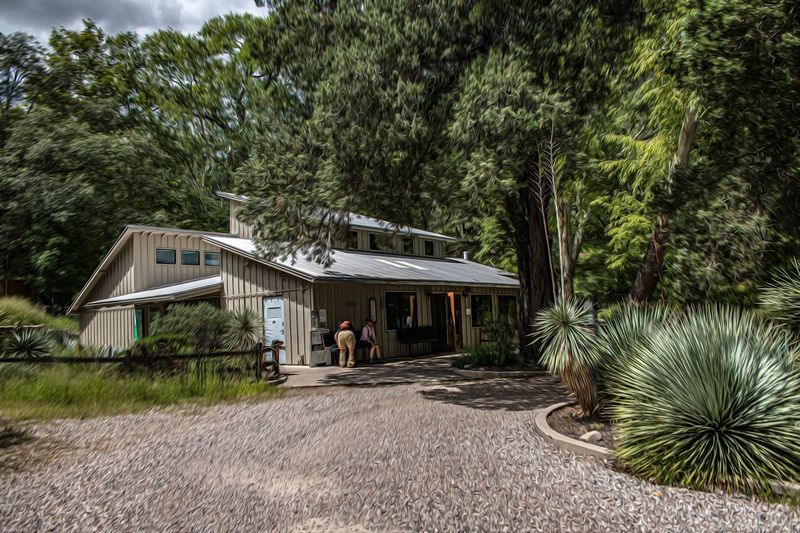
Sierra Vista does not just passively host hummingbirds, the community actively celebrates them. The calendar here fills up with events that bring birders, naturalists, and curious visitors together in ways that feel genuinely fun rather than overly academic.
The Southwest Wings Birding and Nature Festival is one of the most anticipated events of the year. Held annually in August, it draws birding experts, photographers, and enthusiasts from across the country.
The festival includes guided field trips, workshops, and presentations that cover everything from hummingbird banding to landscape photography. I attended one session on hummingbird behavior and came away with a completely new appreciation for how these birds navigate their world.
Hummingbird monitoring programs run throughout the summer months, giving volunteers and visitors a chance to participate in real scientific data collection.
Watching a trained bander carefully measure, weigh, and release a hummingbird is one of those experiences that stays with you long after you leave. The fall migration period, roughly from late July through September, is considered peak season and tends to draw the largest crowds.
Local businesses, nature centers, and birding clubs coordinate their programming around this window to give visitors the most complete experience possible. Planning your trip around these events adds a whole new dimension to the visit.
How The Community Supports Conservation Efforts
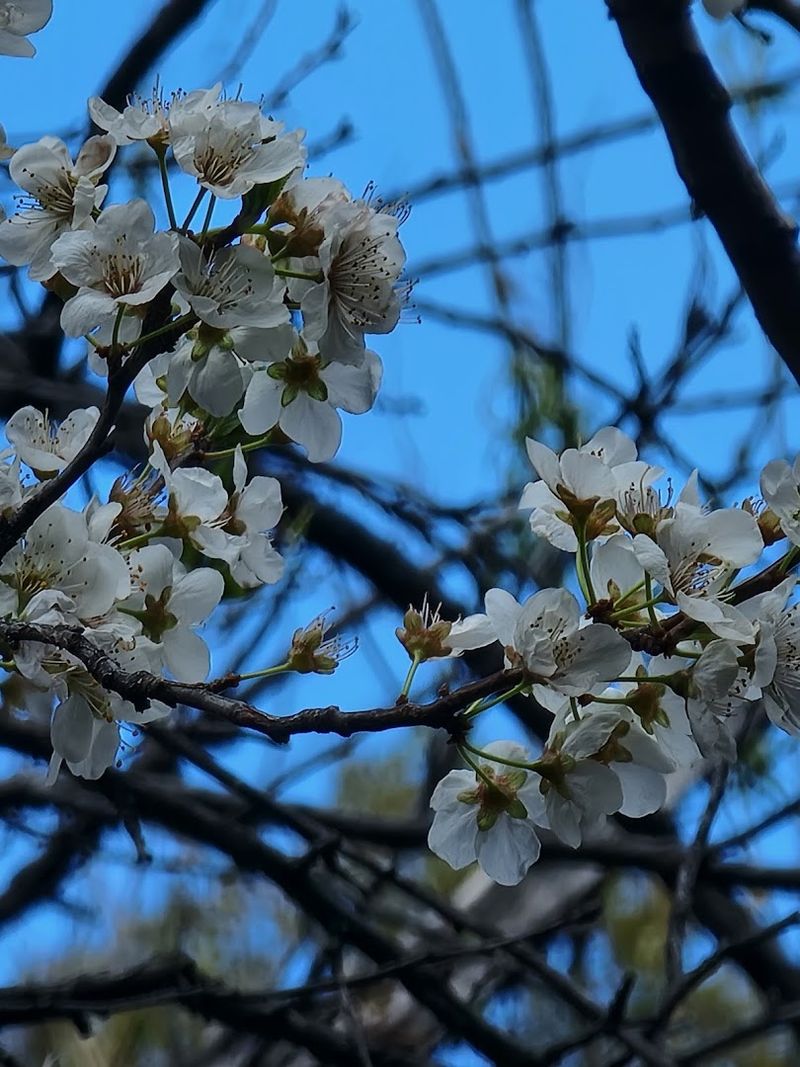
Conservation in Sierra Vista is not just a talking point; it shows up in real, tangible ways across the community. Local organizations, schools, and individual residents all play a role in keeping the hummingbird population healthy and the habitat intact.
The Nature Conservancy’s work at Ramsey Canyon has been instrumental in protecting one of the most critical hummingbird habitats in the region. Their stewardship of the land ensures that the canyon remains a refuge for birds even as development pressures increase in surrounding areas.
Locally, the Huachuca Audubon Society offers programs on native plants, proper feeder care, and reducing pesticide use in yards and gardens.
Arizona State University researchers and independent ornithologists have collaborated with Sierra Vista institutions to track hummingbird populations over time. This kind of long-term data is invaluable for understanding how climate shifts affect migration timing and species distribution.
I find it encouraging that so many residents here see hummingbird conservation as a personal responsibility rather than someone else’s problem. Community science programs allow everyday people to contribute meaningful data simply by logging what they see in their own backyards.
That grassroots involvement is part of what makes Sierra Vista’s conservation culture feel authentic and sustainable rather than performative.
Planning A Visit To Make The Most Of The Experience
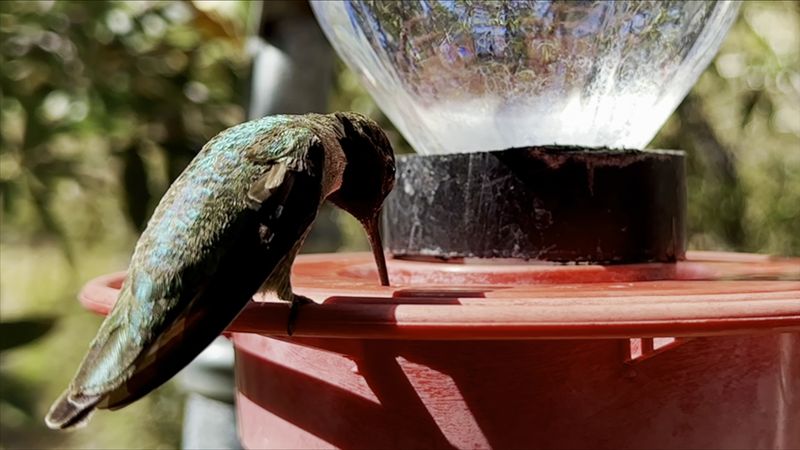
Getting the most out of a trip to Sierra Vista takes a little preparation, but it is absolutely worth the effort. The town has a welcoming, low-key atmosphere that makes it easy to settle in and explore at your own pace without feeling rushed or overwhelmed.
The best time to visit for hummingbird activity is between April and September, with late July through early September offering peak migration numbers. Booking accommodations in advance during this window is smart, especially around festival dates.
Sierra Vista has a range of lodging options from small inns to chain hotels, and many hosts are birders themselves who can point you toward the best spots.
Packing light layers is practical advice for this region. Mornings can be cool at elevation even in summer, and afternoon monsoon storms roll through regularly from July onward, bringing brief but heavy rainfall.
A good pair of binoculars, a regional field guide, and a notebook for logging sightings will serve you well. The Sierra Vista Visitor Center, located at 3020 East Tacoma Street, Sierra Vista, AZ 85635, is a great first stop for maps, local birding trail information, and event schedules.
The staff are knowledgeable and can help tailor your itinerary based on which species are active in the area.
Why Birdwatchers Keep Coming Back
Ask any seasoned birder why they keep returning to Sierra Vista, and the answer usually goes beyond just the hummingbirds. This area has a way of making a lasting impact.
The diversity of birdlife here extends well beyond hummingbirds. The Huachuca Mountains and nearby Sky Islands host elegant trogons, painted redstarts, and many species rare or unique in the U.S.
That breadth of opportunity means that every trip feels fresh, even if you have visited a dozen times before. Each season brings a different mix of birds, different light, and different energy to the landscape.
There is also the community factor. Sierra Vista has built a culture around birdwatching that feels inclusive and enthusiastic without being intimidating. Beginners are welcomed with genuine warmth, and experienced birders are generous with their knowledge.
Local birding groups organize regular outings, and social media channels dedicated to Sierra Vista sightings keep the conversation going year-round.
That ongoing connection is a big part of what keeps birders coming back. It grows through shared sightings, repeat visits, and the excitement of spotting both familiar birds and new ones still on the list.
Get ready to discover the joy of birdwatching!