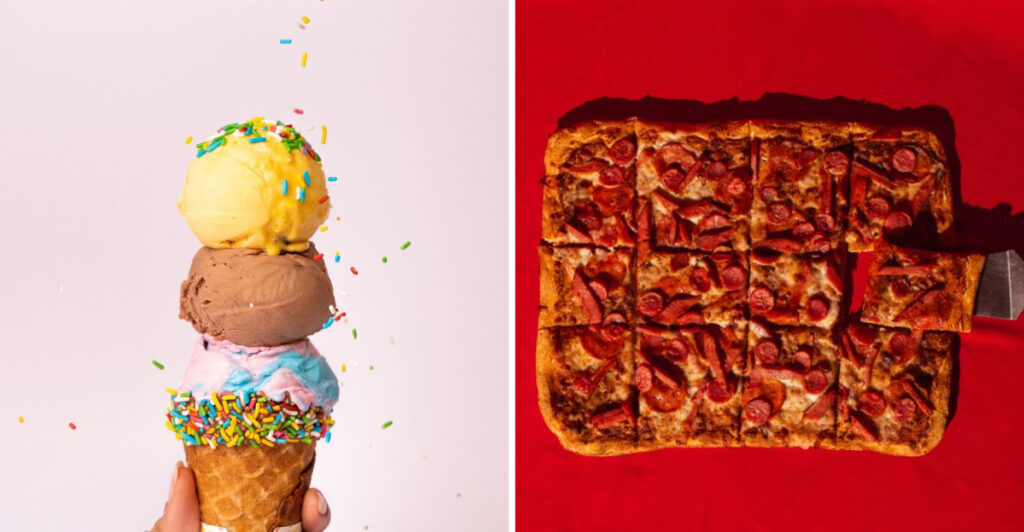
Illinois has its own food language, and it does not always explain itself gently at the counter.
One minute, you think you are ordering a hot dog, sandwich, pizza, or ice cream cone. Next, someone is asking if you want it sweet, dragged through the garden, or cut for a party.
That sounds like a tiny test at first. Really, it is part of the fun. The best Illinois food phrases usually sound strange until the food lands in front of you.
Then everything clicks. The words stop sounding like local code and start looking like common sense wrapped in a bun, stacked on toast, sliced into squares, or balanced on a cone.
These phrases are not here to make ordering harder. They are here because Illinois food has personality, history, and a very specific way of doing things. Once you understand the language, the meal gets a lot more fun.
1. Dragged Through The Garden
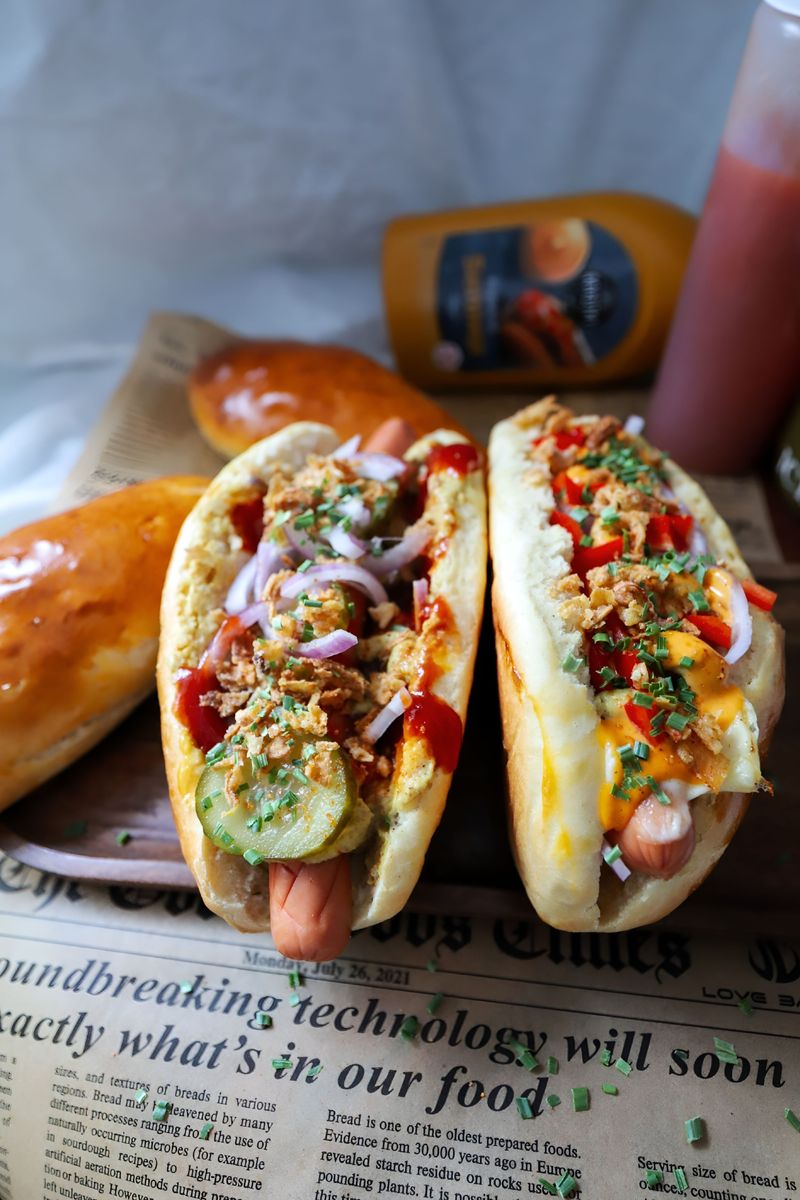
A hot dog that looks like it survived a produce parade can only mean one thing in Chicago. “Dragged through the garden” is the colorful local phrase for a Chicago-style hot dog loaded with the full lineup of toppings.
Yellow mustard, bright green relish, diced onion, tomato slices, a pickle spear, sport peppers, and celery salt all pile onto a poppy seed bun until the whole thing looks like it raided a vegetable stand on the way to lunch.
The phrase works because it is visual before it is technical. Nobody needs a diagram once the finished hot dog appears.
The colors are loud, the textures are busy, and every topping has a small job to do. Mustard brings tang. Relish brings sweetness.
Onion adds bite. Tomato and pickle bring freshness and crunch. Sport peppers add heat, while celery salt gives the whole build that final Chicago snap.
Illinois food language often makes more sense when it sounds dramatic first. This phrase proves it. Nobody is asking for a plain hot dog with a quiet personality here.
Dragged through the garden means fully dressed, fully committed, and not interested in being boring.
2. No Ketchup
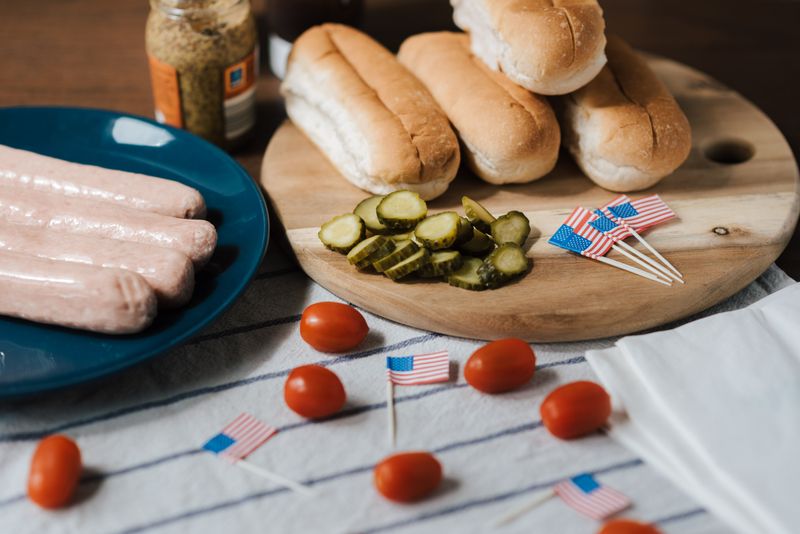
Few condiment rules have caused more table conversation than Chicago’s famous no-ketchup tradition. The rule belongs most closely to the Chicago-style hot dog, and it starts with a simple idea: the hot dog already has enough going on.
Mustard, relish, onion, tomato, pickle, sport peppers, and celery salt create a careful balance of tangy, salty, sweet, crunchy, and spicy flavors. Ketchup, according to tradition, pushes that balance too far.
Nobody needs to panic. No one is coming to inspect your refrigerator or judge your backyard cookout. This is about a specific food style with a specific rhythm.
At many Chicago hot dog stands, the no-ketchup attitude is handled with humor. The point is less about scolding people and more about protecting the flavor combination that made the hot dog famous in the first place.
Once you try the whole build as intended, the rule becomes easier to understand. The hot dog does not feel like it is missing anything.
Illinois can be serious about food without losing its sense of humor. No ketchup is exactly that kind of serious.
3. Sweet, Hot, Or Both
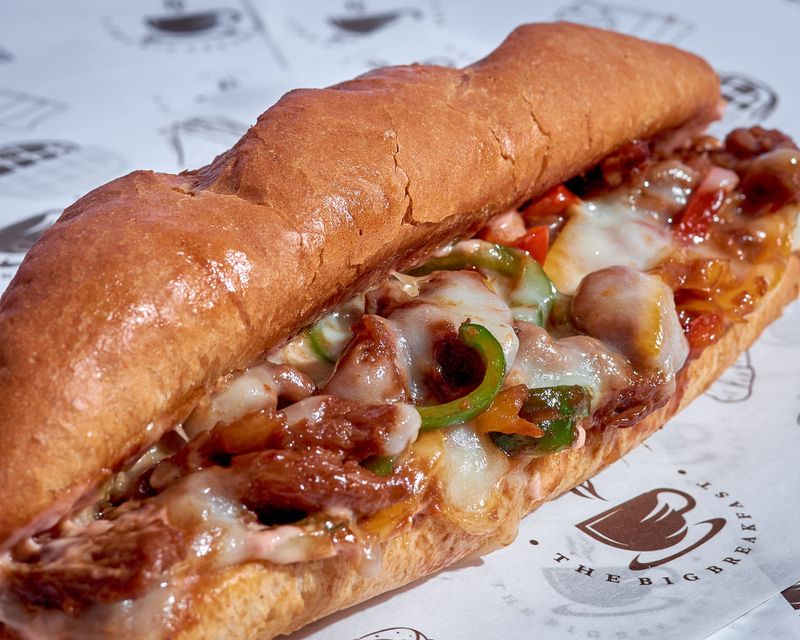
One pepper question can change the entire personality of an Italian beef sandwich. At an Illinois beef counter, “sweet, hot, or both” is not a tiny detail. It is the moment the sandwich starts picking up its mood.
Sweet means roasted green peppers. They are soft, mild, and slightly sweet, adding a smooth vegetable layer that settles easily into the beef. They do not shout over the sandwich. They round it out.
Hot means giardiniera, a crunchy pickled mix usually made with vegetables such as peppers, celery, cauliflower, and olives packed in oil with plenty of heat. It brings spice, tang, crunch, and attitude.
Both are where things get personal in Illinois. The sweet peppers calm the sandwich down a little, while the giardiniera wakes it back up. Together, they create a bite that is soft, crunchy, rich, sharp, and spicy all at once.
That is why the question matters. It is not just asking how brave you feel around heat. It is asking what kind of balance you want.
A plain Italian beef can already do plenty, but the peppers turn it into something more personal. Sweet keeps things gentle. Hot adds a little chaos, and both make the sandwich feel fully awake.
4. Dipped, Wet, Or Dry
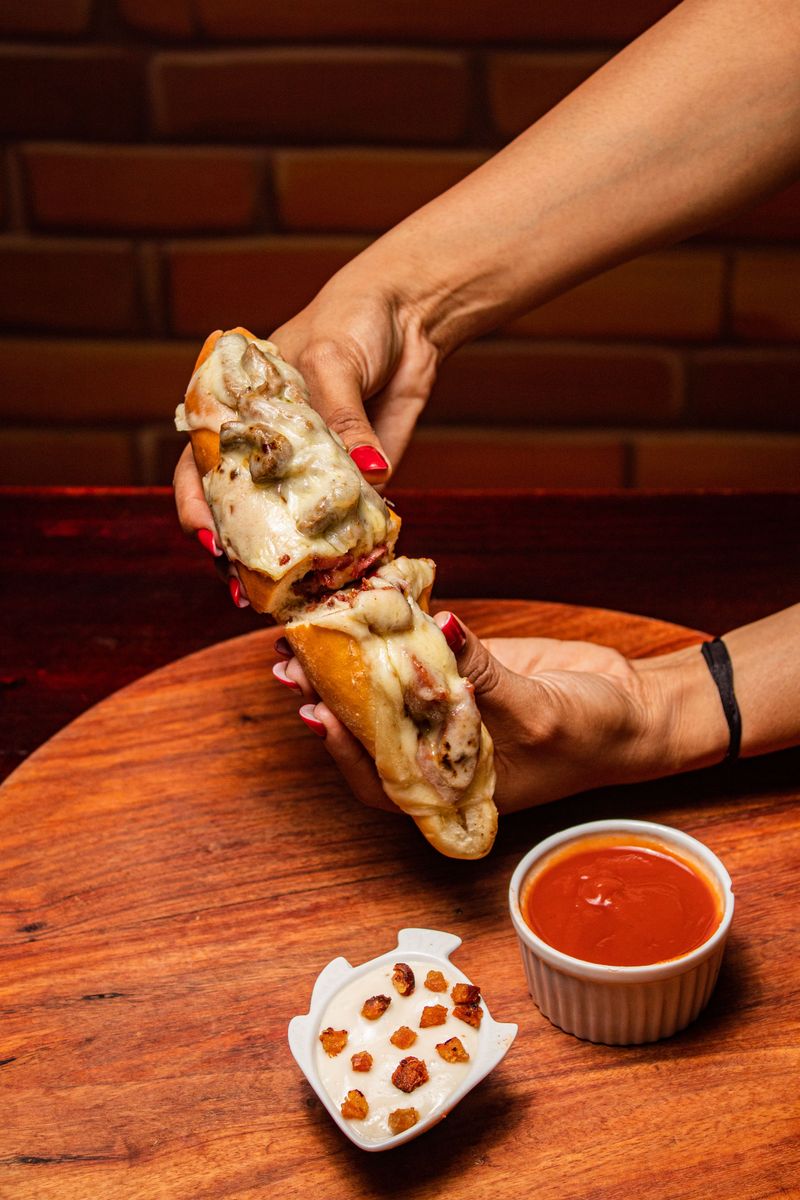
The real Italian beef decision starts when the bread meets the gravy. “Dipped, wet, or dry” is the phrase that separates first-timers from people who already know the sandwich is about more than sliced beef.
The phrase is all about the jus, often called gravy. Italian beef is sliced thin and held in seasoned cooking juices, and the bread can take on as much or as little of that liquid as you want.
Dry means the beef goes onto the roll with minimal extra juice. The bread stays firmer, the sandwich stays neater, and your napkin situation remains fairly calm.
Dipped is the assembled sandwich that takes a quick bath in the gravy. The bread gets coated, the flavor deepens, and the whole thing becomes more tied together without completely collapsing.
Wet refers to the sandwich that gets seriously soaked. The bread softens, the juices run, and the meal becomes a two-handed commitment with no room for false confidence.
This Illinois sandwich language is not just about texture. It changes how the beef, bread, and seasoning come together.
Dry is tidy. Dipped is flavorful and manageable. Wet is messy in a way that knows exactly what it is doing.
Once you understand the difference, the phrase stops sounding confusing and starts sounding like a very important lunch decision.
5. Tavern-Style
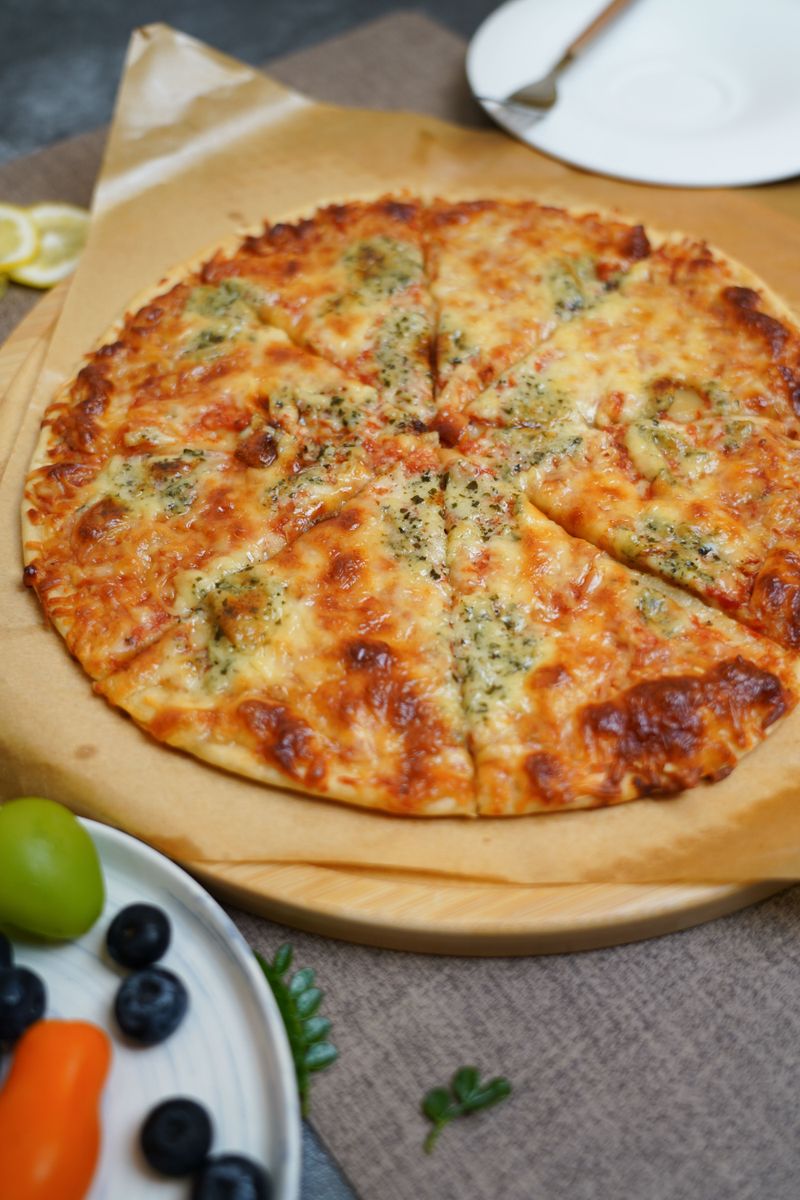
The Illinois pizza that actually runs many weeknights is not always the one visitors expect. Tavern-style pizza often lives in the shadow of deep dish, even though many locals eat it far more often.
This is the thin, crisp, square-cut pizza tied closely to Chicago neighborhoods and everyday gatherings.
The crust is usually cracker-thin, sturdy, and crunchy all the way across. It does not rise into a thick edge or try to become a casserole in disguise.
The toppings often reach close to the edge, which means nearly every bite gets a little of everything. Cheese melts into a browned, satisfying layer, and the whole pizza feels built for casual sharing.
The name comes from the neighborhood setting where this pizza became a regular table food, but the style now belongs well beyond that origin. In Illinois, tavern-style is not just a pizza description. It is a whole mood.
It says the pizza should be crisp, easy to share, and cut into pieces that keep everyone reaching back toward the tray.
Deep dish may get the out-of-state spotlight, but tavern-style is the quieter everyday favorite. It is the pizza that shows up, feeds the group, and does not need a speech.
6. Party Cut
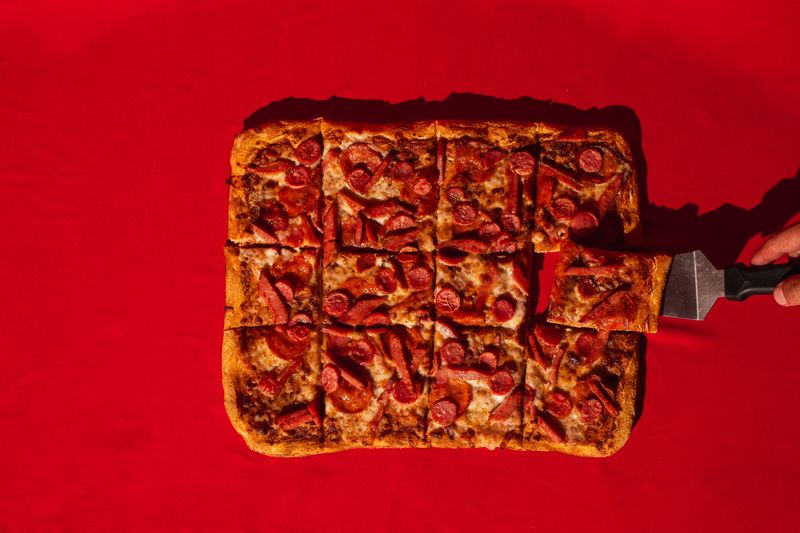
A pizza sliced into tiny squares somehow makes everyone at the table more strategic. “Party cut” refers to the square-cut slicing style used for tavern-style pizza, and it turns one pie into a grid of snackable little pieces.
Instead of long triangular slices, the pizza is cut into small squares. Some pieces have crust. Some are soft little center squares.
Everyone seems to develop a quiet opinion about which piece is best. The genius of the party cut is how easy it makes sharing. A pizza cut into squares invites people to grab a piece, then another, then one more tiny piece that somehow does not count.
It also avoids the drama of giant slices. Nobody has to negotiate the biggest wedge. The tray becomes more democratic, more casual, and much better suited to a table where people are talking, reaching, and eating without making a production out of it.
In Illinois, party cut makes sense because the pizza is meant to be shared in motion. It belongs at family tables, work lunches, game nights, and any gathering where food needs to be easy.
The name may sound playful, but it is also practical. Party cut turns pizza into finger food with a plan.
7. Horseshoe
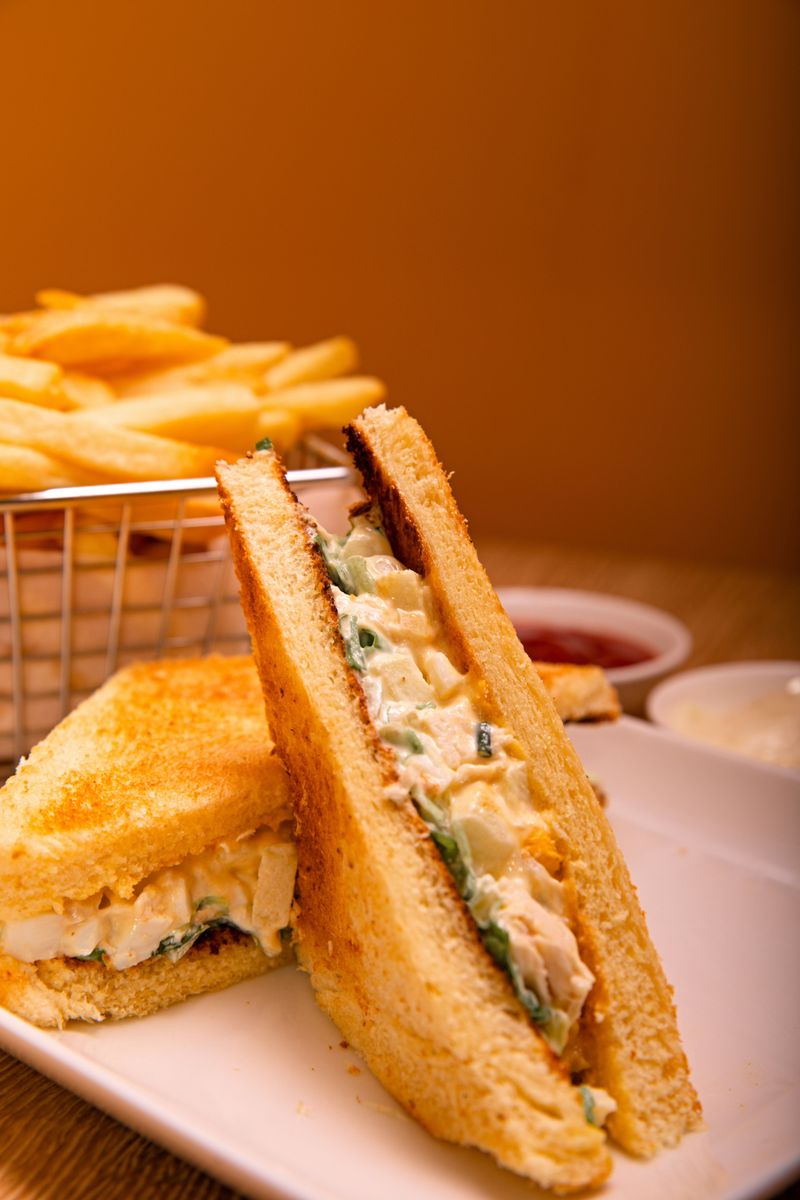
Springfield gave Illinois a plate that refuses to behave like an ordinary sandwich. The horseshoe starts with thick toast, adds meat, covers everything with cheese sauce, and finishes with a pile of fries.
It is open-faced, rich, filling, and absolutely not pretending to be a light snack. The original version is often connected to ham, with the meat arranged in a shape that inspired the horseshoe name.
The fries were said to represent the nails. Whether the story makes you smile or squint, the visual sticks once the plate arrives.
Over time, the dish expanded into versions made with hamburger patties, chicken, breakfast ingredients, and other choices. The cheese sauce remains the real center of gravity.
That sauce is what turns toast, meat, and fries into one complete plate instead of separate parts sitting near each other.
Every Springfield place that serves a horseshoe tends to have its own sauce style, which is why people get attached to specific versions.
This is central Illinois comfort food with no interest in being delicate. It is warm, heavy, and built for an appetite that came prepared.
Once you see the fries stacked over the sauce-covered toast, the name suddenly feels less strange and more like part of the fun.
8. Cozy Dog
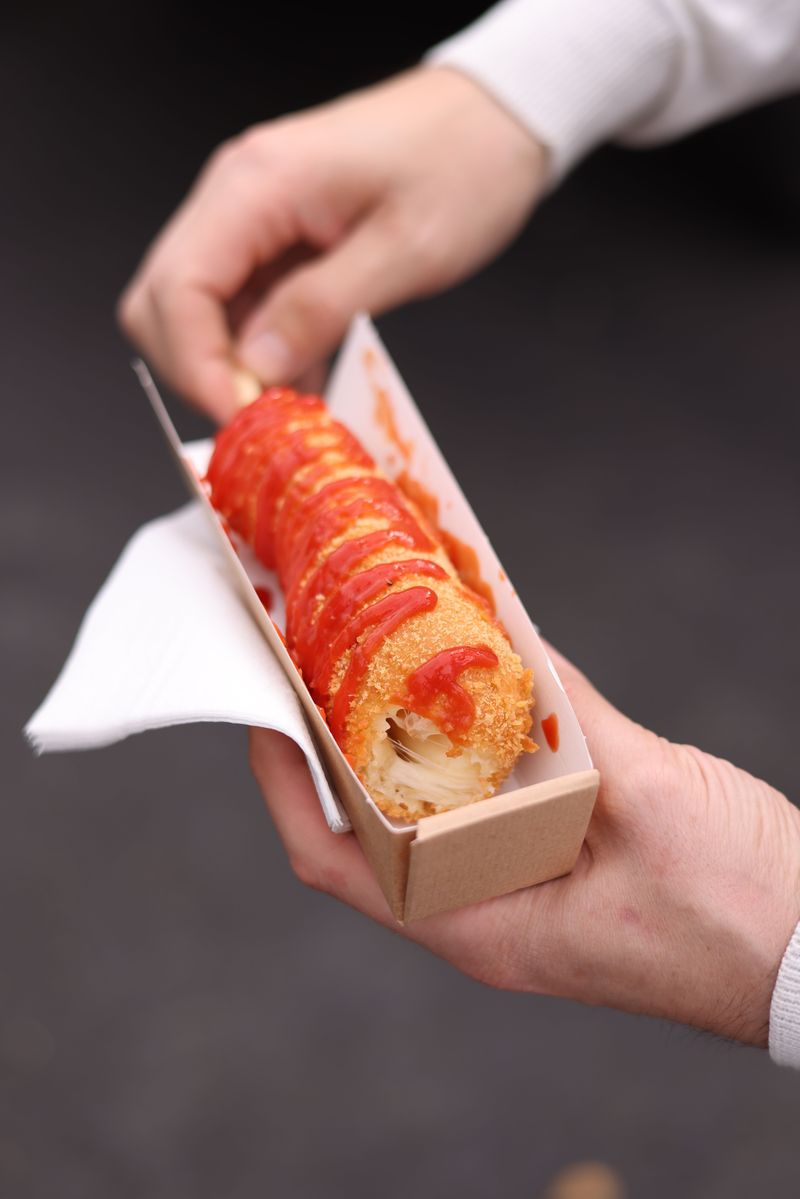
Route 66 needed a snack with wheels, and Springfield helped give it one. Cozy Dog sounds like a nickname, but in Illinois food history, it points to a very specific kind of corn dog on a stick.
The Cozy Dog is closely tied to Springfield and Route 66, where the battered-and-fried hot dog became a road-food icon.
The idea is simple: put a hot dog on a stick, dip it in cornmeal batter, fry it until golden, and create a portable meal that can be eaten without much ceremony. That simplicity is exactly why it worked.
Route 66 food had to be fast, satisfying, and easy to handle. The Cozy Dog checked every box. It gave travelers something warm and filling, while the stick made it practical enough for people moving along the highway.
The name adds charm, but the format adds staying power. A Cozy Dog feels nostalgic even if you did not grow up eating one, because it belongs to the larger story of American road food.
Illinois takes its Route 66 history seriously, and this phrase carries that connection in a way people can still taste.
When someone talks about a Cozy Dog, they are not just describing a corn dog. They are pointing to a small piece of Springfield road-trip history.
9. Jibarito
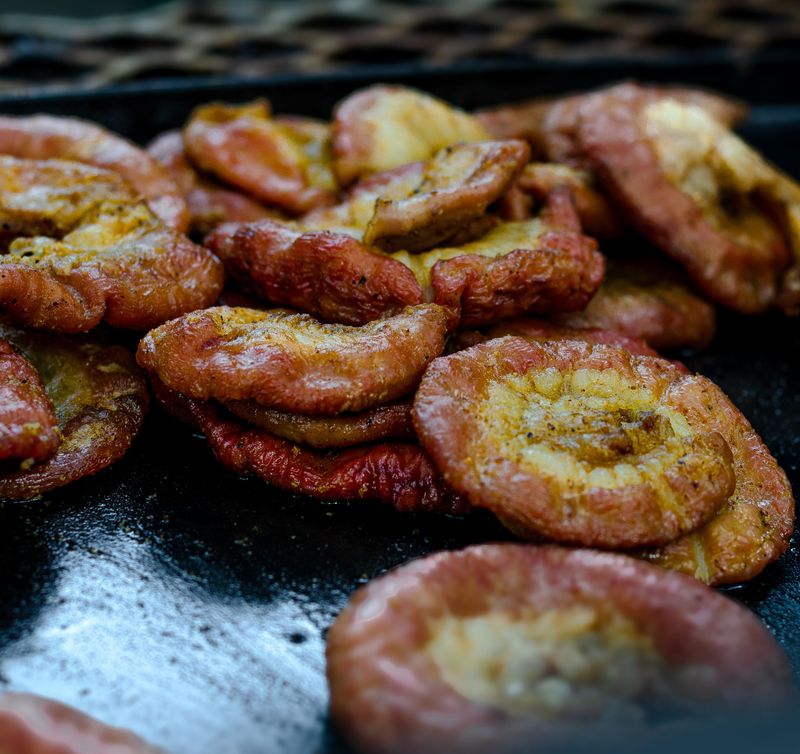
A sandwich without bread sounds like a puzzle until a jibarito lands in your hands. This Chicago original replaces a standard bun or roll with flattened, fried green plantains.
The plantains are crisp on the outside, slightly chewy inside, and sturdy enough to hold savory fillings such as steak, pork, or chicken. That swap changes everything.
The plantains bring a mild sweetness and a starchy texture that make the sandwich feel different from the first bite.
Garlic mayo, lettuce, tomato, and cheese often complete the build, giving it richness, freshness, and enough structure to hold together better than a first-timer might expect.
The jibarito grew out of Chicago’s Puerto Rican community in the 1990s, and it has become one of the city’s most distinct contributions to Illinois food culture.
It reflects community, creativity, and the kind of kitchen idea that sounds unusual until someone actually makes it work.
The name itself comes from Puerto Rican slang, and the sandwich carries that cultural pride with every crispy plantain layer.
Once it is in your hands, the question is no longer why there is no bread. The question is why more people do not think this boldly.
10. Rainbow Cone

The most cheerful cone in Chicago has a lot more structure than its colors suggest. Rainbow Cone stacks five flavors in neat horizontal slices on a single cone.
Chocolate, strawberry, Palmer House, pistachio, and orange sherbet. The result is colorful, organized, and instantly recognizable.
The slicing is part of the magic. These are not round scoops piled on top of each other. The flavors are layered in a way that gives each lick a different combination depending on where you land.
Palmer House is the flavor that usually needs explaining. It is a cherry and walnut ice cream inspired by the famous Chicago hotel.
It gives the cone a local detail that makes the whole thing feel more specific than a standard rainbow dessert. Chocolate brings depth. Strawberry keeps it fruity.
Palmer House adds texture and history. Pistachio brings nuttiness. Orange sherbet finishes with a bright, clean lift.
That combination has been part of Illinois summer eating for generations, and once you see the cone, the name needs no translation.
It is not just colorful for the sake of being colorful. It is layered, balanced, and built like a tiny edible skyline.