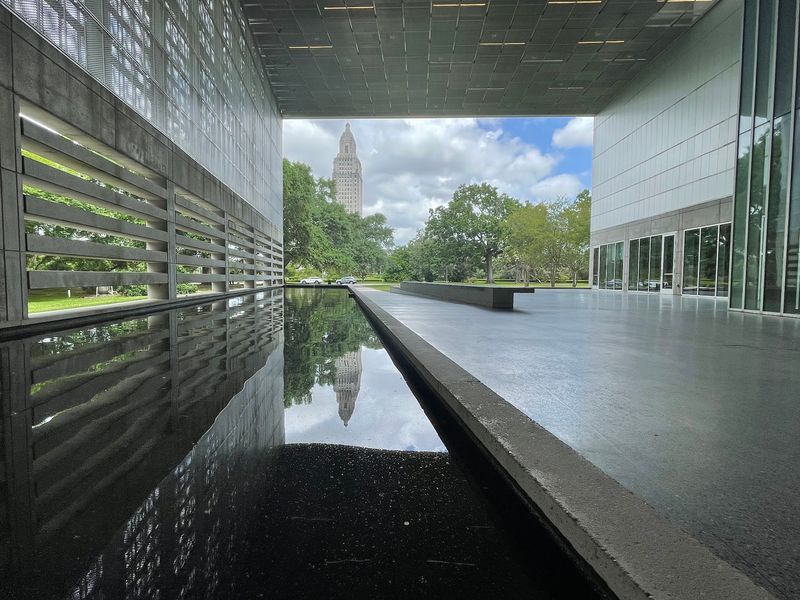
Louisiana is full of stories that never made it into your school textbooks. Tucked into small towns and busy city streets, these museums keep alive the voices of people who shaped the state but rarely got the credit.
From orphan trains to Creole heritage, each stop offers a fresh window into the past. Here are 15 places worth the trip if you want history the real way.
1. Whitney Plantation, Edgard, LA
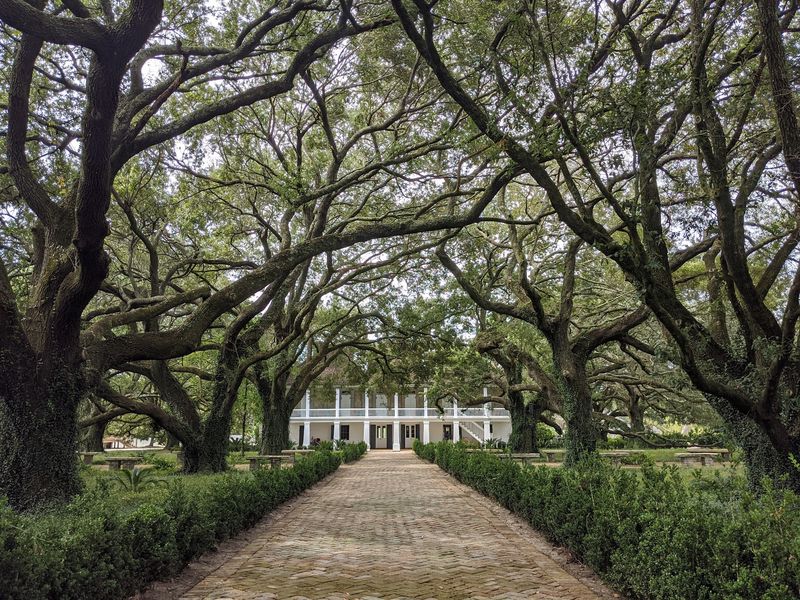
Along the winding River Road in rural St. John the Baptist Parish sits a place that flips the usual plantation tour on its head. Whitney Plantation is the only museum in Louisiana devoted entirely to telling history from the perspective of enslaved people, not the families who owned the land.
Instead of admiring fancy furniture, you walk restored buildings and memorial spaces that honor the men, women, and children who lived and labored here. Knowledgeable guides lead educational tours that trace the deep effects of slavery on the people, the communities they built, and America’s larger story.
The experience is moving and honest, never sugarcoated. It is the kind of place that stays with you long after you leave the grounds.
Plan ahead before visiting. The museum is open Wednesday through Monday from 9:30 AM to 4:30 PM and is closed Tuesdays, with tickets recommended in advance.
You will find a gift shop, restrooms, free and paid parking, and it is welcoming for kids. Located at 5099 LA-18 in Edgard, it deserves a spot on any Louisiana itinerary.
2. Louisiana Orphan Train Museum/ Musée du train orphelin de Louisiane, Opelousas, LA
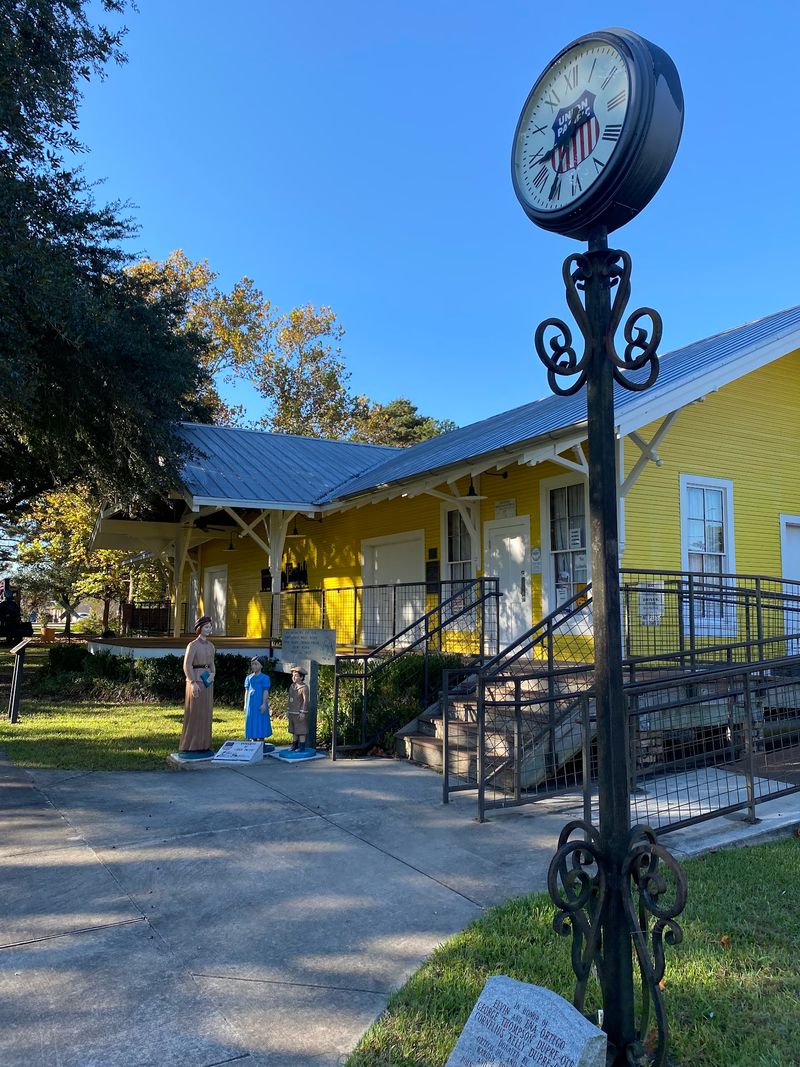
Imagine being a child put on a train in New York City and sent hundreds of miles south to a family you had never met. Between 1870 and 1929, more than 2,000 children arrived in Louisiana this way, and this little museum in Opelousas keeps their stories alive.
Housed in the small historic town along South Academy Street, the collection features artifacts and photos from the Orphan Train Movement. The exhibits share moving accounts of the young arrivals who came from the north and started new lives across South Louisiana communities.
What makes it special is the personal connection. The volunteers who run it are often directly related to the actual orphans who rode the trains, and their passion for keeping the true stories alive shines through every display.
It is a family-friendly and welcoming space with a gift shop, restrooms, and free on-site parking. Hours run Tuesday through Friday from 10 AM to 3 PM.
Small in size but rich in heart, it preserves a chapter of Louisiana’s diverse heritage that most books skip entirely.
3. National Hansen’s Disease Museum, Carville, LA
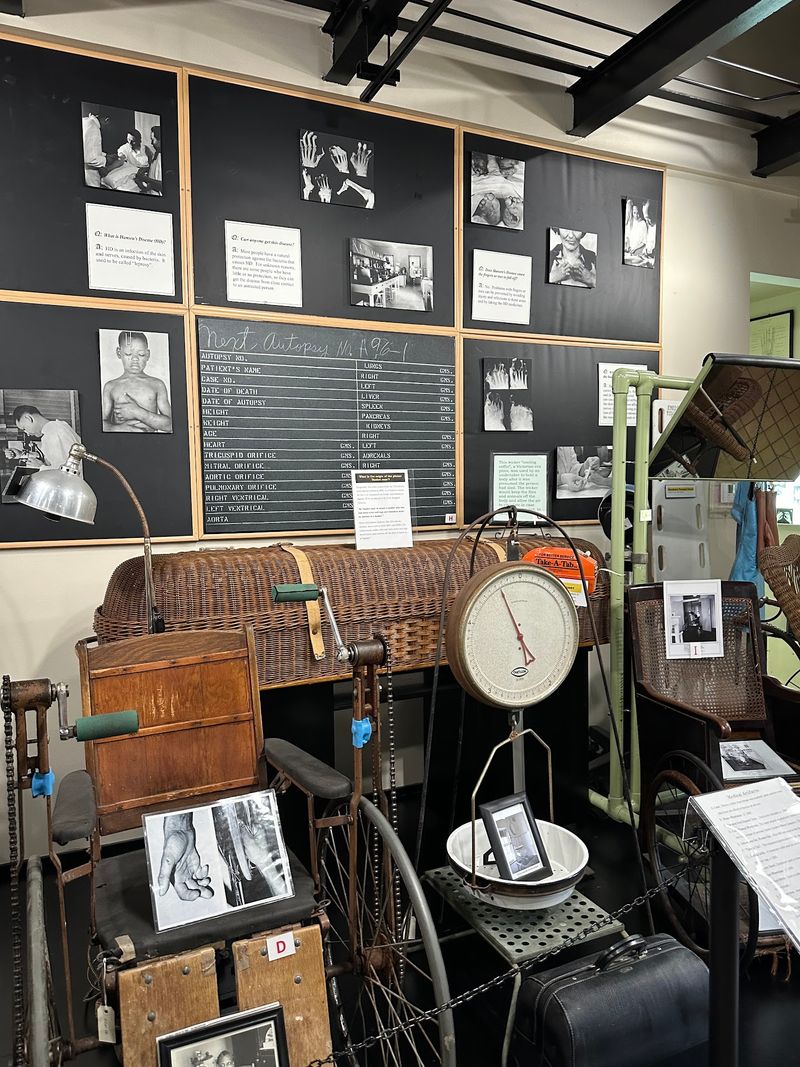
Few places carry layers of history quite like the grounds at Carville. What began as a plantation, later served as a prison, and eventually became a long-standing home for people living with Hansen’s disease, once called leprosy.
Today the National Hansen’s Disease Museum turns that story into something both educational and deeply human. Displays and information panels trace how understanding and treatment of the condition evolved over roughly 150 years, along with the history of this remarkable property.
Visitors leave having learned about a community that once lived in isolation and about the scientific advances made right here. The setting itself, tucked on a site with such a tangled past, adds weight to every exhibit.
You can explore the grounds with a driving tour that adds context to the village-like layout. The museum is family-friendly and welcoming, with restrooms and free on-site parking available.
Located at 5445 Point Clair Road, it is open Tuesday through Saturday from 10 AM to 4 PM. Come curious, and you may just leave with a reading list of your own.
4. River Road African American Museum, Donaldsonville, LA
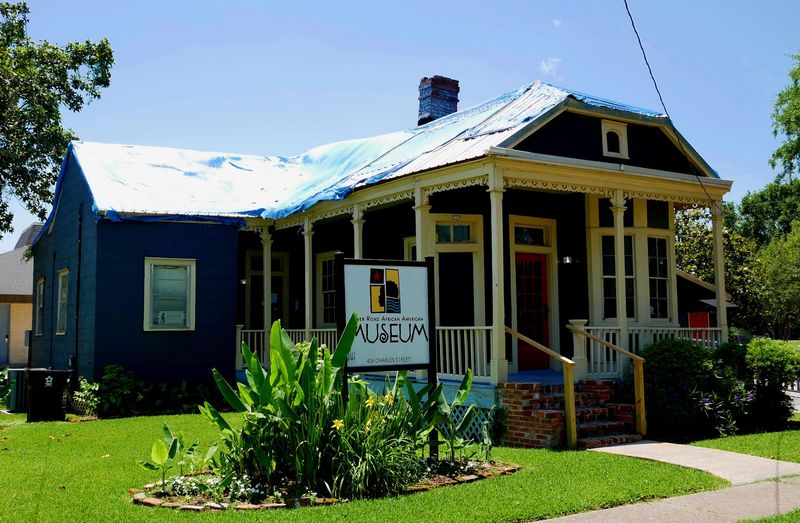
Set in the heart of Donaldsonville, this museum shines a light on stories the River Road region has carried for generations. It honors the history and culture of Louisiana’s African Americans through art, artifacts, and objects tied to slavery and the communities that rose afterward.
The collection is packed with pieces meant to teach and to make you pause and reflect. For anyone with Louisiana roots or a curiosity about the region, walking through these rooms offers a genuinely enriching look at an underrepresented heritage.
Live performances add another layer, bringing the culture to life beyond the display cases. The staff offer onsite services and guided tours that help connect the dots between the artifacts and the larger story.
Because this is a small operation, it is smart to plan your visit and grab tickets in advance so you can see everything on offer. The museum is family-friendly with restrooms and on-site parking.
Find it at 406 Charles Street, open Wednesday from 8:30 AM to 5 PM and Thursday through Saturday from 10 AM to 5 PM. A unique and meaningful stop.
5. Backstreet Cultural Museum, New Orleans, LA
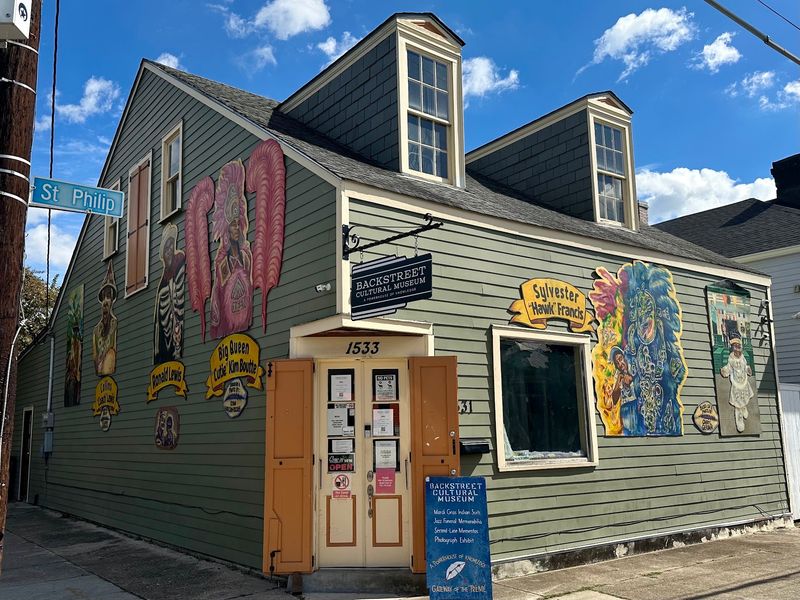
Tucked into the historic Tremé neighborhood, this small museum bursts with color and culture you truly cannot find anywhere else. It celebrates the traditions born on New Orleans streets, from brass bands to jazz funerals and the beloved second line.
The star attractions are the intricate Mardi Gras Indian suits, with their elaborate beadwork and towering feathers. Each one represents hours of handmade artistry and a proud community tradition passed down through generations.
Beyond the costumes, exhibits explore the deep roots of Black culture in New Orleans, including the connections between escaped enslaved people and Native American communities, and the social clubs that shaped local life. Videos and ephemera fill in the stories behind the tribes and the celebrations.
The setting is intimate, which makes the tours feel personal and packed with local knowledge. It is a place many call essential for truly understanding the city.
You will find it at 1531 St Philip Street, open Tuesday through Saturday from 10 AM to 4 PM. Onsite services, restrooms, and free street parking are available, and it is welcoming for kids.
6. Delta Music Museum Hall of Fame & Arcade Theatre, Ferriday, LA
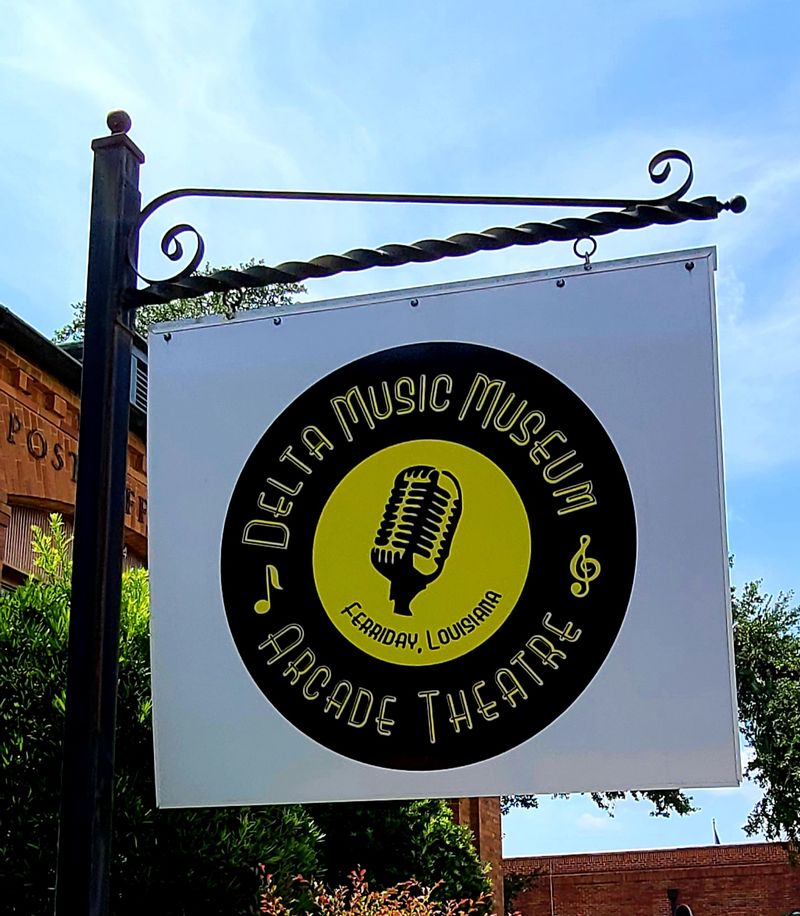
For a town its size, Ferriday has produced an astonishing amount of musical talent, and this museum makes sure the world remembers. It gathers memorabilia and artifacts tied to blues, gospel, and rockabilly, the sounds that helped shape American music.
Walking through, you get a real sense of the creativity that bubbled up in the Delta during the early years of blues and gospel, and how it all fit into the bigger music scene. Some of the most memorable names in music are honored here.
The friendly, knowledgeable staff give tours packed with information and great legacies, making the visit feel like a personal storytelling session. An attached theater and live performances add even more life to the experience.
Best of all, it is a genuine hidden gem that rewards the trip out to the rural Delta town.
You will find a gift shop and family-friendly atmosphere, with restrooms and on-site parking available. Located at 218 Louisiana Avenue, it is open Tuesday through Saturday from 9 AM to 4 PM.
Music lovers, this one belongs on your map.
7. Museum of the Southern Jewish Experience, New Orleans, LA
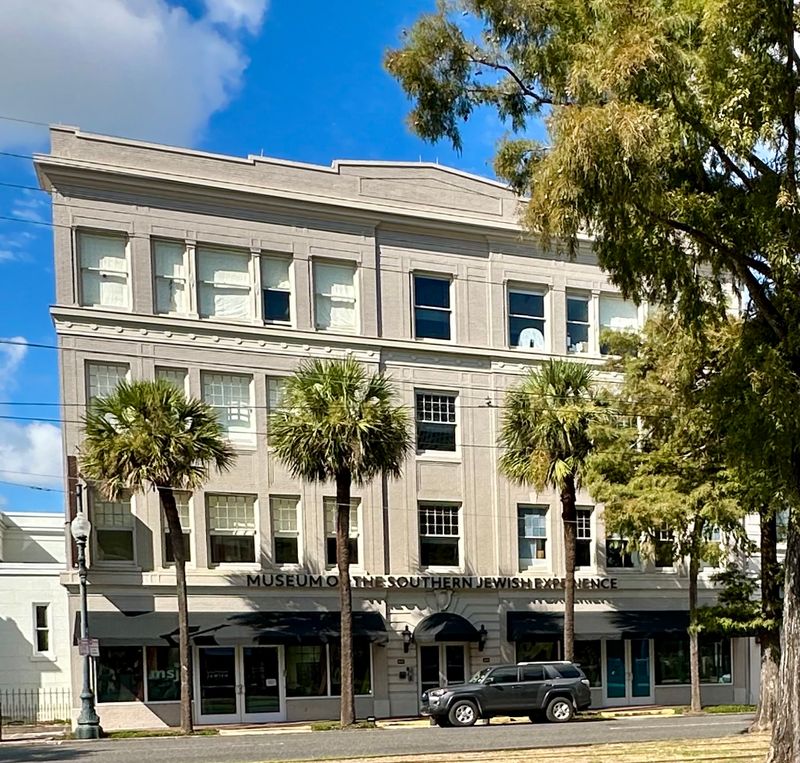
Here is a story most people have never heard: what it was like to be Jewish in the American South, holding onto tradition while weaving in Southern culture. This thoughtfully designed museum brings that unique history to life.
Interactive exhibits spread across two floors document the Jewish experience in the region dating back to the 18th century, and even further. You will find photos, artifacts, Judaica, and hands-on activities, plus a short film that sets the stage before you explore.
What stands out is how balanced and even-handed the storytelling feels. It covers Jewish life from early settlement through the Civil Rights era and beyond, offering a perspective often missing from broader history lessons.
Whether you know the subject well or are brand new to it, the museum offers a welcoming introduction to Jewish life in the South for everyone.
A gift shop, theater, and friendly staff round out the visit, along with restrooms and paid street parking nearby. Located at 818 Howard Avenue, it is open Wednesday through Monday from 10 AM to 5 PM and closed Tuesdays.
Family-friendly and eye-opening.
8. Free People of Color Museum, New Orleans, LA
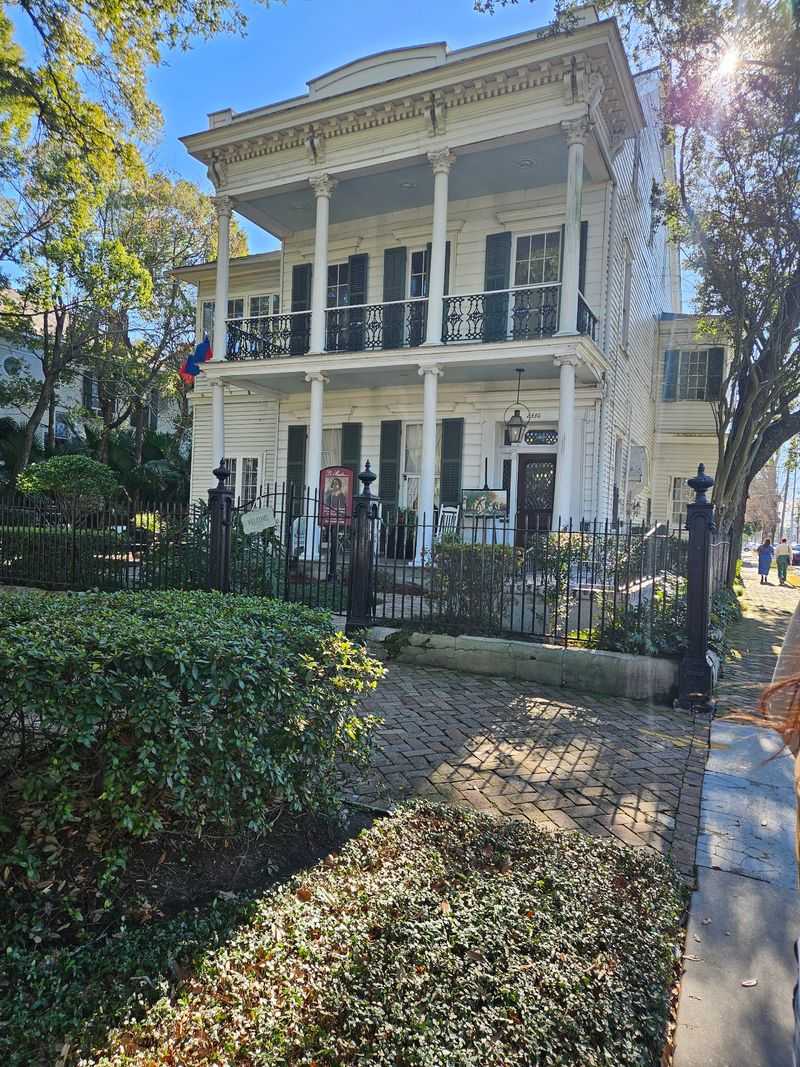
Housed in a lovely historic home on Esplanade Avenue, this museum tells a story New Orleans holds dear but textbooks rarely explore: the lives of the city’s free people of color, the gens de couleur libres.
Through paintings, documents, and carefully chosen artifacts, guided tours walk you through the accomplishments and everyday lives of a community that helped build the city’s culture. It stands as the only museum dedicated entirely to sharing their history.
The guides here are gifted storytellers who keep every kind of audience engaged, from kids to grandparents, pointing out the key pieces that bring the past into focus. Visitors often say the experience deepens their understanding of both New Orleans and African American history.
Because the space is intimate and tours are scheduled, planning ahead is essential.
The museum is family-friendly with a gender-neutral restroom and offers tours by reservation. Getting tickets in advance is strongly recommended.
Located at 2336 Esplanade Avenue, it keeps limited hours, open Friday from 1 to 2 PM and Saturday from 11 AM to noon. A small window, but well worth arranging your schedule around.
9. Melrose On The Cane, Melrose, LA
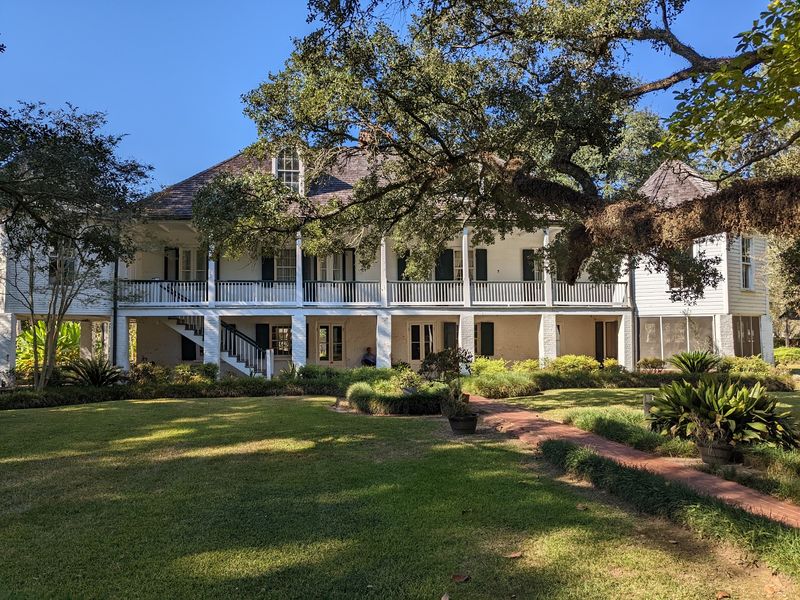
Along the Cane River in rural Natchitoches Parish sits a plantation with roots unlike almost anywhere else in America. Melrose On The Cane was founded by Marie Thérèse Coincoin, a freed enslaved woman whose story anchors this remarkable site.
Guided tours dig into the layered history of the property, from its unusual origins to the distinctive African House, a building that draws architecture lovers from far and wide. The grounds themselves are beautiful, dotted with restored historic structures.
Melrose is also famous for its connection to folk artist Clementine Hunter, whose work turned this quiet corner of Louisiana into an important place in American art history. Knowledgeable guides bring these threads together with detail and care.
The setting feels both peaceful and profound, a spot that invites reflection as much as learning.
Onsite services are available, and the site is welcoming for kids, with free on-site parking. Tours provide the deepest look at the property’s story.
Located at 3533 LA-119 in Melrose, it is open Thursday through Saturday from 10 AM to 4:15 PM and Sunday from noon to 4:15 PM. A truly one-of-a-kind stop.
10. Shreveport Water Works Museum, Shreveport, LA
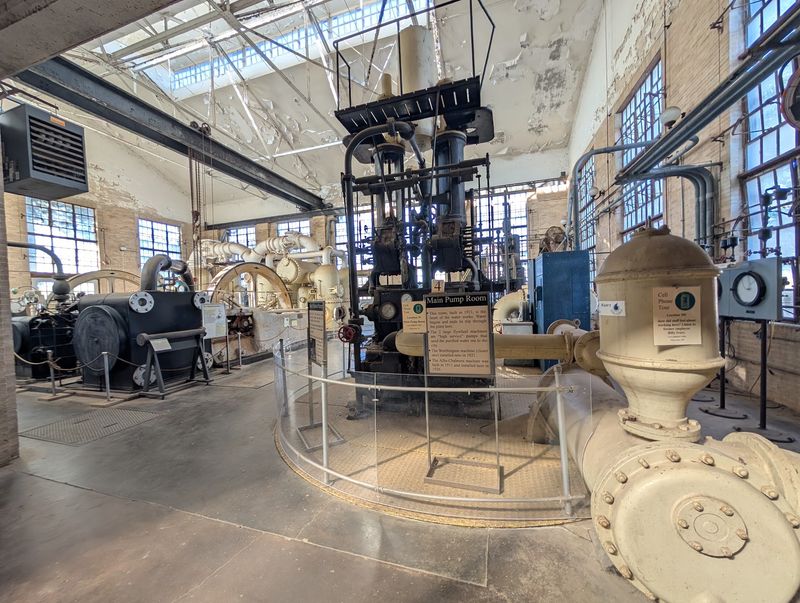
Ever wonder how a whole city got its water more than a century ago? In Shreveport, you can see the answer up close inside one of the last remaining steam-operated water supply stations in the country.
Built in 1887 and running until 1980, the plant is now a museum filled with antique filters, pumps, and steam equipment. You can peek into the settling tanks, the filter room, the laboratory beneath the water tower, and even head down into the main pump room basement, a full 47 feet underground.
Standing next to the gigantic machinery that powered a city’s water supply for decades is genuinely jaw-dropping. Guided tours share fascinating facts about the technology and the history of the city itself.
It is the kind of forgotten industrial history that rarely gets a spotlight, and it is a real hidden gem.
The museum offers a gift shop, a cafe, restrooms, and on-site parking, and it is great for kids.
Located at 142 N Common Street, it is open Tuesday through Saturday from 10 AM to 4 PM and Sunday from noon to 4 PM. Engineering fans, take note.
11. Acadian Memorial and Museum, St Martinville, LA
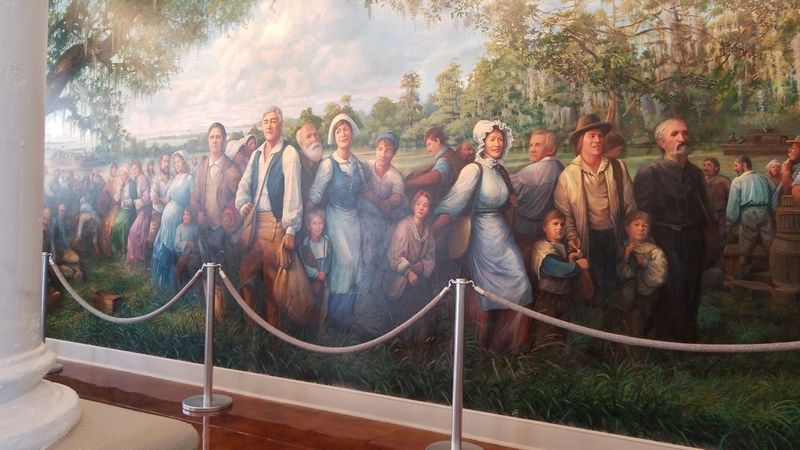
In small-town St. Martinville, deep in the heart of Acadiana, a memorial keeps alive the story of the Acadian people and their long, difficult journey to Louisiana.
The centerpiece is a beautiful mural depicting Acadian refugees at the moment they arrived in the 1700s, having been forced from their homes during the Grand Dérangement, the great expulsion. It is a powerful image that puts faces to a history many have never studied.
Beyond the mural, the museum and its memorial garden honor the thousands of Acadians whose descendants shaped Cajun culture across the region. Helpful docents can even assist visitors in tracing Cajun ancestors and discovering their own roots.
For families with ties to the region, it can feel like coming home. For everyone else, it offers a moving lesson in resilience and belonging.
The site includes a cafe and restrooms, and it welcomes kids. Guided tours help bring the history into sharper focus.
Located at 121 S New Market Street, it is open Tuesday through Saturday from 10 AM to 4:30 PM and Sunday from noon to 4 PM. A quiet but meaningful piece of American history.
12. West Baton Rouge Museum, Port Allen, LA
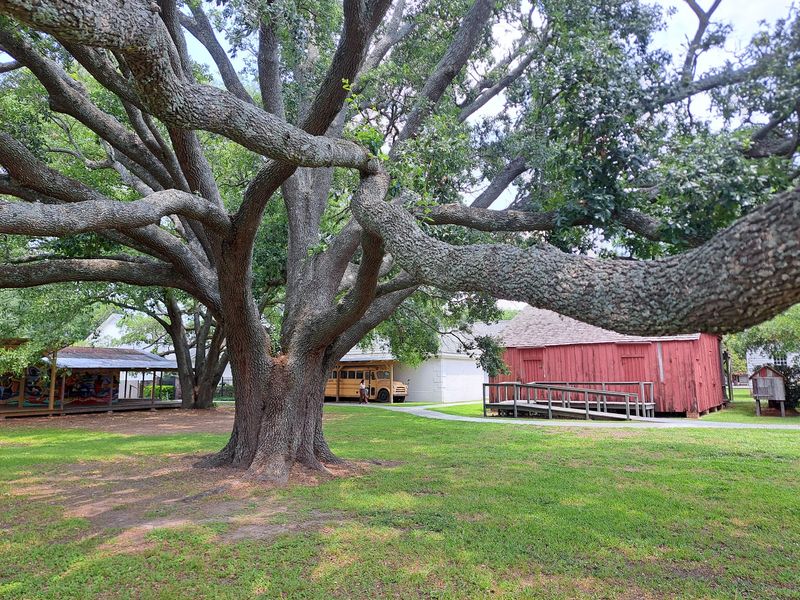
Spread across six oak-studded acres on the west bank of the Mississippi River, this Port Allen museum turns regional history into something you can walk right through.
The grounds hold several historic buildings, including intact cabins that tell the story of life on a 19th-century sugar plantation. Inside, in-depth exhibits explore the labor behind the sugar industry, the tenant farming of the Reconstruction era, and local civil rights struggles.
One standout feature is a detailed model showing the sugarcane refinement process, which helps visitors understand just how much work went into every grain. Knowledgeable curators and family-friendly activities, like sampling sugar or meeting Papa Noel, keep things lively for all ages.
Live music and frequent events make it feel like a true community gathering place, not just a quiet gallery.
Onsite services and guided tours are available, along with restrooms and on-site parking, and the setting is welcoming for kids.
Located at 845 N Jefferson Avenue, it is open Tuesday through Saturday from 10 AM to 4:30 PM and Sunday from 2 to 5 PM. Locals and travelers alike find it a not-to-be-missed stop with real depth.
13. New Orleans Historic Voodoo Museum, New Orleans, LA
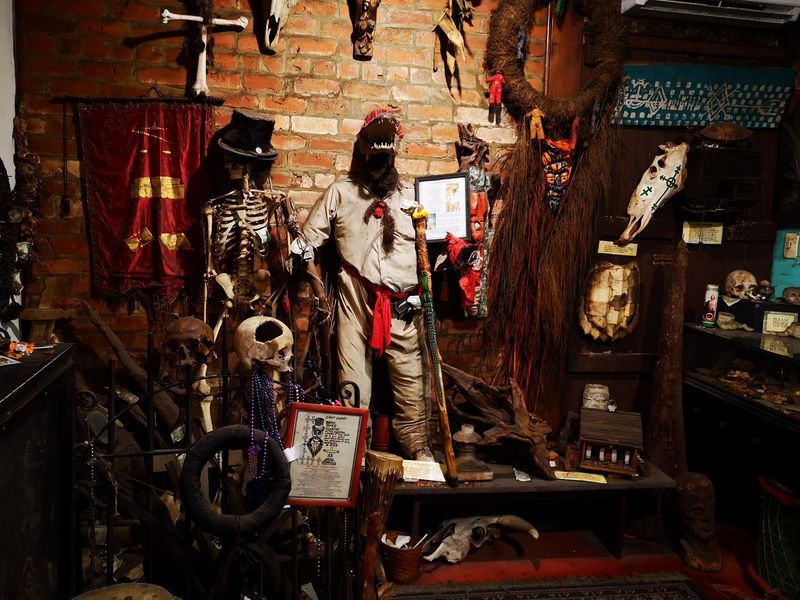
Squeezed into two snug rooms in the French Quarter, this museum takes one of the world’s most misunderstood spiritual traditions and gives it an honest, human face.
Run by actual voodoo practitioners, the space is packed with artifacts and materials that trace the practice from its origins in Africa all the way to its journey to New Orleans. Rather than leaning into Hollywood myths, it challenges misconceptions and corrects the record.
The tour is where things really come alive. Enthusiastic guides balance history, folklore, and New Orleans culture, weaving in African American history along the way.
It is educational and immersive, striking a tone that is respectful without ever being stuffy.
Expect a bit of playful spookiness too, with folk art and figures that add character to the tight, atmospheric rooms.
A gift shop is on site, and there are discounts for kids, though note there is no restroom. Paid parking is available nearby.
Located at 724 Dumaine Street, it is open Monday through Saturday from 10 AM to 6 PM and Sunday from 10 AM to 7 PM. Come for the mystery, leave with real understanding.
14. Laura Plantation: Louisiana’s Créole Heritage Site, Vacherie, LA
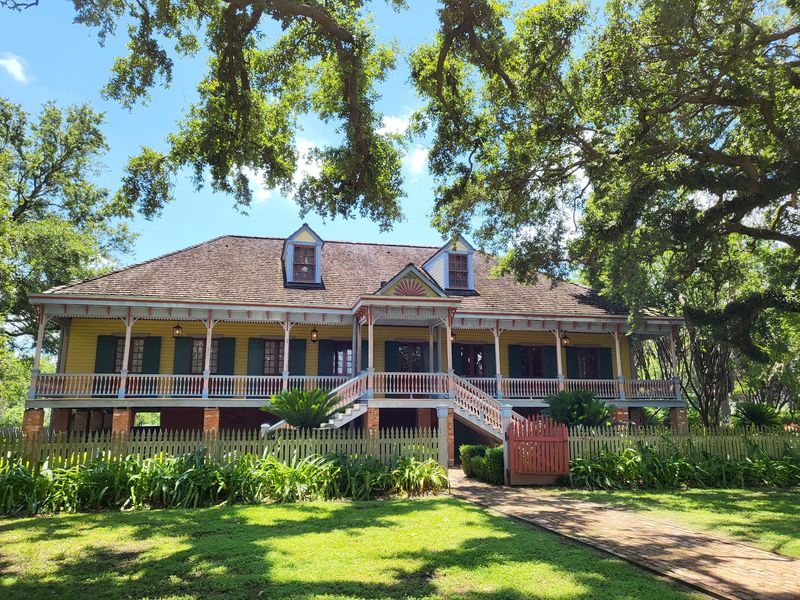
Painted in cheerful colors that set it apart from its neighbors, this 1805 sugarcane plantation in Vacherie tells its story through the lens of Creole Louisiana and the strong matriarchs who ran it.
Daily guided tours cover the big house, the grounds, and a slave cabin, weaving together the lives of the family, the enslaved people who worked the land, and the wider Creole culture. Passionate guides deliver in-depth facts and family drama that make the history feel alive.
One fascinating detail: West African folklore traditions were recorded right here, including the Br’er Rabbit tales that later spread across American storytelling. The site does not shy away from the hard truths of slavery either, giving a full and honest picture.
With its serene, well-preserved landscape, the plantation transports you straight into 19th-century Louisiana.
A gift shop and cafe are on site, along with restrooms and free parking, and it is welcoming for kids. Booking tickets in advance is recommended.
Located at 2247 LA-18, it is open most days from 9:30 AM to 2:20 PM, closed Wednesdays, with a shorter Sunday schedule. One of the state’s most authentic tours.
15. Louisiana State University Rural Life Museum, Baton Rouge, LA
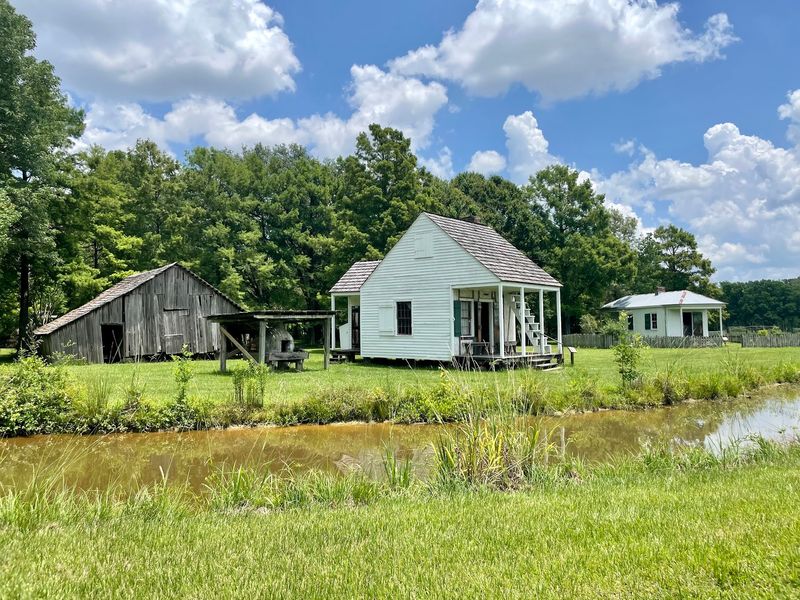
Run by LSU in Baton Rouge, this sprawling outdoor museum lets you step directly into everyday life in 1800s Louisiana. Historic buildings sit among gardens and towering trees, creating an open-air village that feels frozen in time.
The collection is enormous, packed with tools, artifacts, and preserved structures that document rural living across two centuries. Exhibits tell the story of the state from an agricultural angle, showing how tools, buildings, and daily routines evolved over time.
Just as important, the museum honors the everyday lives of rural laborers, sharecroppers, and enslaved people, giving voice to those often left out of grander narratives. Wandering the grounds, you get a hands-on feel for the work and rhythms that shaped the region.
It is detailed, immersive, and a genuinely great place to learn about Louisiana culture.
A gift shop, theater, and cafe are on site, along with restrooms, onsite services, and free parking, and it is welcoming for kids.
Located at 4560 Essen Lane, it is open daily from 8 AM to 4:30 PM. Give yourself plenty of time, because there is a lot of ground and history to cover here.