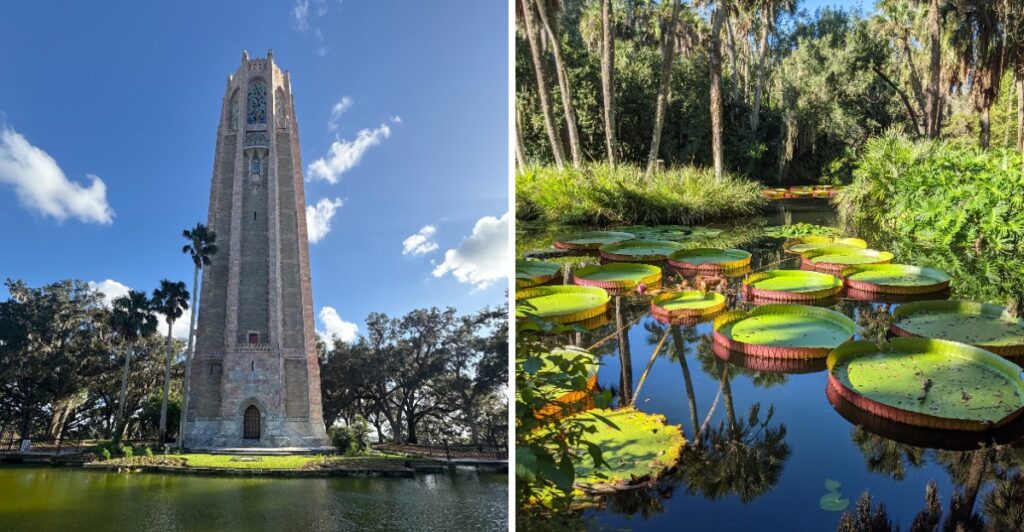
A 205-foot tower in Florida holds 60 bells, and the biggest one weighs more than 11 tons. That’s heavier than my car, and my car can’t sing a single note.
The tower doesn’t just sit there looking pretty, either. A real musician climbs up and plays it live each afternoon, sending music over gardens, ponds, and a bird sanctuary.
Then there’s the hill itself, rising about 298 feet above sea level on otherwise flat land. Around here, that counts as a mountain, and I adore that kind of confidence from a gentle hill.
The hill gets a mountain title, and the tower gets a daily concert schedule. Clearly, nobody on this hilltop believes in thinking small.
The Singing Tower Puts On Two Bell Concerts Every Day
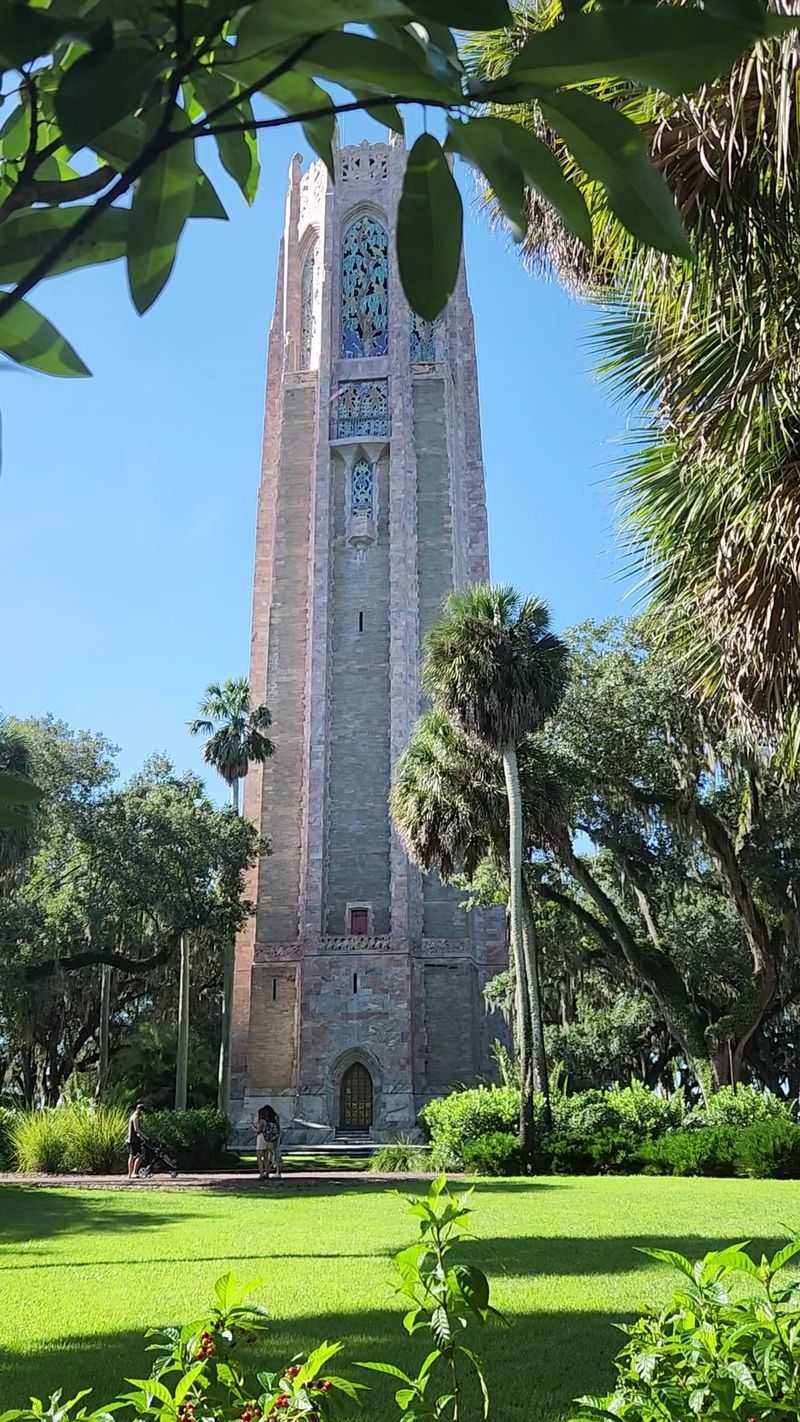
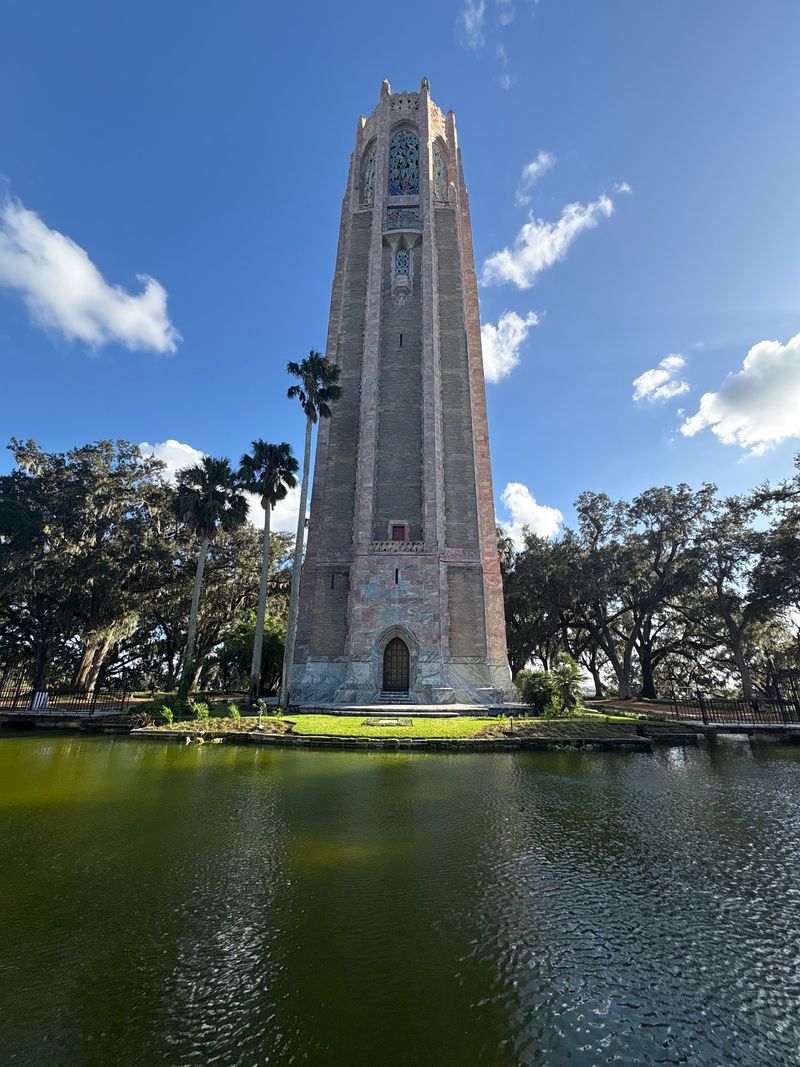
Bok Tower Gardens turns a stone tower into a full-size musical instrument. Inside sits a 60-bell carillon cast by John Taylor Bellfounders in England.
The bells range from a tiny 16-pound bell to more than 11 tons. Together, they weigh over 63 tons, which is a lot of metal to play with your hands.
Carillon concerts happen daily at 1 p.m. and 3 p.m., with live performances on select days and recordings on others.
During live concerts, a carillonneur plays from a keyboard high inside the tower, sending songs across the grounds.
You don’t need a ticket to a special seat. The whole garden becomes the concert hall, and the sound carries through the trees.
Near the tower, a seating area shows the musician on a large screen during concerts. You get to watch hands and feet working the keys while the bells answer overhead.
Short on time? Plan your arrival around those two concert slots so you catch at least one. The music lasts long enough to enjoy without rushing.
Clock music also rings every hour and half-hour. Miss a concert, and the tower still gives you a little song to remember it by.
Every Inch Of The Tower Is Telling A Story
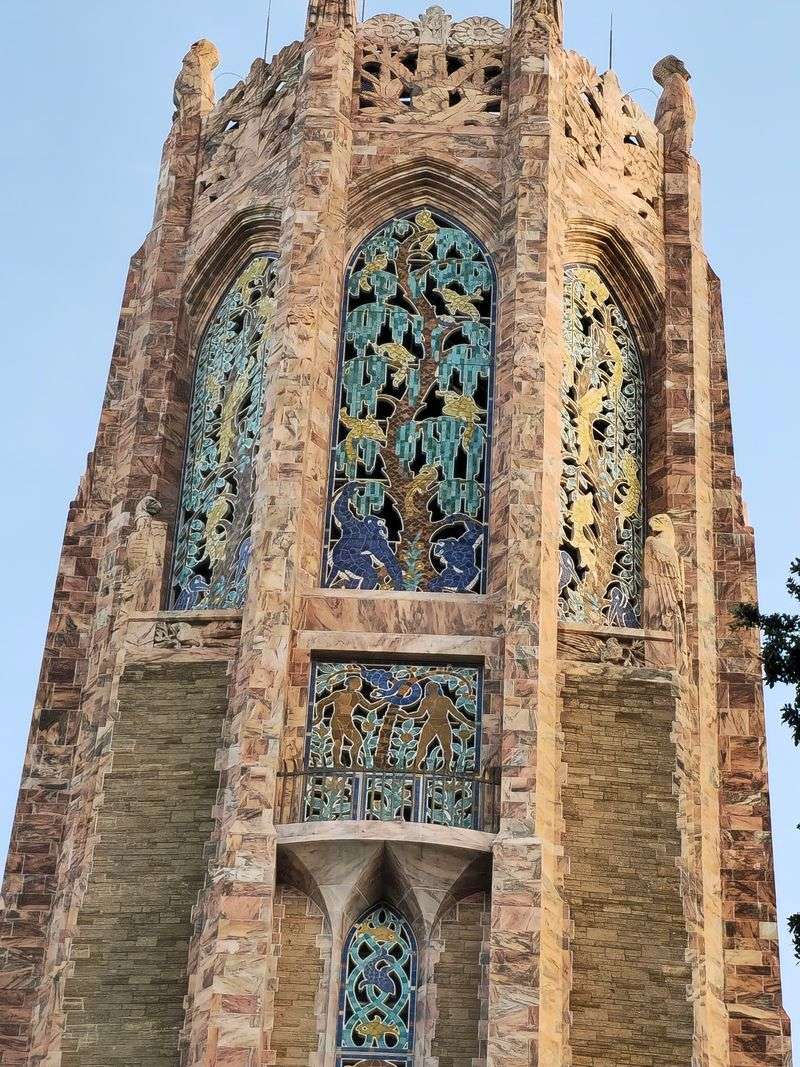
Herons sit carved near the top, and eagles guard the base of the bell chamber. Sculptor Lee Lawrie added those details, and they reward anyone who looks up.
Philadelphia architect Milton Medary designed the tower. It was built between 1927 and 1929, blending Art Deco and Neo-Gothic styles.
The building materials came from two states. Workers used Florida coquina stone along with pink and gray Georgia marble.
That mix gives the tower its soft color in the sunshine. It looks less like a fortress and more like something from a storybook.
Colorful ceramic grilles by J.H. Dulles Allen brighten the upper sections. They add pops of blue and green against the stone.
Then there’s the Great Brass Door, crafted by metalworker Samuel Yellin. Its panels tell the Biblical story of Creation, piece by piece.
Bring binoculars or a phone with a good zoom. Many carvings sit high up, and details are easy to miss from the ground.
Visitors can’t go inside the tower, but the outside gives plenty to study. Walk a full lap, because each side shows off something different.
One Editor’s Big Dream Started The Whole Thing
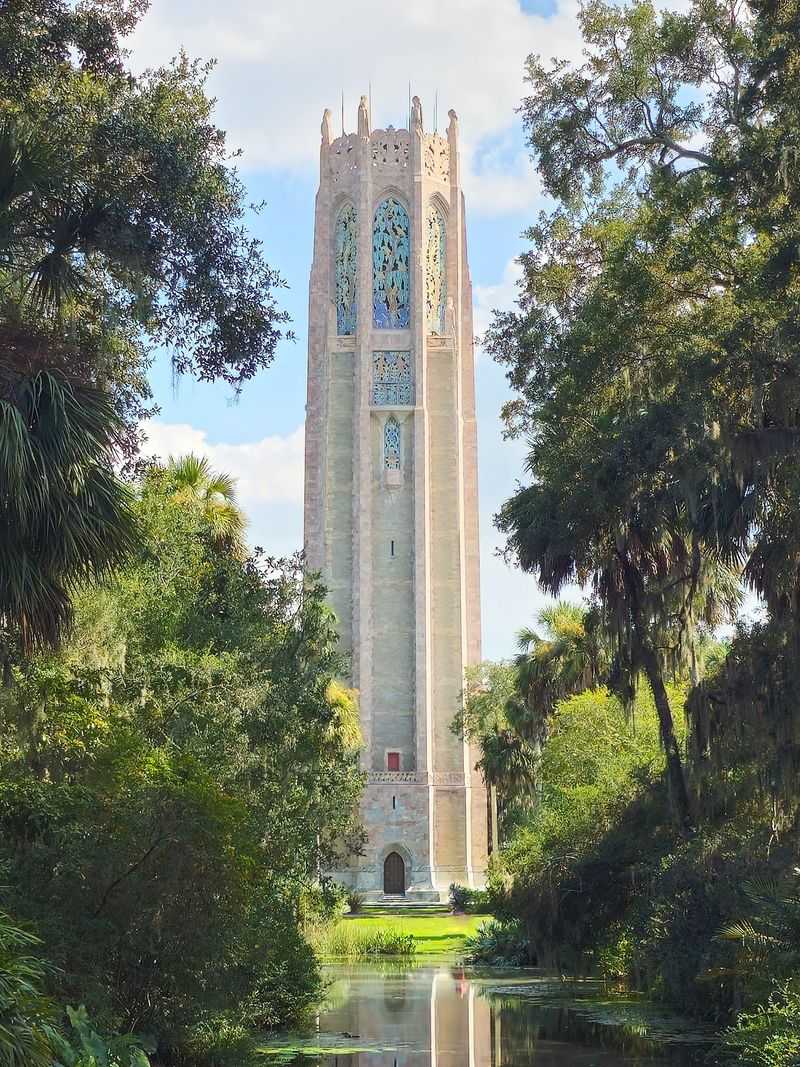
Edward W. Bok came to America as a Dutch immigrant. He later edited the Ladies’ Home Journal and won a Pulitzer Prize for his writing.
His grandmother gave him a motto he never forgot. It urged people to make the world a bit better or more beautiful because they lived in it.
Bok took that advice to an impressive level. In 1922, he hired Frederick Law Olmsted Jr. to transform a sandy hill near Lake Wales.
Olmsted’s father helped design Central Park, so the family knew landscapes. The son spent about five years shaping the gardens with native and exotic plants.
Those plants were chosen to handle Florida’s humid climate. They also offered food and shelter for migrating birds.
President Calvin Coolidge dedicated the sanctuary and tower on February 1, 1929. That’s a pretty fancy ribbon-cutting guest.
The site took its current name in 1986, and it’s now a National Historic Landmark. Edward Bok rests at the base of the tower he dreamed up.
Stop by the Visitor Center exhibits before exploring. Knowing the backstory makes every path feel more meaningful.
Wander 50 Acres Of Shady Paths Built For Slowing Down
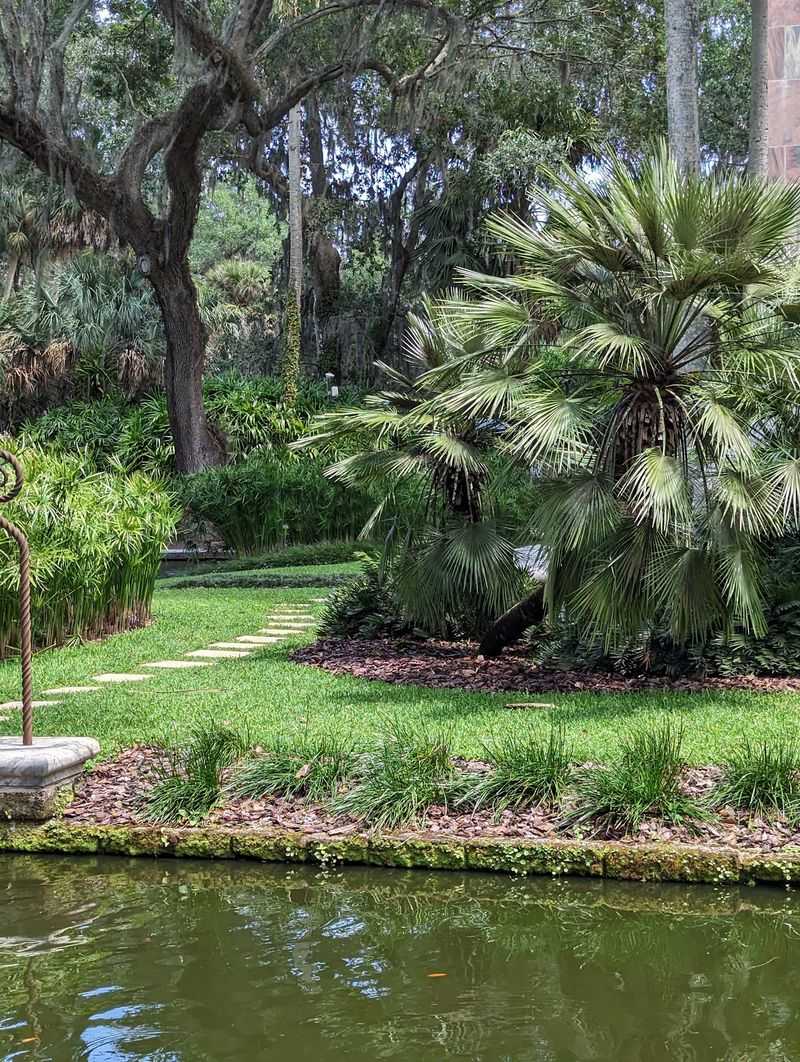
Live oaks, palms, ferns, and pines frame the Olmsted Gardens. Winding paths lead you under shade and past seasonal color.
The gardens cover about 50 acres of the larger 250-acre property. That’s plenty of room to find a quiet bench all your own.
Over four miles of paved main paths and mulched side trails loop through the grounds. Comfy shoes are a smart call here.
From the Visitor Center, reaching the tower takes about eight minutes on foot. It’s a pleasant warm-up for the rest of your stroll.
Near the tower sits a scenic overlook. Yes, an overlook in Florida, which still feels a little like a magic trick.
Ponds add another layer of calm. Koi fish are a favorite sight for many people resting along the water.
Want to see it all? Give yourself a few hours, especially if you like stopping often for views.
Bring a refillable water bottle and sun protection. The shade helps, but central Florida sunshine doesn’t take days off.
Morning visits often feel cooler. The gates open at 8 a.m., which gives early birds a head start.
Birds Got Their Own VIP Section Long Before You Did
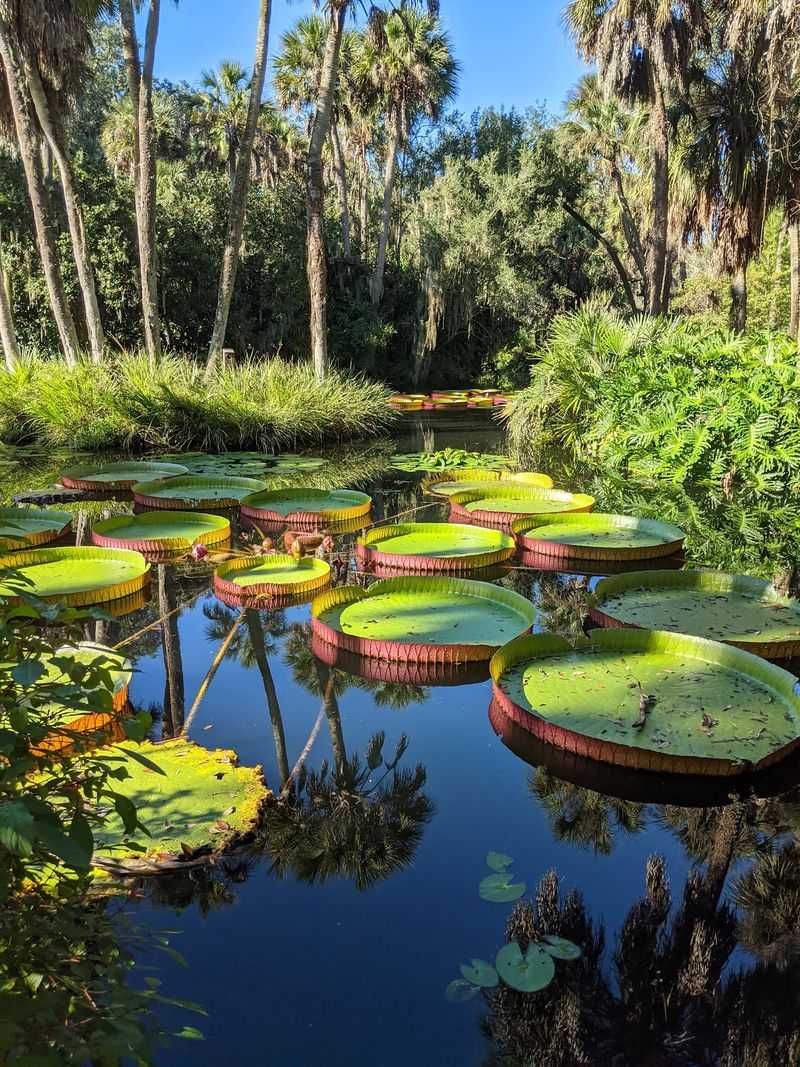
From day one, this place was meant to be a bird sanctuary. That goal still shapes the gardens today.
About 126 bird species have been recorded on the grounds. The site is also part of the Great Florida Birding Trail.
Birds aren’t the only residents worth noticing. The threatened gopher tortoise and the endangered eastern indigo snake also live here.
Keep an eye on sandy areas for tortoise burrows. Give these slow-moving locals plenty of space and admire them from a distance.
One garden feature lets you watch wildlife quietly. A small building near the water has a viewing window for peaceful animal watching.
Butterflies also flutter through the blooms on sunny days. Kids tend to spot them faster than adults do.
A pair of binoculars makes a big difference here. So does a free birding app to help name what you see.
Move slowly and talk softly near the ponds. Wildlife shows up more often when the humans calm down.
Between the bells and the birdsong, the soundtrack here is hard to beat. Nature handles the harmony part pretty well.
A 20-Room Mansion Waits Behind The Trees
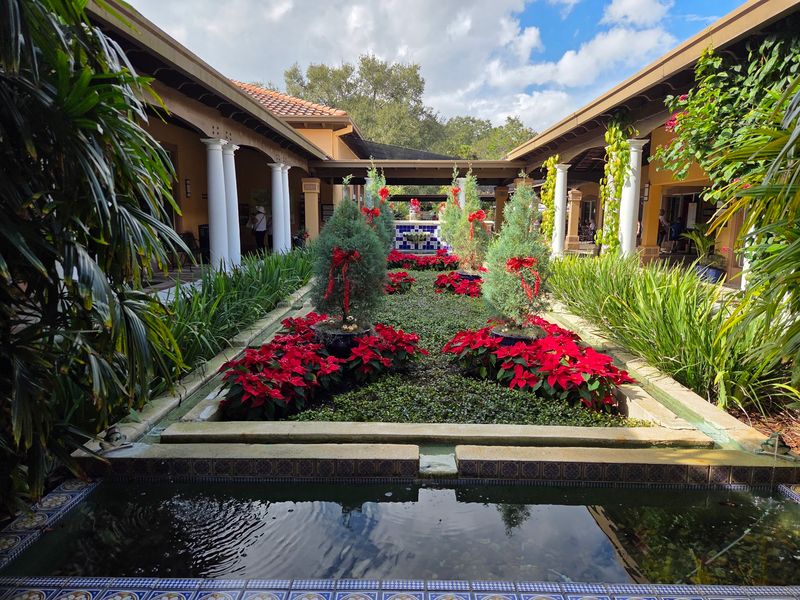
Pinewood Estate, also called El Retiro, adds old-school glamour to the trip. The 20-room Mediterranean Revival mansion dates to the 1930s.
It offers a peek at how wealthy Florida families lived nearly a century ago. Think tile roofs, arches, and garden views from nearly every angle.
Touring the inside costs an extra admission fee. Guided tours share stories about the home and its design.
Not ready to pay more? You can still explore the exterior and nearby gardens without the added ticket.
Landscape architect William Lyman Phillips designed the estate’s garden spaces. Each one has its own personality.
Look for the Vegetable Garden, The Grotto, and the charming Frog Fountain. The Moon Gate makes a lovely frame for photos.
The estate sits a short walk from the tower area. Pair them together for a nice mix of music and history.
History fans should budget extra time here. The rooms and grounds deserve more than a quick glance.
The name El Retiro means the retreat. One look at the setting, and you’ll understand why it fits.
Lunch, Picnics, And Practical Stuff For An Easy Day
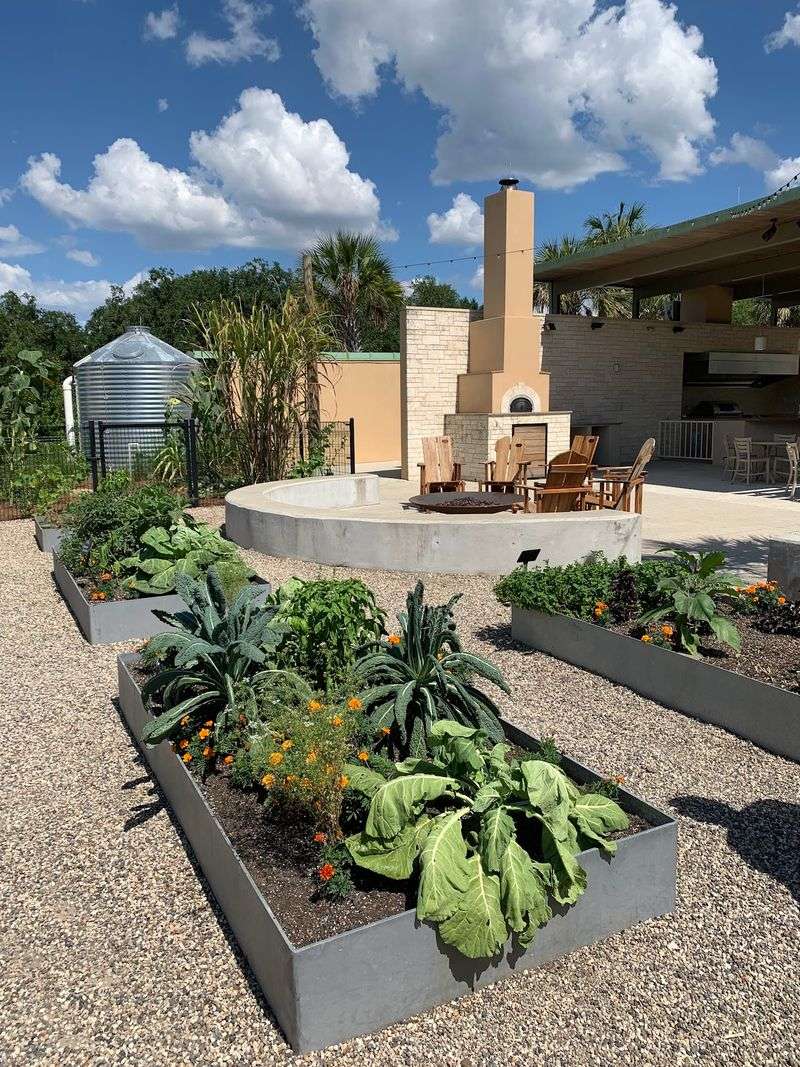
Hungry walkers can head to the Blue Palmetto Café near the Visitor Center. It serves breakfast bowls, bagels, salads, sandwiches, soups, wraps, fruit, and desserts.
Indoor and outdoor seating give you choices. Cool off inside, or eat under the Florida sky.
Prefer packing your own food? Picnic areas are available, and grassy spots invite a blanket.
The Visitor Center also holds exhibits and the gift shop. Native plant seeds and garden-themed gifts make fun souvenirs.
You’ll find the gardens at 1151 Tower Blvd, Lake Wales, FL 33853. Parking is free, which always feels like a small win.
The grounds open daily from 8 a.m. to 6 p.m., with last admission at 5 p.m. The café, Visitor Center, and shop run from 9 a.m. to 5 p.m.
Gates close on Thanksgiving Day and Christmas Day. Holiday hours may shift, so check ahead.
Leashed dogs are welcome for an added fee. Your pup can enjoy the stroll too.
Main paths are paved, helping strollers and wheelchairs get around. Restrooms and water fountains dot the property.
Mark Your Calendar Because 2027 Is Bringing More Than Bell Music
Bok Tower Gardens already has some exciting dates lined up for 2027. January 7 brings a guided Camellia Tour, where visitors can explore the garden’s colorful collection and learn what makes these winter blooms special.
Then January 16 turns the spotlight skyward with Starry, Starry Night, a celebration of art and science.
Expect telescopes, astronomy activities, and a chance to explore the night sky. Even the stars get their moment to shine here.
History takes center stage from January 30 through February 1.
Special Crossing the Moat tours celebrate Dedication Day with an up-close look at the tower’s Great Brass Door, a treat for anyone curious about its intricate details.
Music lovers get another reason to visit on February 20. BeatleBeat Live on the Oval brings the Fab Four’s greatest hits to life with costumes and a tribute performance. Turns out Florida’s singing tower has some competition.
Event schedules can change, so check the official calendar before heading out. Special programs may also attract larger crowds.
Bok Tower Gardens shines beyond its special events, though. Even an ordinary weekday offers music, gardens, and a little Florida magic.
Pick a date and make it happen. Between singing bells and starry skies, this hilltop garden knows how to put on a show.