There is a very specific kind of hunger that only appears after you have battled a reservation page and lost twice.
By the third try, dinner is no longer just dinner.
It has become a tiny personal mission with better lighting and hopefully something incredible on a plate.
Texas knows how to turn that chase into part of the fun, especially at restaurants where open tables disappear faster than your confidence after seeing “no availability.”
You start planning like a strategist.
Calendar alerts get involved, friends suddenly become “the reservation group,” and one good booking can make an ordinary week feel suspiciously successful.
Texas has plenty of restaurants where the anticipation builds before anyone even sits down. That is half the thrill.
The best ones make all that effort feel less dramatic once the food arrives, because suddenly the clicks, reminders, and stubborn patience make perfect sense.
1. Sushi Horiuchi
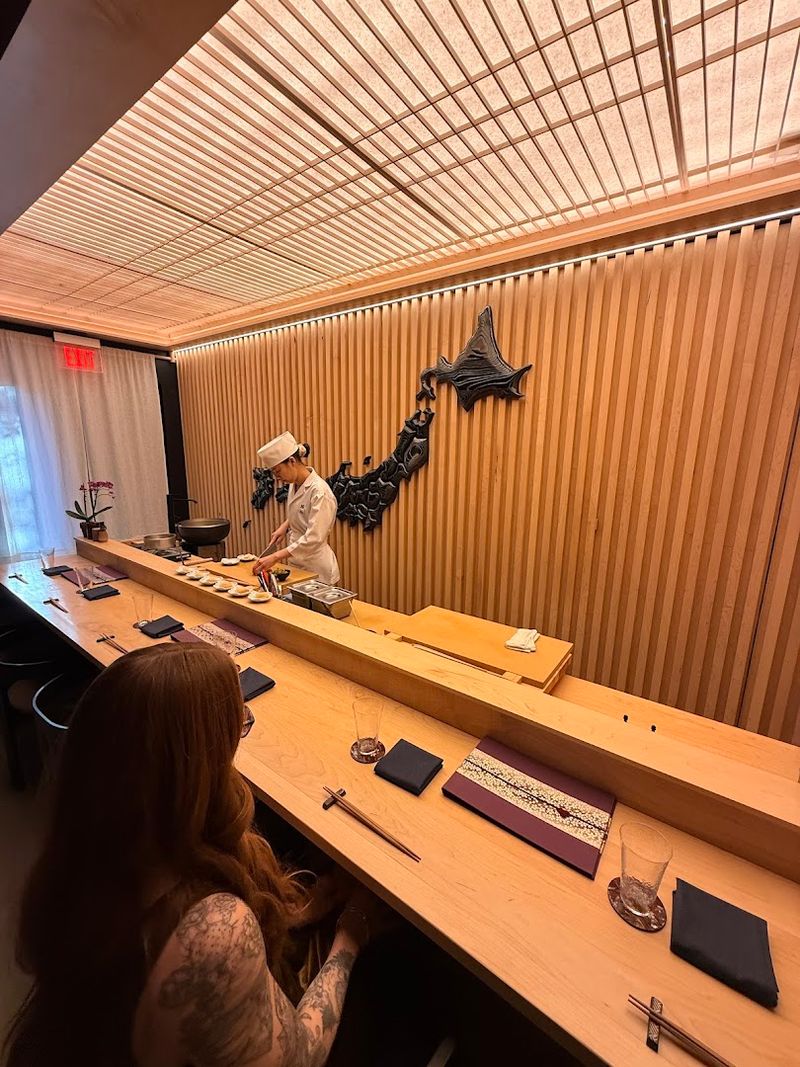
Six seats, and one seating per night. That math alone tells you everything about how competitive this reservation is.
Sushi Horiuchi operates Tuesday through Saturday, starting at 7 PM. It has only six seats and one 7 PM seating, which makes availability extremely limited.
The format is omakase, meaning the chef decides what lands in front of you based on what is best that day.
There is no long menu to browse, just a focused omakase sequence that reflects careful sourcing and precise technique.
That setup also changes how the evening feels.
Every course arrives with the counter watching, reacting, and settling into the same quiet rhythm.
With so few guests, the room has nowhere to hide from the details, and that is exactly what makes the meal feel so exact.
Booking requires real commitment since you have to move quickly the moment a slot appears.
Located at 2701 W Dallas Street in Houston, this counter rewards the kind of diner who genuinely loves sushi rather than just the idea of it.
Texas has no shortage of sushi spots, but very few operate at this level of intentionality. The limited seating means the chef can give full attention to every guest.
That intimacy changes the entire tone of the meal. If you land a seat here, treat the evening with the same seriousness the kitchen brings to it.
2. Nicōsi
A dessert tasting counter with a Michelin Star sounds almost too good to be true, and Nicōsi in San Antonio is exactly that.
It is an intimate 20-seat dessert bar with limited nightly seatings. This means available spots can disappear fast.
The experience is built around an 8-course pre-set menu. The desserts move through sweet, bitter, acidic, and savory notes. That range matters because the meal is not simply a long parade of sugar.
The courses are built to shift your expectations, so dessert becomes the whole conversation rather than the closing line.
That unusual premise gives the reservation an extra charge, because there are not many places in Texas built around this kind of sweet-savory experiment.
Nicōsi, at 221 Newell Avenue in San Antonio, occupies a genuinely rare space in Texas dining.
Most tasting menus lean savory.
A chef brave enough to build an entire experience around dessert courses deserves serious attention.
The pacing and presentation match what you would expect from a Michelin-recognized kitchen. It is just pointed in a sweeter direction.
Booking requires planning ahead since limited seatings tend to fill before the date arrives.
For anyone who has ever wished the dessert course could last all evening, this is the reservation worth chasing.
3. Shoyo
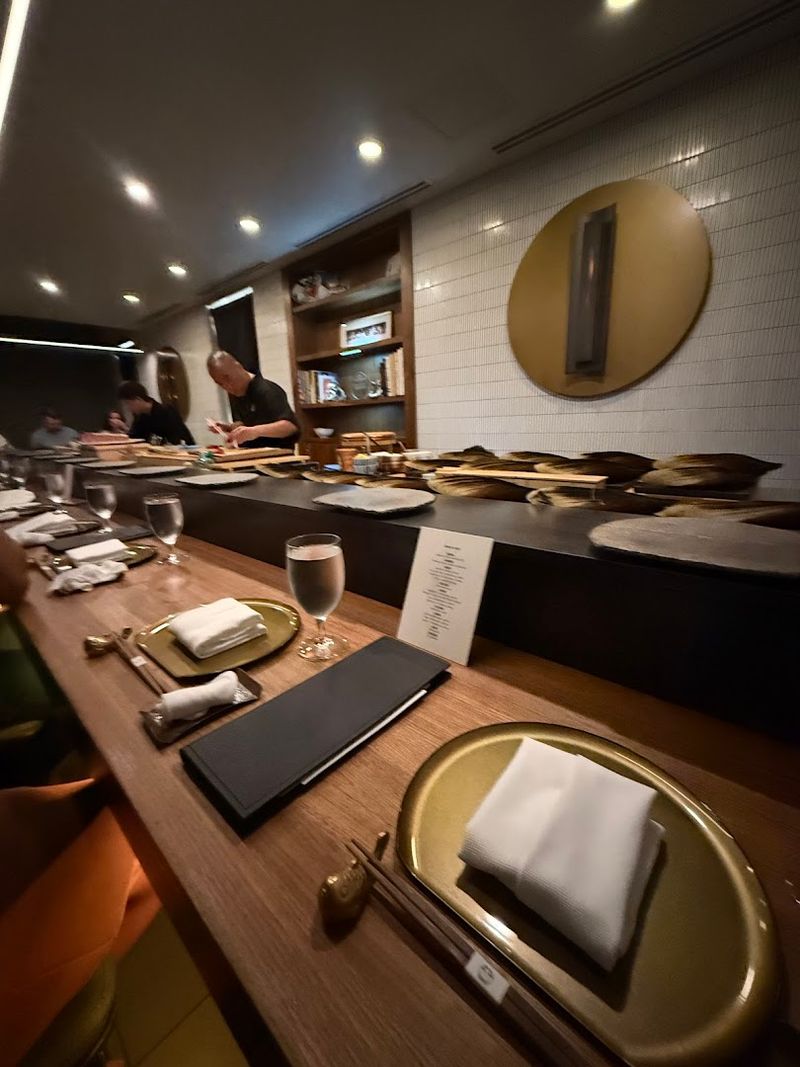
Refreshing a reservation page at exactly 9 AM on a rolling 30-day window is not the most relaxing hobby, but Shoyo in Dallas has made it a ritual for dedicated diners.
Reservations open through Resy on a rolling 30-day basis at 9 AM Central, and full payment is required at booking.
The experience spans 17 courses, a length that signals real ambition.
Shoyo is not trying to get you in and out quickly. The kitchen takes its time building a progression that moves through flavors and textures with clear intention.
The counter setting keeps everything focused and personal. That counter setup is part of the appeal because every plate arrives close to the action.
You are not watching the meal from a distance. You are right there as each course becomes part of the evening’s rhythm.
That closeness is also why the booking rules matter, since a missed seat is not easy for the room to absorb.
Shoyo, at 1916 Greenville Avenue in Dallas, sits in a neighborhood that has become one of the more interesting dining corridors in Texas.
The payment-at-booking policy makes the reservation process feel more serious from the start.
Seventeen courses demand your full attention, and the format rewards guests who arrive curious and unhurried.
If the reservation chase feels like too much, the 17-course format gives the evening the kind of structure that makes planning ahead feel worthwhile.
That is worth the early morning refresh.
4. Toshokan
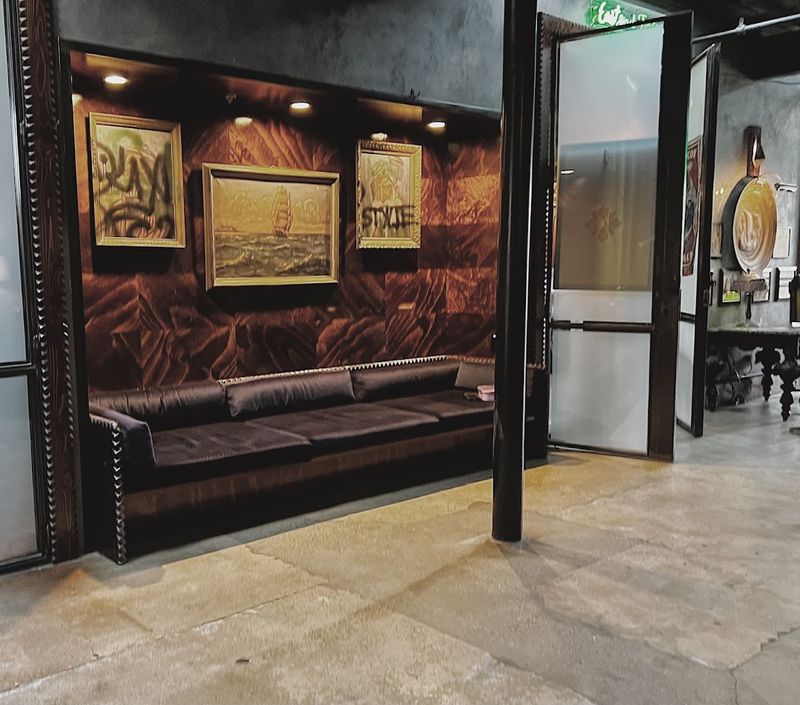
Only six diners per seating. That number is almost shockingly small, and it is precisely what makes Toshokan one of the most sought-after reservations in Austin.
The format is a 14-course omakase counter, designed around the rhythm of a Japanese dining tradition.
The chef leads, and the guest follows with trust. Each course arrives with purpose, and the limited guest count means the chef can genuinely attend to every plate and every person at the counter.
The size of the room also keeps the meal from drifting into the background noise. Conversation, pacing, and presentation all stay close enough to feel part of the same performance.
A reservation here is less about getting into a large dining room and more about joining a tiny, tightly timed meal.
Toshokan is located at 807 East 4th Street in Austin, a city that has developed a surprisingly strong omakase scene over the past several years.
The 14-course structure gives the kitchen room to build a real arc across the meal, not just a collection of dishes. It is a sequence that has a beginning, middle, and satisfying end.
The six-seat format keeps the meal focused, quiet, and built around direct interaction with the counter.
Patience during the booking process pays off generously here.
5. Tare
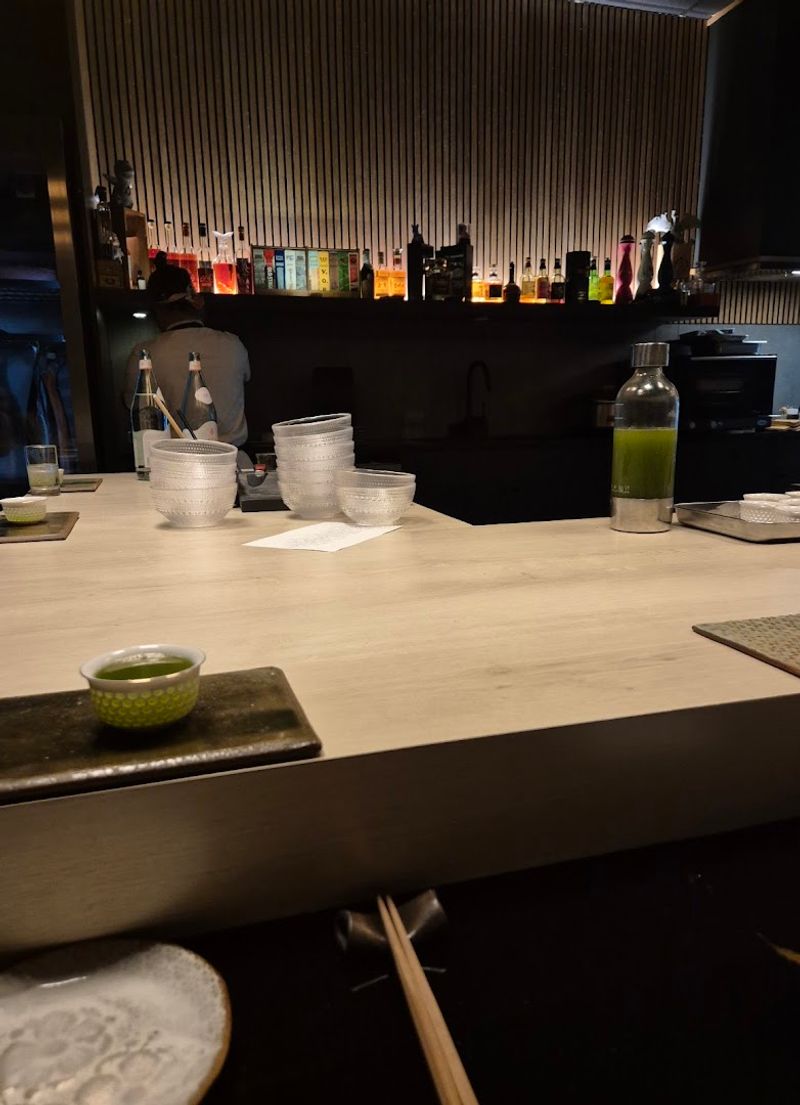
Tare operates Thursday through Sunday with two nightly seatings. They run at 5:30 PM and 8 PM, which means the total number of guests served each week stays intentionally small.
That restraint is a choice, not a limitation.
A smaller guest count allows the kitchen to maintain the kind of consistency and care that a larger operation simply cannot sustain.
Tare is also an omakase experience, so the menu shifts based on what the chef wants to highlight rather than what a printed card promises.
The format blends Japanese technique with Texas and South Texas influences, which gives the meal a point of view beyond the standard omakase script.
That mix helps Tare feel rooted in Austin rather than copied from another dining city.
The 12-seat counter keeps that identity concentrated, so the meal feels personal without needing to be loud.
Tare sits a bit away from the more trafficked dining corridors, which somehow suits its quiet, focused character.
Reservations are limited by the 12-seat counter and two-seating format, so checking availability regularly is the most reliable strategy.
Texas has seen a real surge in omakase dining over recent years, and Tare represents one of the more considered additions to that scene.
There is no elaborate backstory needed here, just a small counter located at 12414 Alderbrook Drive in Austin.
6. Hestia
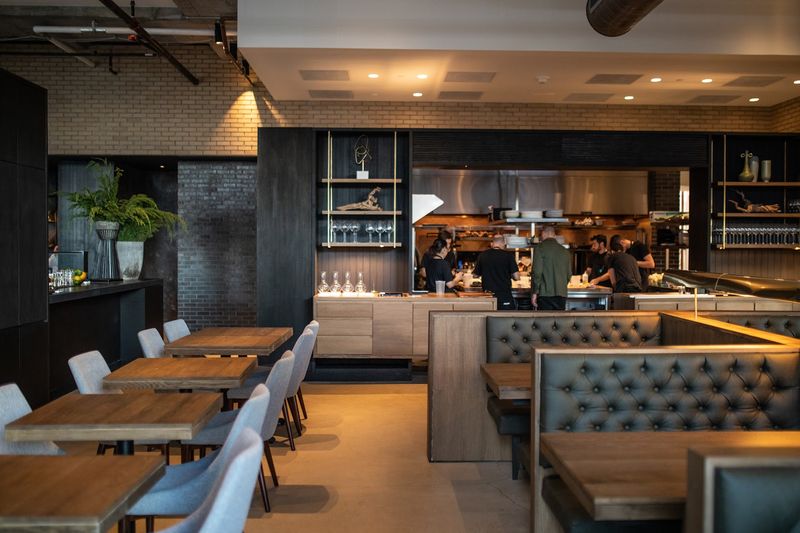
There is something genuinely compelling about a kitchen built around live fire. Hestia in downtown Austin has made that element central to everything it does.
The restaurant has earned a Michelin Star, and reservations open 60 days in advance.
Live-fire cooking requires a different kind of skill than working a conventional range. The chef has to read heat, manage timing across multiple cuts and preparations, and adapt in real time to a cooking surface.
That unpredictability is part of what makes the food feel alive.
The restaurant’s 20-foot hearth gives the dining room its center of gravity. Even before food arrives, the fire adds motion, scent, and a sense that the meal is being shaped in real time.
That makes Hestia feel less like a quiet tasting room and more like a controlled kitchen theater.
Hestia is located at 607 West 3rd Street, Suite 105, in Austin, right in the heart of a city that has become one of the most talked-about dining destinations in Texas.
The 60-day booking window makes planning ahead the safest way to secure a seat on a preferred night.
Weekend availability moves especially fast, so midweek visits can sometimes offer a slightly easier path to a reservation.
The open kitchen layout lets guests watch the fire at work throughout the meal, adding a strong visual layer to the experience.
7. Isidore
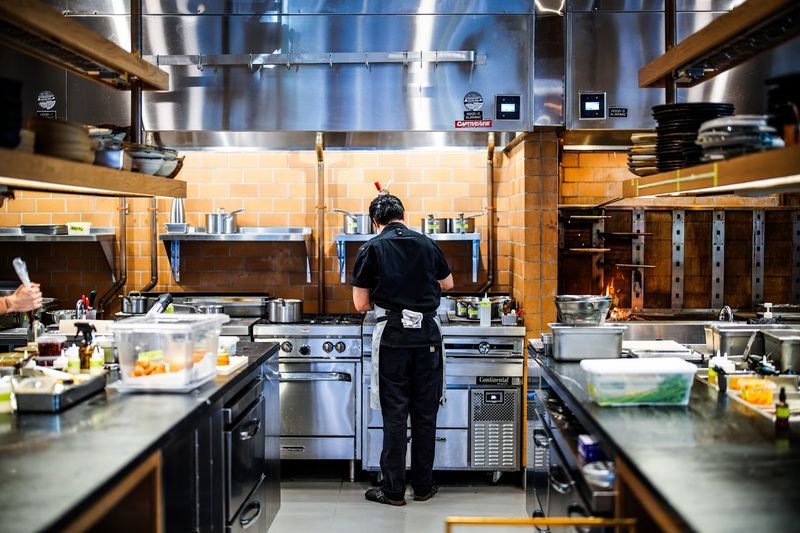
Isidore in San Antonio earned both a Michelin Star and a Michelin Green Star in 2025.
The Green Star recognizes a commitment to sustainable gastronomy, which means the kitchen is thinking carefully. Not just about flavor, but also where the ingredients come from and how they are handled.
Isidore is open Tuesday through Sunday from 5 PM to 10 PM, with reservations available for dinner service. That requirement is not a formality.
Seats fill up, and showing up without a booking is a reliable way to spend your evening elsewhere.
The restaurant’s address is 221 Newell Avenue, making that particular building one of the more remarkable dining addresses in all of Texas.
Isidore operates in a more savory direction than Nicōsi, with a menu that reflects culinary precision and a strong interest in responsible sourcing.
The restaurant also gives San Antonio another reason to be treated as a serious destination for modern Texas dining.
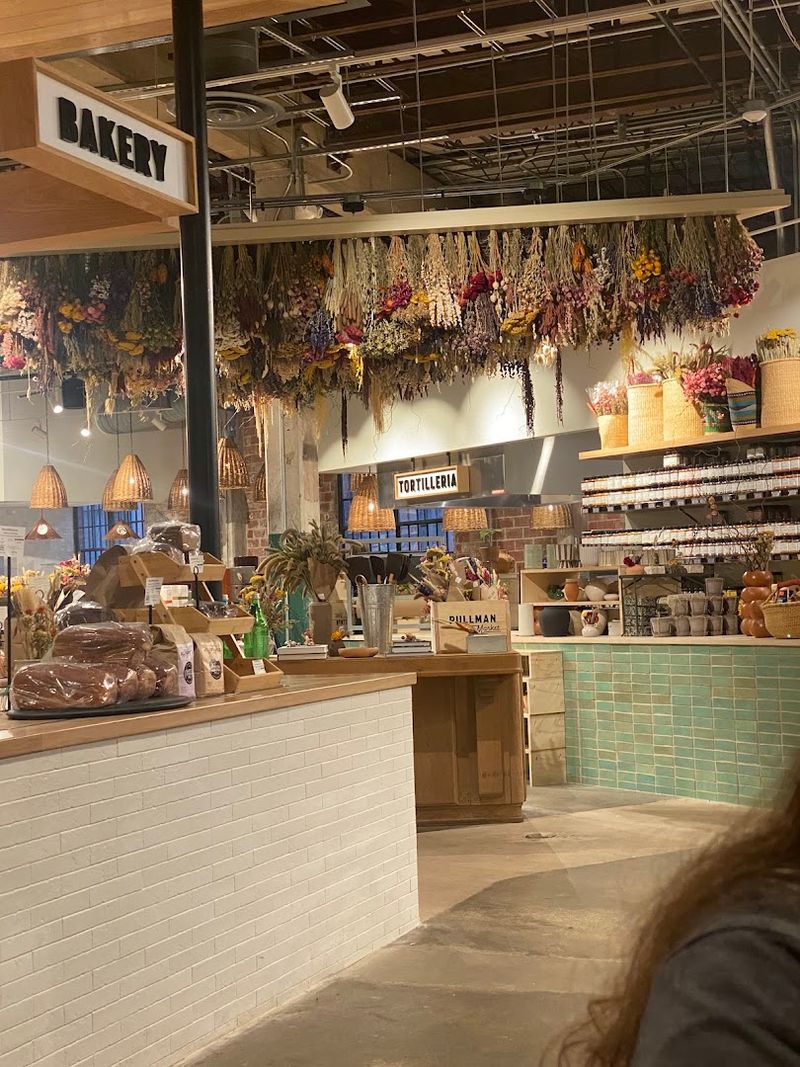
Its presence at Pullman Market makes the address feel like a compact dining hub rather than a single stop.
Because the restaurant is dinner-focused and Michelin-recognized, planning makes the experience feel much less rushed.
The combination of a Michelin Star and a Green Star gives Isidore one of the strongest dining profiles in San Antonio.
For diners who want a meal that reflects both craft and conscience, this is a reservation that rewards the effort.
8. Mister Charles
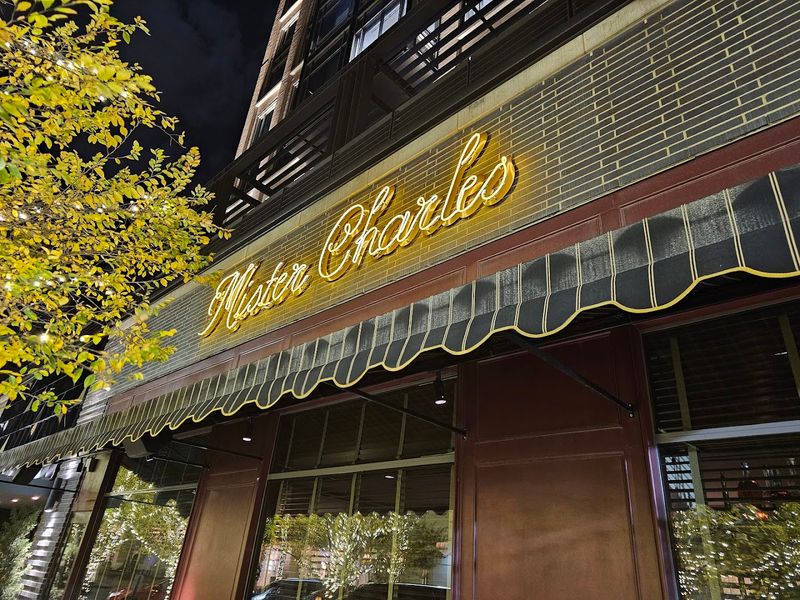
Mister Charles has become one of Dallas’s tougher prime-time reservations, especially for Friday and Saturday evenings.
Prime-time slots move fast, usually around the core dinner hours that most people want.
The restaurant is open for dinner seven days a week. This gives it more availability than some of the omakase counters on this list.
Still, demand consistently outpaces supply during peak hours, and the booking process rewards people who set reminders and check back regularly.
Mister Charles is located at 3219 Knox Street, Suite 170, in Dallas.
The Knox Street setting gives the meal an extra sense of occasion before the first plate arrives. It is the kind of address where a regular dinner can quickly start feeling like a planned night out.
That matters when prime-time tables are the prize, because the setting is part of what people are trying to secure.
The menu leans contemporary, with a format that suits both celebratory evenings and ambitious weeknight dinners.
Texas has no shortage of stylish restaurants, but Mister Charles has built a reputation that extends well beyond its neighborhood.
The combination of consistent demand and a polished Knox Street setting makes this one of the Dallas reservations worth planning around.
9. Barley Swine
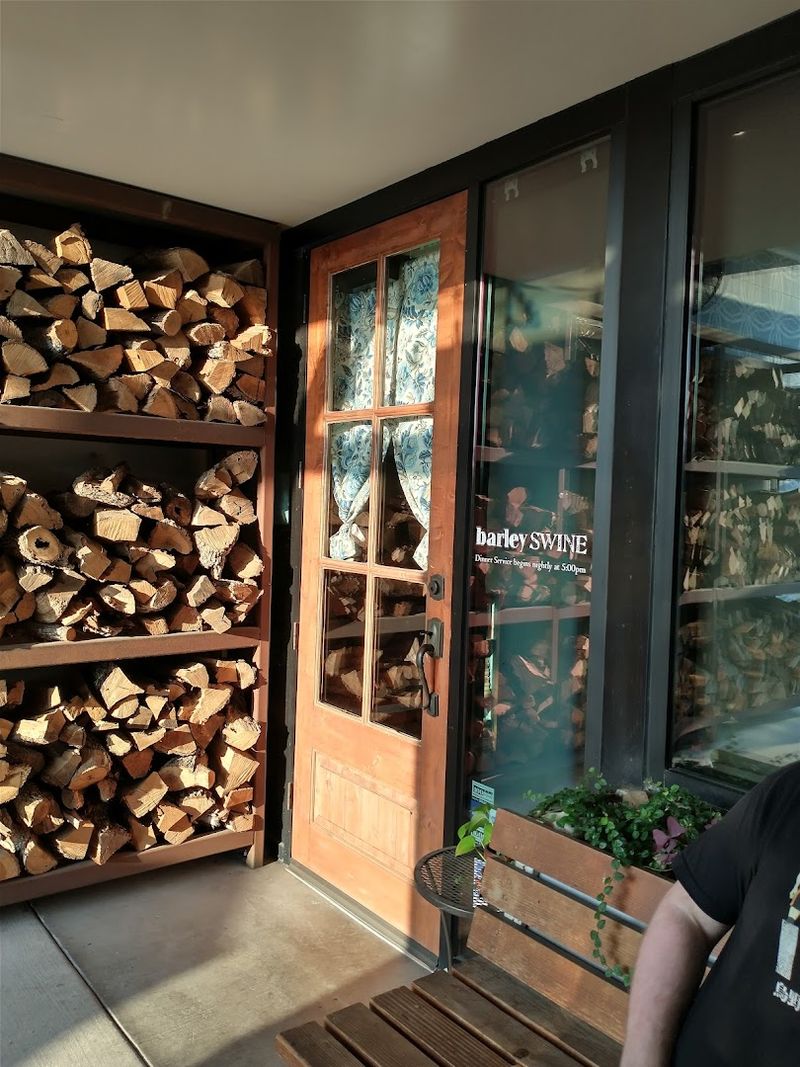
Barley Swine has been part of Austin’s serious dining conversation for years, and it has always favored depth over volume.
The restaurant operates as a petite tasting-menu experience with limited seating, and reservations are handled through Tock.
Tasting menus at this scale work differently than à la carte dining. The kitchen controls the pace, the progression, and the sourcing.
This means every visit reflects what the team is most excited about at that particular moment.
That flexibility keeps the experience from feeling static across multiple visits.
The menu changes with ingredient availability, which gives the kitchen room to keep the experience seasonal and specific.
That also gives returning diners a reason to keep checking the calendar instead of treating the restaurant as a one-time splurge.
The limited seating turns that changing menu into a moving target, which is exactly why reservations can feel so valuable.
Barley Swine sits in a part of the city that has quietly become one of its more interesting culinary corridors.
Seating is limited enough that checking Tock regularly is the most practical approach.
This place has remained part of Austin’s serious dining conversation because it continues to focus on tasting-menu cooking, seasonal ingredients, and a smaller dining-room format.
Longevity at this level of quality is its own kind of achievement.
The reservation challenge reflects that ongoing appeal at 6555 Burnet Road, Suite 400, in Austin.