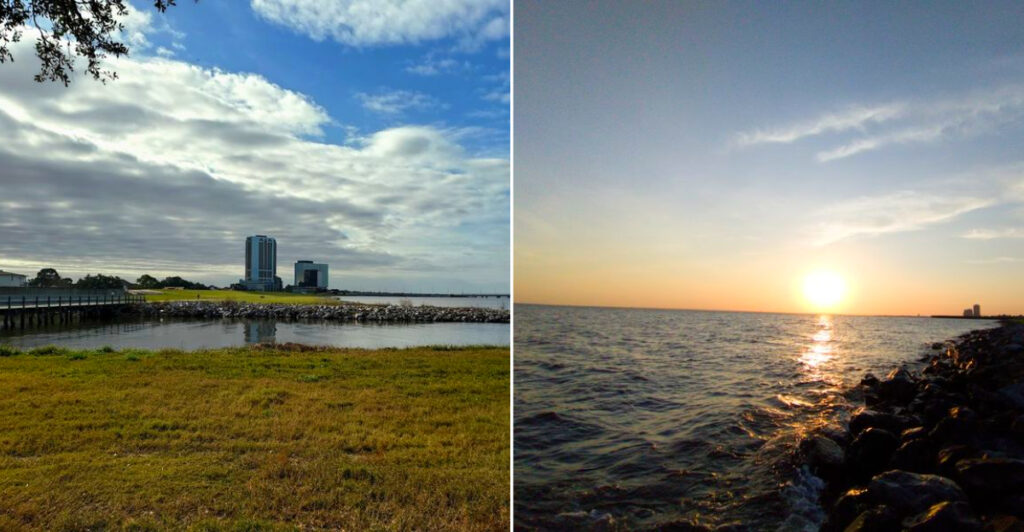
Twenty miles sounds daunting until you realize the trail loops around a lake that changes color with the sky. Cypress knees rise from the water like sculptures left by someone with a sense of humor, plus the tupelo trees drop leaves into the shallows where turtles stack themselves on fallen logs.
The bottomland forest section smells like damp earth and decomposition in the best possible way, the kind of richness that tells you the soil here is doing its job. Alligators surface near the banks in late afternoon, their eyes two dark points above water that otherwise looks still.
You do not need to cover the entire distance at once, but even a few miles in will convince you to keep going.
Miles of wetland views that make distance feel irrelevant line a lake trail in Louisiana, plus the cypress trees frame every section like a painting you did not know you were walking through.
Levee Engineering Legacy
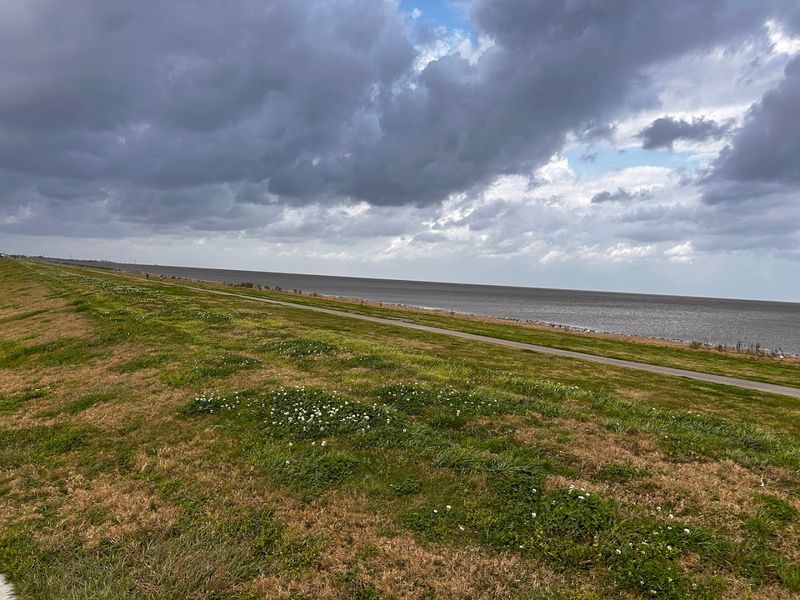
Walking close to the seawall is a lesson in civic engineering and the long effort to live beside a large estuary. Much of the lakefront protection dates back to projects from the late 1920s and 1930s and has been reinforced repeatedly after storms like Betsy and Katrina.
The levee is not just a line of concrete, but a layered system of pumps, outfalls, and maintenance access that keeps New Orleans functioning. That reality gives the walk an unusual gravity, because the scenery is also part of the city’s defense system.
It is striking to see how visible the human effort is here, with pedestrian bridges over outfall canals and occasional pumping stations serving as reminders that this path sits atop crucial infrastructure. Respect the fenced areas and yield to maintenance vehicles, which are not rare.
The best way to experience the route is to notice both sides at once: the open lake view and the hard-working machinery that makes life behind it possible.
Lakeshore Drive Turns The Levee Into A Front Porch
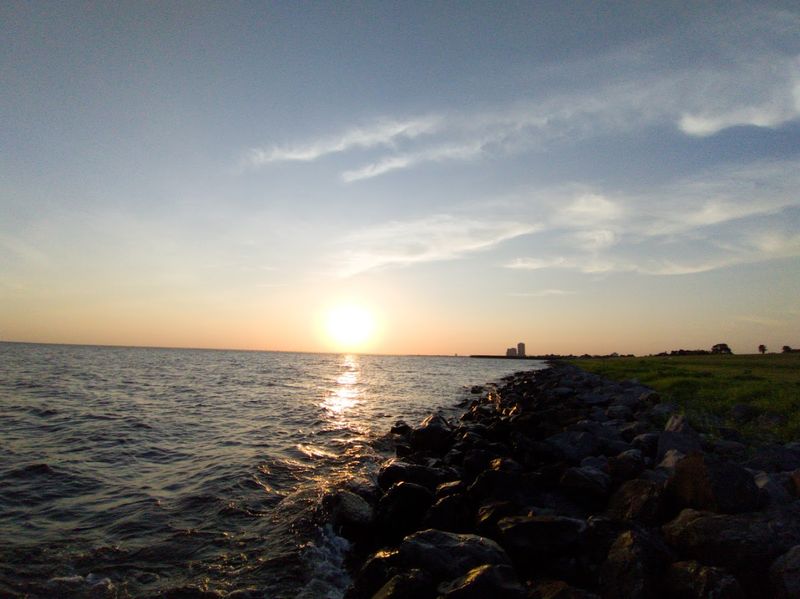
The Lake Pontchartrain lakefront path runs along Lakeshore Drive in New Orleans, Louisiana, with multiple access points instead of one true front door. From City Park, head north toward the lake and let the road open into the wide, breezy edge of town.
Once you reach Lakeshore Drive, choose a parking spot near the section you want to walk, bike, or photograph. The route is flat and easy to follow, with the water on one side and the city quietly falling behind you on the other.
Park where access is open, step onto the paved lakefront path, and let Lake Pontchartrain do the rest of the navigation.
Marsh Restoration Glimpses

Where the path skirts wetter fringes you can glimpse active marsh restoration projects like the Bucktown living shoreline, efforts aimed at rebuilding habitat and arresting erosion. These installations often show young spartina plantings and breakwater structures that reduce wave energy and give seedlings a chance to take root.
They are modest in scale but crucial in function, serving as nursery zones for fish and crustaceans while buffering the levee. Even from the path, you can sense how much quiet work goes into making these edges stronger and more alive.
Watching small waves lap restored marshes is humbling; it reveals how human intervention can assist nature when the processes are well understood. I recommend reading posted interpretive panels to learn which species benefit and why continued stewardship matters.
The restoration areas also make the route feel less like a simple walkway and more like a living classroom where ecology, engineering, and patience meet.
Soundscape And Scent
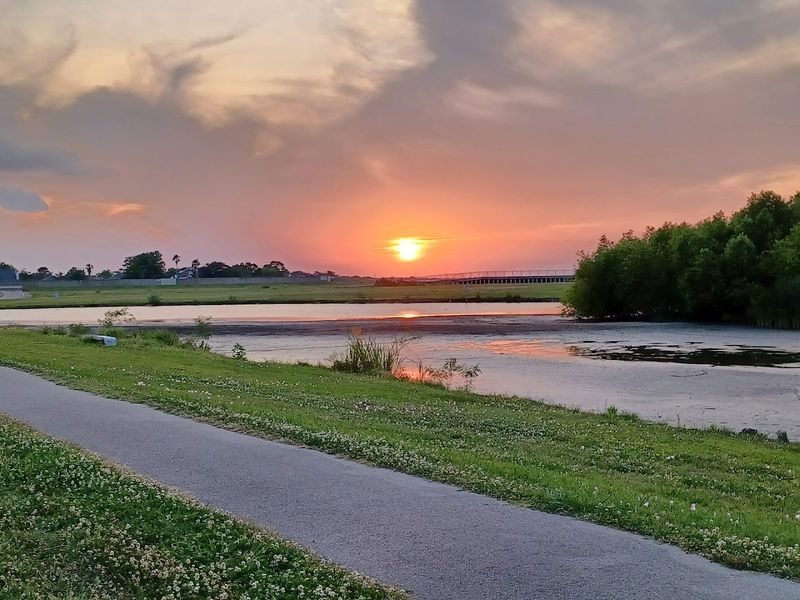
The sound and scent along the levee path form a discreet symphony: wind over water, the soft slap of small waves, and the occasional bird call punctuating emptiness. Brackish water carries a mixed scent that smells different from purely fresh lakes or ocean beaches; it is a subtle, green note that rewards attentive breathing.
On quiet days the rustle of marsh grass and distant boat motors can seem amplified, giving a sense of being in a living, working landscape. Even the pauses feel textured, filled with tiny shifts in air, light, and movement.
Bring a small notebook if you like to catalog sensory moments, from the taste of the air on a humid morning to how the wind shifts direction. Those details are the real souvenirs of a lakeside stroll.
They help the path stay with you after you leave, not as a checklist stop, but as a sequence of small impressions gathered slowly.
Wildlife Watching Tips
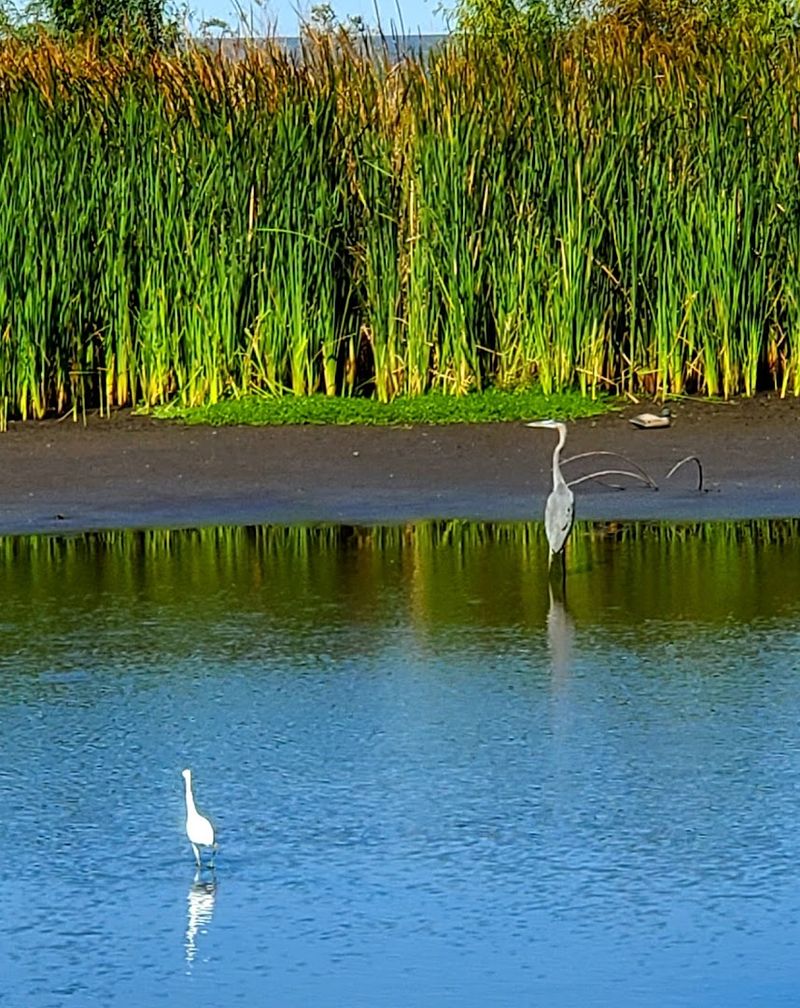
Birdlife along the lakefront is rewarding if you slow down and scan the marsh edges and shallow bays. Look for herons, egrets, ibis, and various waterfowl, especially during migration windows when numbers swell and variety improves.
A respectful distance and a pair of binoculars let you study behavior without disturbing feeding or nesting patterns, and the levee provides excellent, unobstructed vantage points for long observation stretches.
If you are hoping to see aquatic species, watch the surface for mullet and occasional splashes, and note the canals where juvenile fish and crustaceans congregate. Timing your visit for early morning or late afternoon increases the chances of visible activity and calm water reflections.
Practical Access Points
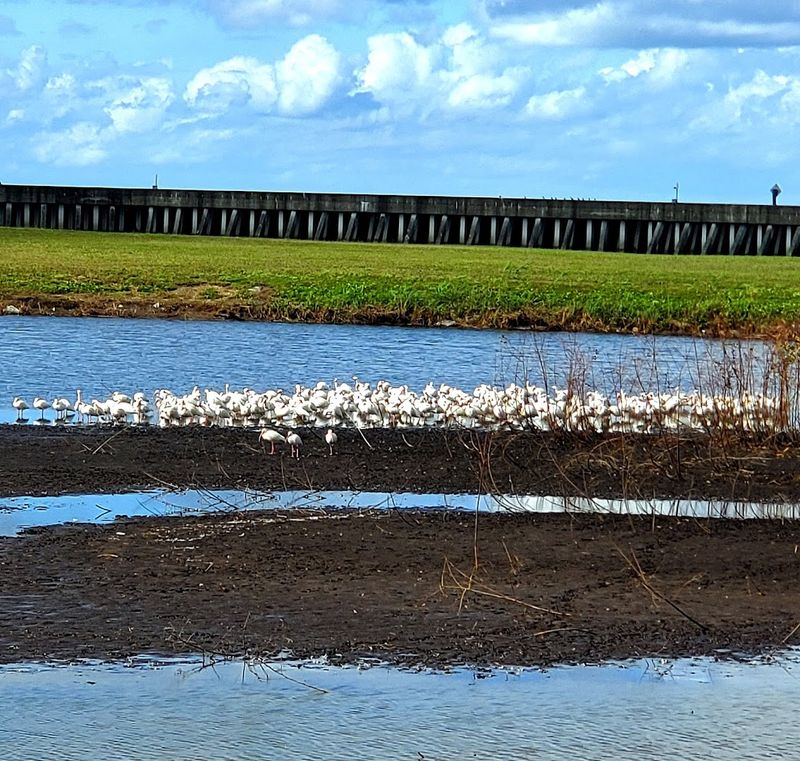
Accessing the trail is straightforward thanks to multiple trailheads like Bonnabel Boat Launch and Laketown Park, where parking and basic facilities are available. These nodes serve as practical start points and often include portable toilets or benches and shade structures.
The trail itself is evenly paved and flat, which makes route planning simple, you can pick a short out-and-back or string together longer stretches that approach twenty miles total.
Pay attention to signage indicating maintenance areas and official vehicle access points, and avoid parking in restricted zones. Early arrival helps secure closer spots and ensures cooler conditions for summer outings.
Seasonal Weather Considerations
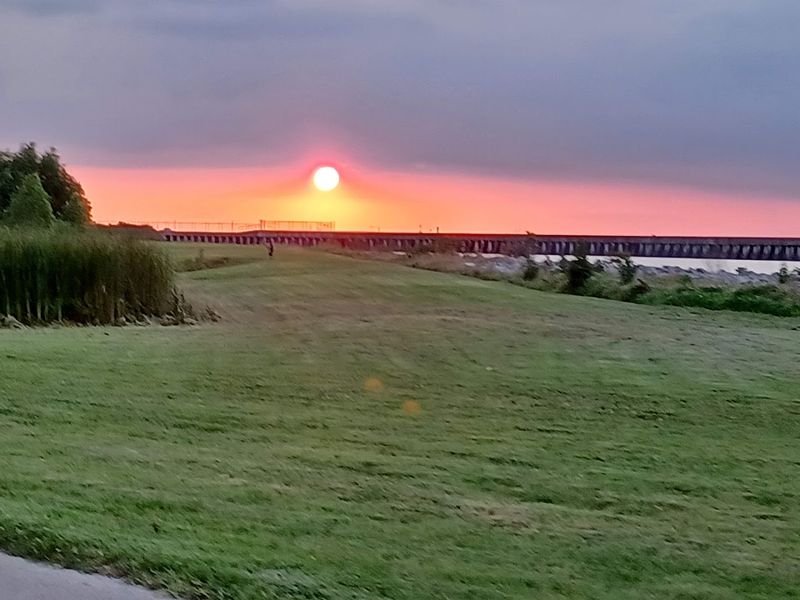
Season matters here because the levee path offers almost no shade and the lake breathes differently by season: hot, humid summers with intense sun and blustery winters that feel much cooler thanks to sustained wind. Winter visits can be bright and brisk; layers help because wind can make temperatures feel lower than forecasted.
Summer outings require sun protection, hydration, and a plan for avoiding midday heat when the surface radiates warmth back toward the path.
Check local weather forecasts before leaving and watch for sudden shifts; lakefront storms can develop quickly and bring strong gusts, so have an exit plan and avoid exposed stretches during ominous conditions.
Local Recreation Culture
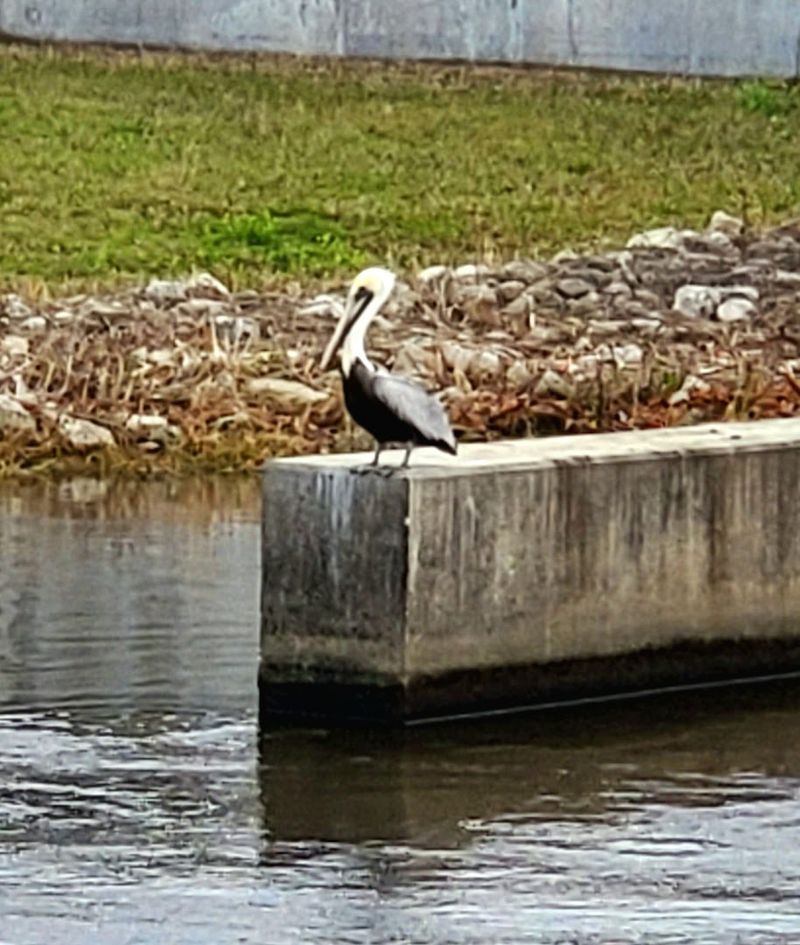
The levee path is threaded into local life in ways that feel informal and welcoming: anglers cast from the edge, people walk dogs on leads, cyclists pass with practiced ease, and community exercise groups appear at dawn.
Wednesday night sailing regattas on the wider lake are a seasonal tradition that animates the marina areas and reminds you that water sports remain central to local recreation.
This is a place where neighbors cross paths in steady rhythms rather than grand fanfare.
Respect shared-use etiquette by keeping right, announcing passes, and leashing pets when signage indicates. Observe how routinely equipment like small boats and fishing gear blends with casual strolling to appreciate the lakefront’s mixed uses.
Historic Moments On The Shore
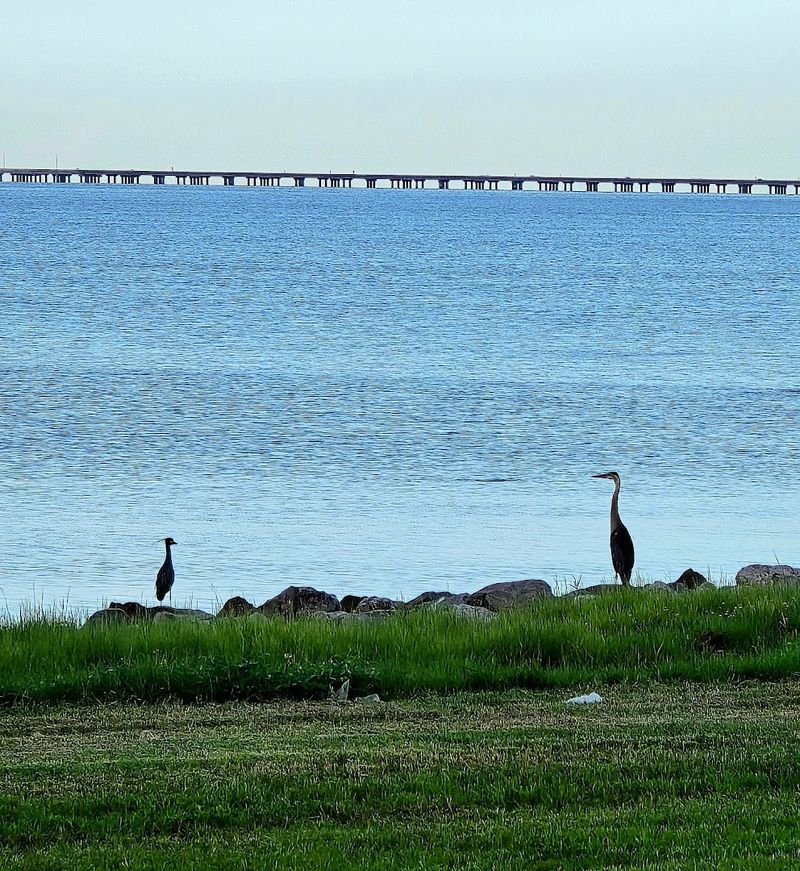
Historic echoes are everywhere along the levee: plaques and infrastructure hint at the long saga of shoreline engineering, reclamation, and storm response that shaped the present path.
The large seawall and periodic reinforced sections reflect decades of design changes after pivotal hurricanes, each improvement a response to lessons from intense storms.
Learning a bit of that history adds gravity to an otherwise serene walk and connects the recreational path to broader civic resilience efforts.
Take a moment at interpretive signs to link the landscape you see with specific historical events; it deepens appreciation for why certain areas are fenced, reinforced, or left deliberately natural for ecological reasons.
Engineering Details To Notice
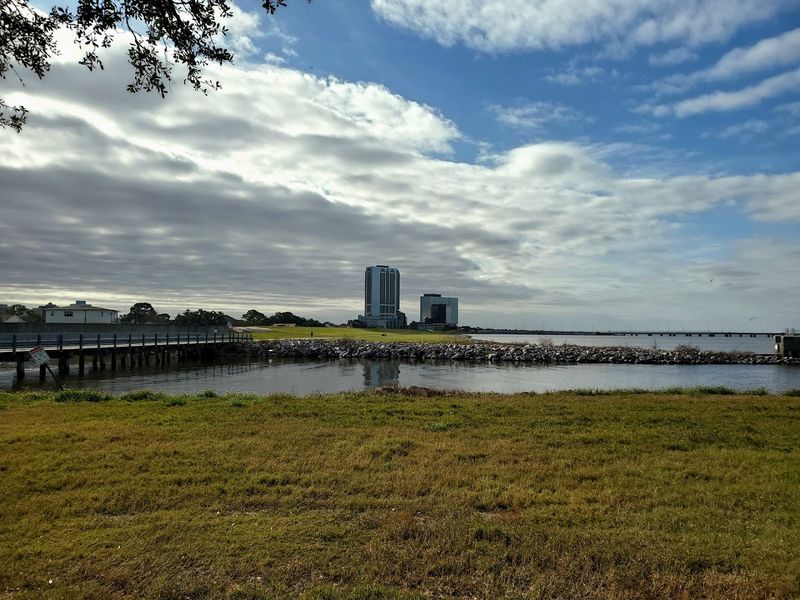
Small engineering details reward an observant eye: pedestrian bridges over outfall canals, pipe flumes, and concrete joints tell a technical story if you look. These components keep water moving and protect neighborhoods by channeling flows away from vulnerable areas.
The path often sits alongside actuators and maintenance access points that look mundane until you realize the scale of systems required to manage water in a low-lying region.
Photography enthusiasts will find patterns and textures worth framing, from repeating concrete seams to the graceful lines of a small bridge. Just remember that fenced maintenance areas are off-limits and meant to protect critical equipment.
Visitor Etiquette And Safety

Being a considerate visitor makes the experience better for everyone: keep to the right, announce passes when biking or running, and respect leash rules for dogs. The path is patrolled by levee district personnel at times, and maintenance vehicles share the route, so remain alert and yield when necessary.
Because the trail serves as levee access, some areas may have restricted entry or temporary closures for work, so plan accordingly and obey posted notices.
Carry water, a charged phone, and sun protection. If you plan to fish or launch a small craft, verify the specific access and any local regulations ahead of time to avoid surprises during your visit.