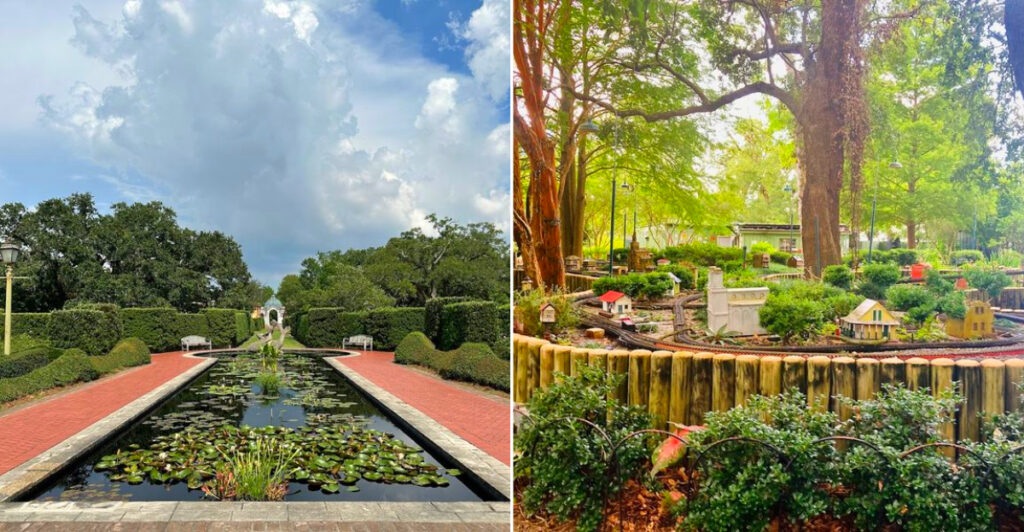
City Park has a way of swallowing the noise of the city whole, and this garden inside it takes that quiet and makes it walkable.
The paths curve through 12 acres of curated beds where hummingbirds find the nectar plants before the gardeners even finish labeling them, and the art deco sculptures from the 1930s sit among the blooms like they grew there on purpose.
Louisiana gardens in the middle of summer sound like a contradiction until you stand under the canopy of oaks and realize the shade does most of the work.
The rose garden opens outward from the central walk, the bromeliads look tropical enough to make you forget what state you are in, and by the time you reach the hummingbird bed at the back, you have forgotten what time it is, which is the best review a garden can receive.
A Peaceful Pace Amidst Art Deco Design
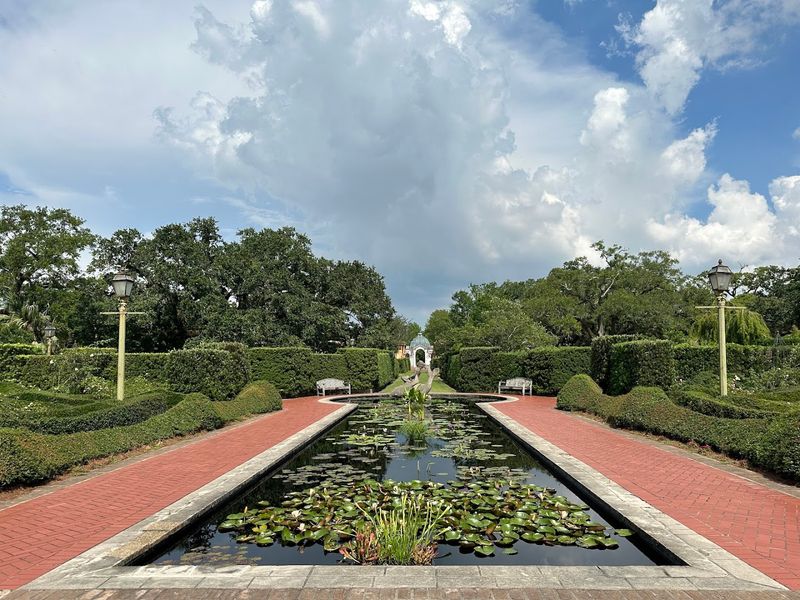
The garden’s layout invites a slow, deliberate pace through defined garden rooms separated by pathways and planted borders that echo Art Deco geometry. Walking these paths feels intentional; sweeping footpaths lead to brick lanes and a central grass runway that frames fountains and sculptures, many by Enrique Alferez.
The design’s clarity makes it easy to settle into observation and notice small plant pairings and stonework details.
Accessibility is thoughtful here: most routes are handicapped-friendly and easy to navigate, so everyone can enjoy the composition without strain. The result is an urban oasis where time loosens its hold, and the architecture gently guides curiosity instead of rushing it.
Victory Avenue Opens The Gate To The Garden
The New Orleans Botanical Garden sits inside City Park at 5 Victory Avenue in New Orleans, Louisiana. From Mid-City, head toward City Park and follow the internal park roads toward the Victory Avenue side of the grounds.
Use the Oscar J. Tolmas Visitor Center as your arrival target, because that is the official garden entrance point.
The park is large enough to make wandering easy, so stay with Victory Avenue and nearby Dreyfous Drive rather than treating “City Park” as one simple pin.
Park near the Tricentennial lot or another nearby City Park space, then walk toward the garden entrance. Once the oaks, lawns, and glasshouse shapes start replacing traffic noise, you are close enough for the flowers to take over.
Shady Retreats And Quiet Contemplation
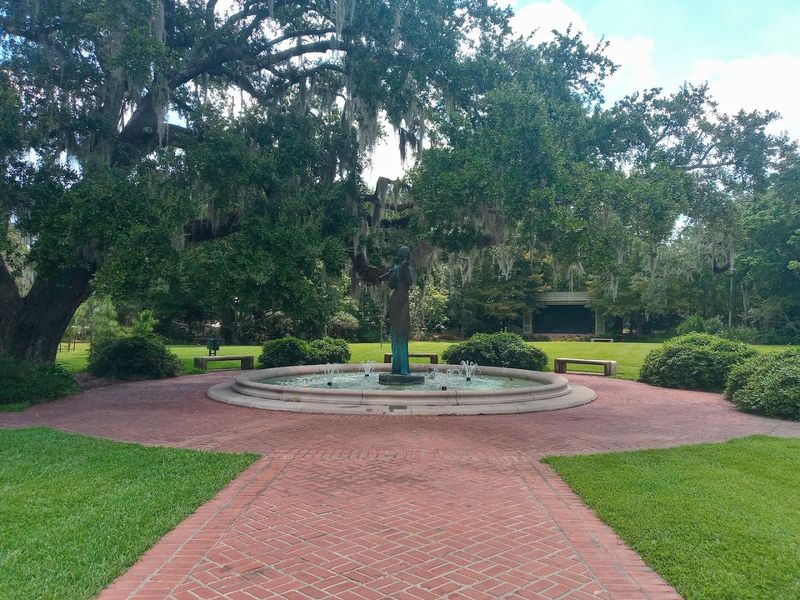
Large live oaks and pockets of dense planting create cool, shaded refuges that make the garden a true respite from New Orleans heat. Areas like the Rose Garden, Southern Shade Garden, and the Tropical Garden offer restful benches and the soft murmur of fountains that encourage slow exploration and quiet reflection.
Weekday mornings, especially Mondays and Tuesdays when crowds are thin, amplify this sense of solitude and ease.
If you plan to linger for two to three hours as many visitors recommend, wear comfortable shoes and carry a small water bottle. The combination of shade, water features, and thoughtful seating makes it simple to pause, sketch, or simply watch light shift through the canopy for an unhurried afternoon.
Miniature Worlds: Trains And Tropical Escapes
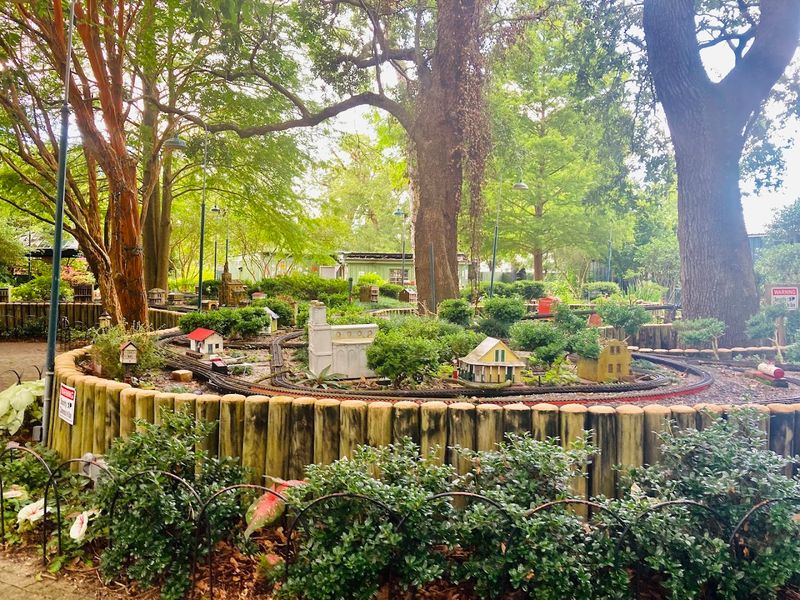
The Historic New Orleans Train Garden is a miniature tribute to the city, crafted from botanical materials and set around 1,300 feet of track that runs on weekends from 10am to 4:30pm. Replicas of streetcars and tiny homes create a playful, small-scale map of local geography where walking paths interpret nearby waterways.
The train displays are a treat for families and anyone who enjoys detailed craftwork.
Nearby, the Conservatory of the Two Sisters houses rotating exhibits including Living Fossils and a Tropical Rainforest with a waterfall and cave. The conservatory’s 1930s origins are evident, though renovations have modernized its climate controls, making it a cool, moist contrast to the sunlit outdoor rooms.
East Meets South In Garden Design
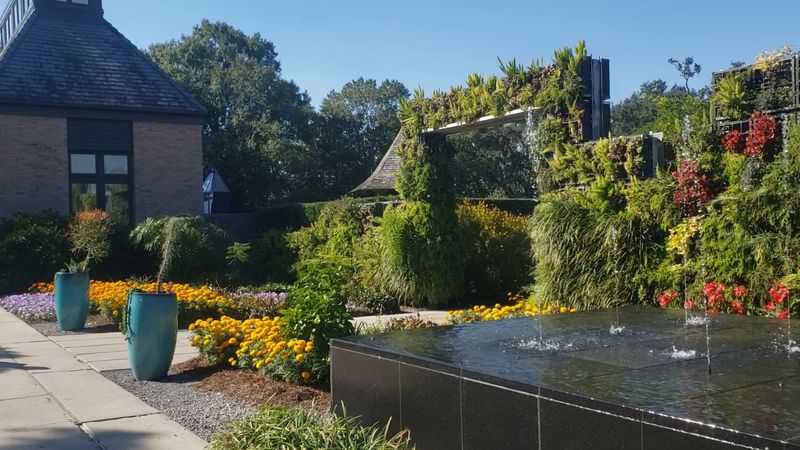
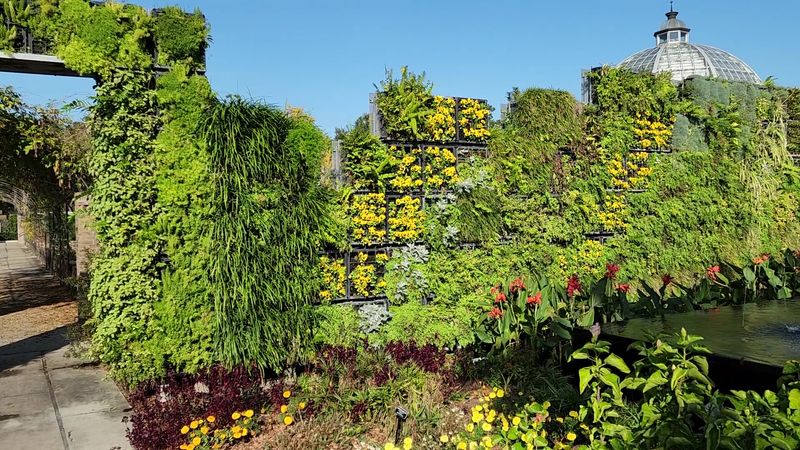
The Yakumo Nihon Teien brings a measured Japanese aesthetic into the southern landscape, using bamboo fencing and winding paths to frame purposeful views and quiet moments. The garden’s contemporary entrance, added in 2017, includes a living green wall and a jumping water fountain that complements more traditional elements, making the transition from the broader Botanical Garden to this intimate space pleasingly clear.
Design intent here mixes Eastern restraint with Southern abundance; the result is a place suited to bonsai demonstrations, ikebana workshops, and contemplative strolling. If the Japanese Garden is open during your visit, pause by the pond and listen for subtle water sounds that reshape the garden’s temperature and mood.
Conservatory Highlights And Living Fossils
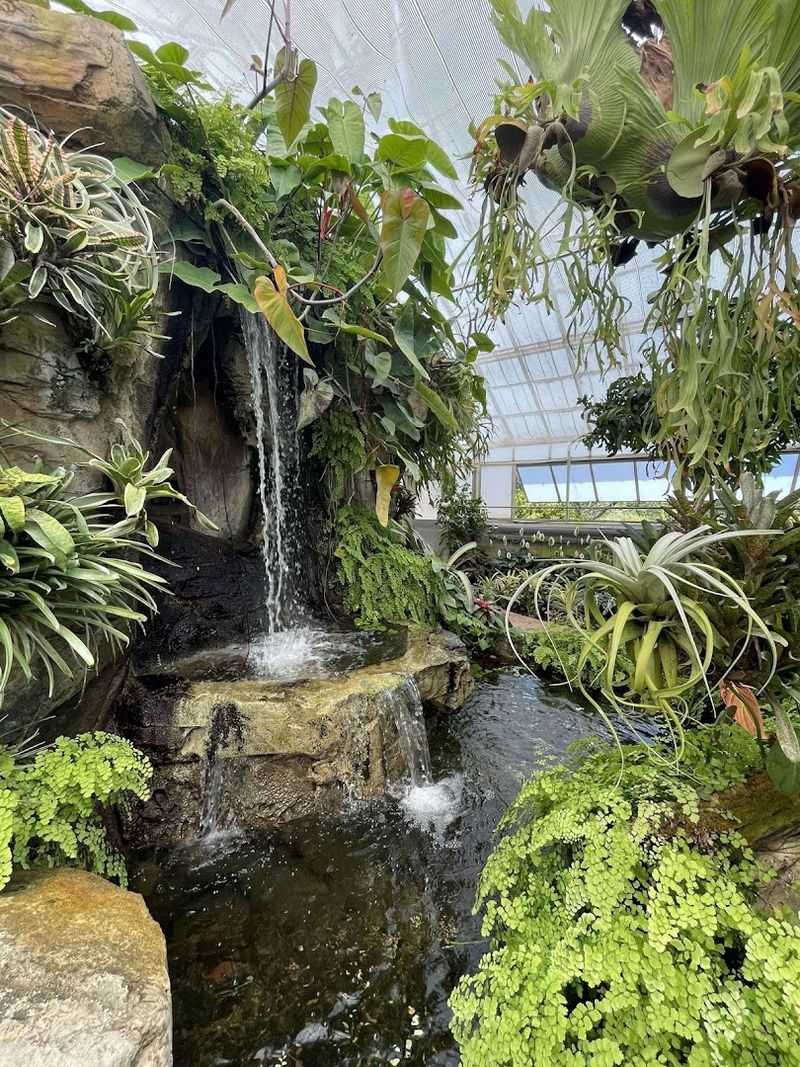
Stepping into the Conservatory of the Two Sisters shifts the sensory story: humidity, filtered light, and dense, layered planting create an immediate tropical effect that contrasts with outdoor beds.
Exhibits rotate, but the Living Fossils gallery highlights ancient plant lineages while the Tropical Rainforest features a waterfall and cave that feel theatrically immersive.
The conservatory dates to the 1930s but recent renovations support modern plant care and visitor comfort.
These indoor spaces are excellent escape options during hot or rainy days and are particularly rewarding for anyone curious about plant evolution or tropical ecosystems.
Keep an eye on exhibit schedules to catch the most interesting displays during your visit.
Kitchen Garden And Seasonal Vegetables
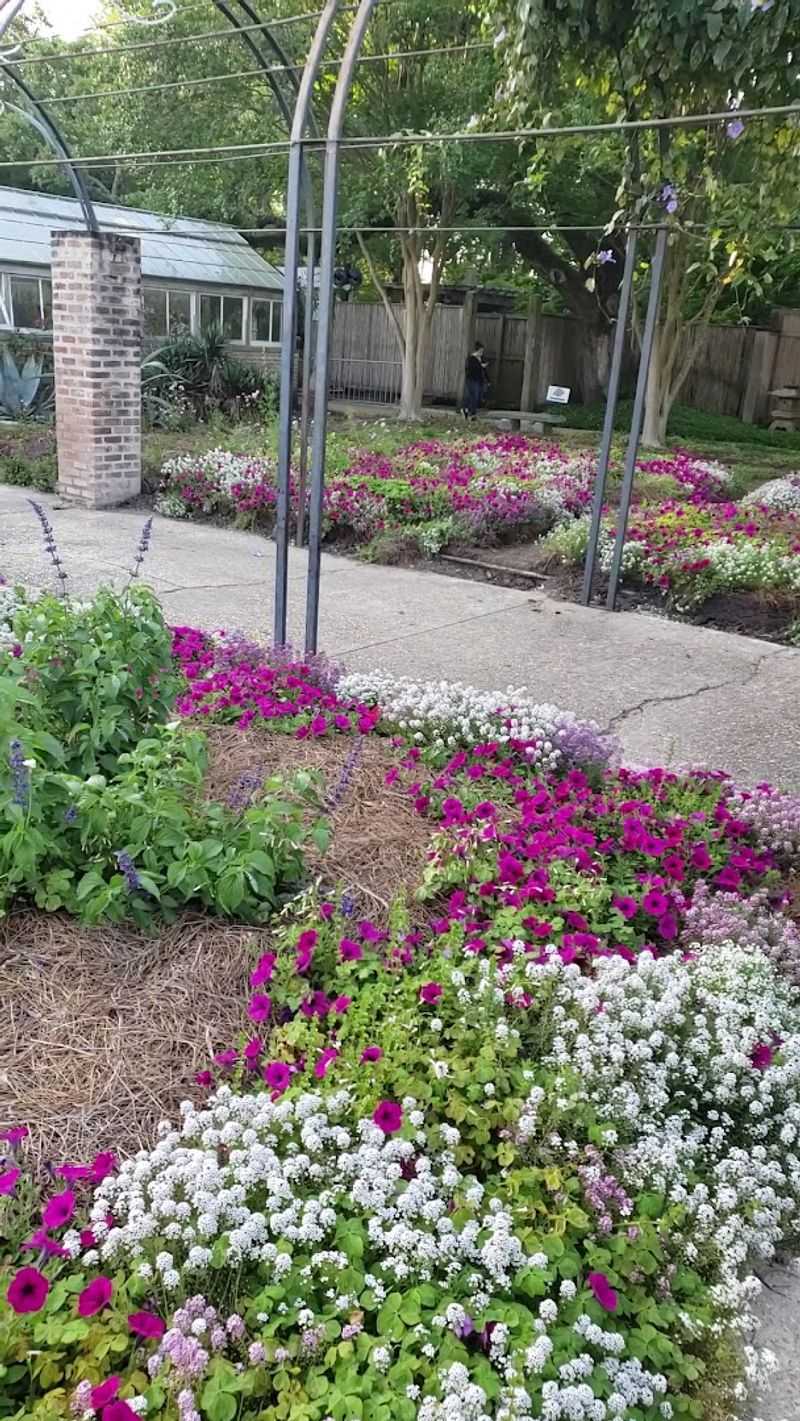
The kitchen garden is a delightful, down-to-earth corner where vegetables and flowering plants mingle in raised beds and tidy rows. Seasonal plantings shift throughout the year, offering a peek at local growing practices and sometimes abundant summer harvests that delight visitors who enjoy edible landscapes.
Labels and plant signage make it easy to learn what’s in each bed, and the kitchen garden often becomes a practical classroom for community gardening ideas.
It’s a sweet contrast to the ornamental beds and a reminder that botanical gardens also teach cultivation. Stop by to examine interplanting techniques and to appreciate how practical gardening habits support pollinators and local food systems through careful design.
Sculptures And The Alférez Legacy
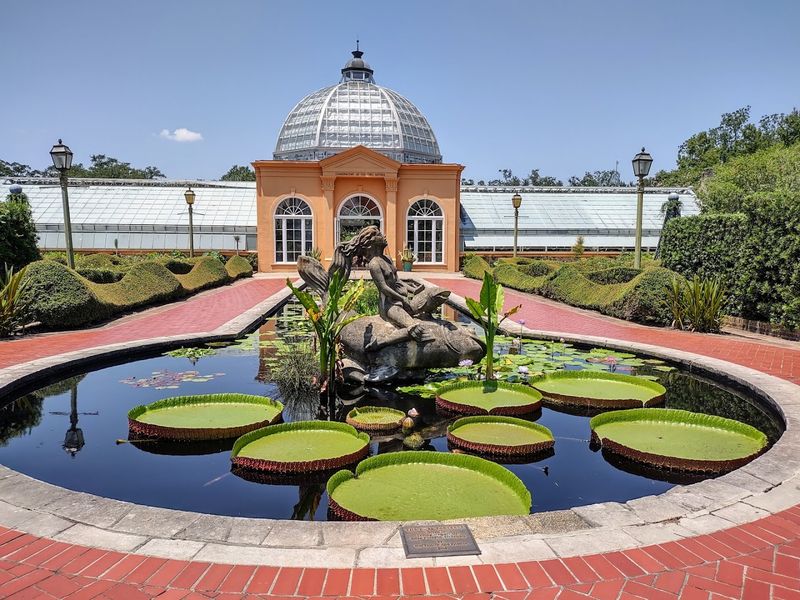
Enrique Alférez contributed many sculptures to the garden over decades, and his work punctuates the landscape with bold, figurative forms that marry Art Deco aesthetics to organic settings. Alférez’s pieces date from 1932 onward and provide focal points around which plantings are arranged.
Encountering a sculpture amid live oaks and trimmed borders gives the sense that art and horticulture were planned as partners here.
These sculptural moments reward slow observation; textures weather differently under moss and shade, and the interplay of shadow on carved forms changes by the hour. Take time to circle the pieces and notice how plant choices enhance their presence in subtle ways across seasons.
Practical Timings And Quiet Windows
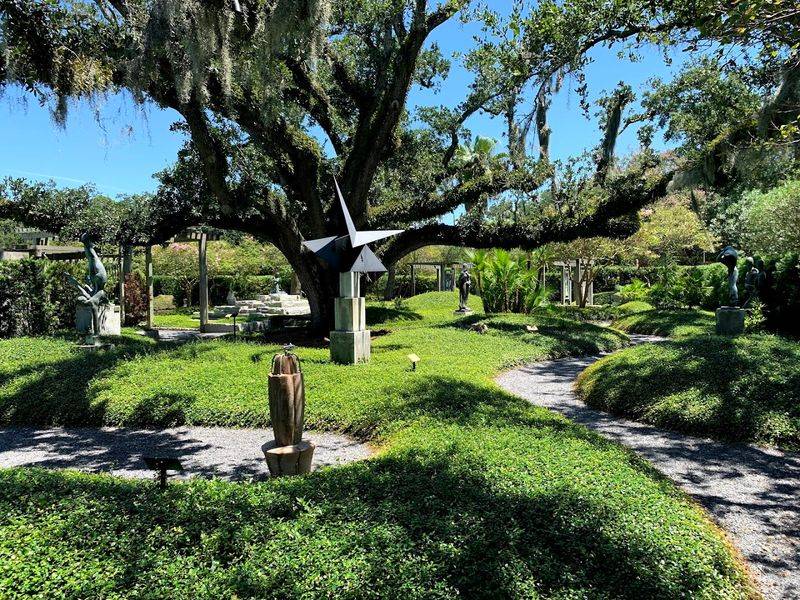
Planning a visit around quieter windows makes a big difference; weekdays between opening and late morning often feel deserted compared with weekend afternoons. The garden opens at 10am and closes at 4:30pm most days, and it remains closed on Mondays, so aim for Tuesday through Friday mornings for calm exploration.
Free-admission days for Louisiana residents on certain weekdays can also change crowd patterns.
Arrive early to enjoy cooler temperatures, better light for photography, and the possibility of catching hummingbirds and other pollinators before midday activity peaks. Simple timing choices enhance both comfort and the chances of intimate encounters with the garden’s features.
Visitor Amenities And Accessibility Notes
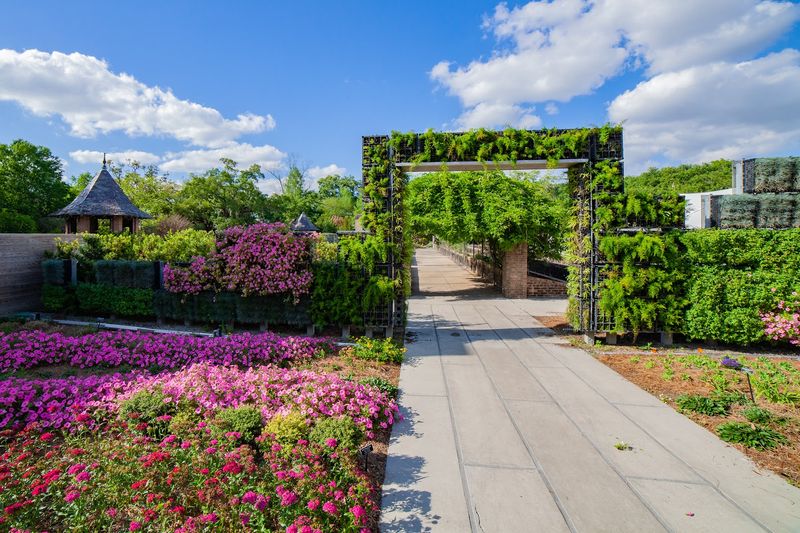
The garden is thoughtfully equipped for accessible visits: paved and easy-to-navigate paths, ramps where needed, and clear sightlines across many garden rooms. Restrooms and a small gift shop are on site, as well as parking areas with reasonably close access, which helps when you plan to spend several hours wandering.
There is no on-site food service, so bring water and snacks if you intend to linger.
Ticketing and seasonal exhibit closures can affect what’s open, so check the website or call ahead. Practical preparation, comfortable shoes, sun protection, and a charged phone for photos, makes the visit more relaxed and rewarding.
Seasonal Highlights And Planting Peaks
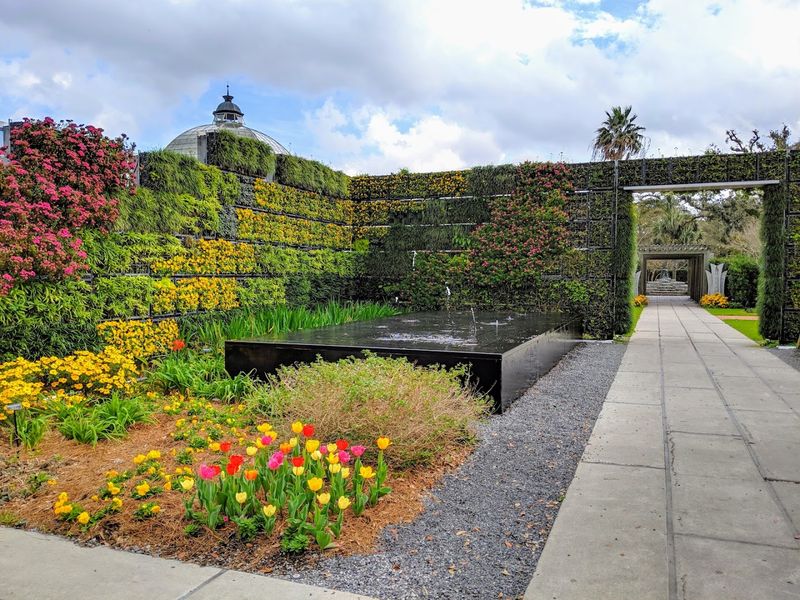
The garden’s personality shifts with the seasons: spring brings tulips and roses, summer layers on tropical exuberance, autumn adds late-bloom color, and winter can showcase poinsettia displays and structural interest. Many visitors note that spring through fall offers the richest floral variety, while winter emphasizes form and canopy drama rather than explosion of blooms.
If your trip is bloom-focused, target spring and fall visits; for tropical conservatory displays or poinsettia features, check the conservatory schedule. A flexible itinerary tuned to seasonal highlights helps you experience the garden at its most vivid moments.
Photography Tips For Slow Walkers
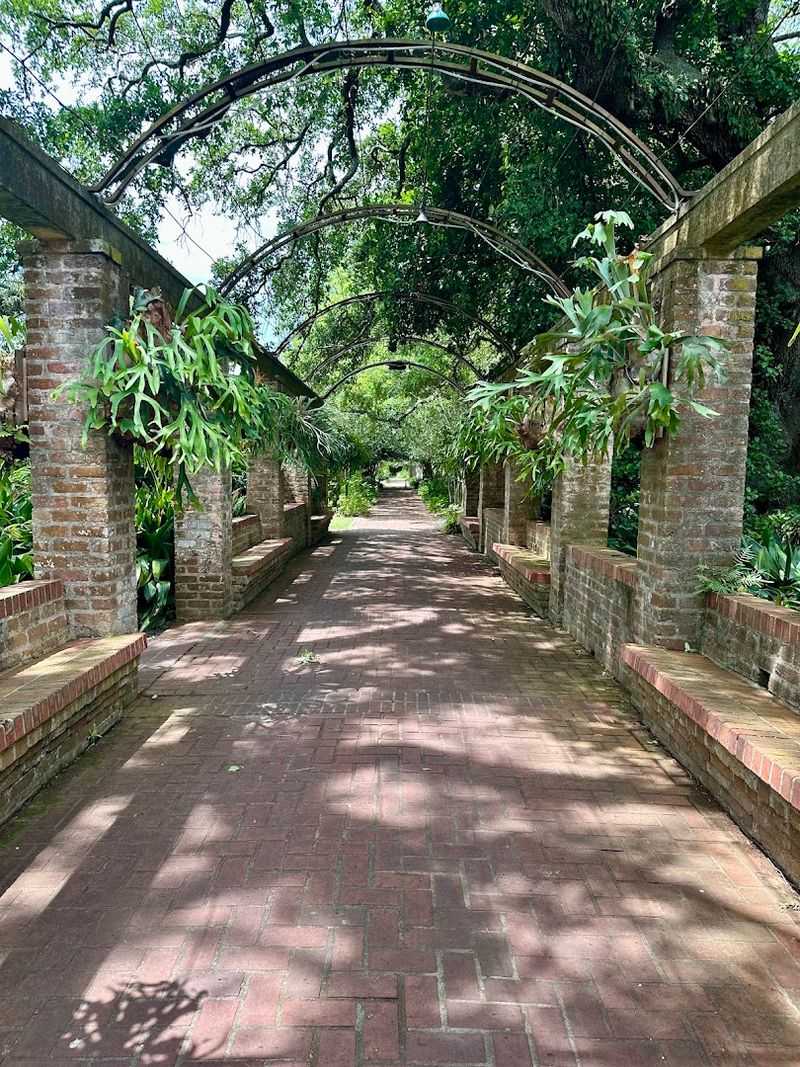
Photography in the garden rewards a slow approach: low-angle shots of planting edges, close-ups of tubular flowers that attract hummingbirds, and portrait-oriented frames that pick out Alférez sculptures against leafy backgrounds all produce pleasing results.
Early morning and late afternoon light soften shadows and bring out texture in brick paths and stonework. A long lens helps capture birds without disturbing them, while a macro lens reveals floral detail.
Respect signage and plantings; stay on paths and avoid trampling edges for a good shot. Patience is key, waiting quietly near a hummingbird attractor can yield the best action images without startling wildlife or other visitors.