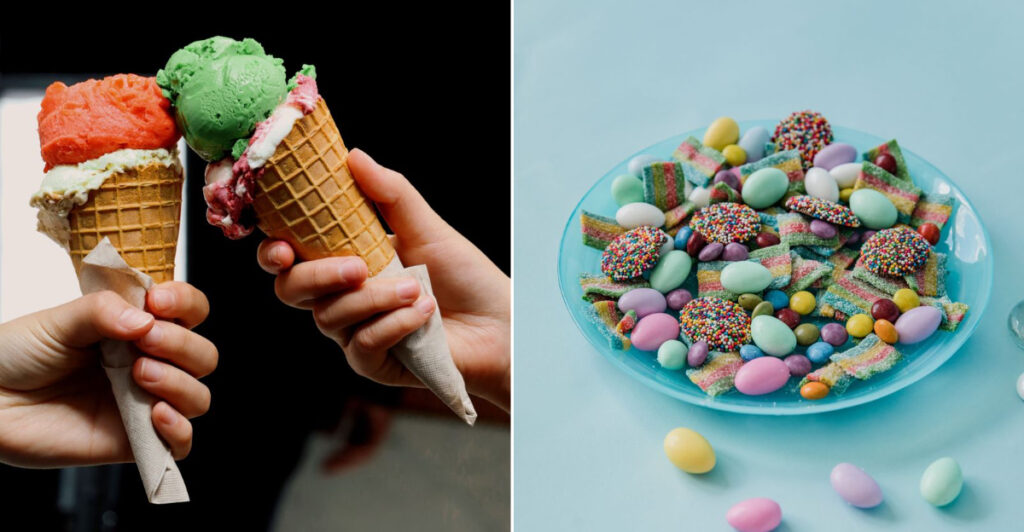
Snack nostalgia is basically time travel with crumbs on its shirt.
One discontinued flavor can turn a calm adult into a detective with grocery-store receipts, childhood stories, and suspiciously strong opinions.
Oregon knows that feeling well.
The state has a snack past full of treats people did not merely eat; they remembered, defended, and occasionally mourned like tiny edible celebrities.
A chip bag, ice cream counter, candy surprise, or giant sundae can carry more history than anyone expects, especially when it vanished before newer fans could try it.
That is what makes these old favorites so fun to revisit. They were quirky, local, dramatic, and sometimes completely unreasonable in the best possible sense.
Longtime locals still talk about them because the craving never quite retired.
Maybe one comeback is unlikely. Maybe several are overdue.
Either way, the snack shelf of memory is open, and Oregon saved the good stories.
1. Rose’s Giant Cinnamon Rolls
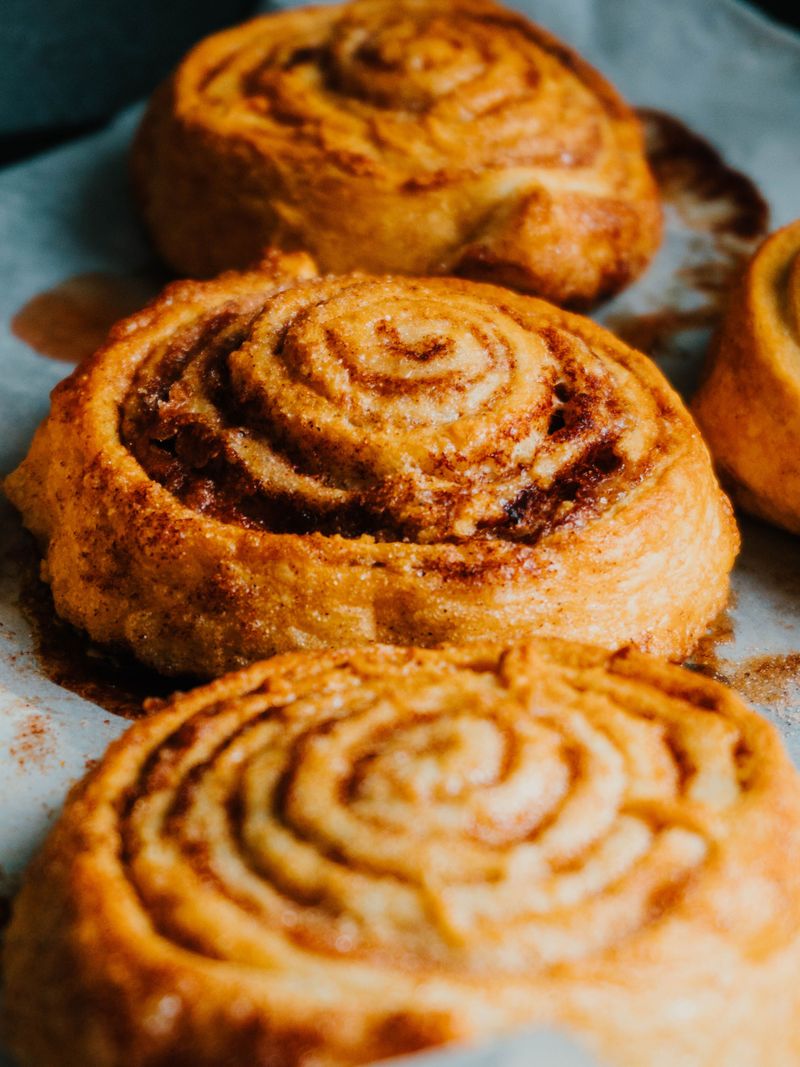
A cinnamon roll should not need its own zip code, yet Rose’s came close.
Rose’s Restaurant and Delicatessen opened on Northwest 23rd Avenue in Portland in 1956, and its enormous cinnamon rolls quickly became part breakfast, part dessert, and part local dare.
These were not polite little spirals meant for two careful bites. They were famously gigantic, with enough dough, cinnamon, and sweetness to turn a quick stop into a full commitment.
Longtime customers still remember their size. One roll could stretch across several snack breaks, although plenty of determined fans treated that as a challenge rather than a suggestion.
Founder Rose Naftalin had built a reputation as a gifted baker before arriving in Oregon. Her Portland deli became known for towering cakes, raspberry Napoleons, whipped cream rolls, doughnuts, and pastries that believed moderation was somebody else’s problem.
The cinnamon roll fit that generous personality perfectly.
Rose sold the restaurant in 1968, but later owners kept the name and much of its oversized bakery identity alive. The original Northwest Portland landmark changed over time, while a revived version continued serving customers until the final Rose’s location closed in 2011.
That closing removed more than a bakery item from the city. It took away the thrill of seeing one of those massive rolls arrive and wondering whether a plate or a building permit was more appropriate.
Portland has plenty of excellent cinnamon rolls now, but Rose’s version belongs to its own oversized chapter.
A proper comeback would require plenty of icing, sturdy pastry boxes, and absolutely no interest in portion control.
2. Alpenrose Dairyville Ice Cream Parlor Cones
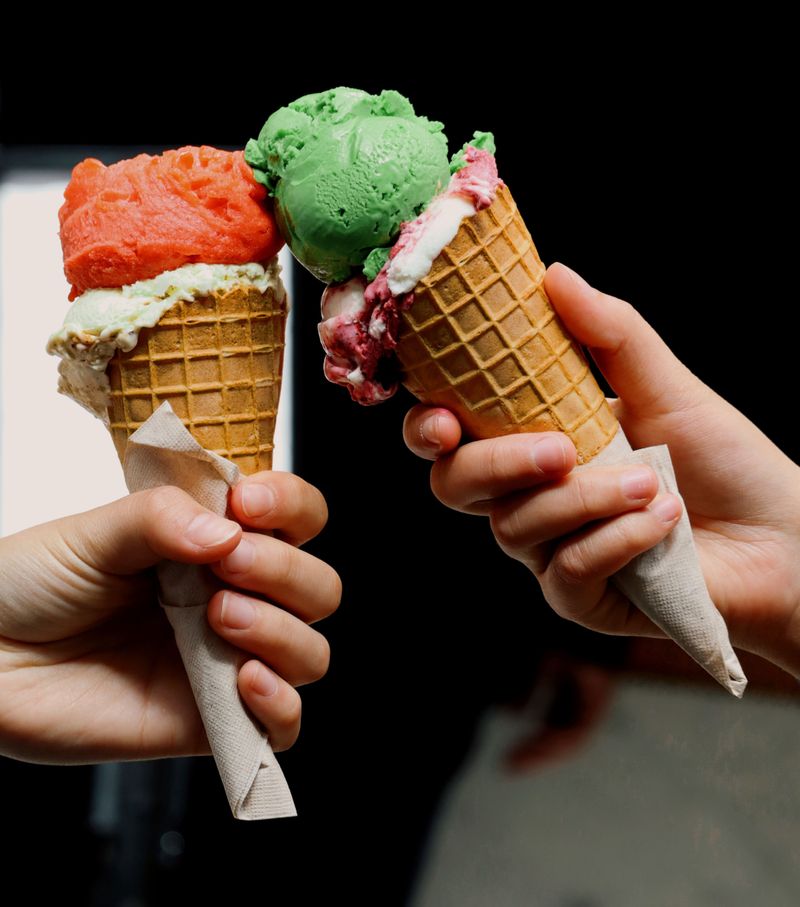
There was something almost magical about eating ice cream inside a working dairy.
Alpenrose Dairyville in Southwest Portland was not just a farm. It was a full experience, complete with a little Western town, a stadium, and an ice cream parlor that made everything feel like a celebration.
The cones served there were made with Alpenrose dairy products, which meant the ice cream tasted fresh in a way that pre-packaged pints never could. That farm-to-cone freshness was noticeable in every lick.
Kids and adults both noticed the difference.
Alpenrose Dairy had been a Portland institution. The Cadonau family built Dairyville as a free community attraction, and generations of Portland families made it a regular tradition.
The ice cream parlor was one of the most beloved stops on the property.
Summer afternoons at Dairyville felt timeless. You could watch a Little League game, explore the replica Western town, and finish with a scoop of fresh ice cream.
No single activity summed up Portland childhood better.
The dairy eventually faced serious financial challenges and closed its doors to the public.
The ice cream parlor cones became a memory that Portland families carry quietly. People who grew up there still describe the flavor with surprising detail.
Alpenrose ice cream products can still be found in some stores, but the parlor experience is gone. Eating a cone in that setting was irreplaceable.
A revival of Dairyville would bring those cones back to life in the best possible way.
3. Pixie Kitchen Surprise Candy Treats
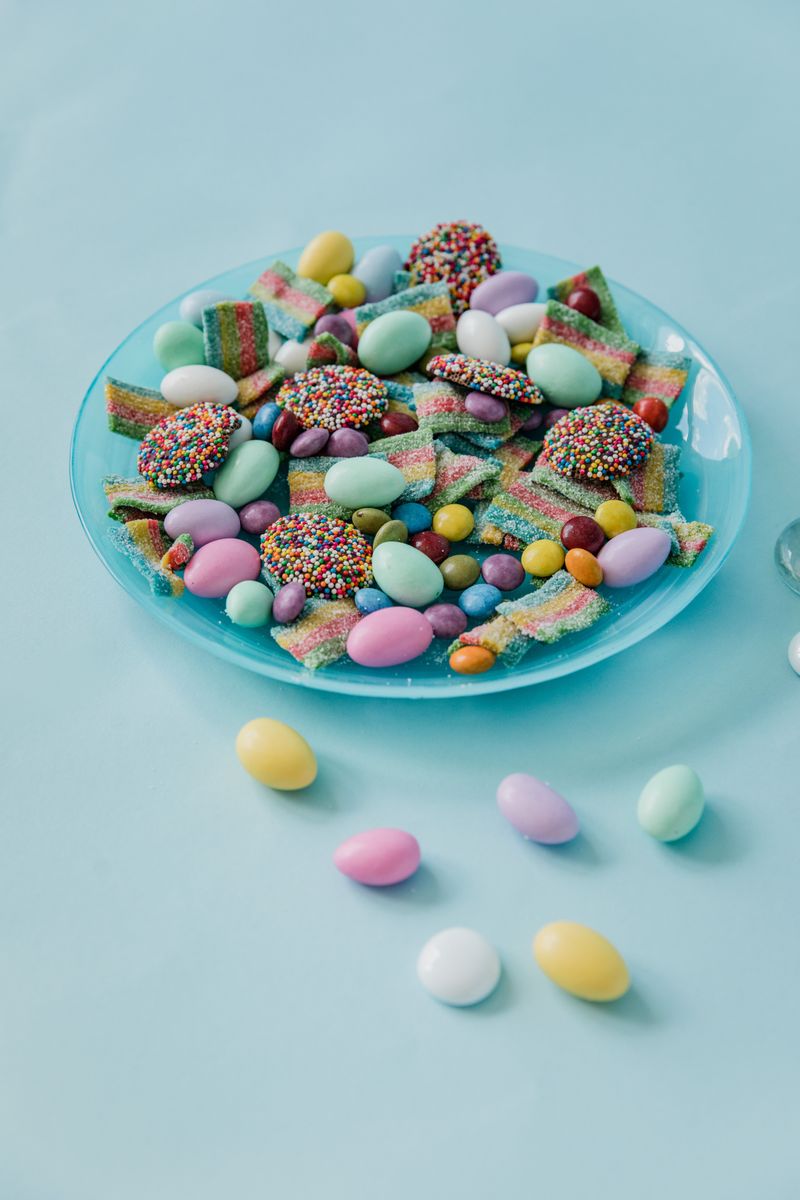
Picture a candy treat so mysterious that half the fun was not knowing what was inside.
Pixie Kitchen in Lincoln City was a beloved Oregon Coast destination, and their surprise candy treats were legendary among kids who visited. You picked a bag, paid a small price, and hoped for the best.
The suspense was the whole point. Children would shake the bag, squeeze it, and try to guess the contents before opening.
That kind of playful magic is nearly impossible to find in today’s snack world.
Pixie Kitchen itself was a fairy-tale-themed restaurant.
The candy treats matched the whimsical spirit of the entire place. Every visit felt like stepping into a storybook, and the sweets made that feeling last a little longer.
Parents who grew up visiting the coast still talk about those surprise bags. They describe the candy with a mix of nostalgia and wonder.
The treats were not fancy, but the experience made them feel special.
Pixie Kitchen eventually closed, and the surprise candy treats went with it. No other candy shop in the area ever quite captured that same spirit.
The combination of mystery, sweetness, and coastal charm proved impossible to replicate.
Food nostalgia blogs still feature Pixie Kitchen regularly. People share old photos and swap memories in the comments.
Bringing back even a version of those surprise treats would instantly connect generations of Oregon Coast fans.
4. Yaw’s Top Notch Milkshakes
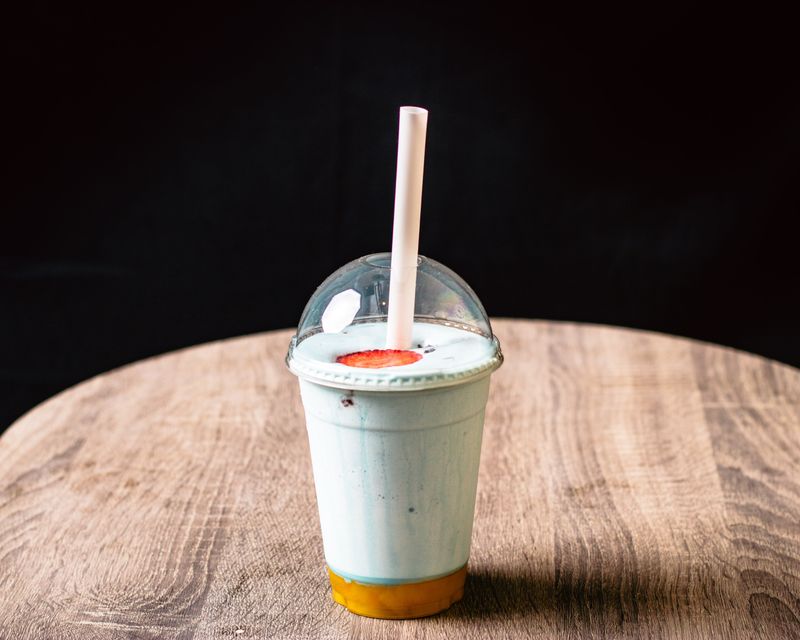
Some milkshakes arrive with a straw. Yaw’s Top Notch shakes arrived with decades of Portland stories attached.
Yaw’s opened in the Hollywood neighborhood in 1926 and grew from a small counter into one of the city’s best-known drive-ins. Burgers earned plenty of attention, but the thick milkshakes helped turn an ordinary stop into an evening plan.
They were cold, creamy, and built for slow sipping. The kind of shake that made the straw work overtime and convinced customers that patience was part of dessert.
During the drive-in years, carhop service added to the fun. Families, teenagers, and late-night regulars could settle in while trays arrived at the car, usually with a shake standing proudly beside the food.
Yaw’s became woven into Portland life for more than half a century. Its Hollywood location was busy enough that the restaurant expanded several times, proving that locals had loyalty to the name.
The original closed in 1982, leaving behind a specific craving. A revival opened in Northeast Portland in 2012, but it lasted only eight months before closing too.
That brief return gave longtime fans another chance to revisit the name, though it could not fully recreate the era when Yaw’s was a neighborhood ritual.
The milkshakes remain a sweet part of the memory. They belonged to a time when a drive-in stop could stretch into an evening and nobody minded lingering.
Portland has excellent shakes now, but Yaw’s carried history in every glass.
A proper comeback would need thick ice cream, sturdy straws, and enough napkins to handle a wave of nostalgia.
5. Tillamook Ice Cream Sandwiches
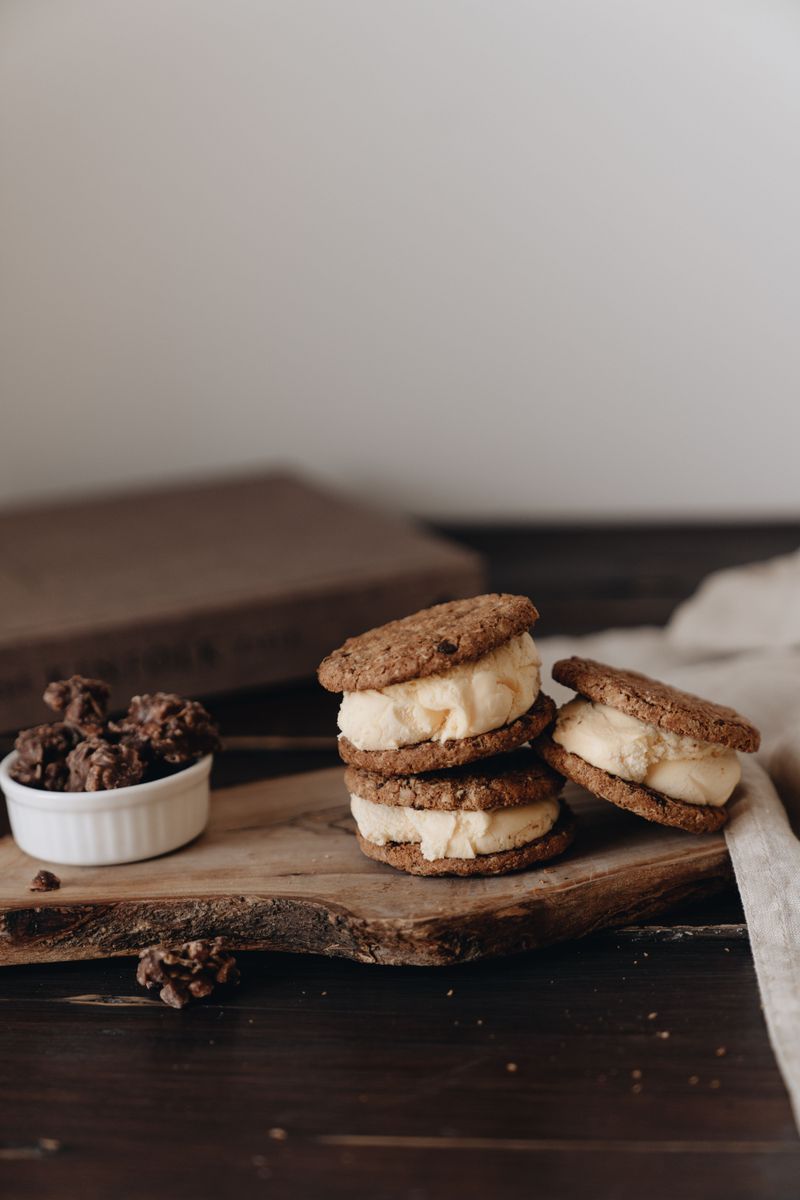
Tillamook ice cream sandwiches were the kind of freezer treat that made a plain afternoon seem suddenly important. They carried the familiar Tillamook name, which already meant serious dairy credibility across Oregon homes.
The sandwiches came in flavors like Vanilla Bean, Chocolate Mudslide, Oregon Strawberry, Salted Caramel, and Mint Chocolate Chip.
Each one paired rich ice cream with a chocolate-lined waffle cone cookie that gave the snack extra character. That detail made them stand apart from softer, flatter freezer aisle sandwiches.
The cookie had a slight snap, the ice cream tasted full, and the whole thing seemed built for slow eating.
Fans were not thrilled when the sandwiches disappeared from the lineup.
Tillamook later introduced ice cream bars, but longtime sandwich loyalists know bars are not quite the same thing.
The sandwiches had their own charm because they felt like a handheld Creamery treat. That Oregon Coast connection made them feel local, even when bought far from Tillamook.
A comeback would make plenty of Oregon freezer doors open a little faster.
6. Lipman’s Lime Freezes
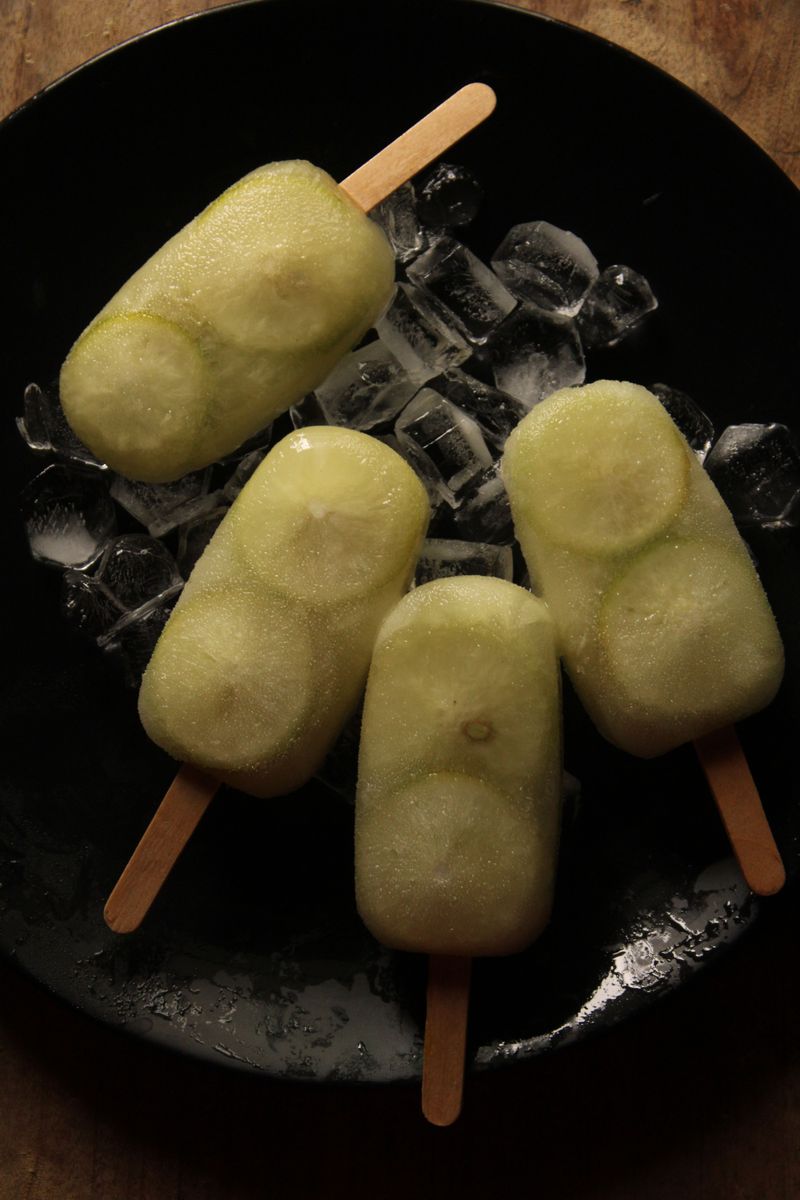
Cold, tart, and absolutely refreshing, the Lime Freeze at Lipman’s was the kind of drink that made hot summer days feel manageable.
Lipman’s was a beloved Portland department store with a lunch counter that became famous for this signature frozen drink. It was simple, sharp, and completely addictive.
The Lime Freeze combined lime syrup with crushed ice in a way that felt both nostalgic and uniquely satisfying. It was not a slushie, not a smoothie, and definitely not a limeade.
It occupied its own delicious category.
Department store lunch counters were once a major part of American food culture.
Lipman’s lunch counter was one of the best examples in the Pacific Northwest. Shoppers would plan their whole day around stopping for a Lime Freeze before heading home.
The tartness of the lime hit first, followed by a sweetness that balanced everything out perfectly.
People who tried it once came back for it every single visit. That is the mark of a truly great recipe.
Lipman’s closed in 1980 when it merged with Frederick and Nelson.
The Lime Freeze recipe went with it, at least officially. Home cooks have tried for decades to recreate it, with mixed results and a lot of happy experimenting.
Food historians and Portland nostalgia groups still discuss the Lime Freeze with enthusiasm. It represents a whole era of Portland retail and social culture.
Bringing it back, even at a pop-up, would draw lines around the block without question.
7. Nalley’s Potato Chips
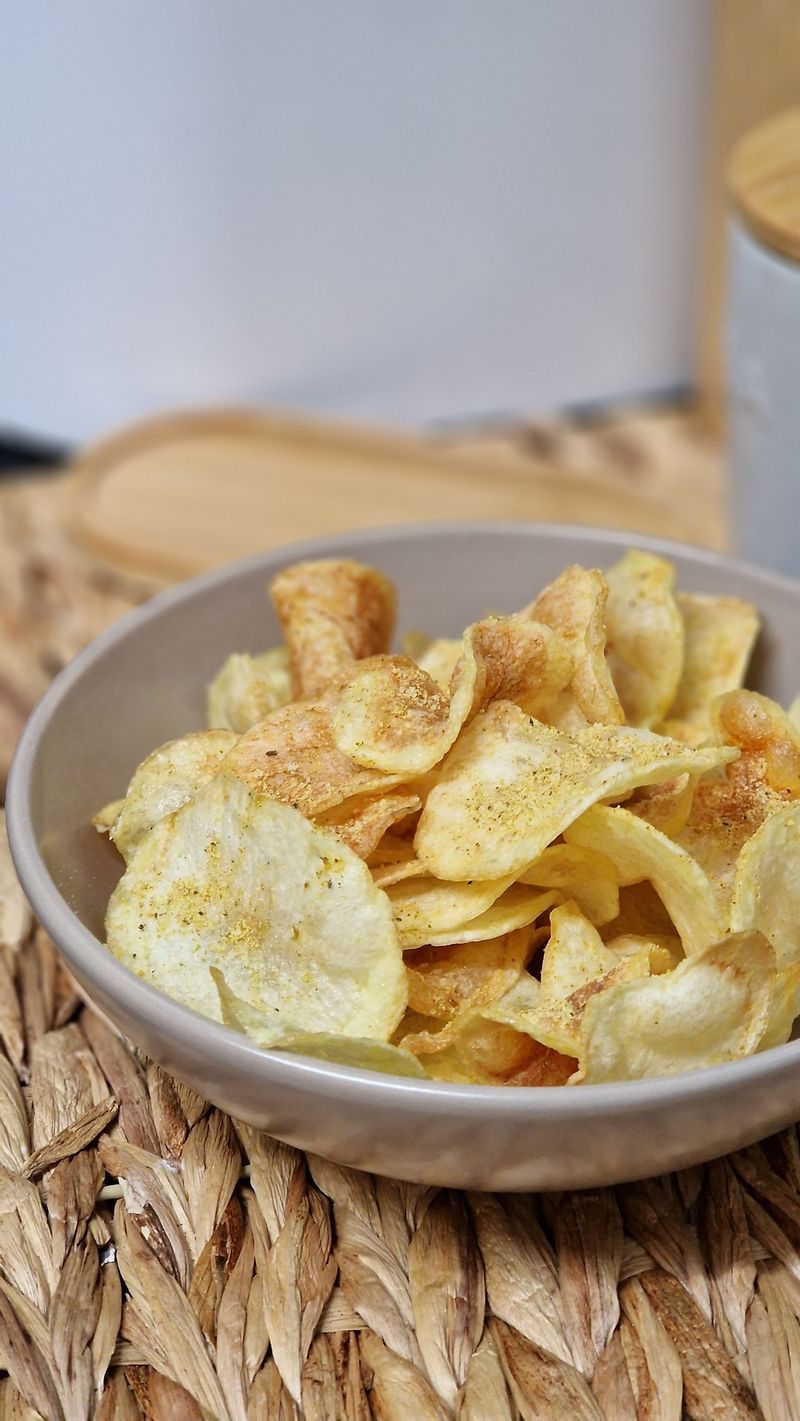
Before national brands dominated every grocery aisle, Nalley’s was the chip of choice for Pacific Northwest households.
Founded in Tacoma, the brand had deep roots across Oregon and Washington. Their potato chips were a pantry staple for generations of families in this part of the country.
Nalley’s chips had a distinctive flavor that long-time fans still describe as lighter and crispier than modern competitors.
The seasoning was subtle but present. You could eat them plain or pair them with a dip and both options worked equally well.
The brand covered a wide range of products beyond chips, including chili and pickles. But the chips were what people reached for first.
They showed up at every picnic, potluck, and after-school snack session throughout the region.
Regional grocery chains carried Nalley’s prominently, and seeing that familiar bag on the shelf felt like seeing an old friend.
The packaging had a no-nonsense look that matched the honest flavor inside. Nothing about Nalley’s tried too hard.
Ownership of the brand changed hands multiple times over the decades. Production eventually shifted away from the Pacific Northwest, and the chips lost their regional identity.
The flavor changed too, and loyal fans noticed immediately.
The chip had real character and a loyal following that never fully moved on. A proper Pacific Northwest revival of the original recipe would be a serious event.
8. Farrell’s Pig’s Trough Sundae
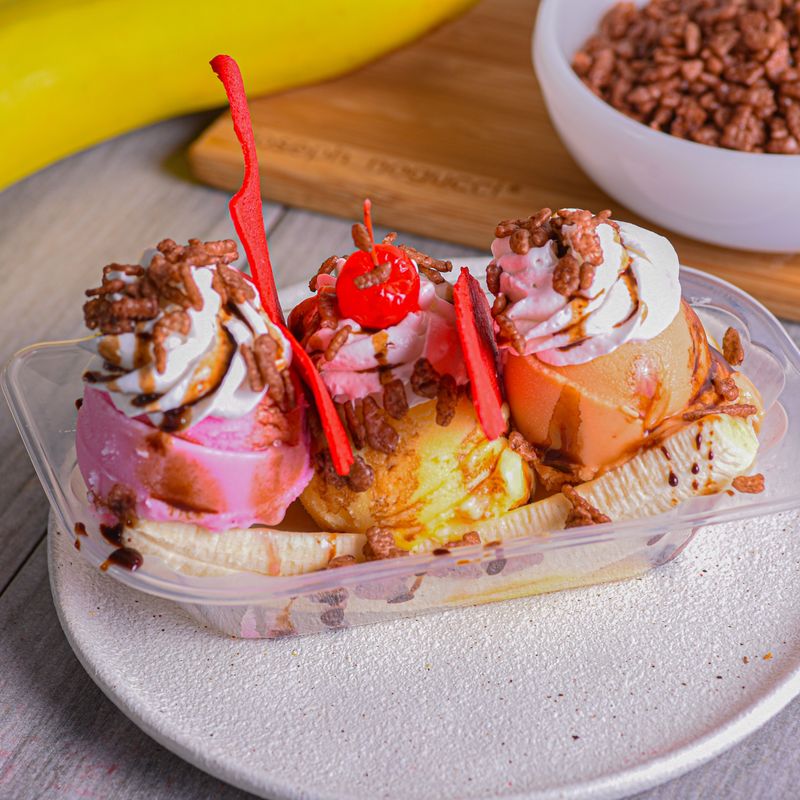
Some desserts are not meant to be eaten quietly. The Pig’s Trough Sundae at Farrell’s Ice Cream Parlour was a full theatrical event, complete with sirens, banging drums, and a parade through the restaurant.
Finishing it was a badge of honor that kids wore proudly for weeks.
Farrell’s had locations across Oregon during its peak years in the 1970s and 1980s.
The chain built its brand around over-the-top ice cream experiences that families could not find anywhere else. The Pig’s Trough was the crown jewel of that menu.
The sundae featured a wooden trough filled with scoops of ice cream, sauces, whipped cream, and toppings. It was designed for a group, but some brave souls attempted it solo.
The staff would make sure everyone in the restaurant knew about the attempt.
Farrell’s understood that eating ice cream is also about entertainment.
The noise, the presentation, and the shared excitement turned a dessert into a memory. That combination was genuinely rare and difficult to recreate.
The chain declined through the late 1980s and eventually closed most locations. A brief revival attempt happened in the 2010s, but it did not take hold the way fans hoped.
The Pig’s Trough never quite returned to its full glory.
People who celebrated birthdays at Farrell’s still describe the experience with vivid detail.
The sound of the drums, the rush of the staff, and the sight of that trough arriving at the table. Those memories deserve a proper second act.
9. Quality Pie Cream Pies
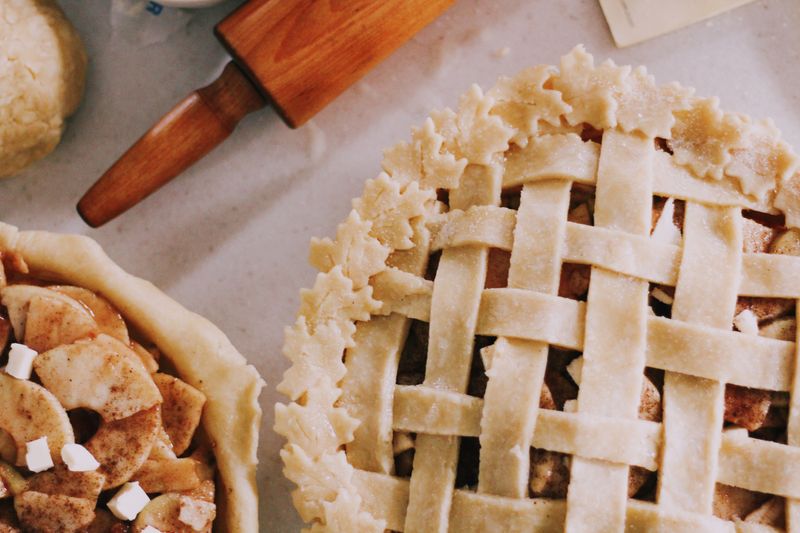
Some pie shops sell dessert. Quality Pie sold Portland a place to stay awake a little longer.
The Northwest 23rd Avenue institution opened in 1934 and became one of the city’s most dependable late-night stops. Regulars called it the QP, which sounded less like a restaurant name and more like a secret Portland password.
Its cream pies earned special affection. Slices arrived tall, cool, and unapologetically old-fashioned, with smooth filling, flaky crust, and enough whipped topping to make restraint seem unnecessary.
Banana cream and chocolate cream remain among the flavors former customers remember most fondly. Fruit pies also filled the case, giving indecisive visitors a very pleasant problem.
Quality Pie stayed open around the clock for much of its run. Hospital workers, musicians, students, night owls, and people simply avoiding bedtime could all end up sharing the counter.
That mix gave every slice extra personality. Pie tasted better when the hour was questionable and nobody at the table needed an explanation.
The restaurant closed in 1992, but the building remained standing and empty for roughly three decades. Its long silence only made the memories louder for Portlanders who remembered coffee cups, counter stools, and pie cases glowing after dark.
The building was finally demolished in 2022, closing the physical chapter for good.
Plenty of Portland bakeries make excellent pie now, but Quality Pie belonged to a particular rhythm of the city. It was dessert, refuge, and late-night habit served on one plate.
A comeback would need generous slices, bottomless patience, and a closing time that never appeared on the door.