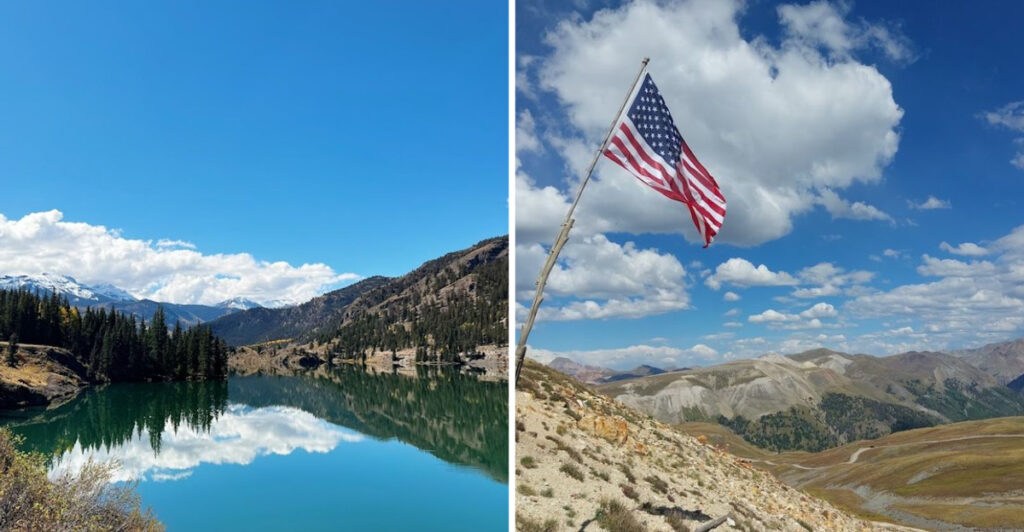
This town has somehow missed the fame meeting.
While other Colorado mountain destinations built reputations around packed sidewalks and famous names, this one stayed deep in Hinsdale County.
And it’s surrounded by enough mountain country to make a cell signal reconsider its career!
The remote setting grabs attention, but the town has more to offer. Victorian buildings line downtown, a natural lake sits nearby, and rougher roads lead straight into the backcountry. That is the strange part.
It offers the history, scenery, and outdoor drama associated with Colorado’s better-known destinations. The difference is a quieter pace and far fewer distractions.
Maybe the mountains hid it. Maybe everyone else simply stopped driving too soon.
The Drive To This Town Leaves The Crowds Behind
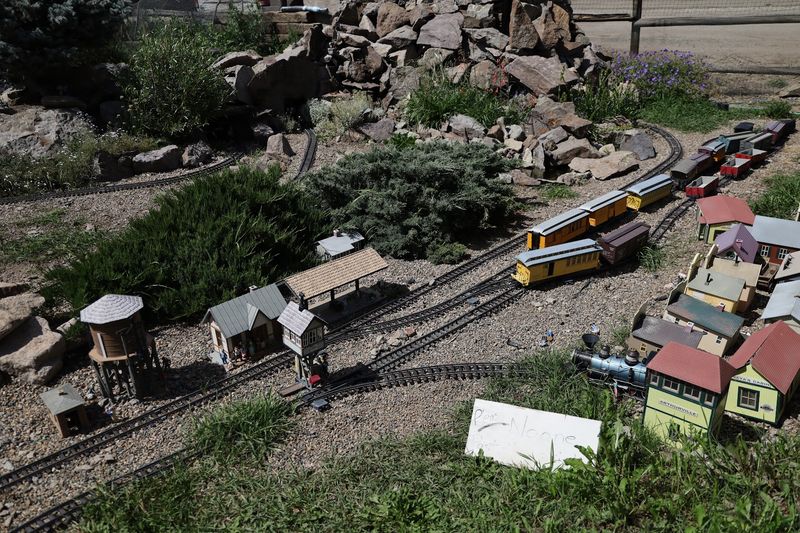
The road starts editing things out as Lake City gets closer. Traffic disappears first, billboards follow, and before you know it, the GPS is doing most of the talking.
Colorado Highway 149 cuts through some of the most dramatic scenery in the entire state. Towering ridgelines flank the route on both sides. The air changes too, thinner and sharper, carrying the scent of pine and open sky.
Many drivers arrive from Gunnison, about 55 miles northeast of Lake City. That stretch alone filters out the casual traveler. Only the curious and the committed make it this far.
Hinsdale County covers a vast stretch of Colorado, yet holds fewer permanent residents than almost any other county in the contiguous United States. The roads reflect that reality. Wide open, unhurried, and completely free of billboards.
Then the town appears between the peaks, modest and composed, as though the mountains had been keeping it to themselves.
By the time you arrive, the quiet no longer feels empty. It feels like you finally found the part of Colorado everyone else drove past.
Lake City Still Wears Its Mining-Era History
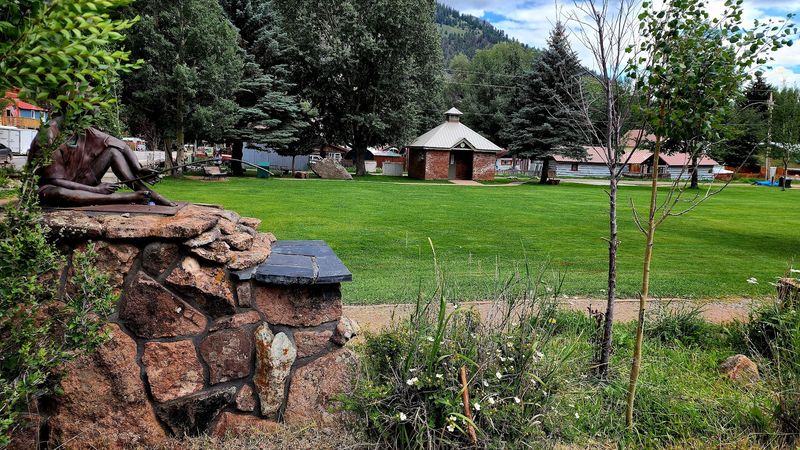
Lake City survived the mining boom with its backbone intact. The silver rush packed up long ago, but more than 90 historic buildings apparently missed the departure notice.
Established in 1875 as a supply center for nearby mining operations. The town grew quickly during Colorado’s silver and gold rush years.
What makes it remarkable today is how much of that original character survived. The National Historic District contains more than 90 contributing structures, many still standing in strong condition.
The 1877 Hinsdale County Courthouse deserves particular attention. It holds the distinction of being Colorado’s oldest courthouse still serving its original purpose. That kind of continuity is genuinely rare anywhere in the American West.
The Town of Lake City serves as the county seat. It is also the only incorporated municipality in all of Hinsdale County.
Walking the historic blocks feels less like a museum tour and more like stepping into a town that simply never lost its footing. The buildings are real, lived-in, and full of texture.
You do not need an admission ticket to meet Lake City’s past. Look up from the sidewalk, and history is still holding court in brick, timber, and windows. They all watched the town change without losing its nerve.
Lake San Cristobal Was Made By A Moving Mountain
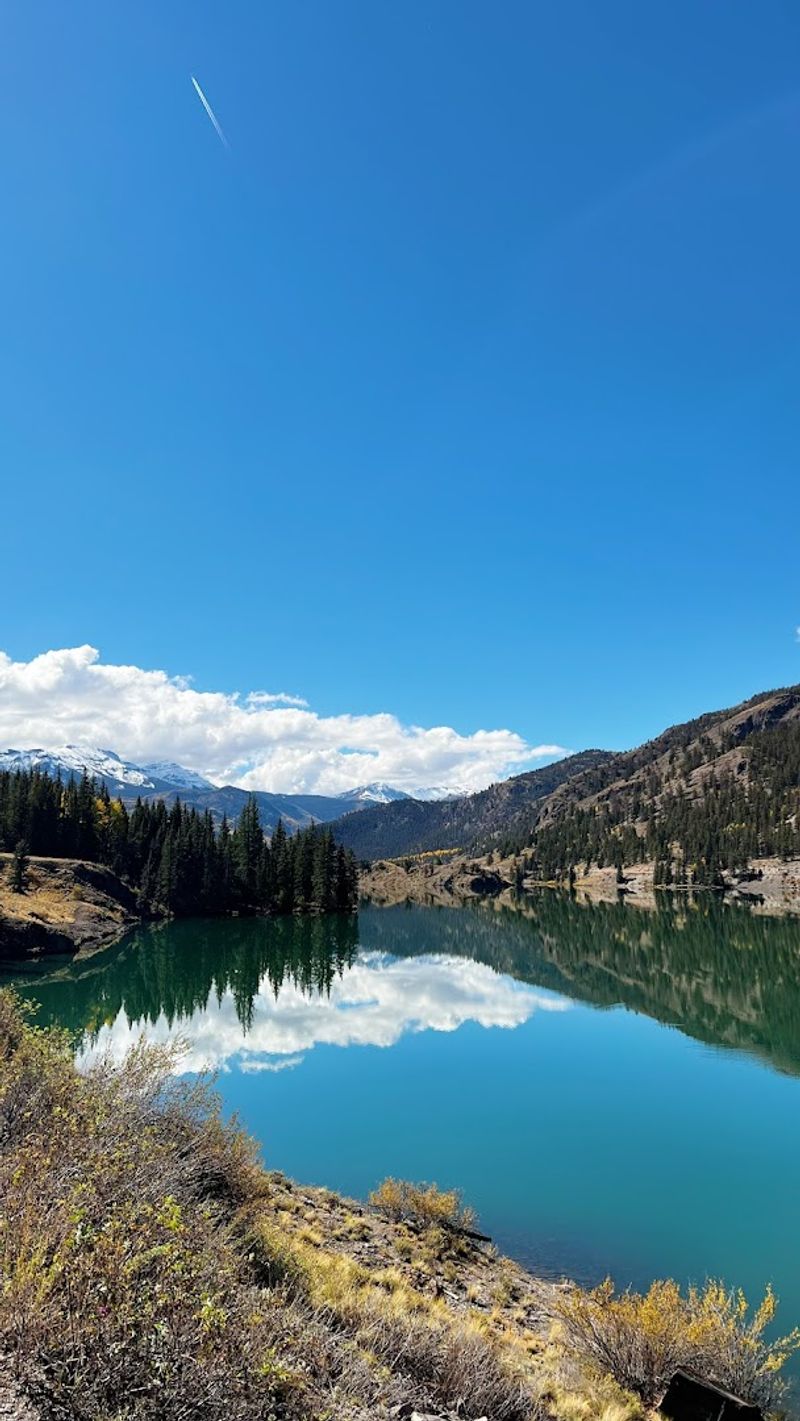
What happens when a mountainside blocks an entire river? Near Lake City, the answer is Colorado’s second-largest natural lake and one seriously dramatic piece of geological improvisation.
Lake San Cristobal formed when the Slumgullion Earthflow, a massive slow-moving landslide, blocked the Lake Fork of the Gunnison River centuries ago.
The result is the second-largest natural lake in Colorado. It sits just south of town, framed by forested slopes that mirror themselves perfectly on calm mornings.
The lake supports boating, paddleboarding, and fishing for multiple trout species. Anglers find the calm stretches particularly productive in the early morning hours when the surface is glassy and undisturbed.
Wildlife sightings around the lake are genuinely frequent. You may spot bald eagles, ospreys, beavers, elk, and even moose in the surrounding area. Patience and quiet movement reward the observant visitor.
Camping options exist near the shoreline, making it easy to extend a visit beyond a single afternoon.
Whether you paddle, fish, or simply watch the light shift across the water, give the lake ten quiet minutes. Your schedule may suddenly develop a very convenient leak.
The Alpine Loop Pushes Four-Wheel Drive To Its Limits
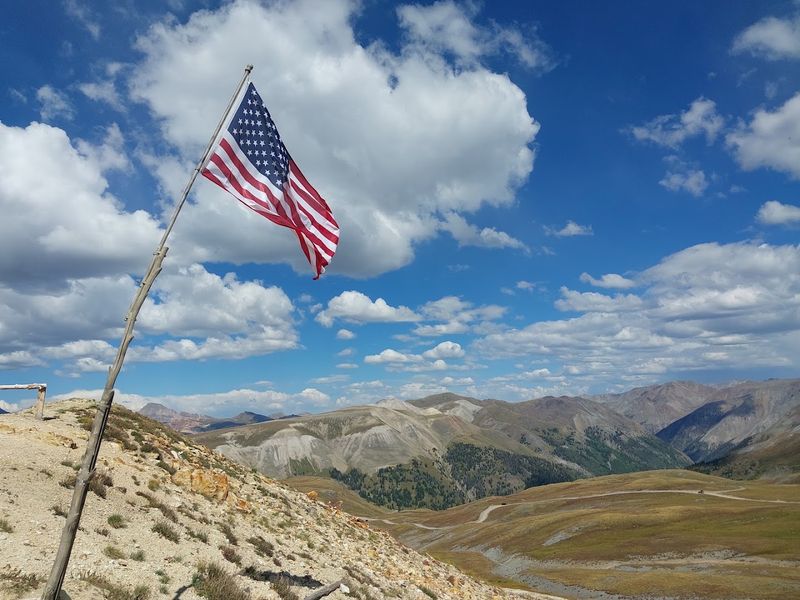
The Alpine Loop does not care how confident your vehicle looked in the parking lot. Once the pavement ends, four-wheel drive becomes less of a brag and more of a responsible adult in the car.
The Alpine Loop Backcountry Byway is a roughly 63-mile seasonal route that connects Lake City with Ouray and Silverton through some of the most demanding terrain in Colorado.
The loop crosses both Engineer Pass and Cinnamon Pass, reaching elevations as high as 12,800 feet. Four-wheel drive is required for significant portions of the route. Standard vehicles simply cannot handle what the upper sections demand.
Along the way, the scenery shifts constantly. Old mine structures cling to steep hillsides. Ghost-town remnants appear and disappear around corners.
Summer wildflowers carpet the high meadows in colors that seem almost exaggerated.
Road conditions on the Alpine Loop can change without warning. Snow, rain, and rockfall all affect passability. Checking the current status before setting out is not optional. It is essential.
For those properly equipped, the payoff is extraordinary. Check the conditions, respect the terrain, and let the road take its time.
The roughest miles often lead to views powerful enough to make you forgive every bump, rattle, and nervous glance at the map.
Five Fourteeners Tower Over Lake City
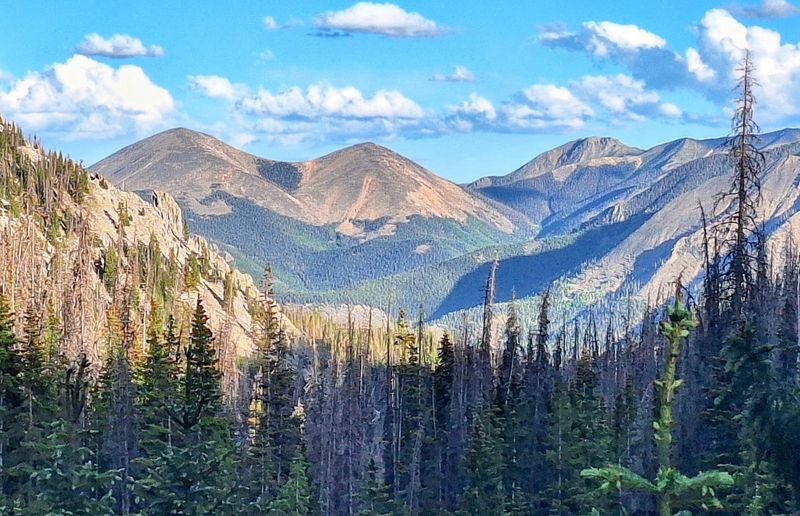
Five fourteeners surround Lake City. They give the skyline the energy of a meeting where every mountain insists on being the tallest person in the room.
Hinsdale County offers access to five fourteeners, making it one of the more concentrated high-summit regions in all of Colorado.
Uncompahgre Peak stands tallest among them at 14,309 feet. The trailhead can be reached via the Alpine Loop corridor, though four-wheel drive is strongly recommended for the final road section leading to the starting point.
The summit route is considered one of the more approachable fourteener climbs in the San Juans. That said, high-altitude weather moves fast. Starting early and turning back when clouds build is always the right call.
Beyond the fourteeners, more than 20 thirteeners fill the surrounding ridgelines. Hikers who prefer slightly less traffic and equally dramatic views often find the thirteeners more satisfying.
Hinsdale County is approximately 96 percent public land. That figure shapes everything about the outdoor experience here. Trailheads are plentiful, crowds are thin, and the mountain country stretches in every direction without interruption or fence line.
You do not have to reach every summit to appreciate the scale of the place. Sometimes standing beneath those peaks is enough to make your everyday problems look underqualified.
Winter Turns Lake City Into A Frozen Playground
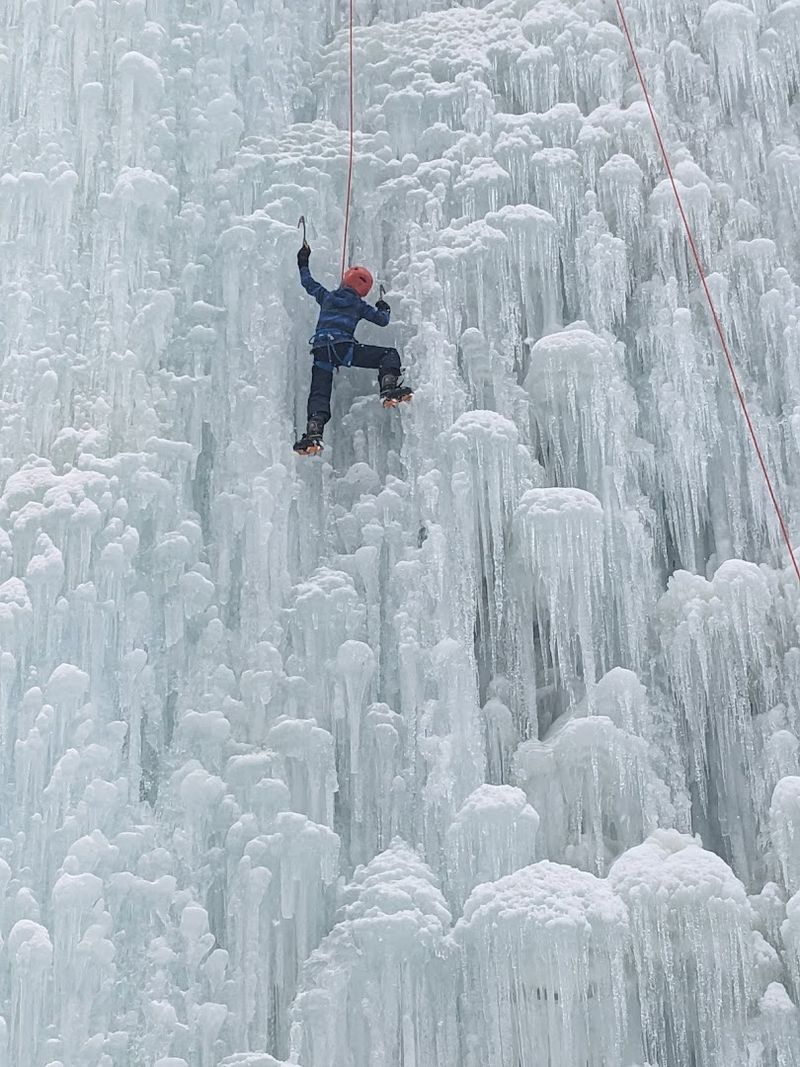
Lake City does not hibernate when winter arrives. It freezes the cliffs, grooms the trails, and gives anyone complaining about the cold several better things to do.
The Lake City Ice Park draws ice climbers from across Colorado and beyond. Frozen waterfall formations build up on the canyon walls each winter, creating routes that range from beginner-friendly to genuinely technical.
An annual ice-climbing festival adds structure and community to the season. Clinics, guided climbs, and social events bring experienced climbers together with those just discovering the sport. The atmosphere is welcoming rather than competitive.
Lake San Cristobal freezes over in winter, opening up ice fishing opportunities that summer anglers cannot access. The quiet of a frozen lake surrounded by snow-covered peaks is a specific kind of experience that resists easy description.
More than 100 miles of groomed winter routes connect Lake City to the broader regional trail network. Snowshoers and cross-country skiers find the options extensive.
Whether you climb the ice, cross the snow, or admire the frozen scenery from safer ground, winter rewards anyone willing to bundle up and look closer. Around Lake City, freezing temperatures are less of a warning and more of a season-opening invitation.
The Slumgullion Earthflow Is Still On The Move
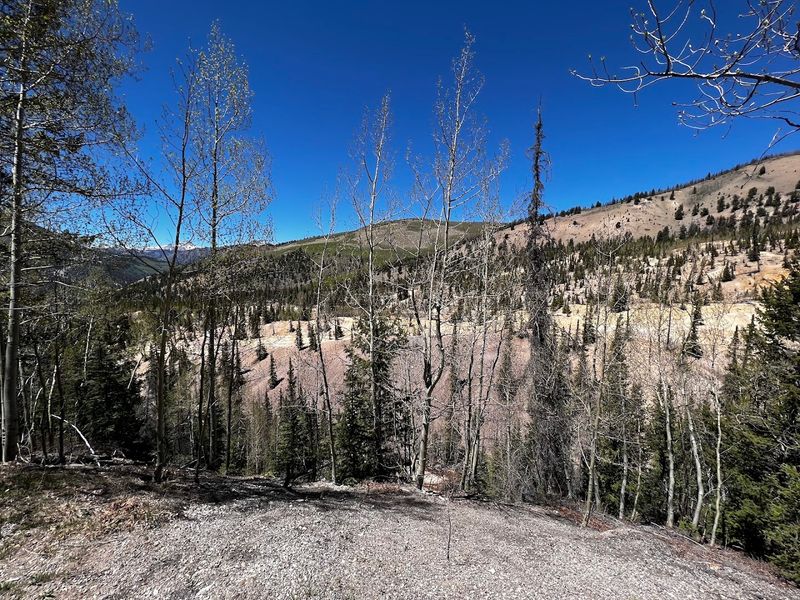
The Slumgullion Earthflow has been sliding downhill for centuries and still appears to be in no particular hurry. Geology rarely delivers a punchline this slowly.
The yellowish-green scar on the hillside south of Lake City is not easy to miss, and its origin story is genuinely fascinating.
The earthflow is a massive, slow-moving landslide that has been creeping downhill for hundreds of years. An older lobe of the flow blocked the Lake Fork of the Gunnison River long ago, creating Lake San Cristobal in the process.
A younger, active portion of the earthflow continues to move. Scientists have studied it extensively because slow-moving landslides of this type and scale are relatively uncommon. The movement rate is gradual but measurable over time.
Viewpoints along Colorado Highway 149 allow visitors to observe the earthflow without approaching unstable ground. The scale of the feature becomes clearer from a distance, where the full extent of the slide path is visible against the surrounding forest.
Understanding how the landscape was shaped adds depth to any visit. Pause at the overlook and take in the scale of what moved, what changed, and what eventually appeared.
Lake San Cristobal exists because a mountain refused to stay put. This is a fairly dramatic reminder that even geology knows how to leave a lasting impression.