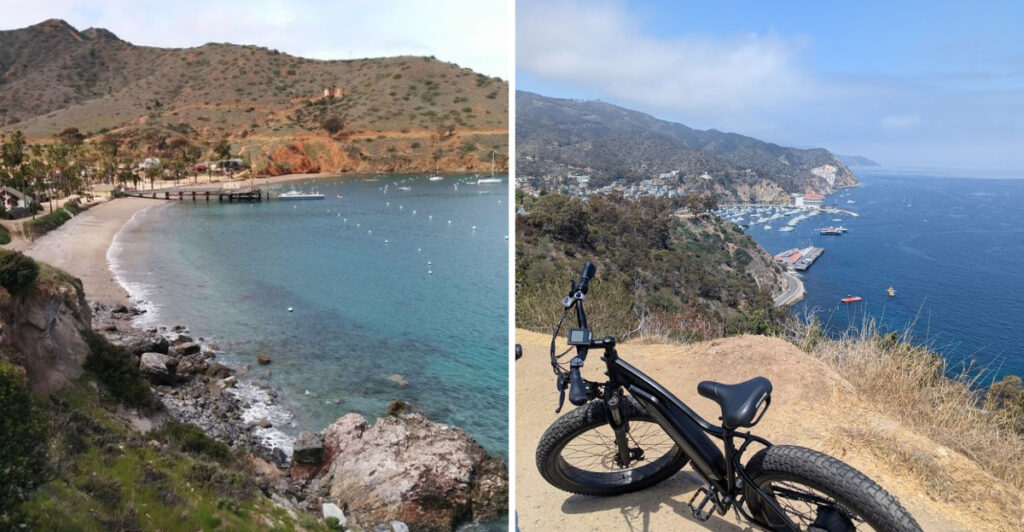
This place found a loophole in California traffic: put the town on an island and make most of the cars stay home.
The strategy works beautifully.
Visitors arrive by passenger ferry instead of fighting for parking, then discover that bicycles, golf carts, and comfortable shoes can handle nearly everything.
As the only incorporated city on Santa Catalina Island, this town sits roughly 22 miles off the Southern California coast. That stretch of water creates more than distance.
It separates visitors from fuel gauges, freeway exits, and the strange habit of driving three blocks because walking somehow sounded unreasonable.
Here, movement becomes part of the fun rather than the chore before it.
Leave the car keys on the mainland. This town has already found better ways to free your pockets from car keys.
The Ferry Leaves Your Car On The Mainland
Your car has driven you faithfully this far, but the ferry terminal is where the relationship takes a brief and healthy pause.
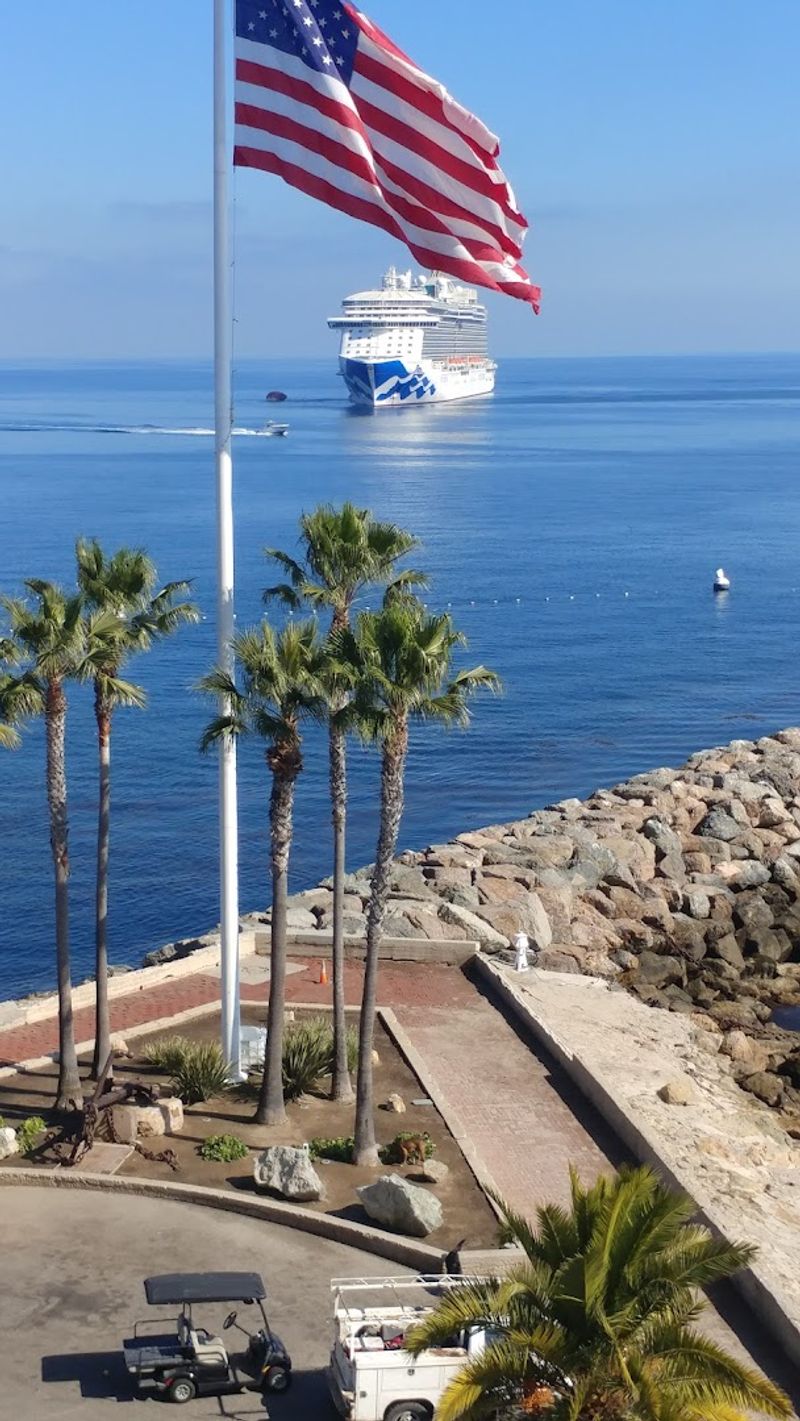
No regular car-ferry service connects the California mainland to Santa Catalina Island. Passenger ferries make the crossing, and that is the standard way in. Most people board at ports along the Southern California coast and arrive at Avalon’s waterfront pier.
The crossing itself sets the mood. The mainland fades, the open water takes over, and something shifts. The mental checklist of traffic, parking spots, and fuel levels simply stops mattering.
Avalon sits approximately 22 miles off the coast, and that distance creates a natural boundary. What stays on the other side of that water is not just a vehicle. It is the entire mindset that comes with driving everywhere.
Stepping off the ferry and onto the Avalon pier, the town announces itself immediately. The streets are narrow and quiet. Golf carts hum past.
Cyclists roll along without urgency. Follow their lead and let the ferry carry away your traffic habits along with the mainland skyline. For once, getting somewhere begins by happily leaving the steering wheel behind.
Avalon Makes Two Wheels Feel Like The Obvious Choice
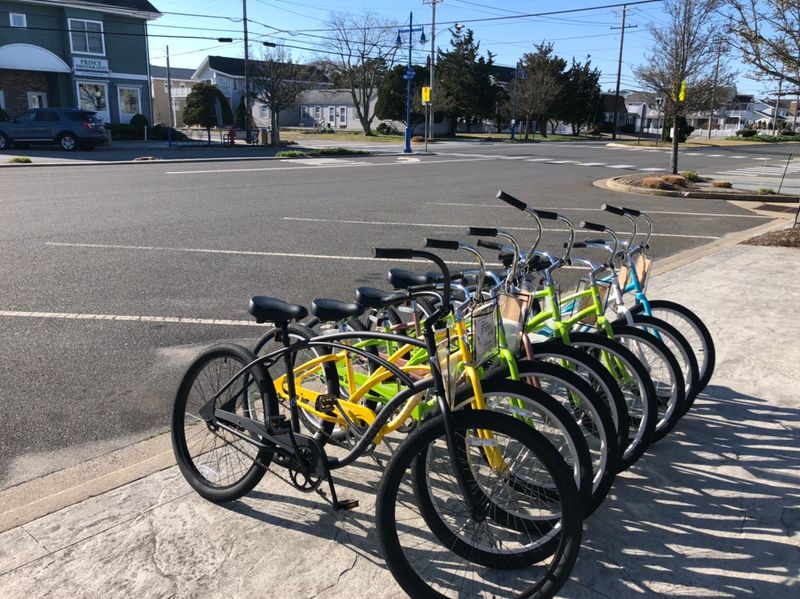
How long does it take to realize a bicycle makes perfect sense here? Roughly the time required to step off the ferry and notice that nobody is searching for a freeway entrance.
Avalon covers roughly three square miles. Its central areas are compact and flat near the waterfront, making a bicycle less of a choice and more of a natural response to the environment.
The streets were not built for highway speeds. They were built for a slower, more human scale of movement.
California has plenty of places that claim to be bike-friendly but still feel designed around cars. Avalon does not have that tension.
Full-size vehicles require permits from the City of Avalon, and the city maintains waiting lists for those permits. That reality shapes everything about how the town moves.
Cyclists do not have to negotiate with traffic the way they do in most California cities. The pace is already set low. Bikes fit naturally into that rhythm rather than fighting against it.
Give the pedals a few turns and see how quickly your internal clock adjusts. In Avalon, the bicycle is not the backup transportation plan. It is the ride that understands the assignment.
Everything Is Within Pedaling Distance
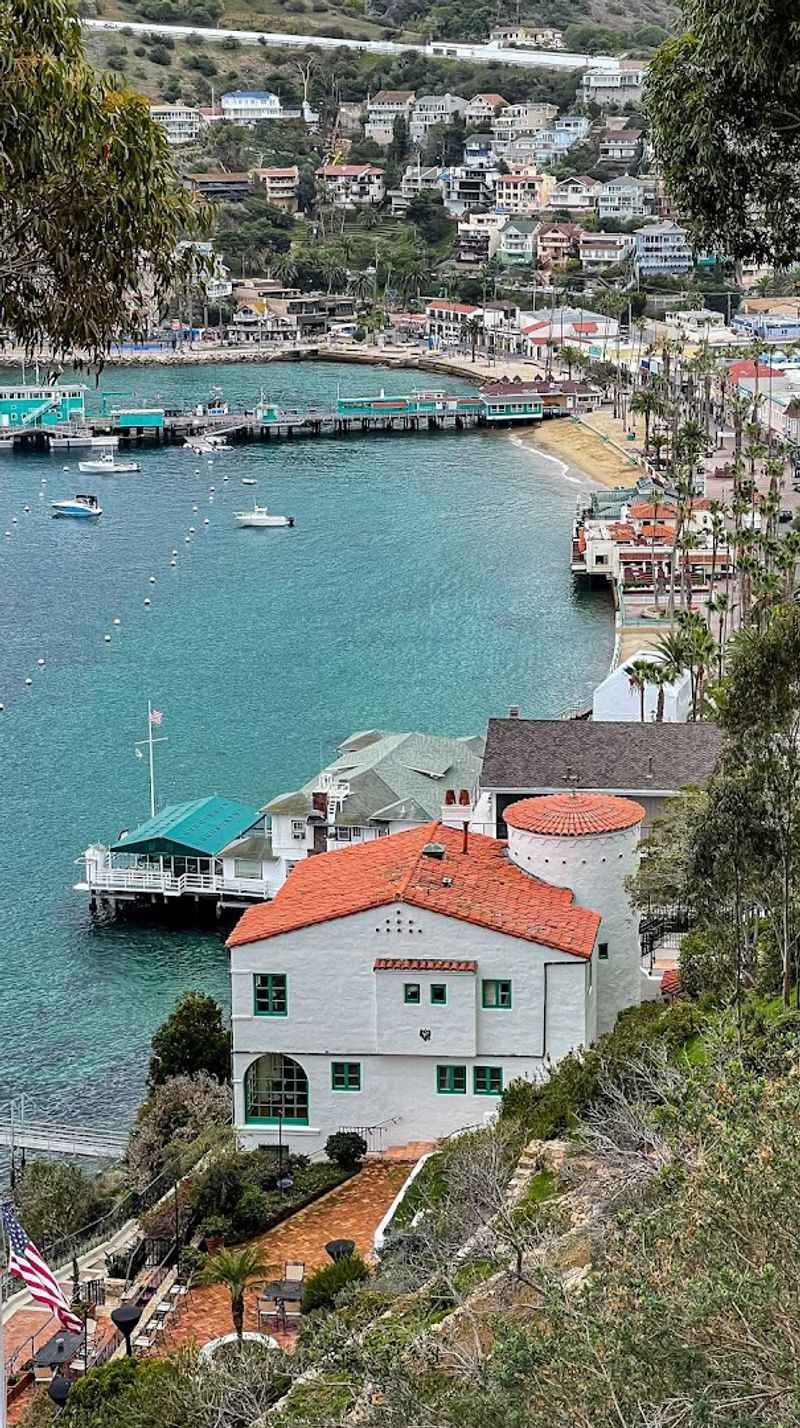
Avalon is proof that three square miles can accomplish more than some entire counties. Nothing important seems far away. The phrase “across town” loses most of its dramatic power.
The waterfront, the shops, the restaurants, the beaches, and most of the accommodations all sit within a short pedaling distance of each other. There is no sprawl to contend with, no distant commercial strip requiring a long drive.
Crescent Avenue runs along the waterfront and serves as the town’s main artery. It includes a pedestrian-focused promenade where the boundary between walking and cycling feels relaxed and easy. People move at a pace that matches the surroundings.
The compactness also means that getting lost in Avalon is almost impossible. The hills rise quickly behind the town, and the ocean sits right in front. Navigation becomes instinctive rather than stressful.
For families, this scale is especially useful. Kids can ride without parents worrying about complicated intersections or heavy traffic. Everyone stays within sight of each other.
In a state where distances between destinations can feel endless, Avalon’s three square miles feel almost radical. Start pedaling without building an elaborate route, because the ocean and hills make excellent navigational assistants.
Bike Rentals Begin Close To The Waterfront
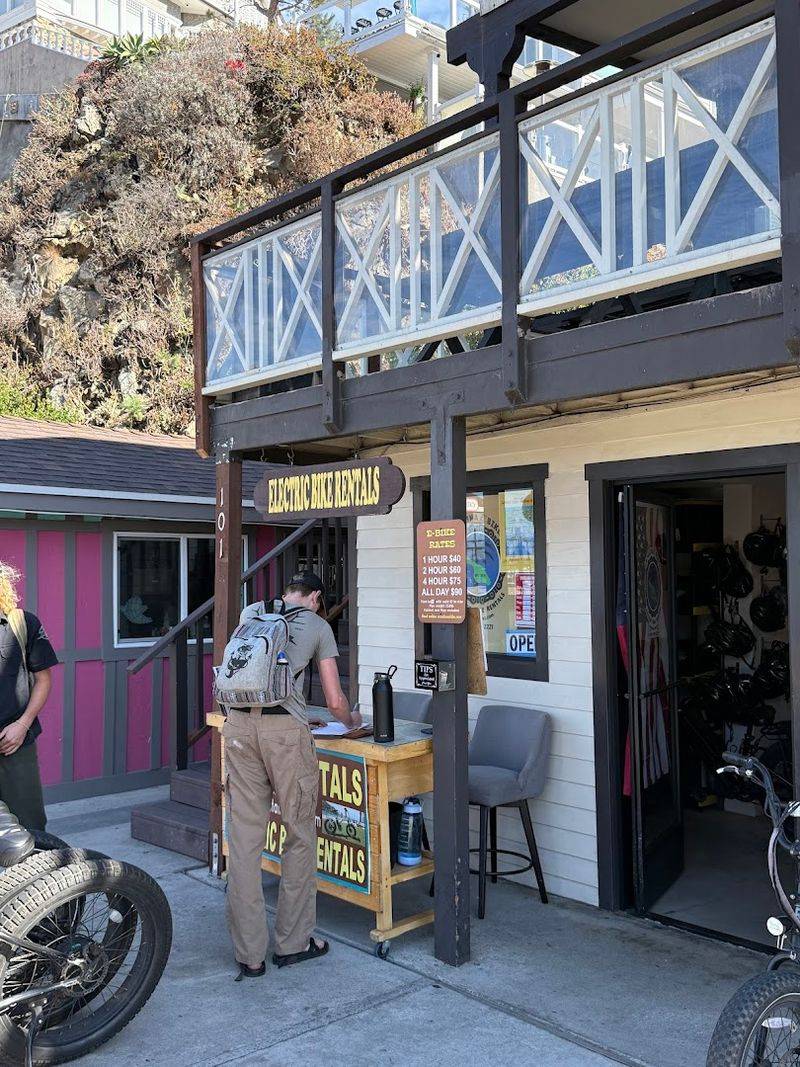
Forgot to pack a bicycle in the suitcase? Avalon has prepared for that highly understandable oversight.
Rental shops near the Avalon waterfront make getting on a bike about as easy as it gets. Visitors do not need to bring anything with them except the intention to ride.
Options typically include beach cruisers, tandem bikes, children’s bikes, mountain bikes, and electric bikes. The range covers solo travelers, couples, and families without anyone feeling left out.
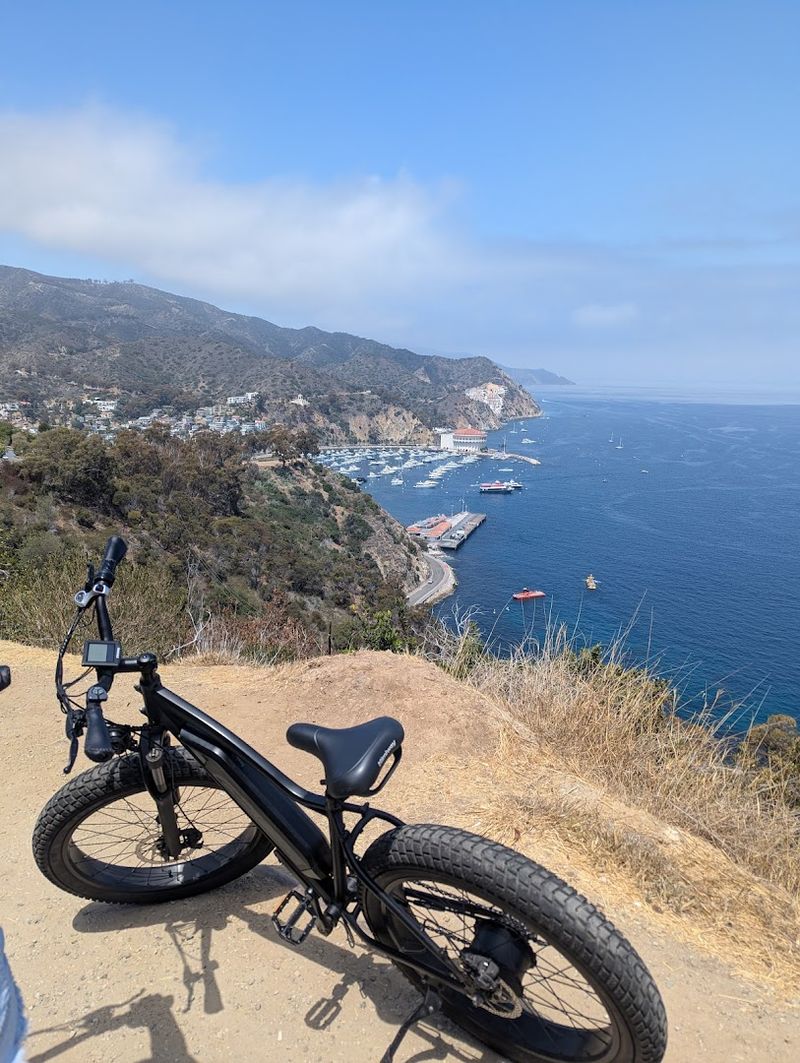
Electric bikes in particular open up the hillier parts of town to riders who might otherwise skip the climb.
Picking up a rental close to the ferry arrival point means there is almost no transition time between stepping off the boat and starting to explore. The town is right there, and so are the bikes.
Rental staff can usually point visitors toward the best routes for their fitness level and interests. Local knowledge makes a real difference in a place this compact, where a single wrong turn can take you uphill fast.
Tandem bikes deserve a specific mention. Riding one through a quiet California beach town with someone you actually like is one of those experiences that sounds cheesy until it happens.
Choose your wheels and try not to overthink the tandem option. Coordinating two riders may require patience, but at least every wrong turn becomes a shared decision.
Beach Cruisers Fit Right Into The Island Rhythm
A beach cruiser has one firm opinion about life: nobody needs to arrive sweaty, hunched over, or five minutes early.
Wide handlebars, a comfortable upright seat, fat tires, and zero pretension make this bicycle seem practically designed for Avalon.
Riding one down Crescent Avenue, the main waterfront street, feels completely right. The pace is unhurried. The view is the ocean.
The breeze does most of the work. Nobody is racing anywhere, and the cruiser’s relaxed geometry makes sure of that.
Beach cruisers also invite interaction. Riders sit up high enough to make eye contact, wave at other cyclists, and notice the details of the town as they pass. It is a fundamentally different experience from being inside a car.
The flat sections near the waterfront are perfectly suited to a cruiser’s single-speed simplicity. For anyone who wants to tackle the steeper residential streets, other rental options step in. But for the classic Avalon experience, the cruiser handles the main course.
Settle into the seat, let the handlebars point toward whatever catches your attention, and stop treating efficiency like a vacation requirement. The cruiser already knows the only urgent matter is enjoying the ride.
A Special Pass Opens Catalina’s Interior To Cyclists
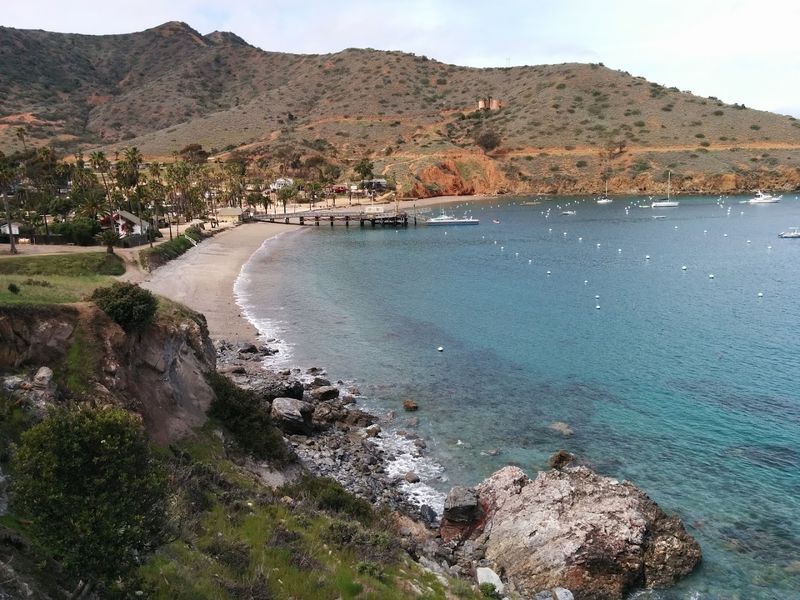
The town of Avalon is just the beginning. Behind it, the hills of Santa Catalina Island stretch out into something much wilder.
The Catalina Island Conservancy manages the island’s protected interior, which includes roughly 40 miles of roads and trails open to mountain biking.
Accessing that network requires a permit from the Conservancy. The process is straightforward, and the reward is significant.
Riders who venture beyond Avalon’s city limits enter a landscape that feels entirely separate from the beach town below.
The terrain is rugged, the views stretch out toward the California coast, and the wildlife is active. Bison roam the island’s interior, a presence that makes any trail ride feel genuinely unexpected.
Golf carts, which are common, must remain within city limits. Permitted bicycles can travel farther. That distinction gives cycling a reach that no other common form of transport in Avalon can match.
Mountain biking here is not a casual spin. The elevation changes are real, and the trails demand attention.
Secure the permit, prepare for the climbs, and remember to give bison plenty of space. The waterfront may introduce the island gently, but these trails show you what Catalina has kept beyond the easy streets.
Cars Exist Here But Bicycles Set The Pace
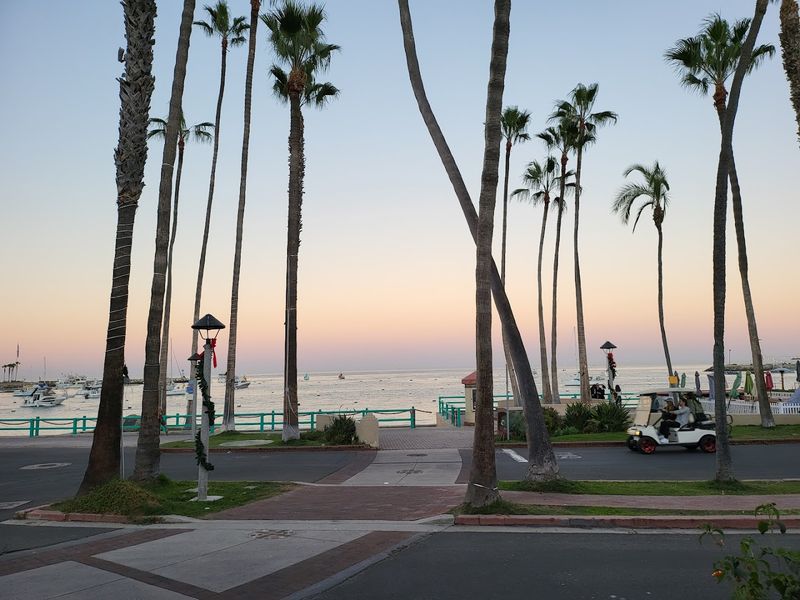
Cars still appear in this town, but they carry the unusual energy of someone who arrived at a bicycle party wearing a business suit.
The City of Avalon requires permits for vehicles, and the city maintains waiting lists for certain vehicle permits. That system keeps the number of full-size cars low by design.
It is not an accident. It reflects a deliberate choice about what kind of place Avalon wants to be.
Local transit operates within city limits for those who need it. The on-demand service covers Avalon’s streets.
It handles trips that go beyond what a bike or golf cart can comfortably manage. It also fills the gap without flooding the town with vehicles.
Golf carts handle a significant portion of everyday movement. Residents use them for errands, and visitors rent them to cover more ground than walking allows. They fit the scale of the streets without dominating them.
Bicycles, though, set the actual tone. They move at the speed the town was built for. They fit through the narrow passages, park without drama, and require no permit waiting list.
After a few hours here, the absence of heavy traffic stops feeling unusual. It begins feeling suspiciously sensible. You may find yourself wondering why more beach towns never learned to take a back seat.