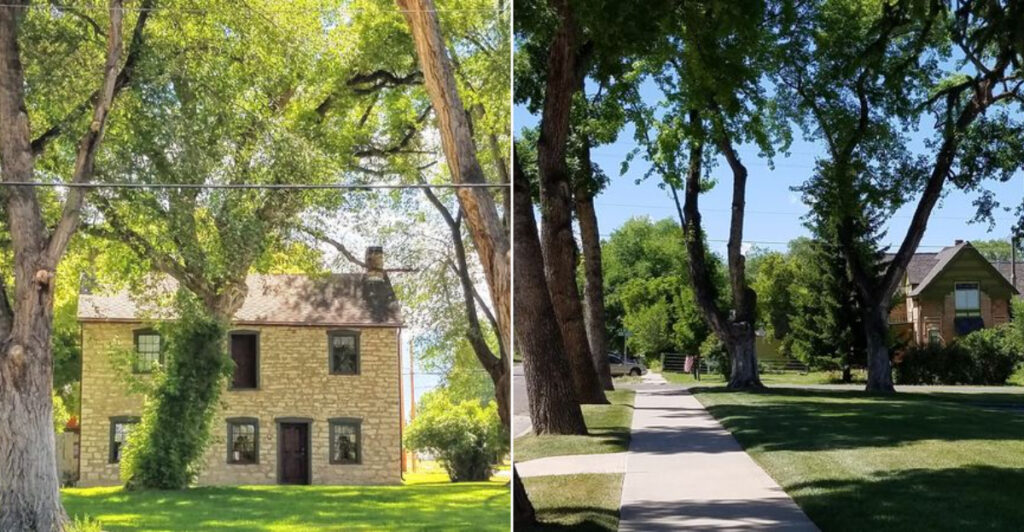
Some towns make slowing down feel less like a choice and more like a reset button. At 5,823 feet above sea level, this Sanpete Valley community moves with a rhythm that busy places seem to have misplaced.
Fewer than a thousand residents call it home, yet the streets hold enough pioneer history, hand-built character, and mountain drama to fill an entire weekend. Utah looks especially timeless here, framed by ridgelines and rows of beautifully preserved buildings that reward anyone willing to wander without an agenda.
Community traditions still feel personal rather than performed, and even an ordinary afternoon can turn into a porch-sitting, camera-filling kind of memory. Leave the packed itinerary behind.
The best way to experience this corner of central Utah is slowly, with time for old architecture, local stories, and the satisfying realization that nothing is demanding your attention except the view for a few peaceful hours longer.
A Town That Time Treated Kindly
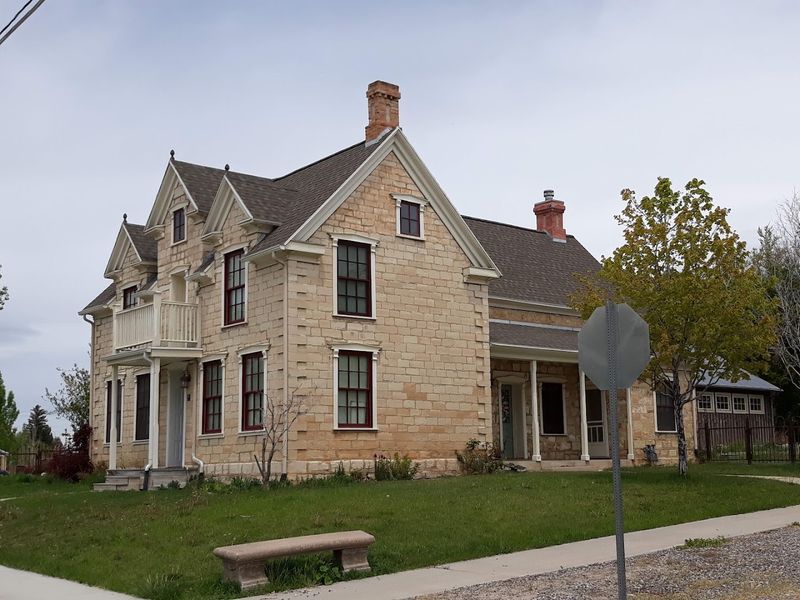
Some towns wear their history like a museum exhibit. Spring City wears its like a comfortable flannel shirt.
Situated along Utah 84662 in central Utah’s Sanpete Valley, this small community of roughly 950 residents has held onto its 19th-century pioneer architecture with a quiet, almost stubborn pride that most American towns abandoned decades ago.
The historic district here is genuinely remarkable. Many of the original limestone and adobe structures built by early settlers still stand in everyday use, not as tourist props but as actual homes and community buildings.
Walking a short stretch of Main Street feels less like a heritage tour and more like stumbling into a neighborhood that simply never got the memo about modernizing.
Insider Tip: The best way to appreciate Spring City’s architectural character is to arrive on a weekday morning before the weekend visitors roll in. You get the full streetscape almost entirely to yourself, with nothing but mountain views and the occasional passing pickup truck for company.
Best For: History enthusiasts, architecture lovers, and anyone who appreciates a place that earns its charm rather than performing it.
Mountain Views That Earn Their Reputation
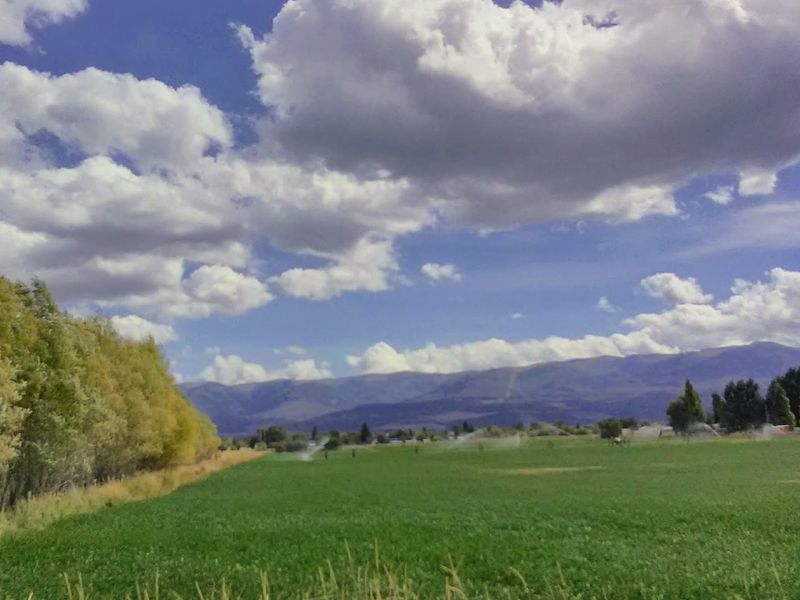
Standing anywhere near the center of Spring City and looking east, you understand immediately why settlers chose this particular valley. The Wasatch Plateau rises sharply and dramatically, providing a backdrop that looks almost too cinematic to be accidental.
At 5,823 feet elevation, the town itself sits high enough that the air carries a noticeable crispness even on summer afternoons.
What makes these views genuinely special is their accessibility. You do not need a trailhead, a permit, or even good hiking shoes to experience them.
Simply step outside, look up, and the mountains do the rest of the work for you. Families with young kids, couples on a relaxed drive, and solo travelers pulling over for a moment all get the same unobstructed panorama.
Pro Tip: Early morning and late afternoon light transform the Wasatch Plateau into something photographers will happily lose an hour chasing. Position yourself near the town’s open fields for the widest uninterrupted sightlines.
Why It Matters: In a state full of dramatic scenery, Spring City offers mountain views that require zero effort and deliver maximum visual reward, making it an ideal low-stakes stop on any central Utah road trip.
Small-Town Parades Done The Right Way
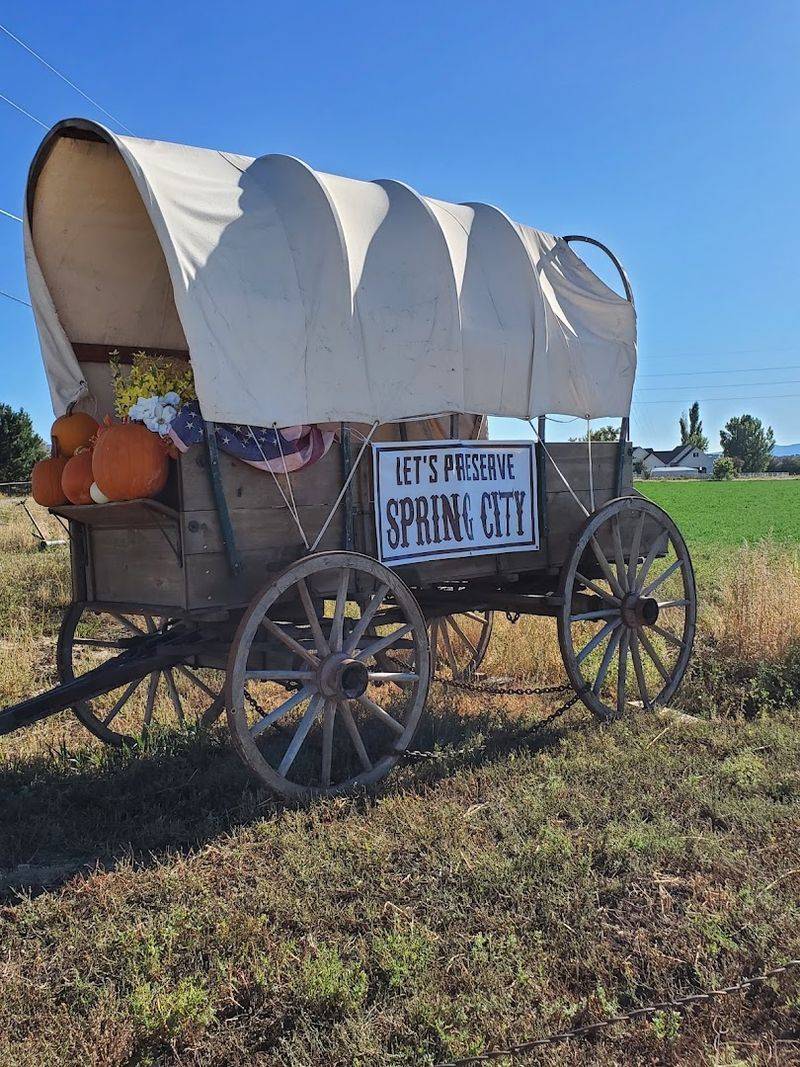
There is a specific kind of joy that only a genuinely small-town parade can deliver, and Spring City has mastered it without even trying. With fewer than a thousand residents, every community event here carries an authenticity that larger towns spend considerable effort trying to manufacture and rarely achieve.
When Spring City holds a parade, it is not a production. It is a neighborhood gathering with actual neighbors in it.
Local kids on decorated bikes, community organizations marching in step, and residents lining a street they walk every single day. The scale is intimate in the best possible sense, and that intimacy is the whole point.
Common Mistakes to Avoid: Do not show up expecting elaborate floats or professional entertainment. The appeal here is precisely the opposite of spectacle.
Arrive with low expectations for production value and high expectations for genuine community warmth, and you will leave completely satisfied.
Best For: Families with children who deserve to experience community events at a human scale, and adults who remember when parades felt personal rather than performed. Checking the town’s official website at springcitycorp.com before visiting confirms current event schedules.
Pioneer Architecture Worth A Slow Walk
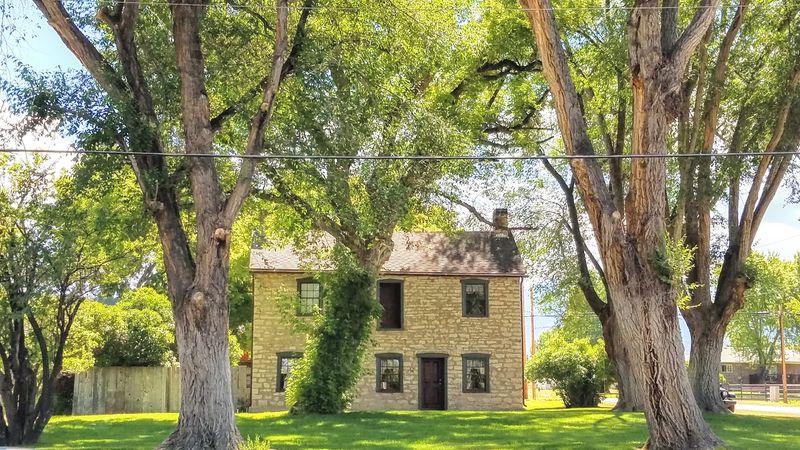
Spring City holds the distinction of being listed on the National Register of Historic Places, and the concentration of intact 19th-century structures here is genuinely rare in the American West. Limestone buildings, hand-laid adobe walls, and classic pioneer-era construction methods survived here largely because the town never experienced the economic booms that typically bulldoze old neighborhoods into parking lots.
That quiet economic history turned out to be the town’s greatest preservation gift. What might have looked like stagnation from the outside was actually a kind of accidental stewardship.
The result today is a walkable historic district where the built environment tells a coherent story across multiple blocks without interruption.
Quick Tip: Bring a camera and comfortable walking shoes. The textures, proportions, and details of Spring City’s historic buildings reward close inspection far more than a quick drive-through glance.
Give yourself at least an hour to wander properly.
Planning Advice: The town is compact enough that a thorough walking exploration covers the core historic district in a relaxed morning. Pair the walk with a picnic in the valley and you have a full, satisfying half-day outing that costs almost nothing and delivers considerable visual richness.
The Sanpete Valley Setting Changes Everything
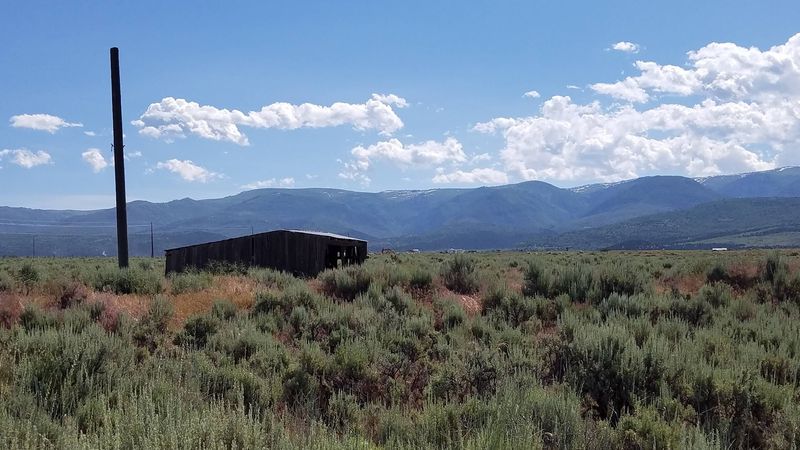
Central Utah does not always get the same breathless press coverage as the state’s more famous southern canyon country, but the Sanpete Valley has its own quietly persuasive case to make. Spring City sits right in the middle of this broad agricultural valley, surrounded by working farms, open pastureland, and the kind of uncluttered horizon that makes city residents visibly relax within minutes of arrival.
The valley setting gives Spring City a context that pure mountain towns lack. You get the dramatic elevation and the mountain backdrop while also enjoying the openness of a wide valley floor.
That combination of enclosure and expansiveness is genuinely unusual and creates a sense of place that is hard to replicate elsewhere in Utah.
Mid-Article Re-Engagement: If the scenery alone has you reconsidering your next weekend plan, the remaining sections cover the practical details that turn a good idea into an actual trip worth making.
Who This Is For: Road trippers seeking scenery without the crowds, photographers chasing wide-open landscape compositions, and families wanting a destination that feels genuinely different from the national park circuit.
Who This Is Not For: Visitors expecting resort amenities, curated dining districts, or high-energy nightlife. Spring City’s valley setting rewards patience and simplicity above all else.
A Community That Actually Knows Its Neighbors
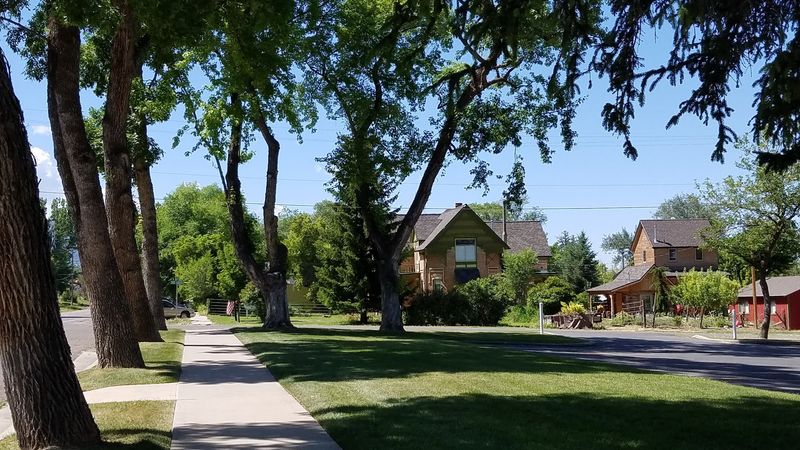
At a population of 949 people according to the 2020 census, Spring City operates at a social scale that most Americans have only read about in novels. Everybody has a general sense of who lives two streets over.
Community decisions get made at actual community meetings. When something breaks, someone fixes it because they know whose thing it was.
For visitors, this translates into a specific kind of welcome that cannot be faked at scale. People here will genuinely answer your questions, offer unprompted local knowledge, and treat your curiosity about their town as a reasonable and pleasant thing rather than an inconvenience.
That social texture is part of what makes a stop here feel restorative rather than merely scenic.
Insider Tip: Strike up a conversation with anyone tending a yard or walking a dog near the historic district. Local residents are often the most reliable source of information about what is currently happening in town and which corners of the community are worth a closer look.
Best Strategy: Visit with an open schedule rather than a rigid itinerary. Spring City rewards spontaneous conversation and unplanned detours far more reliably than it rewards a checklist approach to sightseeing.
Your Honest Reason To Make The Drive
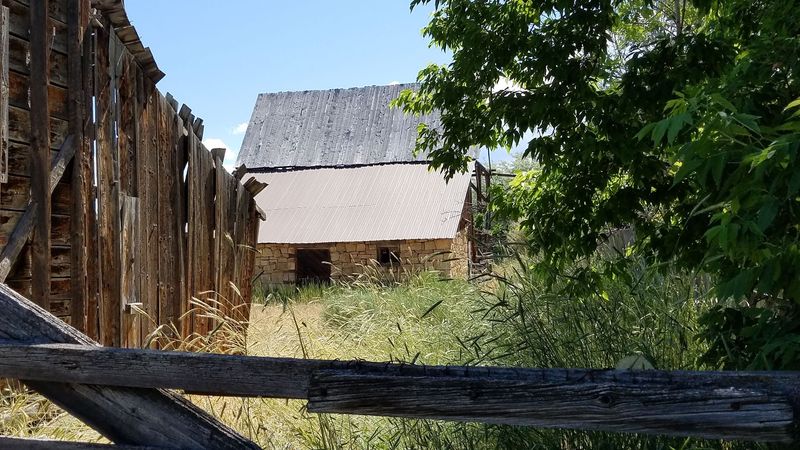
Spring City is not trying to compete with Moab or Park City for your weekend attention, and that is precisely its strongest selling point. Located in Sanpete County in central Utah, it offers a completely different category of experience: unhurried, historically grounded, and visually generous without demanding anything complicated from you in return.
The drive through the Sanpete Valley to reach it is pleasant enough to justify the trip on its own terms. Once you arrive, a short Main Street stroll, a long look at the Wasatch Plateau, and a genuine small-town atmosphere combine into something that feels both restorative and memorable.
It is the kind of place you mention to friends in the specific tone of someone sharing a useful secret.
Quick Verdict: Spring City delivers authentic pioneer heritage, mountain scenery, and small-community warmth in a package that requires minimal planning and rewards any visitor who values character over convenience.
Final Planning Advice: Check springcitycorp.com before your visit for current community events, parade schedules, and any seasonal programming. The town’s calendar adds real value to timing your trip right, and arriving during a community event transforms a good visit into a genuinely memorable one.