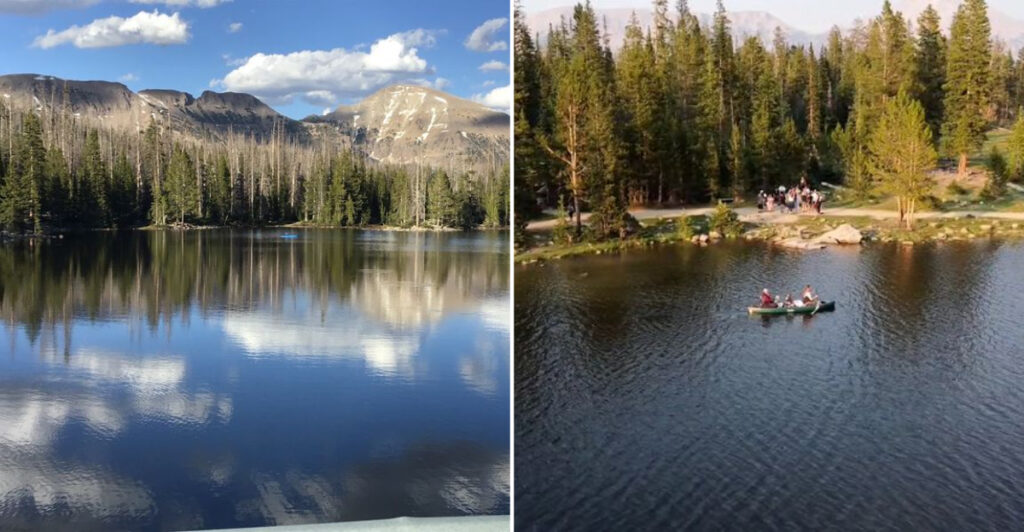
A road trip becomes unforgettable when the scenery keeps interrupting the schedule. This alpine drive in Utah climbs above 10,000 feet and turns every mile into a fresh excuse to pull over, stretch your legs, and stare for another full minute.
Waterfalls spill across dark rock, glacial lakes flash between the trees, and broad mountain views make even the quietest traveler reach for a camera. Then a moose may wander across the pavement like traffic laws are merely suggestions.
The route works just as well for families planning a full day outdoors as it does for solo drivers desperate to trade notifications for wind, water, and open sky. Pack snacks, fill the tank, and leave extra room in the itinerary, because rushing would miss the point.
Up here, the Utah landscape does not sit politely in the background. It takes over the entire drive, one astonishing curve at a time.
The Road Itself: UT-150 Through the Uinta Mountains
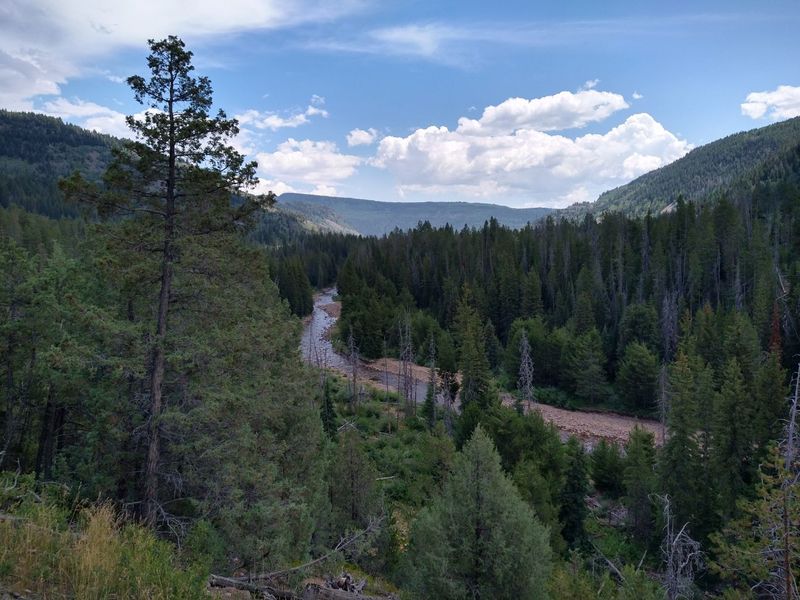
Some roads exist purely to get you somewhere. UT-150 exists to make you forget where you were going in the first place.
Stretching roughly 65 miles through the Uinta-Wasatch-Cache National Forest, this two-lane highway climbs steadily from the small town of Kamas up through some of the most dramatic alpine scenery in the American West.
The road is typically open from late May through early November, depending on snowpack, which means timing your visit actually matters. Locals in Kamas will casually mention the byway the way people mention a favorite book: with quiet pride and the faint hope you appreciate it properly.
Pro Tip: Fill up your gas tank in Kamas before heading out. Services along the route are minimal, and the last thing anyone wants is to coast downhill on fumes while surrounded by breathtaking scenery they can no longer enjoy.
The elevation gain is real, peaking at Bald Mountain Pass at 10,678 feet. If you or your passengers are prone to altitude sensitivity, plan short stops along the way to adjust gradually.
The drive rewards patience and punishes rushing.
Best For: Road-trippers, photographers, and anyone who genuinely enjoys the act of driving.
Mirror Lake: The Byway’s Crown Jewel Worth Every Step
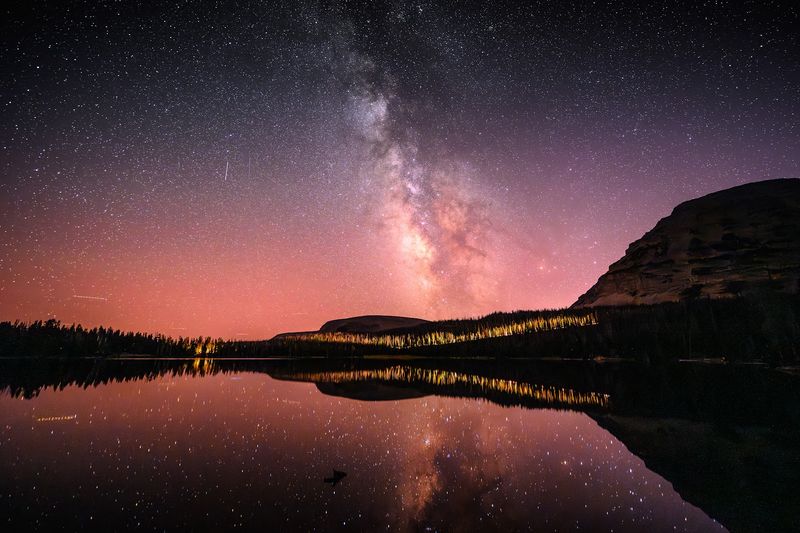
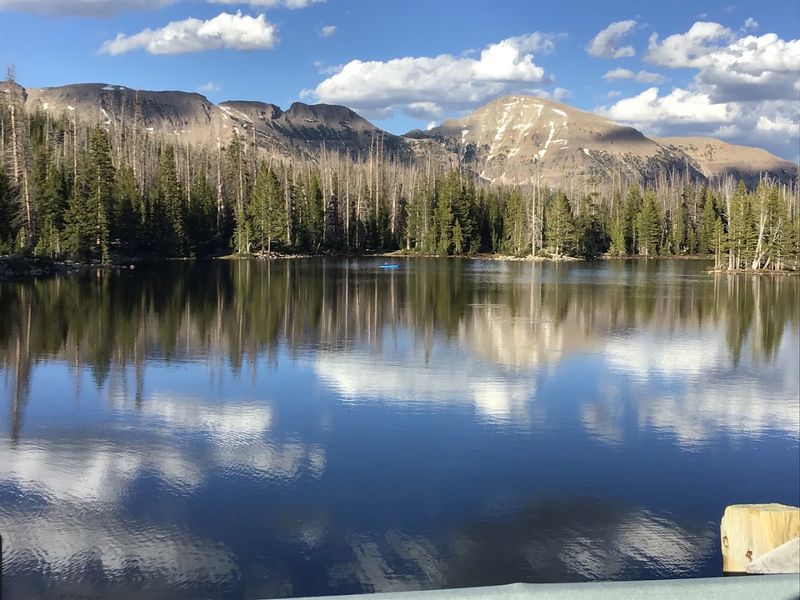
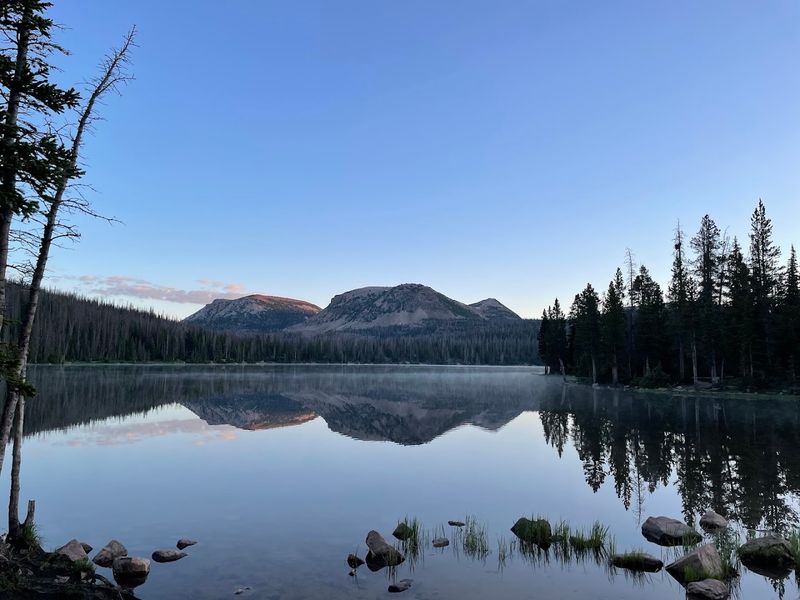
There is a reason this entire byway is named after one lake. Mirror Lake sits at 10,000 feet elevation and earns its name with almost embarrassing consistency, reflecting the surrounding peaks and sky so perfectly that photographs of it look digitally altered even when they are not.
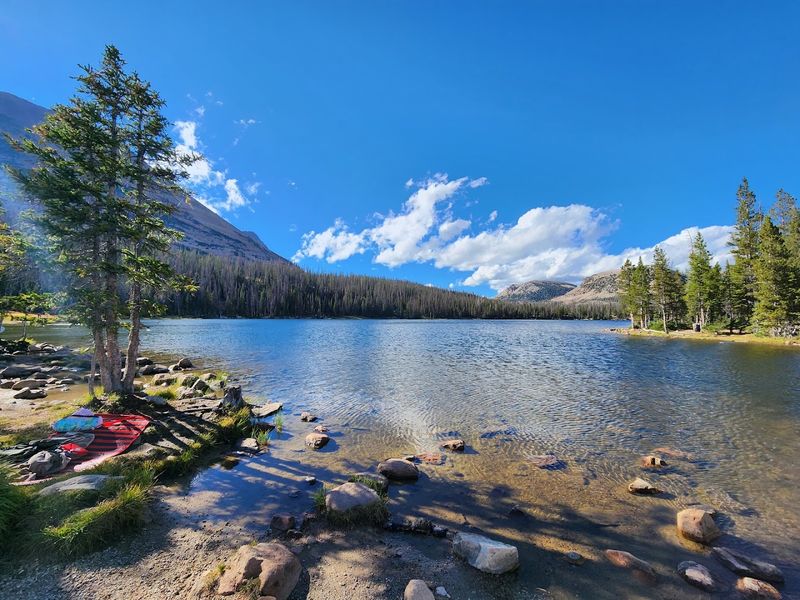
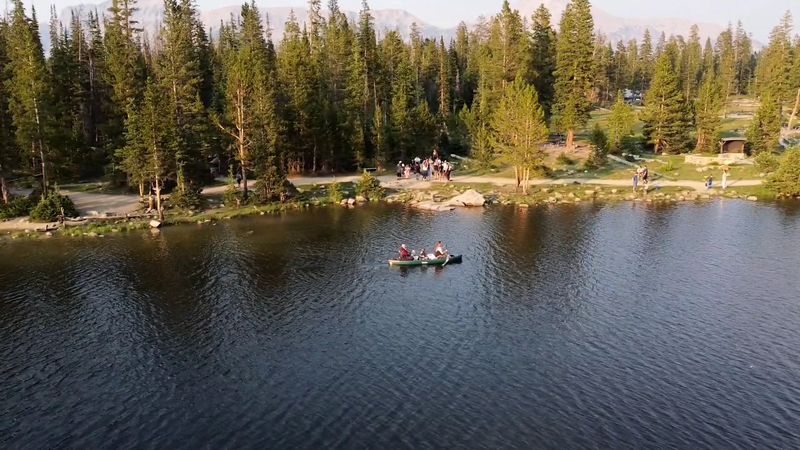
Reached via a short, accessible trail from the parking area, the lake is a manageable destination for families with young kids and for visitors who want the payoff without a serious backcountry commitment. The surrounding shoreline offers picnic spots that book up fast on summer weekends, so arriving before 9 a.m. is genuinely good advice, not just polite suggestion.
Quick Tip: A fee is required to park at Mirror Lake, collected through the America the Beautiful Pass or a daily fee. Having your pass ready saves time and mild parking-lot frustration.
Fishing is permitted at the lake, and it draws a loyal crowd of anglers who return season after season. The water runs cold, and the setting runs spectacular.
Who This Is For: Families with kids, casual hikers, photographers, and anyone who wants a genuine alpine lake experience without a brutal approach trail.
Bald Mountain Pass: Where the Sky Feels Uncomfortably Close
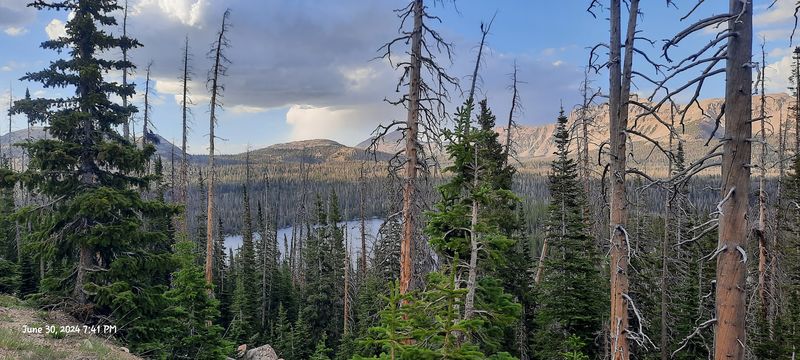
At 10,678 feet, Bald Mountain Pass is the highest point along the byway and the spot where the landscape suddenly stops pretending to be modest. Trees give way to open tundra, the horizon stretches in every direction, and the wind arrives with the kind of enthusiasm that immediately justifies the jacket you almost left in the car.
A trailhead here leads up Bald Mountain itself, a relatively short but steep hike that rewards the effort with 360-degree views across the Uinta Range. Even if hiking is not on the agenda, pulling into the small parking area and simply standing there for ten minutes counts as a meaningful experience.
Insider Tip: Afternoon thunderstorms build quickly at this elevation during summer months. Starting any hike from this point in the morning is strongly recommended, and watching the sky is a non-negotiable habit at altitude.
The pass also marks a visible transition in the landscape, and many visitors stop here just to notice the shift from dense forest to open alpine terrain.
Best Strategy: Combine the pass stop with a short walk on the Bald Mountain Trail for the fullest payoff without committing to a full-day hike.
Waterfalls Along the Route: Unexpected Roadside Rewards
Nobody drives a mountain byway expecting waterfalls to just appear beside the road like friendly surprises, yet along UT-150, that is essentially what happens. Seasonal waterfalls fed by snowmelt tumble down rocky hillsides close enough to the highway that you can hear them before you see them.
The best waterfall viewing typically happens in late spring and early summer when snowmelt is at its peak. By August, some smaller cascades quiet down considerably, so timing your visit in June or July gives you the fullest show.
Planning Advice: Keep an eye out for small pullouts along the highway where other vehicles have stopped. These informal stopping points often mark the best waterfall views and are worth the two-minute detour from your driving rhythm.
Bring layers regardless of the season. The air near these waterfalls carries a noticeable chill even on warm summer days, which is either refreshing or startling depending entirely on your expectations.
Why It Matters: These roadside waterfalls add a spontaneous, discovery-driven quality to the drive that no GPS waypoint can fully capture. They are the moments that turn a scenic drive into an actual story worth telling.
Kamas, Utah: The Unassuming Town That Starts It All
Kamas sits at the western end of the byway with the quiet confidence of a town that has been the last civilized stop before the mountains for a very long time. It is not a flashy place, and it does not need to be.
What it offers is practical: fuel, food, and a short main street that takes about four minutes to walk end to end.
Grab breakfast or a packed lunch here before heading up the byway. Local spots open early enough to serve the fishing and hiking crowd, and the general vibe is unhurried in a way that genuinely sets the right tone for the drive ahead.
Small-Town Cue: A quick stroll through Kamas before hitting the road gives the whole outing a grounded, human-scale beginning that contrasts nicely with the vast mountain scenery waiting above.
The town also serves as the re-entry point on the return trip, which makes it the natural place to decompress, refuel, and decide whether the drive was worth it. Based on the number of vehicles parked at the trailheads above, the verdict from most visitors trends strongly positive.
Best For: First-time byway visitors who want a reliable, no-stress launch point for the full route.
Wildlife Watching: Moose, Marmots, and Mountain Surprises
The Uinta Mountains are not a zoo, but the wildlife did not receive that memo. Moose sightings along UT-150 are common enough that locals mention them matter-of-factly, the way someone might mention traffic.
Spotting one near a roadside meadow or lake edge is genuinely possible, especially in early morning or evening hours.
Marmots appear near rocky outcroppings at higher elevations and have a remarkable talent for sitting completely still until you are almost upon them, then sprinting off with maximum dramatic effect. Deer, hawks, and various small mammals round out a wildlife roster that makes every slow stretch of driving feel purposeful.
Common Mistakes to Avoid: Do not approach moose or any wildlife for photographs. They are large, fast, and entirely uninterested in being cooperative subjects.
A long lens and a respectful distance produce better images and better outcomes for everyone involved.
Pulling over safely and turning off your engine increases your chances of extended wildlife observation significantly. Animals tend to ignore parked, quiet vehicles in ways they absolutely do not ignore honking ones.
Who This Is Not For: Anyone expecting a guaranteed sighting on a schedule. Wildlife operates on its own agenda, and the byway is better enjoyed when that reality is embraced rather than resisted.
Planning Your Drive: Timing, Tips, and the Smart Exit Strategy
The byway is typically open from late May through October, though early-season visitors should check road conditions before committing to the full route. Snow can linger at higher elevations well into June, and the pass occasionally requires patience before it fully clears.
Weekend traffic peaks significantly in July and August, particularly around Mirror Lake. Arriving before 8 a.m. on a Saturday is not overly cautious advice; it is genuinely the difference between a serene alpine morning and a parking situation that tests your character.
Quick Verdict: The full round-trip drive from Kamas takes most visitors between four and six hours when accounting for stops, short walks, and the unavoidable moments where you simply stand beside the road and stare. Budget accordingly.
Cell service along the route is limited to nonexistent in many sections. Download offline maps before departing and let someone know your general plan if you intend to hike beyond the roadside pullouts.
Best Strategy: Pair the byway with a picnic lunch at Mirror Lake, a short stop at Bald Mountain Pass, and a return to Kamas for a late afternoon meal. That sequence covers the highlights without requiring military-level scheduling, and it ends with the kind of satisfied tiredness that only fresh mountain air reliably produces.