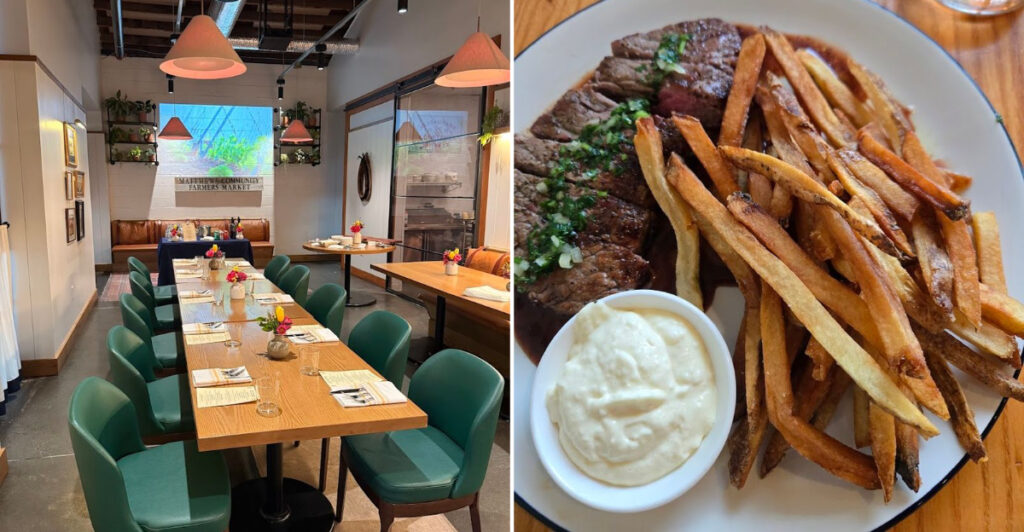
Okay, so, Charlotte can be sneaky about dinner. We know that.
It hides and whispers, but once you find the spots, it embraces you like an old friend.
The shiny blocks get attention, but the plate you keep thinking about might be waiting where traffic forgets to brag. That is the fun of eating around this city.
A quiet address can turn into the best reservation of the month, and a small dining room can outcook a louder corner without raising its voice.
These Charlotte restaurants prove that great meals do not always need a prime spotlight, a dramatic entrance, or a crowd standing outside dropping hints.
Sometimes the better move is following the menu instead of the noise.
North Carolina’s biggest city has plenty of polished dining corridors, but the restaurants here make a stronger case for curiosity.
They reward the person willing to turn off the obvious route, trust the appetite, and give the quieter corners a chance to show off.
1. Bird Pizzeria
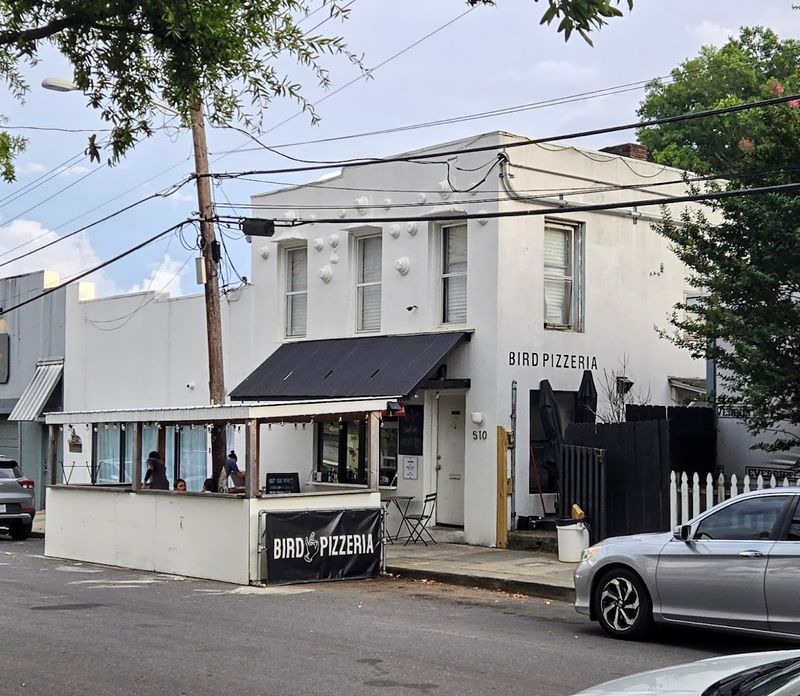
Pizza has a way of making people very opinionated, and Bird Pizzeria gives those opinions a proper place to land.
This North Carolina pizzeria focuses on Neapolitan-style pies, which means high heat, minimal toppings, and a crust that has genuine character. The dough is the foundation here, and it shows in every bite.
Bird puts careful dough preparation and precise baking at the center of its East Coast-style pies.
The menu keeps things focused rather than sprawling.
You will not find dozens of options competing for attention. Instead, there is a tight selection of pies that each justify their spot on the list.
That restraint is actually a compliment to the kitchen.
Bird Pizzeria is located at 510 E 15th St, Charlotte, in a neighborhood that has been growing steadily as a dining destination.
The surrounding area adds context to the restaurant, but the pizza stands on its own regardless of zip code. A Neapolitan pie done right needs no neighborhood to prop it up.
The simplicity of the menu reflects a real philosophy about what pizza should be. Fewer ingredients handled well always beat a long list handled carelessly.
Bird seems to understand that the crust is not just a vehicle for toppings.
2. McNinch House Restaurant
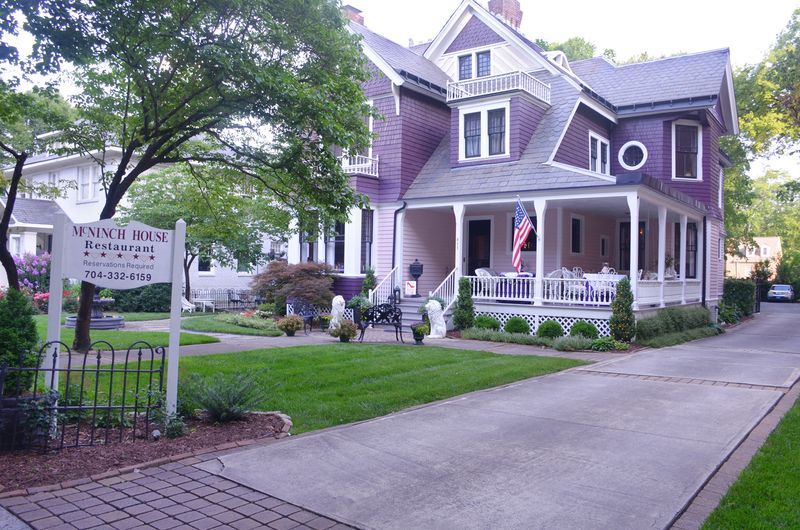
Dining inside a Victorian-era home changes the whole rhythm of a meal, and McNinch House Restaurant operates exactly that way.
The restaurant is housed in a historic Victorian building on 511 N Church St, Charlotte, and the architecture alone sets it apart from any standard dining room in the city.
Built in 1892, the structure has been preserved carefully, and the interior reflects that history in a way that shapes the dining experience without overshadowing the food.
McNinch House operates as a prix fixe restaurant, meaning guests receive a set multi-course menu rather than ordering individually. This format creates a more deliberate pace to the evening.
Each course arrives with purpose, and there is no rushing through a prix fixe experience.
The kitchen focuses on classic American and Continental cuisine, executed with the kind of detail that a set menu format demands.
When a chef knows every guest will eat every course, the standards for each plate go up considerably. That accountability produces cooking that holds up across the full progression.
One of Charlotte, North Carolina’s older fine dining establishments, McNinch House has occupied its corner long enough to develop a clear identity.
The Victorian setting and the prix fixe format together create something that is genuinely rare in a city that keeps building newer and shinier things.
3. Restaurant Constance
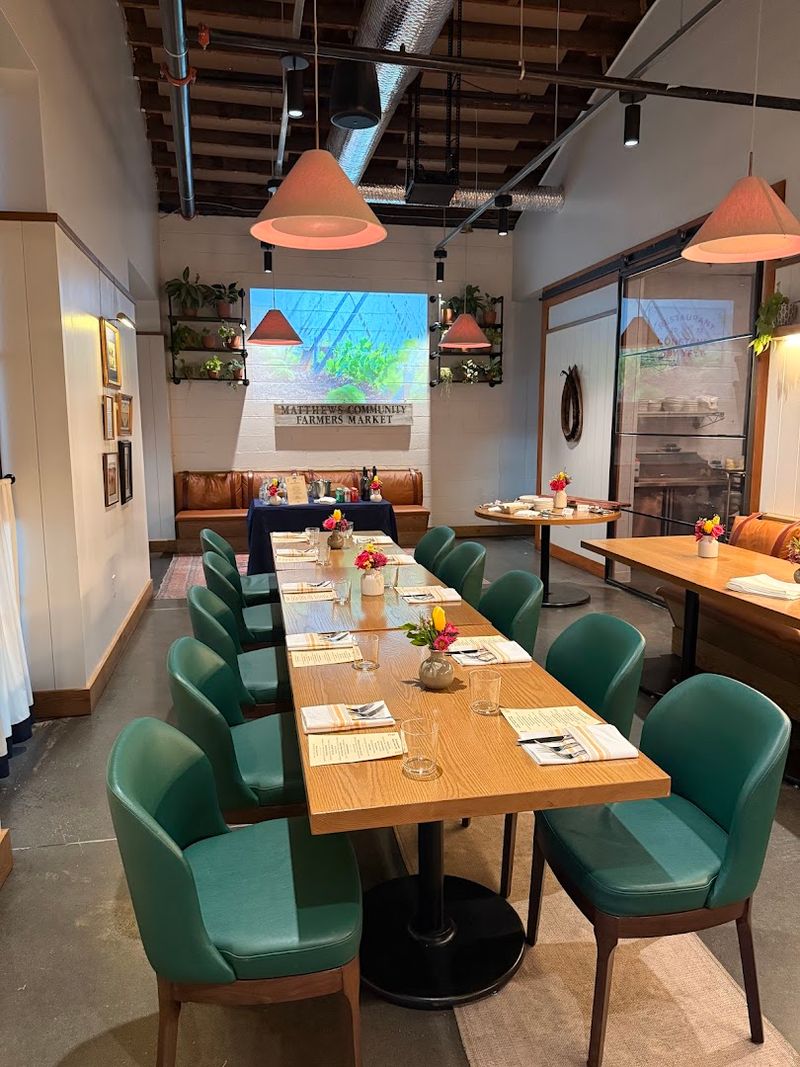
Quiet streets and serious cooking are not mutually exclusive, and Restaurant Constance makes that point without any fuss.
This Charlotte restaurant draws from American culinary traditions while pushing into more creative territory on its menu.
Dishes are built around carefully sourced ingredients, and the kitchen takes a seasonal approach to what lands on the plate.
Starters, mains, and desserts each show a level of precision that signals a kitchen operating with real intention.
The menu changes based on ingredient availability, so no two visits are exactly alike. That kind of flexibility keeps the cooking honest and the dishes genuinely interesting.
It is the sort of restaurant where you read the menu twice because everything sounds worth ordering.
Located at 2200 Thrift Rd, Charlotte, the restaurant occupies a spot that does not scream for attention from passersby.
The building itself is understated, which makes the quality of the food inside feel like a genuine discovery. American fine dining rarely announces itself this quietly.
Constance leans into a tasting-style format, giving diners a structured progression through the meal. That structure helps each course land with more impact than a standard three-item order might.
If you are going to eat somewhere that makes you slow down, this is a strong candidate.
4. Abugida Ethiopian Cafe & Restaurant
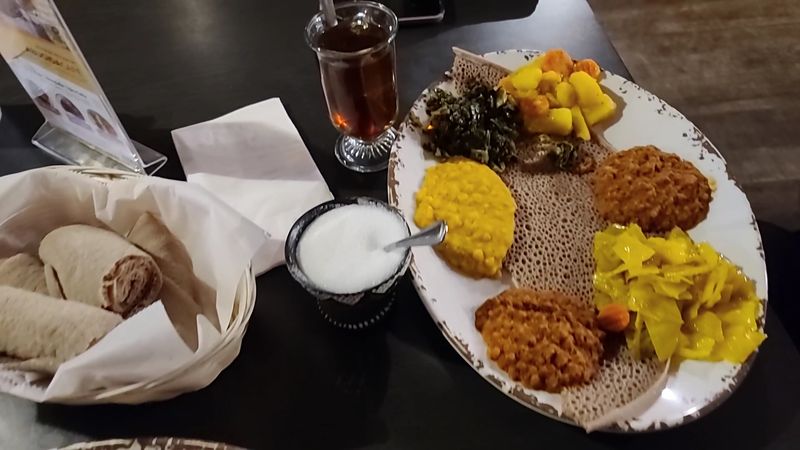
Eating with your hands is not a lack of manners in Ethiopian dining tradition, it is the whole point.
Abugida Ethiopian Cafe & Restaurant brings that tradition to Central Avenue with a menu rooted in the flavors and cooking methods of Ethiopian cuisine.
The restaurant serves dishes like injera, the spongy sourdough flatbread that doubles as both utensil and plate. Stews, lentils, and spiced vegetable dishes are arranged on top of the injera for communal eating.
The menu includes both meat and vegetarian options, which reflects the natural balance in Ethiopian cooking.
Dishes like misir wat, a spiced red lentil stew, and tibs, a sauteed meat preparation, represent the range of flavors the kitchen works with. Each dish carries the warmth of berbere and other traditional spice blends.
Located at 3007 Central Ave, Charlotte, Abugida sits in a stretch of Central Avenue that has long served as a corridor for international dining in the city.
Ethiopian cuisine is not as widely available in Charlotte as some other cuisines, which makes this restaurant a specific and worthwhile stop.
Communal eating changes the social dynamic of a meal in interesting ways.
Sharing one large platter with the people at your table makes the whole experience feel less transactional. That is a quality worth seeking out.
5. Customshop
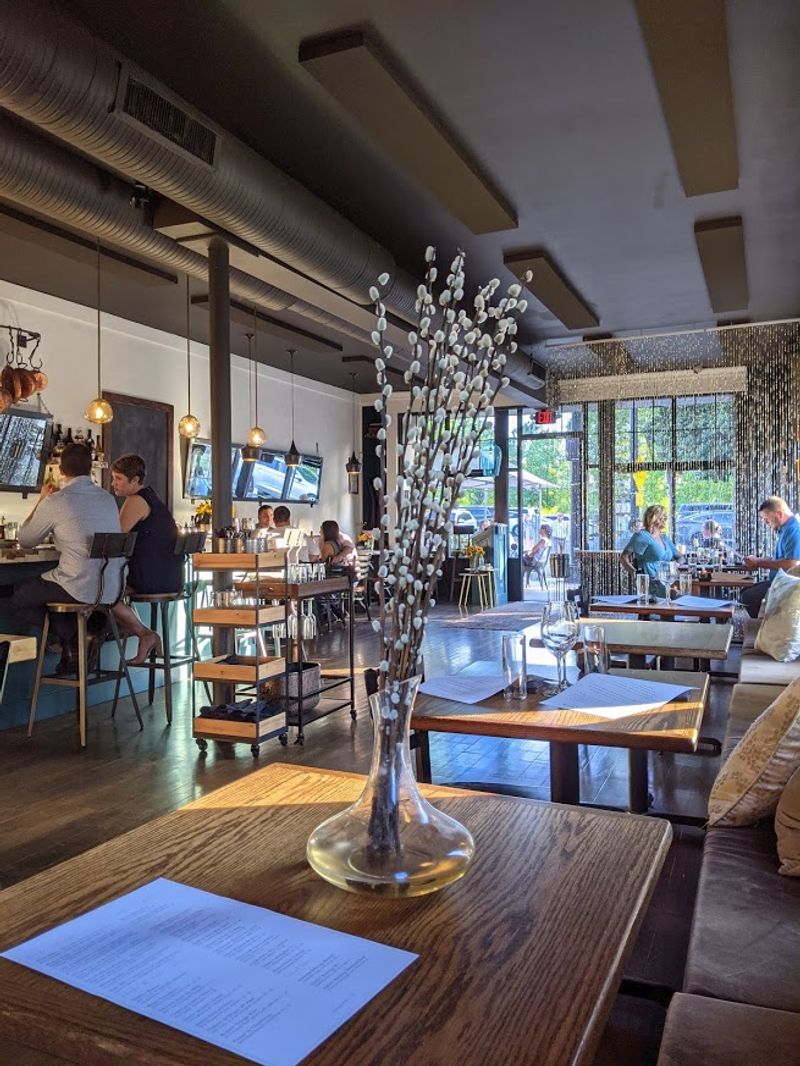
Customshop on Elizabeth Avenue has built a reputation around ingredient-driven cooking that does not need a lot of decoration to make its case.
Located at 1601 Elizabeth Ave, Charlotte, the restaurant sits in the Elizabeth neighborhood, one of the city’s older residential areas with a dining scene that has grown steadily over the years.
The location gives Customshop a neighborhood feel that larger, downtown restaurants rarely manage to replicate.
The menu at Customshop focuses on American cuisine with a strong emphasis on seasonal and local ingredients.
Dishes shift based on what is available, which keeps the cooking grounded in what is actually fresh rather than what is always convenient. That approach takes more effort from a kitchen but produces noticeably better results on the plate.
Small plates and larger entrees both appear on the menu, giving diners flexibility in how they structure a meal. The kitchen handles both formats with equal care.
Customshop does not treat small plates as an afterthought to the larger dishes.
Elizabeth Avenue as a dining destination has grown more interesting in recent years.
Customshop has been part of that story for a while. It is the kind of neighborhood restaurant that earns regular visitors through consistency rather than novelty.
Reliable cooking in a relaxed setting is a harder trick than it sounds.
6. Lang Van
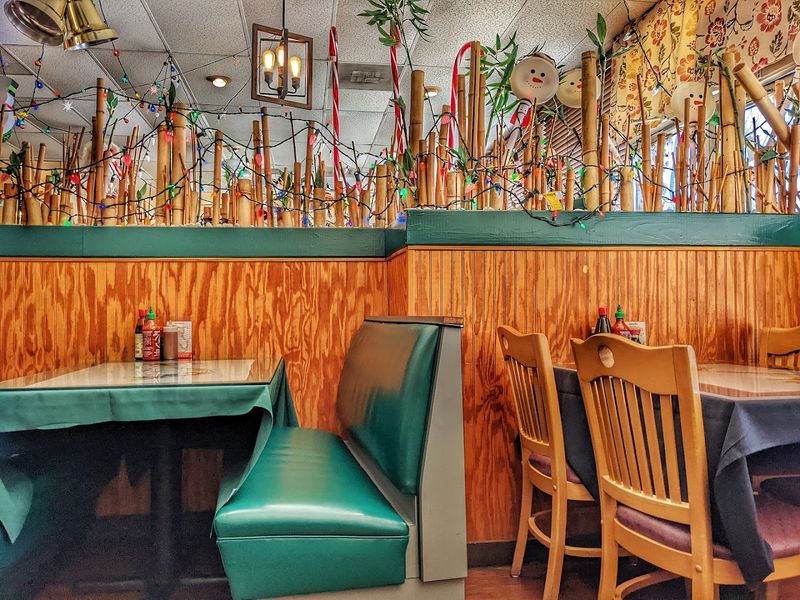
Lang Van proves that a quiet shopping-center address can still hold one of Charlotte’s most memorable meals.
This Vietnamese restaurant sits at 3019 Shamrock Dr, Charlotte, away from the louder dining corridors that usually get all the attention.
The outside keeps things modest. The food does not.
Lang Van’s menu covers a generous range of Vietnamese comfort cooking, with pho, vermicelli bowls, spring rolls, rice plates, and deeply flavored soups leading the way.
The kind of menu that size can be risky in the wrong kitchen, but here it feels confident rather than scattered.
There is a rhythm to the cooking.
Fresh herbs brighten the plates, broths carry real depth, and the noodle dishes manage to feel both comforting and lively.
Pho is a natural starting point, especially for anyone who judges a Vietnamese restaurant by the broth first.
That is a fair test, and North Carolina’s Lang Van handles it well.
The restaurant has become one of those Charlotte places people recommend with unusual urgency, the kind of spot that turns a casual lunch suggestion into a small speech.
That reputation makes sense once the food starts arriving.
Lang Van does not need a flashy corner or a dramatic dining room to make its point.
It rewards the people willing to follow Shamrock Drive, open the door, and let a serious bowl of noodles do the talking.
7. Flour Shop
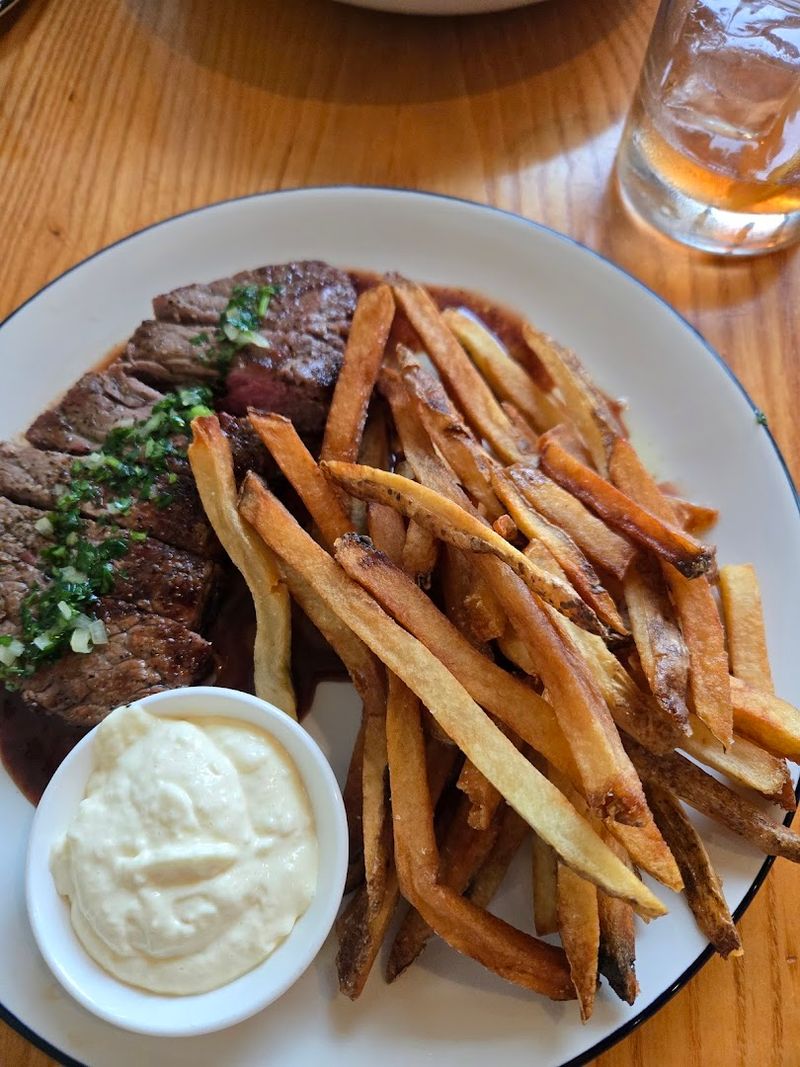
Bread is one of the most honest things a kitchen can make, and Flour Shop on Brandywine Road takes that honesty seriously.
Flour Shop is a dinner restaurant known for fresh pasta, seasonal ingredients, and dishes prepared in its open kitchen.
The approach is straightforward, and the results reflect that directness.
The pastry menu includes items like croissants, scones, and seasonal baked goods that change based on what the kitchen is working with at a given time.
Savory options also appear alongside the sweeter offerings, giving the menu a useful range for different times of day.
A good bakery should be able to feed you at breakfast and still have something worth eating by lunch.
Located at 530 A Brandywine Rd, Charlotte, the shop sits in a quieter part of the city that does not get the same foot traffic as more central dining corridors. That location is part of what makes Flour Shop interesting as a destination.
People who find it are generally looking for it.
Scratch baking at this level requires consistent attention to process, temperature, and timing.
There is very little room for shortcuts when flour, butter, and time are your primary tools.
Flour Shop earns its name the old-fashioned way.
8. The Goodyear House
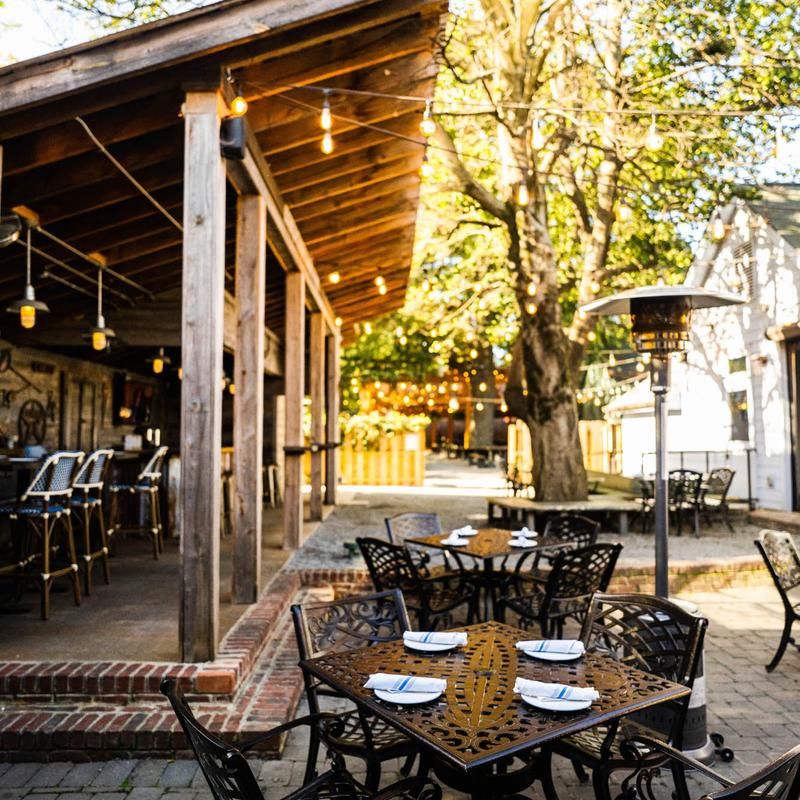
A restaurant built inside a former tire warehouse is either a very good idea or a very interesting story, and The Goodyear House manages to be both.
The restaurant at 3032 N Davidson St occupies a renovated early-1900s mill house in Charlotte’s NoDa neighborhood.
The conversion into a restaurant preserved much of the industrial character of the space, which gives the dining room a visual identity that newer construction simply cannot replicate.
High ceilings and exposed structural elements are the backdrop for a menu that has its own personality.
The kitchen at The Goodyear House focuses on American cuisine with creative presentations and a menu that moves across different flavor profiles.
Dishes range from approachable to more adventurous, giving the menu genuine range. The food does not try to match the industrial setting, which is actually the right call.
NoDa has developed into one of Charlotte’s more interesting dining and arts neighborhoods over the past decade.
The Goodyear House fits that neighborhood’s identity without leaning too hard on it. The food carries the restaurant, not the address.
The building’s history as a tire shop is one of those details that sounds like a marketing angle until you actually see the space. Then it just makes sense.
Good bones are good bones, regardless of what used to happen inside them.
9. The Artisan’s Palate
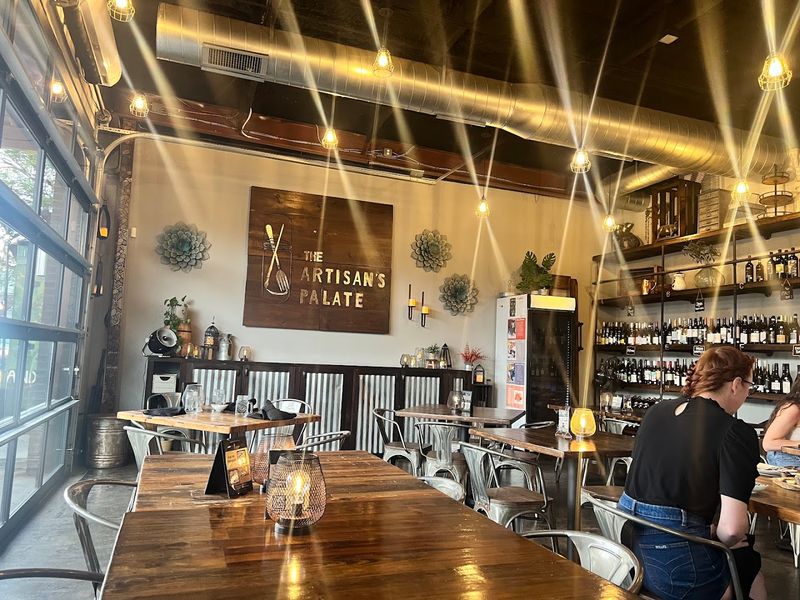
Small restaurants with focused menus often outperform larger ones with more resources, and The Artisan’s Palate makes a strong case for that observation.
The restaurant takes an artisan approach to American cuisine, which in practice means a menu built around handcrafted preparations and seasonal ingredient sourcing.
The word artisan gets used loosely in restaurant marketing, but here it seems to describe an actual kitchen philosophy rather than a branding choice.
The menu at The Artisan’s Palate shifts with the seasons, which keeps the cooking connected to what is genuinely available at any given time.
Seasonal menus require more planning and more flexibility from a kitchen. The payoff is food that tastes like it belongs to the current moment rather than a static menu printed months ago.
The restaurant occupies a suite space rather than a standalone building, which gives it an intimate scale that larger venues cannot match.
Smaller dining rooms create a different kind of attention to detail, both in the kitchen and at the table. Everything is closer together, and that proximity shows.
Find The Artisan’s Palate at 1218 E 36th St Suite A, Charlotte, in a neighborhood that rewards exploration.
The suite address is a small clue that this is not a place designed to catch passing traffic. It is designed to reward the people who show up specifically for the food.
10. The Fig Tree Restaurant
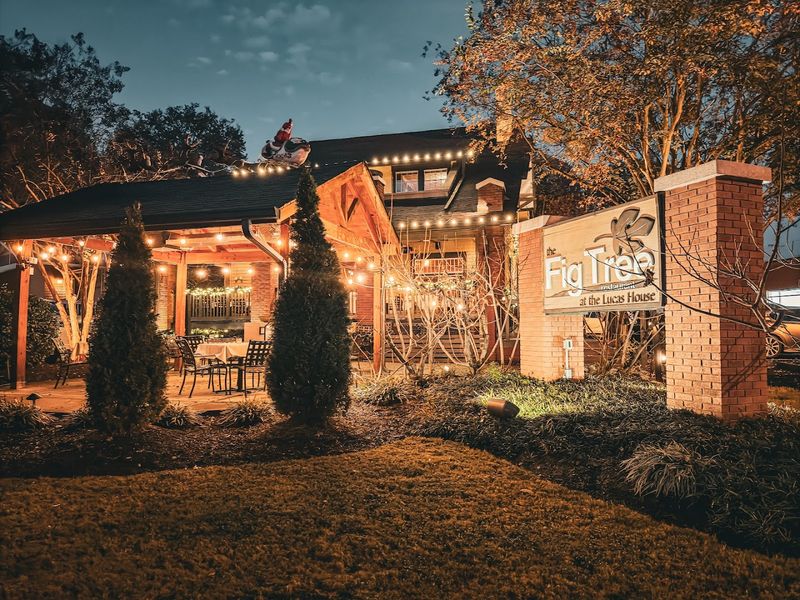
A craftsman bungalow built in 1913 is an unusual home for a fine dining restaurant, but The Fig Tree has been making that arrangement work for years.
The Fig Tree Restaurant is located at 1601 E 7th St, Charlotte, in a historic residential building that predates most of the city’s current dining landscape by several decades.
The 1913 bungalow has been adapted into a multi-room dining space that uses the original architecture of the house as part of the setting.
The menu draws from European and American fine dining traditions, with dishes that reflect classical technique applied to quality ingredients. Starters, entrees, and desserts follow a progression that suits the building’s formal character.
The Fig Tree is not a casual drop-in spot, and the menu makes that clear from the first course.
Dishes here include options like beef tenderloin, pan-seared fish, and house-made pasta preparations, all executed with the precision that a fine dining format demands.
The kitchen applies classical methods to each plate. That consistency across a full menu is harder to maintain than it looks from the outside.
The building’s age and the restaurant’s approach to fine dining create a combination that stands apart from Charlotte’s newer dining options.
Historic architecture and serious cooking make for a pairing that does not require much explanation. The food and the setting simply agree with each other.
11. 300 East
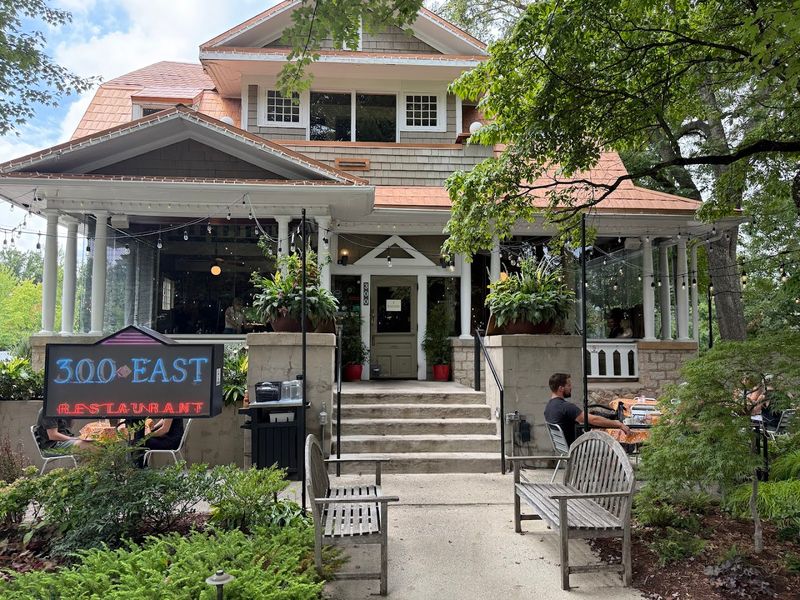
Dilworth is one of Charlotte’s most established residential neighborhoods, and 300 East has been one of its reliable dining anchors for a long time.
The restaurant sits at the corner of its namesake address and draws from American bistro cooking, with a menu that spans casual and more composed dishes.
Starters, salads, sandwiches, and entrees all appear, giving the menu a range that suits different kinds of visits. Not every meal needs to be a formal occasion, and 300 East seems to understand that clearly.
Seasonal ingredients play a role in how the menu is structured, and the kitchen rotates dishes based on availability. That approach keeps the cooking from going stale and gives regular visitors something new to consider.
A menu that never changes is a kitchen that stopped paying attention.
The building at 300 East Blvd, Charlotte, has a brick exterior that fits the Dilworth neighborhood’s architectural character.
The interior follows the same logic, creating a dining room that matches its surroundings without trying too hard. That kind of coherence between a building and its neighborhood is increasingly rare as Charlotte grows.
American bistro cooking at this level depends on getting the basics exactly right.
A well-executed roasted chicken or a properly dressed salad tells you more about a kitchen than any elaborate showpiece dish. 300 East has been telling that story from its corner for a while now.
12. L’Ostrica
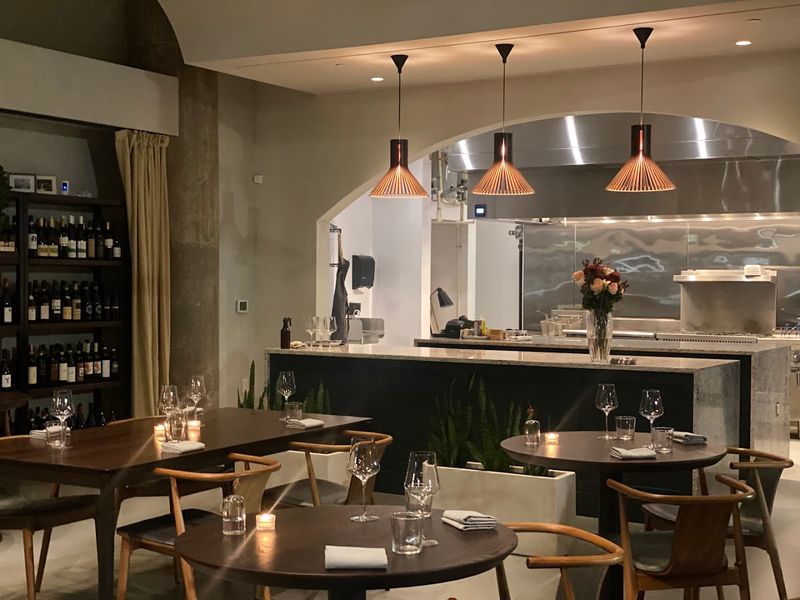
A seafood restaurant with Italian roots on Park Road is the kind of specific combination that either works completely or does not work at all, and L’Ostrica lands firmly in the first category.
L’Ostrica, which translates to the oyster in Italian, is an Italian seafood restaurant with a focus on oysters, shellfish, and Mediterranean-influenced preparations.
The menu draws from Italian coastal cooking traditions, which means seafood is treated as a central ingredient rather than a secondary option.
Oysters appear in multiple preparations on the menu, from raw service to cooked applications that bring Italian technique into the picture.
The kitchen also works with other shellfish and seafood, building a menu that stays consistent in its focus. When a restaurant knows what it is, the menu usually reflects that clarity.
Italian coastal cuisine relies on fresh product and relatively simple preparation, which puts the quality of the sourcing directly on display.
There is no heavy sauce to compensate for an ingredient that is not at its best. That standard keeps the kitchen accountable in a very direct way.
L’Ostrica is at 4701 Park Rd Unit D, Charlotte, in a small commercial space that gives no hint from the outside of what the menu inside is doing.
The Park Road address puts it in a residential corridor that does not typically draw destination diners. That is their loss and your advantage.