A monthly budget can disappear quickly in many cities, but Clovis still gives residents a little more room to breathe. Life here moves at a calmer pace, with easy parking, manageable errands, and open land waiting just beyond the last neighborhood.
The city sits on the Llano Estacado in eastern New Mexico, where wide skies shape the view almost everywhere you turn. Downtown carries traces of its railroad past, while local parks and walking paths make it simple to spend time outside without planning an entire day around it.
Clovis also has a surprising connection to early rock and roll, thanks to the studio where major recordings helped define a new sound. Nothing about the city feels overly polished or staged.
That is part of the appeal. It offers affordability, history, and breathing room in a way that feels useful for everyday life, not just attractive in photographs or brochures.
Endless High Plains Views Beneath Wide-Open Skies
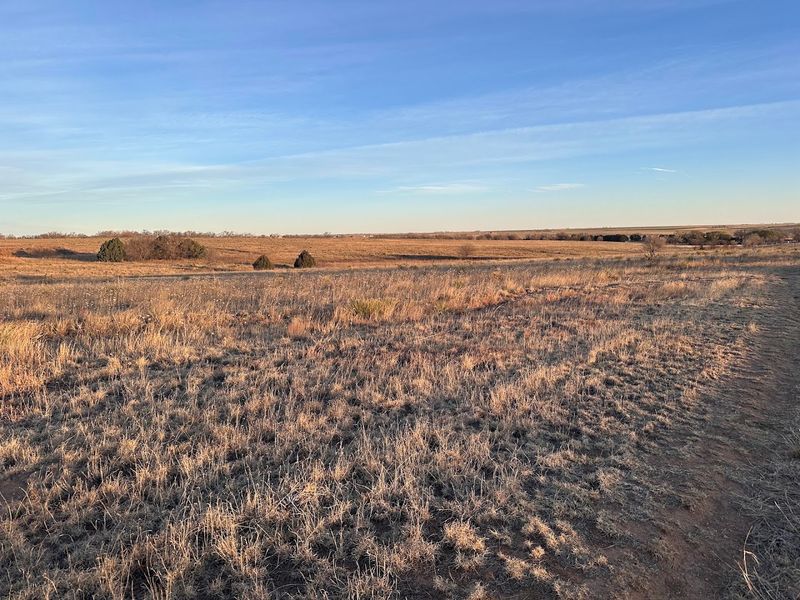
Stand at the edge of town and the land just keeps going. This community sits on the Llano Estacado, a massive elevated plateau shared with west Texas, at an elevation of roughly 4,300 feet above sea level.
That height, combined with the flatness of the terrain, means the sky feels almost theatrical here.
There are no mountains crowding the horizon, and few tall trees interrupt the sightlines. The light changes dramatically from morning to evening, shifting from pale gold to deep orange across the plains.
Farmers and ranchers have worked this land for generations, and you can feel that history in the wide, purposeful quietness of the landscape.
On clear days, visibility stretches for miles in every direction, which makes even a simple drive feel cinematic. The eastern third of New Mexico is defined by these Great Plains, and few places offer this kind of unfiltered, wide-open perspective as naturally as Clovis.
A Downtown Marked By Vintage Southwestern Character
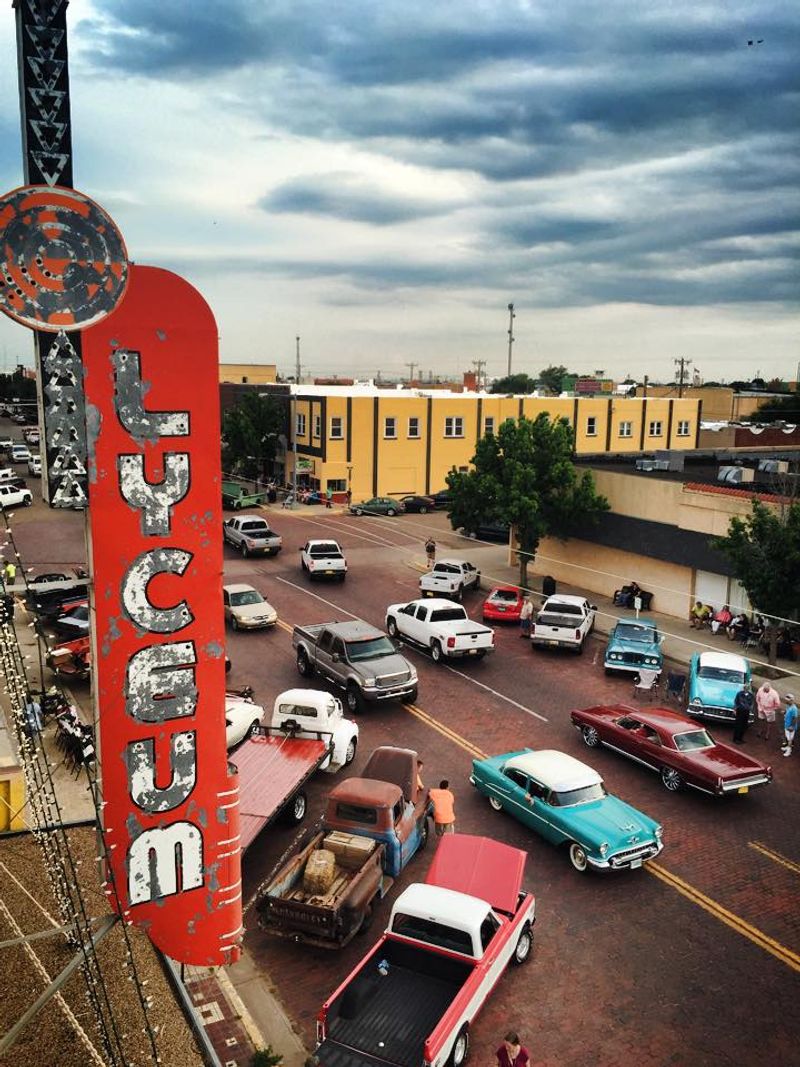
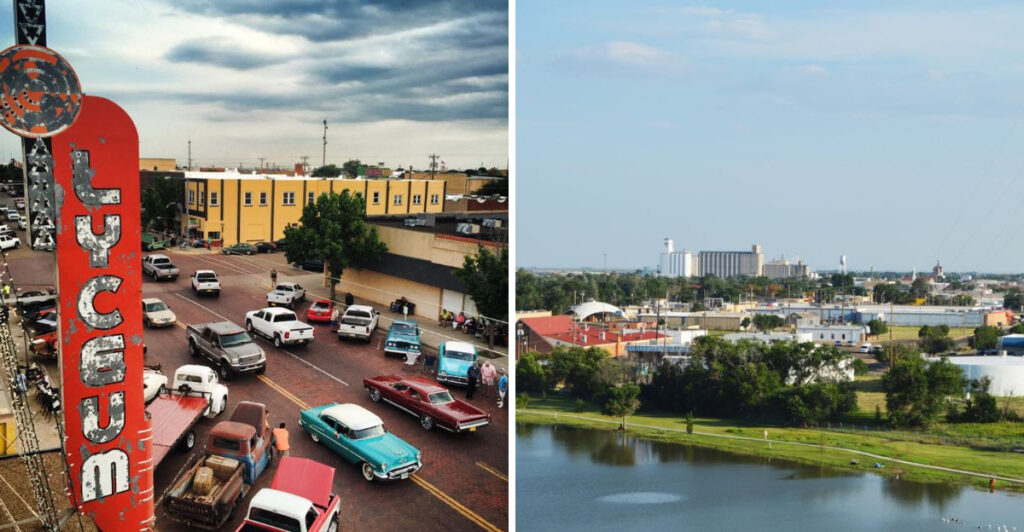
Red bricks pave Main Street, and that detail alone sets the tone for everything else downtown. Clovis was founded in 1906 as a Santa Fe Railway division point, and that origin story is still written into the architecture all around you.
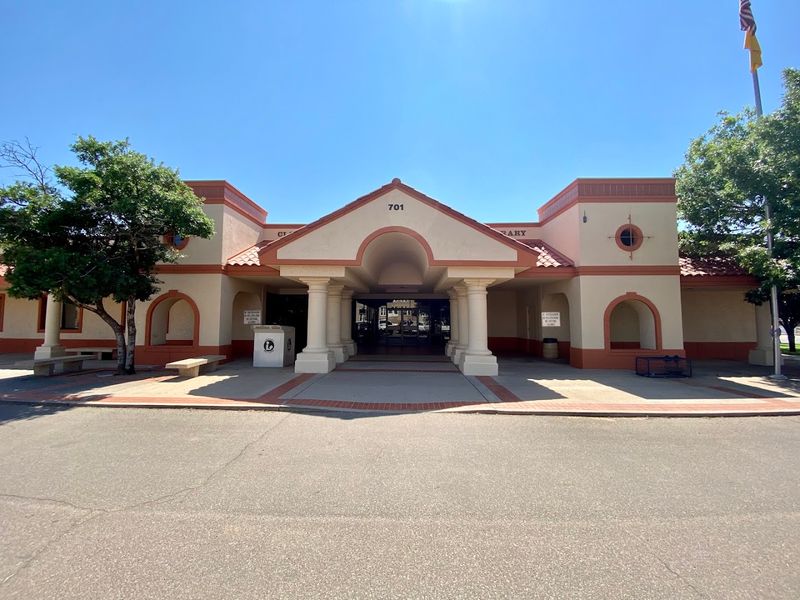
The mission-style railroad depot, built in 1907, anchors the area with a quiet, weathered dignity.
The Gran Quivira, a former Harvey House hotel designed by architect Myron Church, adds a layer of elegance to the streetscape. Decorative cornices crown two-story brick facades that have stood since the city’s earliest decades.
The Lyceum Theater remains another important landmark, although its historic marquee and neon sign are currently undergoing restoration.
Walking through downtown feels less like a tourist experience and more like an encounter with a place that never tried to reinvent itself. The bones of the original city are still very much intact.
Every storefront and sidewalk corner quietly tells the story of Clovis, New Mexico 88101, a railroad town that grew into something worth exploring.
Quiet Streets With A Relaxed Small-City Pace
Not every city needs to hustle. Clovis has about 38,000 residents, which puts it comfortably in small-city territory, and that scale shapes everything about how daily life feels here.
Rush hour is brief, parking is easy, and neighbors actually wave at each other.
The contrast with larger urban centers is immediate and refreshing. There are no gridlocked intersections at noon, no crowded sidewalks that make a simple errand feel like an obstacle course.
Life here moves at a speed that lets you actually notice things, the color of a front door, the smell of someone grilling in a backyard, the sound of kids riding bikes two streets over.
That unhurried rhythm is not a sign of a place left behind. It reflects a community that has found a workable balance between modern convenience and old-fashioned livability.
Grocery stores, medical facilities, schools, and restaurants are all accessible without the chaos that bigger cities demand. Sometimes the most underrated quality a place can have is simply the gift of calm.
Green Park Paths Made For Slow Afternoons
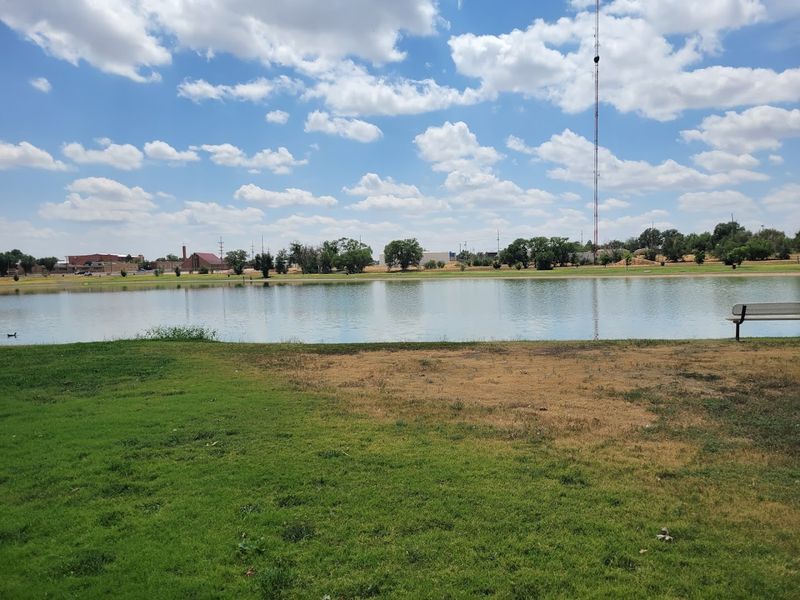
Some of the best hours in Clovis happen outdoors, moving slowly with nowhere urgent to be. Greene Acres Park offers a satisfying 0.8-mile walking trail that loops around a stocked lake, making it a favorite for casual walkers and anglers alike.
The path is flat, easy, and genuinely pleasant at any time of day.
Goodwin Lake adds another option with a paved loop of about 1.125 miles, well-suited for birdwatching or a post-work wind-down. The lake draws a variety of local bird species, which makes even a short visit feel rewarding for anyone who enjoys a bit of natural observation.
For those who want more space to roam, Hillcrest Park covers 157 acres and includes a walking trail, an aquatic center, and a dog park. It is the kind of place where families spend entire Saturday mornings without checking the time once.
These parks do not try to impress with dramatic scenery, and they do not need to, because their real value is in the steady, reliable peace they offer.
Midcentury Details Give The City A Distinct Look
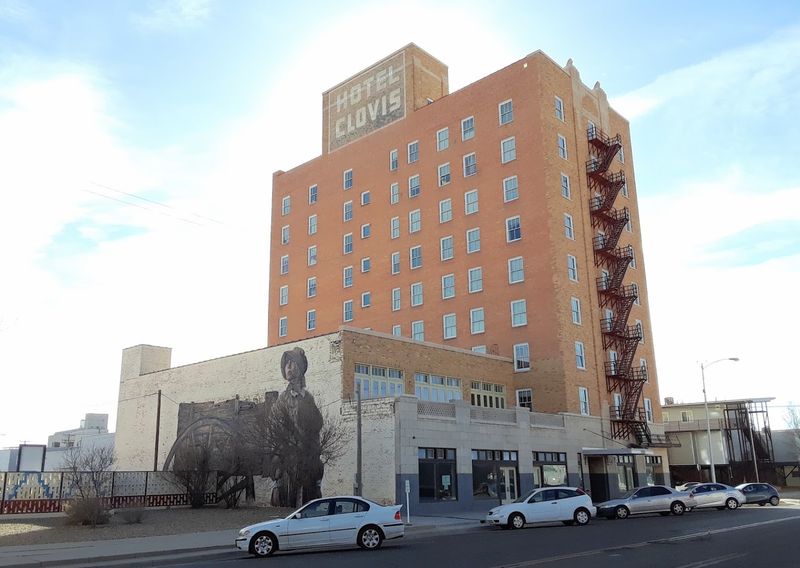
Architecture nerds, this one is for you. Scattered across Clovis are buildings that carry the confident, optimistic design language of mid-20th-century America, and they have aged remarkably well.
The office building at 600 Mitchell Street is a standout example, featuring curved corners, glass brick windows, and clean vertical lines that feel both functional and quietly stylish.
Art Deco details from the 1930s and 1940s surface in other structures around the downtown district. These design choices were not accidental.
They reflected a period when Clovis was growing with purpose, and local builders wanted their city to look the part. The result is a streetscape that carries more visual personality than you might expect from a plains town.
What makes these buildings interesting today is that they were never demolished and replaced with generic modern construction. They simply stayed, aged gracefully, and became part of the city’s visual identity.
Walking past them feels like flipping through an architectural catalog of a very specific and confident era. Clovis wears its midcentury character without apology, and that restraint turns out to be its own kind of style.
Music History Still Echoes Through The Local Culture
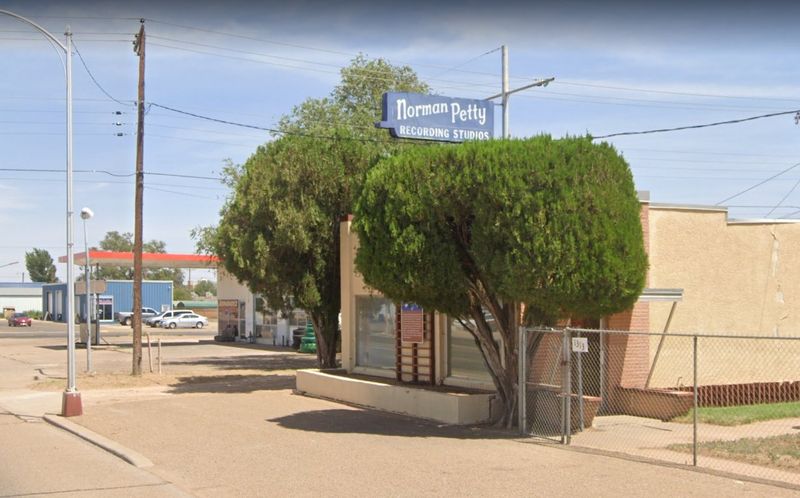
Few small cities can claim a legitimate place in the story of rock and roll, but Clovis absolutely can. Norman Petty Studios, established in 1954 by producer Norman Petty, became one of the most influential recording spaces in early American music.
Buddy Holly and The Crickets recorded legendary tracks here, including “That’ll Be The Day” and “Peggy Sue,” songs that changed popular music permanently.
Roy Orbison, Waylon Jennings, and The Fireballs also passed through those studio doors, adding their own chapters to what became known as the “Clovis Sound.” The studio has been preserved as a museum with its original equipment still in place, and tours are available by appointment for anyone who wants to stand in the room where those recordings happened.
The city celebrates this legacy through events like the Draggin’ Main Music Festival, a revival of the 1950s tradition of cruising Main Street that brings the era back to life with live music and community energy. Music is not just history here, it is a living part of how the city understands itself.
That cultural pride runs deep and warm.
Open Landscapes Begin Just Beyond The Neighborhoods

City limits in Clovis do not fade into sprawling suburbs or industrial zones. Step past the last neighborhood street and the land opens up almost immediately into the kind of wide, unstructured space that feels increasingly rare.
That transition happens faster here than in most places, and it is one of the more striking things about living or visiting in this part of eastern New Mexico.
Ned Houk Memorial Park, located just north of the city, covers more than 3,000 acres of open terrain. Fishing ponds, hiking trails, birdwatching spots, and picnic areas are spread across its expanse, offering outdoor access without requiring a long drive or advance planning.
The park functions almost like a pressure valve for anyone who needs to decompress quickly.
The transition from developed streets to open grassland within minutes is something that residents genuinely value. It provides a daily reminder that the natural world is not far away and does not require effort to reach.
For anyone who finds comfort in open space, this easy access to the outdoors is one of the most practical and satisfying features of life here.
Western Traditions Shape The City’s Everyday Rhythm
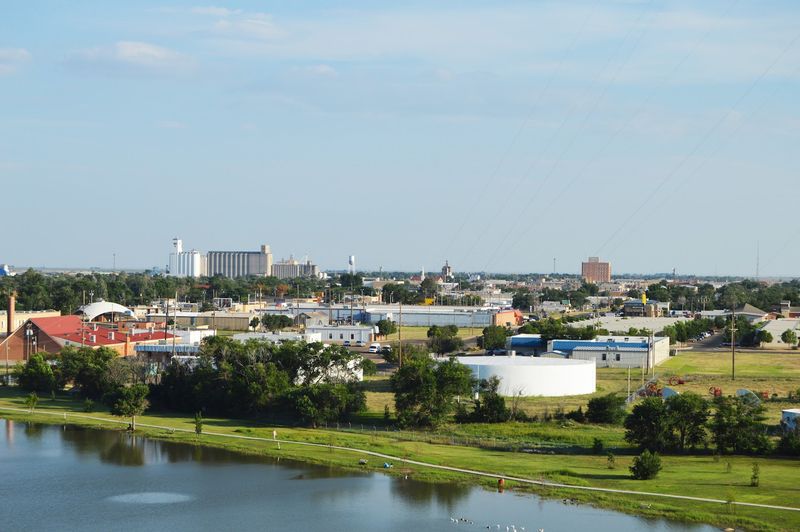
Agriculture and ranching are not background details in Clovis, they are the foundation of the city’s identity. The surrounding land supports crops such as corn, wheat, and sorghum, while livestock facilities and cattle-feeding operations reflect the scale of agricultural activity in the region.
This is working land, and the people who work it help shape the cultural tone of the community.
The Santa Fe Railway established Clovis as a division point during construction of its line through eastern New Mexico. Rail service later became closely tied to moving livestock, crops, and other freight across the region.
That transportation history remains part of the city’s broader civic character, blending rural traditions with the practical needs of a modern small city.
The city’s name does not come from the prehistoric Clovis people. Clovis was named in 1907, most likely after Clovis I, the first king of the Franks.
The archaeological culture discovered nearby was later named for the city. Western tradition here reflects generations of farming and ranching families whose work remains closely connected to the surrounding plains and continues to influence routines, businesses, and community events today.