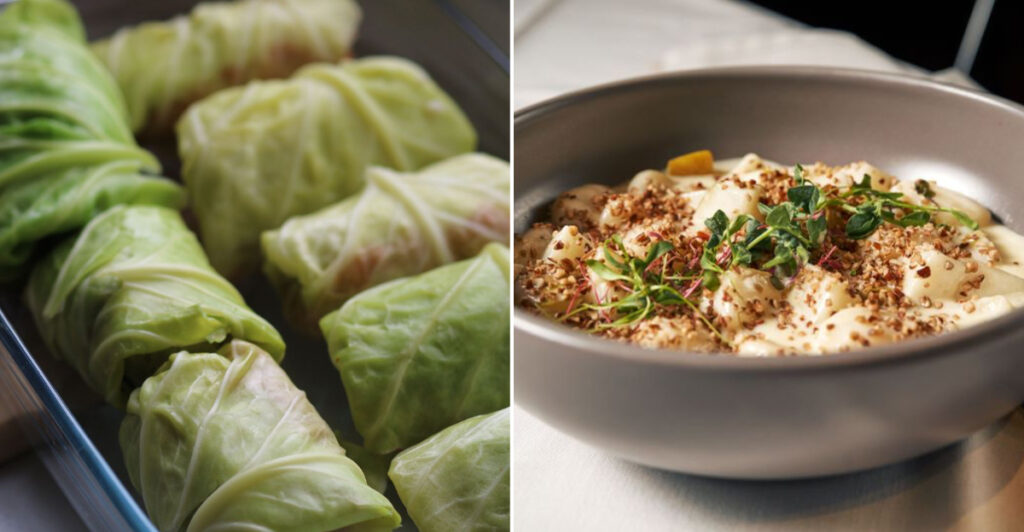
Pennsylvania is serving a full plate of “what on earth did I just order?” and somehow making it taste fantastic.
The state’s food vocabulary can sound like a spelling bee hosted by someone with a very hungry sense of humor. Several could easily pass for secret passwords.
Then the first bite lands, and the confusion loses its argument.
These dishes carry immigrant traditions, family memories, regional slang, and enough personality to make ordinary comfort food seem almost too predictable.
Pennsylvania does not ask visitors to understand everything immediately. It simply puts the plate down and lets flavor handle the introduction.
By dessert, the strange names begin sounding perfectly reasonable, and your new favorite food may be the one you were least prepared to pronounce.
1. Schnitz Un Knepp
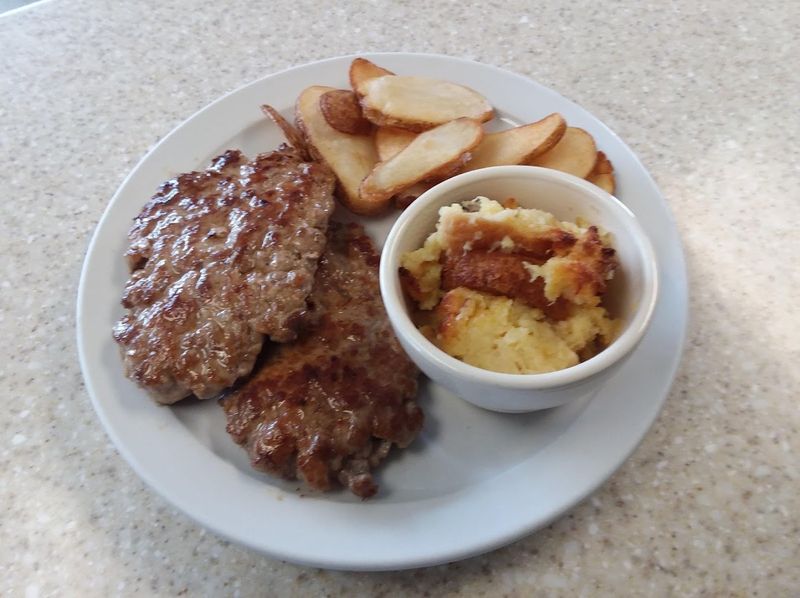
Schnitz Un Knepp sounds like something said after an unexpected sneeze. In Pennsylvania Dutch kitchens, however, it means a hearty combination of dried apples, smoked ham, and dumplings.
The name roughly translates to “dried apples and buttons.” Those buttons are soft dumplings that cook directly in the pot and absorb the surrounding broth.
German immigrants brought versions of the dish to Pennsylvania. It became closely connected to the farms, family kitchens, and community meals of Pennsylvania Dutch country.
Dried apples provide a gentle sweetness. Smoked ham answers with salt and richness, creating a combination that makes far more sense after the first spoonful.
The knepp add extra comfort to the bowl. Their soft texture holds the broth and turns the dish into a filling meal suited to cold weather.
Visitors often pause when they hear fruit and ham mentioned together. That concern usually fades once the smoky and sweet flavors begin working as a team.
Traditional Pennsylvania Dutch restaurants sometimes serve the dish. It can also appear at church suppers, heritage events, and community dinners around Lancaster County.
Every serving carries part of the region’s agricultural history. Families used preserved fruit and available meat to create food that could feed several people without waste.
The unusual name may inspire the first question. The warm dumplings, smoky ham, and tender apples usually provide the final answer.
Schnitz Un Knepp proves comfort food does not need an easy name. It only needs one spoonful capable of convincing a cautious visitor.
2. Wooder Ice
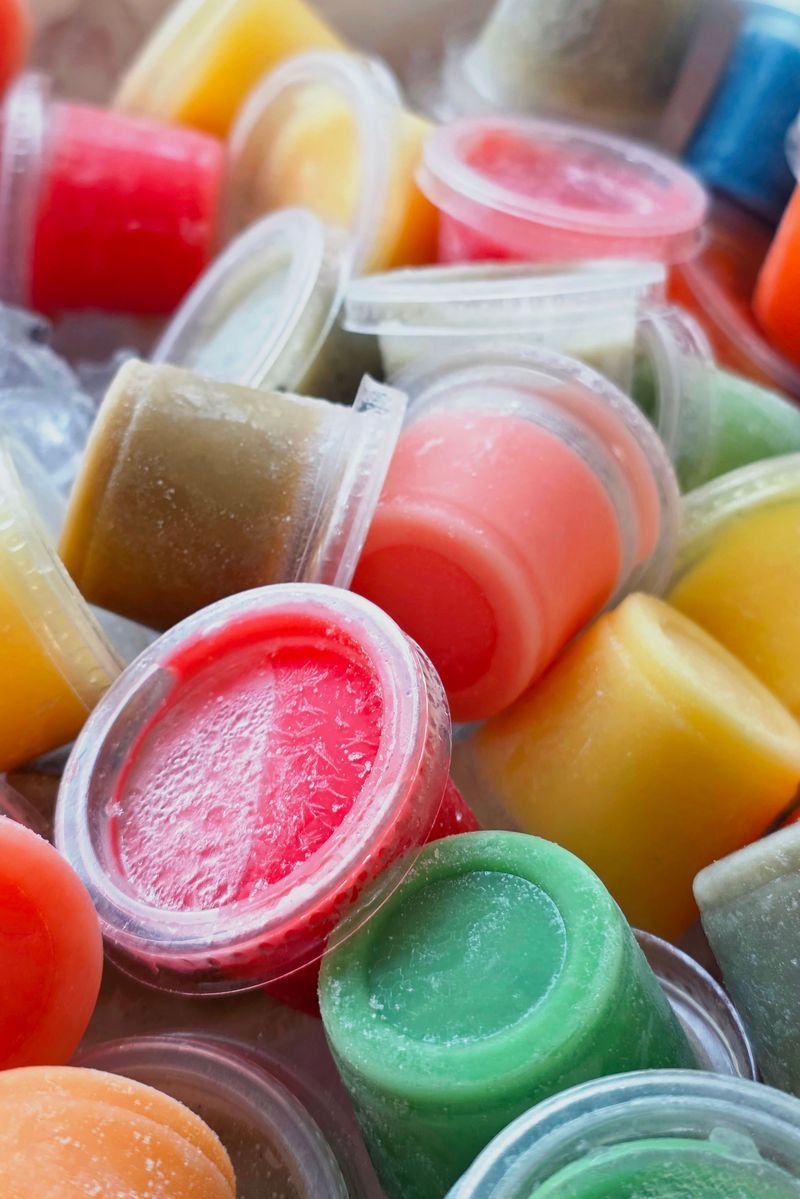
“Wooder ice” can sound like a drink order that took a wrong turn. In Philadelphia, it refers to one of the city’s favorite frozen treats.
The name comes from the local pronunciation of “water.” Visitors may need a translation once, but the dessert quickly handles the rest of the introduction.
Philadelphia-style water ice is smoother than a snow cone. The fruit flavor is mixed throughout instead of being poured over crushed ice.
Its texture is dense, soft, and easy to scoop. Each spoonful melts evenly without leaving a cup full of flavorless ice behind.
Cherry and lemon are longtime favorites. Mango, pineapple, and more inventive options give neighborhood shops room to create their own specialties.
Local loyalty can become surprisingly serious. Ask several Philadelphians where to buy the best cup, and some diplomacy may be required.
Warm weather brings customers to neighborhood counters throughout the city. A cold serving offers quick relief when Pennsylvania summer heat begins acting overly confident.
Visitors often arrive amused by the pronunciation. By the final spoonful, many are ordering “wooder” with the confidence of lifelong residents.
The treat carries more than sweetness. It reflects Philadelphia’s language, neighborhood pride, and talent for giving familiar food a personality of its own.
Learning the name may take a moment. Understanding the appeal usually requires one cup and a spoon.
3. Halupki
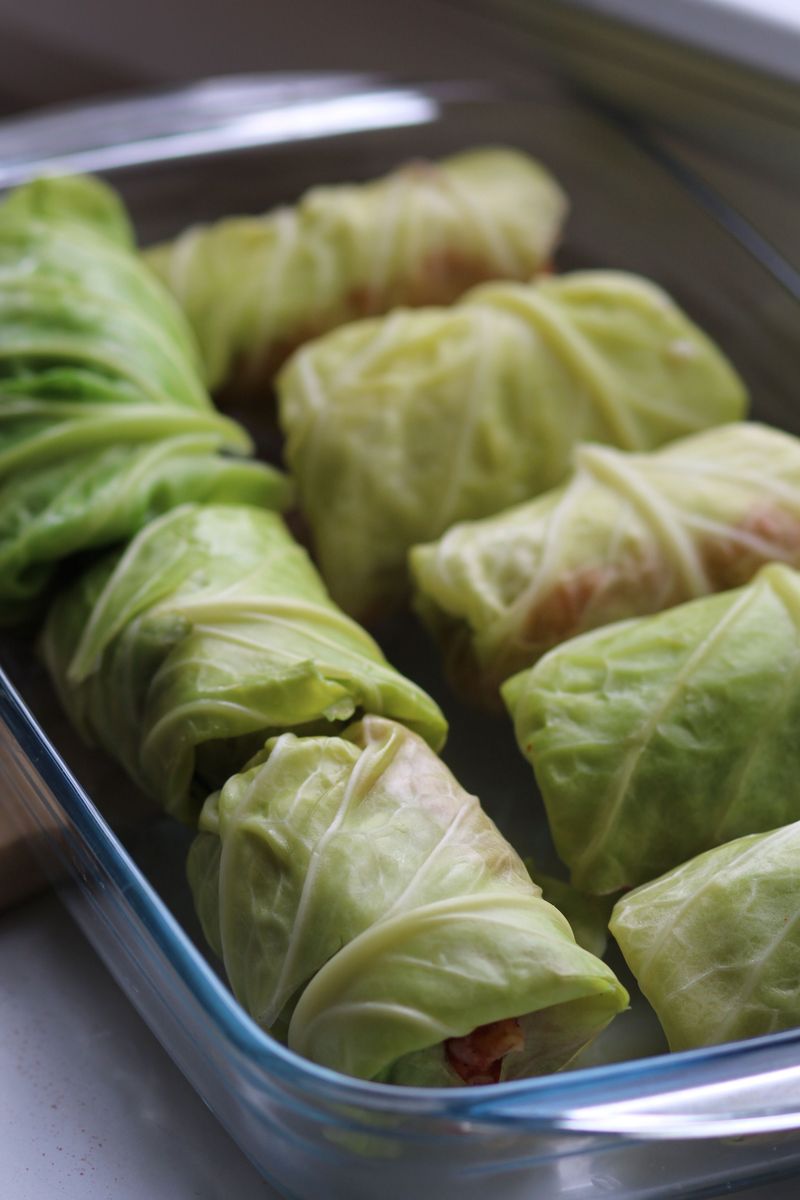
Halupki sounds like a secret handshake, but the reward is far better. These stuffed cabbage rolls bring together meat, rice, tomato sauce, and generations of family tradition.
Tender cabbage leaves wrap around a filling of ground meat and rice. The rolls then cook slowly until every layer absorbs the rich tomato sauce.
Eastern European immigrants brought the dish to Pennsylvania’s coal regions. Slovak, Polish, and Ukrainian communities helped make it part of local food culture.
Scranton and Wilkes-Barre became especially strong centers for the tradition. Church kitchens and family tables have served halupki there for decades.
The smell usually wins people over before the name does. Tomato sauce and slow-cooked meat make hesitation difficult to maintain.
Recipes vary from one household to another. Some families add sauerkraut, while others use a combination of pork and beef.
Those differences give every batch its own personality. Asking which version is best may start a family debate that lasts longer than dinner.
Halupki often appears at church festivals and community fundraisers. Visitors may arrive unsure how to pronounce it and leave carrying an extra order home.
The dish offers more than comfort. It preserves a culinary tradition built by working-class communities that carried their recipes across an ocean.
One cabbage roll usually settles the confusion. By the second, the name has become much easier to remember.
4. Souse
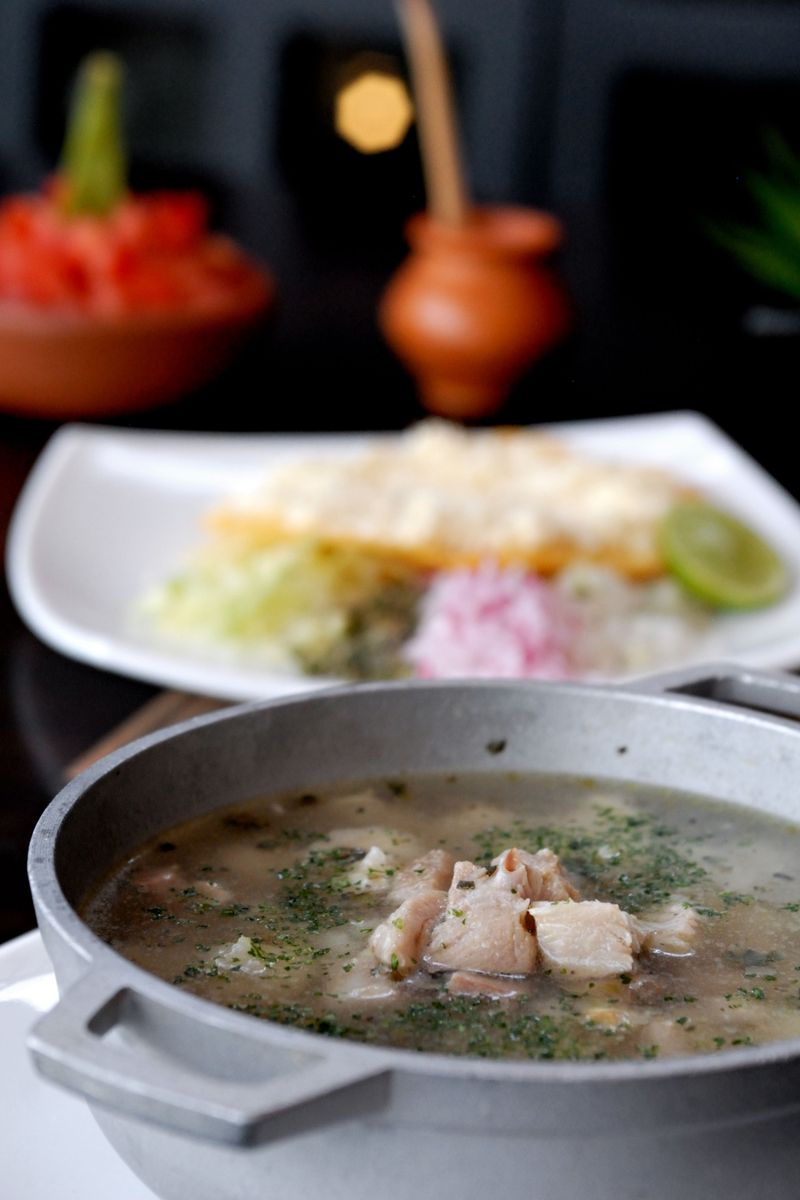
Souse is the kind of dish that separates curious eaters from people suddenly fascinated by the side salad. Its appearance may cause hesitation, but its sharp flavor has kept it on Pennsylvania tables for generations.
This pickled pork dish belongs to the headcheese family. Pork is simmered until tender, then combined with broth that cools into a firm loaf.
Vinegar gives souse its distinctive tang. The result is savory, rich, and bright enough to wake up every bite.
Pennsylvania Dutch cooks developed the recipe as a practical way to use more of the animal. Waste had little place in traditional farm kitchens.
That resourceful approach created a food with a very specific personality. Souse does not hide behind mild seasoning or familiar presentation.
Thin slices are often served with crackers or rye bread. The bread softens the sharp vinegar while adding another layer of texture.
Traditional markets, butcher shops, and old-school delis across central Pennsylvania may carry it. Family gatherings and holiday meals also keep the custom alive.
First-time diners usually study the slice before tasting it. The bold flavor can turn that cautious pause into genuine surprise.
Souse reflects a cooking tradition built on thrift, patience, and strong seasoning. Its history explains the method, while the first bite explains its loyal following.
The dish may never win a beauty contest. Fortunately, Pennsylvania food traditions have always cared more about flavor than good lighting.
5. Schmierkase
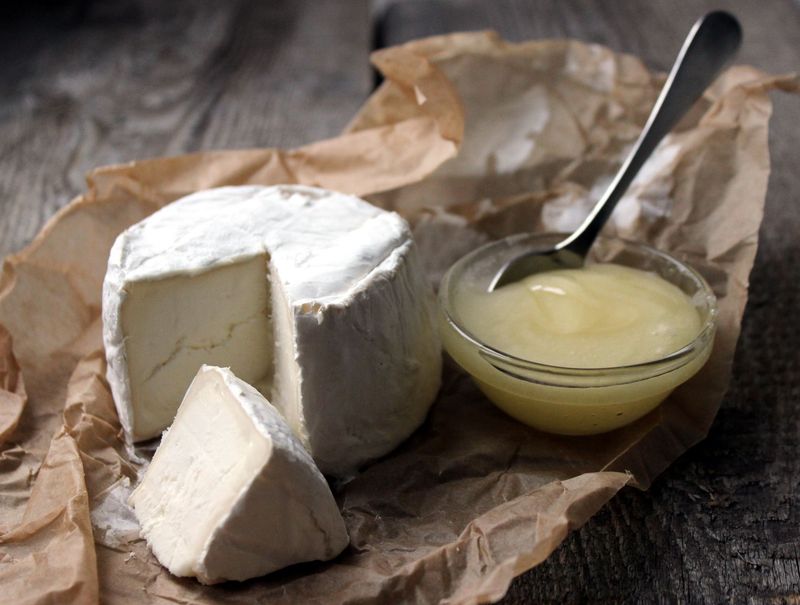
Schmierkase translates to “smear cheese,” which sounds less like breakfast and more like an unfortunate laundry problem. Pennsylvania Dutch cooks know it as a creamy farmhouse staple.
The cheese is usually made from cultured milk or cottage cheese. Its texture stays soft enough to spread easily across bread.
A mild tang keeps the flavor interesting without becoming sharp. The gentle taste also makes schmierkase easy to pair with sweeter ingredients.
Molasses and jam are traditional additions. The combination may seem unusual until the creamy cheese balances the sweetness in one bite.
Farm families prepared schmierkase with ingredients already available at home. Its simplicity made it practical for breakfast, snacks, and light meals.
Lancaster and Lebanon counties have strong connections to the tradition. Recipes have passed through Pennsylvania Dutch households for generations.
Visitors often encounter small containers at farmers markets. The unfamiliar name inspires questions, while a sample usually inspires a purchase.
Fresh bread gives the cheese its ideal partner. A thick slice provides enough structure for a generous spread without losing the soft texture.
Schmierkase does not demand attention with bold seasoning. It wins people over through creaminess, gentle tang, and a pairing that works surprisingly well.
The name may raise an eyebrow first. One slice of bread later, “smear cheese” sounds like a perfectly sensible idea.
6. Boova Shenkel
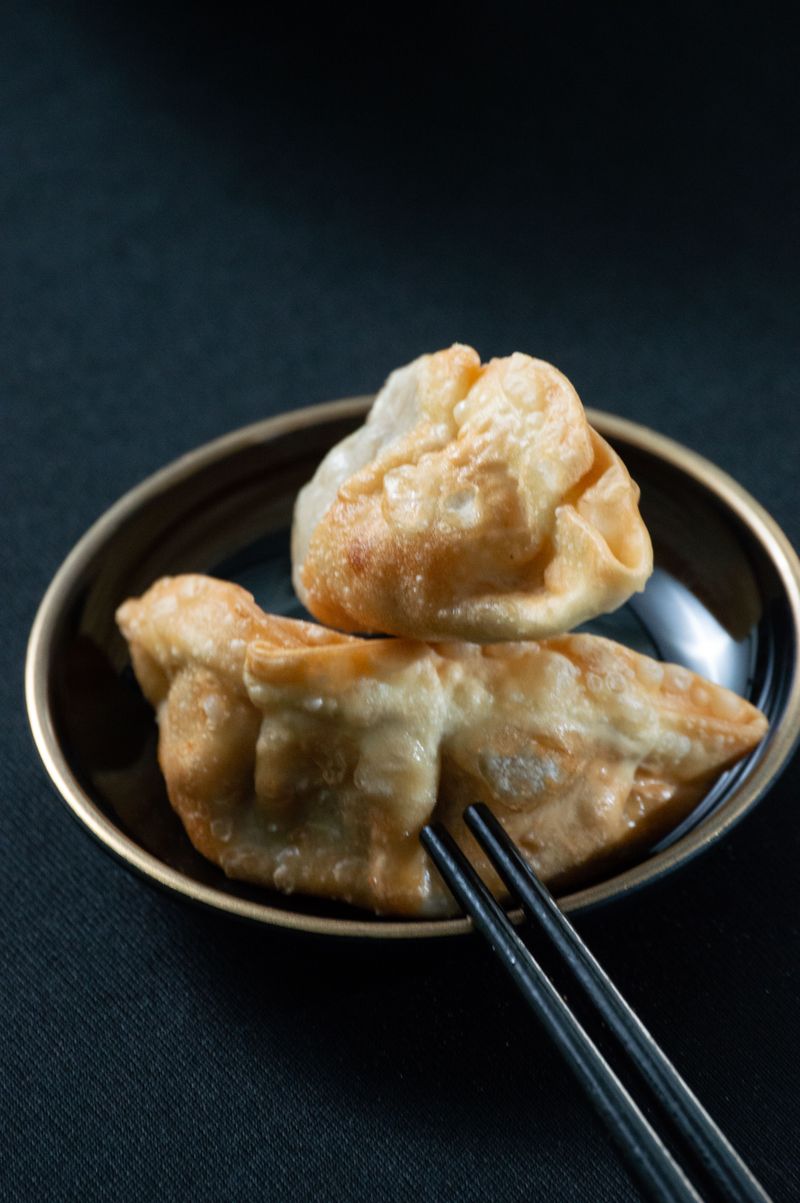
Boova shenkel sounds like a dance step nobody remembers learning. In Pennsylvania Dutch cooking, the name belongs to a substantial potato-filled dumpling.
The words roughly translate to “boys’ legs.” That unusual meaning likely refers to the dumplings’ long, folded shape.
Dough is rolled out and filled with seasoned mashed potatoes. Onions, parsley, and pepper often give the mild filling extra flavor.
Each piece is folded into a large pocket before cooking. The finished dumpling resembles an oversized pierogi with a distinctly Pennsylvania family history.
Traditional recipes may cook boova shenkel alongside beef and broth. Other versions arrive with gravy, browned butter, or sautéed onions.
The outer dough becomes tender while holding the soft potato center together. That contrast gives every forkful more substance than its simple ingredients suggest.
Pennsylvania German cooks built the dish around affordable pantry staples. Flour and potatoes became a filling meal through practical kitchen know-how.
Spellings include boova shenkel, bova shankel, and boova shenkle. Outsiders receive several opportunities to mispronounce it before dinner even begins.
The dumplings can also be surprisingly large. Anyone expecting a dainty bite may discover that one piece occupies a respectable portion of the plate.
Pronouncing boova shenkel may require assistance from a Pennsylvania local. Remembering the name becomes considerably easier once the potato filling enters the conversation.
7. Shoofly Pie
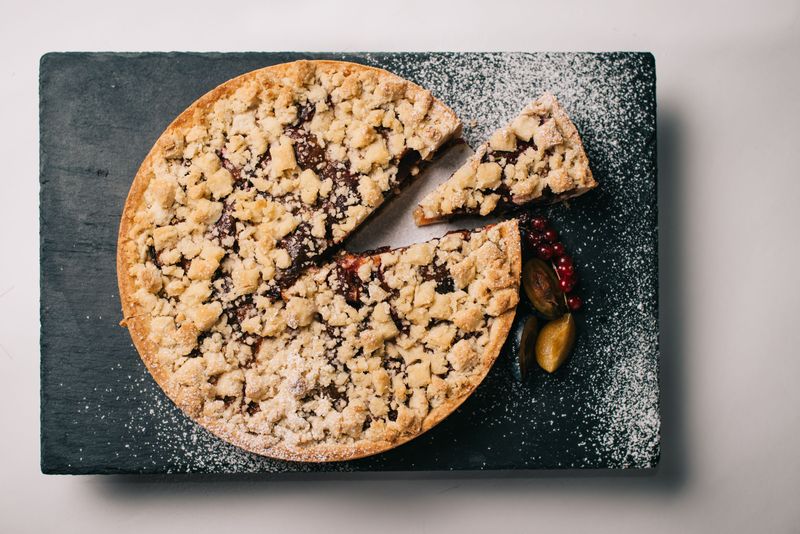
Shoofly pie sounds like dessert with an insect problem. Fortunately, the name is stranger than the flavor.
Molasses gives the filling its dark color and deep sweetness. A brown sugar crumb topping adds a softer, cake-like layer above it.
The texture changes depending on the baking style. Wet-bottom versions stay gooey near the crust, while dry-bottom pies bake into a firmer crumb.
Pennsylvania Dutch bakers have prepared shoofly pie for more than a century. Its simple pantry ingredients made it practical for farm kitchens.
One popular explanation connects the name to flies gathering near cooling pies. Bakers supposedly shooed them away from the sweet molasses filling.
Visitors expecting fruit or custard often hesitate at the first dark slice. The rich caramel flavor usually settles those doubts quickly.
Lancaster County bakeries and farmers markets commonly sell the pie. It also appears at church sales, family gatherings, and community events.
Wet-bottom and dry-bottom supporters defend their preferred versions with surprising passion. Choosing a side can turn dessert into a local debate.
The sweetness makes coffee a natural companion. A warm drink balances the molasses and makes the next forkful easier to justify.
Shoofly pie begins with a confusing name and ends with an empty plate. That is a strong performance for any Pennsylvania dessert.
8. Fasnachts
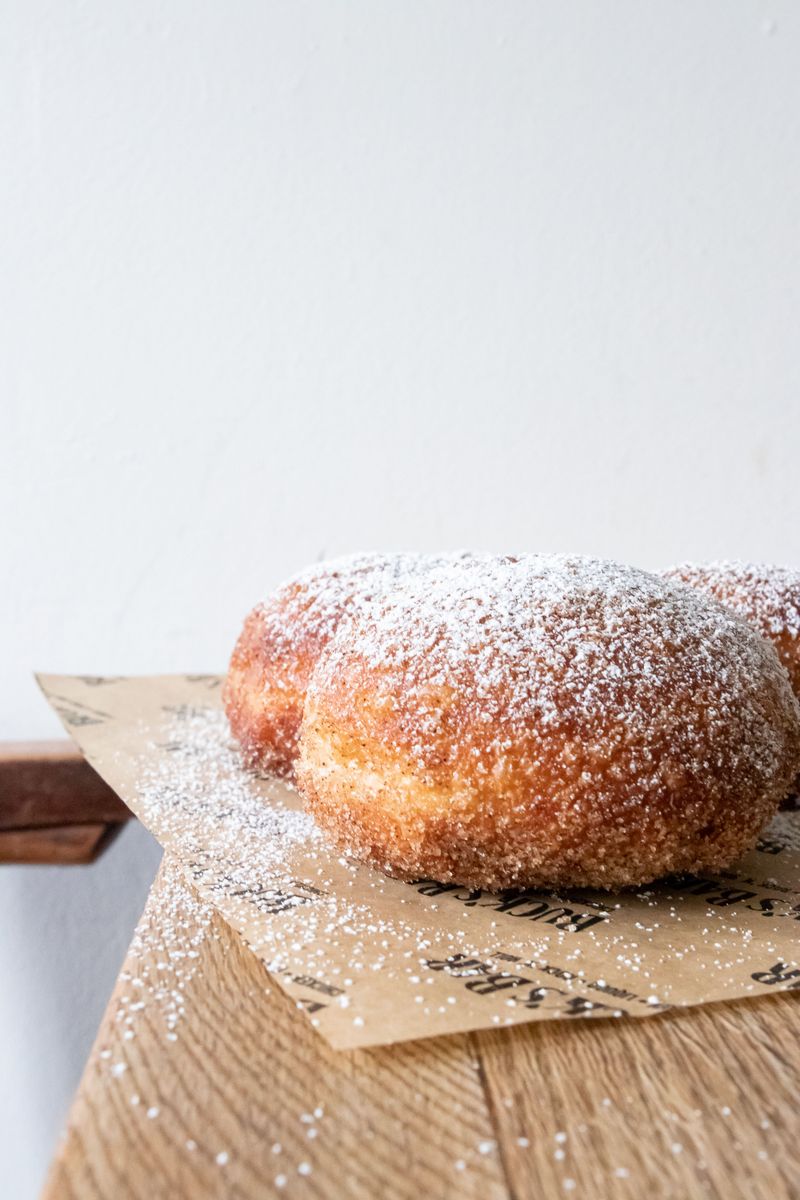
Fasnachts prove Pennsylvania Dutch communities know how to make Fat Tuesday live up to its name. These fried pastries arrive once a year and disappear with impressive speed.
The tradition comes from German and Swiss Mennonite roots. Families prepared the dough before Lent as a practical way to use rich ingredients.
Fasnachts are often square or diamond-shaped instead of round. Their potato-based dough gives them a denser, chewier texture than many standard doughnuts.
Some bakers dust them with powdered sugar. Others coat them with granulated sugar, drizzle them with molasses, or serve them plain.
Warm fasnachts straight from the fryer need very little decoration. The crisp exterior and soft center already make a convincing case.
Lancaster, York, and nearby Pennsylvania Dutch communities celebrate the tradition each year. Local bakeries often prepare large batches for eager customers.
The short seasonal window adds to the excitement. Anyone arriving after Fat Tuesday may need to wait an entire year for another chance.
Lines can form early outside popular bakeries. Experienced buyers know that sleeping late and securing fasnachts rarely happen on the same morning.
The pastry carries history, community pride, and plenty of fried dough in one package. That is a very efficient use of breakfast.
Showing up late is the mistake visitors make once. After missing the first batch, most people become excellent planners by the following year.
9. Dippy Eggs
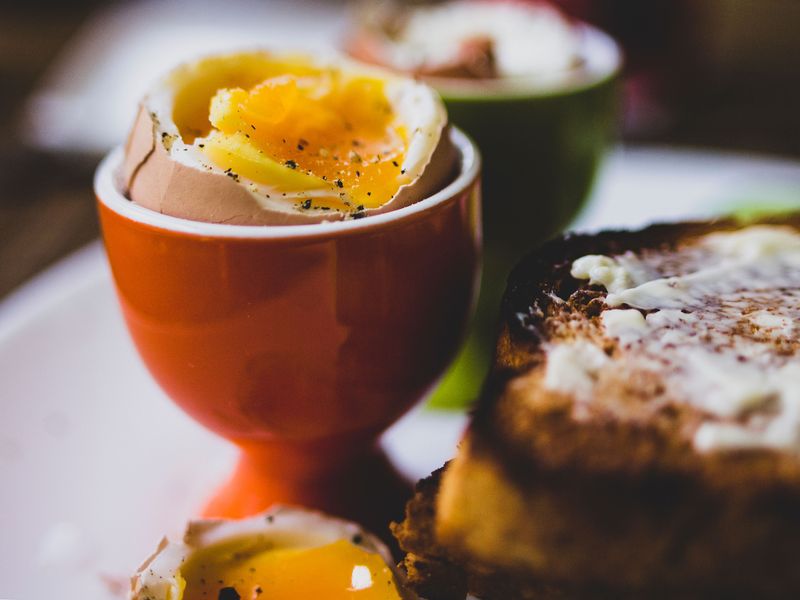
Dippy eggs sound like breakfast invented by a child, but Pennsylvania takes the term very seriously. The name refers to fried eggs with runny yolks ready for toast.
Most are cooked sunny-side-up or over easy. The goal is simple: keep the yolk soft enough for dipping.
Toast strips do the important work. They soak up the golden center and turn an ordinary plate into something far more satisfying.
Pennsylvania diners serve dippy eggs without lengthy explanations. Regular customers order them as casually as coffee or home fries.
Visitors from other states may expect a completely different dish. The confusion usually lasts until the plate arrives.
Once the toast touches the yolk, the name becomes perfectly clear. No culinary dictionary is required after that first dip.
The phrase is especially common around Pittsburgh and western Pennsylvania. Families and neighborhood diners have used it for generations.
The eggs themselves are familiar, but the regional wording gives them extra personality. Breakfast becomes a small language lesson with a delicious final exam.
A napkin is useful because runny yolks rarely respect neat plans. That minor mess is part of the appeal.
First-time visitors often leave using the term like lifelong locals. Pennsylvania can teach a new breakfast vocabulary before the coffee cup is empty.