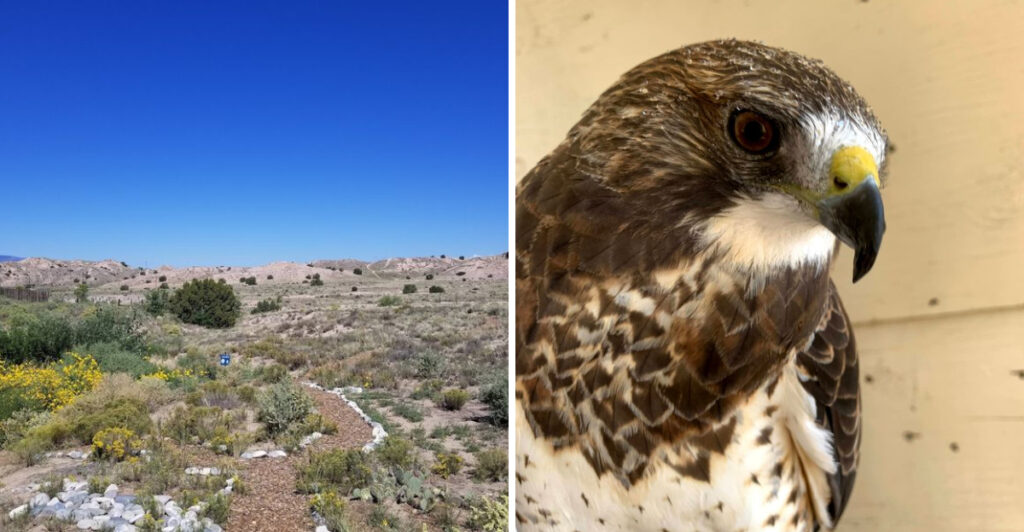
A hawk stares back at you, and for a second, everything else fades away. That is the kind of moment waiting at this wildlife center in northern New Mexico, where rescued animals become ambassadors for the wild.
Visitors can follow a self-guided walk past raptors, bobcats, and reptiles while learning why each animal could not return to its natural habitat. The experience feels close and personal without losing sight of the serious work happening behind the scenes.
Injured and orphaned wildlife arrive throughout the year, receive treatment, and may eventually return to the places they belong. Others remain here and help visitors understand the challenges wild animals face.
The setting adds to the feeling, with broad high-desert views surrounding the grounds. This is not simply a place to look at animals.
It is a chance to see rescue, education, and conservation come together in a way that stays with you.
High Desert Views Set The Scene For Wild Encounters
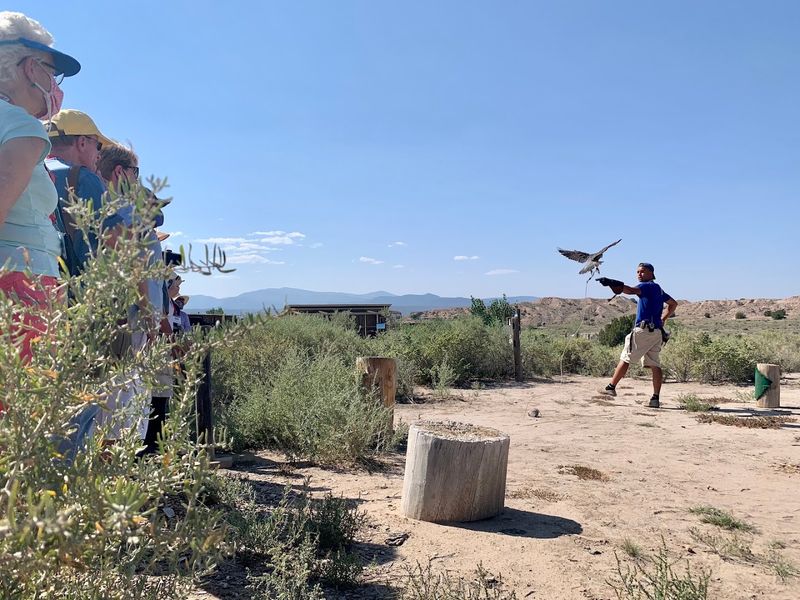
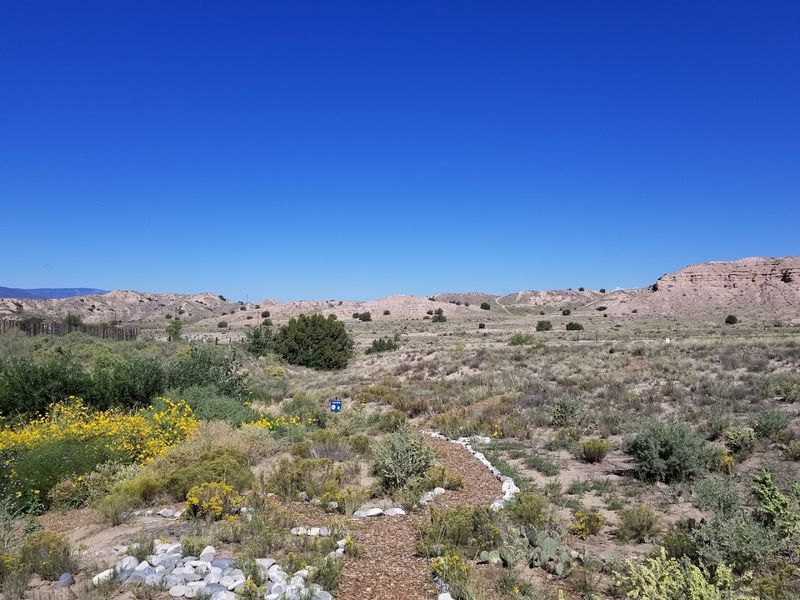
Before you even spot your first animal, the land itself makes a statement. The property sits on a breathtaking 20-acre parcel nestled between the Jemez and Sangre de Cristo mountain ranges, and the scenery alone is worth the trip.
Rugged mesas rise in the distance, desert shrubbery dots the sandy earth, and the sky stretches wide and impossibly blue overhead.
The crisp high desert air carries a quiet energy that immediately slows your pace and sharpens your senses. You find yourself noticing small things: the crunch of gravel underfoot, the distant call of a bird, the way afternoon light turns the landscape a warm amber.
It is an atmosphere that feels both ancient and alive.
That sense of place is not accidental. The center was designed to honor its surroundings, and the natural setting amplifies every animal encounter you have along the way.
Conservation and landscape feel like one unified idea here.
Plan your visit between Tuesday and Sunday, from 9 AM to 4 PM, and you will find this extraordinary wildlife sanctuary waiting for you at New Mexico Wildlife Center at 19 Wheat St, Española, NM 87532.
A Curving Wildlife Trail Brings Native Animals Into View
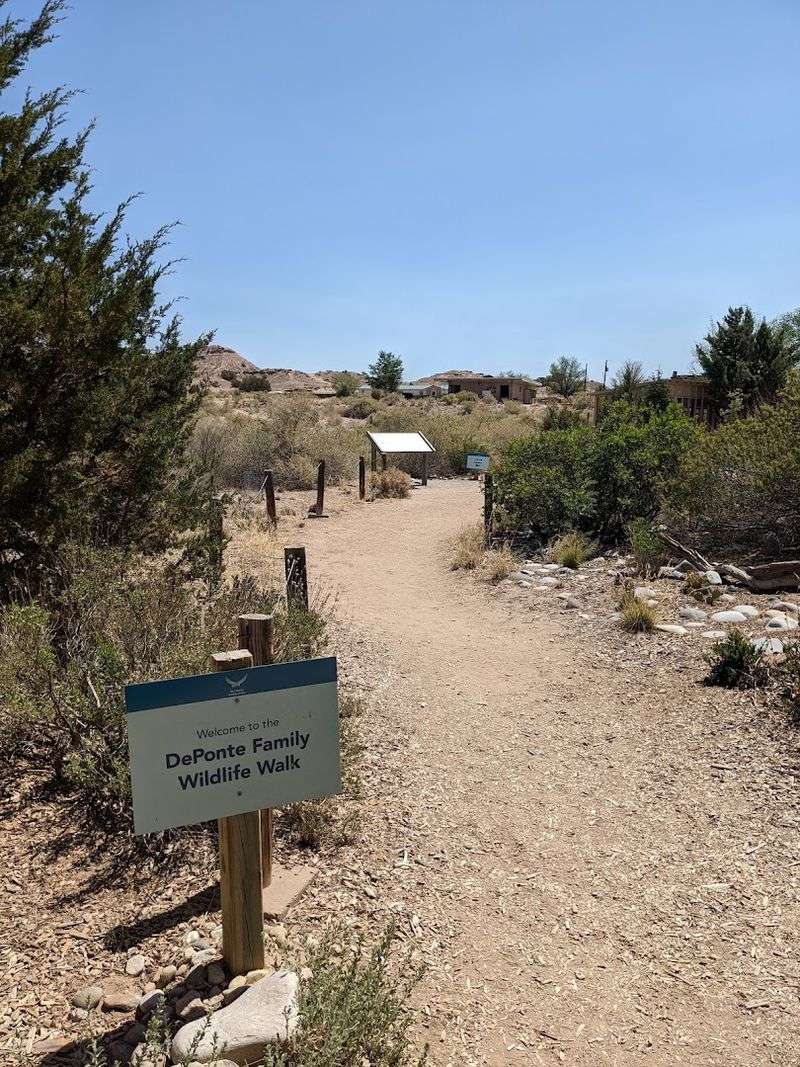
There is a particular kind of joy that comes from rounding a bend on a trail and suddenly locking eyes with a wild animal you have never seen up close before. At this center, that joy is practically guaranteed around every corner.
The DePonte Family Wildlife Walk is a self-guided route that winds through the property, introducing guests to over 35 Ambassador Animals at a comfortable, unhurried pace.
Each stop along the trail feels thoughtfully placed. You are not rushing past exhibits; you are genuinely pausing, reading, observing, and connecting with creatures that represent the living wildlife of the Southwest.
The enclosures are designed to reflect natural habitats, so the animals look at home rather than out of place.
Kids tend to go wide-eyed at every turn, and adults are not far behind. I found myself lingering far longer than planned at several stops, completely absorbed by the behavior of animals I had only ever seen in photographs.
The trail format makes the visit feel like a personal expedition rather than a scripted tour, and that sense of discovery keeps the experience fresh from start to finish.
Powerful Raptors Watch From Open-Air Enclosures
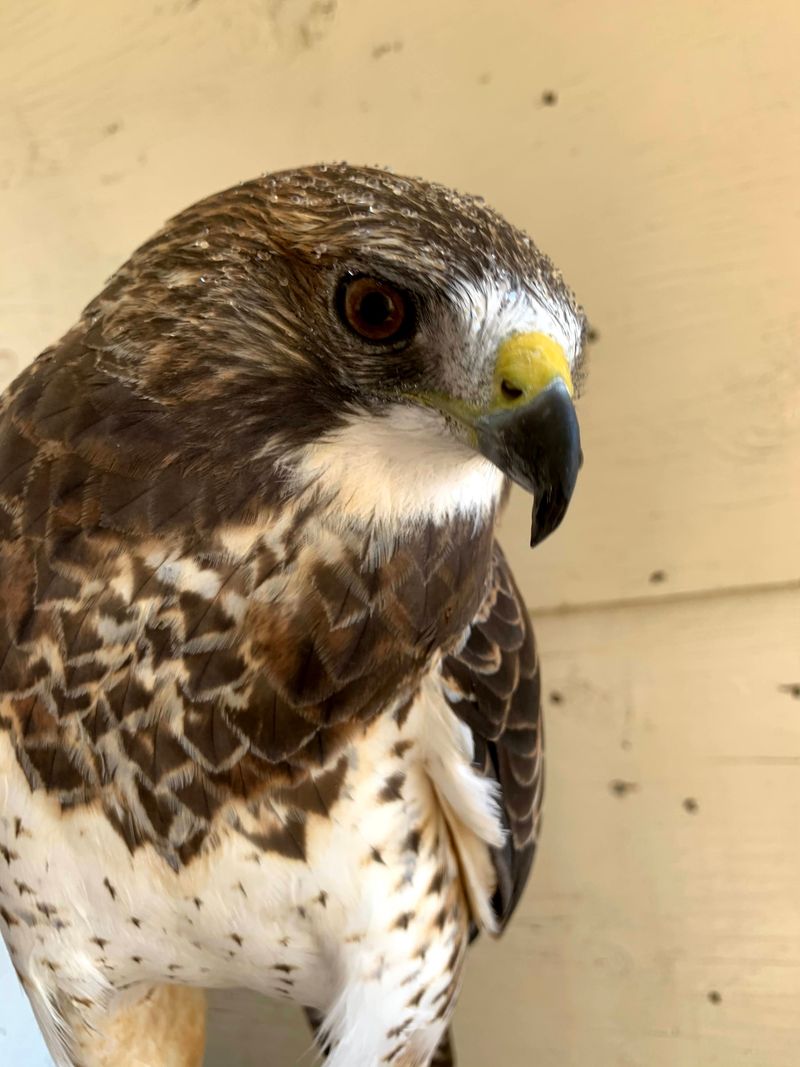
Few moments in nature compare to the feeling of a raptor fixing its gaze directly on you. At this center, that experience is not a lucky accident but a reliable highlight of every visit.
Hawks and owls reside in enclosures that allow for very close observation through secure barriers while keeping visitors and animals protected.
The center originally began as a rehabilitation facility focused on injured birds, and that heritage is visible in the quality and variety of its raptor collection. Red-tailed hawks, a Swainson’s hawk, a great horned owl, and an American barn owl are among the residents you might encounter.
Their wingspans are impressive when seen from just a few feet away.
Many of these birds arrived with injuries or imprinting that made a return to the wild impossible. Rather than fading from view, they became ambassadors for their species, educating thousands of visitors each year about the importance of protecting birds of prey.
Watching a hawk shift its weight from talon to talon while studying you with calm authority is one of those unforgettable moments that stays with you long after you leave the grounds.
Reptiles Reveal A Fascinating Side Of The Southwest
Cold-blooded does not mean cold-hearted, and the reptile residents at this center prove that point with style. Desert box turtles, various lizards, prairie rattlesnakes, and red-eared sliders all call this place home, offering visitors a window into a world that most people only see from a safe distance on a hiking trail.
One of the most compelling residents is Napoleon, a prairie rattlesnake who became an ambassador animal after suffering permanent damage from netting. His story is a powerful reminder of how human activity, even unintentionally, can affect wildlife.
Napoleon now helps educate visitors about identifying rattlesnakes and understanding their important role in the desert ecosystem.
The center also houses a giant North American vinegaroon, a creature that defends itself with a spray that smells distinctly of vinegar. Found in southern New Mexico, it is the kind of animal that makes you rethink everything you thought you knew about desert wildlife.
Conservation efforts here also extend to boreal toads, once common at high elevations but now considered extirpated from New Mexico, making the center a critical voice for species that rarely make headlines.
Native Gardens Add Color To The Desert Landscape
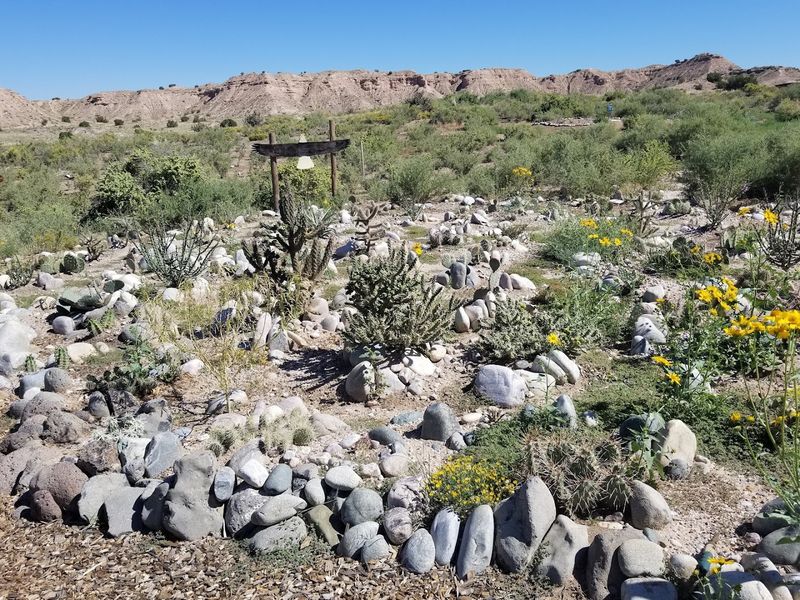
Tucked between the animal enclosures, a flourishing native plant garden adds an unexpected burst of color to the already striking desert grounds. This living garden is more than decoration; it is a working demonstration of the plants that sustain the ecosystem surrounding the center.
Pollinator-friendly species attract bees and butterflies, turning the garden into a quiet, buzzing hub of activity.
One of the standout features is a rare species of cholla cactus that grows exclusively around the Santa Fe area. Seeing it displayed with care and context gives you a new appreciation for how specific and fragile some plant communities can be.
The garden is continuously being expanded, so repeat visitors often discover something new each time they walk through.
I spent a surprising amount of time in this section, not because I expected to, but because the combination of flowering plants and sculptural cacti creates a visual experience that feels genuinely artistic. It is the kind of garden that makes you want to learn the name of every plant in it.
Visitors consistently mention the cholla garden as a bonus surprise, and it is easy to understand why once you see it in full afternoon light.
A Gray Fox Offers A Rare Close-Up Encounter
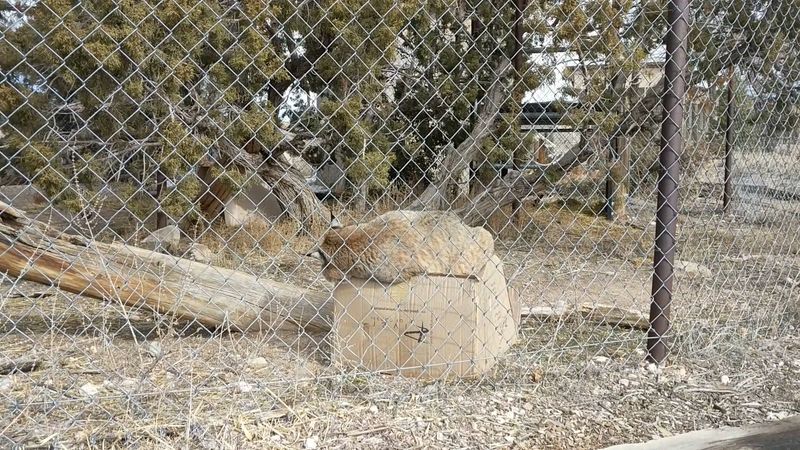
Gray foxes rarely reveal themselves in the wild, making a close encounter especially memorable. At this center, visitors have a much better chance to observe one nearby.
Juniper, a resident gray fox ambassador, gives visitors a close look at a species known for its ability to climb trees.
Juniper was taken from the wild as a kit and kept illegally by people until she was four months old. By the time she reached care, she had become dependent on humans and could no longer be safely returned to the wild.
Her story reflects one of the center’s most important messages: wild animals should never be raised as pets. Human contact can permanently change their behavior, even when the people involved believe they are helping.
Juniper joined the Ambassador Animal team in 2019 and now helps visitors understand gray fox behavior, natural adaptations, and the consequences of removing young wildlife from its habitat.
For many visitors, watching her move through her enclosure is the moment the entire visit becomes something deeper than sightseeing. Her presence offers a memorable encounter while reinforcing why wild animals need space, skilled care, and protection from unnecessary human interference.
Animal Encounters Turn A Quiet Visit Into An Adventure
Some wildlife centers ask you to observe from a respectful distance, and that is fine. This one goes further, offering structured Animal Encounter programs that transform a pleasant stroll into something that feels genuinely thrilling.
Daily encounters run Tuesday through Sunday at 11:30 AM, giving every visitor a reliable window to experience these programs firsthand.
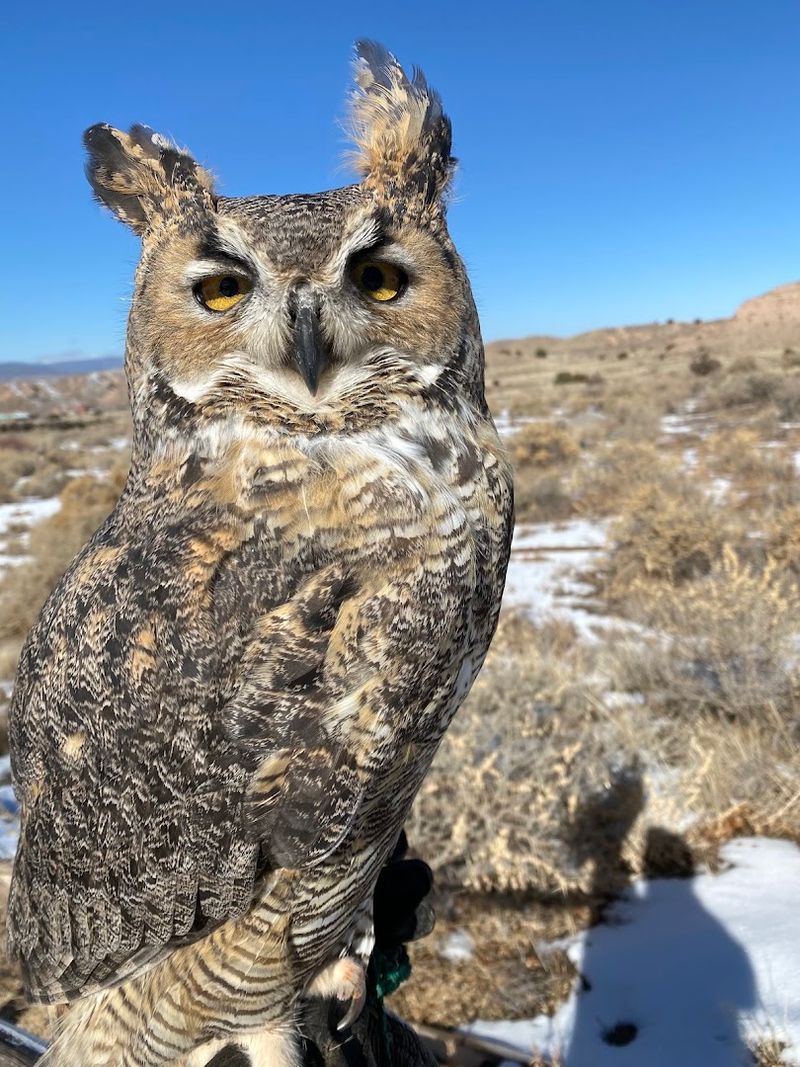
During an encounter, you might watch a great horned owl spread its wings just feet from where you stand, or observe a gray fox demonstrate its surprising climbing agility on a nearby structure. The programs are led by knowledgeable staff who bring real enthusiasm to every interaction, making the educational content feel engaging rather than like a classroom lecture.
Group tours offer an even more personal experience, with participants getting remarkably close to one of the ambassador animals in a guided format. The center also extends its reach through virtual programs, connecting people across New Mexico and beyond to the wildlife stories unfolding on these 20 acres.
I attended one of the encounter sessions and left with a completely new understanding of how these animals communicate, hunt, and navigate their world. That kind of knowledge sticks with you in the best possible way.
Every Habitat Holds A Remarkable Rescue Story
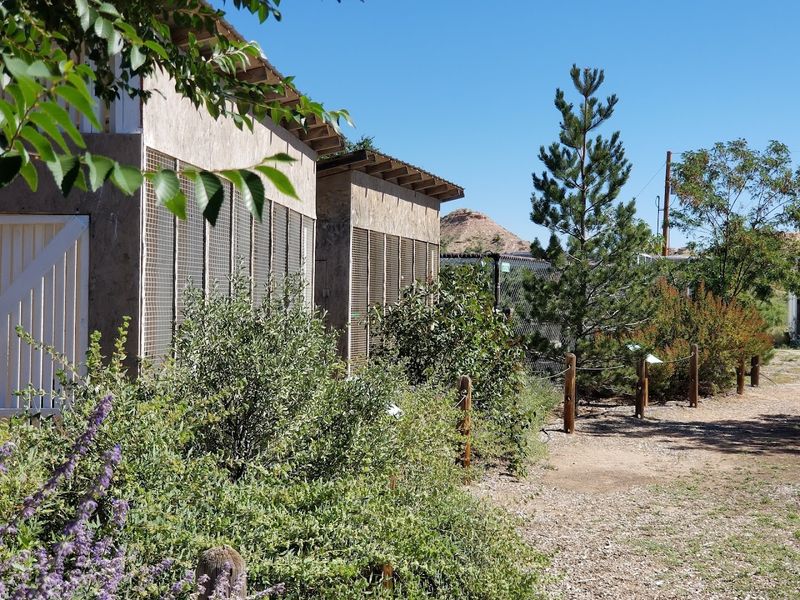
Behind every enclosure at this center, there is a story that starts with an animal in trouble and ends with a second chance. The on-site wildlife hospital treats between 650 and 900 injured and orphaned wild animals each year, representing more than 120 different species.
That is a staggering volume of care delivered by a passionate team working every day of the week.
Animals arrive for all kinds of reasons. Vehicle collisions, injuries from domestic pets, window impacts, and electrocution are among the most common causes.
Each patient is assessed, treated, and given the best possible chance of returning to the wild. Since the center opened in 1986, nearly 30,000 wild patients have received care within these walls.
For animals that cannot be released due to permanent injuries or human imprinting, life as an ambassador animal becomes their new purpose. They join the education team, sharing their stories with visitors and helping people understand the real cost of human activity on wildlife populations.
Walking through the grounds with that knowledge turns every animal sighting into something more meaningful. Each creature you see represents a rescue, a recovery, and a reason to care about the wild world beyond the fence.