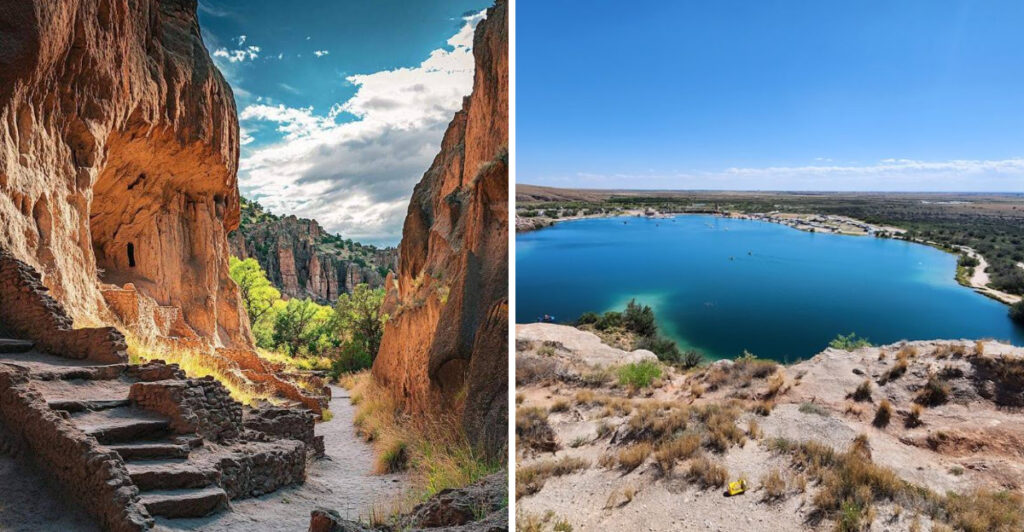
Easy hikes should still deliver the kind of views that make you stop mid-step. That is exactly what these trails do.
New Mexico packs volcanic rims, waterfall overlooks, ancient cliff rooms, and quiet wetlands into routes that do not demand an exhausting day on the trail. Some begin rewarding you almost immediately, while others save their biggest moment for the final stretch.
Either way, the payoff feels far bigger than the effort involved. You can circle the top of a volcano, look across brilliant desert lakes, or climb toward a cave used thousands of years ago without committing to a punishing trek.
These seven hikes prove that memorable scenery does not require sore knees or an intimidating mileage count. Bring water, wear dependable shoes, and leave room in your schedule to linger.
The hardest part may be deciding which trail deserves the first spot on your next weekend adventure list.
1. Jemez Falls Trail, Jemez Springs
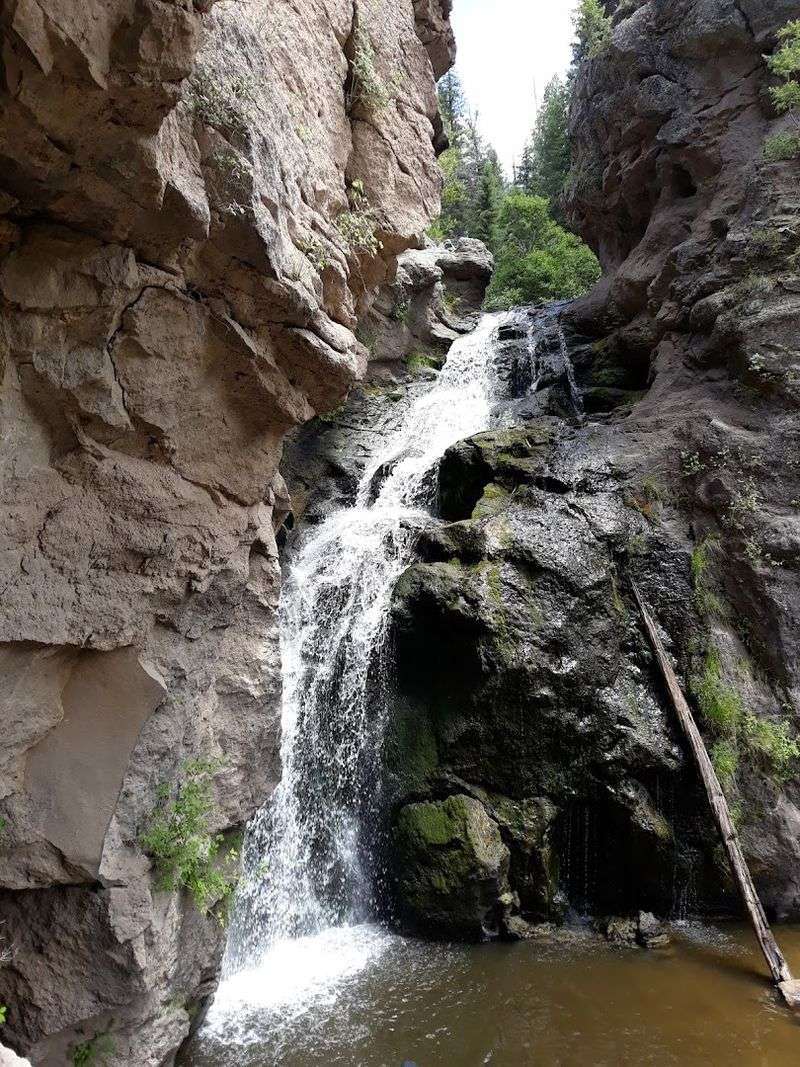
Water and desert are not words most people pair together, yet the Jemez Falls Trail proves that combination can produce something truly spectacular. Tucked inside the Santa Fe National Forest near Jemez Springs, NM 87025, this short out-and-back path leads you to the tallest waterfall in the Jemez Mountains.
The trailhead is currently closed for the season, so visitors should check Forest Service updates before planning this New Mexico outing.
Tall ponderosa pines line the path and cast generous shade across the trail, so even a warm summer afternoon feels manageable here. The route itself clocks in at under a mile round trip, which means families with young kids or anyone who prefers a relaxed pace will feel right at home.
Dogs on leashes are welcome, so your four-legged hiking buddy does not have to sit this one out.
The main event is a dramatic overlook where a roughly 70-foot waterfall drops into a rocky pool below. I stood at that railing for longer than I care to admit, just watching the mist drift up through the canyon.
Above the falls, a shallow pond invites waders who want to cool off after the walk.
Beyond the waterfall, the surrounding landscape tells its own story. Volcanic rock formations and river canyon walls frame the scene in layers of rust, gray, and deep green.
The contrast between the rushing water and the ancient stone creates a visual that feels almost too good to be real.
Spring brings peak water flow, turning the falls into a roaring curtain of white. Fall softens the experience with golden pine needles carpeting the trail underfoot.
No matter when you visit, the short distance means you can linger as long as you like without worrying about making it back before dark. Pack a snack, find a rock near the overlook, and simply enjoy the show.
2. Bluff Trail, Roswell
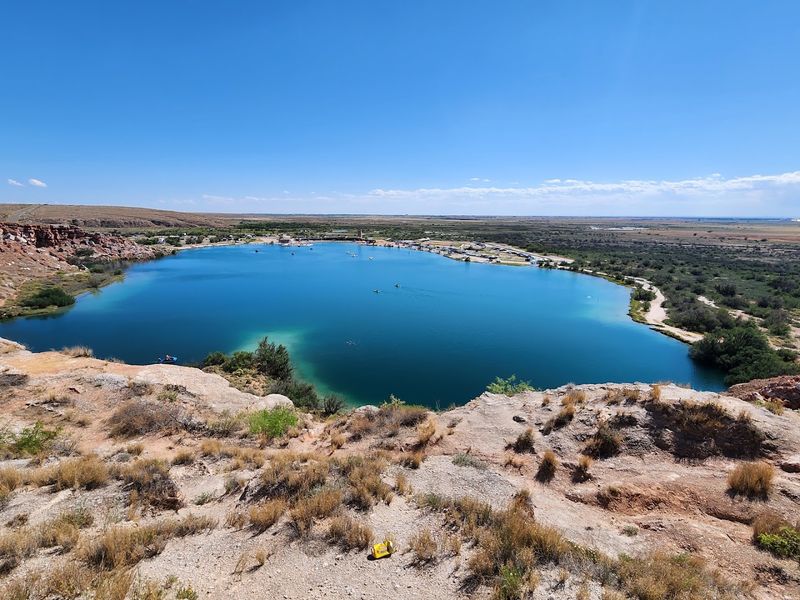
Roswell gets most of its fame from stories about little green visitors, but the landscape around Bottomless Lakes State Park gives the town a reason to brag that has nothing to do with the paranormal. The Bluff Trail at 545A Bottomless Lakes Road, Roswell, NM 88201, runs along elevated desert ridges that look straight down onto a chain of sinkhole lakes carved right into the earth.
The views hit you fast and they hit you hard.
This park holds the distinction of being New Mexico’s very first state park, and the Bluff Trail shows off its best features without demanding much effort. The path follows the top of the red cliffs that cradle the lakes below, giving hikers an elevated perspective that photographs simply cannot do justice.
The contrast between the rust-colored canyon walls and the vivid greenish-blue water is genuinely startling.
Those striking lake colors come from aquatic plants growing along the lake beds, creating an optical effect that makes the water look impossibly deep and richly saturated. The lakes range widely in depth, and their still surfaces catch the surrounding cliffs in perfect reflection on calm days.
I kept stopping to make sure I was actually seeing real water and not some kind of desert illusion.
Beyond the views, the park offers non-motorized boating and swimming at Lea Lake, so a hiking-and-swimming combo day is absolutely on the table. Birdwatchers will find the area especially rewarding during fall migration, when the lakes attract a wide variety of species passing through the Pecos Valley corridor.
Fall is genuinely the sweet spot for a visit here. Temperatures drop to comfortable levels, crowds thin out noticeably, and the light on the red cliffs turns warm and dramatic in the late afternoon.
Arrive early, walk the bluff, then head down to the water for the second half of a perfect outdoor day.
3. Sandia Man Cave Trail, Placitas
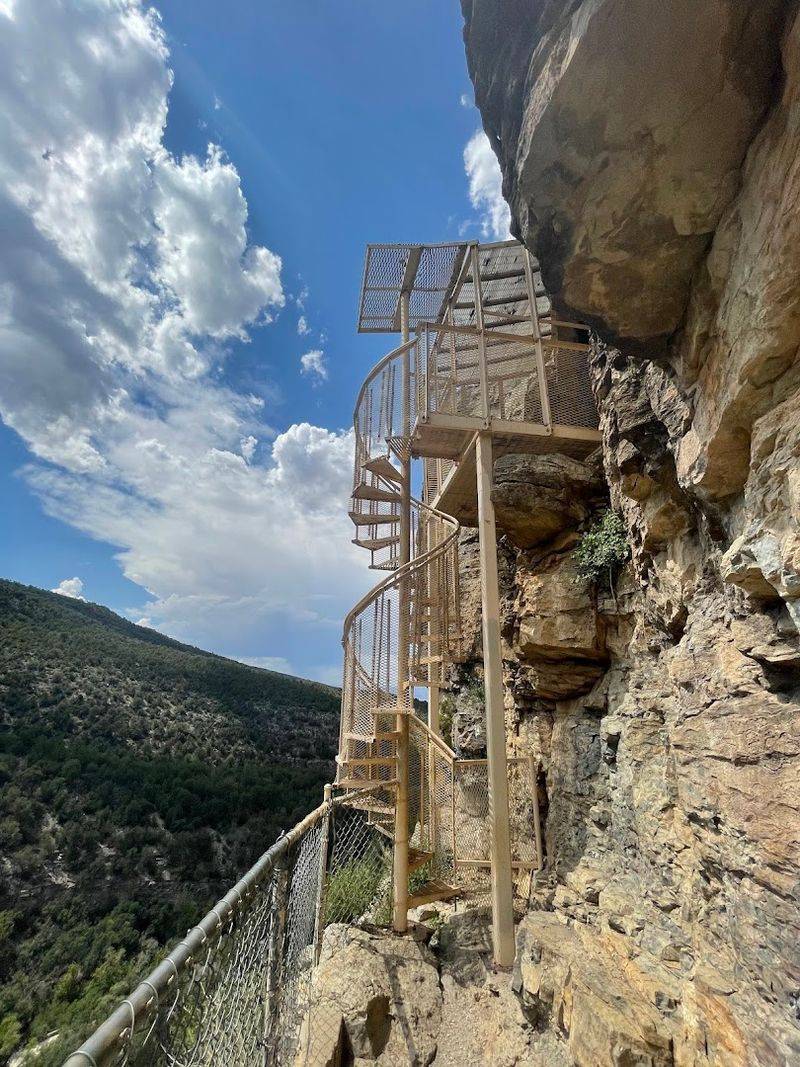
Few hikes lead somewhere that rewrites your sense of time quite like this one. The Sandia Man Cave Trail begins off State Road 165 in Placitas, NM 87043, winding through high desert scrub before delivering you to a limestone cave perched dramatically on the cliff walls of Las Huertas Canyon.
The approach alone, with its open valley views and canyon shadows, is worth the trip on its own terms.
What makes the destination so compelling is its age. Archaeologists discovered evidence that prehistoric humans sheltered inside this cave thousands of years ago, alongside remains of Ice Age animals that no longer roam these mountains.
The site earned National Historic Landmark status, which tells you something about how significant the find really was.
Getting to the cave entrance is half the adventure. After the trail portion, you navigate a concrete staircase, then carefully pick your way along a narrow limestone ledge, and finally climb a metal spiral staircase that deposits you right at the cave’s mouth.
It sounds more intense than it actually is, but the sequence does give the whole experience a satisfying sense of earned arrival.
Inside, the cave opens into a cool, quiet chamber where the outside world feels very far away. I brought a solid flashlight and pushed a bit deeper, which revealed additional passages and a real sense of the space those ancient inhabitants actually occupied.
Without a light source, the interior gets dark quickly, so come prepared.
The trail itself moves through classic Sandia Mountain scenery, with pinon pine and juniper framing long views across the Rio Grande Valley. Morning light is especially flattering on the canyon walls, painting them in warm amber tones before the midday sun flattens everything out.
Plan for a few hours total, and do not rush the cave portion, because standing inside a shelter used by humans thousands of years ago deserves a quiet moment of respect.
4. Pueblo Loop Trail, Los Alamos
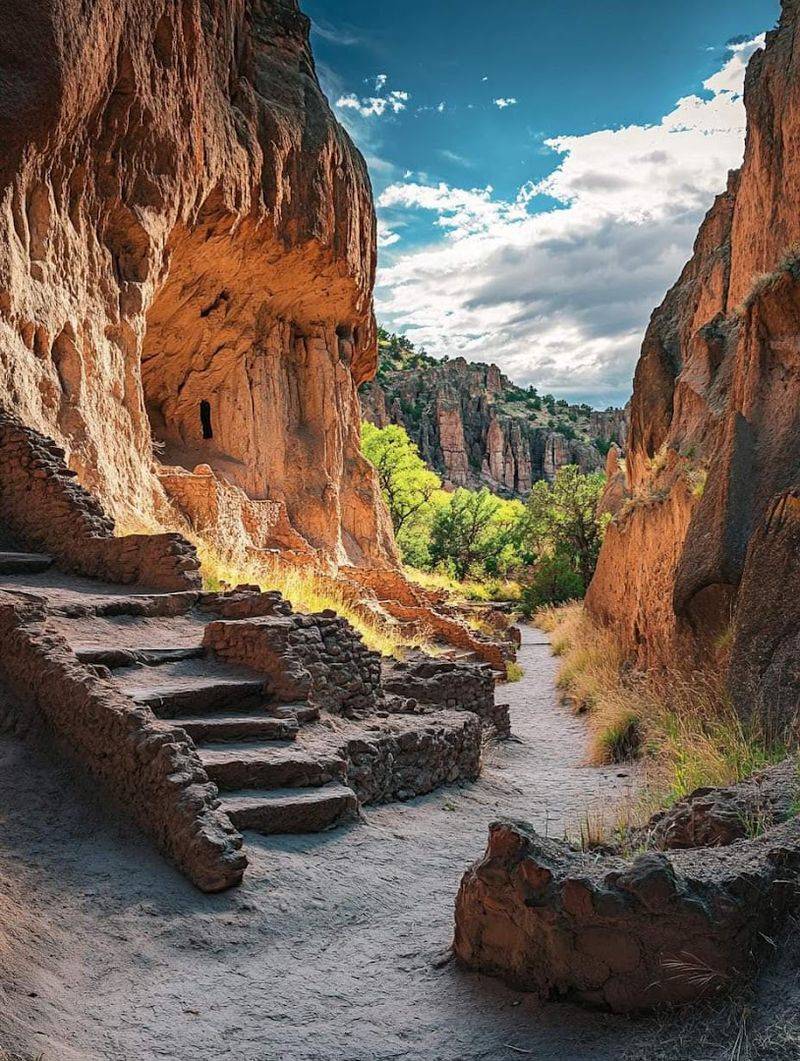
Bandelier National Monument holds one of the most accessible windows into ancient Pueblo culture anywhere in the Southwest. The Pueblo Loop Trail at 15 Entrance Road, Los Alamos, NM 87544, follows an easy path through Frijoles Canyon, where volcanic tuff cliffs rise on both sides and the remnants of a civilization that thrived here for centuries are simply built into the rock.
You do not need an archaeology degree to feel the weight of what you are looking at.
The trail passes the circular foundation ruins of Tyuonyi, a large village that once housed hundreds of people at its peak. A short detour leads to the reconstructed Talus House, where interpretive displays help fill in the picture of daily life.
The Big Kiva, a ceremonial underground chamber, sits nearby and offers a tangible sense of the community rituals that shaped this culture.
The most hands-on section involves climbing wooden ladders up into the cavates, small rooms carved directly into the soft cliff face by the Ancestral Pueblo people. I climbed up into one and crouched inside, looking out over the canyon floor from the same vantage point someone had eight or nine centuries ago.
That kind of direct connection is rare on any trail.
The canyon itself adds to the experience with cottonwood trees lining the creek bottom and canyon wrens calling from the rocks above. Wildlife sightings are common, particularly mule deer that seem remarkably unbothered by visitors.
The loop is manageable year-round since the lower canyon trail stays clear even when higher elevations see snow.
Picking up a self-guided trail booklet at the visitor center before you start pays real dividends. The numbered stops along the route transform a pleasant walk into a genuinely educational experience, and the descriptions are written in plain language that kids and adults absorb equally well.
Budget at least two hours so you can linger at the ladder sections.
5. Crater Rim Trail, Capulin
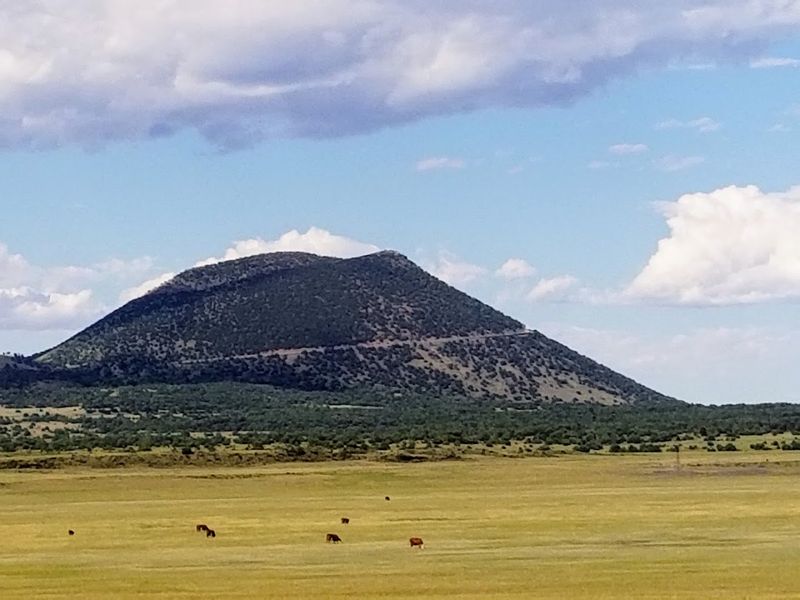
A trip around the edge of a volcano sounds extreme, but it is surprisingly approachable at Capulin Volcano National Monument. The Crater Rim Trail at 46 Volcano Highway, Capulin, NM 88414, is a paved one-mile loop that circles the top of a nearly perfect cinder cone, giving you a full 360-degree view of one of the most geologically interesting landscapes in the entire region.
The drive up to the rim is already impressive before you take a single step.
The Raton-Clayton Volcanic Field spreads out in every direction from this vantage point, dotted with more than a hundred other cinder cones and lava formations. On a clear day, the view extends across four states, a payoff that feels wildly disproportionate to the mild effort required to earn it.
Wayside exhibits placed along the trail explain what you are seeing in approachable, non-technical language.
From the rim, you can clearly trace the ancient lava flows that poured out from the volcano and solidified into the dark, wrinkled terrain below. The scale of it is something that photographs consistently undersell.
I remember thinking that the lava field looked almost freshly cooled, even though it has been sitting there for a very long time.
For hikers who want a little more, the Crater Vent Trail branches off and descends to the very bottom of the crater, where the ground is soft and the silence is total. It adds modest distance and a completely different perspective on the same volcanic structure.
The contrast between the exposed rim and the sheltered interior is striking.
Capulin holds Gold Tier Dark Sky Park status, so if you can arrange a visit around sunset, you are in for an extraordinary evening. Stars appear in numbers that feel almost theatrical once the sky fully darkens over the volcanic plain.
6. Leonora Curtin Wetland Preserve Trails, Santa Fe
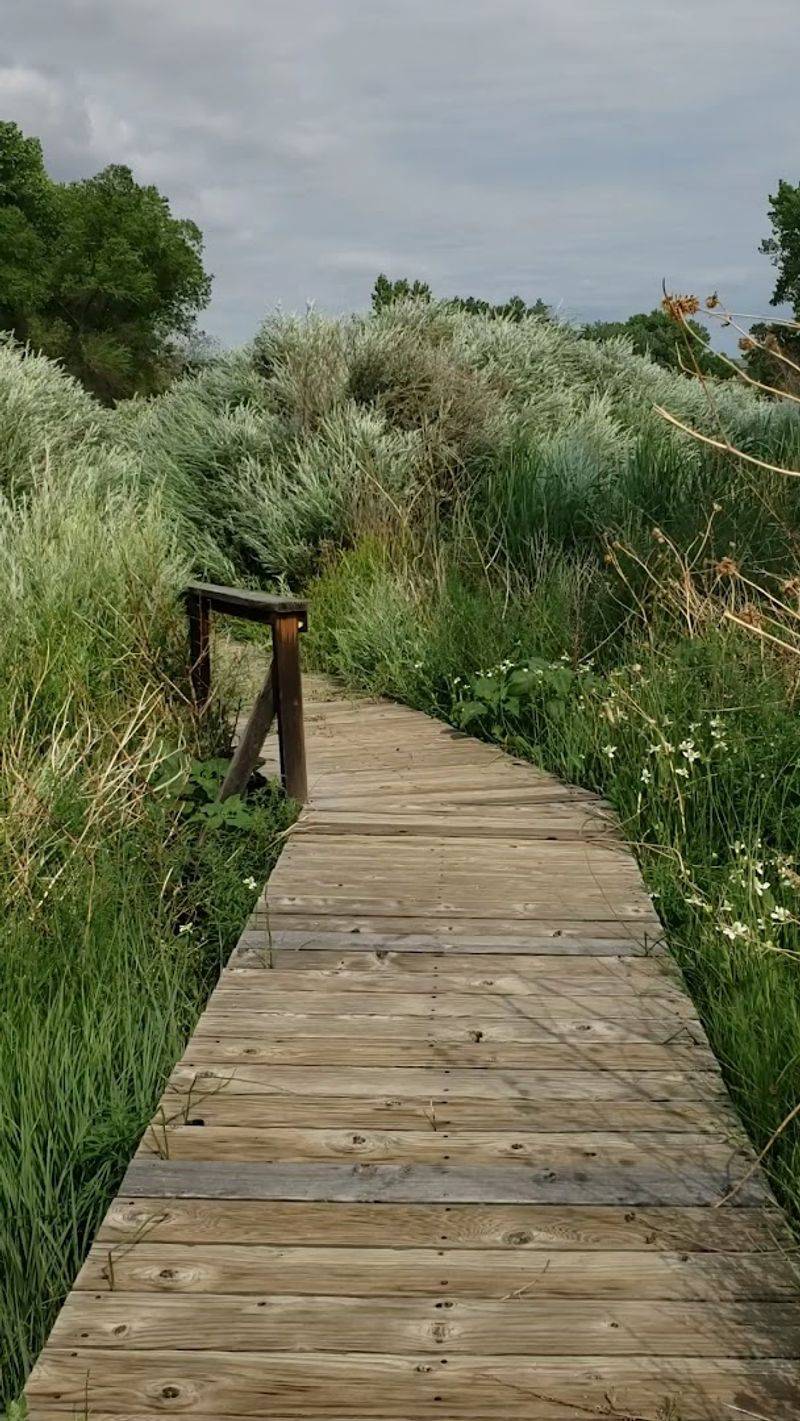
Stumbling onto a thriving marsh in the middle of the arid Southwest feels like finding a secret the landscape has been keeping to itself. The Leonora Curtin Wetland Preserve Trails at 334 Los Pinos Road, Santa Fe, NM 87507, protect a rare cienega, the Spanish word for a marshy spring-fed wetland, tucked into a 35-acre preserve that bursts with life in every season.
The contrast with the surrounding dry terrain is immediate and a little surreal.
A one-mile trail loops through three distinct plant zones, moving from the lush riparian core out through a transitional scrub zone and finally into dry upland habitat. Each zone has its own texture and character, so the walk never feels repetitive despite the short distance.
Interpretive signs along the path identify plants and explain the ecological relationships that keep this unusual ecosystem functioning.
Birdwatchers will want to move slowly here. Over two hundred bird species have been recorded in the preserve, and the wetland edges attract Great Blue Herons, Cooper’s Hawks, and a rotating cast of migratory waterfowl throughout the year.
Monarch butterflies drift through during their seasonal passage, and beavers have become a regular presence along the waterway, their engineering work visible in dammed sections of the creek.
Access to the preserve runs through El Rancho de las Golondrinas, a living history museum that occupies the same property. Your admission typically covers entry to both the museum and the preserve, making for a layered cultural and natural experience on a single outing.
I found the combination of colonial-era history and wild wetland ecology an unexpectedly satisfying pairing.
Early morning visits reward patience with the best bird activity and the softest light on the water. The preserve stays relatively uncrowded compared to the more famous trails around Santa Fe, which means you can take your time without feeling rushed by a parade of passing hikers.
Quiet, unhurried, and genuinely alive, this trail earns its place on any Santa Fe itinerary.
7. Old Stone Dam Trail, Santa Fe
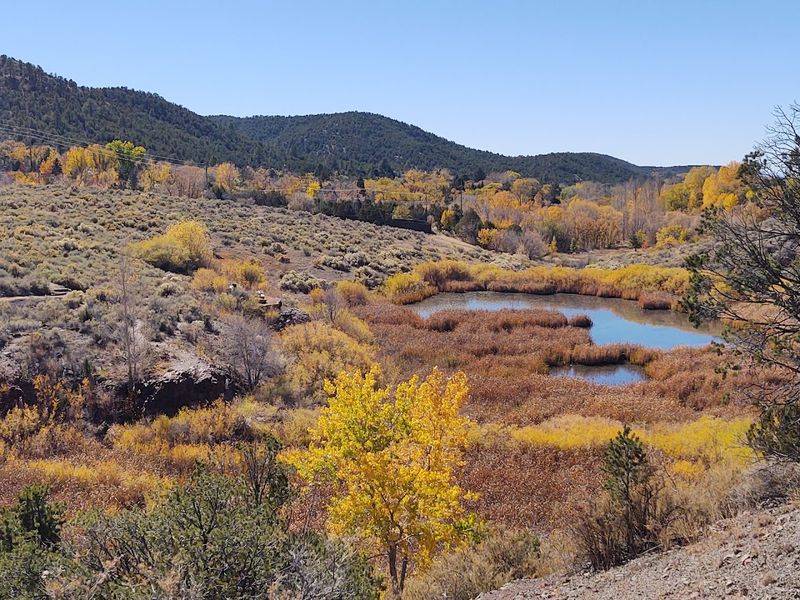
The Old Stone Dam Trail inside Santa Fe Canyon Preserve is currently closed because drought has increased wildlife activity in the area. The trailhead sits near the intersection of Upper Canyon Road and Cerro Gordo Road, Santa Fe, NM 87501, just a short drive from the city center, yet the preserve feels removed from urban life the moment you step onto the path.
The foothills of the Sangre de Cristo Mountains rise ahead of you, and the city noise fades quickly behind.
The trail follows a 1.5-mile interpretive loop around the ruins of a stone dam built in 1881 as the city’s first serious attempt to harness the Santa Fe River for its water supply. A major flood in 1904 filled the reservoir with silt, effectively ending its working life, but the stone walls remain, half-buried and quietly photogenic along the creek bank.
Reading about nineteenth-century water engineering while standing next to the actual crumbling evidence of it is a surprisingly engaging experience.
The 525-acre preserve protects a stretch of riparian habitat that supports an impressive variety of wildlife. Mule deer move through the cottonwood groves with casual confidence, and the creek corridor draws an interesting mix of songbirds, raptors, and occasional fox sightings.
I spotted a red-tailed hawk riding thermals above the canyon rim on my visit, which felt like a bonus I had done nothing to deserve.
The loop connects to the larger Dale Ball Trail system, so hikers who want more mileage can extend their outing significantly without returning to the parking area. The connection makes this preserve a practical starting point for longer explorations into the surrounding foothills.
Trail junctions are well-marked, so navigation stays straightforward even for first-time visitors.
Autumn is a particularly rewarding season here, when the cottonwoods along the creek turn a deep, warm gold. The color peaks fast and does not last long, so timing matters if you want the full effect.