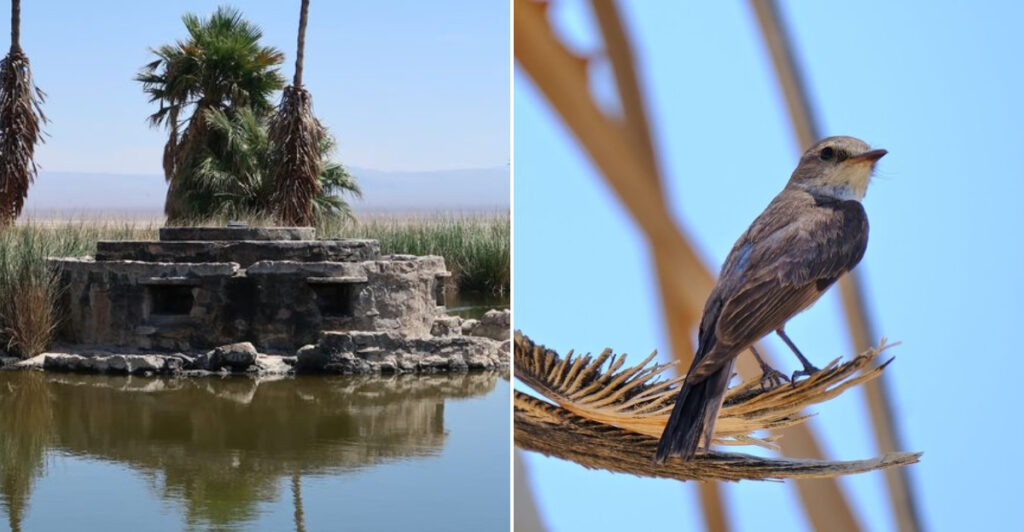
Earth called. California declined it. The comparison sounds dramatic, I know.
It sounds like too much until your ordinary road trip expectations begin losing their argument. This stop follows its own strange orbit. California gives the mystery an alphabet-defying name and a lake with an important conservation role.
You may arrive chasing novelty. Curiosity will probably extend the visit.
The setting rewards attention without performing for it. History supplies enough eccentricity to keep the silence interesting.
An old wellness empire once sold improbable promises here. Today, conservation and research write the smarter sequel. The lake plays a protected role, so admiration requires respectful distance.
That boundary deepens the intrigue. This remote corner turns a simple highway exit into deliciously strange travel lore worth retelling later.
The Desert Lake That Should Not Exist
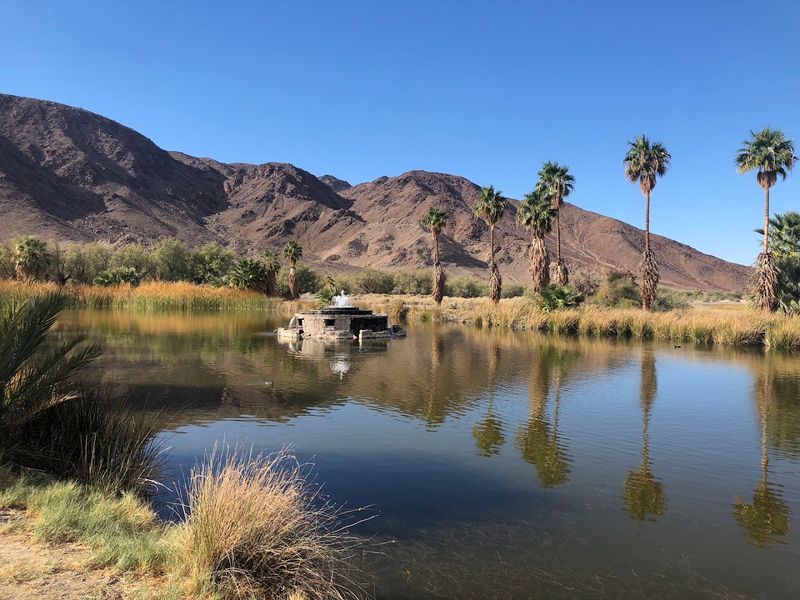
The desert ordered a lake, then skipped the explanation.
Lake Tuendae appears beside Soda Dry Lake near Zzyzx, on Mojave National Preserve’s western side. Its presence seems improbable, yet the history is more complicated than a natural lake appearing from nowhere.
Soda Springs formed a genuine desert oasis long before the current pond. Indigenous Mohave and Chemehuevi people used the spring system for generations, followed later by explorers and the U.S.
Army.
Lake Tuendae itself is artificial. Resort founder Curtis Springer excavated the pond around 1955, then fish from nearby MC Spring entered its conservation story.
The National Park Service identifies it as important refuge habitat for the endangered Mohave tui chub.
That distinction improves the mystery. Ancient regional water, twentieth-century ambition, and modern conservation all occupy the same compact site.
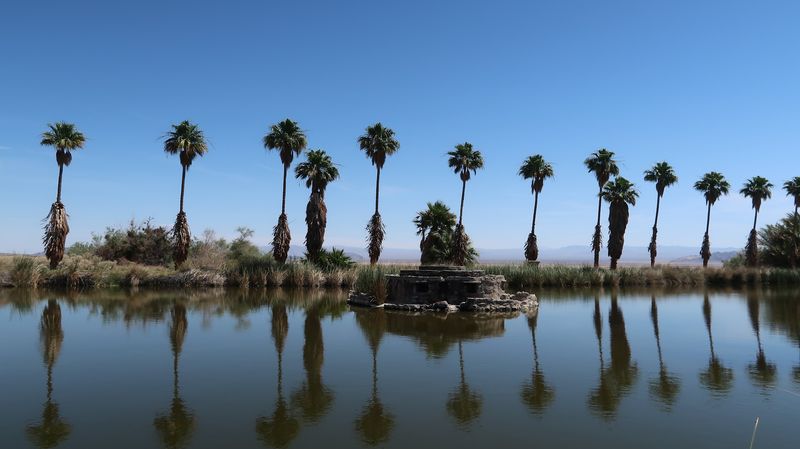
Palm trees and reeds sharpen the contrast with the dry basin nearby. Their reflections create the otherworldly image that sends cameras into overtime.
Reach the public parking area about five miles south of Interstate 15 on Zzyzx Road. The lake looks impossible.
Its human-made history makes it even stranger.
Zzyzx Road And The Story Behind The Name
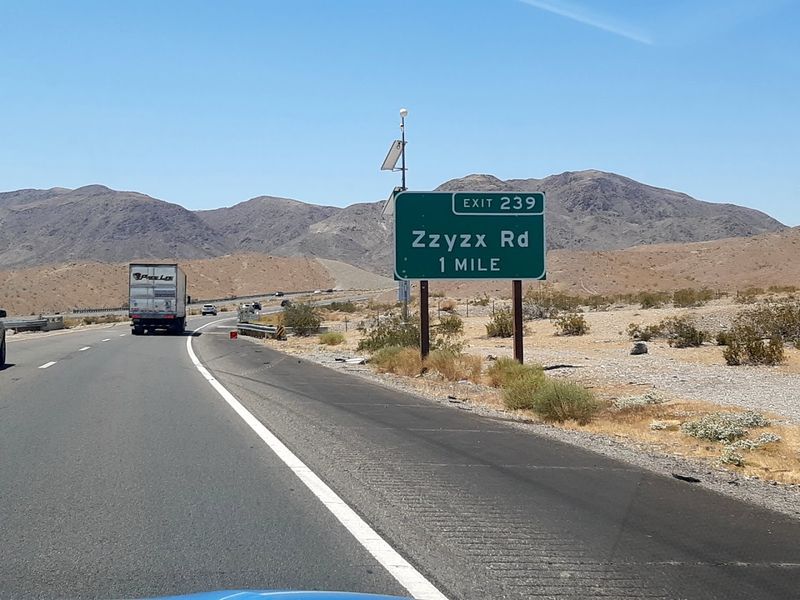
Alphabetically, this road refuses to let anyone have the last word. See what I did there?
Curtis Springer coined Zzyzx in 1944. He claimed his invention would land last in the English language, which suited a broadcaster skilled at commanding attention.
Springer called himself a doctor despite leaving school after ninth grade. He developed Zzyzx Mineral Springs and Health Resort on federal land claimed for mining.
His radio program drew guests to the desert. The resort eventually included accommodations, gathering spaces, soaking facilities, and farms that supported Springer’s elaborate wellness pitch.
Federal scrutiny eventually reached the operation. The Bureau of Land Management disputed Springer’s mining claims, while other agencies challenged his advertising and financial practices.
The resort era ended during the 1970s. California State University assumed operation of the facility in 1976 and converted it into a field station.
The highway sign now supplies its own roadside comedy. Drivers see six consonant-heavy letters and immediately begin negotiating pronunciation.
Zzyzx may have been designed to appear last alphabetically, but it begins most conversations here.
What The Water Looks Like Up Close
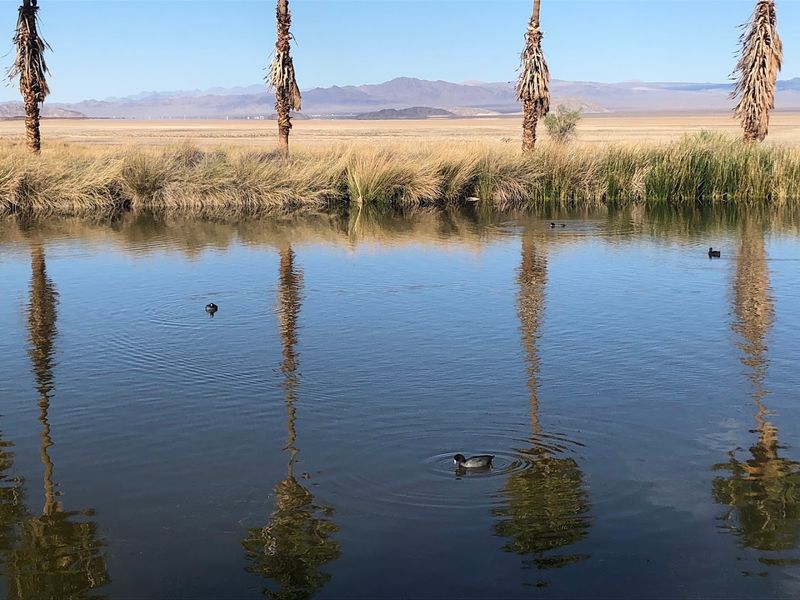
The water wins attention without inviting anyone inside.
Lake Tuendae is compact enough to study from several angles during one short outing. An easy quarter-mile nature trail circles the pond from the Zzyzx parking area.
Wind and light change its appearance quickly. Calm conditions produce sharp reflections, while a breeze breaks the surface into smaller flashes of sky and palms.
The rock formation near the center adds another peculiar note. It resembles an island waiting for explorers, although public access belongs on the marked shoreline route.
Wayside exhibits introduce the oasis’s cultural history. Reading them gives the water more context than photographs alone can carry.
Follow Lake Tuendae Loop Trail signs throughout the visit. They keep visitors on public land and away from the active Desert Studies Center campus.
The buildings opposite the lake are occupied university property. They are neither abandoned ruins nor open sets for unsupervised exploring.
The best close look therefore comes with a clear boundary. The water provides the view and keeps its protected purpose.
The Wildlife Living In An Unlikely Place
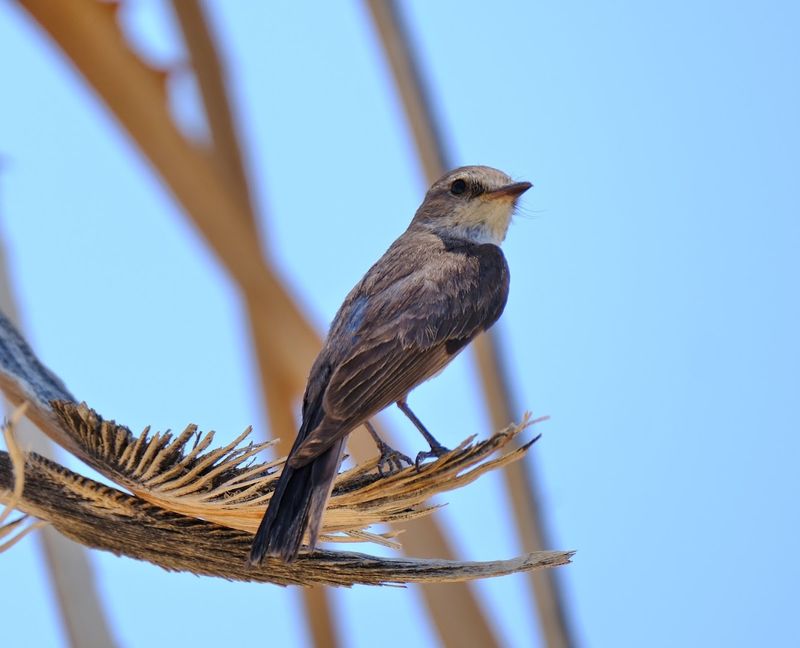
A tiny fish carries a very large conservation story.
The endangered Mohave tui chub is native to the Mojave River basin. Lake Tuendae’s population arrived from MC Spring, another refuge within the Zzyzx area.
That correction changes the original legend. The fish did not survive inside this specific pond for thousands of years because the pond dates to the 1950s.
Its broader lineage, however, belongs deeply to the region. Lake Tuendae now supports research concerning population health, habitat conditions, parasites, and interactions with other species.
Birdlife offers a more visible reward. The National Park Service describes Zzyzx as one of the area’s stronger birding locations because water concentrates activity in the arid basin.
Migration can deliver changing visitors, while resident birds use the oasis during ordinary desert days. Binoculars help without disturbing the shoreline.
Reptiles and insects also occupy the surrounding habitat, though sightings never arrive on cue. Watching quietly gives wildlife space and improves the odds of noticing movement.
Picnicking On The Island In The Middle Of The Lake
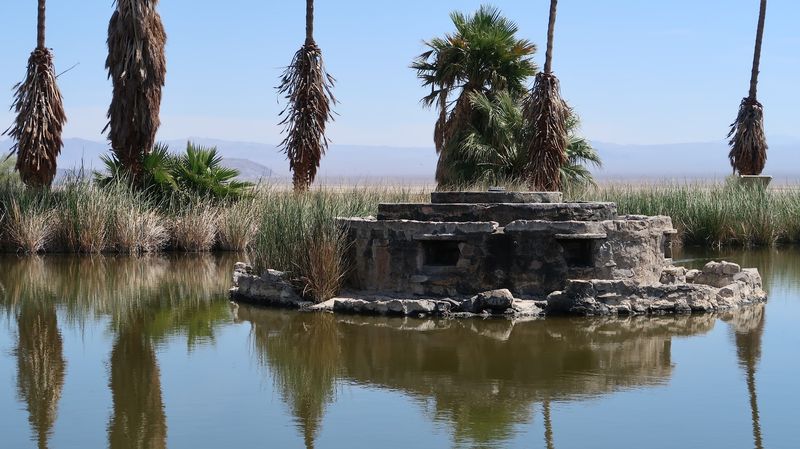
The island can keep its mystery. Lunch belongs on shore.
National Park visitors may use the picnic area beside Lake Tuendae.
The central rock feature, by the way, is not a picnic destination, and reaching it by paddling or wading conflicts with permitted public access.
That boundary does not diminish lunch. The designated area provides the oasis backdrop without putting habitat or university property at risk.
Pack food before entering Mojave National Preserve. Zzyzx has no restaurant, market, or public snack counter waiting beyond the highway exit.
Bring more drinking water than the meal seems to require. Desert heat changes the calculation quickly, and no public potable water is available at this site.
Shade may be limited as the sun shifts. A hat and sun protection earn their luggage space before sandwiches leave the cooler.
Keep crumbs, wrappers, and leftovers away from wildlife. Packing everything out protects the setting and prevents animals from associating visitors with food.
A simple picnic gains plenty of personality here. Lunch gets the oasis view without trespassing on its purpose.
The Desert Silence That Resets Your Mind
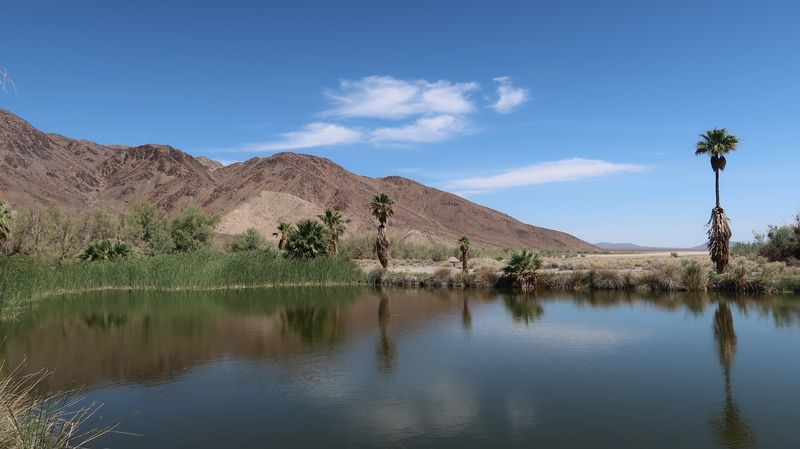
Silence clocks in early at Zzyzx.
The quiet here carries texture. Wind brushes palms, birds interrupt briefly, and distant highway noise may fade beneath the broader desert hush.
The quarter-mile loop encourages unhurried movement. Its scale permits pauses without turning the visit into an athletic project.
Campus activity can occasionally add voices or vehicles. Other travelers may also arrive, so complete solitude is never promised.
Stillness does not require absolute silence, anyway. The appeal comes from having fewer distractions and more space between them.
Sit only in public areas and let the shoreline hold your attention. Watch the light change, notice a bird, then allow the next minute to stay uncomplicated.
Zzyzx gives the brain an unusually quiet assignment. Observe, breathe, and avoid inventing a schedule for the water.
The desert does not request your attention. It simply collects it.
The California State University Desert Studies Center
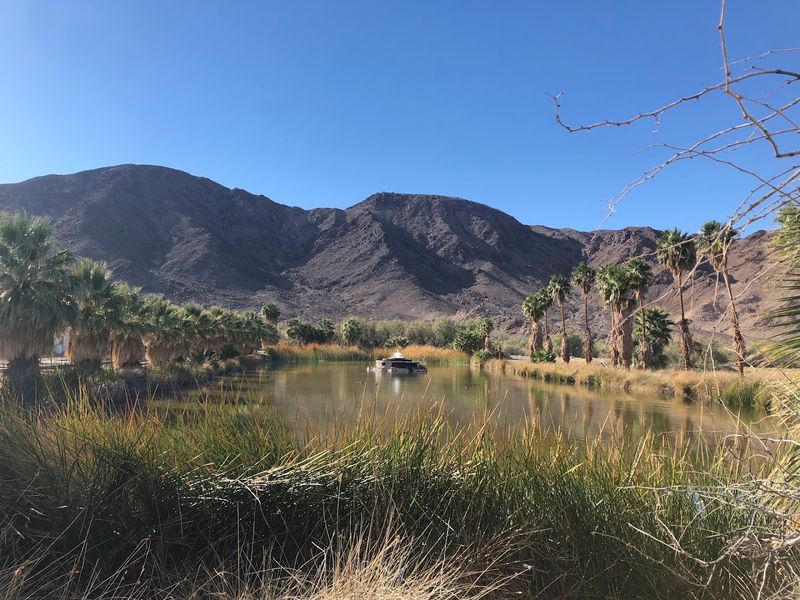
Science inherited the strangest address in California.
The Desert Studies Center occupies a 1,280-acre field station beside Soda Dry Lake. It became a CSU facility in 1976, following the closure of Springer’s resort operation.
Seven Southern California CSU campuses participate in the governing consortium. The location supports university courses, field research, and reserved educational programs in the Mojave.
Researchers gain direct access to varied desert environments near the station. The campus also supports instruction through laboratories, collections, meeting facilities, and lodging for approved users.
Old resort buildings give the center an unusual architectural inheritance. Their current academic role is more important than their abandoned appearance might suggest from public land.
The station also anchors ongoing study of Lake Tuendae and its endangered fish. Scientific work here connects the small pond with broader questions about desert ecology and conservation.
Public boundaries deserve close attention. The road separating the lake from campus also marks the property line, and the university side requires permission.
Visitors still gain a meaningful glimpse from the loop. Zzyzx traded miracle tonics for field notebooks, an excellent academic plot twist.
How To Make The Most Of A Visit Here
The Mojave respects preparation more than optimism.
Use the Zzyzx Road exit from Interstate 15, west of Baker, then travel roughly five miles to parking. Check National Park Service road updates shortly before departure because desert conditions change quickly.
The latest park update lists Zzyzx Road as open, with caution advised on its small gravel section. Potholes, ruts, debris, and standing water can appear after rough weather.
Fill the fuel tank before entering the preserve. Gas is not sold inside, and food is also unavailable within park boundaries.
Carry at least one gallon of drinking water per person for each day. Extra water belongs in the vehicle, even during a brief stop.
Choose a cooler portion of the day when possible. Summer heat can become extreme, while winter can introduce cold conditions that surprise lightly dressed travelers.
Pack sun protection, sturdy shoes, food, and a paper map. Cell coverage is unreliable, so share the route and expected return time with someone beforehand.
At the lake, follow posted trail signs and keep the university campus private. Use the picnic area, observe wildlife from a respectful distance, and leave every item you find.
Preparation handles the logistics. The oasis handles the surprise.