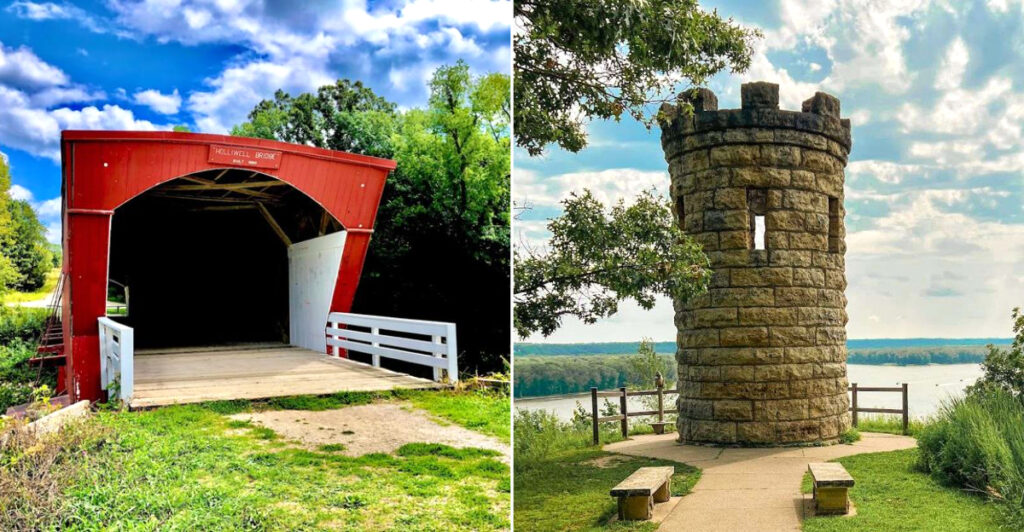
Iowa road trips get a lot more interesting once you stop treating the state like a straight line on a map.
That is when the good stuff starts showing up.
A bluff appears where you expected flat land. A river overlook makes you pull over without discussing it.
An old bridge turns a quick stop into fifteen quiet minutes you did not plan.
I like drives like that.
They do not need a packed schedule or some dramatic final destination. They just need a road with enough surprises to keep you looking out the window.
These thirteen Iowa scenic byway stops make summer travel feel slower, prettier, and much harder to rush.
1. Effigy Mounds National Monument, Harpers Ferry
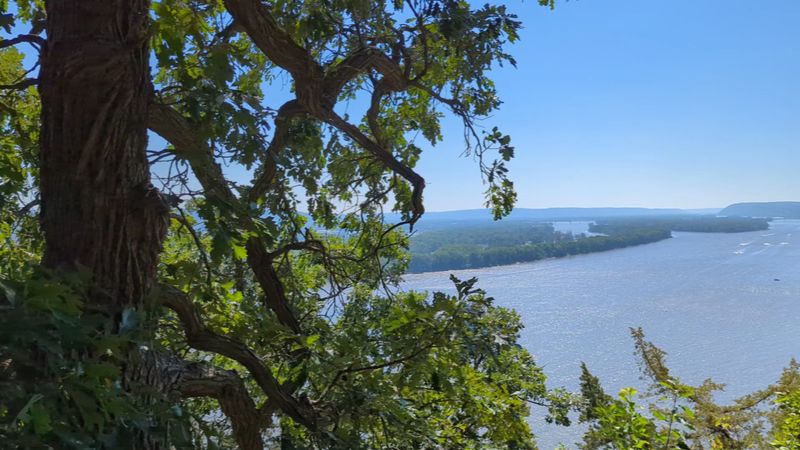
Perched high above the Mississippi River on wooded bluffs, Effigy Mounds National Monument protects one of the most remarkable prehistoric sites in the entire country.
Located at 151 Highway 76 in Harpers Ferry, Iowa, this national monument preserves more than 200 ancient earthen mounds built by Indigenous peoples between approximately 2,500 and 700 years ago.
Many of the mounds are shaped like birds and bears, and walking among them on a quiet summer morning feels genuinely humbling.
The trails here wind through dense forest before opening up to overlooks with sweeping views of the Mississippi River valley below.
Marching Bear Group is one of the most impressive clusters, with ten bear-shaped and three bird-shaped effigy mounds forming a remarkable procession across the landscape.
The visitor center does a thoughtful job of explaining the cultural significance of the site without reducing it to a roadside curiosity.
Plan for at least two to three hours if you want to reach the best overlooks and soak in what makes this place so quietly powerful.
2. Pikes Peak State Park, McGregor
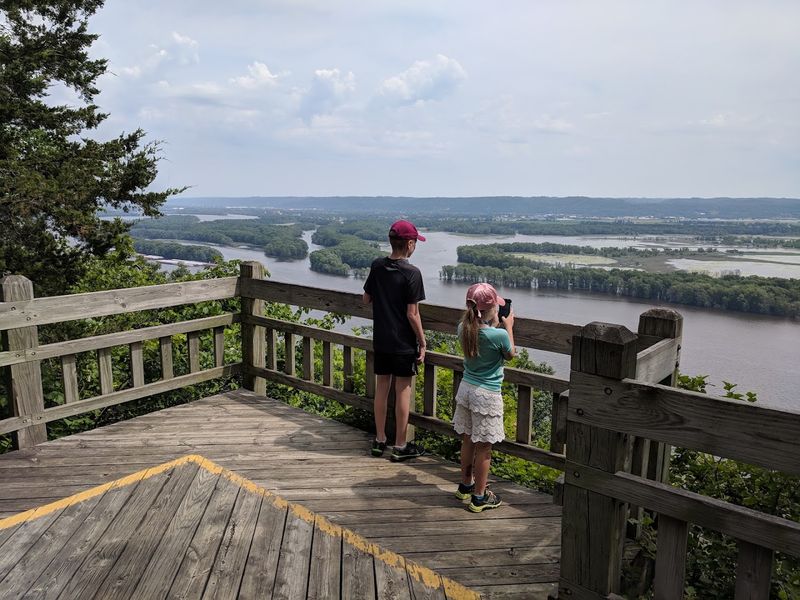
At 500 feet above the Mississippi River, Pikes Peak State Park in McGregor offers one of the highest and most jaw-dropping overlooks in the entire state of Iowa.
The address is 32264 Pikes Peak Road, and the park sits right where the Wisconsin River meets the Mississippi, giving you a two-river panorama that is hard to beat anywhere in the Midwest.
Summer brings lush green canopies that frame the view perfectly, and the overlook platform lets you stand at the edge and take it all in without any obstruction.
Beyond the famous viewpoint, the park has several miles of hiking trails that dip down through ravines and past a small waterfall called Bridal Veil Falls.
The combination of geological drama and river scenery makes this one of those stops where people consistently take far more photos than they planned.
Bring good walking shoes because some of the trails have steep sections, and the ground can be slippery near the waterfall after recent rain.
3. Yellow River State Forest, Harpers Ferry
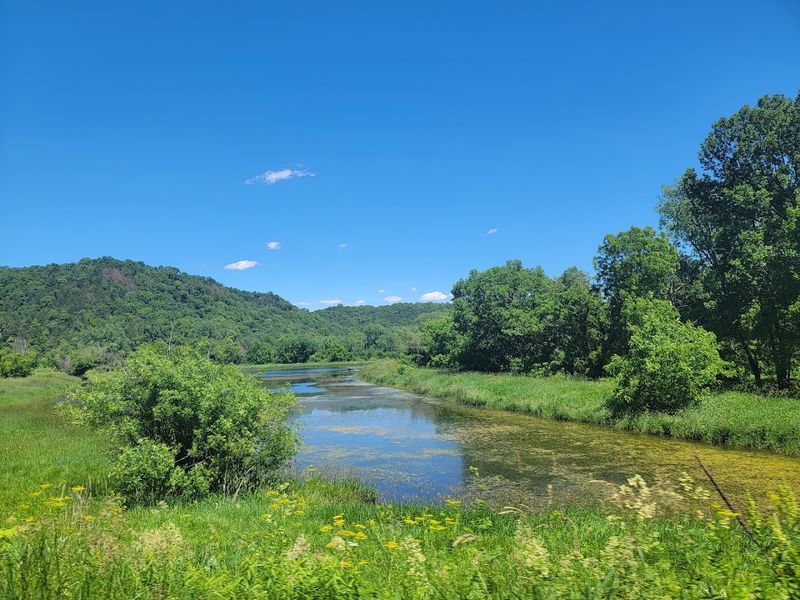
Tucked between Effigy Mounds and the Yellow River, Yellow River State Forest is the kind of place that rewards travelers who are willing to slow down and wander.
Located at 729 State Forest Road in Harpers Ferry, this is one of Iowa’s largest state forests, covering more than 8,900 acres across six rugged and heavily wooded units.
The forest is threaded with trout streams, which makes it a favorite for anglers during summer months when the water is clear and the fish are active.
Hikers will find a network of trails that climb ridges and drop into cool, shaded hollows where the temperature drops noticeably even on hot July afternoons.
Backpack camping is allowed in designated areas, which means you can spend a night under the trees and wake up to birdsong instead of traffic noise.
The Paint Creek Unit is the forest’s largest section and contains most of its marked trails, campgrounds, trout streams, and other recreational facilities.
It is the kind of stop that feels like a reward for anyone paying attention to the landscape around them.
4. Osborne Visitor, Nature & Welcome Center, Elkader
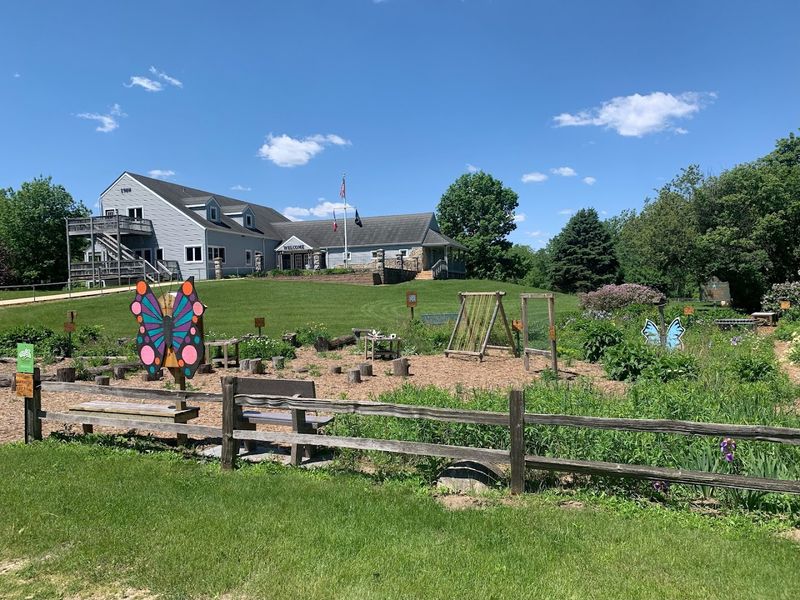
Nestled beside the Volga River near Elkader, the Osborne Visitor, Nature and Welcome Center at 29862 Osborne Road is a fantastic first stop before exploring the Driftless Area of northeastern Iowa.
The center sits on land with beautiful views of the surrounding forest, grasslands, and river corridor, and the staff here genuinely know the region inside and out.
Exhibits and programs introduce visitors to northeast Iowa’s native wildlife, ecology, conservation, and local history, while the Pioneer Village adds another layer to the experience.
Outside, walking trails, a nature playground, wildlife exhibits, and river access let you stretch your legs and get a feel for the landscape before heading deeper into the byway.
The Volga River runs through the property and provides opportunities for fishing and nature exploration, while the staff can also offer information about other outdoor destinations around Clayton County.
Elkader, the town nearby, is one of the most charming small towns in this part of Iowa, with a stone arch bridge and a historic opera house worth a quick visit.
Consider this stop your orientation point for everything the Driftless Area has to offer.
5. Volga River State Recreation Area, Fayette
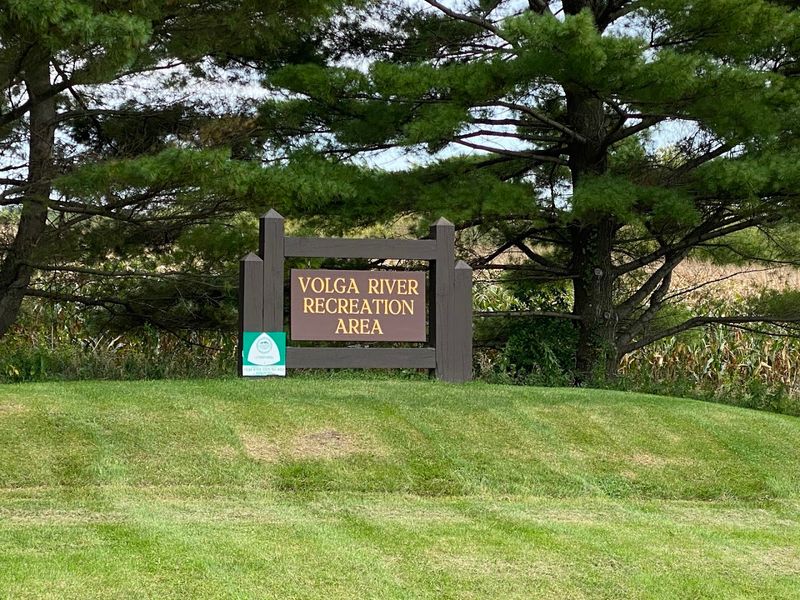
The Volga River State Recreation Area near Fayette, Iowa is one of those places that feels bigger than it looks on a map, with approximately 5,700 acres of hills, valleys, prairie, forest, and river bottomland to explore.
The address is 10255 Ivy Road, and the recreation area includes both the Volga River and Frog Hollow Lake, giving visitors several different ways to experience the water.
Horseback riding is a major draw here, with a dedicated trail system that covers miles of terrain through open meadows and forested ridges.
Hikers and mountain bikers also use the trails, making this a lively destination on summer weekends without always feeling overcrowded.
Camping is available in designated campgrounds, including facilities designed for equestrian visitors and traditional campers.
Anglers can fish Frog Hollow Lake for species such as bluegill, crappie, largemouth bass, and channel catfish, while the Volga River also offers opportunities for bass and catfish.
The landscape here has a wild, undeveloped quality that sets it apart from more polished parks.
6. Bellevue State Park, Nelson Unit, Bellevue
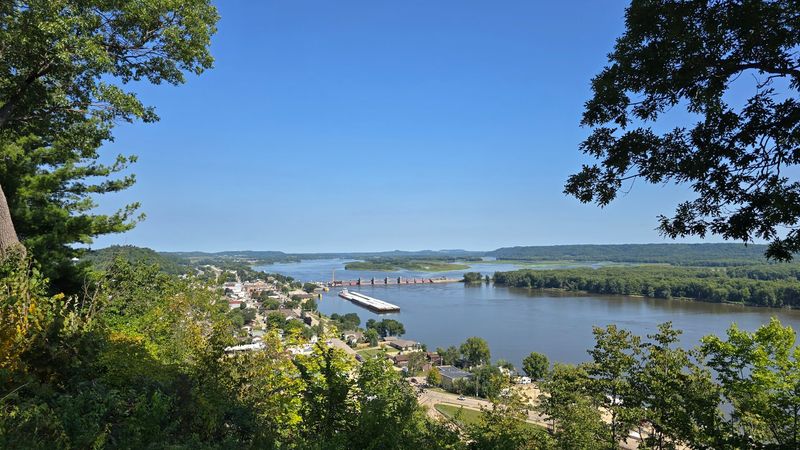
High bluffs, butterfly gardens, and sweeping river views make Bellevue State Park a standout stop along the Great River Road in eastern Iowa.
The Nelson Unit, located at 24668 Highway 52 in Bellevue, sits on a ridge above the Mississippi and offers some of the most photographed overlooks in this part of the state.
The butterfly garden here is a genuine delight, attracting dozens of species throughout the summer months and drawing visitors who might not otherwise think of themselves as butterfly enthusiasts.
Trails wind through oak and hickory forest before reaching the bluff edge, where the view opens up across the wide Mississippi floodplain in a way that genuinely stops you in your tracks.
The town of Bellevue itself is worth a wander, with a charming main street, a historic lock and dam, and a small riverfront park where you can watch barges push slowly upstream.
Spring and early summer bring wildflowers to the forest floor, adding color to an already scenic stretch of trail.
This is one of those parks that rewards a slow, unhurried visit over a rushed one.
7. Mines of Spain State Recreation Area, Dubuque
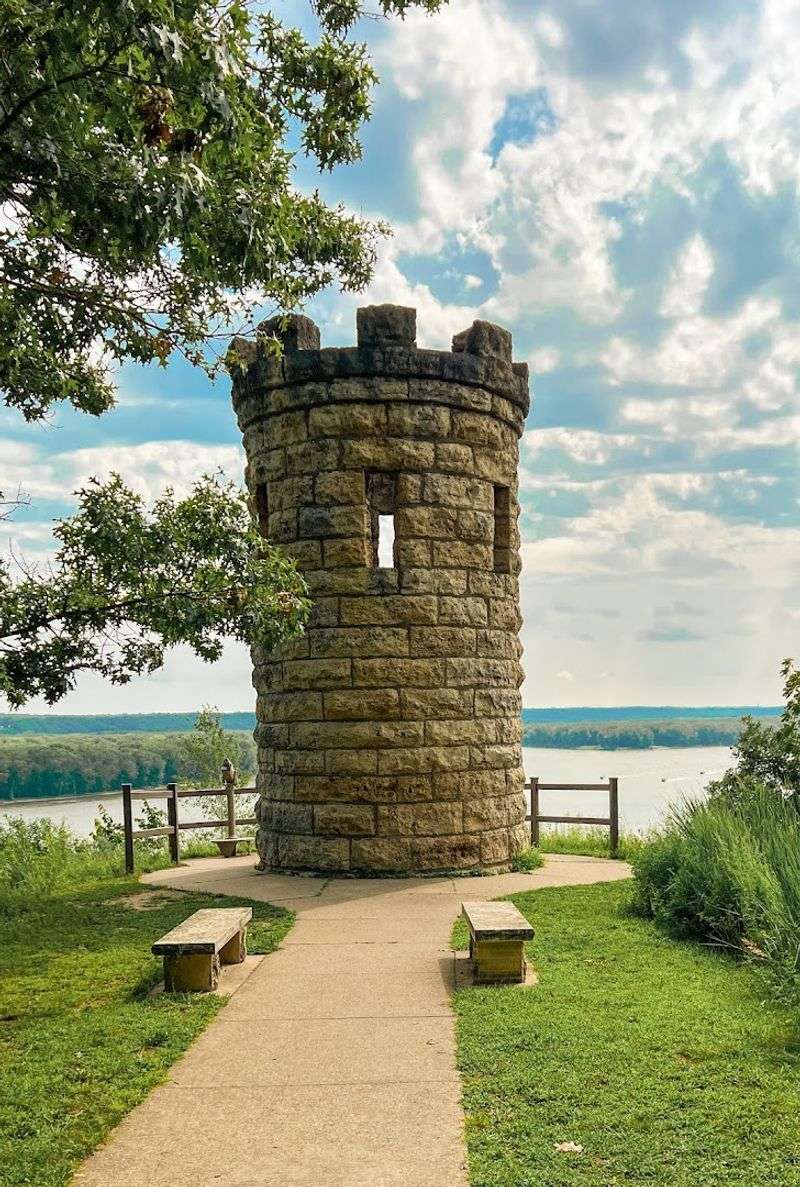
History and natural beauty overlap in a fascinating way at the Mines of Spain State Recreation Area, located at 8991 Bellevue Heights Road in Dubuque, Iowa.
The area takes its name from a Spanish land grant given to Julien Dubuque in 1796, making it one of the oldest European-named sites in the entire state.
Today the recreation area covers over 1,400 acres of bluffs, wetlands, and forest along the Mississippi River, with a trail network that ranges from easy riverside walks to more challenging ridge climbs.
The E.B. Lyons Interpretive Center at the entrance is well worth a stop, offering exhibits on the area’s natural and cultural history in a building with beautiful views of the surrounding landscape.
Bald eagles are a common sight here in winter, but summer brings its own rewards in the form of wildflowers, songbirds, and warm evenings on the river bluffs.
Julien Dubuque’s grave site sits on a bluff within the recreation area, marked by a small stone tower that adds a historical layer to an already interesting hike.
Few places in Iowa pack this much history and scenery into a single stop.
8. Hitchcock Nature Center, Honey Creek
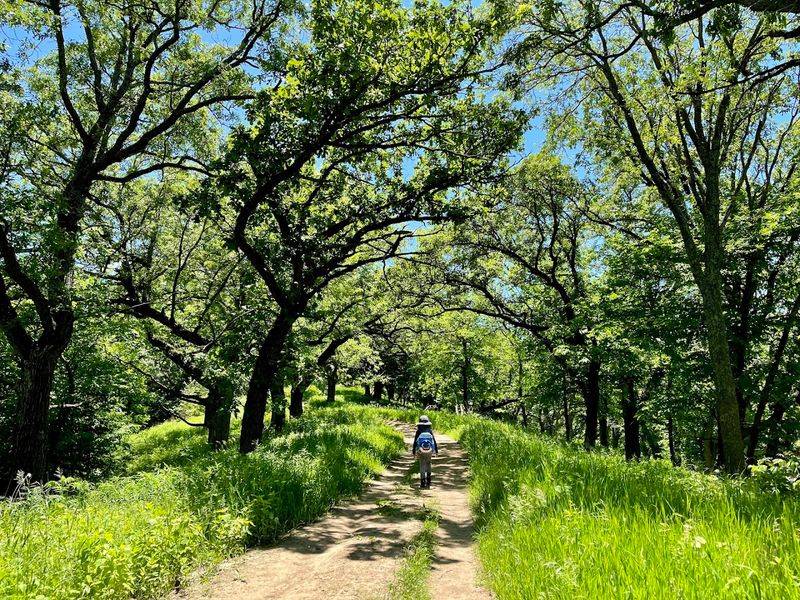
Standing on the observation tower at Hitchcock Nature Center, you get a view across the Missouri River valley that stretches all the way into Nebraska on a clear summer day.
Located at 27792 Ski Hill Loop in Honey Creek, Iowa, this Pottawattamie County facility sits on some of the highest terrain in western Iowa, with loess bluffs that rise dramatically above the surrounding plains.
The trail system here covers about 14 miles, winding through prairie, forest, and wetland habitats that support an impressive variety of wildlife.
Raptor watching is a popular activity, particularly during spring and fall migration, but summer brings its own cast of resident birds and butterflies to the prairie sections.
Overnight cabin rentals are available, which makes this a fantastic base camp for a longer exploration of the Loess Hills Scenic Byway.
The loess bluffs themselves are geologically significant, formed from wind-deposited silt after the last ice age, and the nature center does a great job of explaining how this unusual landscape came to be.
Sunrise from the observation deck here is genuinely something to plan your schedule around.
9. Preparation Canyon State Park, Moorhead
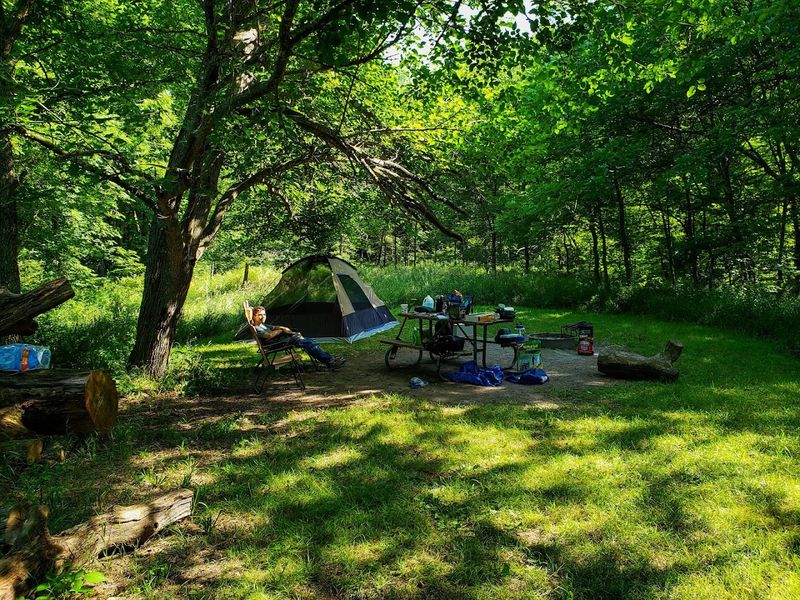
Named after a utopian religious community that settled here in the 1850s, Preparation Canyon State Park carries a fascinating backstory along with some of the most dramatic terrain in western Iowa.
The park sits off Preparation Canyon Road near Moorhead, Iowa, and covers a landscape of steep loess hills, deep canyon-like ravines, and dense forest that feels almost otherworldly compared to the flat farmland nearby.
Hiking trails here are not for the faint of heart, with sharp elevation changes that test your legs but reward you with views across the Loess Hills that are absolutely worth the effort.
The park has no electricity or running water, which keeps the crowds light and the atmosphere genuinely wild.
Deer, wild turkey, and a variety of woodland birds are commonly spotted along the trails, especially in the early morning hours before other visitors arrive.
The historical layer adds an interesting dimension to any visit, and a short read about the Preparation community before you go makes the landscape feel even more layered with meaning.
This is a park that rewards curiosity as much as physical effort.
10. Stone State Park, Sioux City
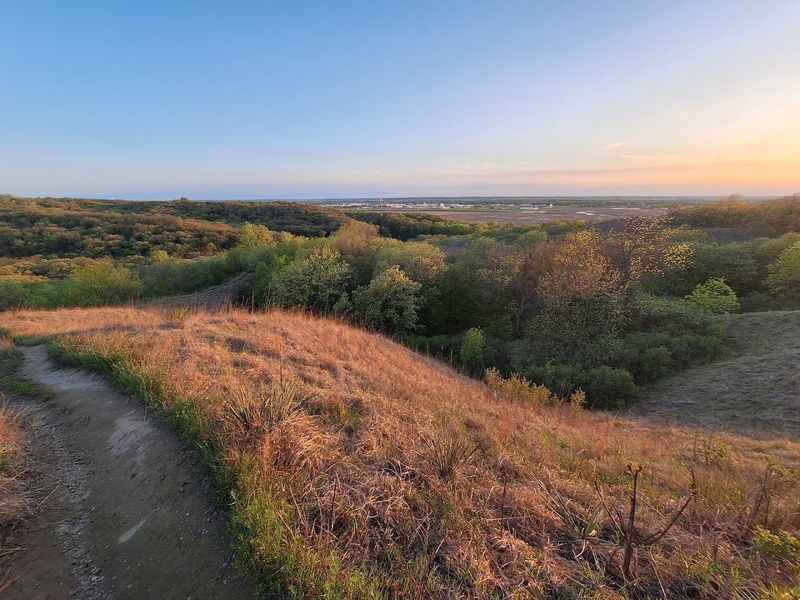
Right on the edge of Sioux City, Stone State Park manages to feel like genuine wilderness despite being minutes from a city of nearly 85,000 people.
Located at 5001 Talbot Road in Sioux City, Iowa, the park covers over 1,000 acres of loess hills, oak savanna, and river valley habitat along the Big Sioux and Missouri Rivers.
The Dorothy Pecaut Nature Center within the park is a well-designed facility that introduces visitors to the Loess Hills ecosystem through interactive exhibits and knowledgeable staff.
Trail options range from easy paved paths to rugged ridge routes that deliver stunning views of the Missouri River valley and the plains of Nebraska and South Dakota beyond.
Mountain biking is popular here, with dedicated trails that take advantage of the rolling, varied terrain in a way that flat Iowa landscapes rarely allow.
Summer evenings in the park are particularly pleasant, with cooling breezes off the river and long golden light that makes the hilltops glow.
Stone State Park is proof that you do not have to leave the city limits to find a genuinely impressive piece of Iowa landscape.
11. Waubonsie State Park, Hamburg
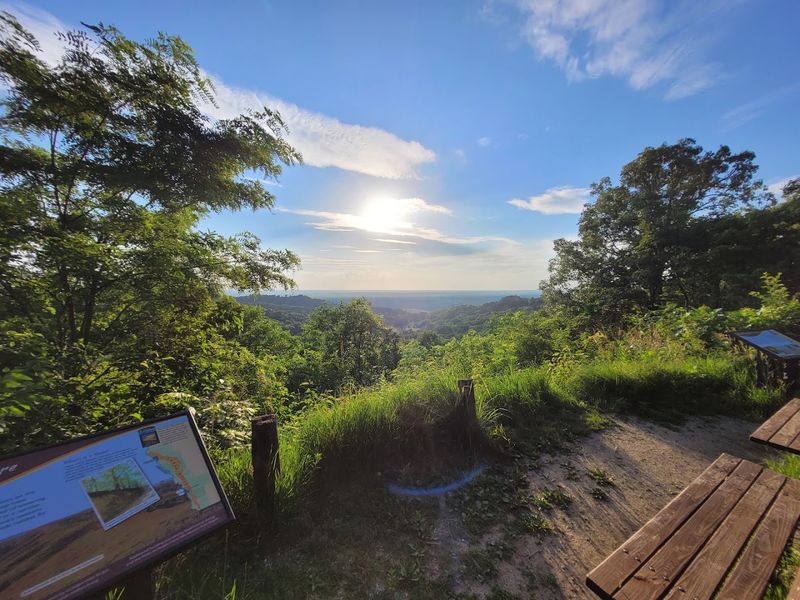
At the southern end of the Loess Hills Scenic Byway, Waubonsie State Park wraps up the western Iowa road trip experience with a landscape that feels both rugged and quietly beautiful.
The park is located at 2585 Waubonsie Park Road in Hamburg, Iowa, near the Missouri border, and it sits on some of the steepest and most visually striking loess terrain in the state.
Prairie restoration is a big part of what makes Waubonsie special, with large sections of native grass and wildflower habitat that burst into color during the summer months.
The trails here vary in difficulty, but even a short walk to one of the ridge overlooks gives you a sense of how dramatic this landscape really is.
Camping is available in the park, and waking up on a summer morning surrounded by birdsong and the smell of prairie grasses is a thoroughly restorative experience.
The nearby town of Hamburg has a small but proud local history, and the combination of park and town makes for a satisfying final stop on a drive through the Loess Hills.
Few endings to a road trip feel this complete.
12. Holliwell Covered Bridge, Winterset
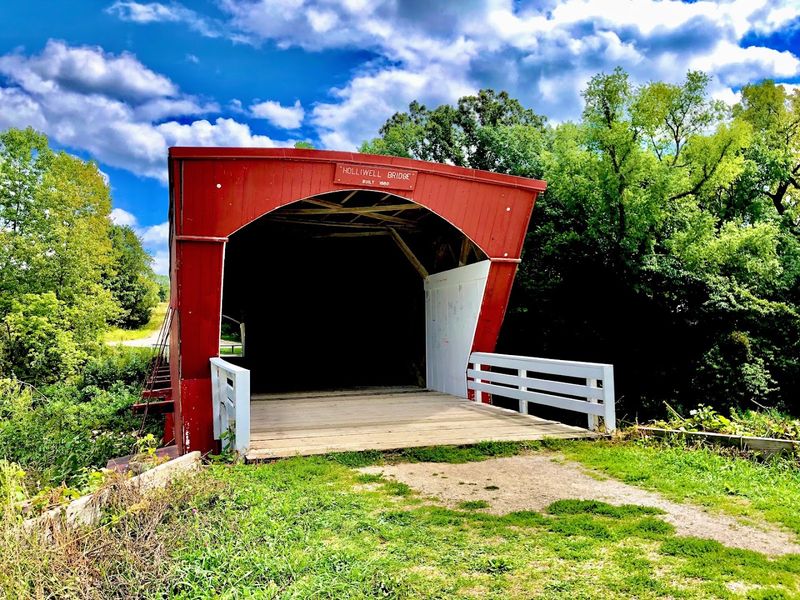
Madison County’s covered bridges have their own kind of quiet fame, and Holliwell Bridge is widely considered one of the most impressive of the bunch.
Located at 123 Holliwell Bridge Road in Winterset, Iowa, this historic bridge has a 110-foot covered span across the Middle River and is the longest of the six remaining covered bridges in the county.
Built in 1880, the bridge has survived floods, storms, and more than 140 years of Iowa weather, which says something meaningful about the craftsmanship that went into its construction.
Summer turns the surrounding landscape into a lush green frame for the bridge, with wildflowers along the banks and the sound of the river running underneath the old wooden structure.
Walking through the bridge and listening to the echo of your footsteps is one of those simple, old-fashioned pleasures that feels increasingly rare in a fast-moving world.
The site is well-maintained and easy to access, with a small parking area for visitors who want a closer look at the bridge and river.
Holliwell is the kind of place that makes you want to slow down and stay a little longer than you planned.
13. Cutler-Donahoe Covered Bridge, Winterset
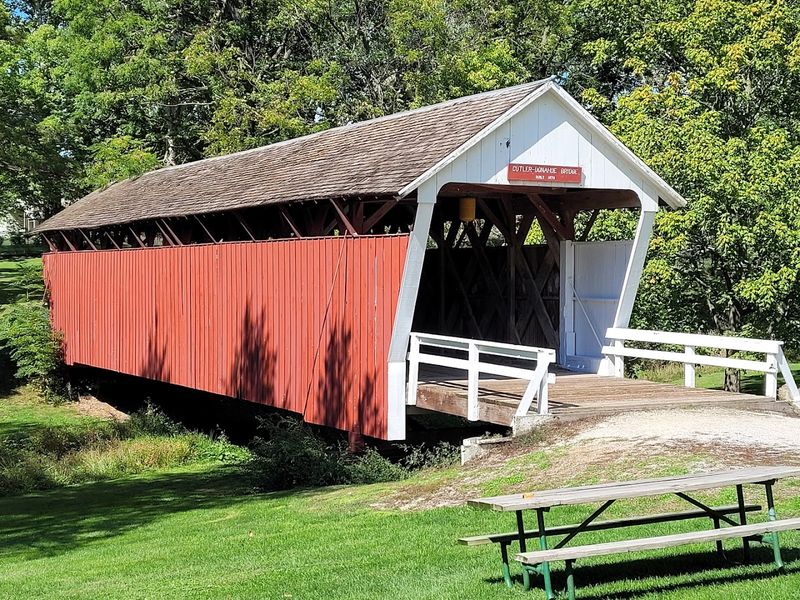
Unlike most of Madison County’s covered bridges, which sit in rural settings, the Cutler-Donahoe Covered Bridge has found a new home right in the heart of Winterset City Park.
The address is 300 South 9th Street in Winterset, Iowa, and the bridge was relocated to the park in 1970 after it had been bypassed by a newer bridge and had begun to deteriorate at its original North River location.
Built in 1871 and measuring approximately 79 feet long, it is one of the shorter covered bridges in the county, but what it lacks in length it more than makes up for in charm and accessibility.
The park setting means you can combine a visit to the bridge with a picnic, a playground stop for kids, or a stroll along the park’s walking paths.
Winterset itself is well worth exploring beyond the bridge, as it is the birthplace of John Wayne and home to a small but engaging museum dedicated to his life and career.
Summer weekends bring a steady stream of visitors to the city park, giving the bridge a lively atmosphere that feels more like a community gathering spot than a tourist attraction.
It is the perfect bookend to a covered bridge tour through Madison County.