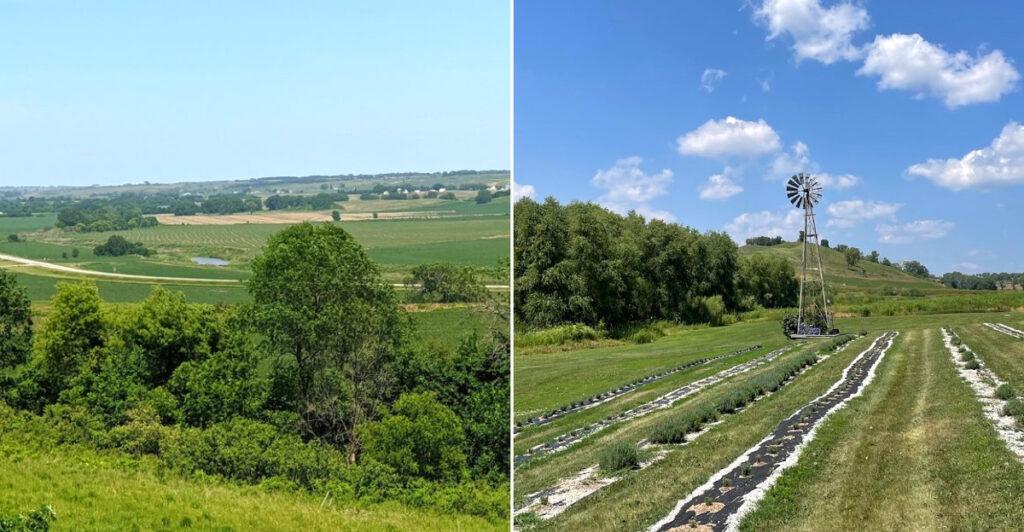
Iowa does not usually announce its dramatic scenery very loudly. The Loess Hills prefer to wait until the road bends, the land suddenly drops away, and you realize the state has been keeping something impressive to itself.
This drive follows that landscape through prairie ridges, wooded slopes, and small towns that make pulling over feel like part of the route rather than an interruption. A cafe, a lavender farm, and a few wonderfully quiet parks give the scenery some competition.
So which stops make the miles count? These seven places turn one of Iowa’s most distinctive drives into a road trip worth taking slowly.
Mondo’s Restaurant, Shenandoah

Shenandoah is the kind of town that greets you like an old friend, and Mondo’s Restaurant at 309 S Fremont Street fits that welcome perfectly.
This local favorite has been feeding hungry travelers and longtime residents with generous portions of home-style cooking that sticks with you long after you leave.
The menu leans into classic American comfort food, the sort of meal that makes you loosen your belt and lean back with a satisfied sigh.
Burgers, sandwiches, and daily specials rotate through the kitchen, giving regulars a reason to return and newcomers a reason to stay longer than planned.
The staff here treat every table like it matters, and the casual, no-fuss atmosphere makes it easy to relax after a long stretch of highway driving.
Shenandoah itself sits near the southern end of the Loess Hills Scenic Byway, making this stop a natural launching point for the drive ahead.
The town is also known for its rich horticultural history, once dubbed the “Seed and Nursery Capital of the World,” so there is a quiet pride in this community that shows up even in its restaurants.
Parking is easy, the prices are fair, and the coffee is always hot.
If you are heading north along the byway, fueling up here with a solid meal sets the right tone for everything that follows.
Mondo’s is not trying to be anything fancy, and that honesty is exactly what makes it memorable on a road trip through one of Iowa’s most underrated landscapes.
Malvern Depot / Wabash Trace Nature Trail, Malvern
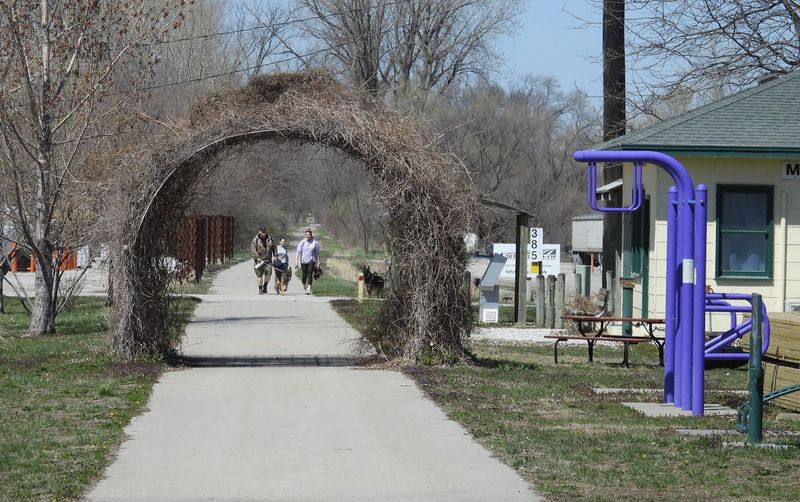
There is something quietly thrilling about a trail that follows the path of an old railroad line, and the Wabash Trace Nature Trail delivers exactly that feeling.
Located beside the restored Malvern Depot at 301 W 5th Street in Malvern, Iowa, this multi-use trail stretches for more than 62 miles through the southwest corner of the state.
Most of the former railroad corridor has a crushed-limestone surface, although concrete runs through Malvern and a few other developed sections.
Cyclists, walkers, runners, and cross-country skiers all use the route, which passes through small towns and open countryside on the relatively gentle grade of the former rail line.
The depot has been renovated into a rentable bunkhouse with bedrooms, a kitchenette, and a bathroom rather than a traditional public museum.
Its location beside the Malvern Trailhead still provides a visible connection to the era when rail travel linked rural Iowa with communities across the region.
If you have a bike strapped to your car, this is the spot to unload it and log a few miles before continuing the drive.
Even a short walk along the trail offers views of the rolling western Iowa landscape, with public artwork adding extra character around the Malvern corridor.
Birdwatchers will find plenty to appreciate here, as the converted rail route passes through wooded stretches, farmland, and other wildlife habitat.
The Wabash Trace is a reminder that some of the best travel experiences happen when you slow down, step out of the car, and let the landscape come to you at a walking pace.
Loess Hills Lavender Farm, Missouri Valley
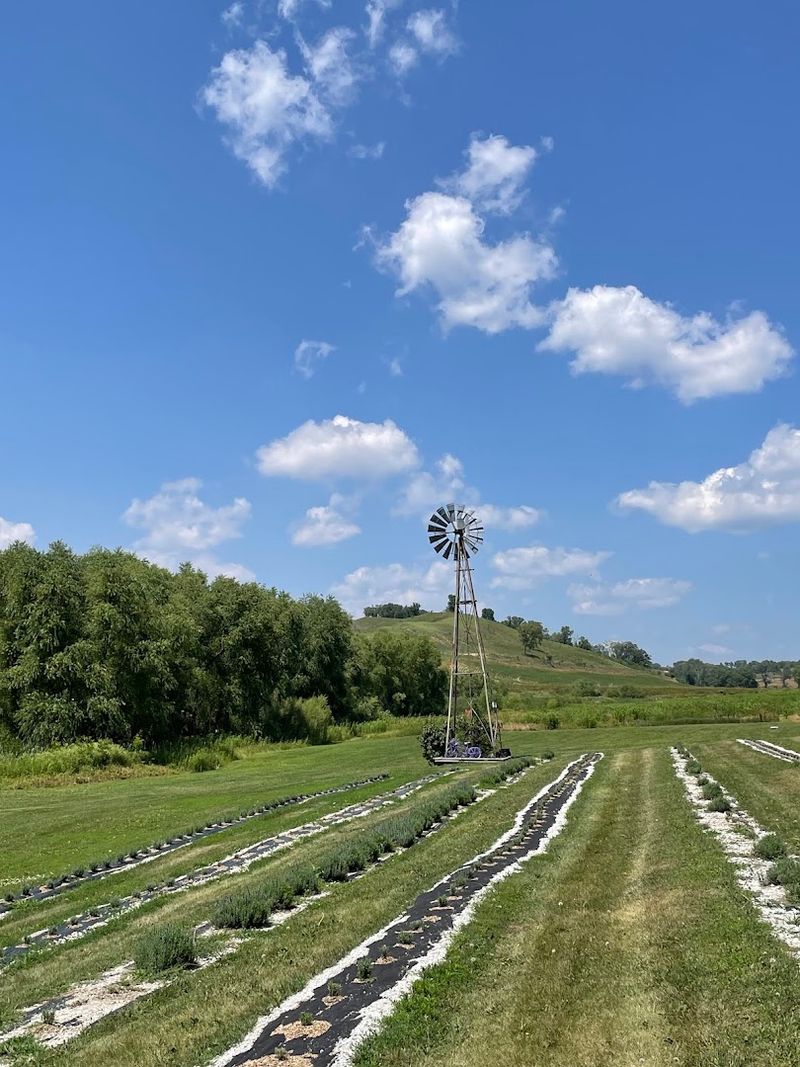
Purple rows of lavender stretching across the slopes of the Loess Hills are not a sight most people expect to find in Iowa, but here they are in full fragrant glory.
The Loess Hills Lavender Farm at 2278 Loess Hills Trail in Missouri Valley offers one of the most visually striking stops along the entire byway corridor.
The primary bloom generally runs from mid-June through July, with the farm’s July festival planned around peak color when weather and growing conditions cooperate.
A secondary bloom begins near the end of August, giving later summer visitors another chance to see color in the fields.
Visitors can walk through the small lavender fields, take photos, and browse bath products, body products, crafts, and locally made goods inside the farm store.
The farm sits on land that showcases the distinctive scenery of the Loess Hills, with native grasses, wildflowers, and pollinator habitat adding to the setting.
Even outside the strongest bloom period, the grounds, gardens, store, and seasonal events can make the detour worthwhile.
The current owners invite visitors to explore the fields without an entrance fee during regular seasonal hours.
Missouri Valley is a small city with a big heart, and the farm reflects the kind of creative agricultural thinking that has been quietly reshaping rural Iowa for years.
Check the farm’s current schedule before leaving because it closes on Mondays and Tuesdays and operates seasonally.
Dave’s Old Home Cafe, Pisgah
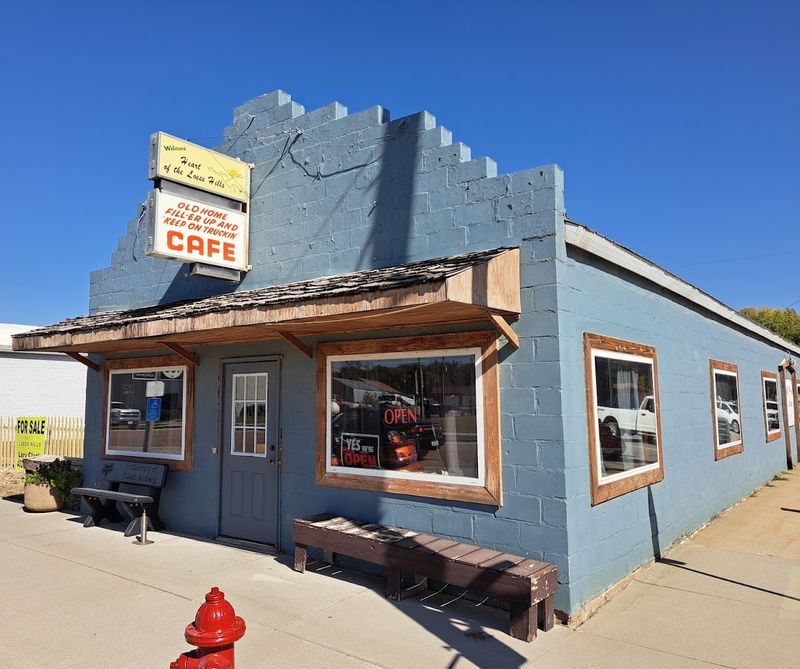
Pisgah is barely a dot on the map, but Dave’s Old Home Cafe at 200 1st Street punches well above its weight when it comes to satisfying road-trip hunger.
This no-frills cafe is a longtime fixture in a tiny community surrounded by the Loess Hills, and its menu reflects the unpretentious, feed-you-right spirit that small-town Iowa restaurants do so well.
Breakfast, lunch, and dinner are served here, although exact hours vary by day and Monday currently begins later than the rest of the week.
The oversized pork tenderloin sandwich is one of the best-known orders, while burgers, fried chicken, steaks, sandwiches, and breakfast plates provide plenty of alternatives.
The portions are generous, the prices remain reasonable, and the restaurant continues to earn praise for friendly service and its relaxed small-town atmosphere.
Pisgah itself sits in the heart of the Loess Hills, surrounded by some of the most dramatic terrain on the scenic route.
After your meal, a short drive from town leads toward overlooks, forest units, prairie ridges, and Preparation Canyon State Park.
The cafe is the kind of place locals continue to support and travelers remember long after the trip is over.
Checking current hours before arriving is sensible because several online listings disagree slightly about opening and closing times.
Small places like this are what keep road trips feeling personal, grounded, and genuinely connected to the communities you pass through.
Preparation Canyon State Park, Moorhead
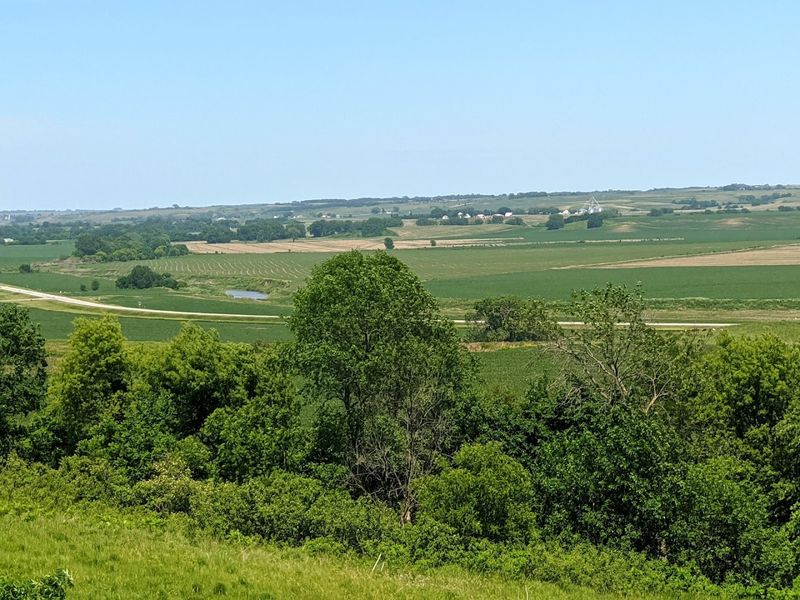
Named for a former religious settlement established here in 1853, Preparation Canyon State Park carries a fascinating history beneath its canopy of oaks and hickories.
Charles B. Thompson and his followers separated from a westbound Mormon wagon train and founded the town of Preparation, which eventually grew to include dozens of houses and several community services.
Located on Preparation Canyon Road near Moorhead, Iowa, the present-day park protects 344 acres in the heart of the Loess Hills.
Several backcountry trails wind across rugged hills and valleys, leading toward a nature study area and ten hike-in campsites.
The loose loess soil, steep grades, and rough terrain make sturdy footwear and suitable outdoor gear important throughout the trail system.
Fall is an especially rewarding time to visit, when the hardwoods turn gold and rust against the pale soil of the surrounding hills.
Wildlife found in the wider forest includes white-tailed deer, wild turkeys, songbirds, and numerous smaller species.
The park has no admission fee and keeps its facilities simple, with trails, picnic tables, an open shelter, pit toilets, and primitive hike-in camping.
Visitors should bring water, study the park map, and allow enough time for the route they select rather than relying on an unofficial main loop.
Preparation Canyon rewards curiosity, but its rugged terrain deserves more planning than an ordinary walk around a city park.
The Museum of American History, Mapleton
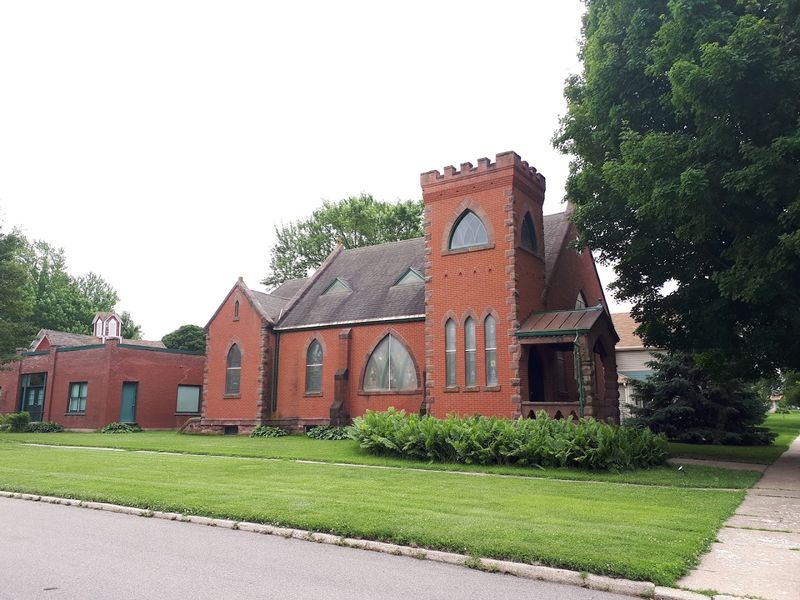
History has the ability to sneak up on you in unexpected places, and The Museum of American History at 302 S 7th Street in Mapleton is a prime example of that pleasant surprise.
The museum occupies the former Trinity Memorial Episcopal Church and an adjoining hall purchased by collector Keith Robinson in 1988.
Its exhibits focus on important periods in American history, with political Americana forming a principal part of the collection.
Local history is presented beside larger national events, giving the displays a perspective that connects Mapleton with stories unfolding across the country.
The historic building required extensive restoration, including repaired walls, new wiring, refinished floors, custom display cases, and detailed documentation.
That work helped secure the property a place on the National Register of Historic Places.
The museum is not maintained as an ordinary attraction with daily walk-in hours, so visitors must arrange a tour in advance.
Appointments can currently be requested by calling Keith Robinson at 712-881-1460.
Mapleton itself is a welcoming small city with local businesses worth exploring before or after a scheduled museum visit.
For travelers interested in political memorabilia and the relationship between local and national history, the collection adds an unusual stop to the northern portion of the drive.
Stone State Park, Sioux City
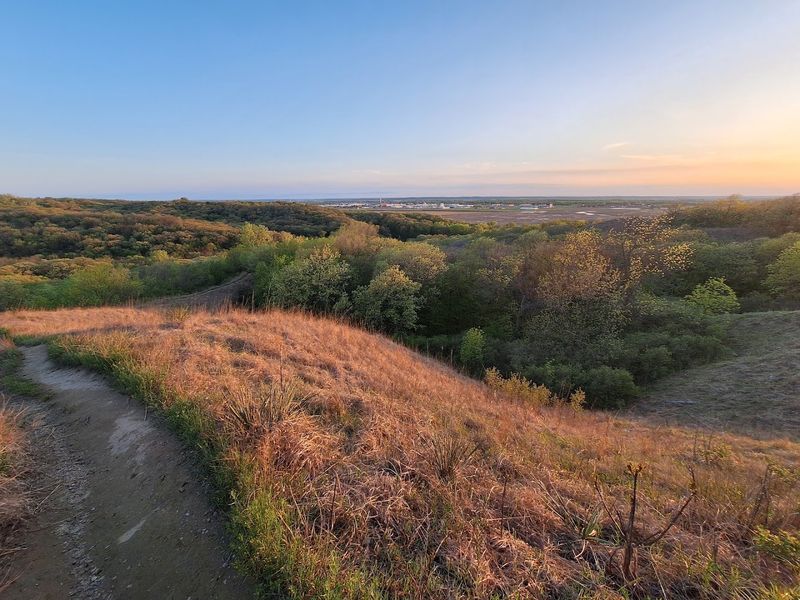
Reaching the northern portion of the Loess Hills Scenic Byway feels like a reward, and Stone State Park in Sioux City delivers a finale that the drive deserves.
Located at 5001 Talbot Road in Sioux City, Iowa, this park sits on the edge of the city while feeling far removed from urban life once you enter its valleys and prairie-covered ridges.
The 1,069-acre park contains forested bluffs, native prairie, wooded ravines, and more than 15 miles of trails for hiking, cycling, and horseback riding.
Several overlooks provide different views, so choosing the right one matters.
Dakota Point looks across the Big Sioux River toward South Dakota, while Elk Point overlooks the southern portion of the park.
Mount Lucia requires a hike and provides views toward Sioux City rather than serving as the park’s primary three-state overlook.
The park road itself forms a roughly three-mile paved loop, allowing visitors to experience several portions of the landscape without completing a long hike.
Six miles of multi-use trails accommodate equestrians, hikers, and other permitted trail users through part of the park.
The native prairie sections are particularly special in late spring and summer, when wildflowers bring color to the dry ridges.
Stone State Park is the kind of place that challenges every tired assumption about Iowa being flat, and its mixture of drive-up scenery and trail-accessed viewpoints makes it a fitting final stop.