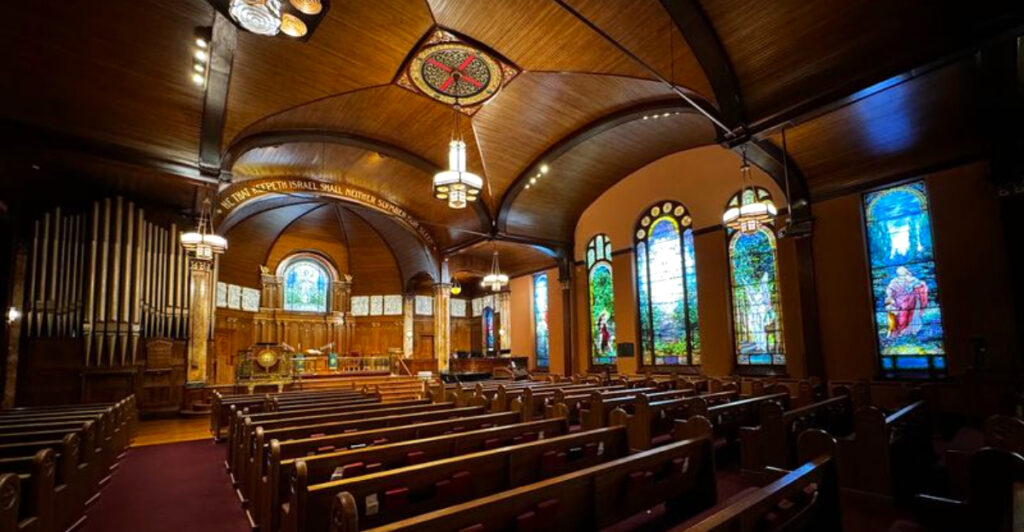
I thought I knew what to expect when I entered this historic Iowa church. Then the sunlight passed through the windows, and the sanctuary seemed to fall into a deeper kind of silence.
Color moved gently across the woodwork while the stories in the glass came alive above the pews. For a moment, the room felt both sacred and startlingly intimate.
I had seen the photographs, but they could not capture that sense of reverence. This is the kind of place that asks you to pause before you fully understand why.
A Church With A Story That Starts In The 1800s
History feels different when it is still being used every week.
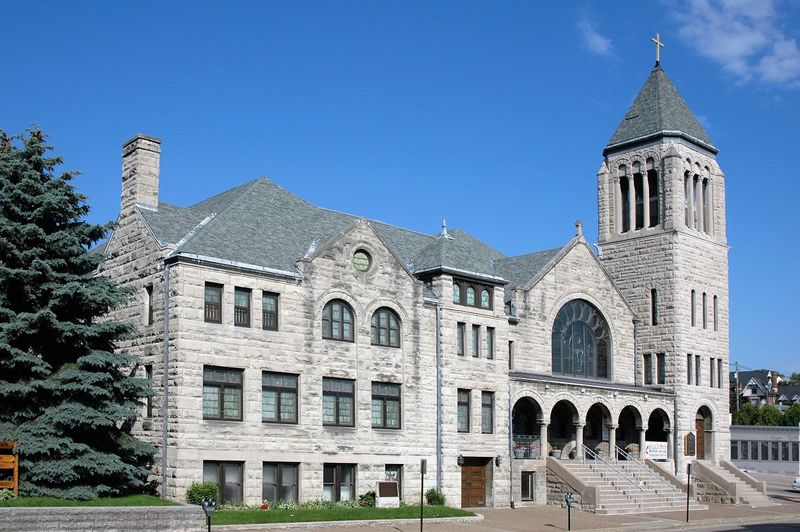
St. Luke’s United Methodist Church is not a silent landmark preserved only for visitors, but a living Dubuque sanctuary where worship, community life, architecture, and more than a century of stories continue to share the same room.
The congregation traces its beginnings to the early 1800s and holds the distinction of being Iowa’s oldest established Methodist parish.
That long timeline becomes easier to appreciate once you step inside and see how carefully the sanctuary has been maintained through generations of change.
I expected the age of the church to be its most striking quality, but the atmosphere caught me first.
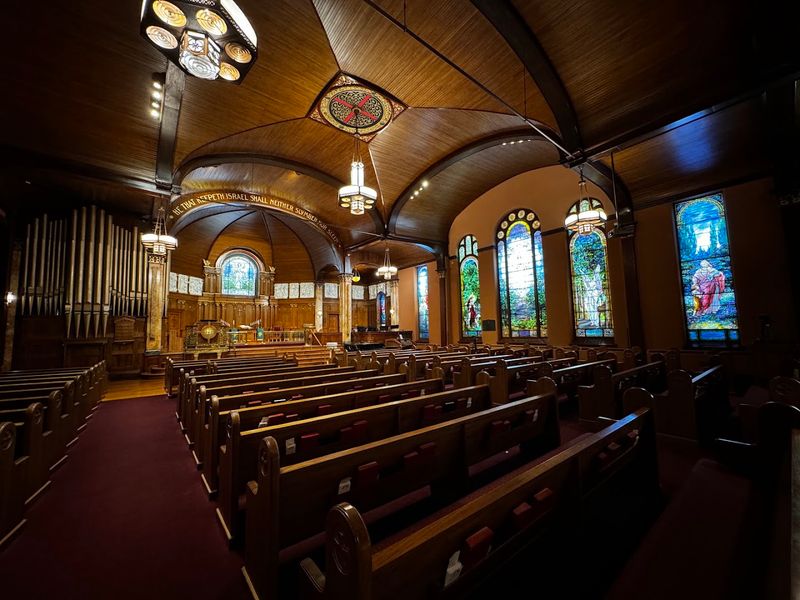
The soaring ceiling, rich woodwork, quiet pews, and colored light passing through the windows make the room feel grand without losing its warmth.
Every detail seems connected to the people who gathered here before. The building does not present history as a distant collection of dates, but as something carried through Sunday services, community programs, family memories, and the steady care required to keep a place like this active.
That is what makes St. Luke’s feel especially meaningful. Visitors can admire it as a historic landmark, yet they are also entering a genuine house of worship that remains part of the spiritual and cultural life of Dubuque.
The history is not tucked behind glass or reduced to a plaque near the entrance. It surrounds you in the architecture, the sanctuary’s stillness, and the unmistakable sense that this building has witnessed generations of Iowa life while continuing to welcome the next one.
Address: 1199 Main St, Dubuque, IA 52001
The Tiffany Window Collection That Rivals Any Museum
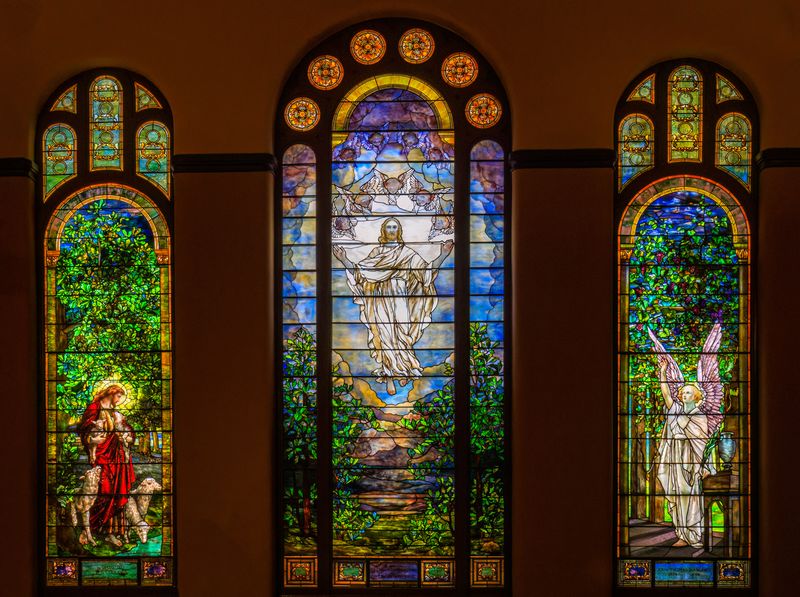
The number that stopped me cold before my visit was this: St. Luke’s is home to the fifth largest collection of Tiffany stained glass windows in the entire United States.
That ranking puts a small Iowa church in the same conversation as major cultural institutions across the country.
Louis Comfort Tiffany was one of the defining figures of American decorative art in the late 19th and early 20th centuries.
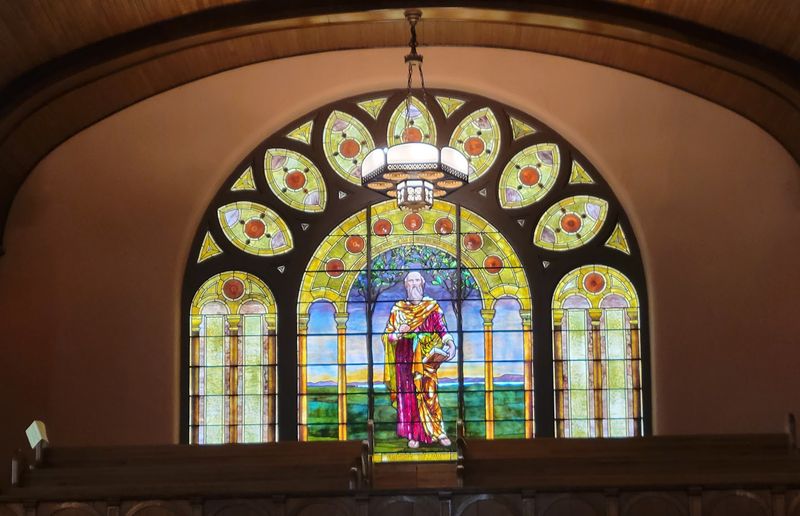
His windows are known for their layered glass techniques, vibrant color depth, and remarkable ability to transform natural light into something that feels alive.
St. Luke’s has more than 100 windows produced under the direction of the Tiffany studios, and the collection remains inside the historic church where the windows were installed.
Most were created or acquired for the sanctuary over a period of years, although the Good Shepherd window had previously been exhibited at the 1893 World’s Columbian Exposition before coming to Dubuque.
You see the windows inside a working sanctuary, without an artificial museum-lighting setup.
Standing in that space on a bright day, watching the colors shift across the wooden pews, I understood immediately why people travel from across the country just to spend an hour here.
What Makes Tiffany Glass So Different From Everything Else
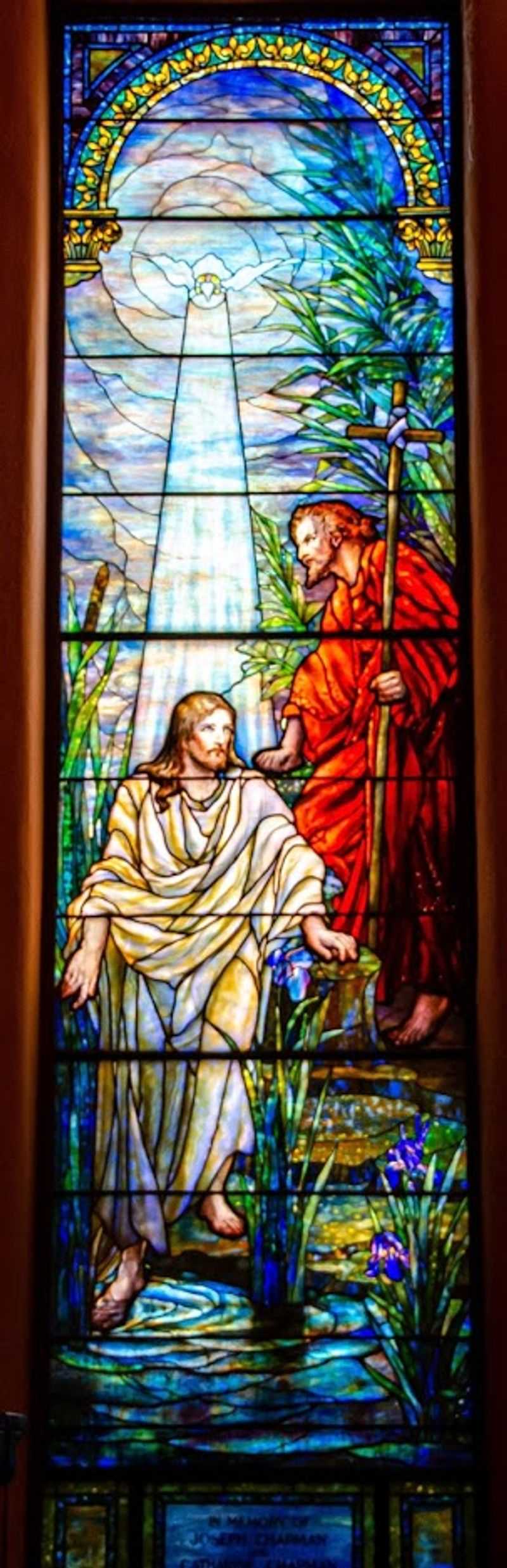
Not all stained glass is created equal, and Tiffany’s work sits in a category entirely its own.
Louis Comfort Tiffany helped popularize opalescent, textured, layered, and folded glass techniques that created depth, movement, and a luminous quality within the material itself.
Traditional European stained glass also used glass that was colored during manufacture, with painted details added to create facial features, outlines, shadows, and other fine elements.
Tiffany’s studio placed even greater emphasis on selecting and combining glass with its own color, texture, and variation, reducing the need to create every detail with surface paint.
The result is glass that seems to glow from within rather than simply transmitting light.
Each window at St. Luke’s demonstrates this quality in a different way, whether through a soft pastoral scene, a dramatic biblical figure, or an intricate floral border that seems almost three-dimensional.
The docents at St. Luke’s explain all of this during guided tours, and I found myself leaning in closer with every new detail they shared.
Once you understand the technique, you can never look at stained glass the same way again.
The Guided Tours That Bring Every Window To Life
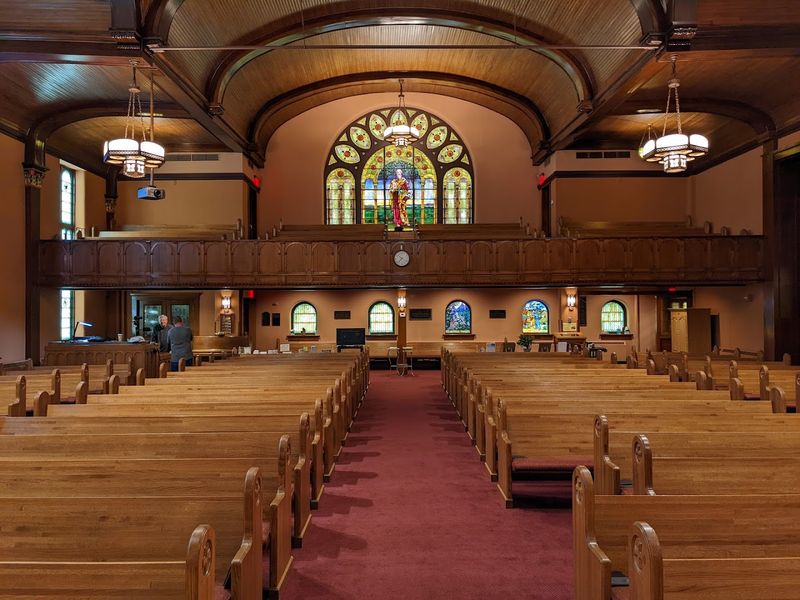
Showing up without knowing what you are looking at would be a real missed opportunity here.
St. Luke’s offers guided tours led by knowledgeable docents who clearly love what they do, and their enthusiasm is contagious in the best possible way.
During my visit, the guide walked our small group through the origin of each major window, explaining the symbolism, the commission history, and the specific glassmaking techniques Tiffany’s studio used.
It was the kind of deep, specific knowledge that transforms a pretty room into a genuinely moving experience.
There is also a short video presentation available for those who prefer a self-guided approach. The video covers the history of the church and the Tiffany collection in a clear, engaging format that gives you a solid foundation before you start exploring on your own.
Tours are free, and the church genuinely welcomes visitors who come purely out of curiosity rather than religious affiliation. That open-door approach is refreshing, and it makes the whole experience feel generous rather than transactional.
Come ready to listen and you will leave knowing far more than you expected.
The Architecture That Sets The Perfect Stage
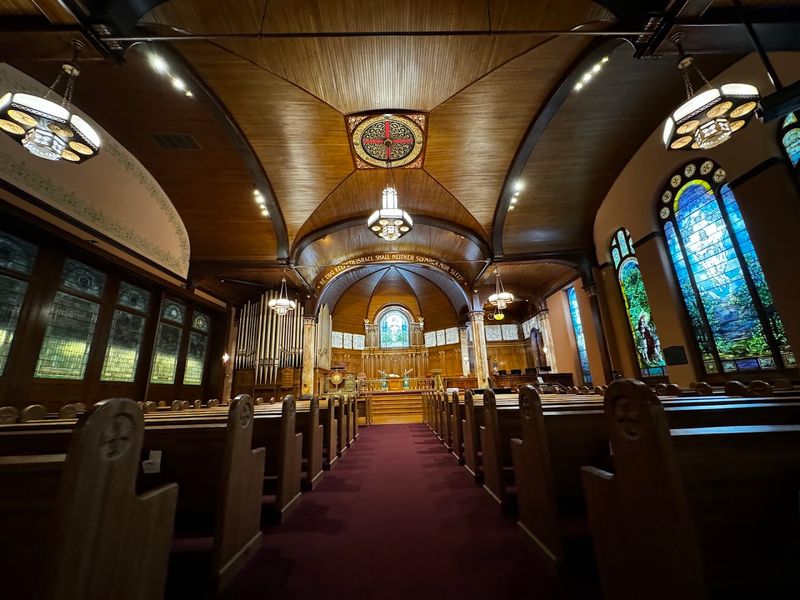
The Tiffany windows are the headliner, but the building around them absolutely earns its own applause.
St. Luke’s features a stunning wood barrel vault ceiling that arches overhead with a warmth and elegance you rarely see in American church architecture.
Barrel vault ceilings were more common in European cathedrals than in Midwestern Methodist churches, which makes this one feel genuinely surprising.
The natural wood tones create a rich, honeyed atmosphere that complements the jewel-bright colors of the Tiffany glass in a way that feels intentional and harmonious.
The raised platform, detailed woodwork, and carefully crafted trim throughout the sanctuary all reflect the pride this congregation has taken in their building over many generations. Nothing feels neglected or out of place.
I noticed details in the woodwork that I almost missed because my eyes kept drifting back to the windows. That is the challenge of visiting a space this layered.
Every time you think you have absorbed it all, something new catches your eye from a different angle, and the whole room reveals itself a little differently.
The Magnificent Pipe Organ That Fills The Sanctuary
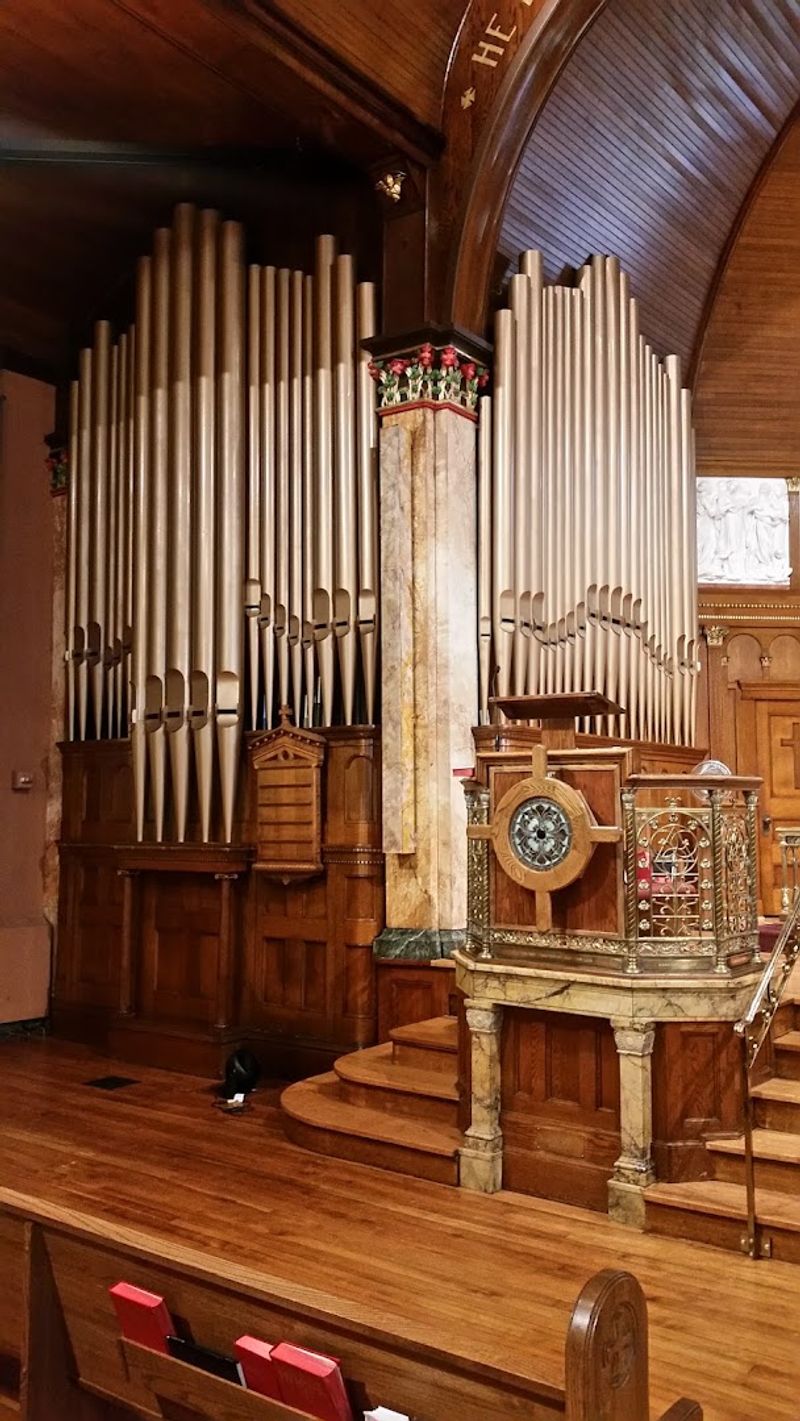
Beyond the glass and the woodwork, St. Luke’s holds another treasure that catches visitors off guard: a beautiful pipe organ that fills the sanctuary with sound in a way that matches the visual grandeur of everything around it.
Pipe organs and Tiffany glass are a natural pairing, both products of an era when craftsmanship was considered an act of devotion in itself. Hearing the organ during a visit adds a dimension to the experience that photographs and videos simply cannot capture.
During one of my moments in the sanctuary, the organist played a brief piece, and the sound resonated through that barrel vault ceiling in a way that made the whole space feel even larger than it already is.
It was one of those moments where you just stop moving and let the experience wash over you.
Some visitors have been lucky enough to hear the organ during tours, which adds an unexpected layer to an already rich visit.
If you get the chance to hear it played live inside that room, consider yourself genuinely fortunate, because the acoustic quality of that space is something special.
Free Entry And A Genuinely Welcoming Atmosphere
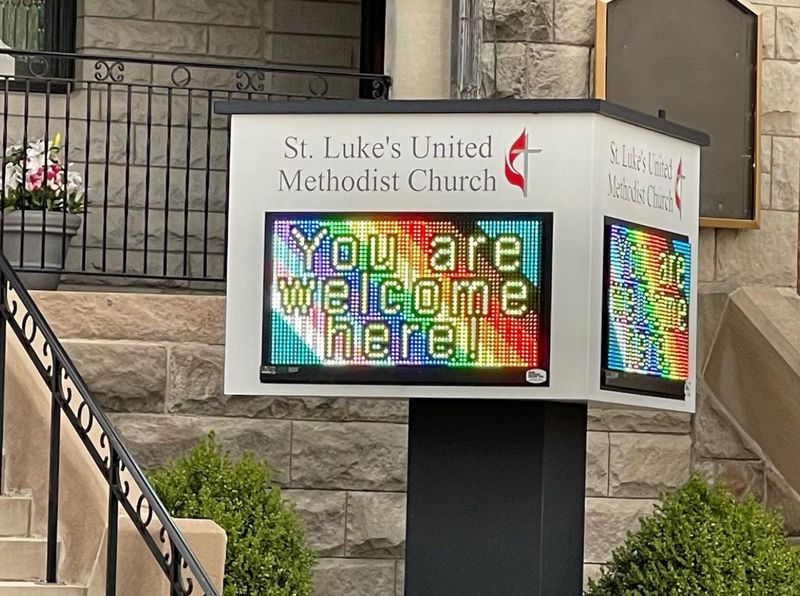
Here is something that surprised me more than I expected: there is no admission fee. None.
You walk in, you are welcomed, and the entire experience is yours to enjoy at no cost.
Donations are accepted and genuinely appreciated, but no one pressures you, tracks whether you contributed, or makes you feel uncomfortable if you simply cannot give. The church’s philosophy seems to be that art and history belong to everyone, and that generosity of spirit comes through clearly in how visitors are treated.
The congregation at St. Luke’s has a long-standing reputation for warmth and inclusivity. The sign outside the church has been known to read things like “All Characters Welcome,” which tells you a lot about the community’s personality.
I have visited a lot of historic sites where the welcome feels performative, but this one felt authentic.
The staff and volunteers who greeted our group were genuinely happy to see us there, answered every question with patience, and made sure we did not miss anything important.
That kind of hospitality turns a good visit into a memorable one, and it is a big part of why St. Luke’s earns such consistent praise from everyone who stops by.
Planning Your Visit: Hours, Access, And Practical Tips
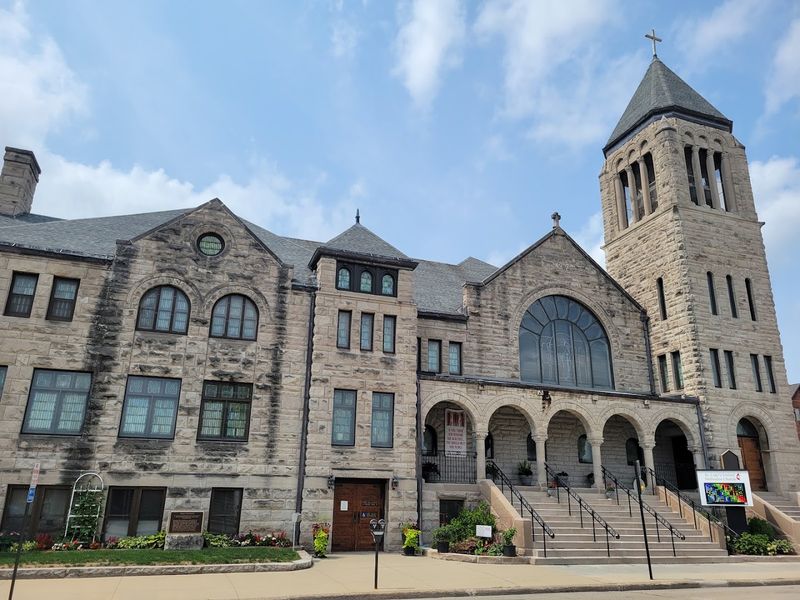
Getting the most out of your visit requires a little planning, and the details are easy to work with once you know them.
The church is commonly listed as available to visitors Monday through Thursday from approximately 9 AM to 4 PM, while Sunday worship begins at 10 AM.
Tour and docent availability can vary, so calling ahead is the best way to confirm that the sanctuary will be accessible and that someone will be available to guide your visit.
The phone number is +1 563-582-4543, and the website at stlukesdbq.org has information about tours and special events. Calling ahead is especially useful if you are visiting with a larger group.
Accessibility is worth noting as well. An accessible entrance and elevator are located at the rear alley side of the building, and contacting staff before arriving can make access easier.
The main sanctuary is accessible, and the church accommodates visitors with mobility needs.
Parking near Main Street is primarily metered street parking, and the church is centrally located in Dubuque, making it easy to combine with other nearby attractions for a full day out.
The Community Programs That Make This More Than A Landmark
What sets St. Luke’s apart from a pure tourist destination is the fact that it functions as a deeply active community hub.
The congregation has run a free community meal every Saturday evening for years, providing food security to a significant number of local residents who depend on it.
That kind of sustained, practical generosity is not something you can fake or manufacture for good press. It reflects a congregation that takes its values seriously and backs them up with consistent action over many years.
The church also works intentionally to include people of all ages in its worship and programming, which keeps the community feeling alive and multigenerational rather than stagnant.
Pastor Stephanie, mentioned warmly by long-time members, brings a message every Sunday that clearly resonates with the people who gather there.
Visiting St. Luke’s as a tourist means you are stepping into a space that is simultaneously a historic landmark, a world-class art collection, and a functioning heart of its neighborhood.
That combination is genuinely rare, and it gives the experience a depth that goes well beyond admiring beautiful glass.
Why St. Luke’s Deserves A Spot On Your Dubuque Itinerary
Dubuque has a lot going for it as a river city with a rich architectural heritage.
However, St. Luke’s sits at the top of the list for a very specific reason: nowhere else in the city can you stand inside a single space and encounter this level of artistic, historical, and spiritual layering all at once.
The fifth largest Tiffany collection in the United States. The oldest Methodist parish in Iowa.
A barrel vault ceiling that belongs in an architecture textbook. A pipe organ that shakes the air in the best possible way.
Free admission and a community that actually wants you there. That is a lineup that is hard to beat.
I left St. Luke’s feeling like I had discovered something that most travelers simply do not know exists, and I felt a little protective of it, the way you feel about a great local restaurant you want to recommend but also keep to yourself.
Go see it for yourself. Time your visit for a weekday morning when the light is streaming through those windows, and plan to stay longer than you think you will need, because you absolutely will.