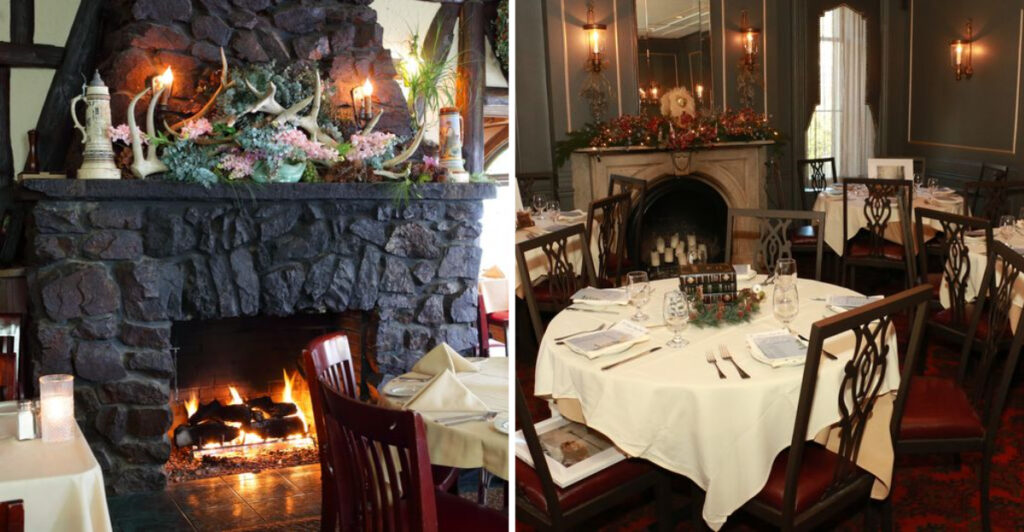
History is pulling up a chair, and it has already claimed the seat beside the fireplace.
In New Jersey, dinner can unfold inside a former stagecoach stop, colonial tavern, private home, grain building, or early twentieth-century club.
These rooms have seen travelers, fires, closures, renovations, and more menu changes than anyone could count.
The old details still do plenty of talking. Original beams cross the ceilings. Hearths anchor the walls.
Thick stone and restored woodwork make anything built last Tuesday look rather underdressed.
The food keeps the evening moving forward, so this is not a museum visit with appetizers. Reservations matter at several stops, and schedules can vary, so check before making the drive.
New Jersey has preserved these buildings by keeping them busy. Which historic dining room will make your next meal feel like a very tasty step back in time?
1. Ye Olde Centerton Inn
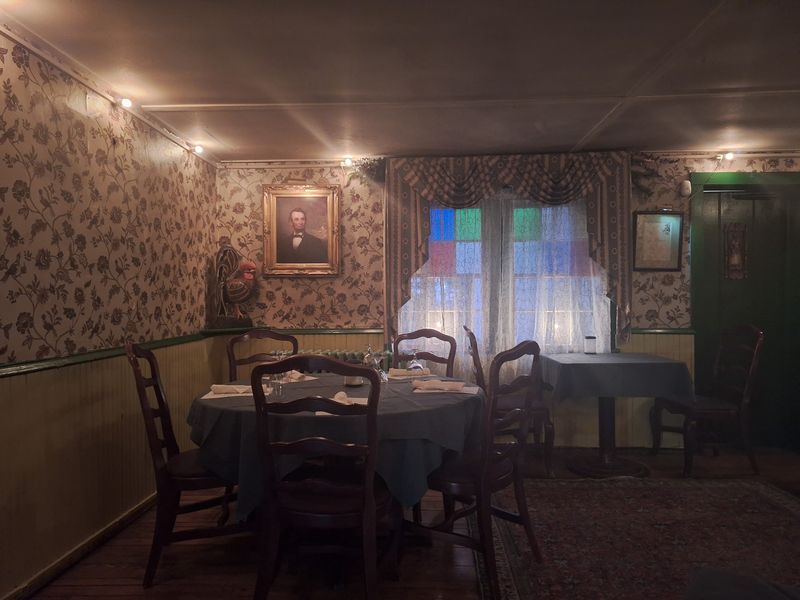
Few dinner reservations begin with a date as striking as 1706. Ye Olde Centerton Inn identifies itself as a continuously operating South Jersey inn, giving you more than three centuries of hospitality behind the current meal.
The restaurant now follows a reservations-only policy, so this is not the place for an unplanned arrival.
Dinner is served Tuesday through Sunday, with the kitchen focusing on steaks, seafood, seasonal cooking, and ingredients connected to New Jersey farms and producers.
That current approach keeps the experience from becoming a historical display with food added later. You are visiting a working restaurant whose old rooms continue to host anniversaries, family dinners, and evenings built around a carefully paced meal.
The architecture supplies its own conversation. Historic proportions, traditional details, and several distinct dining spaces make it clear that the building grew through a very different era of travel and hospitality.
You may arrive thinking mostly about the inn’s age, but the strict reservation system signals how seriously the staff treats present-day service. Call ahead, mention dietary needs while booking, and leave enough time to settle in before dinner begins.
Once you are seated, look around before opening the menu. A building that has remained in use since the early eighteenth century deserves at least several quiet seconds of attention.
Address: 1136 Almond Road, Pittsgrove, NJ 08318.
2. Barnsboro Inn
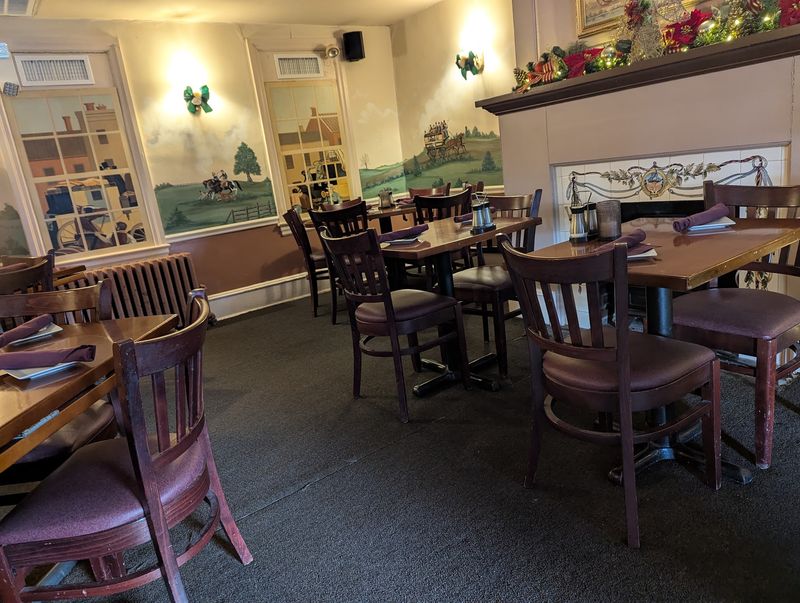
A log cabin stood on this high ground around 1720, decades before the Barnsboro Inn received its tavern license on March 19, 1776. That timeline places the property directly inside South Jersey’s colonial story.
The location once served travelers where several important roads met. Today, you can still stop at the same address, although your choices now extend well beyond whatever a weary eighteenth-century traveler might have received.
The current kitchen moves comfortably between brunch and casual American dining.
Weekend plates include omelets, French toast, and smoked salmon flatbread, while the broader menu includes sandwiches such as the Barnsboro Reuben and Rachel.
The building has changed and expanded, yet its long public role remains the central attraction. You are not eating inside a reproduction designed to suggest 1776. You are inside a business whose documented tavern history reaches back to that year.
Modern events and gatherings keep the rooms busy, which gives the old inn an appealing lack of museum silence. Expect conversations, plates moving through the room, and local regulars treating the historic setting as part of everyday life.
A weekend brunch offers an easy introduction, especially when you want daylight for a better look at the exterior and interior details. The hardest decision may be choosing between a historic tavern meal and French toast involving chocolate, caramel, and pecans.
Address: 699 Main Street, Sewell, NJ 08080.
3. Stage House Tavern
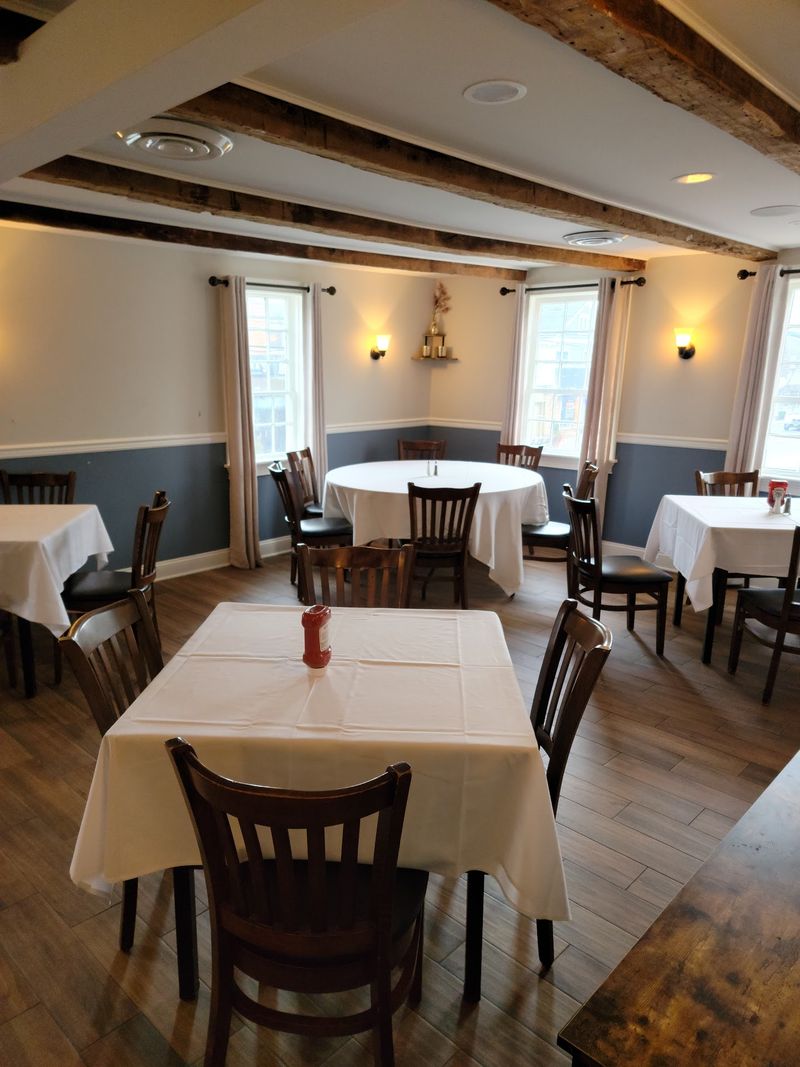
Stagecoaches once stopped where downtown Scotch Plains now moves at a much faster pace. The inn was built in 1737 by John Sutton and became an important local meeting place during the Revolutionary era.
Some original beams and structural elements remain inside the present restaurant. The current Stage House Tavern concept opened at this address in 2003, preserving parts of the old building while operating as a busy modern dining room.
The menu is broad enough to match the crowds. House-made ravioli, rigatoni Bolognese, penne vodka, meatloaf, fish and chips, sandwiches, and Sunday brunch give you several routes through the kitchen.
That variety also explains why the rooms rarely seem frozen in the past. Families, lunch groups, and dinner reservations keep the old stage stop active rather than ceremonial.
You can enjoy the history without pretending the twenty-first century disappeared at the door. The restaurant accepts reservations, maintains current daily kitchen hours, and offers the kind of energetic service expected in a popular downtown tavern.
Look for the surviving beams after you sit down, then return your attention to the menu before hunger makes the decision. A plate of house-made pasta inside a 1737 structure creates a strong link between old architecture and current appetite.
Address: 366 Park Avenue, Scotch Plains, NJ 07076.
4. Black Horse Tavern & Pub
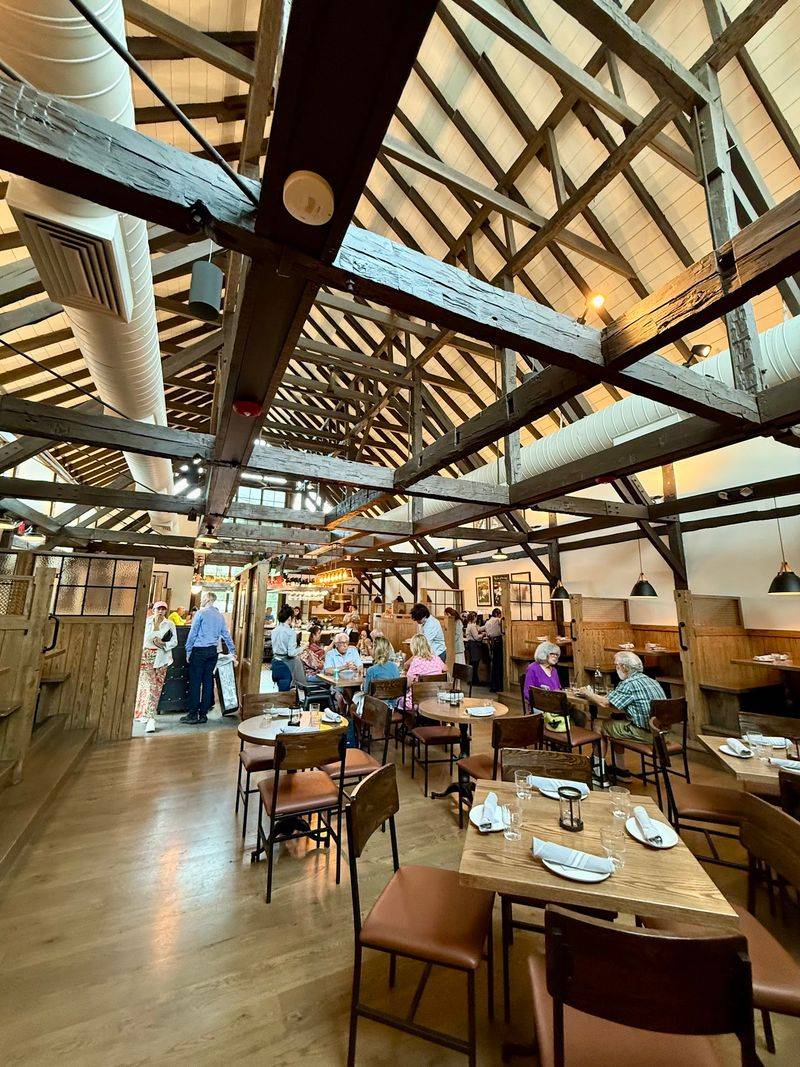
Mendham’s Black Horse traces its restaurant history to 1742 and occupies a renovated stagecoach house associated with the 1740s. The business describes itself as New Jersey’s oldest continually running restaurant, a claim supported by the borough’s own history page.
Recent renovations preserved the building’s character while updating the experience. You still get the low-scale, rustic setting expected from a colonial property, but the rooms function as active dining spaces rather than fragile exhibits.
The menu centers on American classics with modern adjustments. That approach suits a restaurant carrying nearly three centuries of expectations, because it allows the kitchen to remain recognizable without treating history as a reason to stop evolving.
The tavern and dining areas offer different levels of formality. You can choose a relaxed meal or settle into a longer dinner while the building’s old stagecoach identity remains visible around you.
Mendham adds another layer to the visit. The surrounding streets and traditional village scale prepare you for the restaurant before you cross the threshold, making the meal part of a broader historic setting.
Reserve a table when weekends are busy, then arrive early enough to see the exterior from more than a passing car window. The Black Horse has been part of this corner since colonial travel depended on horses, not traffic reports.
Address: 1 West Main Street, Mendham, NJ 07945.
5. The Clinton House
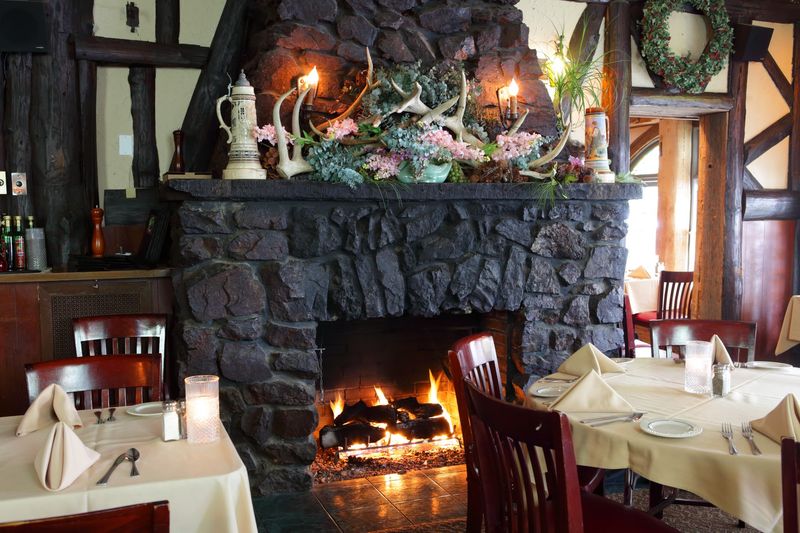
Long before Clinton became a postcard-friendly river town, travelers were already stopping at this inn. The Clinton House dates its hospitality on Main Street to 1743.
The present business operates as a historic American steakhouse. Hand-cut steaks, fresh seafood, crab cakes, sauerbraten, burgers, and weekend brunch keep the menu firmly connected to current dining rather than nostalgia alone.
The owners note that parts of the room remain similar to what a stagecoach passenger would have known two centuries ago. That idea becomes easier to understand when you slow down and study the scale of the space instead of treating it as background decoration.
Reservations and walk-ins are both accepted, although booking ahead is recommended for busy weekends. Parking sits directly across the street, which makes it easy to begin the visit without circling the historic district while your table time approaches.
After dinner, Main Street, the river, the waterfall, and Clinton’s famous mill are close enough for a walk. You can turn one meal into a full afternoon without moving the car again.
Start with the building’s history, but let the kitchen have the final word. Sauerbraten, dry-aged steak, or a seafood plate can make 1743 seem surprisingly relevant to dinner plans in 2026.
Address: 2 West Main Street, Clinton, NJ 08809.
6. The Cranbury Inn
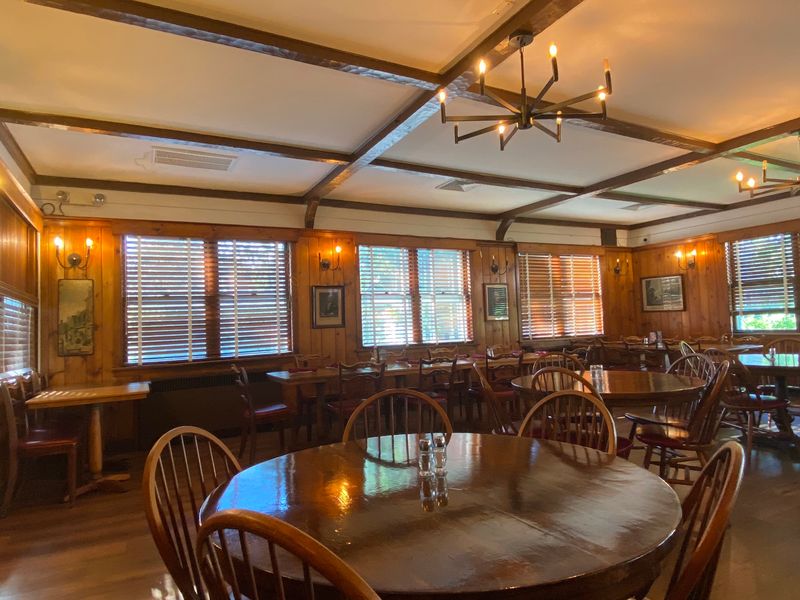
The Cranbury Inn is not one simple colonial structure with an equally simple timeline. Its historic sections include taverns built around 1750 and 1765, while the business formally traces its establishment to 1780.
Those early rooms served travelers moving along one of colonial New Jersey’s important routes. The inn later expanded through additional buildings and changing uses, creating the layered property you see today.
The current restaurant has reopened with new ownership while continuing to emphasize its historic identity. American dining, seafood, steaks, brunch, and special-event service keep the property active throughout the week.
The timber-frame areas remain central to the experience. You can move from an older, intimate room into larger additions and see how the business adapted without abandoning the earliest sections.
Cranbury itself strengthens the visit. Main Street remains walkable and visually consistent, giving you a chance to explore the village before or after the meal rather than rushing back toward the highway.
Choose daylight when you want to examine the exterior and nearby streets, or reserve dinner when the older rooms take on a warmer atmosphere. Either way, this inn proves that a building can keep changing while still allowing its earliest chapters to remain visible.
Address: 21 South Main Street, Cranbury, NJ 08512.
7. The Grain House Restaurant
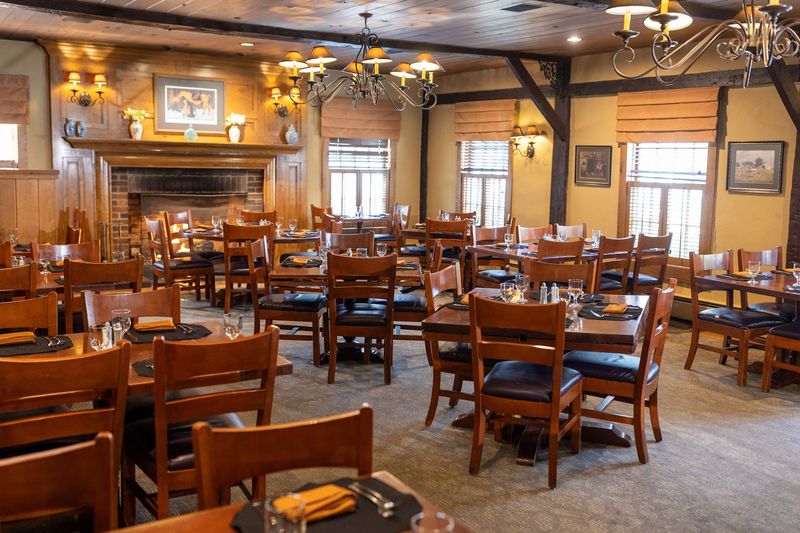
A barn built in 1768 eventually became one of Basking Ridge’s most distinctive dining rooms. The structure stored grain for Continental Army troops encamped at Jockey Hollow during the harsh winter of 1779 and 1780.
Today, The Grain House Restaurant uses that history without allowing it to overwhelm the meal. Original beamed ceilings, fireplaces, large hearths, and rustic rooms provide the setting for lunch, dinner, and weekend brunch.
The kitchen serves American fare with an emphasis on locally sourced ingredients. An organic garden supplies herbs and produce, while a dock-to-table program connects the seafood menu directly with domestic fishermen.
Current choices move from French onion soup and calamari to salads, sandwiches, seafood, and larger dinner plates. You can eat casually near a fireplace without losing sight of the building’s Revolutionary-era role.
The restaurant sits beside the Olde Mill Inn but operates as its own clearly marked dining destination. Use 225 Morristown Road in your GPS if Route 202 creates confusion.
Reservations are recommended, especially when fireside tables and weekend brunch draw a crowd. Once inside, the thick beams and hearths make a convincing case for putting the phone away until the food arrives.
Address: 225 Route 202, Basking Ridge, NJ 07920.
8. The Smithville Inn
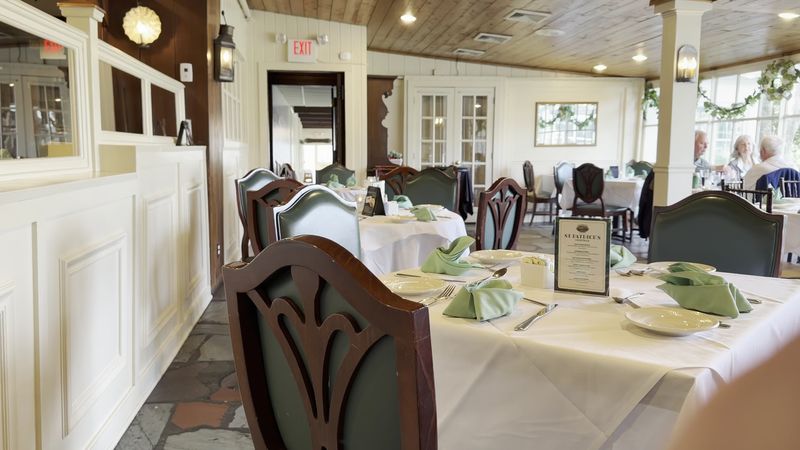
The first Smithville Inn began as a one-room structure built in 1787 by James Baremore. It grew along a stagecoach route, declined after transportation patterns changed, and was eventually abandoned.
Fred and Ethel Noyes rediscovered the property in 1949. After studying its history, they purchased and restored it, reopening the inn in 1952 as a 42-seat restaurant.
That successful revival helped create the surrounding Historic Smithville village. Buildings from across South Jersey were relocated and restored nearby, turning the restaurant into the anchor of a much larger walking destination.
The current inn serves lunch and dinner daily. Its menu combines New American cooking with a setting defined by old wood, fireplaces, and rooms shaped by the restored structure.
Arrive before your reservation if you enjoy browsing shops, crossing footbridges, or walking beside the lake. The village gives you plenty to do before the dining room becomes the main event.
The restaurant is not simply old, and the village is not an untouched colonial settlement. Both are products of careful twentieth-century restoration, which makes the survival story more interesting rather than less authentic.
Address: 1 North New York Road, Galloway, NJ 08205.
9. Ho-Ho-Kus Inn & Tavern
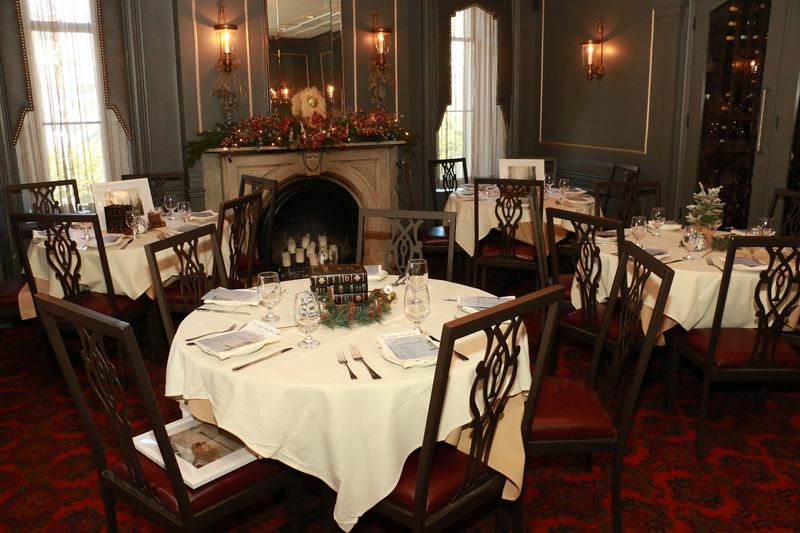
The building now housing Ho-Ho-Kus Inn and Tavern began as a private residence in 1796. It later served as a parsonage and became a tavern in 1890, collecting new identities as the surrounding borough developed.
The borough purchased the property in 1941 to protect it from demolition. Current operators reopened it in 2009 after a seven-month renovation, preserving a community landmark while updating the dining spaces.
Four inn dining rooms, a separate tavern area, and a seasonal bluestone patio give you several different settings at one address. One visit can feel intimate and traditional, while another can lean casual and outdoors.
The menu follows a seasonal American approach. Burgers, soups, salads, steakhouse selections, oysters, fish, and seafood give the kitchen enough range for lunch, dinner, and Sunday brunch.
This is a good choice when your group cannot agree on one level of formality. You can enjoy the historic rooms without turning the evening into a formal occasion that requires whispering.
The restaurant currently opens Wednesday through Sunday, so check the day before planning a Bergen County drive. Once seated, notice how each room carries a slightly different version of the same 1796 story.
Address: 1 East Franklin Turnpike, Ho-Ho-Kus, NJ 07423.
10. The Sergeantsville Inn
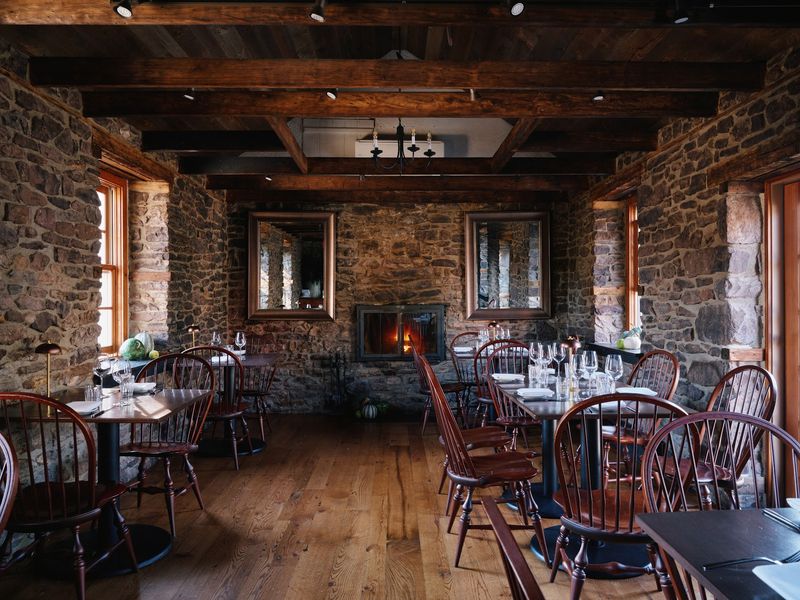
This inn carries a complicated history because the property has changed owners, functions, and physical form across generations. Its most dramatic recent chapter came in 2015, after a fire made the business pause and rebuild.
The restored inn returned to service, allowing you to dine again at the rural Hunterdon County address. The reconstruction preserved the historic character while creating a restaurant capable of meeting current kitchen and service needs.
Seasonal cooking shapes the menu. Meat, seafood, vegetables, and changing preparations reflect a kitchen that treats the surrounding agricultural region as more than scenery.
The rural drive contributes to the experience. Roads pass farmland, stone walls, and small settlements before the inn appears, giving dinner a sense of arrival that a shopping-center location cannot imitate.
Inside The Sergeantsville Inn, fireplaces and warm materials return the focus to the building’s long hospitality role. You can appreciate the restoration without needing to know every disputed version of the property’s earliest history.
Book ahead for a busy evening and allow time for the drive. The first view of the restored exterior makes the route worthwhile before you have tasted anything from the current menu.
Address: 601 Rosemont Ringoes Road, Sergeantsville, NJ 08557.
11. Knife & Fork Inn
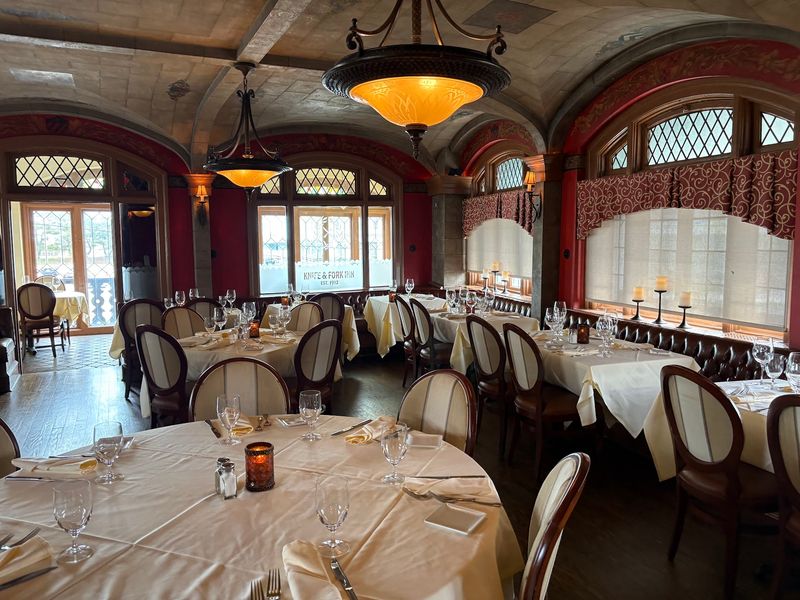
Atlantic City’s Knife and Fork Inn belongs to a later historical period than the colonial taverns, but its story contains more drama than many buildings twice its age. It opened in 1912 as a private men’s dining and drinking club.
Women were restricted to a separate lounge at first, while private upper-floor rooms carried their own reputation. During Prohibition, the club continued serving alcohol until federal agents finally raided the bar.
The building became a public restaurant in 1927. After later closures and ownership changes, the Dougherty family purchased it in 2005 and completed a major restoration inspired by its Prohibition-era appearance.
You can now dine among mahogany millwork, restored ceilings, chandeliers, murals, fireplaces, and stained-glass details. Five distinct dining areas make it worth looking beyond the first room you enter.
Steaks and seafood lead the current menu, with dinner served nightly and lunch available on Fridays. Reservations are sensible, especially when Atlantic City weekends fill the historic rooms early.
The exterior’s crossed knife-and-fork emblems make the building easy to recognize from the avenue. Inside, the old club’s rules are gone, but its theatrical confidence remains fully intact.
Address: 3600 Atlantic Avenue, Atlantic City, NJ 08401.