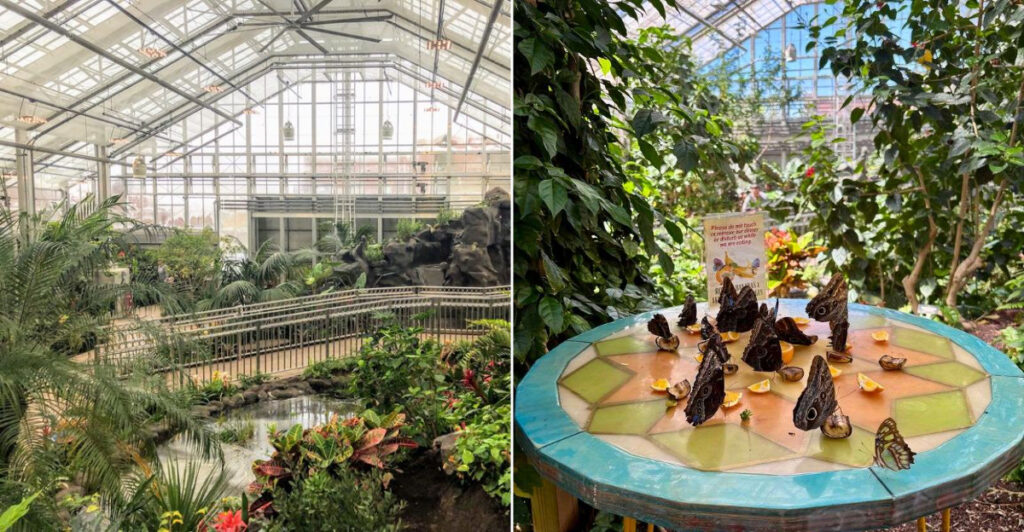
A room filled with butterflies changes the way people move, speak, and even breathe. Inside this tropical conservatory, more than a thousand delicate wings drift through warm air, flashing electric blue, sunset orange, and patterns that look hand-painted.
Visitors exploring Utah can watch a Blue Morpho settle nearby, follow tiny paths through lush greenery, and forget every notification waiting outside. The experience works for curious kids, camera-carrying couples, and solo travelers who need something softer than another busy afternoon.
There is no rush here. You simply wander, notice, and wait for the moment one butterfly decides your shoulder looks inviting.
That tiny surprise is what makes the visit linger long after you leave. Among Utah’s most unexpected indoor escapes, this one offers color, calm, and genuine wonder without requiring a hike, a long drive, or even perfect weather to make the day feel extraordinary for visitors of every age, too.
The Tropical Conservatory Itself: A Rainforest Hiding in Utah
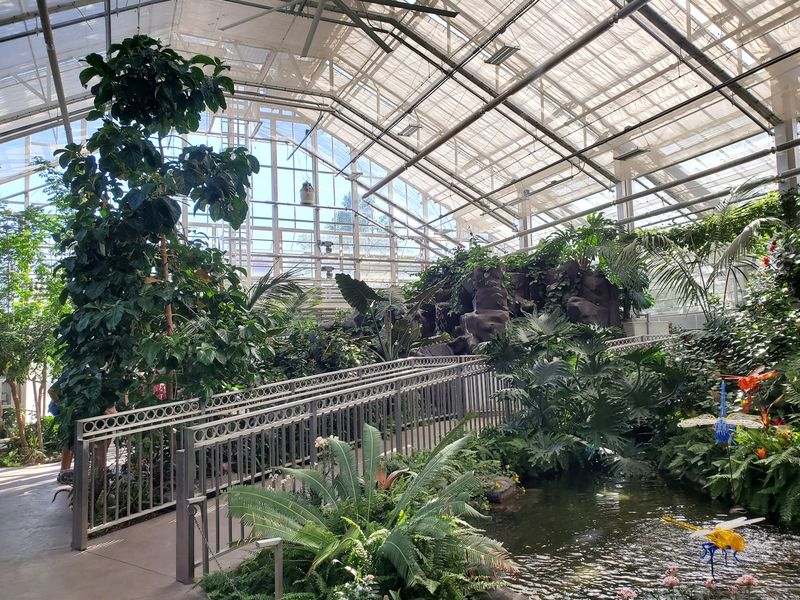
Most people do not expect to walk through a rainforest on a Tuesday afternoon in Utah, yet here we are. The conservatory at the Butterfly Biosphere is a fully enclosed, humidity-rich greenhouse environment designed to mimic a tropical habitat, complete with curved walkways, layered greenery, and the kind of warm, dense air that makes you briefly forget there is a desert outside.
The landscaping inside is deliberate and detailed. Lush tropical plants frame every path, creating natural canopy layers that give butterflies places to rest, feed, and simply exist.
Visitors walk through rather than around the habitat, which means the experience feels immersive rather than observational.
Pro Tip: Arrive on a sunny morning for peak butterfly activity. Visitors consistently report that sunlight dramatically increases how active and visible the butterflies are throughout the conservatory.
Cloudy afternoons tend to make the population quieter and harder to spot.
The curved walkways also make the space feel larger than it is, rewarding slow walkers who pause and look carefully. What feels like a casual stroll can easily stretch into an hour of genuine discovery.
Over 1,000 Free-Flying Butterflies: What That Actually Looks Like
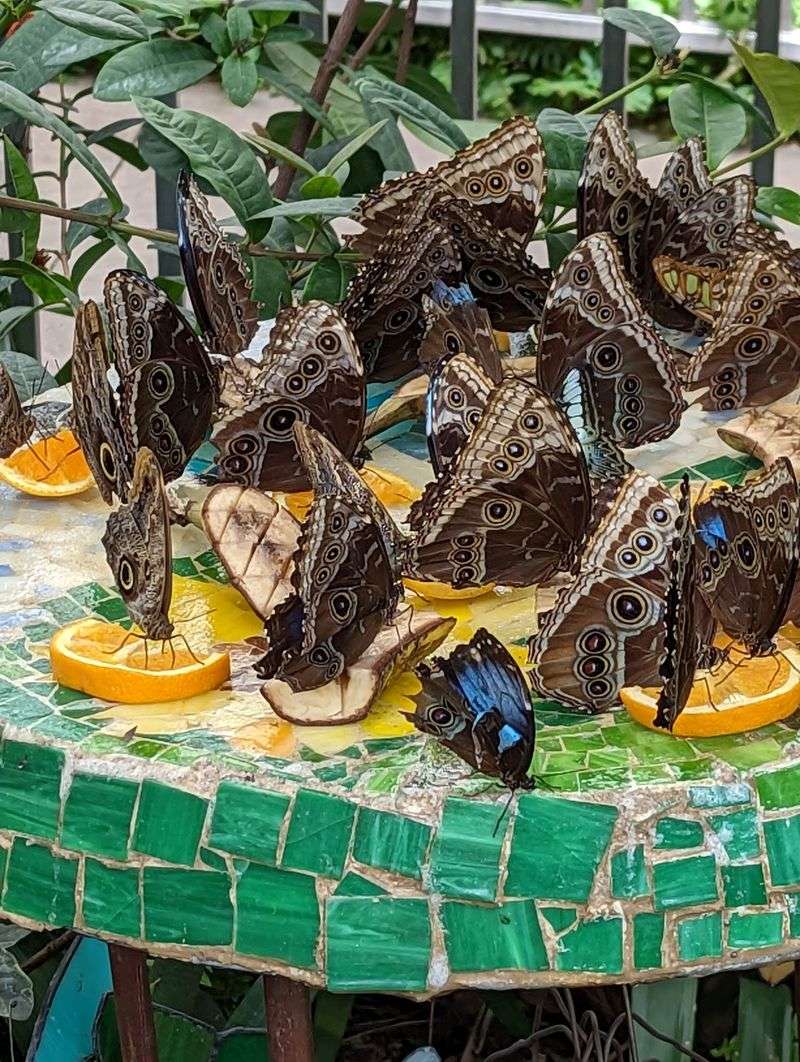
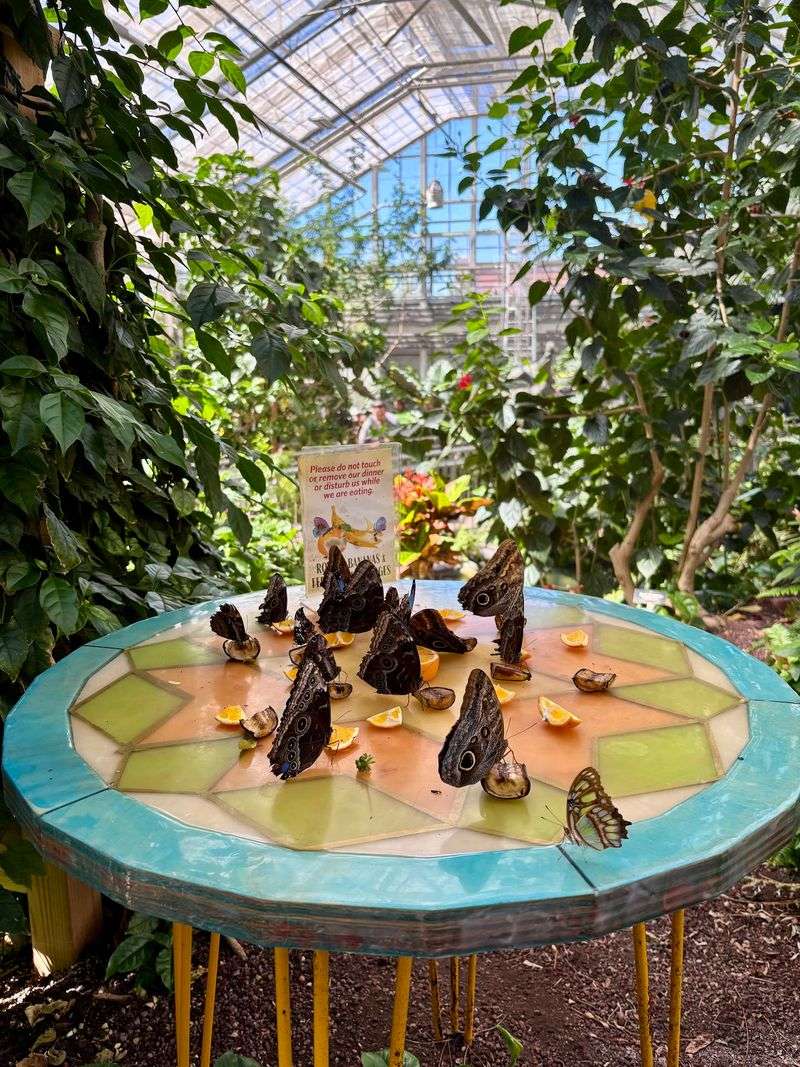
The number sounds like marketing until you are standing inside and realize the air itself seems to be moving in slow, colorful pulses. Over a thousand butterflies representing a wide variety of species share the conservatory space at any given time, and the density of wings in motion is genuinely striking without ever feeling chaotic.
Different species occupy different zones within the habitat. Some prefer the higher canopy, others drift low along the walking paths, and a fair number seem perfectly comfortable landing on visitors who stand still long enough.
Patience is genuinely rewarded here.
Best For: Photographers and anyone who wants a butterfly to land on them. Standing quietly with your arm extended is a well-known strategy that actually works inside the conservatory, and visitors regularly report successful landings on hands, shoulders, and even heads.
The variety of species includes some of the more visually famous breeds, giving the experience an educational layer alongside the spectacle. Seeing that many living creatures sharing a single space so peacefully is the kind of thing that quietly recalibrates your afternoon.
The Butterfly Life Cycle Exhibits: Cocoons, Chrysalises, and What Comes Next
Before you ever reach the conservatory floor, the Butterfly Biosphere gives you the backstory. The life cycle exhibits walk visitors through the stages of butterfly development, with actual chrysalises visible at various points of transformation.
Watching a creature reorganize itself entirely inside a small casing is, objectively, one of the stranger and more fascinating things nature does.
The exhibit is designed to be accessible without being oversimplified. Kids can engage with it on a surface level of pure wonder, while adults find themselves genuinely curious about the biology involved.
That balance is harder to achieve than it looks, and the Biosphere manages it cleanly.
Why It Matters: Understanding the life cycle adds real context to the conservatory experience that follows. Once you have seen a chrysalis up close, spotting a freshly emerged butterfly inside the greenhouse carries a completely different weight.
The sequencing of the visit is intentional and effective.
Visitors who rush past this section consistently report feeling like they missed something. Spend a few minutes here before entering the main conservatory and the whole experience becomes more layered and memorable.
The Bug and Insect Exhibits: More Than Just Butterflies
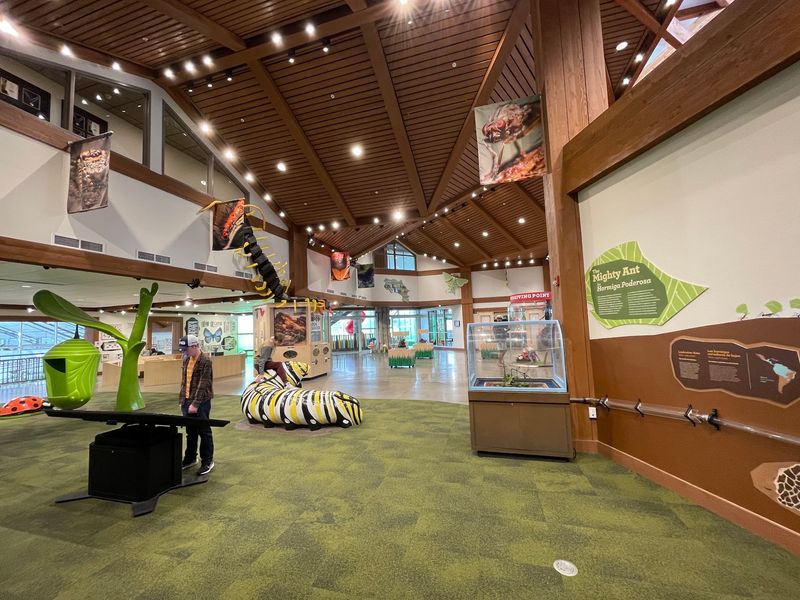
Here is the section that catches a surprising number of visitors off guard in the best possible way. Beyond the butterflies, the Biosphere houses a collection of live insect exhibits in glass cases, covering species that most people have never seen up close and a few that genuinely make you reconsider your relationship with the insect world.
Ant colonies, framed specimen displays, and interactive stations round out the museum portion of the building before guests enter the conservatory. The variety is broad enough to hold attention without overwhelming the visit or pulling focus from the main event waiting inside the greenhouse.
Insider Tip: The bug exhibits are a strong option for families with kids who burn through the conservatory faster than expected. Having a second layer of engagement built into the same admission keeps the visit feeling full rather than brief.
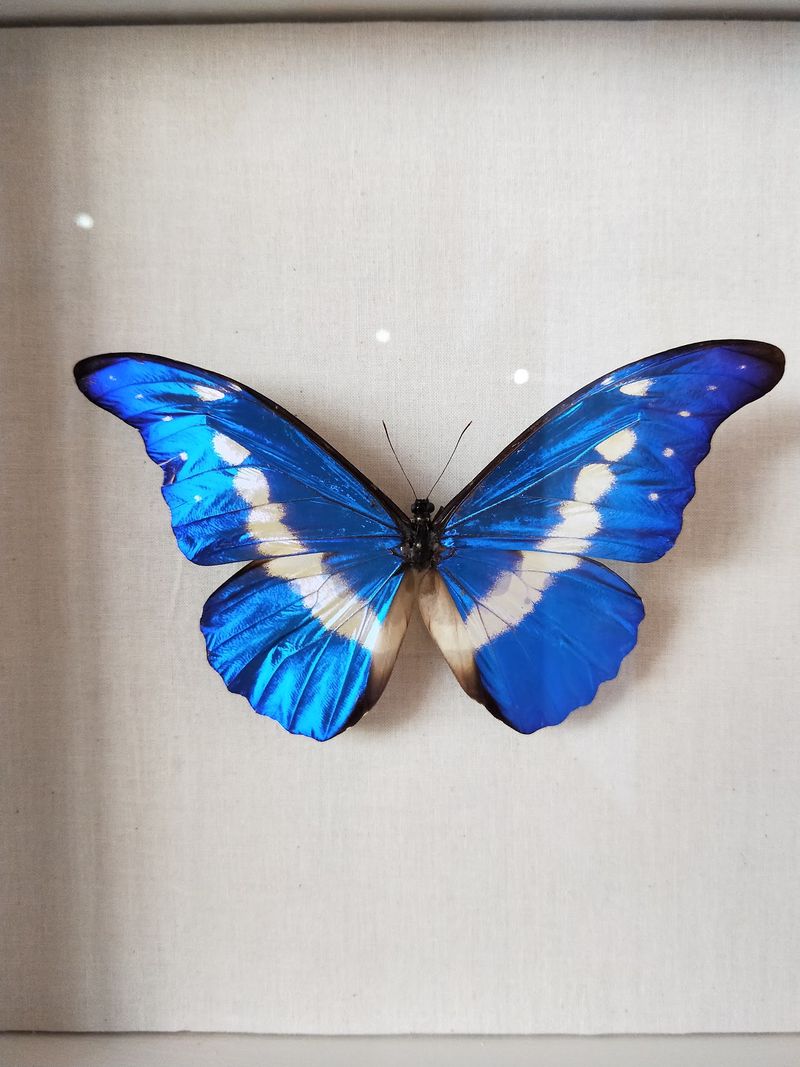
The pinned artwork and framed specimens also appeal to a slightly older audience looking for something more detailed and scientific. It is a genuinely well-rounded natural history component tucked into what most people assume will be a single-subject attraction.
The ant exhibit in particular draws a loyal crowd of repeat visitors.
The Indoor Playground: Where Energy Goes to Be Useful
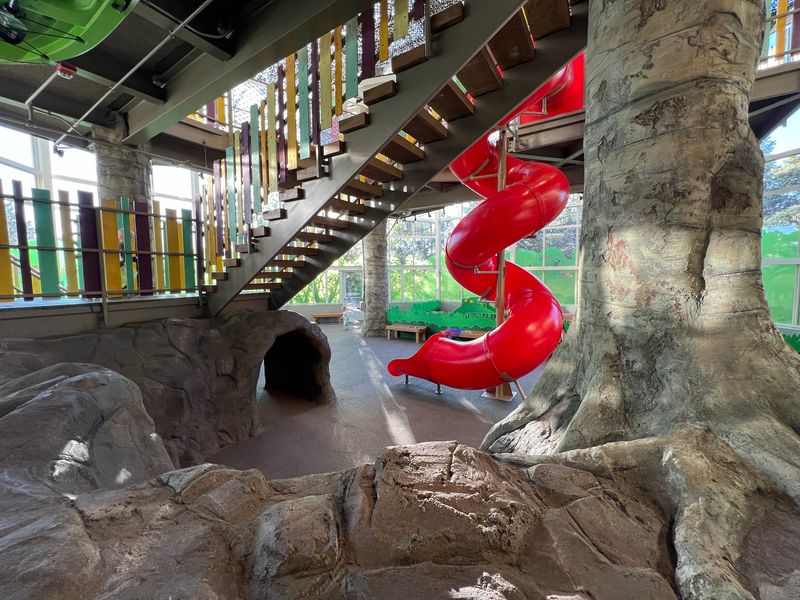
Somebody at the Butterfly Biosphere clearly understood that small children and slow, meditative butterfly observation do not always coexist peacefully for a full hour. The addition of an indoor playground, featuring separate areas for toddlers and older kids, solves this problem with quiet efficiency.
The playground sits adjacent to the main exhibits, giving families a natural pressure valve when the younger members of the group have reached their butterfly threshold. Parents can rotate supervision while others continue exploring, which is a practical design choice that real families genuinely appreciate.
Best Strategy: Save the playground for after the conservatory walk rather than before. Kids who burn energy on the equipment first tend to move through the butterfly habitat faster and with less patience for standing still, which is exactly the opposite of what produces the best experience inside the greenhouse.
The playground addition is relatively recent, and visitors who remember earlier versions of the Biosphere consistently note it as a meaningful upgrade. It transforms the attraction from a one-and-done stop into a place where families can comfortably spend a full afternoon without anyone checking the time anxiously.
Visiting With Kids: What Actually Happens Inside the Conservatory
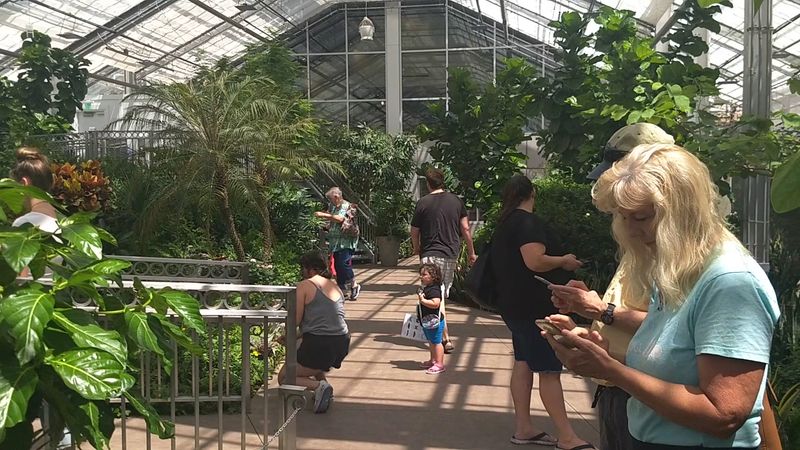
Bringing children to the Butterfly Biosphere is a genuinely rewarding experience, though it comes with a few honest realities worth knowing before you arrive. Younger kids tend to move quickly, get excited loudly, and occasionally test the boundaries of gentle butterfly interaction.
This is not a criticism; it is just physics.
The conservatory staff communicates handling guidelines to guests before entry, and the experience works best when adults actively model calm behavior inside the habitat. Kids who are coached to move slowly and wait for butterflies to land voluntarily rather than chasing them report significantly more successful interactions.
Planning Advice: Weekday mornings are consistently quieter than weekend visits. Families who arrive when the space is less crowded report that butterflies are easier to spot, easier to approach, and more likely to land on willing participants.
Weekends get busy, and the energy level inside the conservatory reflects that.
For school-age children especially, this visit hits a sweet spot between entertainment and education that is difficult to manufacture artificially. The staff is knowledgeable and approachable, and the educational programming available for student groups extends the value well beyond a casual afternoon outing.
Couples and Solo Visitors: A Different Kind of Quiet Win
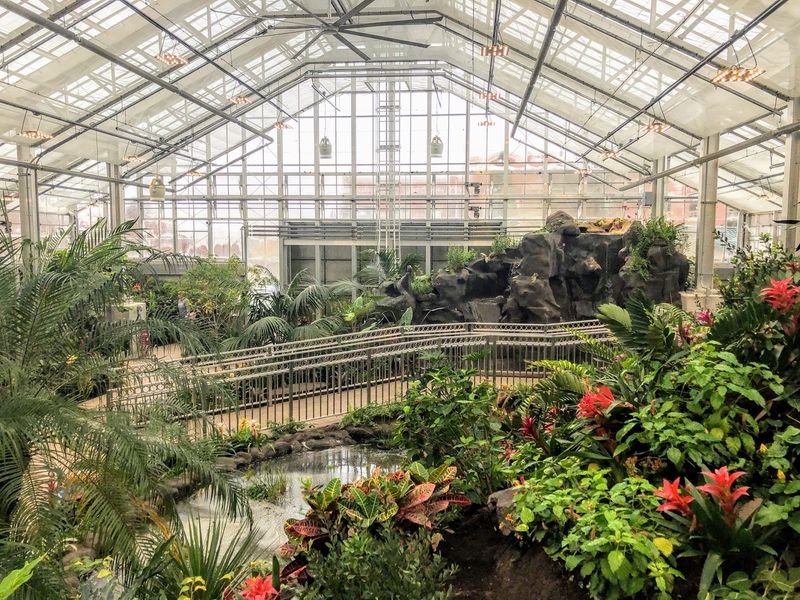
Not every great outing needs to involve a full family caravan. The Butterfly Biosphere works surprisingly well as a date or solo visit, particularly during weekday evenings when the crowd thins and the pace inside the conservatory slows noticeably.
Later evening visits produce a different kind of experience: butterflies settle into resting positions, which makes them easier to observe closely and photograph without competition.
One visitor described an evening trip as feeling like a scavenger hunt, scanning the foliage carefully for wings that had folded flat against leaves and stems. That kind of patient, detail-oriented exploration suits couples and solo visitors in a way that a packed weekend afternoon simply cannot replicate.
Who This Is For: Anyone who appreciates nature, wants a low-pressure outing with genuine visual payoff, or needs a mid-week activity that feels special without requiring elaborate planning. The Biosphere is open until 8 PM most evenings, which makes it a realistic after-work or post-dinner destination.
As a date night, it has the rare quality of generating real conversation naturally. Watching something unexpected happen, like a butterfly choosing your companion’s shoulder over yours, tends to do that.
Timing Your Visit: Morning Sun Versus Evening Calm
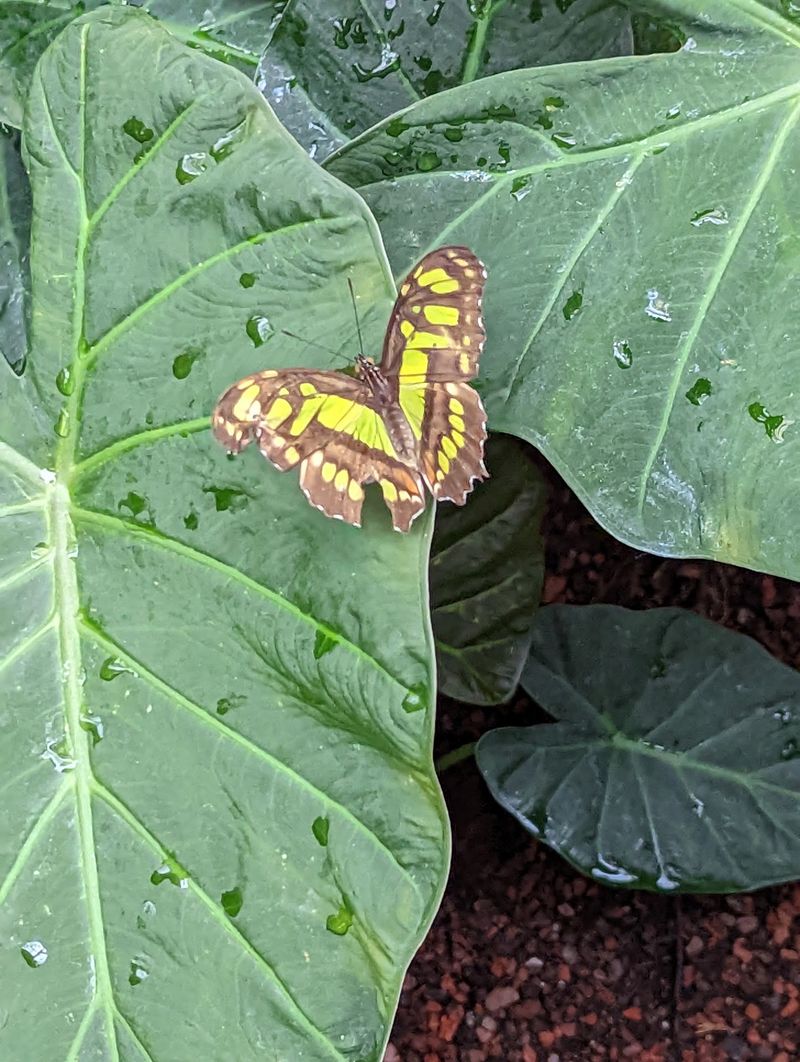
Timing matters more at the Butterfly Biosphere than at most attractions, and the difference between a well-timed visit and a poorly timed one is significant enough that it is worth planning around. Butterflies are solar-powered in a very real sense: sunlight drives their activity levels, and a bright morning produces a noticeably more dynamic conservatory than a cloudy afternoon.
Morning visits on sunny days consistently produce the most active butterfly populations. Wings are in motion, feeding behavior is visible, and the overall density of observable activity makes the conservatory feel genuinely alive in a way that shifts as the day progresses.
Quick Verdict: For maximum butterfly activity and interaction, aim for a weekday morning with clear skies. For a more meditative, photography-friendly experience with settled butterflies and thinner crowds, a weekday evening works exceptionally well.
Weekends offer full energy but also full crowds, which is a trade-off worth considering before you book.
The Biosphere is open 9 AM to 8 PM Monday through Saturday, closed Sundays. That Monday-through-Friday window is genuinely underutilized by most visitors, which means the best experiences are often hiding in plain sight on an ordinary Tuesday morning.
Seasonal Themes and Special Events at the Biosphere
The Butterfly Biosphere does not simply repeat itself year after year and call it a day. Seasonal programming and themed events add rotating layers to the experience that give repeat visitors a genuine reason to return.
The Happy Hula Days festival, for example, brought colorful Hawaiian and Polynesian displays into the conservatory, creating a cultural overlay on top of the existing natural habitat that surprised even seasoned visitors.
Seasonal decorations and themed installations change the visual texture of the space without altering the core experience of walking among living butterflies. The result is an attraction that feels current and attentive rather than static, which is a meaningful distinction for families who live locally and visit multiple times per year.
Common Mistakes to Avoid: Assuming the experience is identical every visit is one of the more common errors repeat visitors make. Checking the Thanksgiving Point website before your trip takes about thirty seconds and can reveal themed programming that adds a completely new dimension to a familiar space.
Educational programs for student groups are also available, making the Biosphere a practical field trip destination with built-in curriculum connections. The staff engagement during these programs consistently earns strong feedback from teachers and group leaders alike.
Planning Your Visit: The Practical Details Worth Knowing
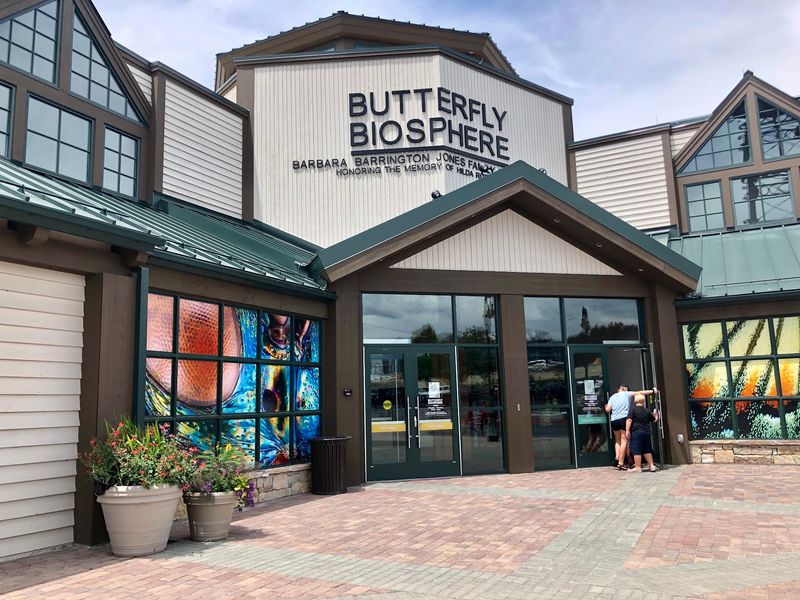
The Butterfly Biosphere is located at 3003 N Thanksgiving Way in Lehi, Utah, part of the larger Thanksgiving Point complex. The phone number is 801-768-2300, and the website at thanksgivingpoint.org carries current ticketing information, seasonal programming details, and any updates on hours or special events worth checking before you go.
Admission pricing is worth noting. Multiple visitors flag the ticket cost as a consideration, particularly for larger family groups.
EBT card discounts and other reduced-rate options are available, and checking those options before purchasing at full price can make a real difference in the overall value calculation for families on a budget.
Who This Is Not For: Visitors expecting a massive, sprawling venue may find the footprint smaller than anticipated. The Biosphere is intentionally focused and compact, which works beautifully for the experience it delivers but may feel brief to guests expecting something on the scale of a full zoo or large natural history museum.
Restrooms are on-site, the staff is knowledgeable and helpful, and the gift shop provides a tidy ending to the visit. Come with reasonable expectations, arrive at the right time of day, and the Butterfly Biosphere will very likely exceed them.
That is a confident recommendation from a place rated nearly perfectly by thousands of visitors.