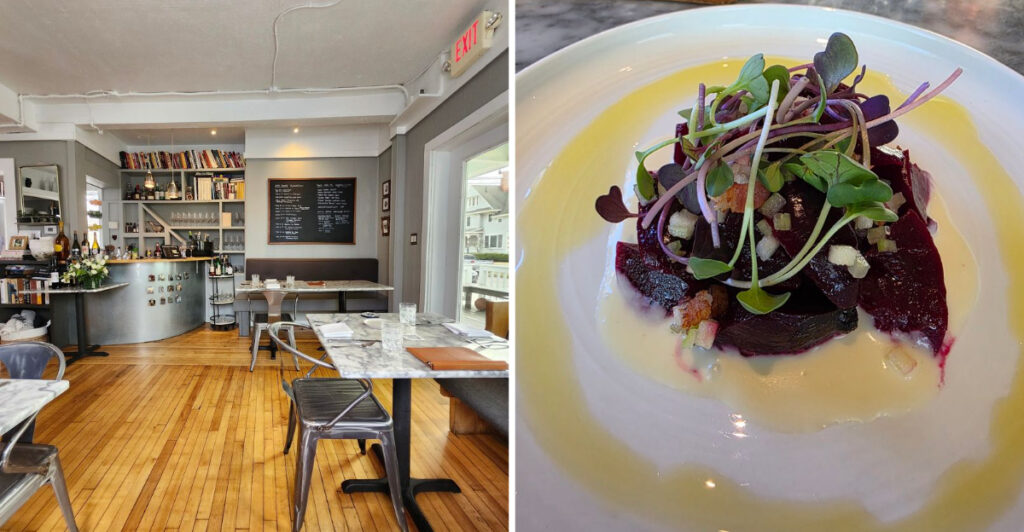
Twenty-six seats can create a surprising amount of dinner envy.
Inside one small Traverse City house, the room stays quiet while the kitchen keeps changing the conversation. Local art covers the walls. Northern Michigan farms, fisheries, and seasonal harvests shape what reaches the table.
Nothing here is locked into a permanent script. One evening may spotlight lake fish. Another may turn vegetables or Michigan cheese into the reason nobody checks the time.
You can choose individual plates or hand the decisions over to a tasting menu. Either way, the meal rewards curiosity more than caution.
This is not the loudest dinner in town, and that is exactly the point.
Northern Michigan has plenty of obvious stops. This house proves the best table may be the one you almost missed until dinner gives you a reason to remember it.
A White House Hides A Serious Kitchen
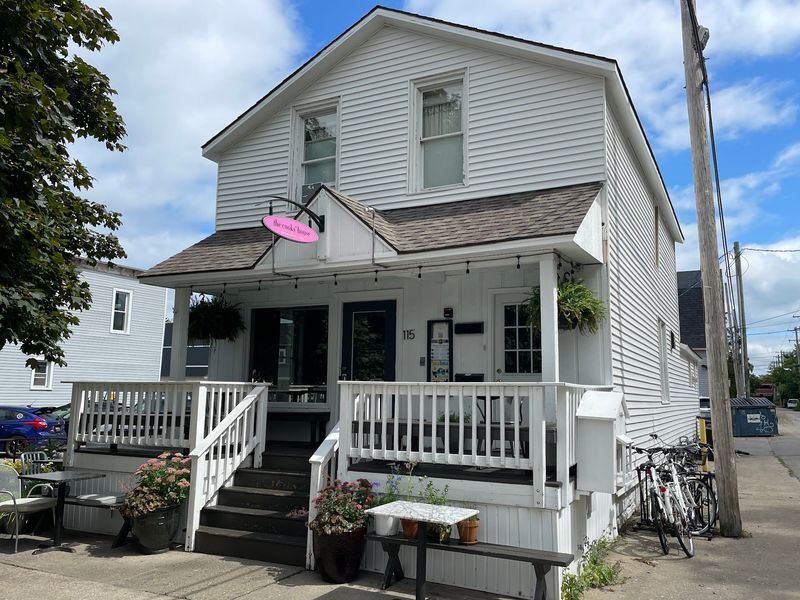
From the sidewalk, The Cooks’ House looks more like a private residence than one of Traverse City’s most accomplished dining rooms. The modest exterior keeps the first impression quiet.
Inside, the mood changes without becoming formal. Local artwork brightens the walls, tables fill the compact room, and the kitchen sits close enough for diners to sense the pace of service.
Only twenty-six seats keep the experience personal. You can hear your companion, notice each course arriving, and watch the room settle into the same unhurried rhythm.
The small scale also puts the food under a brighter spotlight. There is nowhere for a weak dish to disappear when every table sits close to the action.
Fortunately, the kitchen does not need distractions. Sauces, vegetables, fish, meat, cheese, and bread arrive with enough detail to keep attention firmly on the plate.
The dress code remains relaxed, so you do not need to turn dinner into a costume change. Show up ready to eat, and let the cooking handle the sense of occasion.
Two Chefs Brought Wide Experience Back To Michigan
Jennifer Blakeslee and Eric Patterson built The Cooks’ House after working in demanding restaurant kitchens, including time in Las Vegas. Blakeslee’s Northern Michigan roots eventually pulled the pair toward Traverse City.
Their experience shows through technique rather than spectacle. A dish may look restrained, yet the balance of texture, seasoning, temperature, and sauce reveals how much work happened before it reached you.
The chefs chose a small dining room instead of a sprawling operation. That decision allows the menu to respond closely to seasonal ingredients and keeps the kitchen connected to every table.
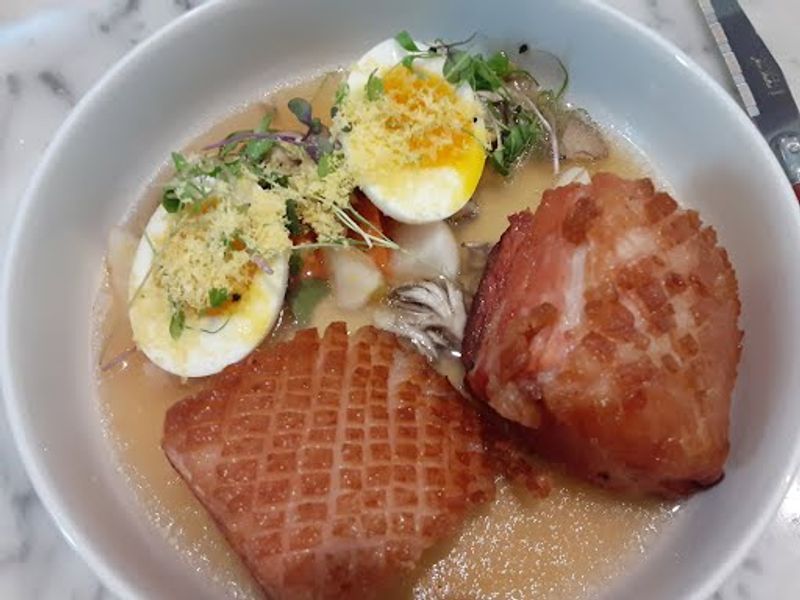
You may see familiar foods presented in less familiar combinations. Walleye, pork, duck, mushrooms, root vegetables, berries, and artisan cheeses can move through the menu as the seasons change.
The cooking never needs to shout. One precise bite often does more than a plate crowded with decorations and unnecessary tricks.
That confidence gives the restaurant its warmth. You are eating ambitious food, but nobody asks you to treat dinner like an exam.
Twenty-Six Seats Keep Dinner Personal
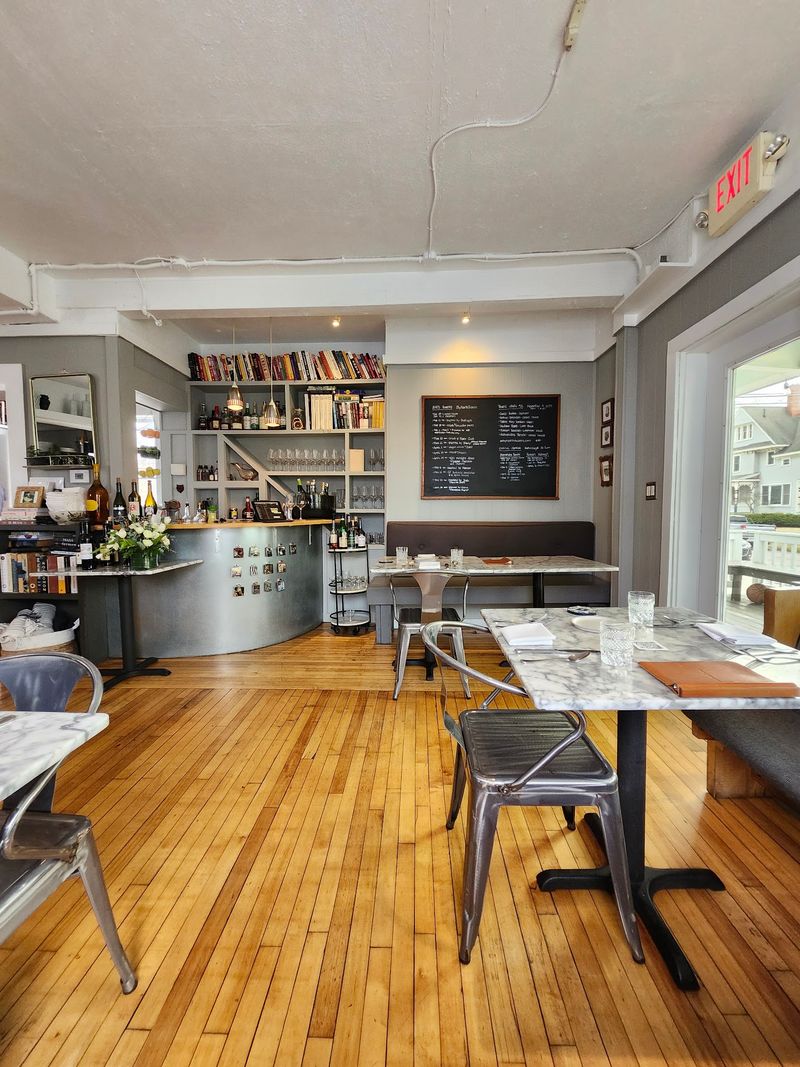
A dining room this small changes how the evening unfolds. Service feels closer, courses arrive with a deliberate pace, and conversations do not have to compete with a wall of noise.
The chefs may step into the room or speak with diners near the kitchen. Those moments add personality without turning the meal into a performance.
Reservations matter because twenty-six seats disappear quickly, especially during Traverse City’s busy summer and autumn travel seasons. Planning ahead protects you from a very disappointing look through the window.
Once seated, however, the room encourages you to slow down. There is no pressure to rush through a tasting menu or clear the table for a giant crowd waiting behind you.
The intimacy also suits celebrations that do not need balloons and loud music to feel important. An anniversary, birthday, or long-overdue dinner can carry its own weight here.
Even a regular weeknight gains a little ceremony when the first course arrives and everyone at the table instinctively leans closer.
Northern Michigan Ingredients Shape Every Visit
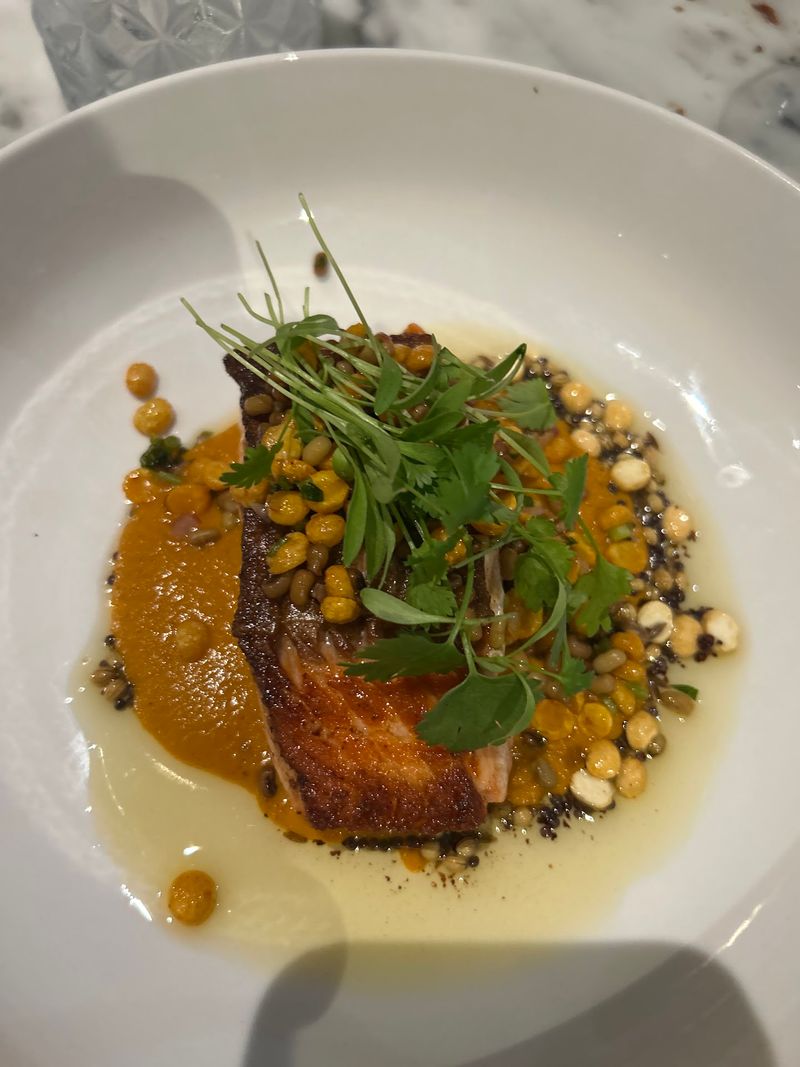
The menu changes because Northern Michigan does. Farms, fisheries, orchards, foragers, and artisan producers supply ingredients according to season rather than convenience.
That approach means a favorite dish may disappear before your next visit. It also means the replacement has a reason for being there beyond filling space on a permanent menu.
Spring can bring tender greens and early vegetables. Summer expands the produce selection, while autumn shifts toward mushrooms, squash, roots, apples, and deeper flavors.
Fish from the region may appear beside vegetables that traveled only a short distance. Michigan cheeses and carefully chosen pantry ingredients add another layer without pulling the cooking away from its surroundings.
You taste the region through these combinations instead of reading a farm list and hoping the promise reaches the plate.
That connection makes repeat visits more interesting. The room stays familiar, but the food gives you a new version of Northern Michigan each time.
Tasting Menus Turn Dinner Into A Slow Progression
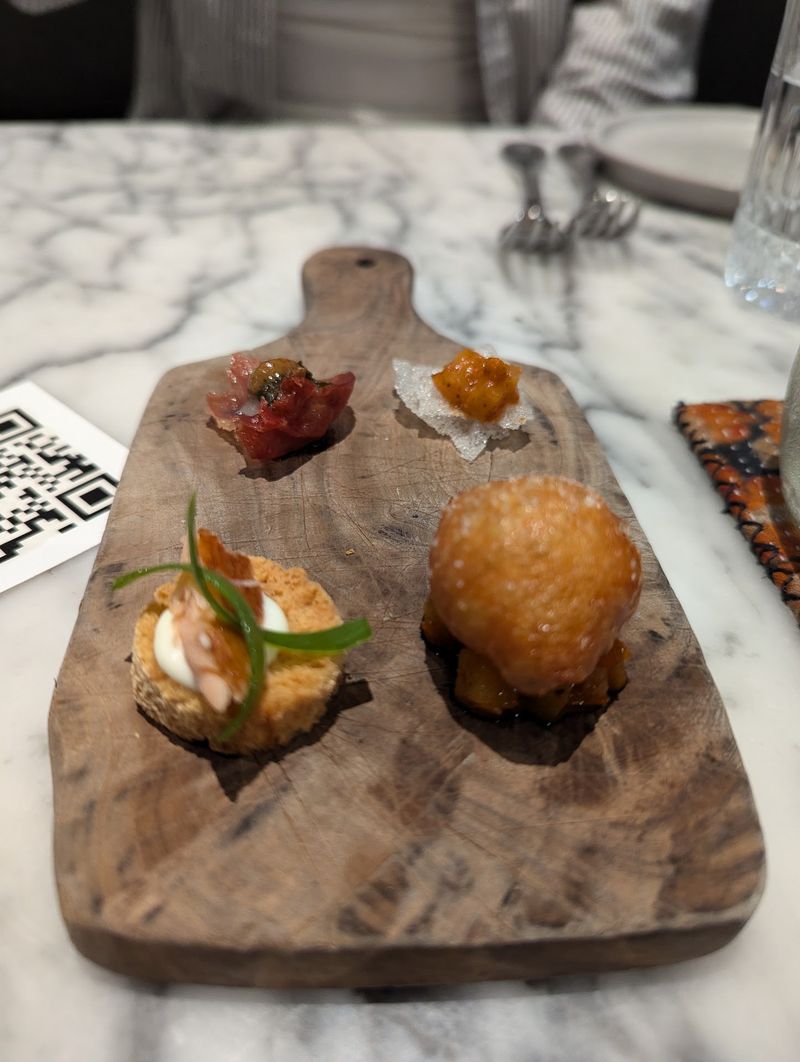
The tasting menu gives the kitchen room to build a meal course by course. Smaller plates arrive in sequence, allowing flavors and textures to develop without one enormous entrée taking over the table.
You do not need to predict every dish before ordering. Part of the pleasure comes from seeing how the kitchen moves from a delicate opening bite toward richer savory courses and dessert.
Bread, small bites, vegetables, fish, meat, and sweets may all find a place depending on the season. The exact route changes, but the pacing keeps dinner connected from beginning to end.
A tasting menu also rewards conversation. Each course gives the table something new to discuss before the next plate arrives.
Diners who prefer more control can choose individual dishes instead. That route lets you build a shorter meal or focus on the ingredients that immediately catch your attention.
Neither option turns dinner into a race. The restaurant works best when you give the food time to arrive, settle, and leave an impression before the next course begins.
James Beard Recognition Expanded The Audience
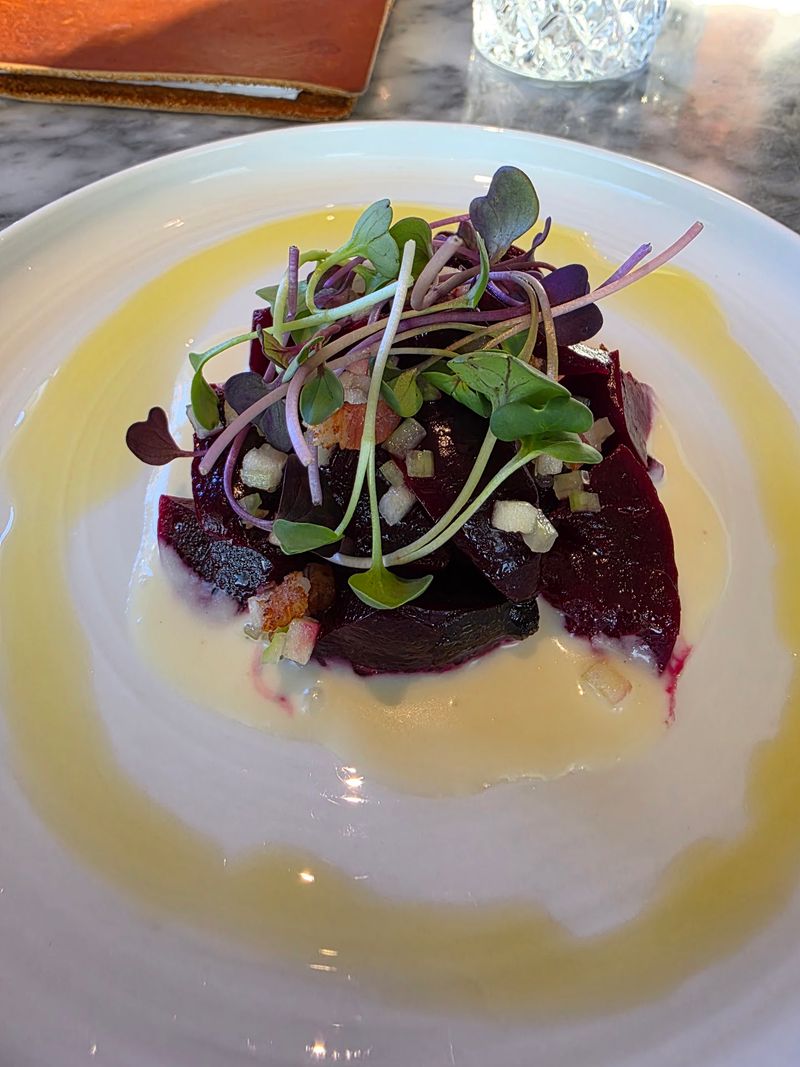
Jennifer Blakeslee and Eric Patterson were named finalists for Best Chef: Great Lakes in the 2025 James Beard Restaurant and Chef Awards.
They were the only Michigan chefs among the five finalists in that regional category. The recognition placed their tiny Traverse City dining room beside celebrated kitchens from Chicago, Cincinnati, and elsewhere in the Great Lakes region.
The award ultimately went to Noah Sandoval of Oriole in Chicago, but finalist status still marked a major national achievement for The Cooks’ House.
That attention introduced more food-focused travelers to a restaurant local diners had supported for years. It also made a limited number of reservations even more valuable.
You do not need an award announcement to enjoy the meal. Still, the recognition confirms that the technique, sourcing, and consistency inside this little house reach far beyond its size.
The most satisfying part is seeing national attention land on cooking rooted so specifically in Northern Michigan. The restaurant did not become less local by reaching a wider audience.
A Small Address Delivers A Memorable Traverse City Meal

Dessert follows the same seasonal thinking as the savory courses. Fruit, chocolate, dairy, herbs, and pastry can appear in combinations that change with the menu.
The final plate rarely behaves like a routine ending. It may bring brightness after a rich course or deepen the meal with something warm, creamy, crisp, or gently sweet.
House-made elements and carefully chosen accompaniments keep dessert connected to everything that came before it. The goal is not simply to place sugar at the end of dinner.
You may think you are too full after several courses. Then dessert arrives with enough balance to make room seem like a flexible concept.
The Cooks’ House succeeds because every part of the experience supports the food. The small room, seasonal menu, close service, and restrained atmosphere all point in the same direction.
First-time diners may arrive because of the James Beard recognition. Others may come after hearing about the restaurant from someone who cannot stop describing a particular course.
Both groups encounter a kitchen that still cooks for the room in front of it. National attention has not changed the intimate scale or the dependence on local ingredients.
Reservations remain the smartest way to secure a table, especially during busy travel periods. The limited seating leaves little room for spontaneous confidence.
You will find the restaurant at 115 Wellington Street, Traverse City, Michigan 49686, inside the modest white house that gives away almost nothing from the sidewalk.
By the time you leave, the address will be much easier to remember. One thoughtful meal can turn an overlooked house into the first place you mention when someone asks where to eat in Traverse City.