Your first buffet plate may arrive with confidence. The second usually admits the plan is gone.
At one Indianapolis restaurant, sushi starts the meal, but it rarely controls the ending. Prime rib waits nearby. Seafood makes its move.
Hot dishes keep appearing until choosing one direction seems unnecessarily responsible.
More than thirty sushi and sashimi options give you plenty to explore before the carving station even enters the picture. One person can stay loyal to rolls. Another can focus on beef.
You can visit both sides and call it balanced decision-making.
The real challenge is pacing. Start small, inspect every station, and resist filling the plate like the buffet closes in five minutes.
Indiana diners come here for variety, but dessert still expects a proper invitation. With this many choices competing for space, which station deserves your first plate?
More Than Thirty Sushi Choices Start The Feast
Sushi fans should resist filling the first plate before seeing the entire station.
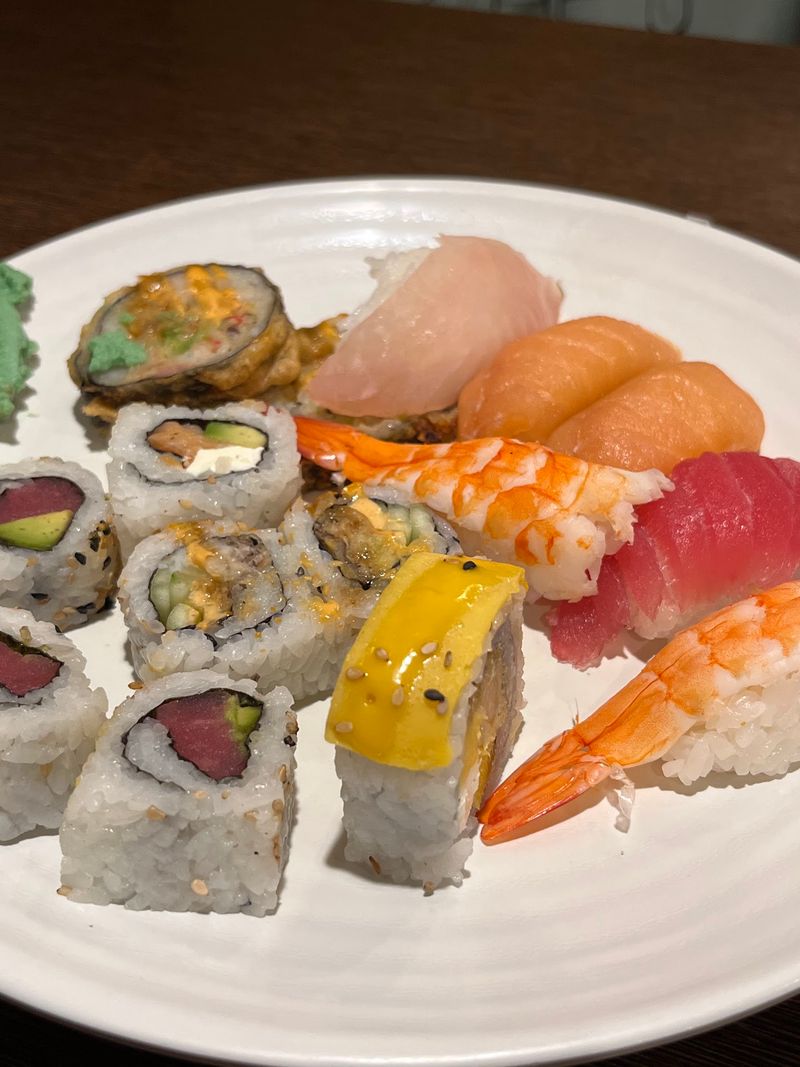
The Journey lists more than thirty sushi and sashimi selections, covering rolls, nigiri-style pieces, gunkan, and sliced fish.
Options range from familiar California and Philadelphia rolls to combinations featuring tuna, salmon, eel, squid, soft-shell crab, and roe.
Vegetable rolls, cucumber maki, avocado rolls, and tempura combinations give diners several routes beyond raw fish.
That variety makes comparison part of the fun, especially when two rolls share ingredients but deliver completely different textures.
Start with smaller portions and return for favorites after testing a few unfamiliar choices.
Nigiri and sashimi also let you compare fish more directly, without several toppings competing for attention.
Rice can fill the plate quickly, so leaving open space protects your appetite for seafood and hot dishes later.
Soy sauce, wasabi, and pickled ginger can sharpen each bite, although heavy dipping can hide delicate flavors.
A small first round keeps the station exciting instead of turning the opening plate into an early finish.
Take one piece before committing to an entire row, because curiosity works better when it leaves room for another round.
The sushi station is not an appetizer. It is an entire meal waiting to distract you.
Prime Rib Gives The Carving Station Real Weight
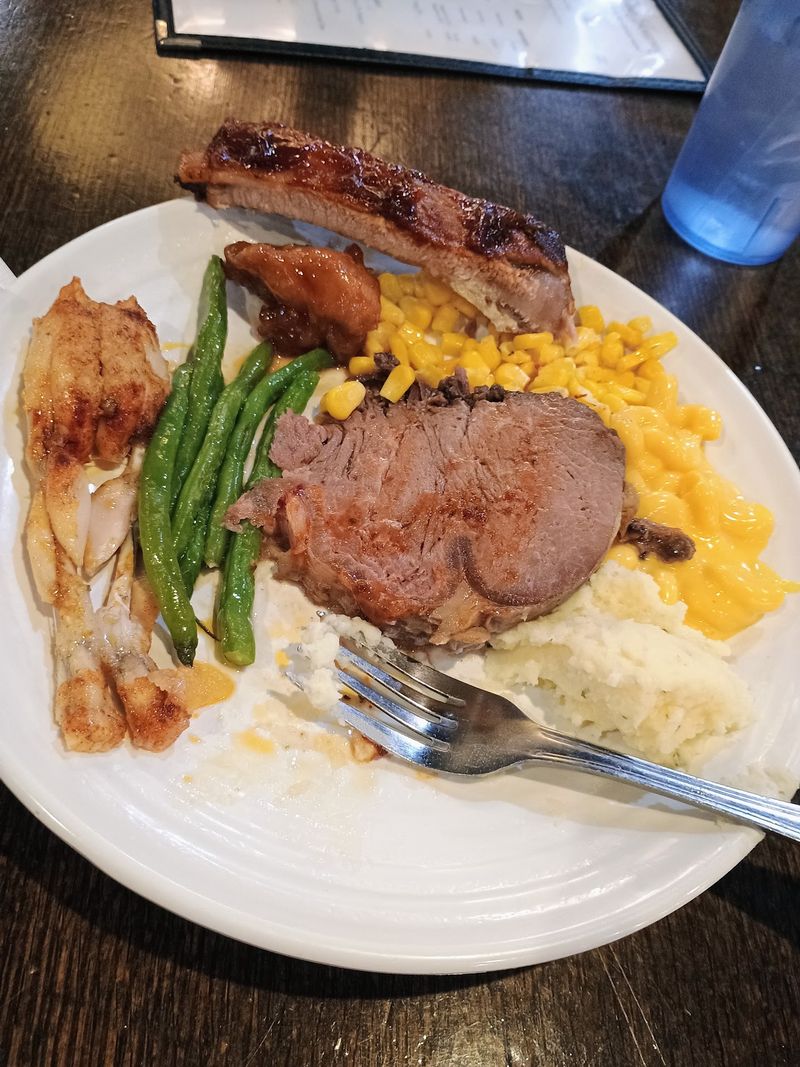
The Journey describes its prime rib as USDA Choice beef that is slowly roasted and served from the carving area.
That station gives diners control over portion size while placing a freshly cut centerpiece beside the buffet’s wider selection.
Prime rib pairs easily with vegetables, rice, potatoes, or other hot sides available during the service period.
Keep the first slice modest if sushi and seafood still remain on your list.
Ask for a thinner or thicker slice when the carver can accommodate the preference during service.
A buffet plate becomes crowded quickly, and carved beef deserves enough space to avoid disappearing beneath several sauces.
The restaurant is located at 7155 East 96th Street, Indianapolis, Indiana 46250, on the city’s northeast side.
Resting the beef briefly before eating can also help its juices settle after carving.
Current lunch and dinner hours are split by an afternoon closing period, so checking the schedule prevents an awkward parking-lot pause.
Prime rib may anchor the plate, but the buffet still has several convincing arguments waiting nearby.
Seafood Keeps The Selection Moving In Every Direction
Seafood turns this buffet from a simple sushi stop into a much broader tasting session.
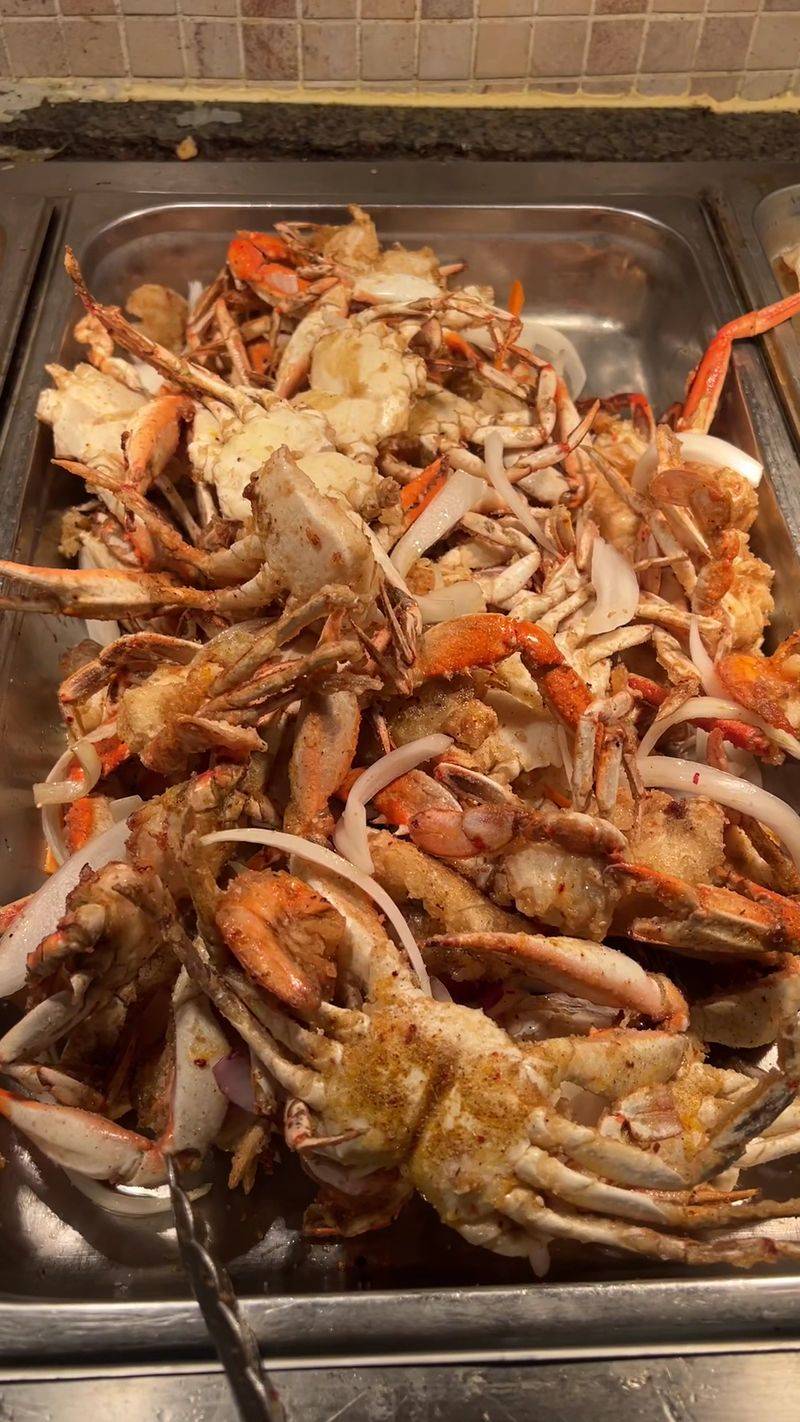
The official hot menu lists steamed clams, green mussels, stuffed shrimp, scallops, calamari, salmon, swordfish, and several white-fish preparations.
Coconut shrimp, shrimp scampi, tempura shrimp, grilled seafood cakes, and blue crab in oyster sauce add even more variation.
Not every listed dish is guaranteed during every service, so the exact spread can shift between lunch and dinner.
That rotation makes sampling smarter than loading one plate with the first seafood option you notice.
Try grilled, fried, steamed, and sauced preparations separately, since each style can change the flavor and texture dramatically.
Lighter steamed shellfish can create a useful break between richer fried seafood and creamy sauces.
Use a fresh plate between rounds instead of letting several sauces blend into one mysterious seafood glaze.
Shellfish dishes may contain allergens, so ask staff when ingredients or preparation methods matter.
A squeeze of lemon, when available, can brighten heavier dishes without covering their main flavor.
Seafood lovers can easily spend an entire visit in this section without reaching the carved meat or other hot entrees.
One shrimp dish becomes three before your appetite realizes negotiations have already failed.
Hot Entrees Make Every Return Trip Look Different
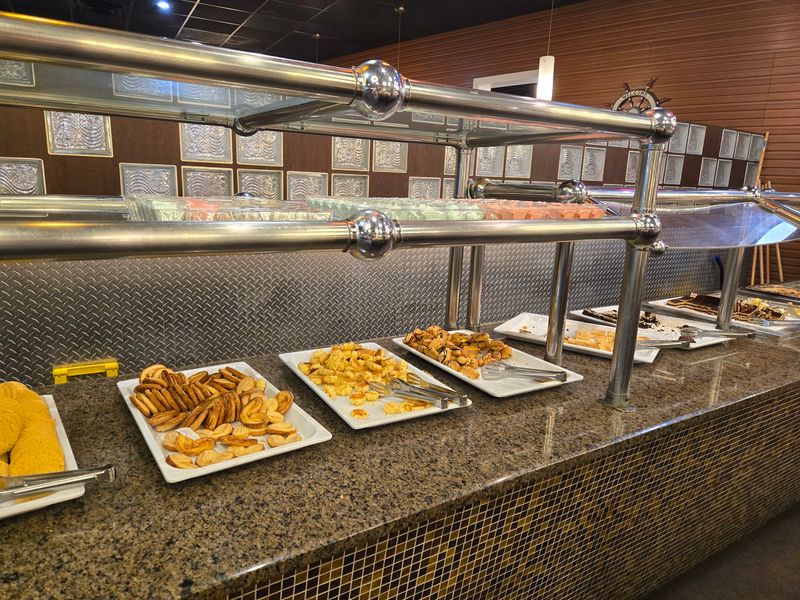
The warming trays hold enough choices to make repetition almost entirely optional.
The official menu includes teriyaki dishes, ribs, dumplings, tempura, fried rice, roasted meats, seafood, vegetables, and several American-style favorites.
Chicken cordon bleu, lasagna, roast lamb, pork loin, and New York steak sit beside Japanese and seafood preparations.
That unusual mix allows one table to build completely different meals without ordering from separate menus.
Take small portions of unfamiliar dishes, then return only when a flavor earns more space.
Build one plate around seafood and another around meat instead of forcing every category together.
Buffet food changes as trays are replenished, so temperature and texture may vary throughout service.
Choosing dishes shortly after a fresh tray arrives can improve the experience without requiring a race across the room.
That separation makes each dish easier to taste and keeps the meal from becoming one blended sauce.
Keep sauces separated when comparing several entrees, because a strong glaze can overpower everything beside it.
A simple plate with three focused choices often tastes better than one carrying twelve competing ideas.
The hot section rewards explorers, but even foodies need boundaries before the plate becomes architecture.
Lunch And Dinner Offer Different Ways To Explore
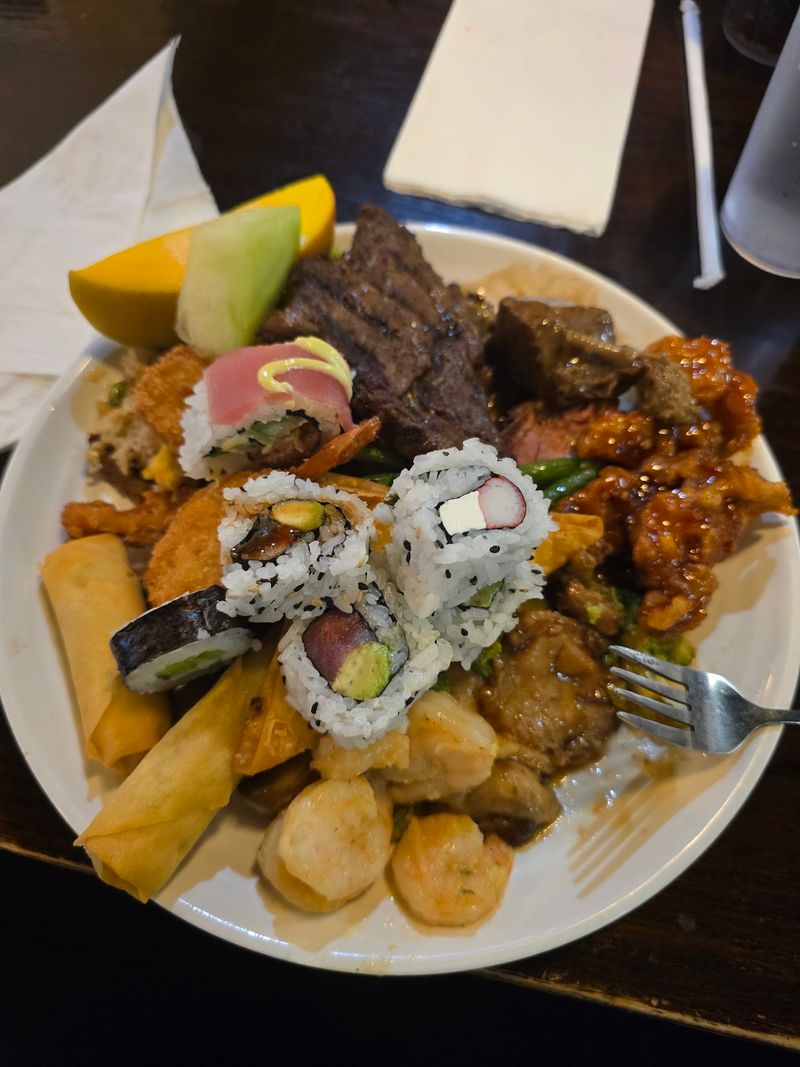
Timing changes the price, pace, and available selection more than most first-time diners expect.
Current weekday lunch runs from 11 a.m. until 3 p.m., while weekend lunch continues until 3:30 p.m.
Dinner begins at 5 p.m., leaving an afternoon gap when the restaurant is closed between services.
Monday through Thursday dinner currently ends at 9:30 p.m., while Friday and Saturday continue until 10 p.m.
Sunday dinner runs from 5 p.m. until 9 p.m., according to the official hours page.
Adult lunch and dinner prices differ, and weekend lunch carries a separate rate. Children’s prices depend on age and service period, while guests aged sixty-two and older receive a listed discount.
Holiday service may use dinner pricing throughout the day, with the restaurant listing several major holidays separately.
Prices, hours, and dishes can change without notice, so checking the official page before leaving remains the safest plan.
Lunch works well for a focused visit, while dinner may include dishes unavailable earlier.
Planning around the afternoon closure also prevents hunger from turning a short wait into a very long one.
Choose the service that matches your appetite, because arriving between sessions serves nothing except disappointment.
The Dining Room Gives Large Groups More Options
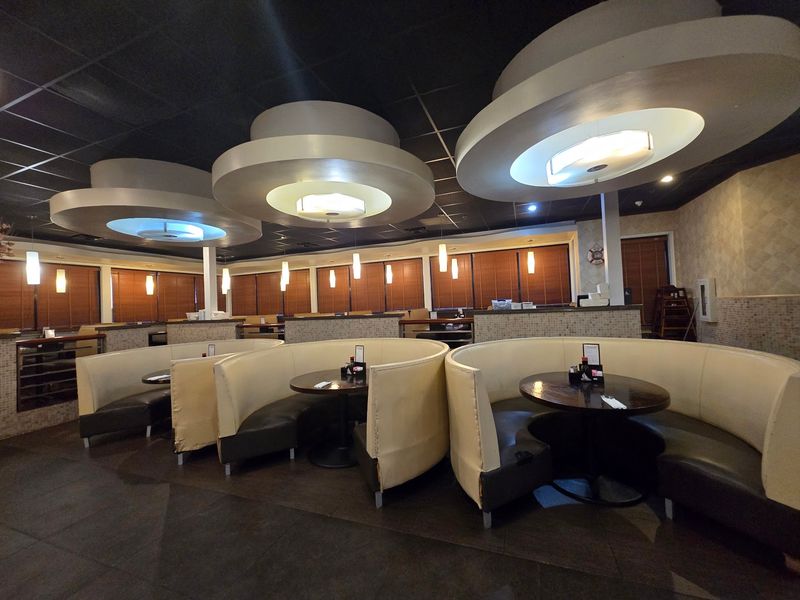
A buffet becomes easier for groups when nobody has to agree on one entree.
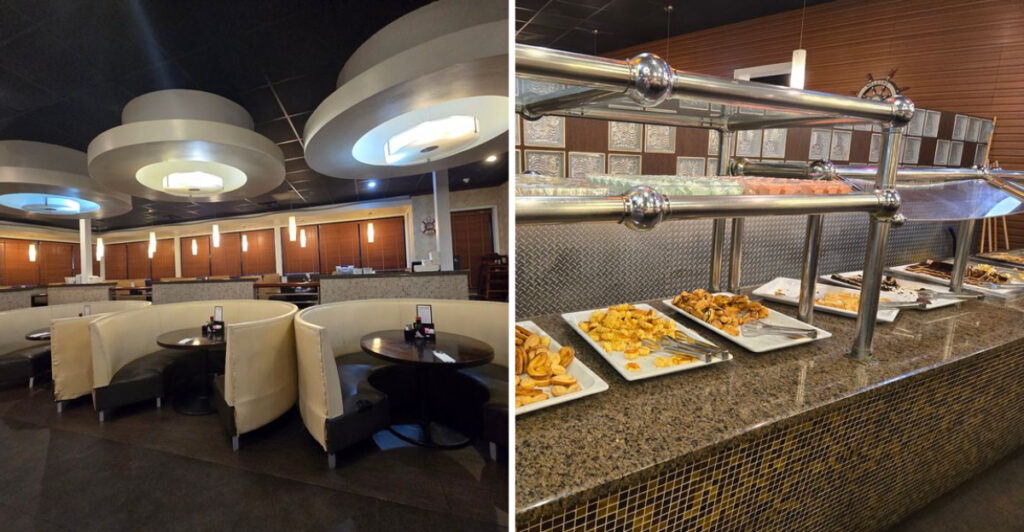
The Journey describes contemporary decor using stone, wood, granite, and glass tile throughout the dining room.
Private seating, conference rooms, and party spaces are also available for gatherings and special occasions.
That setup can suit families, coworkers, or celebrations involving diners with very different preferences.
One guest can focus on sushi while another chooses carved beef, seafood, or familiar hot dishes.
Contact the restaurant directly when private space, group size, or accessibility details matter.
A reservation or advance conversation can make celebrations easier when several guests arrive at the same time.
Large parties should discuss timing before arrival, especially during weekends or holiday service.
Assigning one meeting point can also help when everyone disappears toward a different buffet station.
The broad menu also reduces pressure on hosts trying to satisfy adventurous diners and cautious eaters together.
Keep personal belongings close and leave clear space around the table for servers removing used plates.
The room supports a leisurely meal, but several buffet rounds can make any table feel surprisingly busy.
At this buffet, group compromise usually means agreeing to meet again near dessert.
A Foodie Strategy Makes The Variety More Enjoyable

The best buffet plan begins with a full walk around the room and an empty plate.
Survey the sushi, carving station, seafood, hot entrees, cold choices, and desserts before deciding where the first round begins.
Start with the dishes you care about most, because appetite rarely becomes more disciplined after the second plate.
Use small portions when testing unfamiliar flavors, then return for anything that deserves another bite.
Keep delicate sushi away from heavy sauces, and give carved meat enough room to remain recognizable.
Pause between rounds instead of treating the meal like a timed competition.
Drink water between plates, especially when salty sauces and fried items begin dominating the meal.
A short break helps you notice whether you remain hungry or simply enjoy carrying another plate.
Check current prices and service times before driving, especially when dinner-only dishes influence the plan.
Dessert tastes better when the final savory round ends before your appetite reaches complete surrender.
This Indiana buffet offers enough variety to satisfy curiosity without requiring every item to appear on one visit.
Leave with a new favorite, and absolutely no need to explain the third sushi plate.