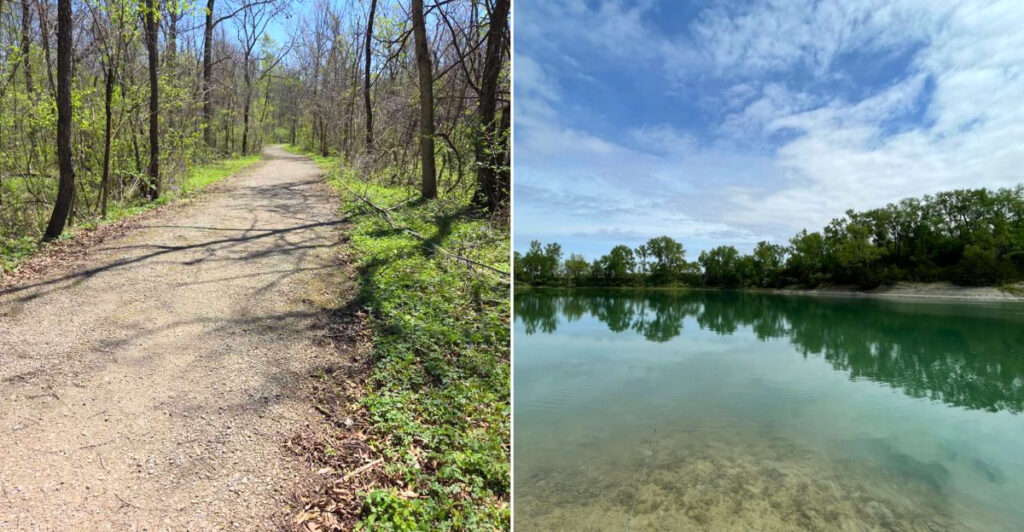
Iowa gets a lot more interesting when you stop looking only at the scenery and start looking down.
That is where the good surprises are hiding.
A plain rock near a creek might crack open into crystals. A limestone layer might hold a fossil older than anything your brain is prepared to process before lunch.
I like that kind of treasure hunt.
It does not require fancy gear or expert confidence. Just patience, muddy shoes, and the willingness to believe the next ordinary-looking stone might be the one worth keeping.
These seven Iowa rockhounding spots make geodes, fossils, and hidden finds feel like part of the road trip, not just something you read about later.
Fossil & Prairie Park Preserve and Center, Rockford
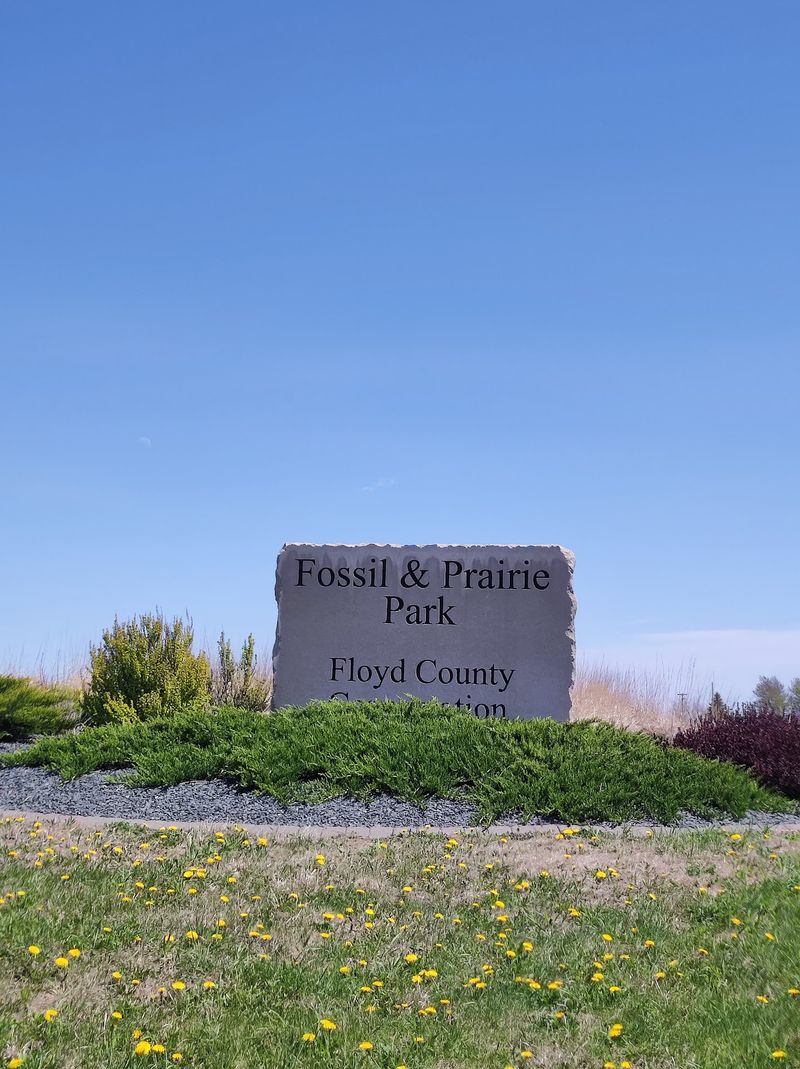
Few places in Iowa make you feel like a real paleontologist quite like Fossil and Prairie Park Preserve and Center in Rockford.
Located at 1227 215th Street, Rockford, IA 50468, this spot is one of the only public parks in the United States where visitors are actually encouraged to collect fossils.
The park sits on ancient Devonian-age limestone, which means the rocks here are roughly 375 million years old.
Brachiopods, crinoids, and coral fossils are common finds scattered right along the surface and in loose rock piles throughout the preserve.
You do not need any special equipment to get started. A small hand lens, a sturdy bag, and a curious eye are really all you need for a great visit.
The on-site Fossil and Prairie Center offers guided programs, educational displays, and staff who can help you identify what you find.
Spring and early summer are particularly good times to visit because rainfall helps wash new fossils to the surface, giving collectors a fresh batch of material to search through.
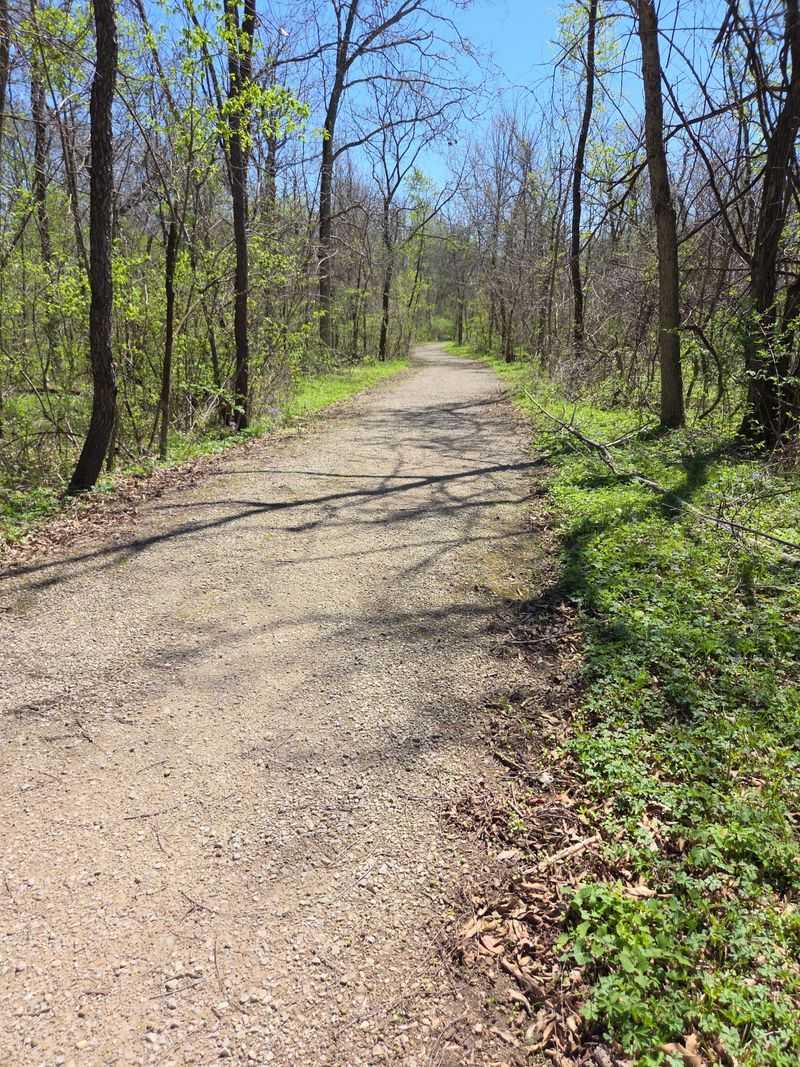
The trails are well-maintained and easy to walk, making this a fantastic option for families with younger kids who are just discovering the thrill of rockhounding.
Pack a picnic and make a full afternoon out of it because once you start finding fossils, it is nearly impossible to stop.
Lindsay Wilderness, Bonaparte
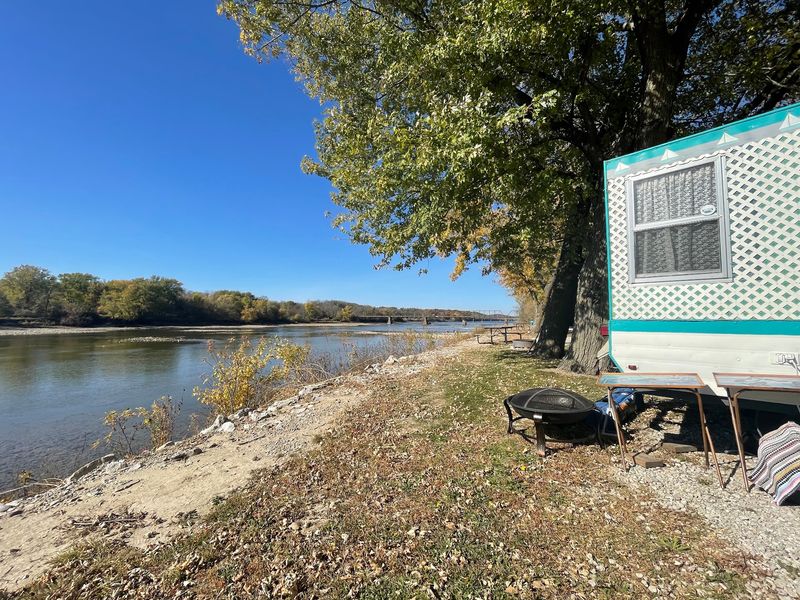
Tucked along the winding Des Moines River, Lindsay Wilderness near Bonaparte offers one of the most rewarding and underrated rockhounding experiences in the entire state.
The area has public access at Fifth and Maple streets in Bonaparte and at 29999 Route W40 just outside town, and it is known for its rugged, natural character that feels far removed from the typical tourist trail.
Geodes are the main attraction here, and the region sits within the famous Keokuk Geode Belt, which stretches across southeastern Iowa and into neighboring states.
These geodes often contain quartz crystals, calcite, and occasionally other minerals, making every crack-open moment genuinely exciting.
Christy Creek is the primary place to search, with geodes commonly found along the creek as it runs through the wilderness toward the Des Moines River.
Wear sturdy footwear because the terrain can be uneven and slippery near the water’s edge.
The surrounding woodland adds a beautiful backdrop to your hunt, with towering hardwood trees and native wildflowers creating a serene setting that makes the whole experience feel like a proper outdoor adventure.
Visiting in late spring or early fall tends to offer the most comfortable temperatures for spending extended time along the creek.
There is something deeply satisfying about cracking open a plain-looking rock and finding a sparkling crystal interior waiting inside.
Bentonsport River Park, Keosauqua
Bentonsport River Park near Keosauqua sits right in the heart of Iowa’s geode country, and it delivers in a big way for anyone willing to get their boots a little muddy.
The park is located at 22098 Hawk Drive, Keosauqua, IA 52565, along the scenic Des Moines River in Van Buren County.
Geodes are the star of the show here, and the gravel bars along the riverbanks are loaded with rounded, rough-looking nodules that could be hiding sparkling crystal chambers inside.
The Keokuk Geode Belt runs right through this area, making it one of the most productive zones in the region for collectors of all experience levels.
Beyond geodes, the park also offers beautiful views of the historic Bentonsport village, a National Historic District with charming 19th-century architecture that gives the area extra character.
After your rockhounding session, a short walk through the village is a lovely way to end the day.
The best hunting tends to happen near exposed gravel deposits and along the water’s edge, especially after the river levels have dropped following spring rains.
Bring a small hammer and safety glasses if you plan to crack open any geodes on-site, and always check local regulations before collecting.
Mornings tend to be quieter here, giving you more space to search without bumping into other visitors.
Claybanks Forest State Preserve, Nora Springs
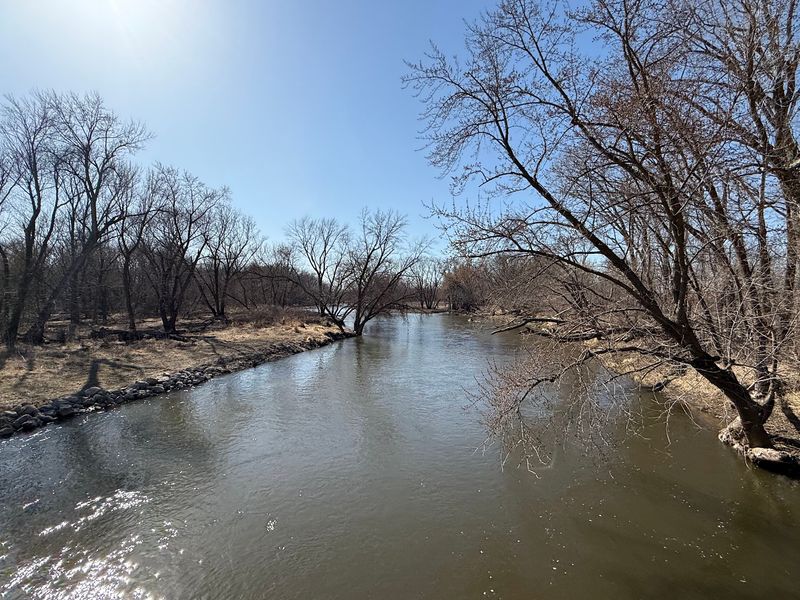
About five miles southwest of Nora Springs, Claybanks Forest State Preserve is a fascinating geological site that gives rockhounds a close-up look at fossil-bearing formations.
Reached from the area of Wren Avenue and 225th Street, this preserve sits along the Winnebago River and features limey shale and limestone exposures that reveal millions of years of Earth’s history.
The exposed rock layers here are a geologist’s dream, with Devonian-age formations packed with marine fossils from ancient environments.
Brachiopods, horn corals, and crinoid fragments are among the fossils that may be spotted weathering out of the exposed layers.
The setting is genuinely striking, with wooded slopes and high bluffs rising above the Winnebago River.
Because the exposed material continues to weather naturally, repeat visits can reveal different finds.
Access can be steep or uneven in places, and visitors should remain within areas that are open to the public because the preserve’s middle unit is not publicly accessible.
Fossil collecting is permitted, although visitors should follow preserve rules and avoid damaging the formations.
Claybanks has a raw, rugged feel that more manicured parks simply cannot replicate.
Spring Creek Geologic Study Area, La Porte City
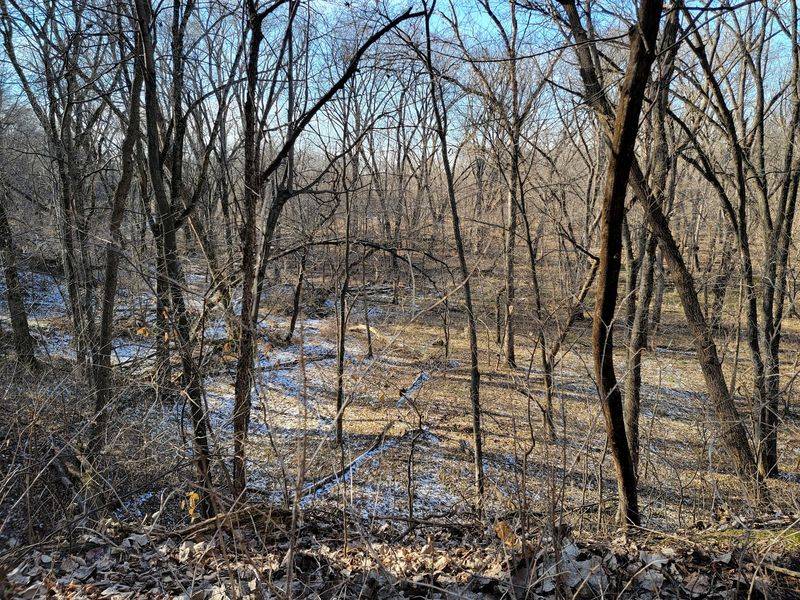
Spring Creek Geologic Study Area near La Porte City is exactly the kind of spot that makes Iowa rockhounding so rewarding for people who love getting off the beaten path.
Located along Wellman Road, La Porte City, IA 50651, this study area sits in Black Hawk County and includes woodland, a small creek, and a former quarry with fossil-bearing rock.
The former quarry is the main attraction, with exposed rock and loose material providing opportunities to look for fossils.
Cephalopods, brachiopods, and other fossils commonly found in Iowa have been documented here.
The name says it all, really. This place was specifically set aside for geological study and education, which means the natural formations are well-preserved and genuinely impressive to explore.
Because the park boundaries may not always be clearly marked, visitors should remain on public land and respect the neighboring private property.
The surrounding woodland provides welcome shade during warmer months, and the small creek adds a calming backdrop to the whole experience.
A basic field guide to Iowa fossils is a worthwhile addition to your kit here, helping you put names to the shapes you find.
Quiet weekday mornings are the best time to have this spot mostly to yourself.
Russell Wildlife Area and Vos Addition, New Sharon
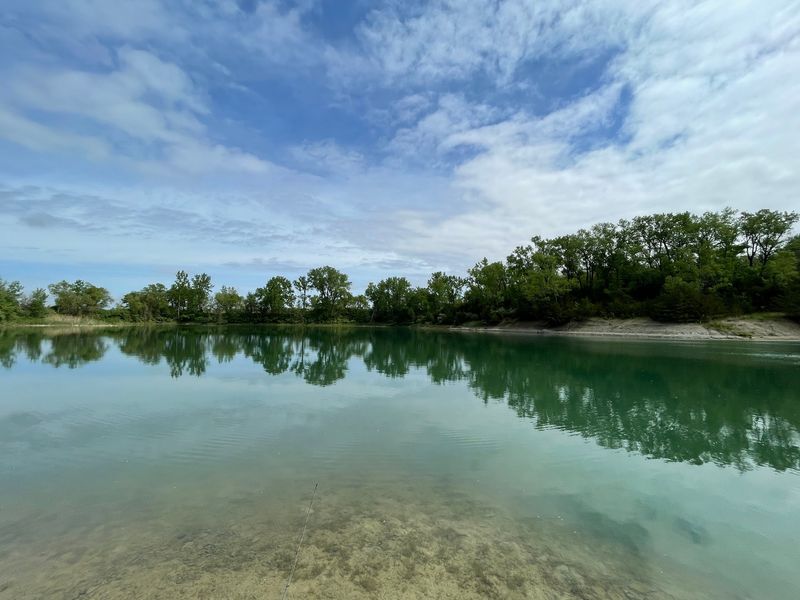
Sprawling across Mahaska County, the Russell Wildlife Area and Vos Addition near New Sharon is a multi-use natural area that quietly doubles as a fossil-hunting destination.
The site is located at 2254 200th Street, New Sharon, IA 50207, and covers a generous stretch of varied terrain including grasslands, wetlands, forest, and former quarry land.
The former limestone quarry portions of the wildlife area are the most relevant for rockhounds, and fossil hunting is officially listed among the activities available here.
The site’s history as a limestone quarry helps explain why fossil hunting has become part of its recreational appeal.
Because this is primarily a wildlife management area, the landscape feels refreshingly wild and uncrowded, especially compared to more popular state parks.
Deer, wild turkeys, and a wide variety of birds share the space with you, making the whole outing feel like a nature walk with a bonus treasure hunt built in.
Spring and fall are the prime seasons here, with mild temperatures and active wildlife adding extra layers of enjoyment to your visit.
Sturdy, waterproof footwear is a smart choice when exploring uneven or wet portions of the property.
The combination of wildlife watching and fossil hunting makes Russell a genuinely unique stop that satisfies multiple interests at once.
Middle River County Park, Winterset
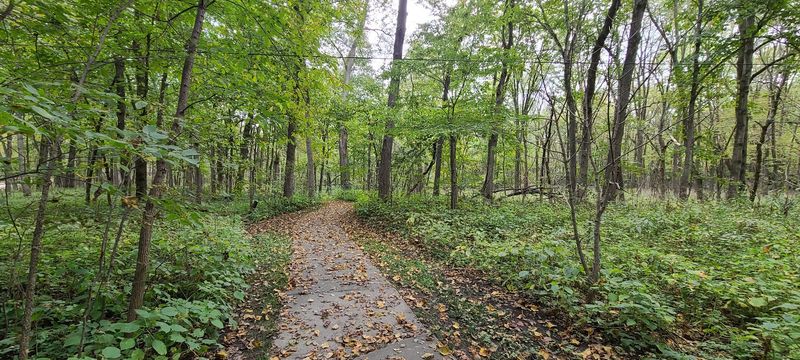
Madison County is best known for its covered bridges, but rockhounds know there is another reason to make the trip to Winterset, and that is Middle River County Park.
The park is located at 2278 Clark Tower Road, Winterset, IA 50273, and follows the Middle River through a stretch of wooded terrain that hides some genuinely rewarding geological features.
The river’s exposed sandbars contain pieces of limestone with marine fossils, and crinoid remains are among the most abundant finds.
Lower river levels can reveal more sandbar material and give visitors additional rocks to examine.
The park’s wooded setting adds a lot of charm to the experience, with mature trees providing shade and creating a canopy that feels especially magical in late October when the leaves turn.
Clark Tower, located in adjoining Winterset City Park, is worth a short detour for the views it offers across the surrounding countryside.
Flowing water regularly shifts and turns over material along the river, allowing different fossils to appear on exposed sandbars.
Middle River County Park rewards patience, and the setting makes every visit enjoyable even on slower hunting days.