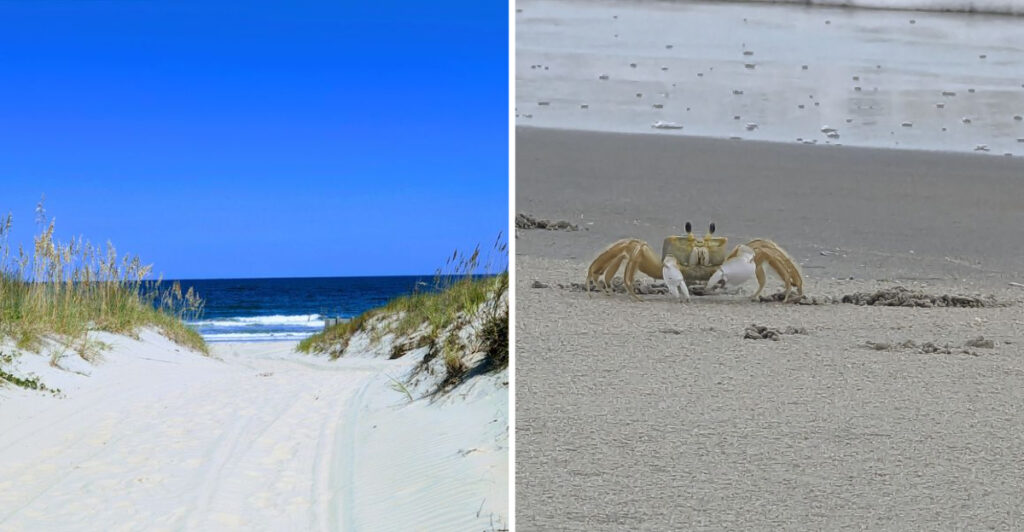
Virginia Beach knows how to make noise. One wild stretch of coastline prefers the sound of waves.
Beyond the busy boardwalk, six miles of undeveloped shore unfold between Atlantic water and Back Bay. Reaching this Virginia escape takes more effort, and that is exactly why it remains so different.
You can hike, cycle, or arrive by boat. Each route turns the journey into part of the story before your feet even touch the beach.
Once there, dunes replace high-rises and open shoreline replaces summer crowds. The scenery may look almost tropical in the right light, but nothing about it is staged.
No road, and no easy arrival. Are you ready to earn your beach day before the sand even begins?
Six Wild Miles Replace Hotels With Open Horizon
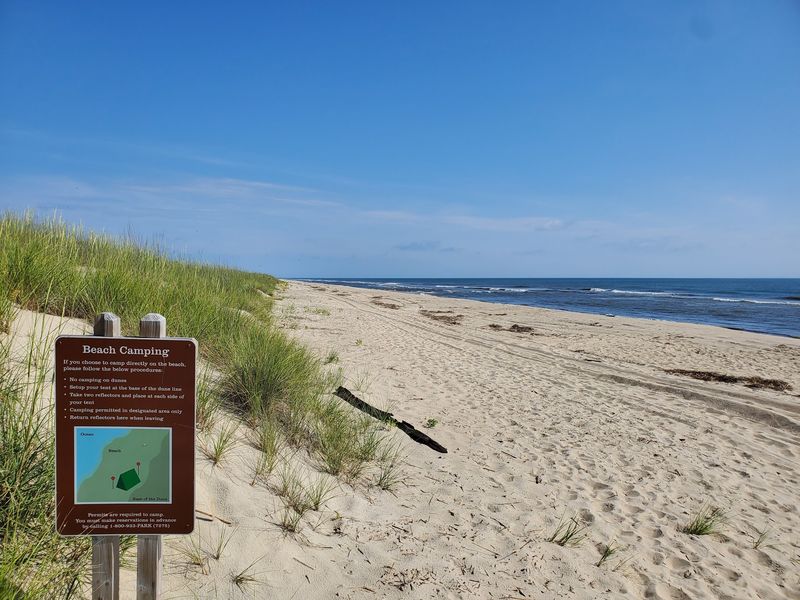
False Cape State Park introduces itself with space, silence, and very little evidence that a city sits nearby.
The park protects six miles of undeveloped Atlantic beach between the ocean and Back Bay.
No hotels, rental stands, restaurants, or public vehicle roads interrupt the shoreline.
That absence gives the beach its broad, almost island-like appearance, especially under bright skies and calm water.
Sea oats and coastal grasses rise behind the sand while the horizon remains almost completely open.
You may see shells, shorebirds, driftwood, and long stretches where footsteps provide the clearest sign of another visitor.
The water can appear blue or blue-green under favorable light, although wind, sediment, weather, and waves change it constantly.
Do not plan the trip around one promised color because nature rarely signs that agreement.
Plan around the quiet, the distance, and the chance to experience an Atlantic shore without commercial development.
A lightweight chair may sound appealing, but every extra pound matters when you still have several miles to cover.
Choose gear that earns its place, especially when heat and sand begin negotiating against your enthusiasm.
Virginia has busier beaches, but few offer this much uninterrupted coastline inside one protected landscape.
Getting There Requires More Than Following A Pin
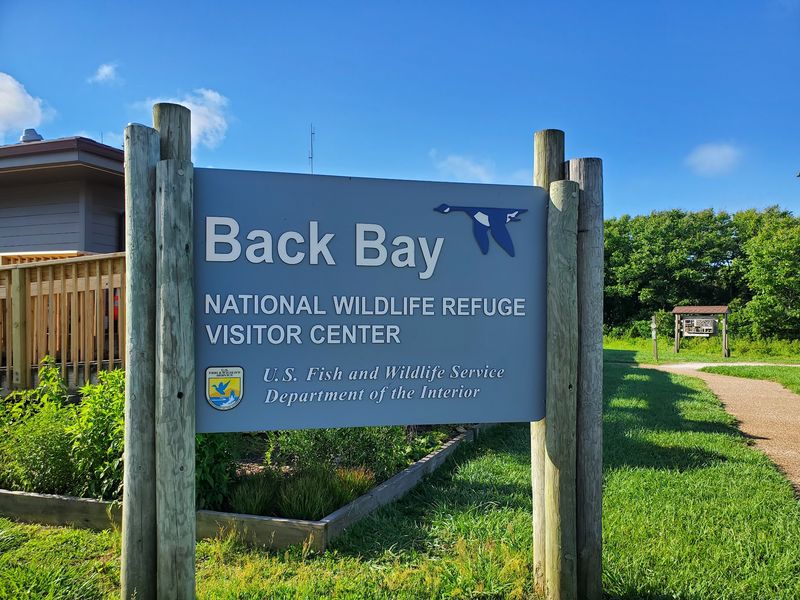
The journey begins at Back Bay National Wildlife Refuge, not at the park’s mailing address.
Public vehicles cannot drive through the refuge into the park, so day visitors continue by hiking, biking, or boating.
From April through October, either the East or West Dike Trail normally opens for travel toward the state park.
Those gravel routes are not ideal for road bikes or many standard hybrids.
A sturdy bicycle with wider tires handles loose gravel, rough patches, and occasional sand more comfortably.
From November through March, both dike trails close to protect wintering waterfowl.
During that period, land access continues along the beach, where soft sand and tides make progress much harder.
Would you enjoy pushing a loaded bicycle through deep sand for several miles?
If the answer is doubtful, choose the season and route carefully before leaving home.
Save the current map, check trail notices, and carry enough daylight for the return journey.
Little Island City Park serves as the usual parking point for campers and many day visitors approaching the refuge.
Allow time for parking fees, gear adjustments, and one final restroom stop before beginning the long route south.
The hardest part should be the distance, not discovering a closure after you arrive.
Dunes Forest And Bay Create Three Different Landscapes
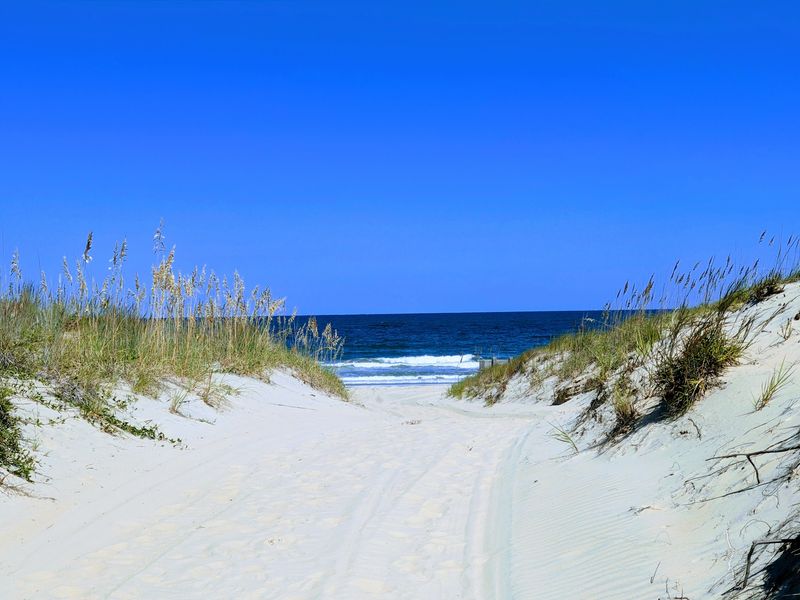
One visit can move through open beach, maritime forest, marsh, and quiet bay scenery without leaving the park.
Pale dunes separate the ocean from interior trails, while pines and live oaks provide darker green cover farther inland.
Back Bay sits on the western side with shallower water, marsh grasses, and a much calmer visual rhythm.
That contrast makes the narrow coastal strip feel larger than it appears on a map.
Stay on designated paths because dunes are fragile and closed areas protect wildlife and vegetation.
A shortcut across sea oats may save seconds while damaging ground that takes years to recover.
Morning light works especially well for the beach, while late-day sun can make the bay side glow.
Bring insect repellent even when the breeze seems strong near the ocean.
The forest and marsh can shelter mosquitoes and biting flies, particularly during warmer months.
Coastal humidity also changes how quickly a comfortable walk becomes tiring.
Photographers should pack lens protection because windblown sand can reach equipment faster than expected.
A simple cloth and sealed bag may save expensive gear from becoming part of the coastal landscape.
Carry water before thirst becomes the loudest thing in this otherwise quiet landscape.
The Water Looks Inviting But Rules Change By Location
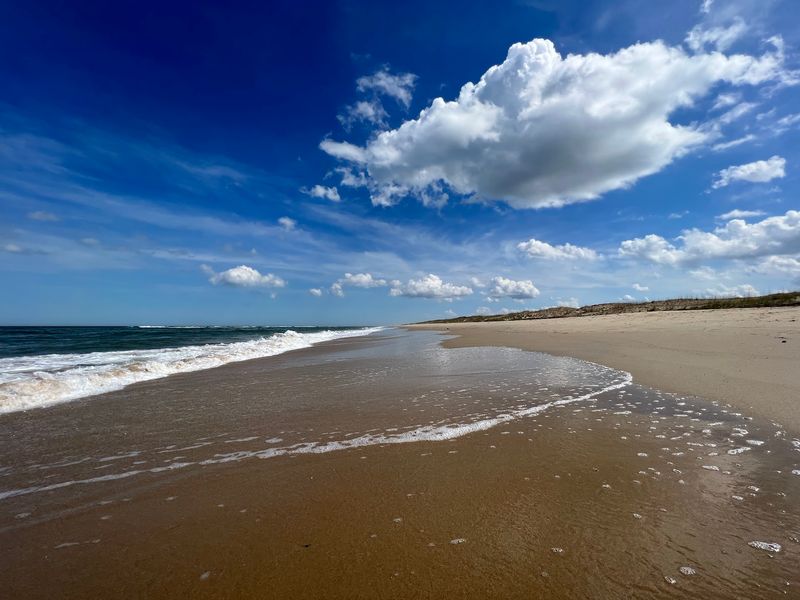
Bright water and empty sand can make swimming seem like the obvious reward after a long approach.
The important detail is knowing whether you are standing inside the state park or still within the wildlife refuge.
Swimming, surfing, and sunbathing are prohibited on the Back Bay National Wildlife Refuge beach.
Those restrictions protect wildlife and apply even when the sand looks completely empty.
Inside the state park, there are no lifeguards, and ocean conditions can change quickly. Check posted guidance, weather, rip currents, and surf conditions before entering any water.
Never assume isolation makes the ocean safer. It only means help may take longer to reach you.
Bring every drink, snack, towel, and piece of sun protection you expect to need because no concession stand waits nearby.
A quiet beach day remains enjoyable when you respect the boundary lines and prepare for self-reliance.
Keep children close near surf and marsh edges, since there are no developed barriers along most of the route.
A whistle and written emergency contacts add little weight and can become useful when phones lose reception.
The goal is returning with good photographs, not an avoidable rescue story.
Back Bay Rewards Slower Wildlife Watching
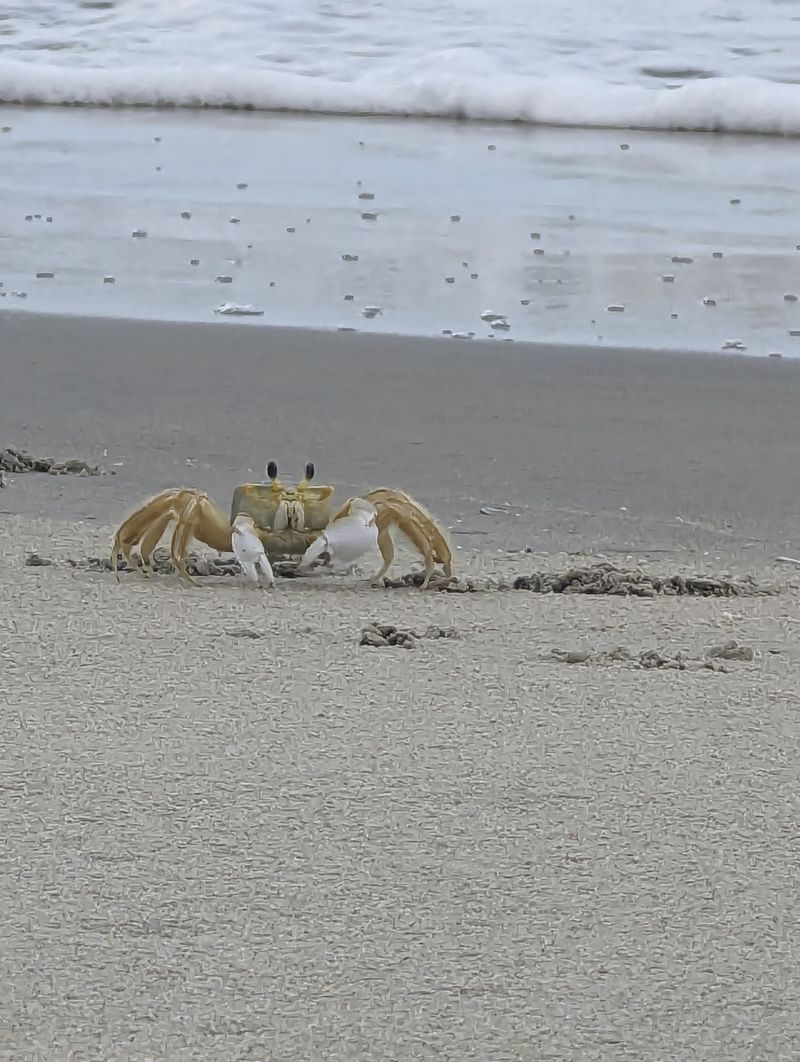
The western shoreline replaces surf noise with marsh sounds, broad sky, and wildlife that rarely performs on command.
Back Bay and the surrounding refuge support waterfowl, herons, raptors, turtles, deer, raccoons, otters, and other coastal species.
Season and timing determine what you actually see, so arrive interested rather than expecting a checklist.
Binoculars add more value than zooming repeatedly with a phone.
Move quietly near viewing areas and never leave designated routes to approach an animal.
Kayaking offers another perspective, but the bay is recommended for experienced paddlers who understand changing wind and shallow-water conditions.
Check weather and route distance before launching, then carry appropriate safety equipment.
Could you enjoy an hour here without seeing an eagle or otter?
You should, because marsh light, moving grasses, and distant bird calls already make the stop worthwhile.
The refuge also closes its dunes and northern beach mile to public access, so every sign deserves attention.
Good wildlife watching begins by giving animals the space the protected area was created to provide.
Wildlife sightings become the bonus rather than the only reason the outing succeeds.
Camping Turns Distance Into The Main Challenge
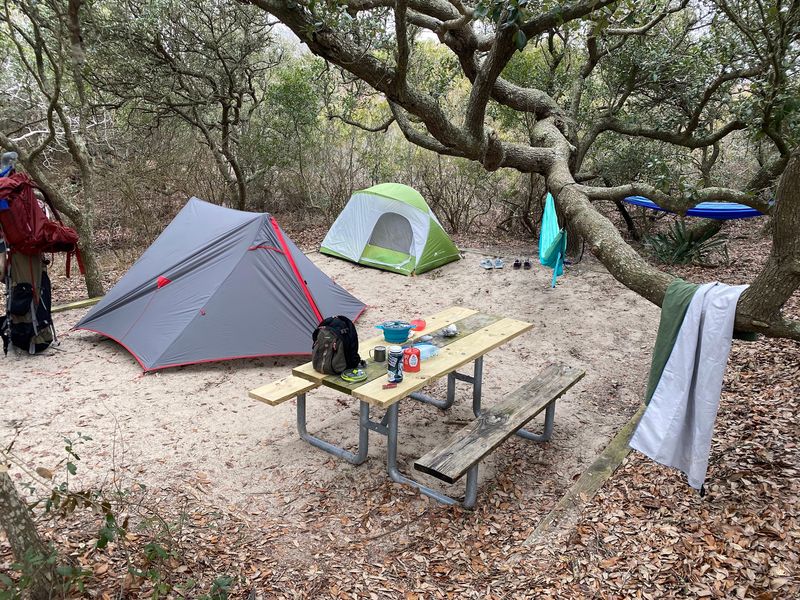
Camping here begins long before the tent goes up.
Reservations are required, and same-day bookings are not offered for this unusually remote park.
Campers travel in by foot, bicycle, or boat and must carry food, gear, water plans, and emergency supplies.
The four campground areas include bay-side and ocean-side options separated by meaningful distances.
Sites allow tents only, with no electricity and pit toilets instead of a modern bathhouse.
Depending on the campsite, the journey from Little Island City Park can exceed six miles.
That distance makes heavy coolers, unnecessary gadgets, and optimistic packing choices very noticeable.
Read the complete confirmation packet before leaving because parking, arrival timing, and required paperwork matter.
Camping is not recommended for inexperienced visitors, young children, or anyone needing quick access to medical care.
Late spring and early fall may reduce heat pressure, although insects and changing weather remain possible.
You must place one confirmation copy in the vehicle and carry another for the campsite marker.
That small paperwork rule matters because overnight parking is managed separately from the remote campground.
The payoff is genuine solitude, but the price is preparation rather than a nightly fee alone.
A Lost Coastal Community Adds History To The Sand
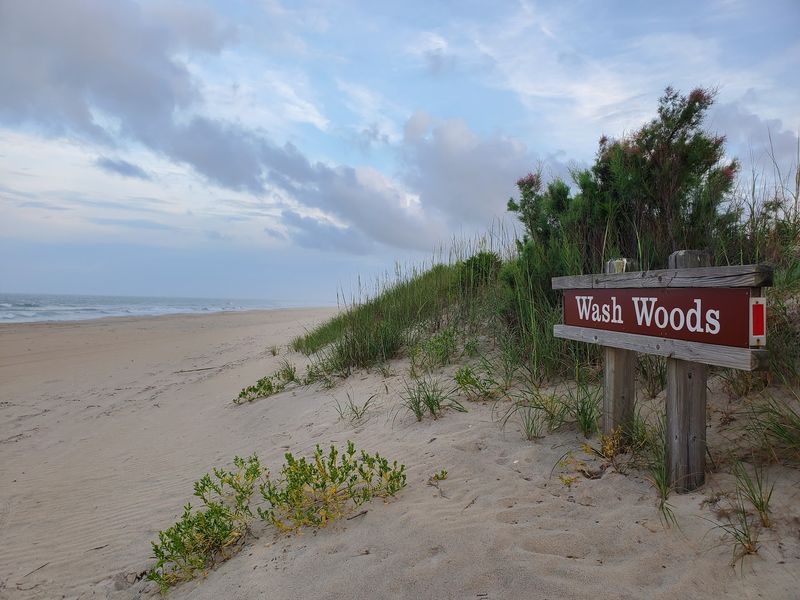
Beach scenery tells only part of the story because people once built a community in this isolated landscape.
Wash Woods grew around fishing, farming, lifesaving work, churches, a school, and a small store.
At its height, the settlement held roughly three hundred residents before storms, flooding, and drifting sand pushed families away.
The surviving cemetery and church steeple give the area a human scale that dunes alone cannot provide.
Ranger-led programs offer the clearest way to understand the settlement and reach its historic remains responsibly.
Current tours may require reservations, fees, and transportation from the refuge parking area.
Check the park calendar instead of assuming access will be available during any visit.
The official park address is 4001 Sandpiper Road, Virginia Beach, Virginia 23456, but it is not a public driving entrance into the park.
Use that address for park information, then follow current access instructions through Back Bay National Wildlife Refuge.
The park’s name comes from a coastal landform once mistaken for Cape Henry by sailors approaching shallow waters.
That history adds another layer to a place already shaped by difficult navigation and unpredictable weather.
The final lesson is simple: this shore rewards travelers who prepare carefully and leave the landscape exactly as they found it.