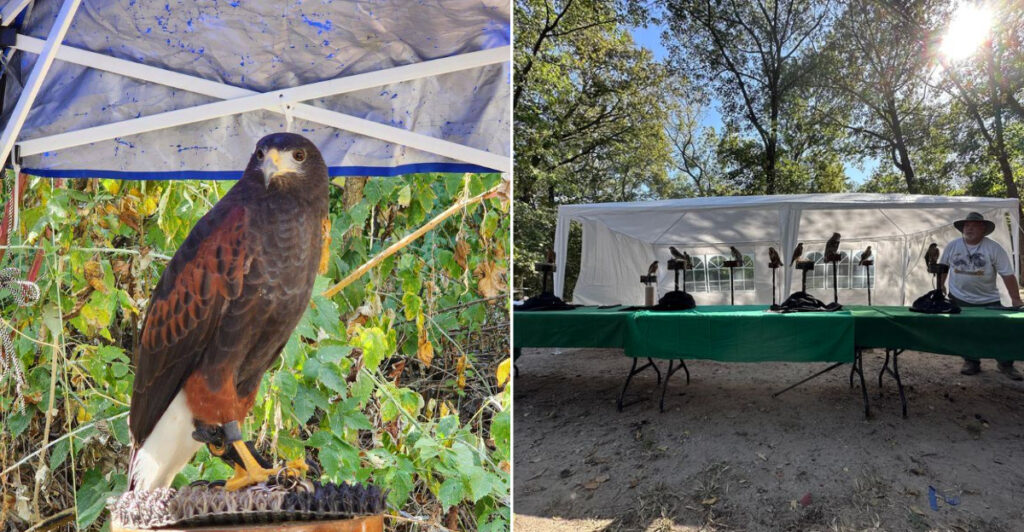
A bird sanctuary hits differently when the residents are eagles, owls, and raptors with stories behind their wings.
Kansas has a nonprofit place where wildlife care and visitor wonder meet in a way that feels both powerful and surprisingly personal. It is not just a stroll past beautiful birds.
It is a chance to see the work that happens when injured animals get a second chance and people get close enough to appreciate them in a whole new way.
That combination makes the experience feel meaningful without losing the fun of discovery. Big wings, sharp eyes, and quiet paths can make an ordinary outing feel unforgettable.
Give me a place where every enclosure has purpose behind it, and I will leave thinking the birds were not the only ones who got something good from the visit.
A Volunteer-Powered Nonprofit With A Big Mission
Unlike a government-funded agency, Operation Wildlife depends entirely on donations and works with volunteers, interns, and one full-time staff member.
Located at 23375 Guthrie Road in Linwood, Kansas, this nonprofit clinic accepts injured, orphaned, and displaced wild animals from nine Kansas counties and parts of northwest Missouri for professional rehabilitation.
Volunteers handle much of the hands-on care after triage, while one full-time staff member, interns, veterinarians, and other specialists support the clinic.
That structure keeps daily operations running without city, state, or federal operating funds.
Donations support veterinary care, medicine, food, physical therapy, facility maintenance, and other necessities required to rehabilitate thousands of animals received by Operation Wildlife each year during the busiest operating seasons.
Every contribution helps provide Kansas wildlife with professional care and another chance to return safely to its natural habitat again.
Raptors Are The Stars Of The Show
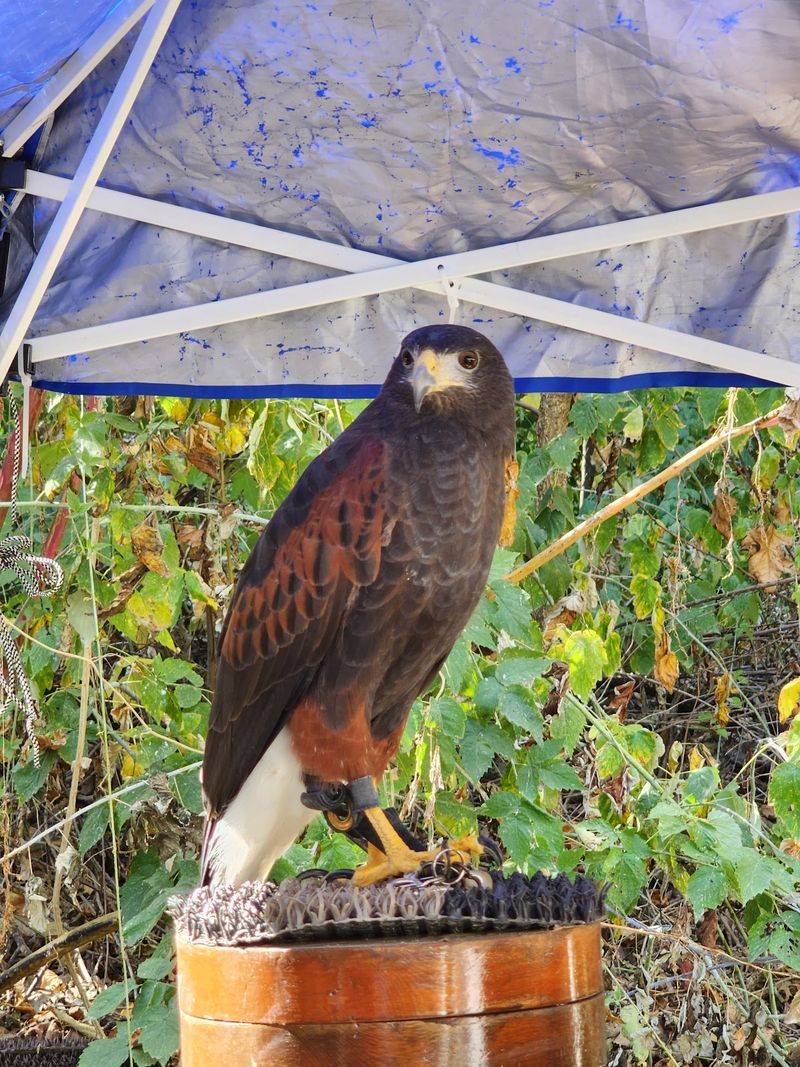
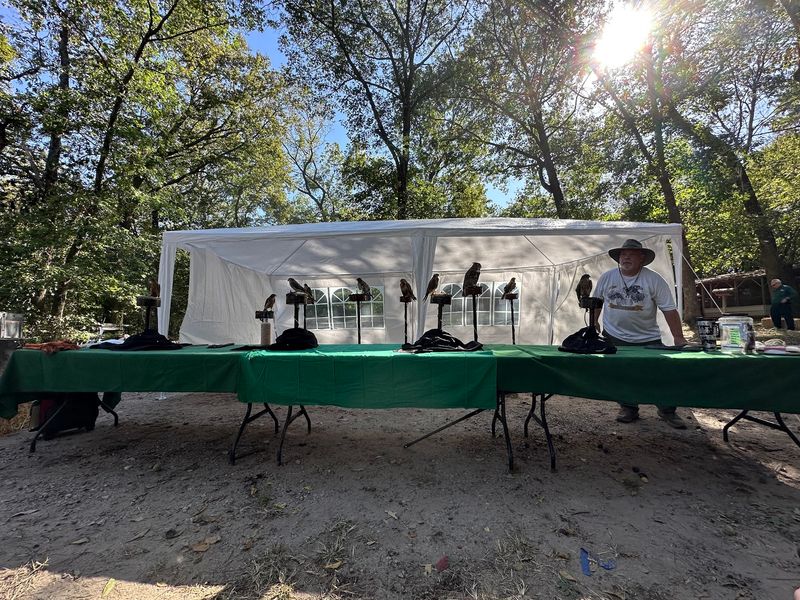
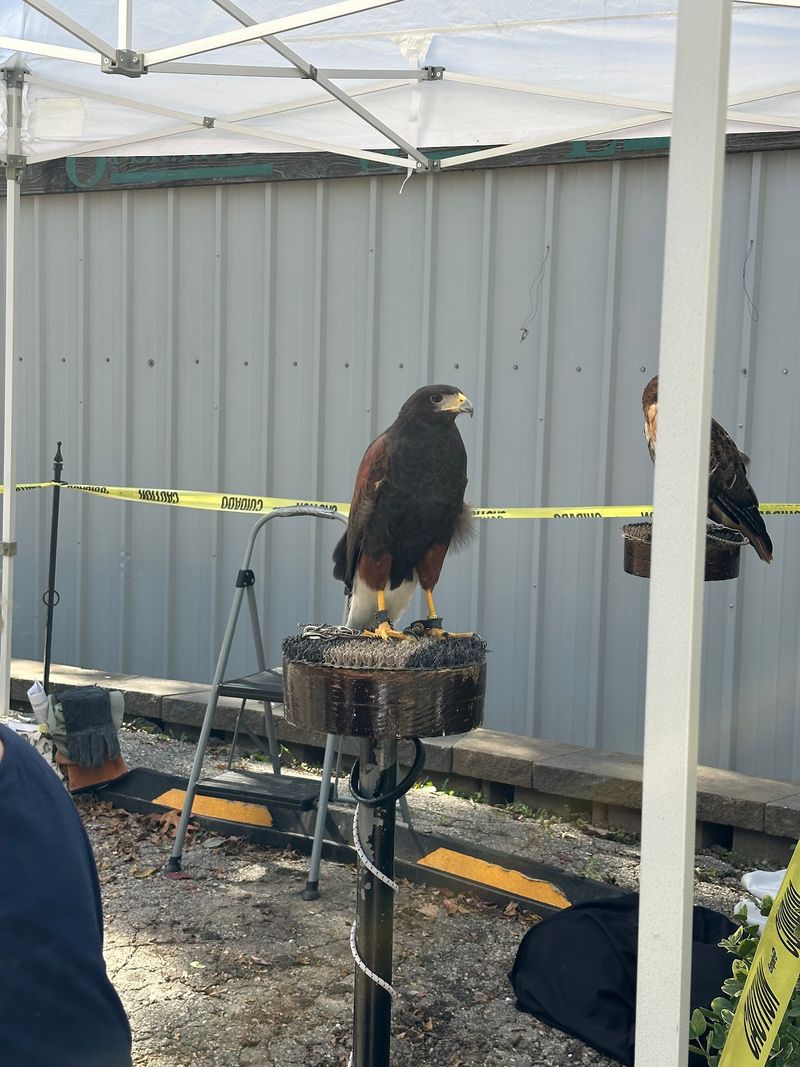
During scheduled events, Operation Wildlife’s public education birds often draw immediate attention.
Its current ambassadors include bald and golden eagles, hawks, falcons, owls, a turkey vulture, and an American crow, all permanently nonreleasable because of injuries, disabilities, or human imprinting preventing safe release outdoors.
Raptors can arrive with wing fractures, eye injuries, head trauma, or other conditions that prevent normal flight.
Treating and conditioning these birds requires specialized knowledge, facilities, patience, and handling. OWL’s trained rehabilitators and veterinary volunteers provide that care.
Once a releasable raptor has recovered enough strength, it may undergo flight conditioning in outdoor flight pens before staff determine whether it can return to the wild.
Operation Wildlife reports an average release rate of 69 percent across all patients, showing why rehabilitation and behavioral preparation matter before any animal is returned to its habitat.
Limited Open House Events Let Visitors Get Close
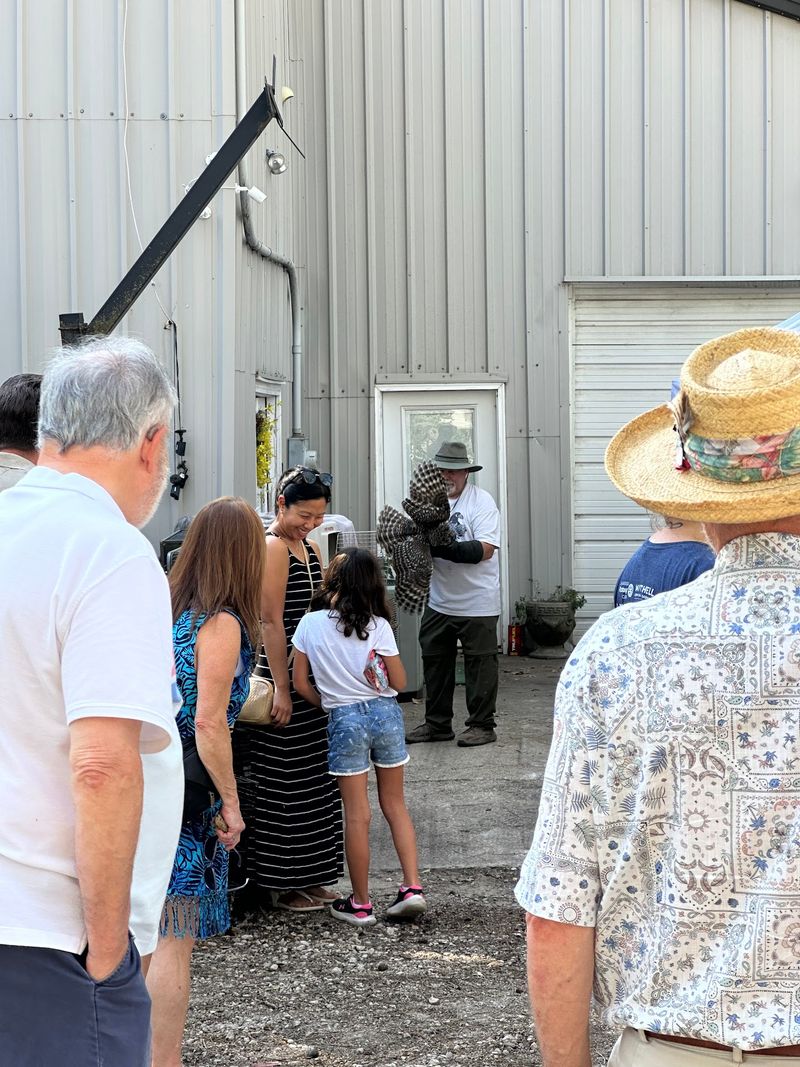
One of the limited opportunities to enter Operation Wildlife is an open house, when ticketed visitors may tour the main facility and meet public education birds.
Ordinary tours are not allowed because OWL operates as a veterinary clinic for injured wildlife, so attendance depends on announced events and any reservation requirements.
At past open houses, guests have toured the facility, met education animals, heard wildlife information, and watched a live bird of prey release connected to a silent auction.
Those controlled experiences help visitors understand the rehabilitation work without turning the clinic into an attraction.
The open house format gives OWL a chance to connect with the broader community while protecting recovering wildlife from routine public traffic.
It makes a normally closed, behind-the-scenes clinic temporarily accessible, educational, and engaging for people curious about local animals and rehabilitation work.
The Facility Handles A Stunning Variety Of Species
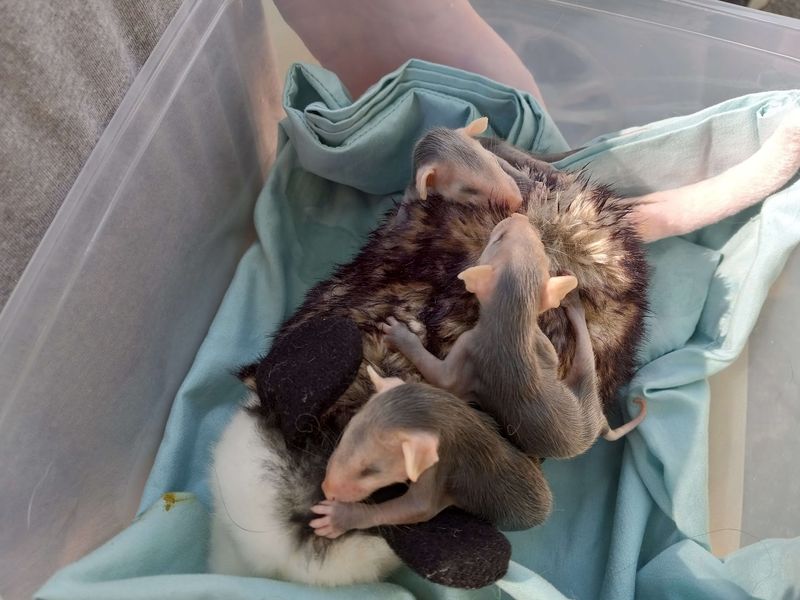
Raptors may attract attention, but Operation Wildlife accepts a broad range of native animals.
The clinic is licensed for state and federally protected wildlife, including species in need of conservation, except adult deer, adult skunks, venomous snakes, and unprotected European starlings, house sparrows, and pigeons under its current permits.
That broad authorization reflects the organization’s knowledge base and commitment to serving wildlife across nine Kansas counties.
Patients may range from small songbirds and cottontails to opossums, raccoons, turtles, foxes, coyotes, and many different birds of prey requiring specialized rehabilitation.
Each species requires a different approach, diet, housing arrangement, and rehabilitation plan.
OWL’s trained volunteers work under established care instructions and triage, supported by veterinarians, a physical therapist, nutritional counselors, interns, and one full-time staff member at the Linwood facility throughout each demanding peak season.
Their Website Is A Treasure Chest Of Wildlife Advice
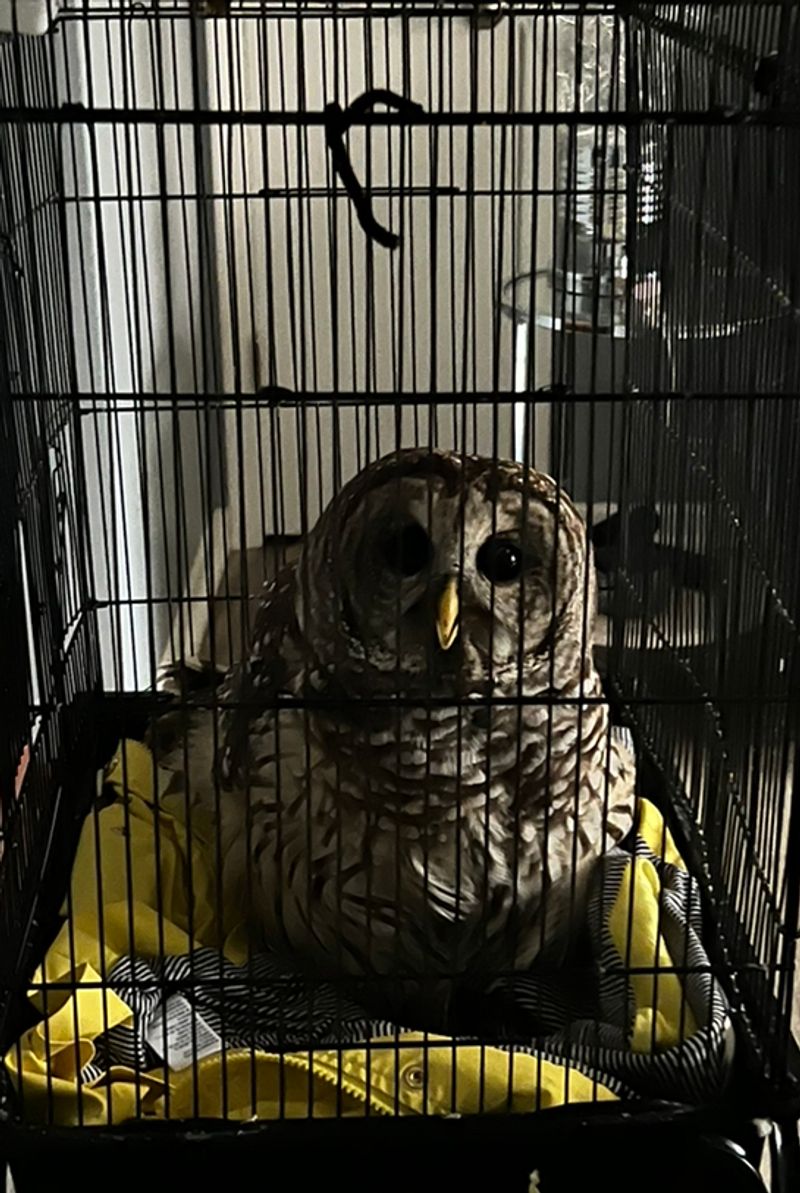
Long before you ever make the drive out to Linwood, the Operation Wildlife website can already save an animal’s life.
The site is packed with clear, practical guidance on what to do when you find an injured or orphaned wild animal, covering dozens of species and situations in easy-to-follow language.
Knowing when to intervene and when to leave an animal alone is one of the most important pieces of wildlife knowledge any Kansas resident can have.
OWL’s website makes that distinction crystal clear, which ultimately helps both the people who find the animals and the animals themselves.
The facility instructs people to call immediately after finding wildlife and provides an online after-hours care guide.
That guidance emphasizes keeping animals warm, dark, and quiet, using a ventilated container, avoiding food and water, and arranging an appointment before bringing wildlife to Linwood for professional care.
Volunteering Here Can Change Your Career Path
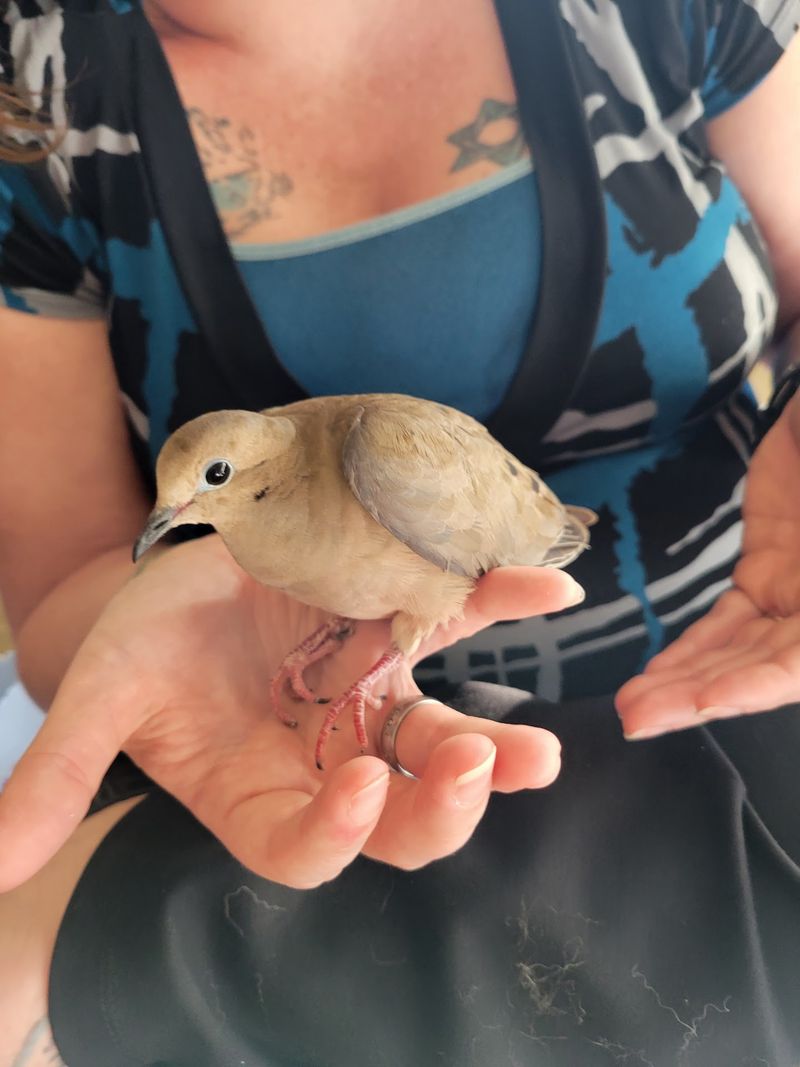
For students interested in animal-related careers, volunteering or interning at Operation Wildlife can provide substantial practical experience.
The organization says internship graduates have later worked or studied at institutions including the San Diego Zoo, UC Davis Veterinary School, Kansas State University Veterinary School, and the Peregrine Fund afterward.
The hands-on experience here goes far beyond anything you would get in a classroom.
Volunteers learn about animal behavior, basic medical care, feeding protocols, and the broader principles of conservation, all while working alongside people who have dedicated years to this cause.
Operation Wildlife accepts volunteers from age twelve with parental participation for certain roles, while many animal-care positions require older applicants.
College internships may provide class credit with faculty approval, giving students practical experience, professional contacts, and exposure to rehabilitation work beyond what classroom study alone can offer during intensive spring, summer, or fall terms.
Operating Hours And How To Plan Your Visit
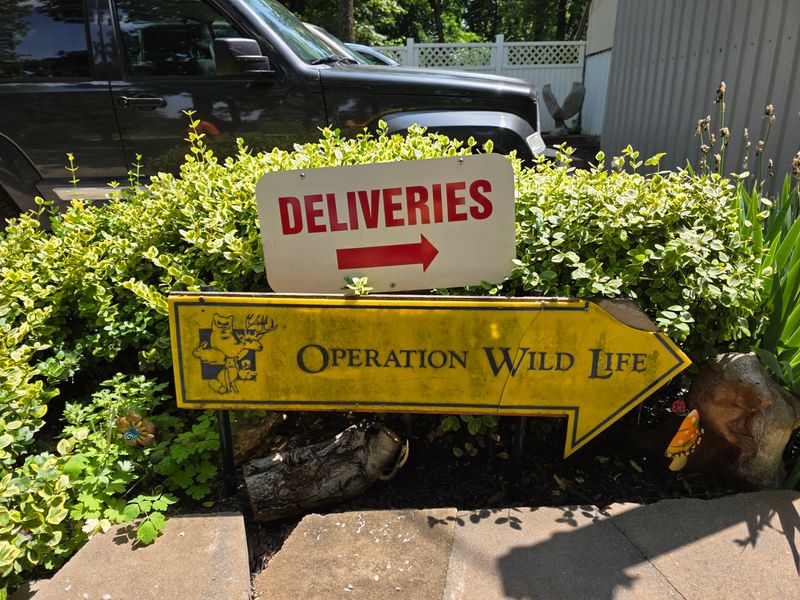
Contacting Operation Wildlife requires preparation because it is a working clinic, not a public attraction.
Current office hours are Monday through Friday from 9 AM to 5 PM and Saturday from 9 AM to 1 PM under the posted schedule.
Sunday is closed, and drop-offs must be arranged by appointment rather than through casual visits. The address is 23375 Guthrie Road, Linwood, KS 66052.
Anyone who finds injured or orphaned wildlife should call first, follow the website’s species-specific instructions, and use its after-hours guidance when the clinic is closed rather than arriving without an appointment or expecting immediate after-hours responses from staff.
Transporting an animal requires a secure, ventilated box or carrier lined with a non-terrycloth towel, fleece, or T-shirt.
The clinic advises keeping wildlife warm, dark, and quiet, avoiding food and water, and calling before beginning the drive to Linwood for intake.
They Have Helped Thousands Of Animals Over The Years
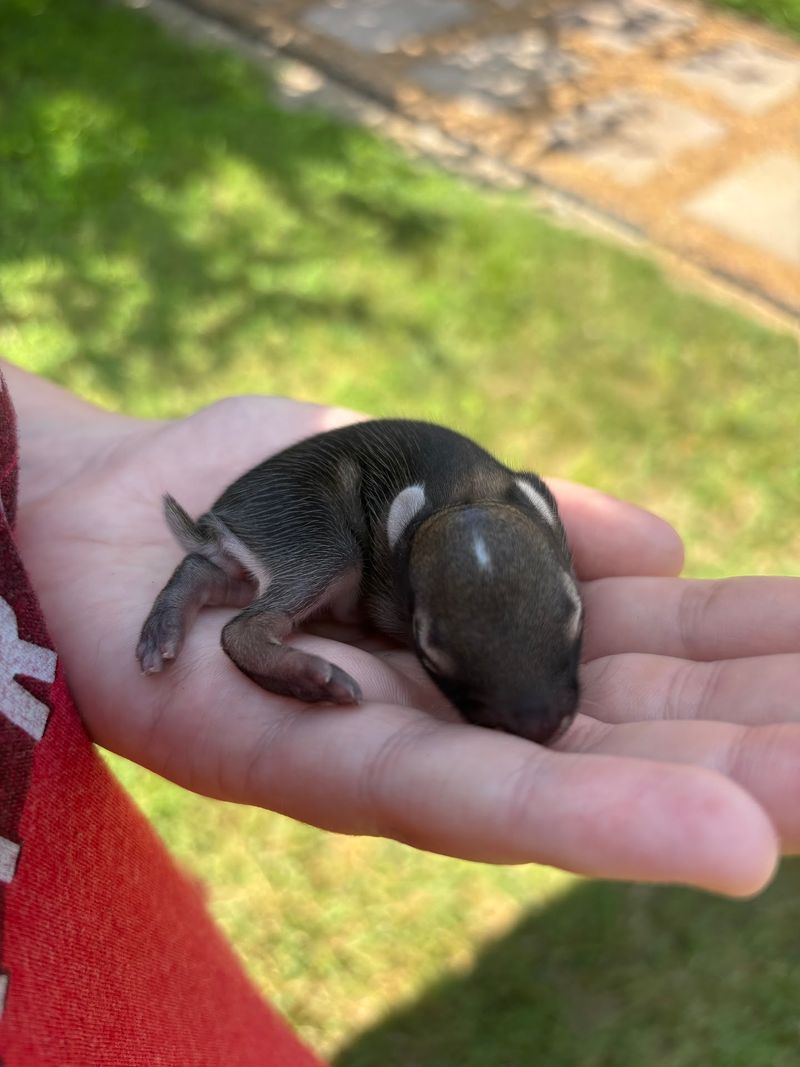
Operation Wildlife’s numbers tell a larger story than the article suggests.
The nonprofit reports receiving thousands of wild animals every year and maintaining an average release rate of 69 percent across patients in care.
The facility therefore handles thousands, not merely hundreds, of patients annually, with demand rising during baby season there.
Spring and early summer are the busiest periods, with orphaned songbirds, rabbits, and squirrels arriving in waves.
The team scales up its efforts during these months, relying heavily on its volunteer network to manage the increased workload without letting care quality slip.
The cumulative impact of all that work ripples outward into the local ecosystem in ways that are hard to measure but easy to appreciate.
Every owl that returns to the night sky and every hawk that soars over a Kansas field represents a small victory for conservation, earned through dedicated daily effort.
Completely Donation-Funded And Proud Of It
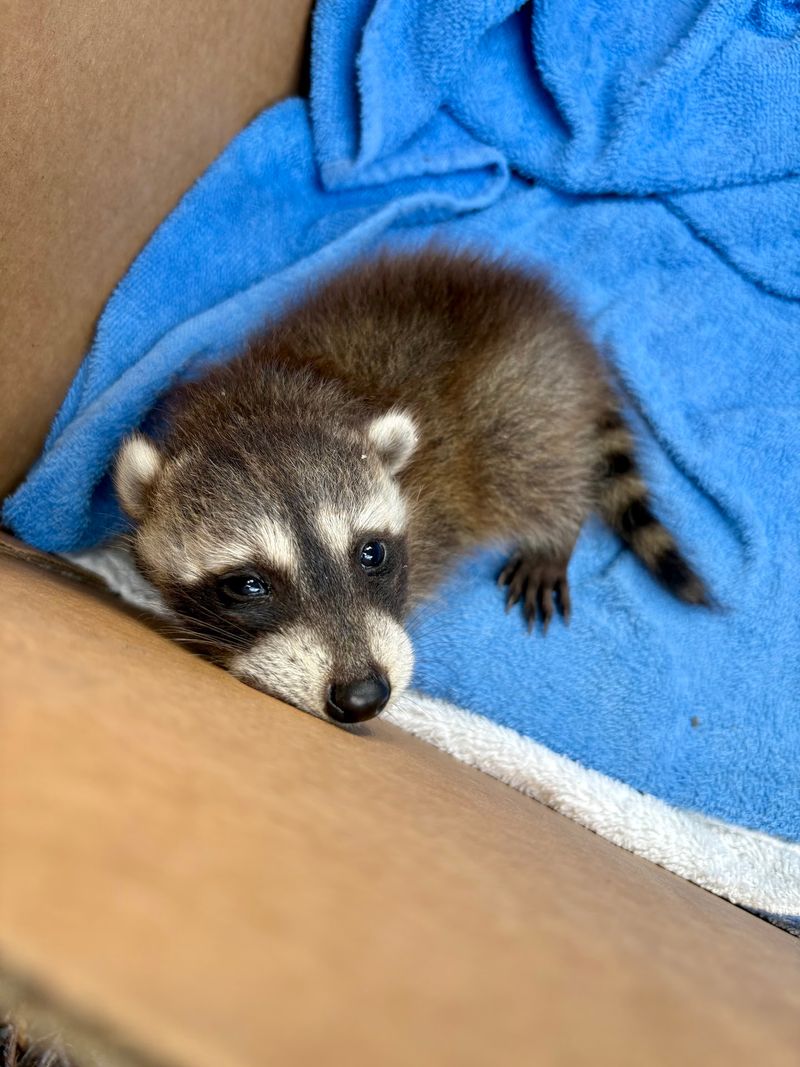
Here is a fact that puts things in sharp perspective: Operation Wildlife receives zero state funding.
Every bandage, every feeding syringe, every pound of specialized food, and every utility bill is covered entirely by donations from people who care about Kansas wildlife.
That financial independence is both a point of pride and a constant challenge. The organization keeps its costs as lean as possible, but rehabilitating wild animals is never cheap.
Baby opossums, for example, require weeks of specialized care before they are ready for release, and those costs add up fast.
Supporting OWL does not require a large checkbook. Donations of supplies, time, and even small cash gifts make a real difference in what the organization can accomplish each season.
The website at owl-online.org lists current needs and ways to contribute, making it easy for anyone in Kansas to play a small part in a very big mission.
A Community Anchor For Northeast Kansas Wildlife Care
Operation Wildlife serves nine Kansas counties covering about 4,500 square miles and also provides rehabilitation and wildlife education in northwest Missouri.
Animals arrive through private individuals, veterinarians, law-enforcement agencies, animal-control officers, and Kansas wildlife officials, giving the Linwood clinic an important regional role within northeast Kansas’s wildlife care network.
People bring in animals from miles around, confident that the team at OWL has both the knowledge and the compassion to give each creature the best possible care.
That trust has been built over many years of consistent, high-quality service. The sense of community that surrounds this place is genuinely moving.
Neighbors help neighbors transport injured animals.
Parents bring their children to learn about local wildlife. Students volunteer their summers to gain experience.
Operation Wildlife has become more than a rescue center; it has become a living, breathing reminder that caring for the natural world around us is everyone’s shared responsibility.