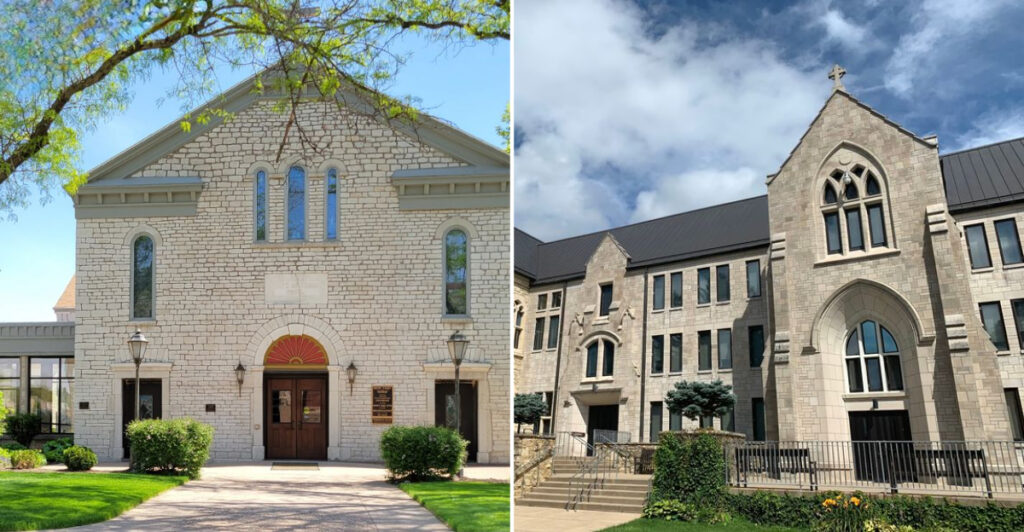
I thought I knew what to expect from northeastern Iowa until a quiet back road delivered me to a church that completely stole the show. I pulled over for a quick photo, then somehow spent the next half hour admiring stonework, stained glass, and the peaceful scenery.
My camera filled up long before my curiosity did, and my step counter probably deserves a thank-you card. There is something special about this corner of the state, where historic churches rise above river valleys and rolling hills with remarkable grace.
Every stop tells a different story through its architecture, its history, and the communities that built it.
Bring comfortable shoes, keep your camera handy, and leave a little extra room in your schedule, because these ten sacred stops make it surprisingly easy to linger a little longer in Iowa.
1. Cathedral Of St. Raphael, Dubuque
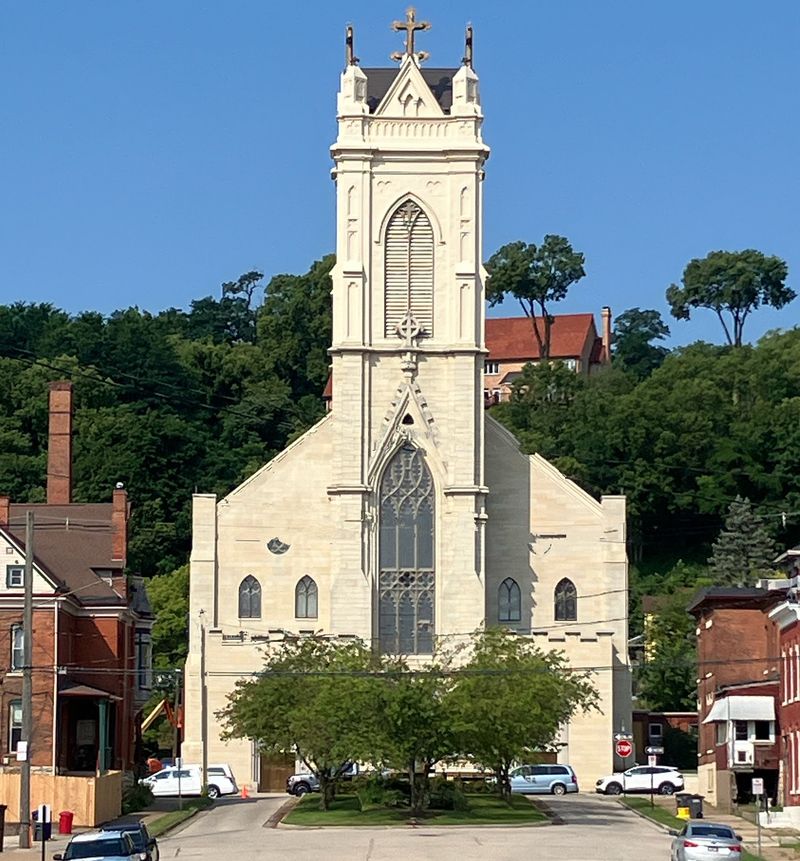
Few buildings in Iowa announce themselves quite like the Cathedral of St. Raphael, rising above the bluffs of Dubuque with the kind of quiet authority that makes you slow down before you even reach the front steps.
Dedicated in 1861, this Roman Catholic cathedral is the mother church of the Archdiocese of Dubuque, whose original diocese was established in 1837.
The Gothic Revival exterior combines brick construction with prominent stonework, while the interior features soaring ceilings, detailed woodwork, and stained-glass windows.
Dubuque itself sits at the very edge of Iowa where the state meets Wisconsin and Illinois, making this a natural starting point for any Mississippi River road trip.
The cathedral welcomes visitors regularly, and guided tours are sometimes available for those who want the full historical context.
Take a few extra minutes to walk the surrounding neighborhood, which is packed with Victorian architecture and river views that put the whole journey into beautiful perspective.
2. St. Luke’s United Methodist Church, Dubuque
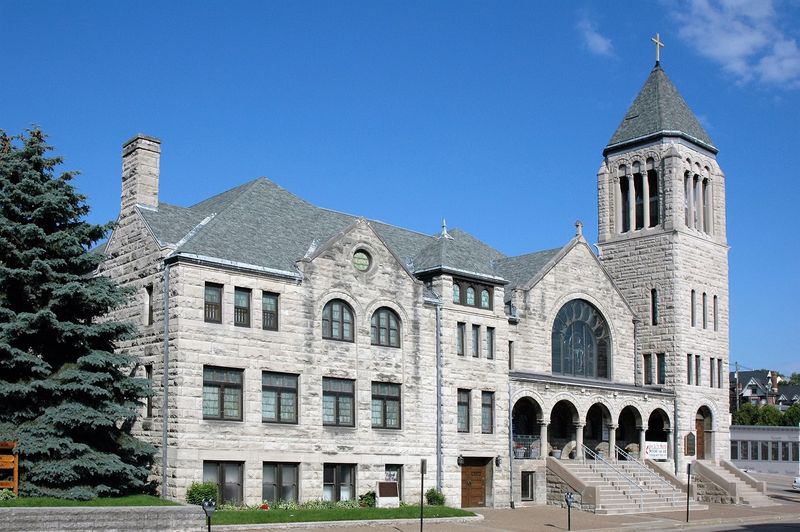
Right in the heart of historic Dubuque, St. Luke’s United Methodist Church has been a cornerstone of the community since the 1800s, and it wears that history with genuine grace.
The church is known for its Richardsonian Romanesque architecture and its extraordinary collection of more than 100 Tiffany stained-glass windows.
Those windows are genuinely worth a slow, careful look. Each panel tells a story, and the light filtering through them at different times of day creates an atmosphere that is hard to describe but impossible to forget.
St. Luke’s sits in Dubuque’s downtown area, which means you can easily pair a visit here with a stroll through the city’s walkable historic district, filled with 19th-century commercial buildings and river views just blocks away.
The congregation remains active and welcoming, so visitors are encouraged to be respectful of any services in progress.
If you appreciate the craft of historic church design, this stop will give you plenty to admire, photograph, and think about long after you have moved on down the road.
3. Our Lady Of The Mississippi Abbey, Dubuque
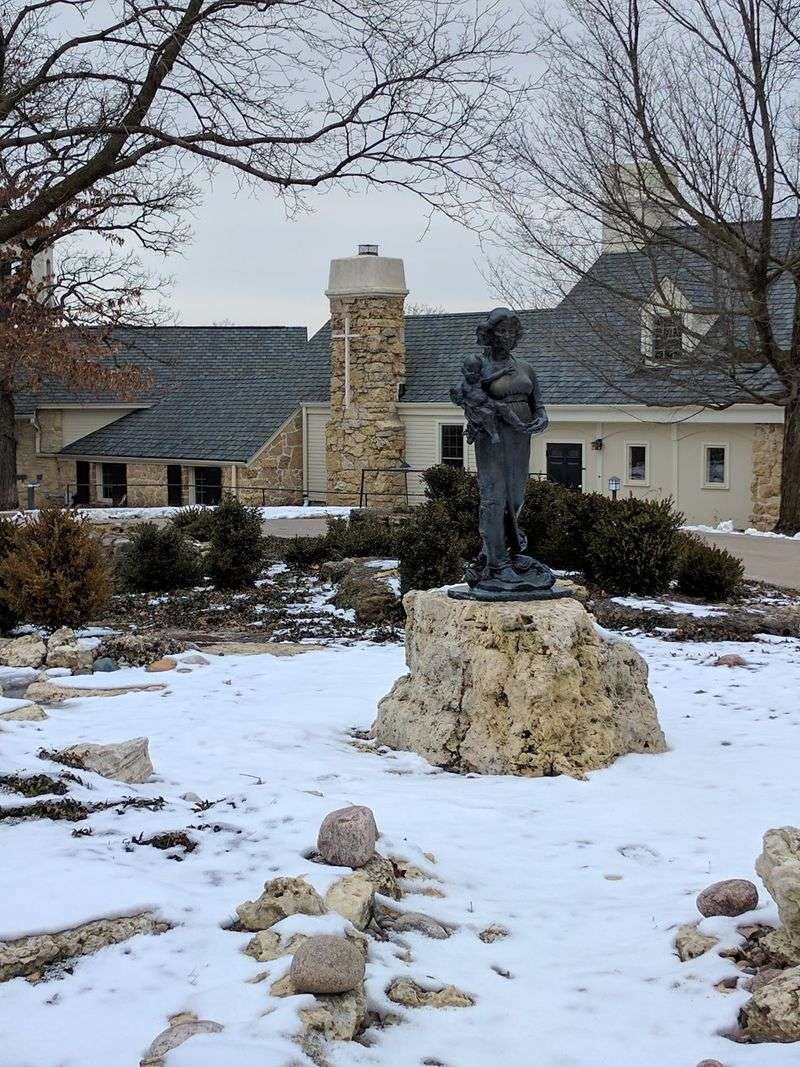
Perched on a bluff overlooking the Mississippi River just south of Dubuque, Our Lady of the Mississippi Abbey offers one of the most serene and visually arresting settings you will find anywhere in Iowa.
Founded in 1964 by Cistercian nuns, the abbey is a working monastery where the sisters follow a centuries-old rhythm of prayer, contemplative silence, and meaningful labor.
The community is perhaps best known for its Trappistine Quality Candy, handcrafted caramels and chocolates that have been produced at the abbey for decades and make for a truly memorable souvenir.
The abbey church is open for visitors who wish to attend liturgical services, and the experience of sitting in that spare, light-filled space while listening to Gregorian chant is genuinely moving.
The grounds themselves are worth wandering, with views of the river valley that stretch for miles on a clear day.
This is a place where the pace of modern life falls away almost immediately, and even visitors with no religious background tend to leave feeling more settled and centered than when they arrived.
4. New Melleray Abbey, Peosta
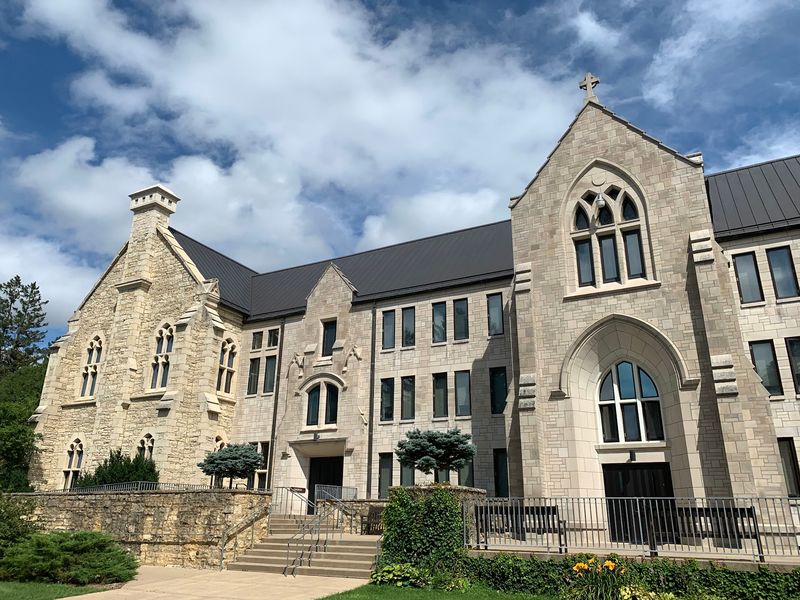
About twelve miles southwest of Dubuque, near Peosta, New Melleray Abbey has been home to Trappist monks since 1849, making it one of the country’s longest-established Trappist monasteries.
The monks arrived from Ireland and built their first structures by hand from locally quarried limestone, a tradition of craftsmanship that continued for generations and is visible in every corner of the complex today.
The abbey’s church is a masterpiece of understated design, built in a modern Cistercian style that strips away ornamentation in favor of light, proportion, and silence.
Visitors are welcome to attend Mass and the Liturgy of the Hours, and the monks operate a small retreat house for those who want to stay longer and experience the contemplative rhythm of monastic life firsthand.
The surrounding farmland and woodlands give the property a timeless quality, and walking the grounds feels genuinely restorative.
New Melleray also produces hand-crafted wooden caskets and urns, a reminder that the monks engage deeply with the full arc of human life in everything they do.
5. St. Donatus Catholic Church And Outdoor Stations, St. Donatus
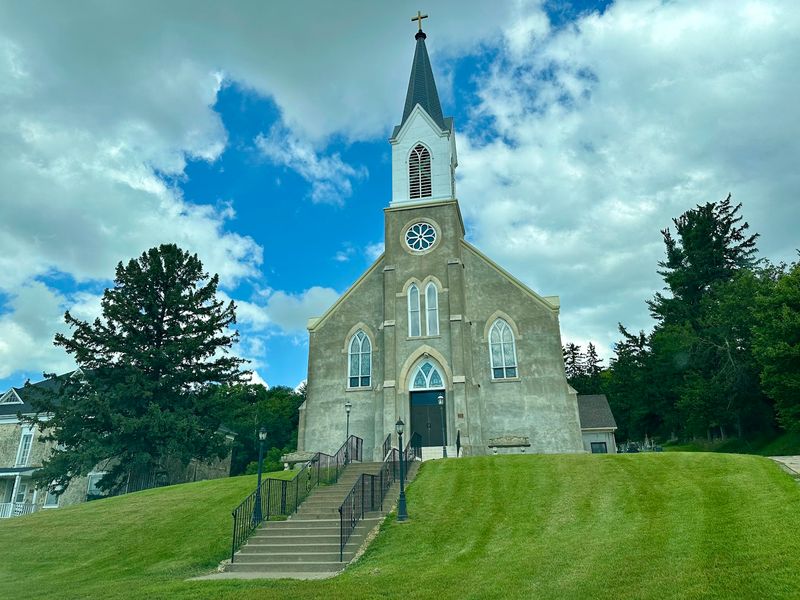
The tiny village of St. Donatus, tucked into the bluffs of Jackson County near the Mississippi River, is one of Iowa’s best-kept secrets, and its Catholic church complex is the main reason to make the trip.
Founded by Luxembourg immigrants in the 1840s, St. Donatus retains an almost entirely European character, and the church at its center looks like it was transplanted directly from the old country.
What makes this stop truly special, though, is the outdoor Stations of the Cross that climb the wooded hillside behind the church. Fourteen stone shrines wind up the bluff, leading to a hilltop chapel called the Pieta Chapel, which frames an extraordinary view of the surrounding valley.
The uphill walk varies in length depending on pace and trail conditions, and the unpaved route can become slippery during wet weather.
St. Donatus is also home to several historic stone buildings, a small inn, and a local restaurant, so you can easily spend a half-day exploring the entire village.
Spring and fall are particularly beautiful times to visit, when the surrounding trees add dramatic color to the already striking landscape.
6. Immaculate Conception Church At Wexford, Lansing
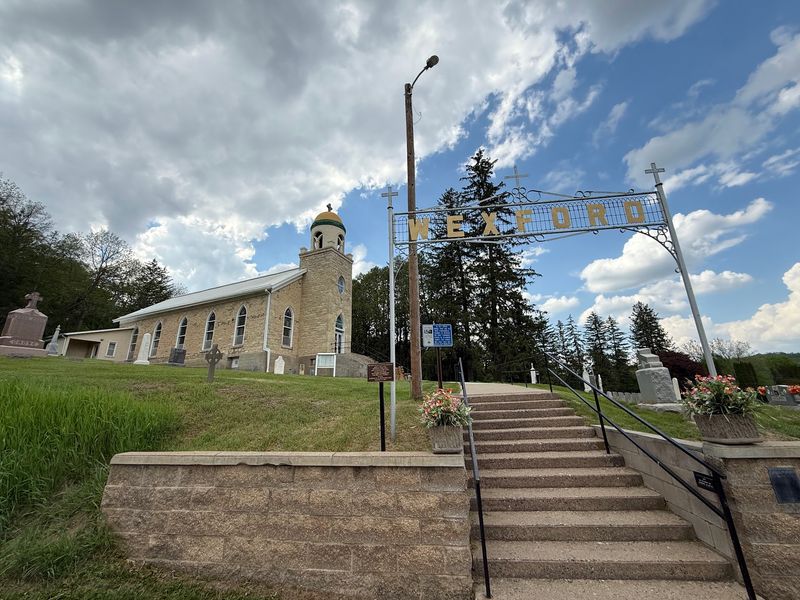
Roughly nine miles south of Lansing in rural Allamakee County, the Immaculate Conception Church at Wexford stands on a quiet hilltop as a testament to the Irish immigrants who settled the area in the 19th century.
The church is small, simple, and almost breathtakingly beautiful in its plainness, with thick stone walls and a modest interior that feels worn smooth by generations of faithful use.
The surrounding cemetery tells the story of the community through its headstones, many bearing Irish surnames and dates stretching back to the 1840s and 1850s, when families arrived here after crossing an ocean and a continent to build something lasting.
The Driftless Region landscape around Wexford is classic northeastern Iowa, all rolling hills, narrow valleys, and dense woodland, and the drive out here is a reward in itself.
The church is typically locked between services, but the exterior, grounds, and cemetery are freely accessible and well worth a thoughtful visit.
Arriving in the early morning when mist still clings to the surrounding fields makes the whole scene feel like stepping into a very old photograph.
7. Immaculate Conception Catholic Church, Lansing
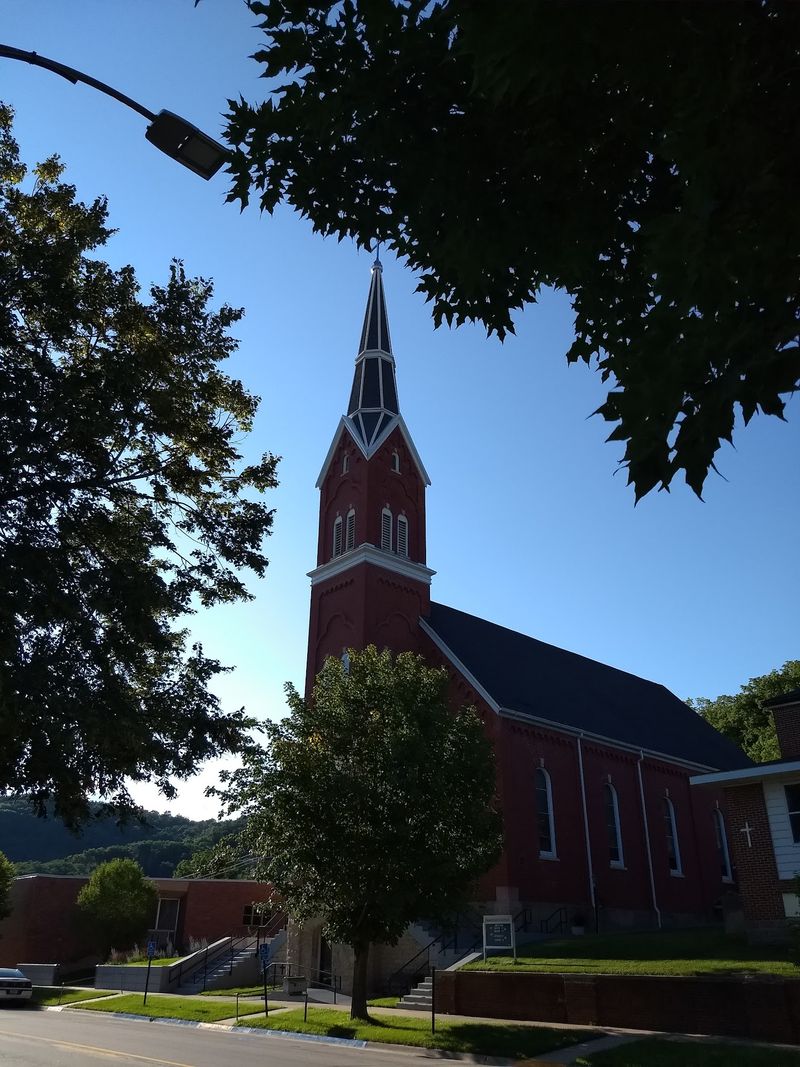
Lansing is one of those Mississippi River towns that feels suspended in a particularly pleasant moment in time, and the Immaculate Conception Catholic Church in town is one of the anchors that has kept it that way.
Unlike its rural namesake up in Wexford, this church sits right in the heart of Lansing’s compact downtown, just blocks from the river itself, and it serves a community that has grown up alongside the water for well over a century.
The church building reflects the sturdy, no-nonsense aesthetic that characterizes so much of northeastern Iowa’s religious architecture, built to last and maintained with obvious care by a congregation that takes its history seriously.
Lansing itself is a wonderful place to spend a few hours, with a scenic overlook at Mount Hosmer Park just above town offering one of the best views of the Mississippi River in the entire state.
Pair a visit to the church with a walk along the riverfront, a stop at the local shops, and a meal at one of the small diners in town for a full Lansing experience.
The combination of river scenery, historic architecture, and small-town hospitality makes this stretch of Iowa genuinely hard to leave.
8. Decorah Lutheran Church, Decorah
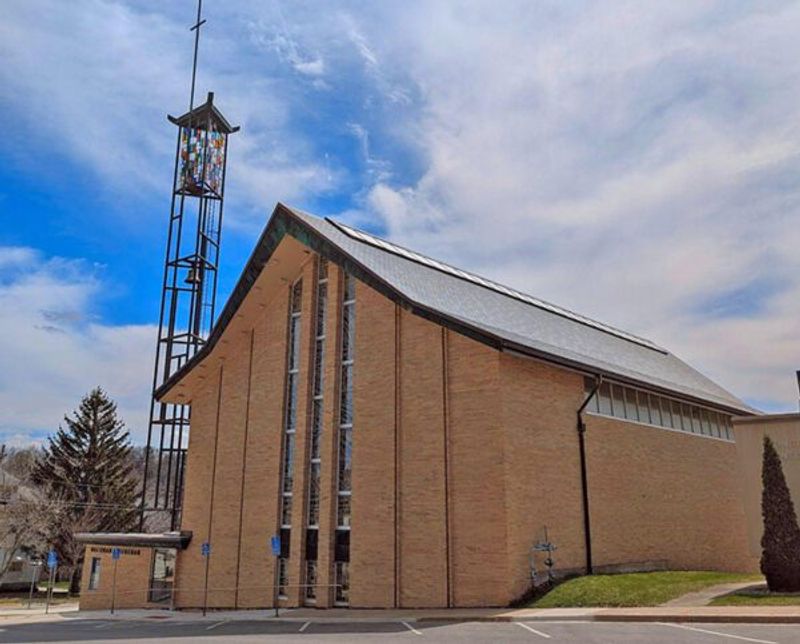
Decorah is one of the best-known centers of Norwegian-American heritage in the United States, and Decorah Lutheran Church remains an important expression of that legacy.
The congregation dates to the mid-1800s, when Norwegian immigrants flooded into the Upper Iowa River valley and built communities that still feel deeply connected to their origins today.
The church itself is a handsome, well-maintained structure with a commanding steeple that anchors the town’s streetscape, and its interior reflects the clean, light-filled aesthetic that characterizes Lutheran church design at its best.
Decorah is also home to Vesterheim, the National Norwegian-American Museum, so a visit to the church fits naturally into a broader day of cultural exploration in one of Iowa’s most distinctive small cities.
The town sits in the heart of the Driftless Region, surrounded by some of the most dramatic scenery in the entire Midwest, with trout streams, limestone bluffs, and deep forested valleys just minutes from the town square.
Plan to arrive on a weekday morning when the town is quiet and the church is most likely to be accessible for a peaceful interior visit.
9. St. Anthony Catholic Church, Davenport
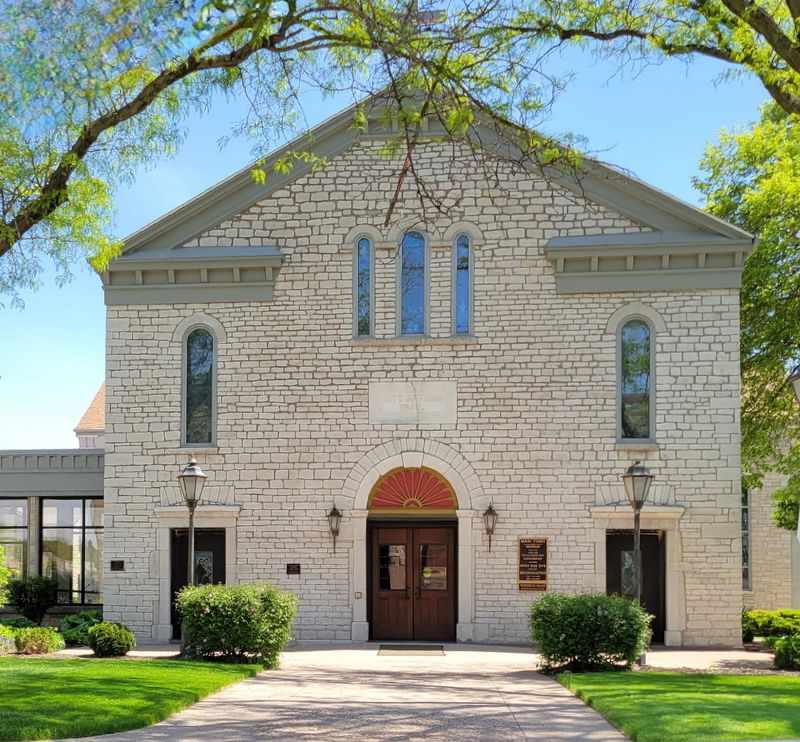
Davenport sits at the southern end of this Mississippi River journey, and St. Anthony Catholic Church gives the city a sacred landmark that has served its neighborhood for well over a century.
The parish has deep roots in Davenport’s immigrant community, and the church building reflects the ambition and devotion of the families who pooled their resources to construct something that would outlast them all.
The present stone church was completed in 1853 and retains a largely Greek Revival character, while the adjacent 1838 parish building is considered Iowa’s oldest surviving church structure.
Davenport is the largest of the four Quad Cities and sits directly on the Mississippi River, offering visitors a full range of dining, cultural attractions, and riverfront activities alongside their sacred sightseeing.
The church is an active parish, so timing your visit around posted service schedules will give you the best chance of seeing the interior in its full, lived-in context.
St. Anthony stands as a reminder that faith communities in river cities like Davenport have always been inseparable from the broader story of immigration, labor, and community-building that shaped the American Midwest.
10. Sacred Heart Cathedral, Davenport
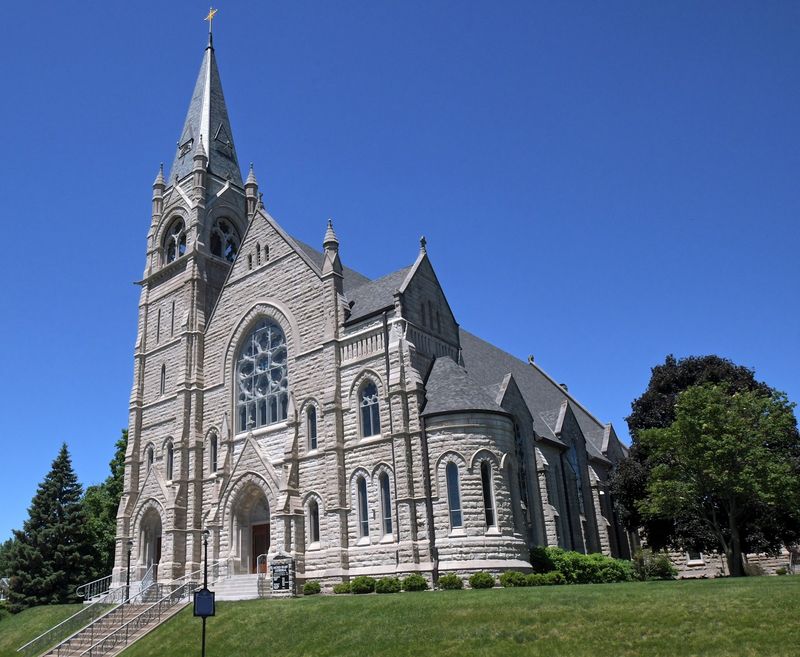
Sacred Heart Cathedral is the mother church of the Diocese of Davenport, and it carries that responsibility with an architectural confidence that commands attention from the moment you turn onto the block.
Completed and dedicated in 1891, the cathedral is a Gothic Revival landmark inspired by English church architecture, with pointed arches, limestone walls, and a prominent tower and spire.
Inside, the stained glass windows are exceptional, casting pools of colored light across the stone floors and wooden pews in a display that changes character completely depending on the time of day and season.
As a working cathedral, Sacred Heart hosts major diocesan events, concerts, and public liturgies throughout the year, so there is often something happening beyond the regular Mass schedule that makes a visit even more rewarding.
Davenport’s location on the Mississippi River means you can bookend a cathedral visit with a walk along the river or a trip to the nearby Figge Art Museum for a well-rounded afternoon.
Ending your Iowa sacred-stops road trip here, with the river just blocks away and the cathedral at your back, feels like exactly the right kind of finale.