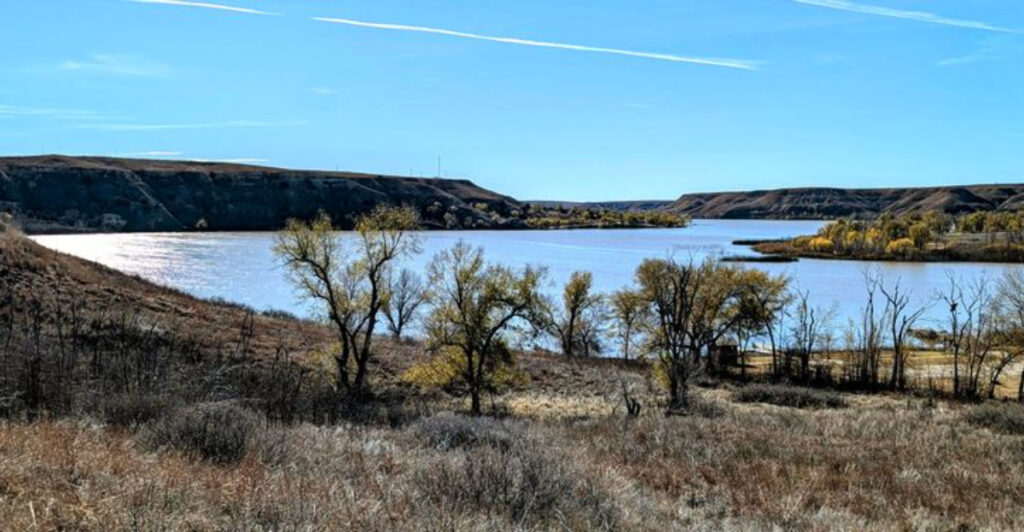
An overlooked lake can feel like a secret handshake with summer. Kansas has quiet water spots where the views do not need a crowd to prove they are beautiful, and that is exactly the appeal.
No packed shoreline, no noisy rush, no feeling like you arrived too late to claim a decent patch of peace. Just open space, calm water, and the rare pleasure of having a gorgeous scene feel almost personal.
The best lake days are not always the busiest ones. Sometimes they are the ones where nothing gets in the way of looking around and realizing the quiet was the whole point.
Give me a lake with room to breathe and no crowd fighting for the same view, and I will start wondering why everyone else missed the best part.
The Surprising Geography That Makes This Lake Stand Out
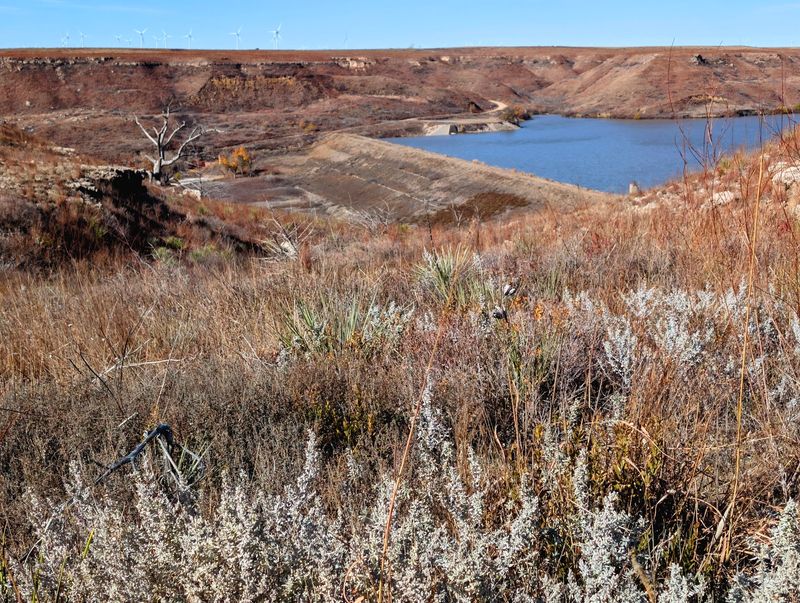
Kansas does not always get credit for dramatic scenery, but Clark State Fishing Lake and Wildlife Area near Kingsdown, KS 67842 breaks that stereotype fast.
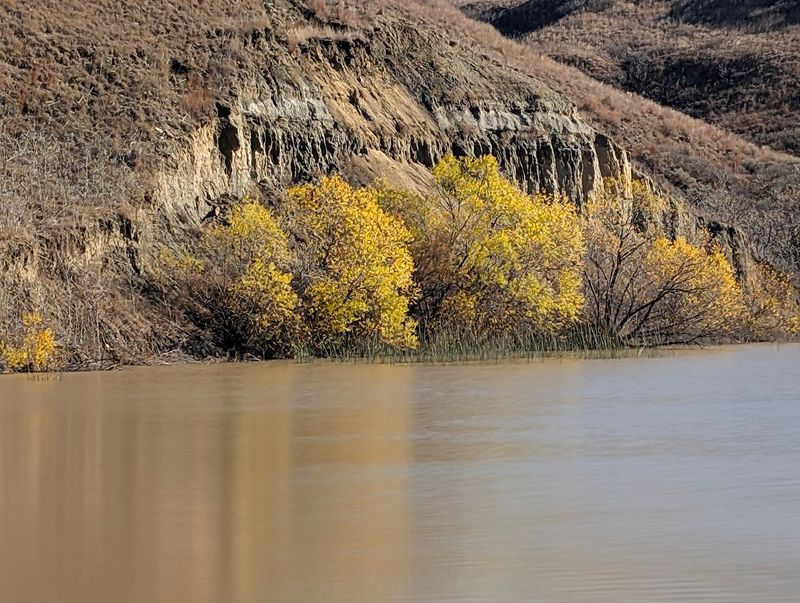
The lake sits in the deep Bluff Creek canyon, where the Ogallala Formation, lighter Cretaceous rocks, and older Permian red beds create striking layers above the surrounding prairie.
This is not the flat, featureless Kansas that people joke about. The terrain here has real texture, real color, and real personality.
Sunlight hits the exposed rock and scattered vegetation at golden hour and turns the whole scene into something that feels almost cinematic.
The lake itself sits low in the landscape, framed by steep canyon slopes, giving every view a depth that surprises first-time visitors.
You genuinely do not need to travel far from southwest Kansas to find scenery worth photographing, and this place proves that point beautifully.
How The Lake Got Here And Why It Matters
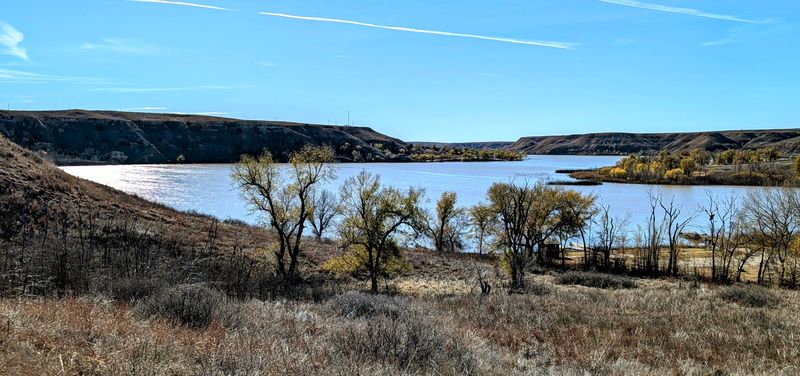
Clark State Fishing Lake was created by the Kansas Forestry, Fish and Game Commission, which later became the Kansas Department of Wildlife and Parks.
The lake was built as part of a broader effort across Kansas to provide public fishing access in areas where natural water sources were scarce.
Southwest Kansas is semi-arid country, meaning water does not come easy, and a lake like this one was genuinely valuable to local communities and wildlife alike.
The dam that holds the lake back was constructed to create a reliable reservoir in an otherwise dry stretch of the Great Plains. Over time, the surrounding land was protected as a wildlife area, adding conservation value on top of recreational use.
Understanding that history makes standing at the shoreline feel a little more meaningful, because this lake did not just happen by accident.
Wildlife Watching Beyond The Water
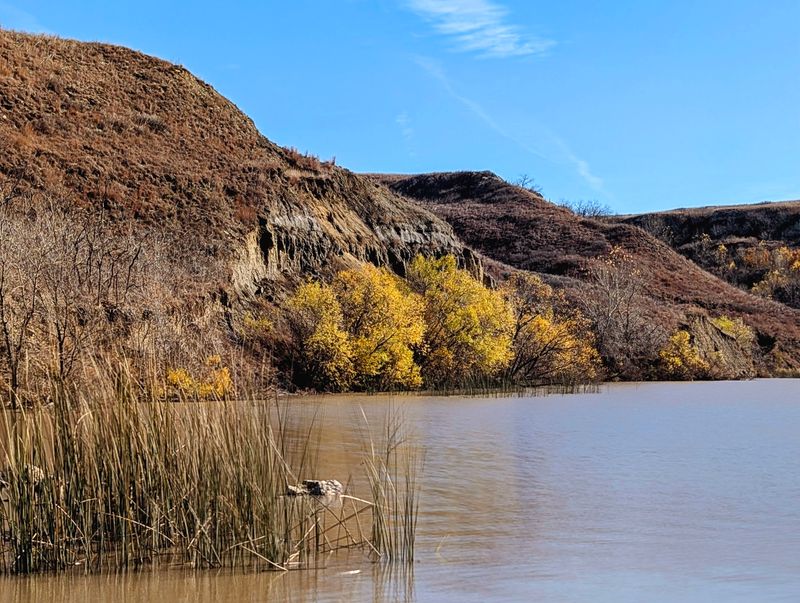
The wildlife area surrounding the lake is not just a backdrop for fishing. It is a fully functioning habitat supporting a wide range of Kansas native species.
White-tailed deer move through the cedar canyons regularly, especially at dawn and dusk when they feel most comfortable venturing into open areas near the water.
Wild turkey are also common here, and their early morning calls across the prairie create a soundtrack that feels completely removed from modern life.
Migratory birds pass through Clark County seasonally, making the area an underrated stop for birdwatchers who know where to look. Shorebirds, raptors, and songbirds all use the lake and surrounding grasslands as rest stops during migration.
Bringing a pair of binoculars to Clark State Fishing Lake and Wildlife Area is one of the smartest packing decisions you can make before heading out here.
Camping Under Kansas Skies With Almost No Neighbors
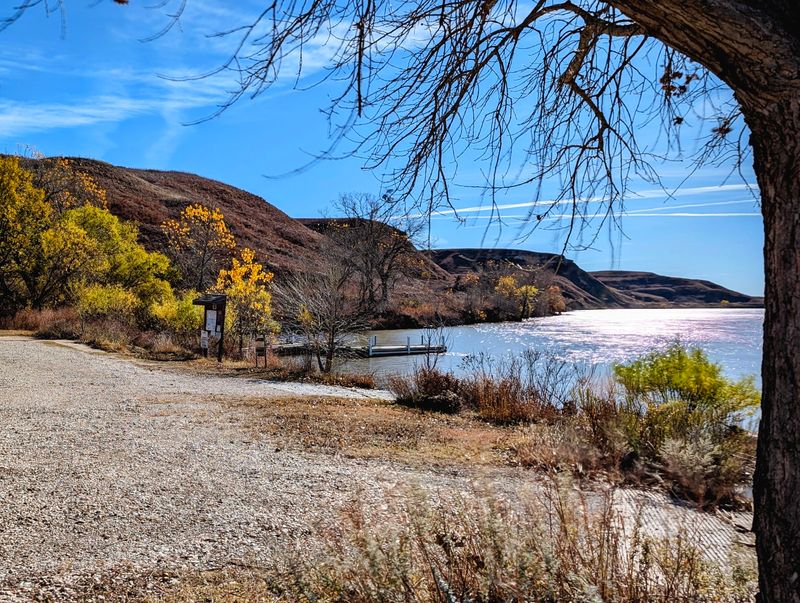
Camping at Clark State Fishing Lake and Wildlife Area near Kingsdown, KS 67842 offers a genuinely remote overnight option, but solitude can never be guaranteed.
The official site identifies primitive camping and day-use areas at the south end and along the east shore. Metal fire rings and grills are provided, while toilet facilities remain limited.
There are no electrical hookups, potable-water systems, or showers, so campers need to arrive prepared and use only designated camping areas under current Kansas Department of Wildlife and Parks rules.
Sleeping under a southwest Kansas sky here can still be an experience worth planning around.
The location is far from major urban centers, making it suitable for stargazing when skies, weather, and nearby activity cooperate after dark.
Campers must pack out their trash, observe posted fire restrictions, and remember that other anglers, hunters, boaters, or overnight visitors may be present during any season or visit.
The Cedar Canyon Scenery That Photographers Love
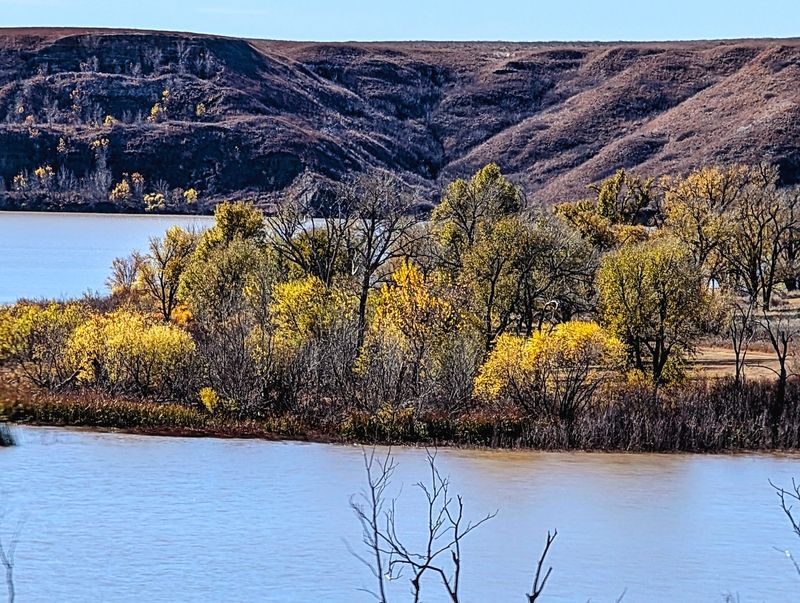
Photography enthusiasts who find their way to Clark State Fishing Lake and Wildlife Area are usually not disappointed, and many of them keep coming back.
The red cedar canyon landscape is genuinely photogenic in a way that feels unexpected for this part of the country.
Textures, colors, and natural contrasts all show up in ways that make for compelling images.
Golden hour here is something special.
The warm light hits the red clay and cedar bark and creates a palette that landscape photographers actively seek out.
Reflections on the lake surface during calm mornings add another layer of visual interest, doubling the canyon scenery in ways that look almost too good to be real.
Kansas gets overlooked as a photography destination partly because people assume it is all flat farmland, but this canyon lake area challenges that assumption at every turn.
Bring a wide-angle lens and plan to stay past sunset.
Hunting Opportunities That Draw Serious Sportspeople
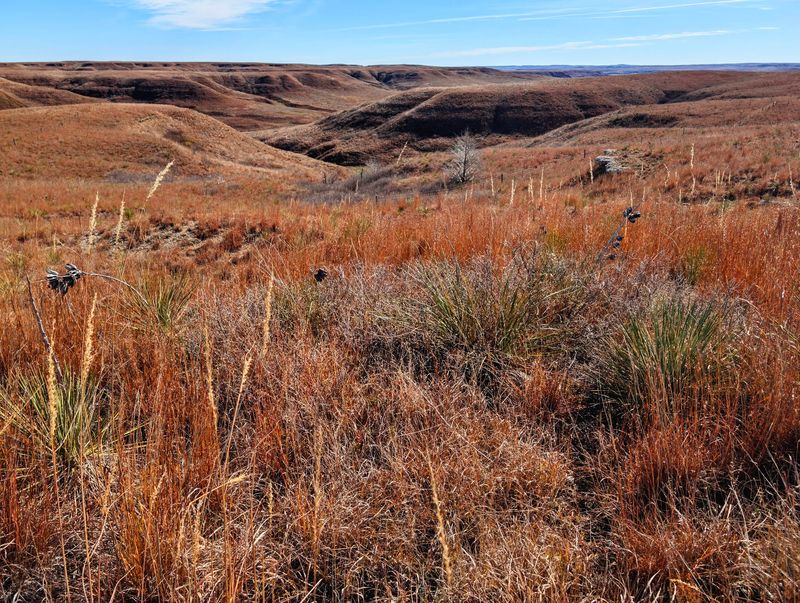
Hunting is a major part of what Clark State Fishing Lake and Wildlife Area near Kingsdown, KS 67842 offers to outdoor enthusiasts, and the variety of available game makes it worth planning a dedicated trip.
Deer hunting in the cedar canyons and surrounding grasslands attracts hunters who appreciate natural terrain over managed hunting operations.
The habitat here supports healthy whitetail populations, and the canyon topography creates natural funnels that experienced hunters know how to use.
Pheasant and quail hunting are also available in season, and Clark County has a reputation in Kansas for solid upland bird hunting in general.
Wild turkey hunting in spring rounds out the calendar nicely for those who like to visit across multiple seasons.
Kansas hunting regulations apply fully here, so checking the current season dates and licensing requirements through the Kansas Department of Wildlife and Parks before your trip is essential.
Getting There And What To Expect On Arrival
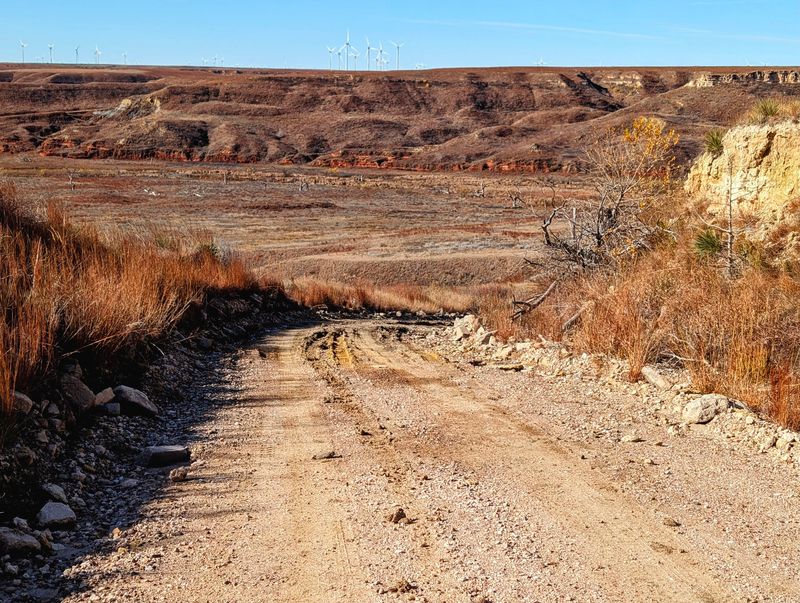
Clark State Fishing Lake and Wildlife Area is in north-central Clark County, Kansas, approximately 8.5 miles south and one mile west of Kingsdown on State Highway 94, according to the official listing.
The principal approach follows K-94 rather than requiring an entirely gravel-road drive.
The northwest entrance does connect with a county gravel road, so route conditions can vary depending on the entrance chosen.
The approach crosses open plains before dropping into the deep Bluff Creek canyon, creating the striking reveal that visitors often associate with the lake.
Facilities remain limited. KDWP lists four boat ramps, two primitive camping and day-use areas, and a north-ramp facility with parking, a courtesy dock, and a restroom.
There are no electrical hookups, potable water, or showers.
Visitors should bring food, drinking water, fuel, navigation information, and other essentials, while checking road, weather, wildfire, and posted access conditions before leaving home, especially after storms or periods of severe weather.
Best Times Of Year To Visit For Maximum Enjoyment
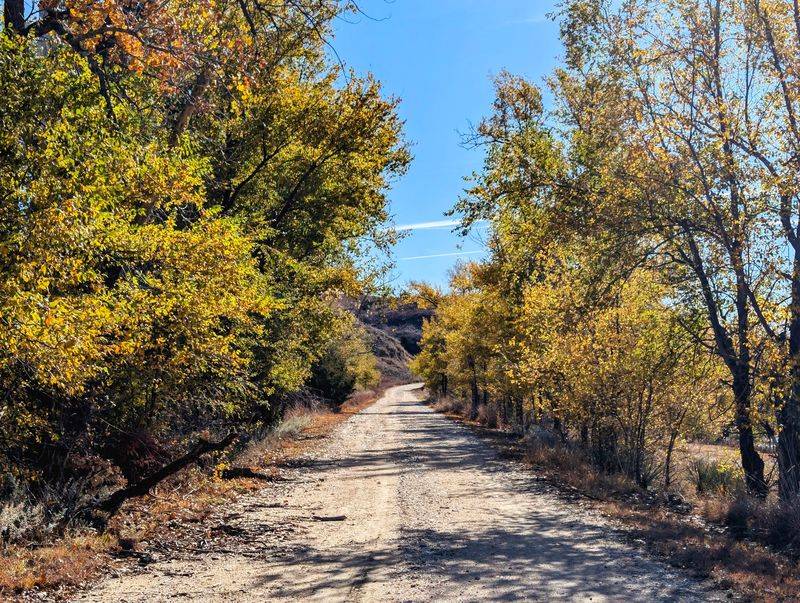
Timing a trip to Clark State Fishing Lake and Wildlife Area near Kingsdown, KS 67842 can make a real difference in what you experience.
Spring is excellent for birdwatching and turkey hunting, and the wildflowers that bloom across the Kansas prairie add unexpected color to the landscape around the lake.
Fall is arguably the best all-around season here. Temperatures drop into a comfortable range, deer activity increases, migratory birds pass through, and the light takes on that low-angle warmth that makes every view look better.
Summer brings reliable fishing but also heat, so early morning arrivals are strongly recommended if you plan to spend extended time outdoors in July or August.
Winter visits are rare but rewarding for solitude seekers. The cedar canyons look dramatic under frost, and waterfowl activity on the lake can be surprisingly active during cold snaps.
Every season offers something genuinely different here.
Why This Place Can Feel Quiet And Why Preparation Still Matters Here
Part of what makes Clark State Fishing Lake and Wildlife Area appealing in 2026 is its remote setting, limited facilities, and distance from Kansas’s larger population centers.
That does not mean it has zero crowds or no online attention.
The lake appears on official tourism pages, outdoor guides, photography sites, and social media, while anglers, hunters, campers, and boaters all share the area.
Kansas manages dozens of state fishing lakes, and Clark receives less mainstream promotion than major reservoirs or developed state parks, but no published attendance figures establish it as the state’s least crowded lake.
Visitor levels can change with weekends, holidays, fishing conditions, hunting seasons, weather, and nearby events.
Wildlife disturbance, fishing pressure, and campsite availability therefore cannot be predicted from remoteness alone.
The sound approach is to expect primitive conditions, prepare for company, respect other users, and check current KDWP notices before making the drive at any time of the year.