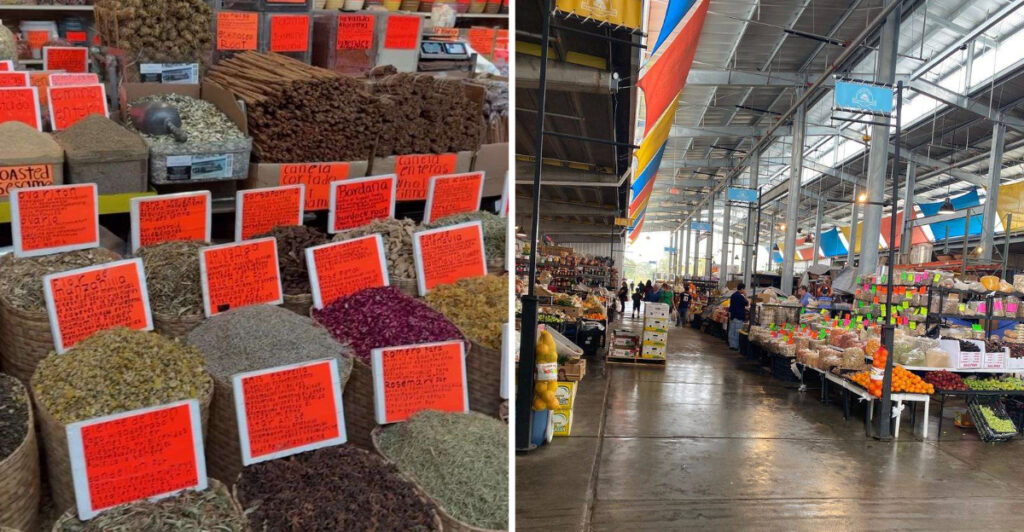
Grocery plans have a short attention span here.
This 18-acre market in Texas has been feeding Houston since 1941, and the trip can wander far beyond produce.
Tropical fruit, spices, prepared food, and specialty ingredients make the original list increasingly irrelevant.
You may arrive for tomatoes. Then the chiles show up. A few minutes later, lunch has entered the conversation and the cart has developed opinions.
The market still keeps its old-school roots, but newer restaurants and vendors have expanded the experience well beyond a simple produce stop.
That mix is what keeps the visit moving. One aisle handles dinner. The next starts planning dessert.
Bring a list for emotional support. The market will take it from there.
Eighteen Acres Can Make A Shopping List Look Tiny
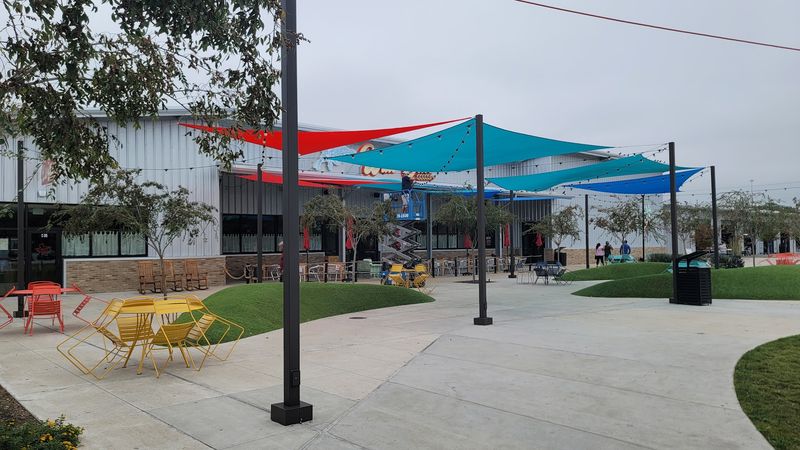
First surprise: this is not a neat little row of weekend tents.
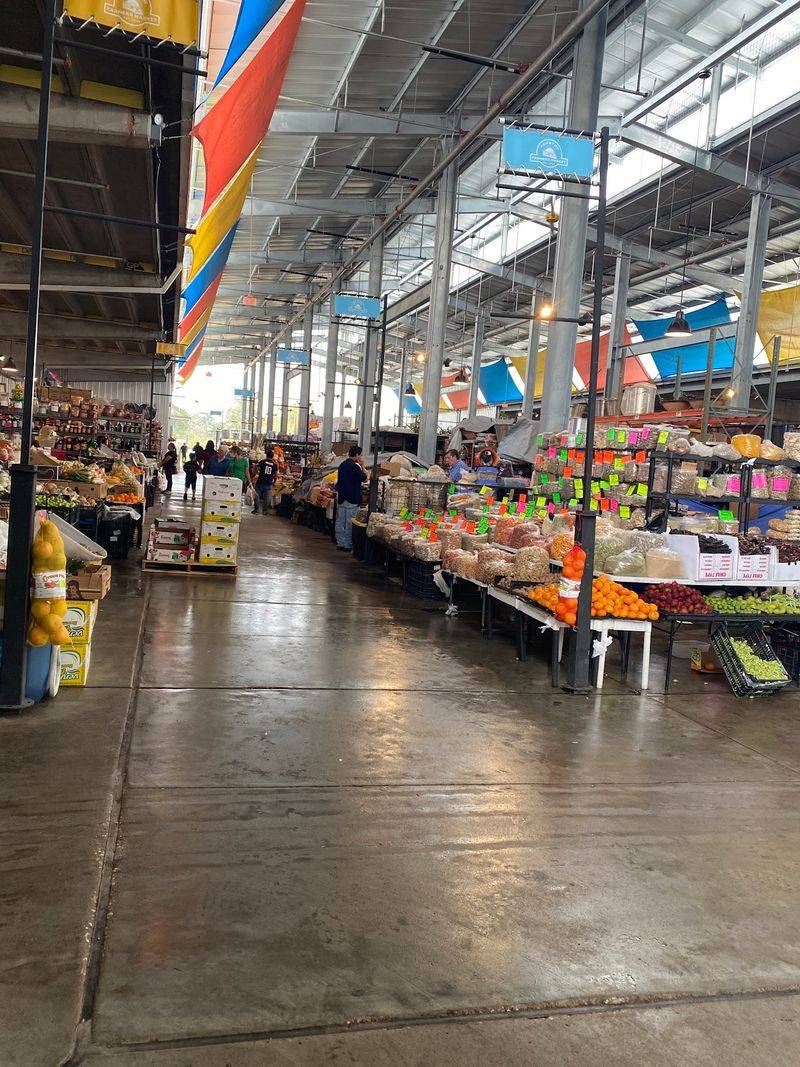
Houston Farmers Market occupies 18 acres in Houston’s Greater Northside District, giving produce merchants, restaurants, retail spaces, open-air areas, and other businesses plenty of room to spread out.
This property is a destination built around food and the city’s cultural diversity. That scale changes how you explore it.
Instead of standing in one aisle and scanning everything from a single spot, you can move between produce areas, covered spaces, restaurant buildings, and different sections of the property.
The market’s self-guided visitor information also notes that nearly 600 parking spaces surround the complex.
The address is 2520 Airline Drive, Houston, TX 77009.
If you want to see more than the first produce stand that catches your attention, give yourself room to wander. Friday, Saturday, and Sunday are generally the busiest days, with mornings typically drawing more activity.
You may come here to shop quickly, but eighteen acres has other plans.
The Story Started Long Before The Restaurants Arrived
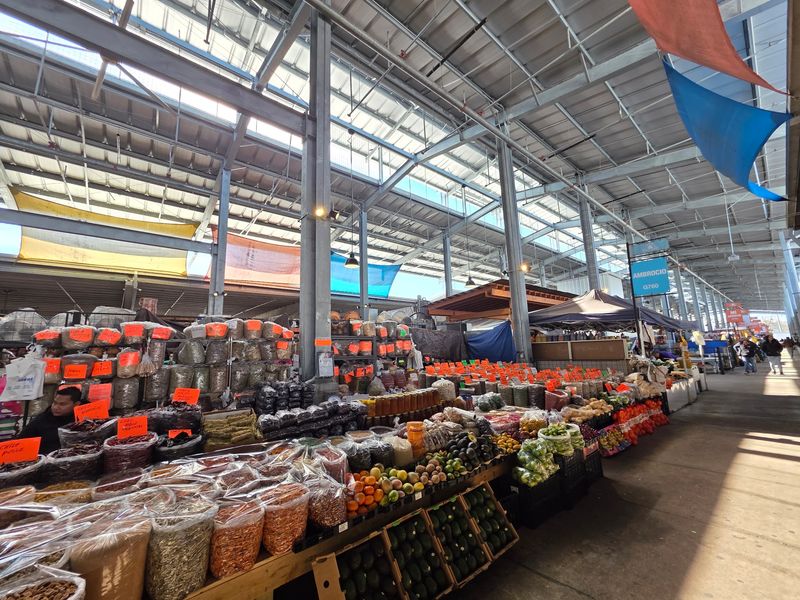
Now rewind the clock to a time when farmers were fighting for a better place to sell.
The market traces its roots to 1937, when Houston-area farmers organized after becoming frustrated with selling conditions at other markets.
Their efforts eventually led to the Farmers Cooperative Market Co-Association, and farmers purchased the original 9.5-acre property in the early 1940s.
The Houston Farmers Market dates its official establishment to 1941. Over the following decades, the property expanded by nearly another nine acres as demand grew.
That history matters because produce was not added later to make the place look traditional.
Produce is the tradition.
The site changed dramatically again after MLB Capital Partners purchased it in 2017 and began a major redevelopment. Renovated facilities and restaurant spaces followed, with the revitalized market opening its updated areas for operation in 2021.
Yet farmers, produce merchants, and grocery vendors remained part of the plan. That makes the modern market an unusual combination of old and new.
The buildings may have changed, but the reason people started gathering here is still sitting in crates.
Tropical Fruit Can Hijack Your Entire Basket
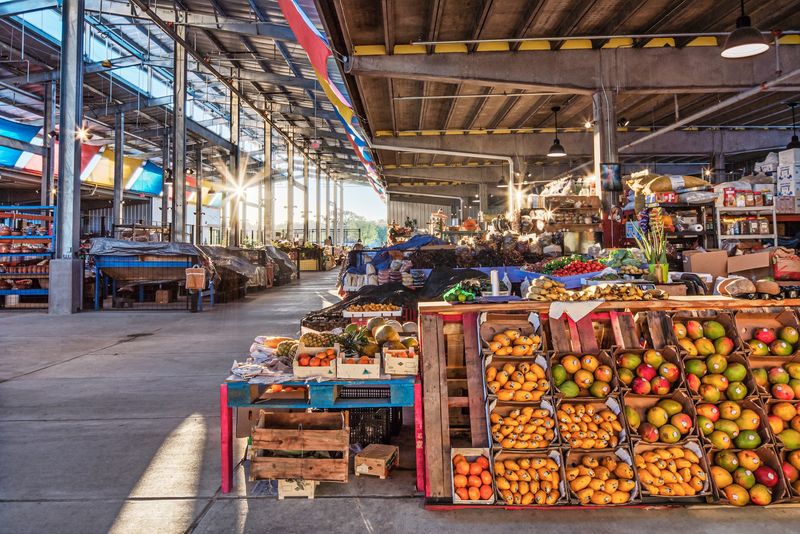
Here is where the produce section starts showing off.
The market promotes everything from familiar vegetables to tropical and less-common fruits, including papaya, dragon fruit, starfruit, bananas, peppers, and other seasonal selections.
Its produce merchants also carry items that can be difficult to find in conventional supermarkets.
That means you can shop conservatively if you want.
You can grab ingredients you already recognize, replenish the refrigerator, and stay completely faithful to the list.
Or you can let curiosity win.
An unfamiliar fruit can quickly become the most interesting purchase of the day, particularly when several varieties are lined up beside ingredients you already know.
Fresh herbs deserve attention too. The market specifically highlights basil, mint, rosemary, thyme, and a wider selection of herbs and spices throughout its food offerings.
The mix is one reason the market can appeal to home cooks who enjoy experimenting.
You do not need a finished recipe before you arrive. Sometimes seeing the ingredients first is enough to decide what dinner is going to become.
Just remember that fruit has a sneaky way of multiplying once the basket gets involved.
Mexican Culinary Traditions Give The Market Its Strongest Flavor
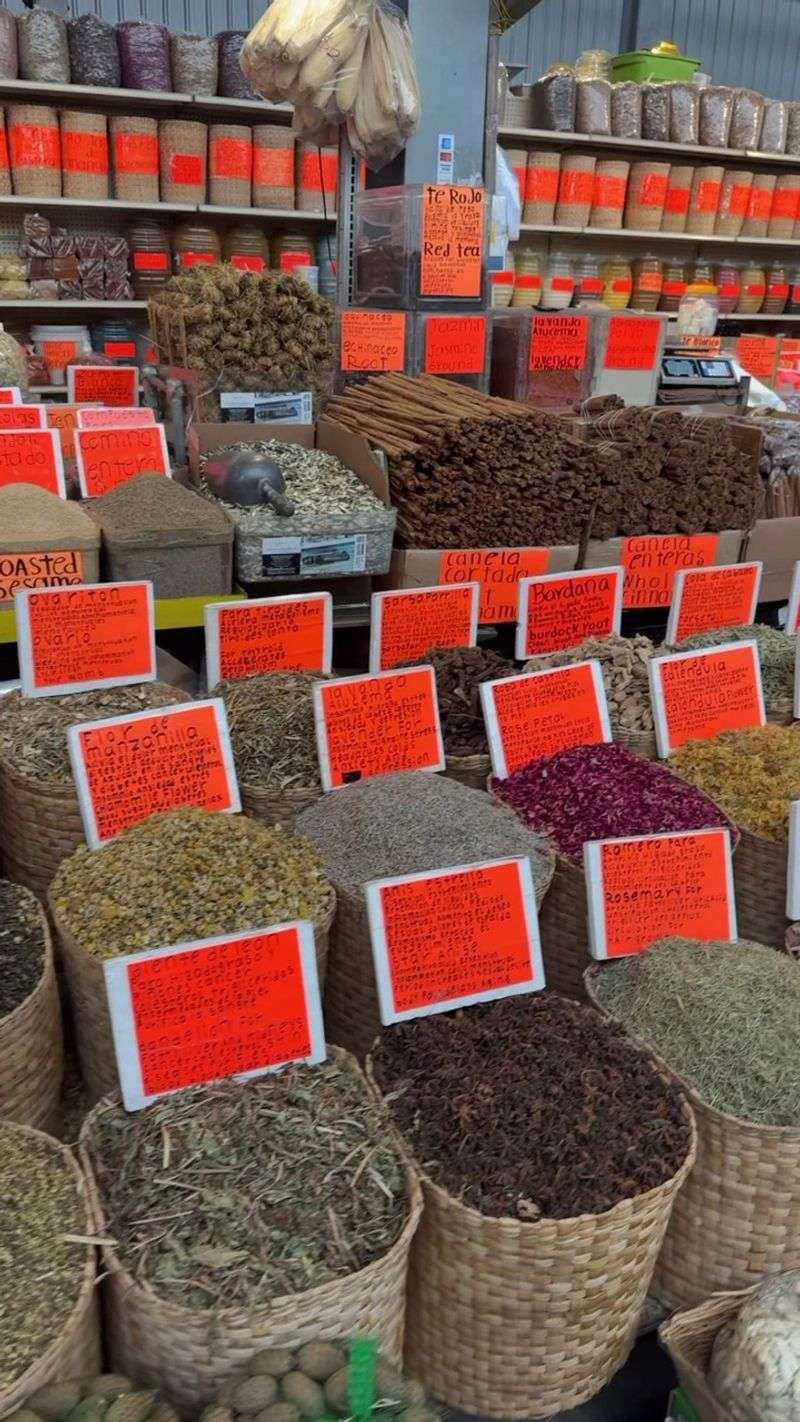
No passport required, but your appetite may start traveling.
The influence of Mexican culinary traditions is evident across its produce, prepared foods, spices, specialty products, and longtime merchant culture.
That makes the headline’s trip-around-the-world feeling less about pretending dozens of cuisines appear in equal measure and more about how quickly the ingredients can pull your attention beyond an ordinary American supermarket.
Tropical fruit sits beside familiar vegetables. Dried and fresh spices encourage different cooking ideas. Mexican food traditions remain especially prominent, reflecting the communities that have helped shape this stretch of Airline Drive for generations.
You can treat the visit as a simple grocery run, but the selection invites questions.
What do you do with starfruit? Which pepper belongs in the salsa? Is today finally the day to bring home something you have walked past three times because you did not know what it was?
That curiosity is part of the fun.
The market does not need airport departure boards to send your dinner somewhere new.
Bring Cash Because Some Traditions Refuse To Budge
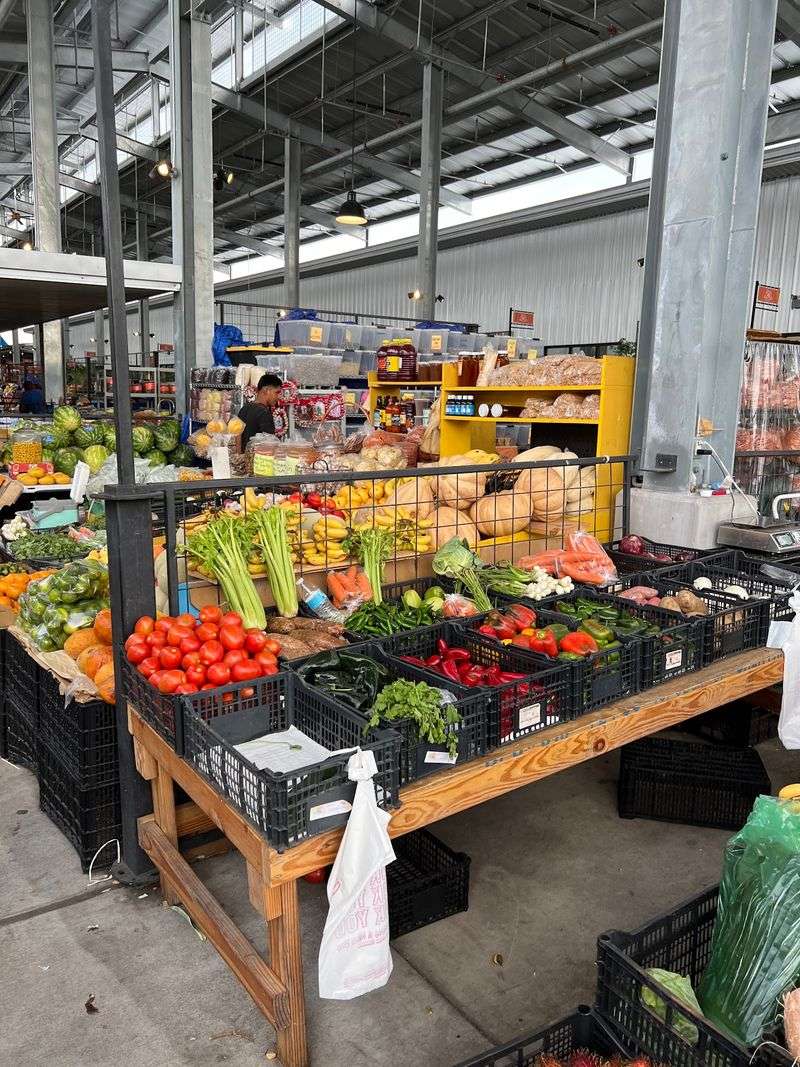
Your phone may be smart. The produce stand may still prefer paper money.
The market’s official self-guided guide specifically encourages visitors to carry cash because many produce merchants accept cash payments. The business is locally owned and, in many cases, family operated.
That is useful information before you start filling bags.
Payment practices can vary among individual businesses, so having cash gives you more flexibility as you move through the traditional market areas.
Those longtime produce operations are also an important part of what separates this place from a conventional shopping center.
The market has been redeveloped, expanded, and modernized, but the open-air produce side still keeps the experience connected to the merchants who built its reputation.
You are not walking through a recreated farmers’ market theme.
This is a market that grew from an actual farmers’ cooperative and then evolved around businesses that kept selling food as the city grew around them.
Sometimes progress means six pickleball courts. Sometimes progress still asks you to bring twenties.
Restaurants Mean You Do Not Have To Cook Everything You Buy
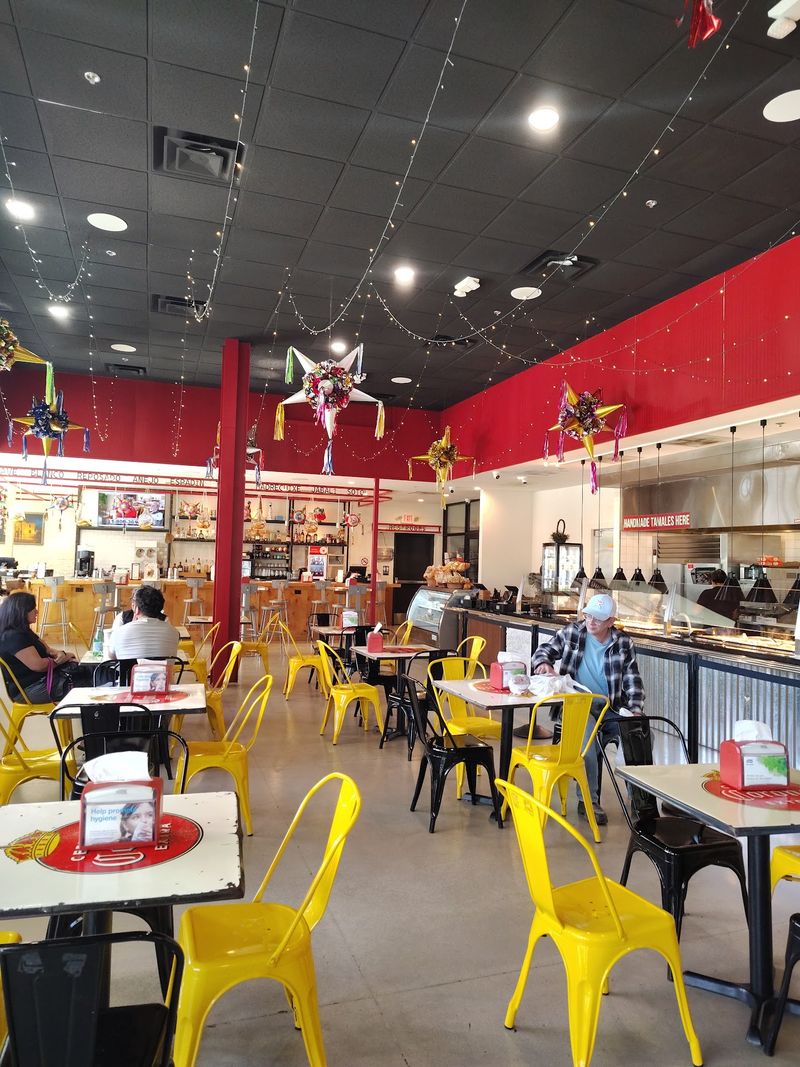
Plot twist: dinner does not necessarily have to make it home.
Restaurants have become an established part of the modern market, giving you the option to sit down and eat before, during, or after browsing.
The current Houston Farmers Market website specifically highlights Alamo Tamales and Underbelly Burger among its dining choices.
That creates a useful dilemma.
You can spend an hour surrounded by ingredients and leave inspired to cook, or you can smell prepared food and decide the stove is officially tomorrow’s problem.
The restaurant component also shows how much the property has changed since its early decades.
The redevelopment was designed to add diversified retail and dining while retaining produce merchants and the market’s historical identity. The result is a place where a restaurant meal and bags of fresh vegetables can belong to the same outing.
You do not even have to choose one or the other. Eat first, shop later, or shop first, eat later.
Just know that wandering through an 18-acre food market hungry is the kind of strategic error your stomach will exploit immediately.
This Is Not The Farmers Market Of 1941 Anymore
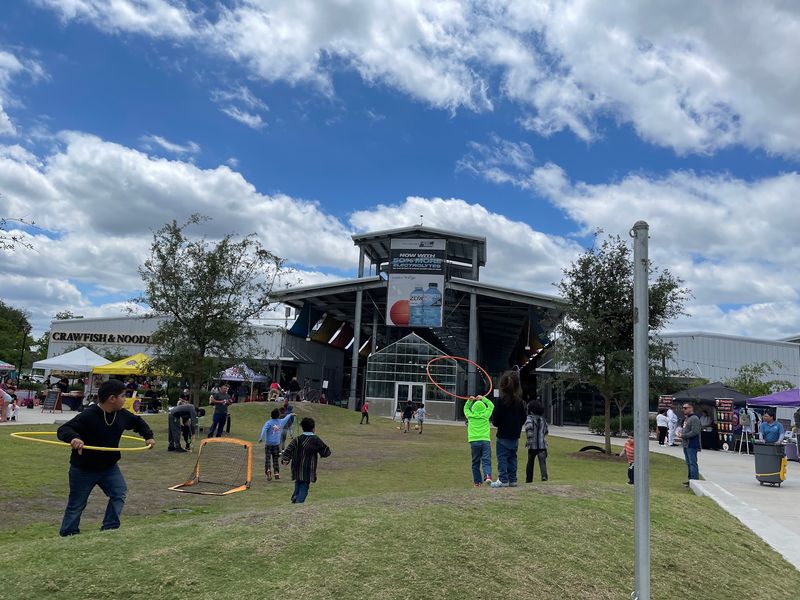
Think you have the place figured out? Then somebody built pickleball courts.
The current market includes Drop Shots, Houston’s first public indoor pickleball facility, with six courts. There is also Toddler Towns, an indoor play area designed for children under five.
Those additions would have been difficult to imagine when farmers organized the original market more than eight decades ago.
They also show how the property has continued adapting.
Produce remains central, but the market now has room for dining, recreation, retail, events, and family activities alongside the traditional food vendors.
That does not mean every visit needs to become an all-day expedition. You can still arrive for fruit and vegetables and leave with exactly that.
But if you are bringing people who do not consider comparing peppers an afternoon activity, having other things on the property makes negotiation much easier.
The market has spent decades adding layers without removing the one that started everything.
Apparently, tomatoes and pickleball can share an address after all.
One Market Packs A Lot Of Houston Into Eighteen Acres
Here is the final challenge: try leaving without spotting one more thing you want.
Fresh produce, tropical fruit, herbs, spices, Mexican culinary traditions, locally operated merchants, restaurants, and newer recreational spaces now share a property that began with farmers simply wanting a better place to sell their crops.
That history gives the market more weight than its size alone.
The 18 acres are impressive, but the larger story is what has accumulated across them since the early 1940s.
Houston grew into one of the country’s most culturally diverse major cities, while this old market kept adjusting to the people, ingredients, and businesses around it. The food and diversity are two defining parts of this market’s identity.
You can see that story through what is sold rather than through museum cases.
A basket of vegetables connects to the market’s earliest purpose. Tropical fruit expands the possibilities. Restaurants represent its newer chapter.
Mexican food traditions give much of the experience its strongest cultural thread.
And through all of those changes, people are still coming to Airline Drive because they need something for dinner.
The shopping list may look ordinary when you arrive. By the time you leave, dinner probably has a much better story.